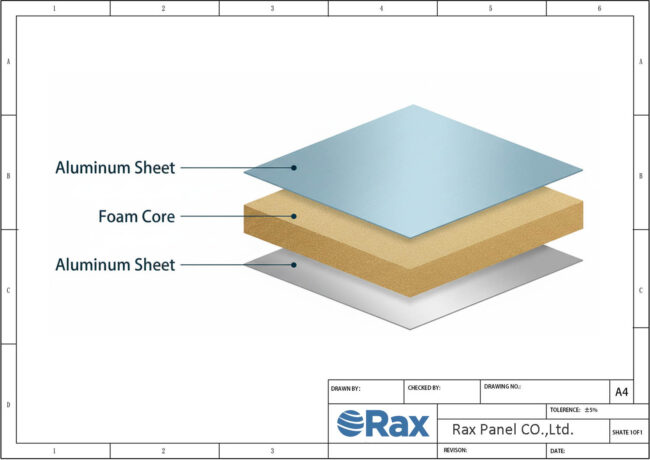
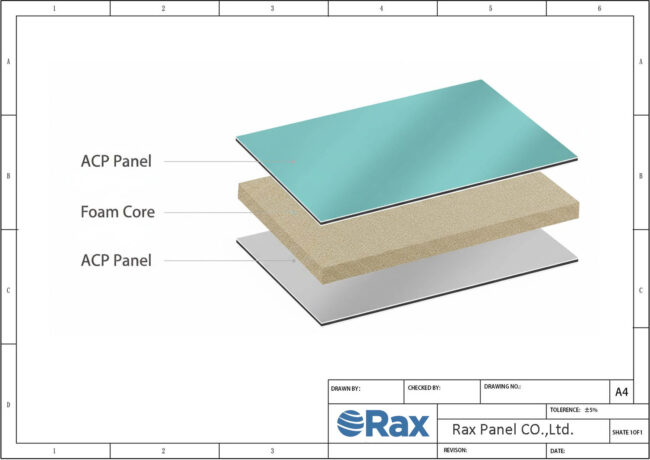
ACP Foam Core vs Honeycomb: Weight Comparison

Last year, an RV manufacturer in Stuttgart swapped their PP honeycomb walls for acp foam core panels across an entire camper line. The reason wasn’t cost — honeycomb ran 12% cheaper per square meter on paper. The real trigger was 340 warranty claims over 18 months, all traced to rivet loosening from road vibration. The…

How Much Do Clean Room Partition Systems Cost?

A medical vehicle manufacturer lost a $2.4 million contract over an 800-pound weight overshoot by spec’ing conventional steel-frame partitions. The purchasing manager bragged about saving $16,000 on material costs, ignoring that these walls weighed 14 lbs per square foot. That dead weight destroyed the unit’s payload capacity, failed GVWR certification, and the client walked. I…

UD Tape vs Woven Fabric: Which Wins for Vehicle Panels?

A single roll of woven fiberglass reinforcement that varies 0.3mm in thickness can idle an automated panel line for three shifts. At 40 panels an hour, that is nearly a thousand unfinished units piling up on the factory floor. This exact disaster is why the UD tape vs. woven debate matters. Plant managers are sick…

Composite Panels for RV Weight Savings

A Midwest trailer manufacturer lost three production days last March. Their lauan plywood sidewalls had thickness variations over 1.2mm, making CNC routing impossible. This halted the assembly line for nine days awaiting replacement material, costing $38,000 in delays and expedited freight. RV weight reduction is important, but inconsistent panel specs are what truly hit your…

Abstract view of a blue and white industrial building wall with roller door, highlighting geometric patterns and colors.

CFRT vs Traditional Materials

Last year, a Midwest ambulance manufacturer recalled 340 units after GRP side panels delaminated from 18 months of road vibration. The warranty hit was $2.1 million. They chose fiberglass because it ran 12% cheaper per sheet on the original PO. That single decision wiped out their entire margin on a three-year contract. I was watching…

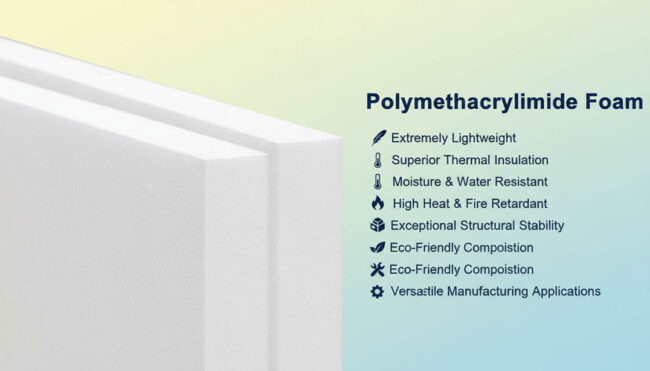
PMI vs PET Foam Core Performance Data

A truck body OEM we supplied last year scrapped 340 sandwich panels in a single production run. Their procurement team had switched from pmi foam core to PET to save €28 per square meter on raw material. The PET deformed at 165°C during prepreg co-curing, 15°C below their autoclave set point. That material substitution cost…

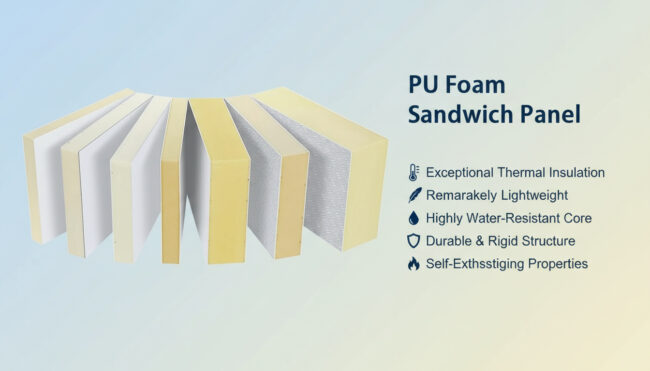
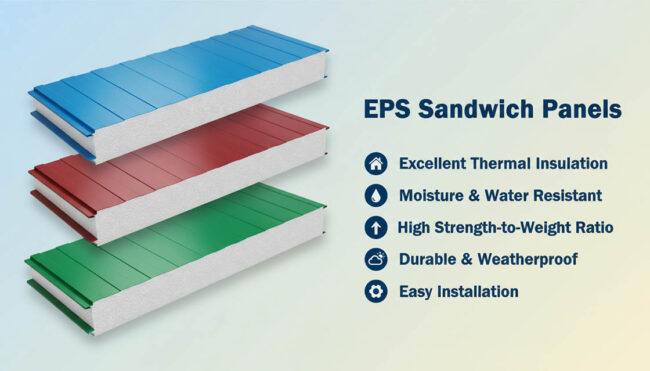
EPS Sandwich Panel vs PU Core Comparison

Three years ago, a mid-size RV builder in Indiana swapped their floor assembly from an eps sandwich panel to a polyurethane core. Made sense on paper. PU delivers R-6.5 per inch versus R-3.8, so thinner walls and more interior clearance. Eighteen months later, their warranty claims spiked 40 percent. The floors were sagging between crossmembers.…

GRP Marine Panel Thickness Options

Three months ago, an RV manufacturer in Indiana halted their assembly line for 11 days straight. The culprit was a shipment of grp sandwich panel stock with 2.3mm thickness variance across a single batch. Their automated equipment couldn’t compensate. Panels wouldn’t seat in the frame joints, and every unit coming off the line had visible…

Cold Room Panel Installation Process

A meat processor in Ohio fired their contractor halfway through a cold room build because of a $280,000 installation disaster. The insulated panels arrived in perfect condition, but the install crew botched the job. They ignored thermal bridging at the corners, used standard polyurethane instead of vapor-rated sealant on the door frames, and left 8mm…

XPS vs PVC Foam Core: Which Should You Use Where?

A truck body manufacturer in Queensland swapped PVC for XPS foam core on their refrigerated vans to hit a $12,000 per-unit cost target. Seemed smart at the time. Eighteen months later, 47 warranty claims landed on their desk for delaminating sidewalls on curved panels. The repair bill wiped out their entire margin on that model…