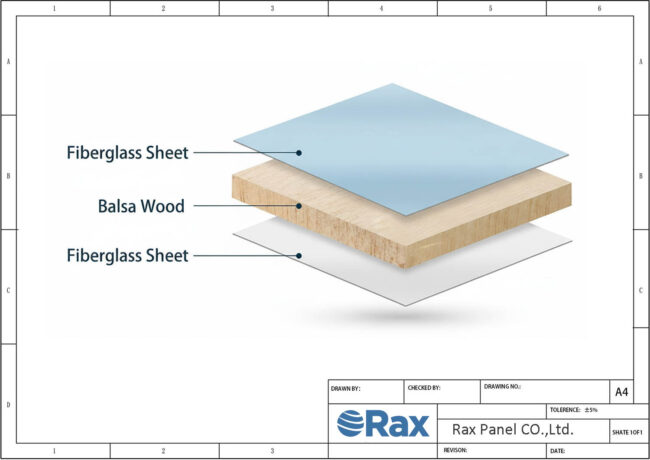
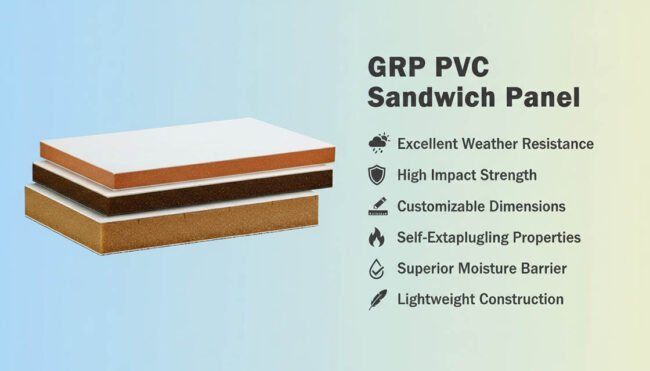
Key FRP GRP Sandwich Panel Trends in Construction & Design

Most procurement managers still specify aluminum cladding because they fear FRP GRP Sandwich Panel systems will fail health and safety inspections. That hesitation is outdated. Modern continuous fiber thermoplastic layups routinely deliver tensile strength exceeding 100 MPa, which completely removes the need for heavy steel reinforcement in medium-span commercial walls. You do not sacrifice structural…

FRP Panels FRP Panels: A Complete Cleaning Guide

FRP Panels: A Complete Cleaning Guide

Marketing materials for FRP panels often promise “low maintenance,” but in high-traffic commercial facilities, that label can be dangerously misleading. If your cleaning crew attacks the gelcoat with abrasive pads or high-pH industrial degreasers, you void the chemical resistance that justified the investment. The industry relies on the plastic resin matrix to create a smooth,…

Marine Grade FRP Panel Certifications

A boat manufacturer in Florida shipped 40 hulls before the warranty claims started rolling in. The panels passed fire tests. The spec sheet looked clean. But saltwater does not care about lab conditions. Osmotic blistering ate through the gel coat within 18 months, and the delamination claims cost that company $2.3 million. When you specify…

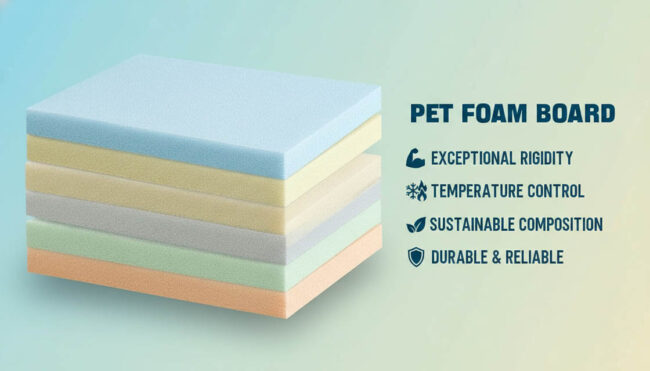
PET Core vs Balsa Core: How Procurement Teams Should Choose

Switching from PET foam core back to balsa to save a dollar or two per panel can look clever on a spreadsheet and expensive six months later, when humid deployment zones start producing delamination warranty claims. That is the actual cost of believing “density is density” when specifying core materials for transportation panels. This article…

pet foam core Cost Comparison: Material Price vs Lifecycle Value

PET Core vs Balsa Core: Why Humid Climates Change Everything

Balsa core side panels that delaminate in monsoon conditions can turn into five-figure warranty claims, which is exactly the failure mode behind the pet foam core versus end-grain balsa comparison. The panels absorb moisture through hairline gelcoat cracks and rot from the inside out, the same failure that repeats across every humid deployment zone from…

Hyper-realistic product photography of various fiberglass sandwich panels (CFRT, GRP/FRP honeycomb, foam core, aluminum) stacked neatly in a warehouse, showcasing different textures and thicknesses. Soft, diffused industrial lighting, clean composition, no text, no brand logos.

Fiberglass Panel Manufacturing Lead Times

A truck body manufacturer in Germany waited 11 weeks for a container of fiberglass panels last year. The supplier quoted 35 days. When the shipment finally arrived, 18% of the panels had edge damage from improper crate packing — corners crushed, gelcoat chipped off, foam core exposed. That single late delivery idled their assembly line…

EPS Sandwich Panel vs PU Core Comparison

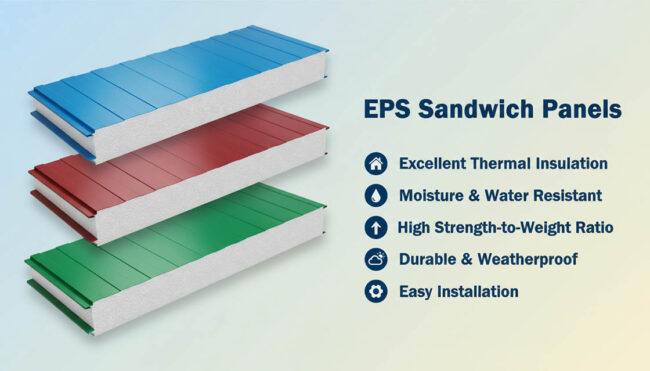
Three years ago, a mid-size RV builder in Indiana swapped their floor assembly from an eps sandwich panel to a polyurethane core. Made sense on paper. PU delivers R-6.5 per inch versus R-3.8, so thinner walls and more interior clearance. Eighteen months later, their warranty claims spiked 40 percent. The floors were sagging between crossmembers.…

GRP Marine Panel Thickness Options

Three months ago, an RV manufacturer in Indiana halted their assembly line for 11 days straight. The culprit was a shipment of grp sandwich panel stock with 2.3mm thickness variance across a single batch. Their automated equipment couldn’t compensate. Panels wouldn’t seat in the frame joints, and every unit coming off the line had visible…