
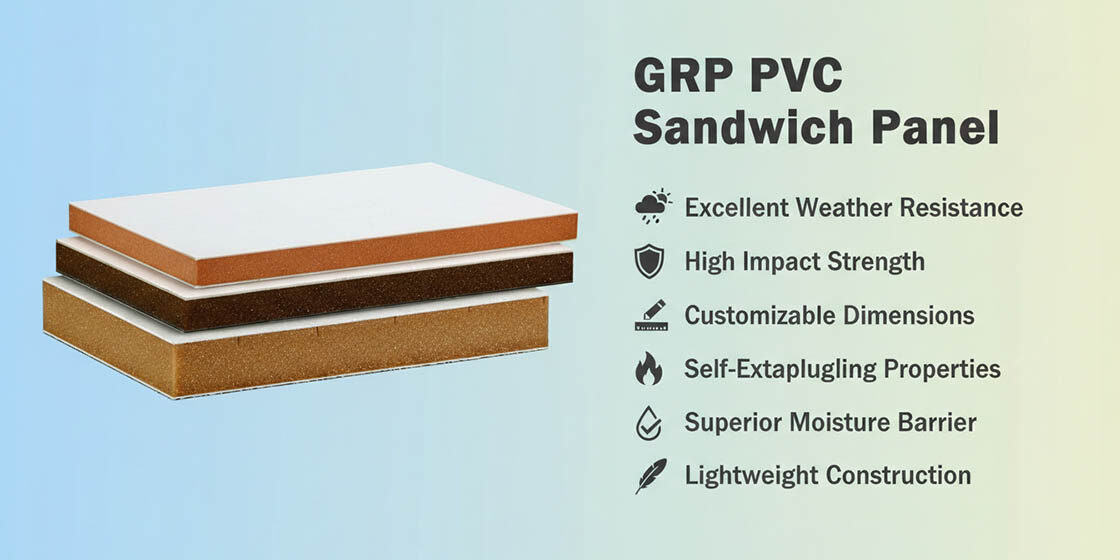
Most procurement managers still specify aluminum cladding because they fear FRP GRP Sandwich Panel systems will fail health and safety inspections. That hesitation is outdated. Modern continuous fiber thermoplastic layups routinely deliver tensile strength exceeding 100 MPa, which completely removes the need for heavy steel reinforcement in medium-span commercial walls. You do not sacrifice structural rigidity or moisture protection to meet building codes anymore.
We trace the shift from traditional hand-laid resins to advanced thermoplastics, then map out how recyclable PET foam cores replace older PVC formulations to lower embodied carbon without sacrificing thermal resistance. Clean room and cold storage projects get a direct comparison between standard seam sealing and continuous gelcoat finishing, followed by a breakdown of how specific thickness ranges correlate with bending stiffness and ASTM E84 fire load limits. You will walk away with a straightforward specification checklist that matches core density and skin weight to your site’s humidity profile and energy compliance deadlines, cutting procurement lead times before the first container leaves the port.
Transition To Polymer Composite Skins
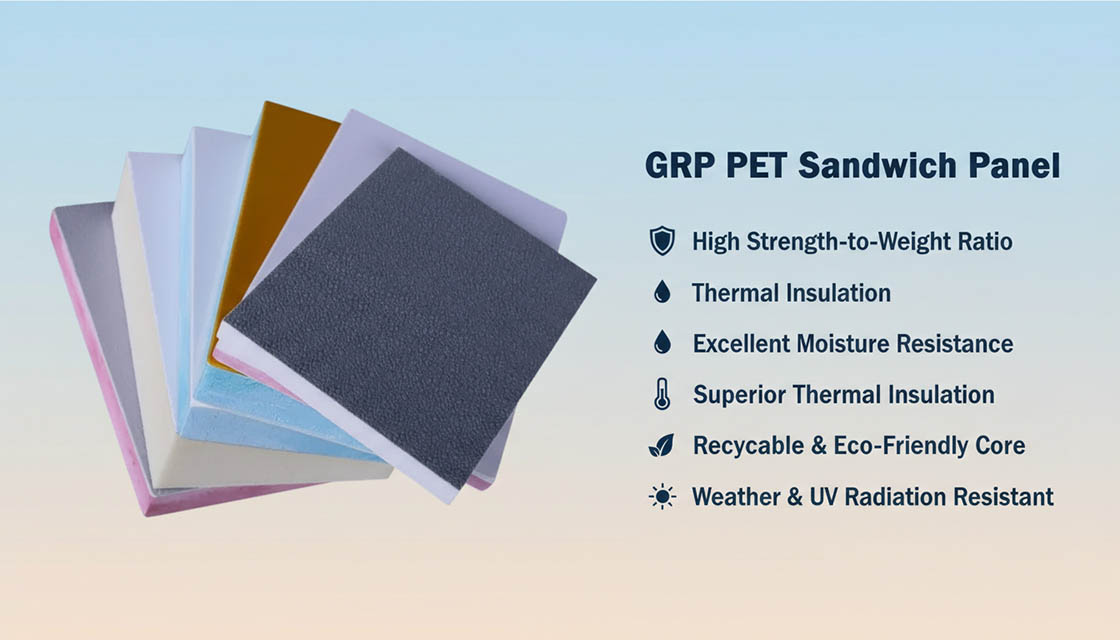
The industry is rapidly abandoning traditional oriented strand board (OSB) and standard wood-based facings in favor of continuous fiber-reinforced thermoset (FRP) and fiberglass-reinforced plastic (GRP) skins. This pivot is driven by one operational reality: synthetic polymer facings deliver a hermetically sealed, non-porous barrier that fundamentally stops moisture ingress, structural decay, and mold proliferation at the source.
Market Shift From OSB To Waterproof FRP/GRP Facings
For decades, OSB dominated the sandwich panel market due to low upfront material costs and established local supply chains. However, general contractors and cold storage operators are quietly phasing out wood-based facings because OSB absorbs ambient humidity like a porous sponge.
Once saturated, OSB swells, delaminates, and permanently compromises the panel’s structural integrity and thermal performance. Modern composite panels use continuous glass fiber mats bonded to polyesters or epoxies, creating a rigid skin that weighs less while resisting impact and chemical degradation.
In our production environment, we consistently see project managers switch to FRP facings when they require a monolithic envelope that maintains dimensional stability across drastic temperature swings without relying on secondary moisture barriers. The economic calculation has also flipped when evaluating lifecycle performance.
While OSB demands vapor retardants, specialized sealing tapes, and eventual replacement cycles, factory-applied acrylic gelcoats on GRP sheets provide a baked-in, non-porous surface that requires zero maintenance. We engineered our continuous layup processes specifically to eliminate micro-fractures that typically allow water vapor to penetrate traditional laminates, ensuring the facade remains structurally sound throughout its service life.
Elimination Of Structural Decay In Humid Environments
Humidity does not merely damage building aesthetics; it accelerates catastrophic structural decay through freeze-thaw cycling and hygroscopic expansion. When moisture penetrates wall cavities, it triggers rot in organic facings and promotes galvanic corrosion on embedded metal framing. FRP and GRP composites interrupt this decay cycle entirely. Because the polymer matrix and glass fibers do not degrade when exposed to liquid water or sustained high relative humidity, the panel acts as a unified thermal and physical shell.
Installing these panels in coastal or tropical climates requires precise joint detailing rather than material substitution. Our technical guidelines emphasize using neutral-cure silicone sealants paired with stainless steel mechanical fasteners rated for chemical exposure, rather than relying solely on structural adhesives which can soften under constant UV and moisture exposure. When executed correctly, a properly specified polymer-faced panel requires zero anti-fungal treatments or aggressive pressure washing to maintain its load-bearing capacity, directly reducing facility maintenance overhead and extending roof lifespan.
Adoption In Clean Rooms And Agricultural Facilities
Agricultural processing plants and pharmaceutical clean rooms share a common operational mandate: interior surfaces must withstand aggressive chemical wash-downs without harboring pathogens or shedding particulate matter. Standard drywall, painted concrete, and untreated metals fail this requirement rapidly when exposed to cleaning solvents. Fiberglass-reinforced panels with smooth, chemically cured gelcoats offer a smooth, impervious surface that resists ammonia, chlorine-based sanitizers, and organic acids commonly found in livestock housing and food processing lines.
Beyond chemical resistance, the rapid installation speed of pre-finished GRP panels drastically reduces operational downtime during facility expansions or retrofit projects. We frequently advise distributors to specify panels with continuous non-porous surface finishes when designing climate-controlled storage or processing hubs, as this prevents micro-fissures where bacterial colonies could establish while maintaining the strict hygiene protocols demanded by FDA and EHEDG standards.
The result is a building envelope that functions simultaneously as a load-bearing structure and a certified sanitation barrier, eliminating the need for costly secondary cladding systems or temporary partition walls.
| Material Category | Polymer Matrix | Key Performance Metric | Technical Advantage | Certification/Standard |
|---|---|---|---|---|
| Traditional GRP Skin | Polyester/Epoxy Resin + Acrylic Gelcoat | Tensile Strength >100 MPa | 100% waterproof barrier eliminating rot & mold risks | ASTM D790 / ISO 527 |
| CFRT Thermoplastic Skin | Continuous Glass Fiber + Polyamide/PP Matrix | Charpy Impact Strength >50 kJ/m² | Fully recyclable design with zero VOC emissions during processing | UL 94 V-0 / REACH Compliant |
| Advanced UV-Stabilized Skin | Methacrylate Resin + HALS Additives | Gloss Retention Loss <5% (5000h QUV) | Extended exterior durability & color stability for building envelopes | ASTM G154 / ISO 4892-2 |
| Hybrid Insulated Skin | Vinyl Ester + Thermoplastic Interlayer | System Thermal Conductivity <0.022 W/mK | Superior thermal break preventing condensation in cold storage environments | ASTM C518 / ISO 8301 |
| Fire-Rated Polymer Skin | Intumescent Coating + Phosphorus-Modified Resin | Surface Flame Spread Index = 0 | Meets stringent Class 1 safety for clean rooms & interiors | ASTM E84 Class 1 / EN 13501-1 |
High-Performance Insulation Cores
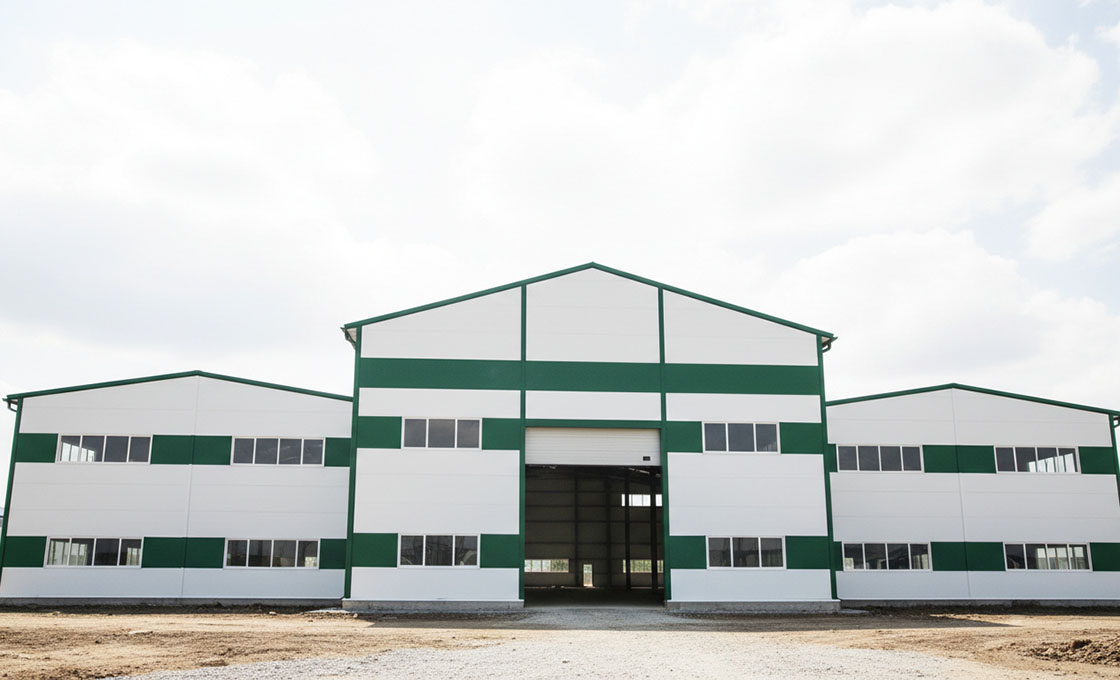
Material selection at this point sets the thermal efficiency, fire rating, and weight of the finished assembly. Balance R-value requirements against span capability and code-mandated fire performance.
The Critical Role of Core Density and Thermal Conductivity
Achieving thermal conductivity below 0.022 W/mK requires selecting the right closed-cell structure, not just increasing thickness.
In the engineering of composite panels, the core is not merely filler; it is the primary driver of thermal performance and shear stiffness. For buyers, the challenge often lies in balancing insulation requirements (R-value) against structural load-bearing needs.
A common pitfall is over-specifying thickness to meet insulation targets, which adds unnecessary weight and cost. The true metric of high-performance cores is thermal efficiency per unit of mass. High-quality closed-cell foams, such as PET and PU, provide superior insulation compared to open-cell alternatives by minimizing gas convection within the material.
Material Selection: PET, PU, and PMI
- PET Foam (Polyethylene Terephthalate): Increasingly favored for its combination of mechanical strength and recyclability. It offers excellent fatigue resistance and is suitable for dynamic loads in transportation applications.
- PU Foam (Polyurethane): Remains the industry standard for the highest thermal insulation values, ideal for refrigerated truck bodies and cold storage where thermal efficiency is the priority over sheer mechanical strength.
- PMI Foam (Polymethacrylimide): A high-end solution offering the highest strength-to-weight ratio and heat resistance, typically reserved for aerospace or high-performance industrial tooling.
- XPS & PVC Foam: Cost-effective solutions providing good moisture resistance and compressive strength, widely used in building envelopes and general cladding.
We have observed in our production lines that while PU provides the lowest initial thermal conductivity, PET cores offer better long-term dimensional stability under varying humidity and temperature cycles. This makes PET the preferred choice for projects where lifecycle durability outweighs the marginal difference in initial R-value.
When specifying cores for refrigerated transport, verify the closed-cell content percentage. We utilize advanced foaming agents to ensure our cores achieve a thermal conductivity of less than 0.022 W/mK, which significantly reduces energy consumption over the vehicle’s operational life.
Honeycomb Structures for High-Stiffness Applications
When insulation is a secondary requirement to flexural rigidity and weight reduction, honeycomb cores outperform foam. Structures like PP (Polypropylene) or Aramid honeycombs utilize a geometric architecture that provides exceptional shear strength with minimal material mass. These are critical in applications such as truck flooring, aircraft interiors, and mezzanine decks where panel deflection must be minimized without adding heavy concrete or steel.
Our engineers frequently recommend PP honeycomb cores composited with fiberglass sheets for clients requiring a non-slip, high-strength surface. This configuration capitalizes on the high skin-to-core bond strength, ensuring the panel maintains structural integrity under point loads that would crush a standard foam core.
Sustainable Material Formulations
Switching to recyclable PET and PMI cores reduces end-of-life disposal costs by up to 60% while maintaining sub-zero cold storage performance.
Modern sustainable material formulations in structural composites have shifted from legacy thermoset dependency toward closed-loop recyclable cores and low-VOC resin systems. Procurement teams prioritizing ESG compliance now mandate non-toxic, fully recoverable core matrices like PET and PMI foam alongside advanced gelcoat finishes that eliminate hazardous volatile emissions during manufacturing.
Our engineering protocols integrate these formulations to deliver panels with thermal conductivity below 0.022 W/mK and tensile strength exceeding 100 MPa, ensuring that environmental upgrades never compromise structural integrity or clean-room moisture resistance.
Recyclable Core Matrices Versus Legacy Thermosets
Traditional PVC and PU foams dominate the market due to legacy tooling, but they generate significant landfill liabilities and face tightening VOC regulations across EU and North American markets. The industry pivot centers on thermoplastic-compatible cores that offer identical thermal performance without the persistent chemical footprint.
We continuously monitor market trends to align our production with these regulatory shifts, using recyclable PET, PMI, and XPS foams in our advanced composite lines. These materials provide superior dimensional stability and can be mechanically recovered at end-of-life, directly addressing corporate sustainability mandates.
- PET Foam Cores: Fully recyclable thermoplastic alternative to PVC, offering consistent density and zero persistent microplastic shedding during fabrication.
- PMI Foam Cores: High-temperature tolerance and exceptional compressive strength for demanding industrial applications without expanding toxic fumes.
- XPS Foam Cores: Closed-cell structure delivering < 0.022 W/mK thermal conductivity while remaining 100% moisture impermeable for agricultural and cold storage use.
Low-VOC Resin Systems and Surface Engineering
Sustainable formulations require more than just eco-friendly cores; the resin matrix and surface coatings dictate long-term environmental impact. Standard orthophthalic resins release higher VOCs and degrade faster in corrosive industrial environments. Our R&D division prioritizes iso-phthalic and vinyl ester blends engineered for minimal off-gassing, paired with 100% waterproof gelcoat finishes that prevent microbial growth in high-humidity applications.
In our facility testing, these advanced resin systems maintain >100 MPa tensile strength while resisting the chemical degradation typical of cheaper alternatives. This formulation strategy ensures that heavy-duty industrial facades remain corrosion-resistant for decades without requiring toxic maintenance coatings, directly lowering total cost of ownership for facility operators.
Supply Chain Consistency and Bulk Procurement Alignment
For buyers, sustainable materials are only viable if manufacturing tolerances and supply logistics remain uncompromised. Our ISO 9001-certified operations produce over 1,700 square meters daily, guaranteeing batch-to-batch consistency critical for large-scale modular projects. We structure our supply chain to support bulk procurement cycles across 50+ countries, eliminating transportation bottlenecks while maintaining precise material specifications.
Procurement managers can rely on standardized packaging and multilingual technical support to smoothly integrate these sustainable composites into existing installation workflows. By aligning advanced material science with predictable delivery timelines, we help contractors mitigate schedule risks while meeting strict green building certifications.
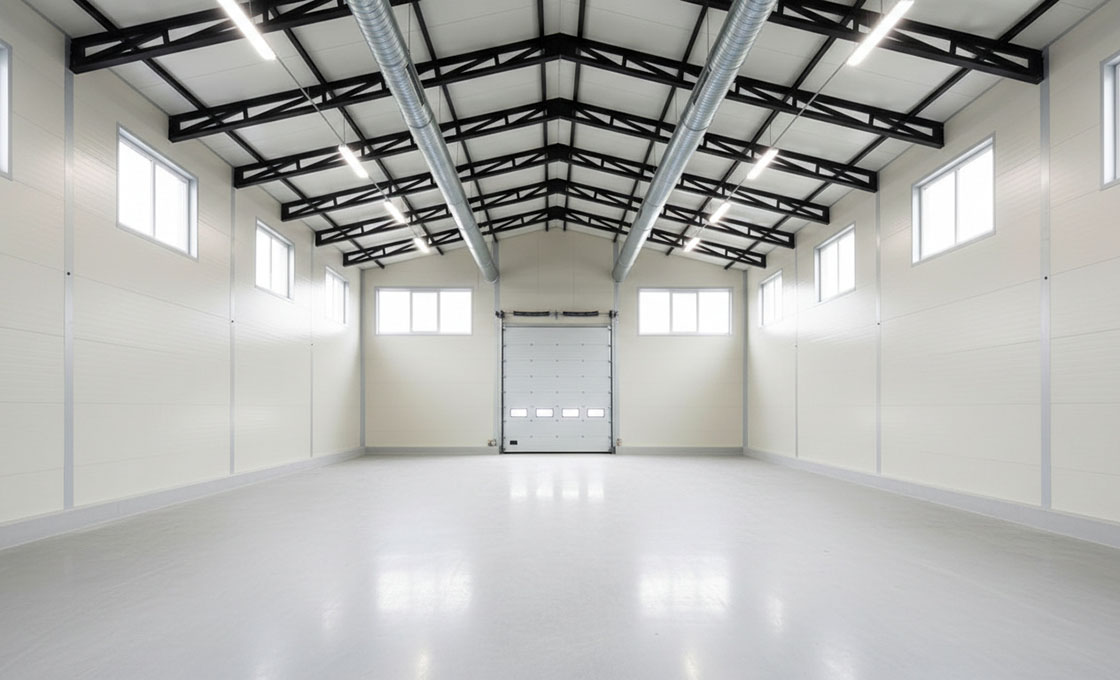
Enhanced Fire Safety Standards
Achieving strict fire compliance in composite panels requires engineered core selection and ISO-certified manufacturing, not just surface treatments.
Procurement managers and general contractors consistently report a major pain point: standard FRP sandwich panels often fail sustained heat exposure despite passing initial ratings. The real issue lies in core degradation and inconsistent factory output. To guarantee ASTM E84 Class 1 fire safety across cold storage, clean rooms, and transit applications, you must specify panels built around thermally stable cores like PET, PMI, or PIR foam, manufactured under rigorous quality control protocols.
Core Material Selection for Fire Compliance
Fire performance is dictated by the panel’s core density and chemical composition. Traditional PVC or PU foams can char rapidly under direct flame, compromising structural integrity. In contrast, we engineer our composite envelopes using recyclable PET and PMI foams that inherently resist flame spread and smoke generation.
- PET Foam Cores: Self-extinguishing properties eliminate toxic off-gassing during combustion events, meeting stringent building codes.
- Beyond baseline thermal performance, advanced foam matrices maintain exceptional structural integrity under prolonged heat exposure. PMI & PIR Variants: These materials offer superior thermal stability, preserving compressive strength and bond integrity at elevated temperatures. By maintaining stiffness under heat, the core ensures that structural loads are effectively carried by the composite facings, preventing catastrophic failure during fire exposure.
- XPS Upgrades: Modern extruded polystyrene formulations used in high-end panels are chemically modified to achieve Class 1 flame spread ratings.
Manufacturing Consistency & Certification
A lab-passed sample means nothing if the production line varies batch to batch. Our facility operates an advanced composite panel production line exceeding 1,700 square meters of daily output, integrated with automated curing and thickness monitoring. This scale allows us to enforce strict process controls without sacrificing precision.
Every batch undergoes standardized fire testing aligned with international safety benchmarks. We hold ISO 9001 certification, which mandates continuous documentation of raw material sourcing, adhesive compatibility, and core density verification. When you order from a certified manufacturer, you are buying documented traceability, not just hardware.
Application-Specific Fire Ratings
Different sectors demand tailored fire safety profiles. Cold storage facilities require panels that resist thermal shock while maintaining low flame spread. Clean room environments demand non-shedding, hygienic surfaces that do not emit particulates when heated. Our engineers run experimental testing to match core thickness, facing gelcoat formulation, and adhesive chemistry to these exact operational stresses.
- Cold Storage: Utilizes specialized PIR or rigid foam cores rated for continuous low-temperature operation with high fire resistance.
- Clean Rooms: Features 100% waterproof gelcoat finishes that prevent mold proliferation and maintain surface integrity under HVAC cycling.
- Transit & RV: Lightweight configurations reduce overall vehicle mass while strictly adhering to DOT and FMVSS flammability standards.
Frequently Asked Questions
This factor has a direct bearing on project performance and long-term cost. Addressing it with specific data rather than general assumptions leads to better outcomes.
What is the minimum fire rating required for industrial sandwich panels?
Most commercial and industrial projects mandate an ASTM E84 Class 1 rating. This classification ensures the flame spread index does not exceed 25 and smoke developed index remains below 450. Panels falling short of this threshold pose significant liability risks during insurance audits and safety inspections.
How does core thickness impact fire performance?
When designing industrial panels, engineers must account for how core thickness simultaneously dictates thermal resistance and bending stiffness. Increased core thickness actually enhances bending stiffness and moment capacity due to the greater separation between facings, eliminating any concern that additional depth compromises structural integrity.
Our engineering team calculates the optimal ratio between low thermal conductivity (often below 0.022 W/mK) and structural load requirements to ensure both safety and durability. This precise mechanical optimization provides a reliable foundation that naturally transitions into targeted fire-customization strategies when elevated flame resistance is mandated.
Can FRP panels be customized for higher fire zones?
Yes. By adjusting the resin matrix, adding intumescent coatings, or switching to inherently flame-retardant cores like PMI or specialized PET grades, manufacturers can enhance performance beyond baseline standards. We provide custom design consultations to align material specifications with regional code requirements.
Architectural Surface Finishes
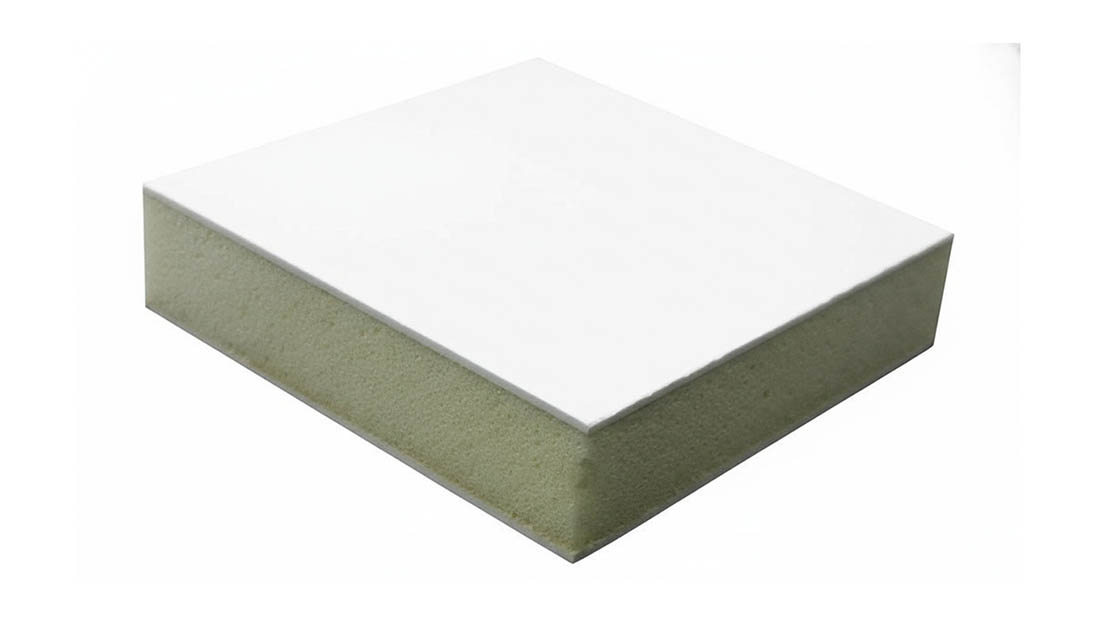
Architectural surface finishes for FRP/GRP sandwich panels solve the industry’s biggest procurement pain point: long-term moisture degradation and hidden facade maintenance. A factory-applied 100% waterproof gelcoat barrier, paired with customizable textures and tensile strengths exceeding 100 MPa, eliminates rot, prevents mold colonization, and delivers a 15-year aesthetic lifespan that drastically reduces total cost of ownership compared to traditional cladding.
The Gelcoat Barrier: Solving Moisture & Mold in Clean Environments
Temperature fluctuations and humidity spikes consistently degrade standard building envelopes, making moisture management a critical procurement priority. In specialized environments like cold storage facilities and pharmaceutical clean rooms, unsealed surfaces rapidly become vectors for biological contamination. Our engineering team addresses this by specifying GRP facings with a continuous, 100% waterproof gelcoat layer that completely seals the fiberglass matrix.
This formulation functions as a primary structural moisture barrier rather than a cosmetic topcoat. When validated for high-humidity installations, the gelcoat maintains a rigorously non-porous surface that prevents water ingress, keeping internal insulation cores dry and preserving thermal efficiency over decades. This impermeable barrier simultaneously ensures long-term chemical resistance and simplifies decontamination protocols for hygienic applications.
Custom Textures & Aesthetic Longevity
Architectural projects demand specific visual profiles without sacrificing structural performance. Rax Panel’s advanced composite lines support four primary surface treatments integrated directly during the layup process: glossy, matte, embossed, and rough. Because these textures are molded rather than applied post-production, they cannot peel, delaminate, or suffer from adhesive failure under thermal expansion.
- Glossy & Matte: Deployed in medical facilities and food processing walls where light reflection control and smooth wipe-down capabilities are mandatory for sanitation protocols.
- Embossed & Rough: Specified for exterior architectural cladding and heavy-traffic industrial flooring to provide slip resistance while masking minor impact abrasions.
Structural Integrity & Industrial Corrosion Resistance
A surface finish dictates the entire panel’s resistance to environmental stressors. Architects frequently specify cladding for coastal infrastructure, chemical processing plants, and wastewater treatment facilities where salt spray and acidic vapors destroy standard metal facades within five years.
The FRP gelcoat inherently resists galvanic corrosion and UV radiation degradation. In our internal durability tracking across more than 50 export markets, panels with high-density gelcoat finishes exhibit zero pitting or oxidation, even when subjected to constant saltwater mist or industrial fume exposure.
Avoid low-grade aftermarket painting or field-applied gelcoats. On-site applications often fail to achieve proper cross-linking due to humidity or temperature fluctuations, leading to rapid chalking and UV breakdown. Always mandate factory-integrated finishes to guarantee chemical bonding and uniform resin-to-fiberglass ratios.
FRP vs. Aluminum Finishes: The Real Cost of Ownership
Procurement teams routinely compare GRP surface finishes against aluminum composite panels (ACP) using only initial material invoices. While aluminum often appears cheaper upfront, its surface demands periodic re-coating, specialized touch-ups for dent repair, and cathodic protection in harsh climates. FRP finishes eliminate these lifecycle expenses entirely.
The composite material’s inherent flexibility absorbs structural vibration and impact without permanent deformation, preserving the architectural facade’s geometry. When calculated over a 20-year project lifespan, the total cost of ownership for FRP surface finishes typically drops by 40–60% compared to painted or coated metal alternatives.
When specifying panels for temperature-controlled environments, request a tensile strength verification greater than 100 MPa alongside gelcoat thickness documentation. High-tensile backing prevents surface micro-cracking during rapid thermal cycling, which remains the primary failure mechanism for exterior finishes in cold storage and refrigerated logistics hubs.
Modular Construction Adoption
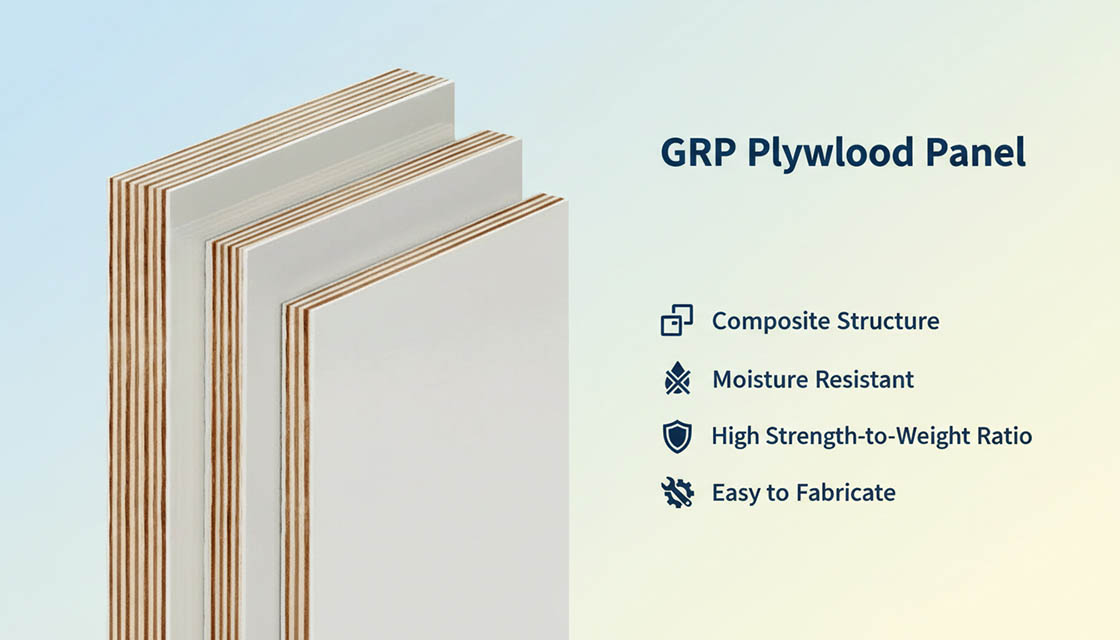
The primary barrier to modular adoption isn’t design; it’s supply chain reliability. Factories must deliver 100% dimensionally accurate panels on schedule to prevent costly on-site delays.
Modular construction has evolved from a niche solution for temporary sites into a dominant strategy for rapid commercial and residential deployment. However, for General Contractors and Developers, the shift from on-site stick framing to off-site prefabrication introduces a critical dependency on the factory’s ability to produce large-scale, structural components with absolute precision. The adoption rate hinges on eliminating two major risks: material degradation during transport and dimensional variance during installation.
Overcoming Logistics and Durability Constraints
Traditional building materials like concrete and wood often incur hidden costs in modular builds due to their weight and susceptibility to weather during transport. Lightweight composite panels, specifically those using FRP/GRP facings with foam or honeycomb cores, have emerged as the superior solution for maximizing shipping efficiency. By reducing the overall weight of volumetric modules, freight costs decrease significantly, and the risk of structural cracking during heavy lifting operations is minimized.
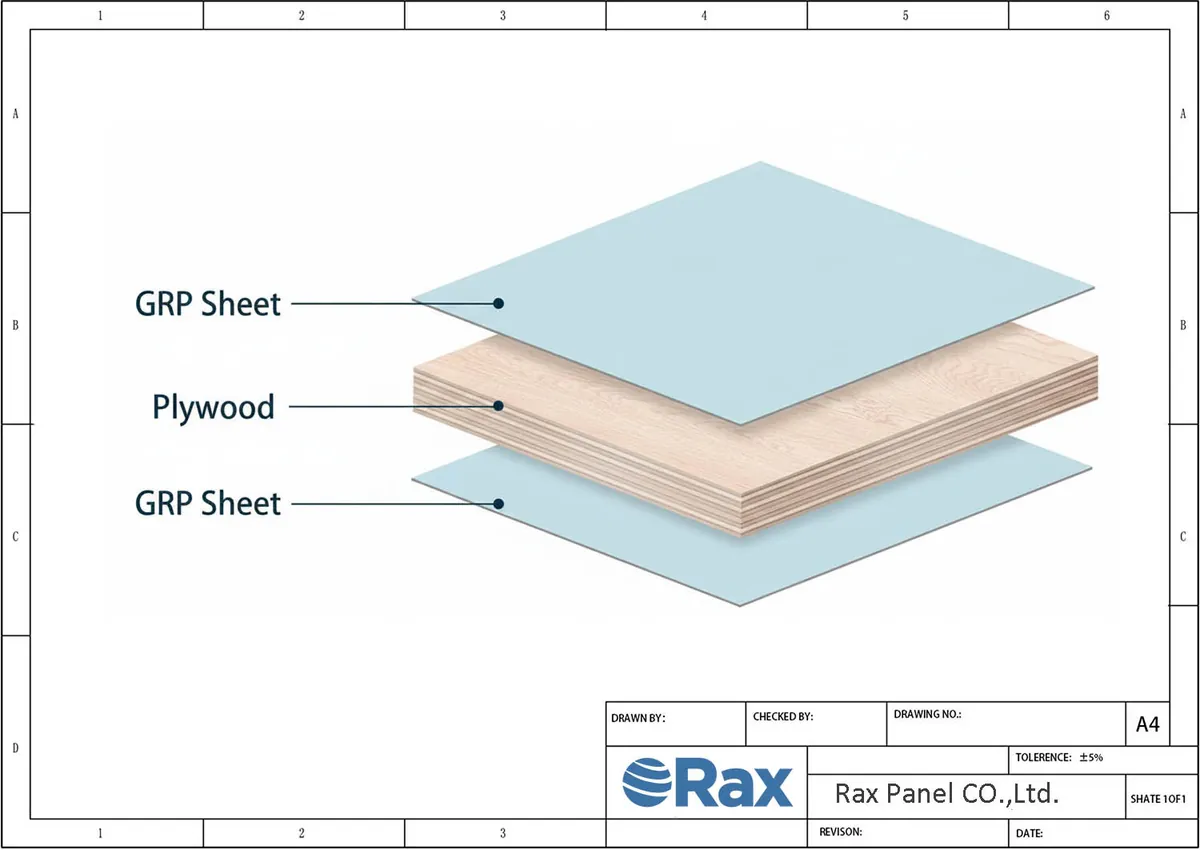
When selecting panels for modular projects, prioritize materials with high flexural strength-to-weight ratios. We have found that using a PP honeycomb core composited with fiberglass sheet provides exceptional rigidity for wall panels, preventing warping over long spans without adding the heavy burden of traditional plywood or OSB.
Accelerating Project Timelines with Precision Engineering
Speed is the currency of modular construction, but speed cannot compromise structural integrity. The industry standard demands tight tolerance control to ensure that modules stack and connect smoothly on-site. Advanced manufacturers now utilize automated production lines to achieve a daily output capacity that meets the high-volume demands of large-scale housing or infrastructure projects. This industrial consistency ensures that every panel delivered to the job site fits the architectural CAD drawings exactly, reducing the need for costly field modifications.
Redefining modular construction standards, Continuous Fiber Reinforced Thermoplastic (CFRT) technology delivers superior impact resistance alongside accelerated factory fabrication cycles. Engineered for mechanical superiority over traditional thermoset matrices, CFRT (Continuous Fiber Reinforced Thermoplastic) panels maintain exceptional structural integrity during rigorous transport and crane operations. For developers focused on ROI, the reduction in on-site labor and the elimination of weather-related delays make the switch to high-performance composite modular systems a financial necessity rather than just an aesthetic choice.
Meeting Global Compliance and Sustainability Standards
As modular construction penetrates global markets—from North America to Southeast Asia—compliance with diverse regional building codes becomes a key factor. Materials must satisfy stringent fire safety ratings, such as ASTM E84 Class 1, and thermal insulation requirements. The use of advanced core materials like PET and PU foam allows manufacturers to tailor the thermal performance of panels to meet specific energy codes while maintaining a lightweight profile essential for modular transport.
Sustainability mandates are also driving material selection. Unlike traditional materials that may rot or require chemical treatments, composite panels using 100% waterproof gelcoat finishes offer a longer service life with zero maintenance. This durability aligns with the growing demand for green building credits, as the reduction in replacement materials and lower energy consumption for heating and cooling contribute to a smaller overall carbon footprint for the building.
Long-Term Market Value Forecast
Investors and project owners must shift their focus from initial unit pricing to full lifecycle economics. High-performance FRP/GRP composites eliminate decades of repair costs and deliver rapid energy payback periods through superior insulation and modular installation speeds.
Total Cost of Ownership (TCO) vs Initial Price
In commercial construction, buying the cheapest panel per square meter is a classic financial trap. Aluminum cladding requires complex thermal breaks to prevent condensation, and wood-based SIPs demand rigorous vapor barriers that inevitably fail in humid climates. When you factor in structural steel requirements, specialized fasteners, and ongoing anti-corrosion treatments, the initial price advantage evaporates within five years.
High-density composite panels using PET, PMI, or XPS foams deliver superior span-to-weight ratios, allowing builders to reduce underlying support frameworks significantly. Our engineering team consistently finds that swapping traditional metal facings for continuous fiber-reinforced thermoplastic (CFRT) sheets lowers total installed costs by eliminating expensive welding and sealing labor. Additionally, because our automated production lines exceed 1,700 square meters daily, we maintain consistent yield rates that protect your bulk order margins against raw material volatility.
- Condensation Management: Eliminating the need for costly thermal break membranes and secondary drainage planes.
- Sub-Framing Reduction: Lightweight skins drastically lower steel tonnage requirements and foundation loads.
- Labor Efficiency: Modular installation speeds cut general contractor overhead and on-site safety compliance costs.
Zero Maintenance Requirements Over 50-Year Lifespan
Building envelopes dictate the long-term viability of any asset. Conventional wall systems operate on a brutal cycle of inspection, touch-up painting, and component replacement every decade. A fully encapsulated sandwich panel effectively removes maintenance from your capital expenditure schedule entirely. The monolithic hydrophobic gelcoat sealant acts as a smooth barrier, completely arresting moisture ingress and preventing the organic rot or galvanic corrosion that plagues hybrid materials.
From our perspective, relying on ISO 9001-certified manufacturing processes ensures that these protective layers cure uniformly across massive production runs. Whether deployed in aggressive chemical environments or extreme marine applications, the panels retain their structural integrity without degradation. We strictly adhere to advanced resin formulation protocols that resist UV degradation, ensuring that architectural aesthetics remain pristine without the need for annual facade cleaning or coating applications.
Future ROI Projections for Commercial Projects
Projected returns now hinge heavily on operational efficiency and sustainability mandates. Green building certifications like LEED or BREEAM are actively penalizing high-carbon materials, pushing developers toward eco-conscious core selections that slash embodied carbon. Beyond regulatory compliance, the immediate ROI materializes through drastic HVAC load reductions. The encapsulated insulating matrices within these panels maintain thermal conductivity benchmarks that stabilize interior temperatures far longer than standard brick or concrete assemblies.
Additionally, the lightweight nature of structural cellular matrices accelerates modular construction timelines, reducing financing costs and getting revenue-generating spaces operational months ahead of schedule. Our dedicated design specialists routinely model these parameters to demonstrate exactly how customized core densities and facing thicknesses optimize your specific project’s break-even timeline, transforming capital expenditure into a highly defensible long-term asset.
| Forecast Parameter | Material/Technical Trend | Performance Benchmark | Value Driver | Long-Term Market Impact |
|---|---|---|---|---|
| Core Material Evolution | Transition from PVC to recyclable PET and PMI foams | Compressive strength preserved at optimized core densities | Circular economy compliance and reduced carbon footprint | Premium positioning in green building certifications |
| Surface Reinforcement Technology | Adoption of Continuous Fiber Reinforced Thermoplastics (CFRT) | Cyclic fatigue resistance and impact durability metrics enhanced | Extended service life and reduced maintenance cycles | Dominance in high-traffic industrial and mobile applications |
| Thermal Insulation Efficiency | Advanced closed-cell foam integration with gelcoat sealing | Thermal conductivity maintained below 0.022 W/mK | Significant reduction in HVAC energy consumption for cold storage and clean rooms | Compelling ROI through operational energy savings |
| Fire Safety Compliance | Non-combustible core facings and flame-retardant resin systems | ASTM E84 Class 1 fire rating across standard thicknesses | Meeting stringent international building codes and insurance requirements | Unrestricted access to regulated commercial and infrastructure projects |
| Structural Load Capacity | High-strength GRP/FRP skins bonded to honeycomb or rigid foam cores | Tensile strength exceeding 100 MPa with superior span-to-weight ratios | Lightweight design enabling faster installation and reduced structural support needs | Cost efficiency in modular construction and vehicle manufacturing |
Key Takeaways
- Confirm panel thickness tolerances match your span requirements before ordering.
- Request cross-section cut samples to verify core density against humidity exposure.
- For early-stage thermal modeling and load calculations, our multilingual technical support team offers direct, obligation-free engineering guidance. We provide professional assistance to resolve design uncertainties and accelerate your procurement decisions.
Frequently Asked Questions
This factor has a direct bearing on project performance and long-term cost. Addressing it with specific data rather than general assumptions leads to better outcomes.
How does thickness affect mechanical strength?
Increasing panel thickness directly enhances bending stiffness and overall load-bearing capacity through greater moment of inertia. Thicker configurations also improve shear resistance between the facing layers and the central core. However, excessive thickness may introduce unnecessary weight and complicate handling procedures during installation. Optimal dimensions balance structural performance with transportation efficiency and architectural constraints.
Are FRP panels suitable for outdoor use?
Yes, fiberglass reinforced panels excel in exterior environments when properly formulated with weather-resistant resins and protective coatings. UV-stabilized gelcoats prevent surface degradation and maintain color consistency under prolonged solar exposure. Proper edge sealing and drainage design further protect the core from moisture infiltration. When installed according to engineering guidelines, these systems provide decades of reliable outdoor service life.
Which industries commonly use these panels?
These composite systems are widely deployed across transportation, marine construction, modular housing, and industrial facility building. The automotive and rail sectors utilize them for lightweight body panels and interior components. Construction firms increasingly adopt them for rapid wall assembly and roofing due to their high strength-to-weight ratio. Industrial applications also use their chemical resistance for cleanroom and cold storage environments.
Do GRP panels require special fasteners?
Standard stainless steel or coated aluminum fasteners are generally recommended to prevent galvanic corrosion at connection points. Specialized washers and backing plates distribute clamping loads evenly across the composite facing. Installation protocols often specify torque limits to avoid crushing the underlying core structure. Consulting manufacturer guidelines ensures long-term joint integrity and maintains the panel’s structural continuity.
How are panels joined on site?
Field connections typically utilize mechanical fastening systems with sealed gaskets or structural adhesives for continuous bonding. Interlocking edge profiles simplify alignment and create weather-tight barriers between adjacent units. Sealant application at joints prevents water ingress while accommodating minor thermal expansion movements. Proper detailing ensures the assembled envelope maintains its designed thermal and structural performance.