RV & Mobile Camper Composite Panel Engineering Guide
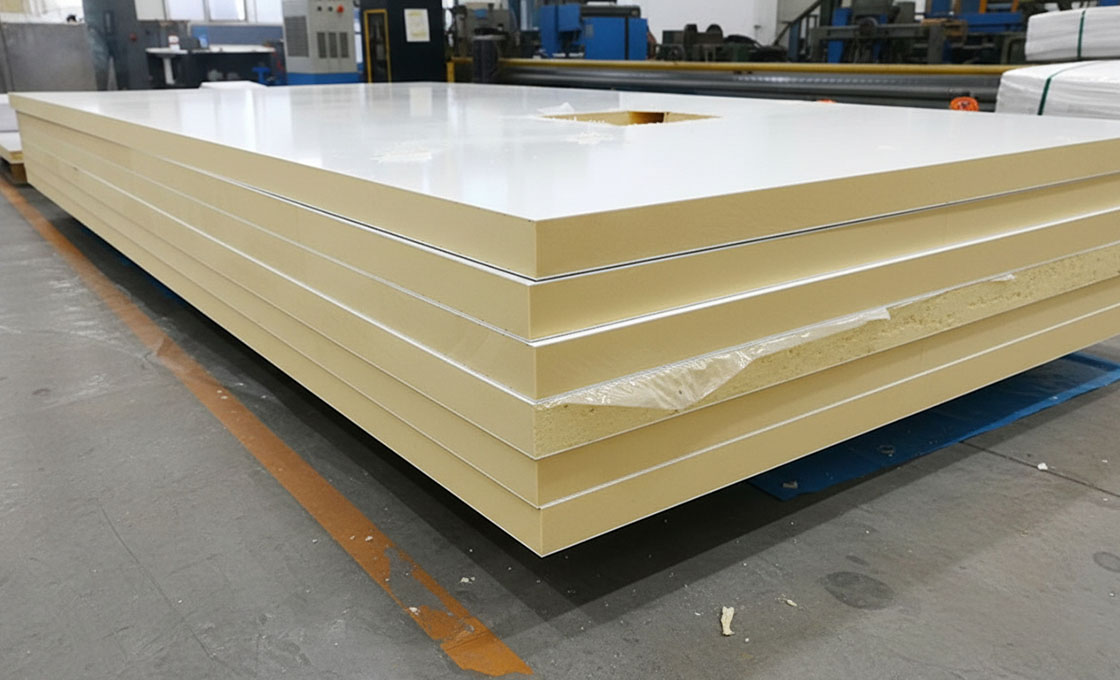
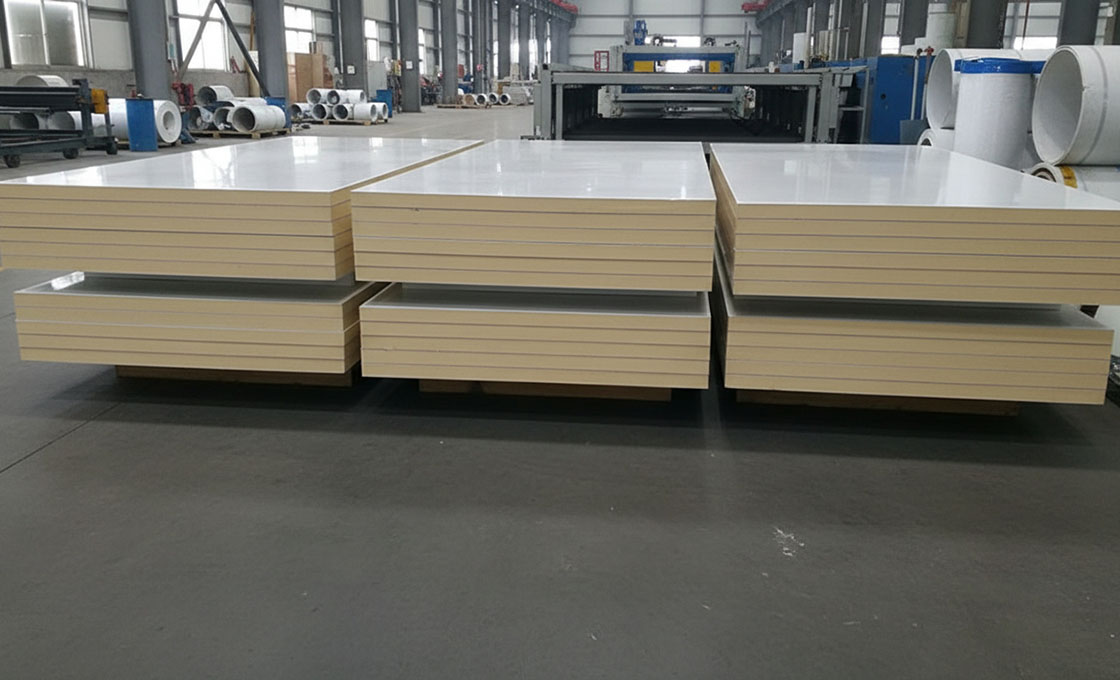
RV composite sandwich panels have revolutionized motorhome, camper, overland vehicle, and trailer construction by replacing traditional wood studs and thin aluminum skins with 100% rot-proof, high-rigidity composite assemblies. Engineered with UV-stabilized Gelcoat GRP or CFRT skins bonded to XPS or PET structural foam cores, these continuous panels achieve a 40% to 60% weight reduction while eliminating water leak rot.
💡 Pro Tip: Seamless Continuous Lamination & Hail/Branch Impact Resistance
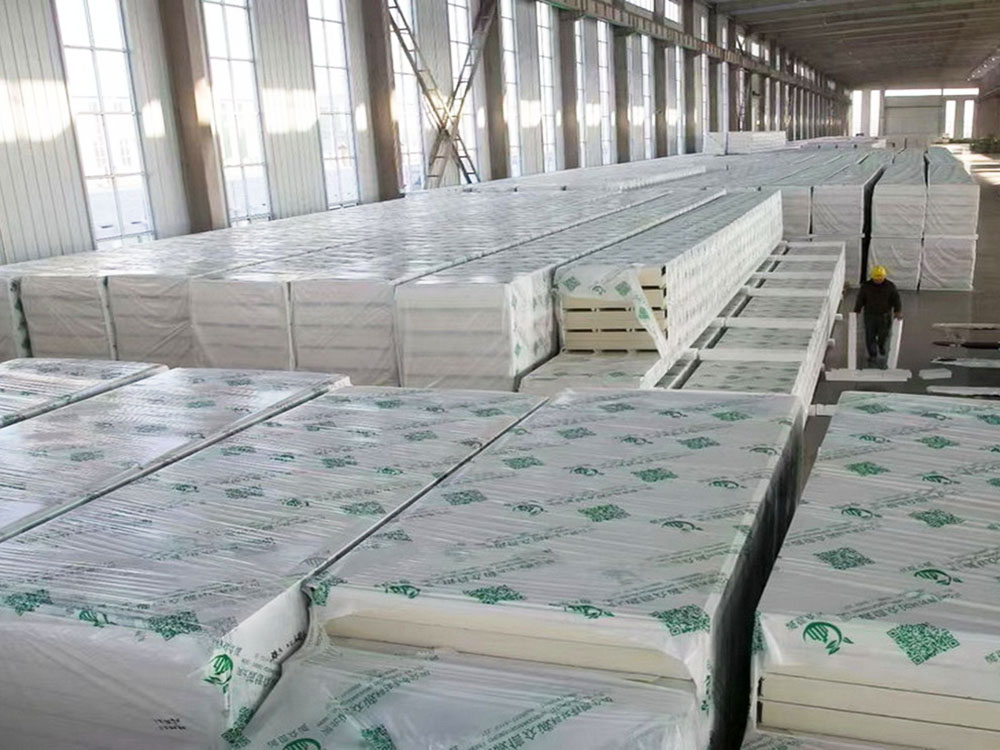
At RaxPanel, our RV wall and roof panels are vacuum-laminated up to 12 meters in single continuous lengths. Gelcoat GRP skins withstand branch scratches, gravel impact, and severe hail without denting, keeping your vehicle body waterproof and pristine for decades.
1. Why Are Composite Sandwich Panels Replacing Wood and Aluminum Siding?
Traditional wood framing absorbs humidity, rots under roof leaks, and delaminates over time. RaxPanel composite panels use 100% synthetic XPS (>99% closed cell) or recyclable PET cores that cannot absorb moisture, eliminating structural rot, mold, and frame warping forever.
2. How XPS Cores Compare with High-Strength PET Cores for RV Applications
Core material selection balances thermal R-value insulation against structural floor/wall load-bearing requirements:
| Core / Material Option |
RaxPanel Technical Metric |
RV Application Advantage |
| XPS Foam Core |
Density 35-45 kg/m³ / Closed Cell > 99% / λ ≈ 0.028 W/m·K |
Maximum thermal insulation for camper walls and roofs |
| PET Thermoplastic Core |
Density 75-100 kg/m³ / Shear Strength ≥ 1.2 MPa |
High structural load-bearing capacity for RV floors and furniture mounts |
| Outer Facing (Gelcoat GRP) |
Thickness 1.2mm – 2.0mm High-Gloss UV Gelcoat |
Impact resistant against road gravel and tree branch scrapes |
| CFRT Laminate Facing |
Continuous Woven Fiber Thermoplastic Skin |
Extreme tensile strength and 100% recyclable bodywork |
3. Precision CNC Cutting for Window, Door, and Vent Apertures
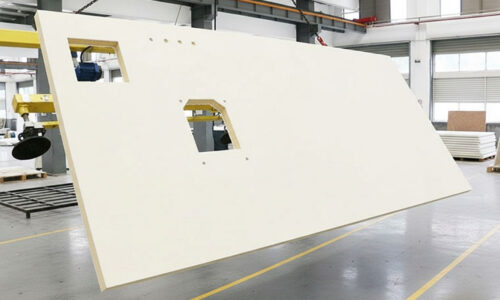
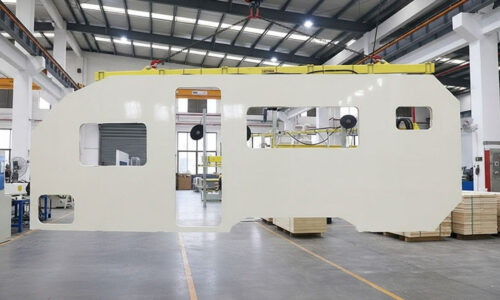
All RV panels can be factory pre-cut using 5-axis CNC machinery to exact tolerances (±0.5mm), incorporating embedded aluminum or structural polyurethane reinforcement blocks inside the core for heavy awning and air conditioner mountings.
4. Lightweighting Fuel Savings & Towing Capacity
🚐 Vehicle Fleet Lightweighting Performance:
- 40-60% Mass Reduction: Replaces heavy plywood and metal framing, increasing legal cargo payload and lowering vehicle center of gravity.
- Fuel Efficiency: Reduces aerodynamic drag weight, lowering fuel/EV battery consumption during highway towing.
5. Where Are RV Composite Panels Most Commonly Installed?
🏕️ Motorhomes, Travel Trailers & Campers
Seamless exterior side walls, curved roof panels, and insulated slide-out boxes.
🏔️ Overland Expedition Vehicles & Horse Floats
Heavy-duty off-road bodies designed for extreme thermal shifts and terrain vibration.
6. Assembly and Structural Adhesive Bonding Practices
RV panels join using high-tack single-component polyurethane or structural MS polymer adhesives. Corner extrusions interlock panels into a rigid monocoque box without needing exterior rivets or exposed screws.
Frequently Asked Questions (FAQS)
1. Can RaxPanel RV composite panels rot or warp if roof seals leak?
No. Our panels are 100% wood-free, manufactured with closed-cell XPS/PET cores and fiberglass skins that cannot absorb water, rot, or swell.
2. How much weight savings do composite panels achieve compared to plywood walls?
Composite panels provide a 40% to 60% reduction in body weight compared to traditional plywood/aluminum construction, improving fuel efficiency.
3. What is the difference between XPS core and PET core for RV bodies?
XPS foam provides maximum thermal insulation for walls and roofs. PET foam offers higher compressive and shear strength for structural floors and heavy cabinetry mounts.
4. Are GRP fiberglass skins resistant to hail and branch impact?
Yes. High-gloss Gelcoat GRP skins flex and absorb impact energy without denting, unlike traditional thin aluminum sheets.
5. Can window and door cutouts be pre-cut at the factory?
Yes. RaxPanel uses 5-axis CNC machining to pre-cut window apertures, door openings, and wiring conduits to ±0.5mm accuracy.
6. What is the maximum continuous single-panel length available for RV bodies?
Single continuous panel lengths up to 12 meters (39.3 ft) are produced to create seamless full-length RV sidewalls without vertical joints.
7. How are camper panels joined at 90° body corners?
Panels are bonded into anodized aluminum or fiberglass 90° corner extrusions using structural polyurethane adhesive sealant for a monocoque seal.