
RV wall panels combine multi-layer construction with expanded polyurethane foam insulation to provide thermal efficiency and structural durability for recreational vehicles. The foam core, typically Chlorofluorocarbon (CFC)-free polyurethane, delivers R-values ranging from 7.0 to 17.5 or higher depending on panel thickness. Steel exterior layers feature corrosion-resistant materials with optional baked-on polyester paint or woodgrain embossed finishes.
Panel thicknesses range from 1-3/8 inches to 3 inches, manufactured through a foamed-in-place process that sandwiches insulation between steel layers. Hot-dipped galvanized steel construction ensures moisture and corrosion resistance while maintaining structural integrity. Tongue and groove section joints enhance weather sealing capabilities.
Design flexibility accommodates flush or raised panel styles with customizable colors, textures, and dimensions for irregular spaces. Functional features include bulb-type bottom seals, continuous rod hinges, and optional soundproofing properties. Some panels meet National Fire Protection Association (NFPA) 80 safety standards.
The insulation minimizes heat transfer, reducing reliance on heating and cooling systems while maintaining stable interior temperatures. This thermal barrier performance, combined with low maintenance requirements, makes these panels suitable for mobile environments where energy efficiency and durability are essential under varying conditions.
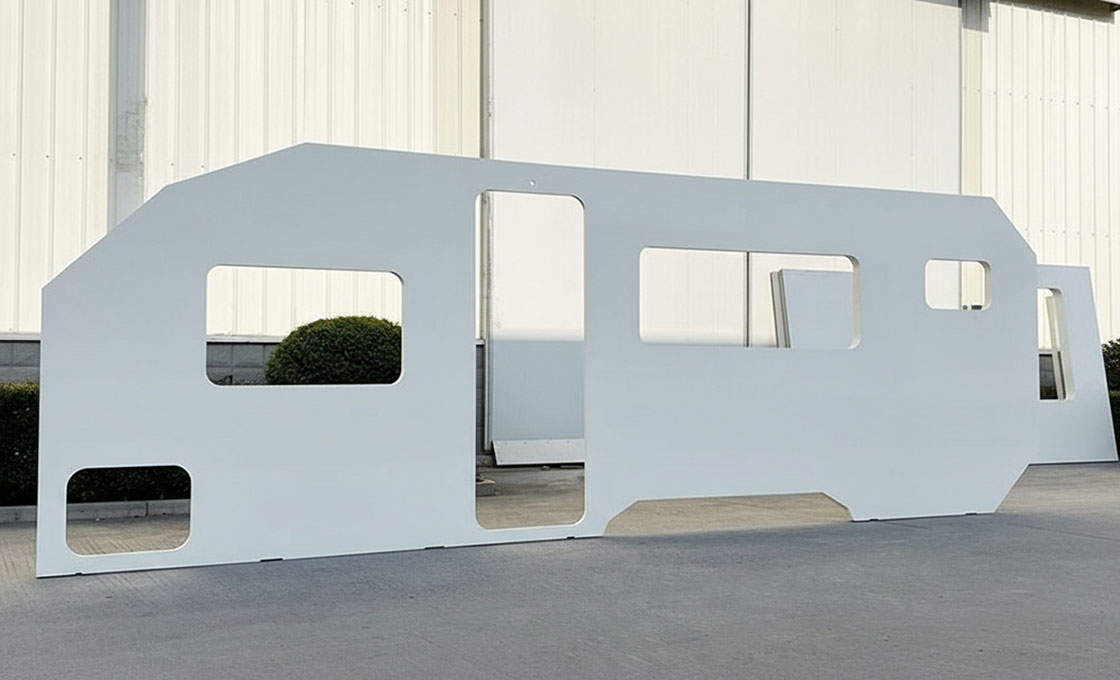
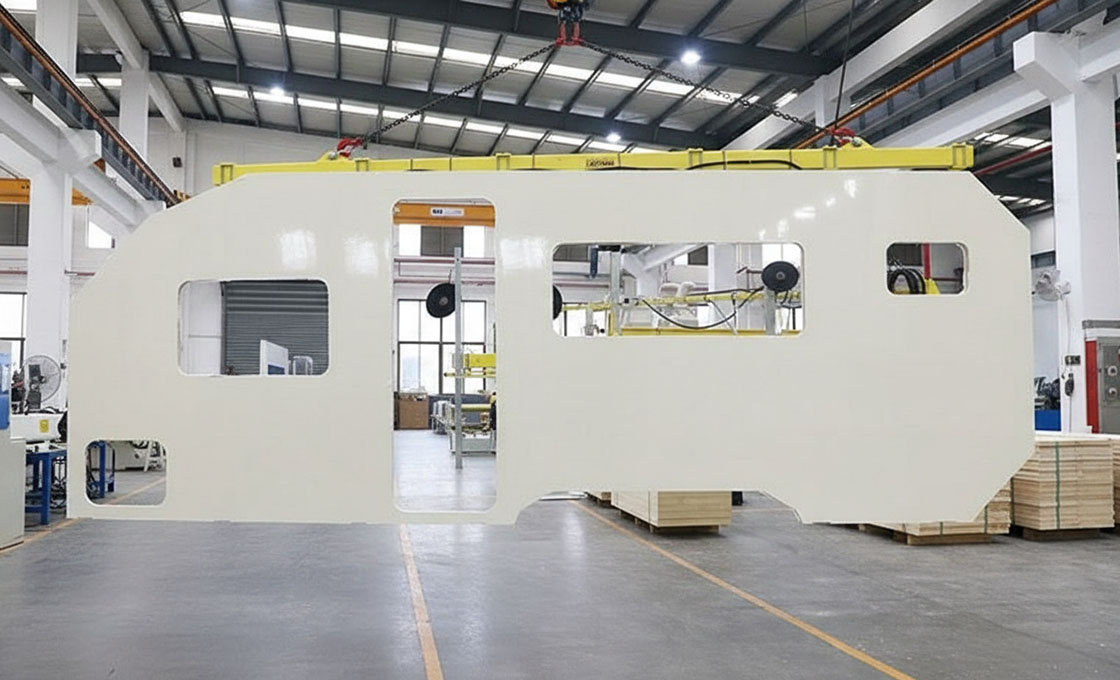
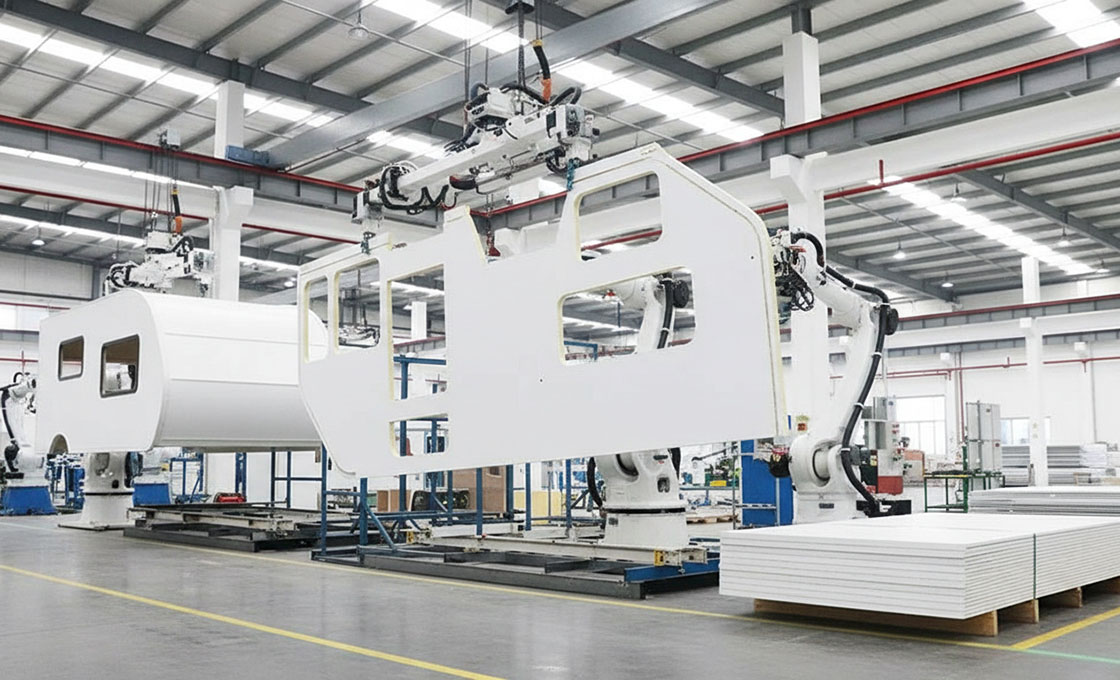
Wholesale Expert in Custom RV Wall Panel Solutions
RaxPanel is a leading manufacturer of custom composite panel solutions based in Hebei, China. With over 20 years of experience and serving clients in 30+ countries, we have built a reputation as a full-service leader in manufacturing. Our standard of quality, innovation, safety, and service are second to none, driven by our in-house R&D and production capabilities that ensure every product meets the highest standards.
The RV Wall Panels we produce benefit directly from this manufacturing excellence. With a daily production capacity of 1500+ m², we maintain complete control over quality, schedule, and cost, resulting in panels that are precisely engineered for RV environments. This cause-and-effect linkage means our expertise translates into reliable, high-performance solutions tailored for recreational vehicles.
Key advantages of our RV Wall Panels include:
- High R-value insulation for optimal energy efficiency and temperature control
- Custom designs that accommodate any RV layout or specification
- Rapid production times thanks to efficient manufacturing processes
- Durable construction using robust materials for long-lasting use
Ideal for enhancing comfort and structural integrity in all types of recreational vehicles, our panels are designed for easy integration and superior performance. RaxPanel is here to provide you with more information and answer any questions.
| Parameter | Specification |
|---|---|
| Construction | |
| Material | Corrosion-resistant steel (hot-dipped galvanized) |
| Insulation Type | Expanded polyurethane foam, CFC-free |
| Construction Method | Multi-layer with foamed-in-place insulation sandwiched between steel layers |
| Dimensions | |
| Panel Thickness | 1-3/8 inches to 3 inches |
| Thermal Performance | |
| R-value | R-7.0 to R-17.5 or higher |
| Design & Finish | |
| Panel Design | Flush or raised designs |
| Surface Options | Woodgrain embossed steel, smooth, or microgroove patterns |
| Finish | Baked-on polyester paint |
| Features | |
| Weathersealing | Tongue and groove section joints; bulb-type bottom weatherseal |
| Standards Compliance | Meets NFPA 80 where applicable |
Related Products
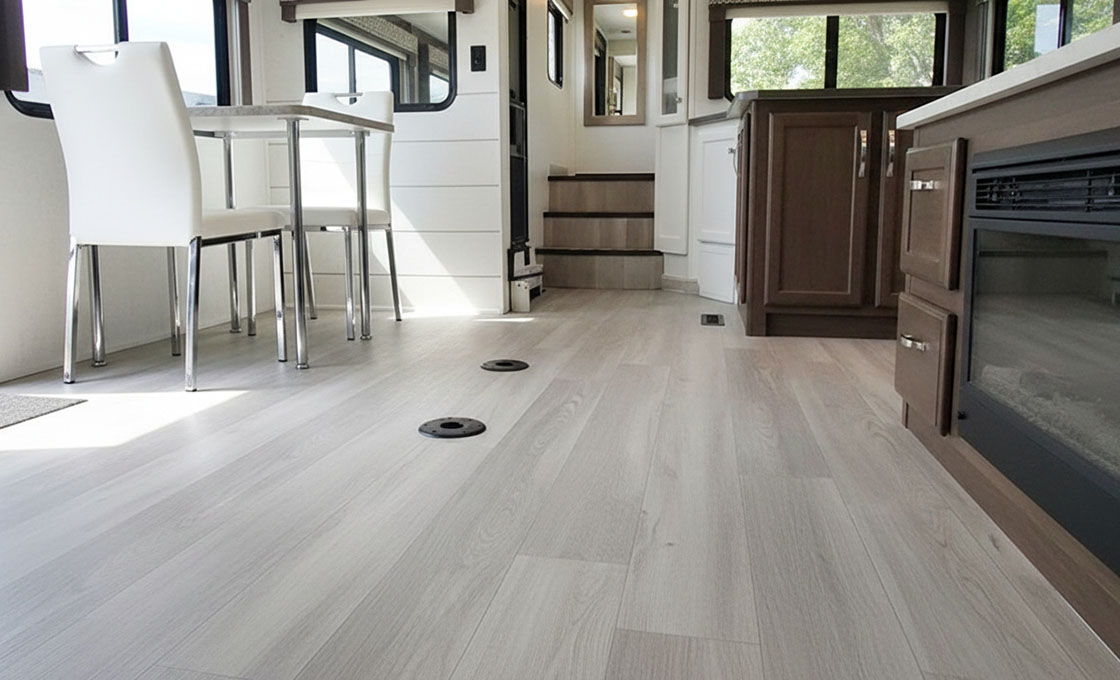
RV & Mobile Camper Composite Panel Engineering Guide
RV composite sandwich panels have revolutionized motorhome, camper, overland vehicle, and trailer construction by replacing traditional wood studs and thin aluminum skins with 100% rot-proof, high-rigidity composite assemblies. Engineered with UV-stabilized Gelcoat GRP or CFRT skins bonded to XPS or PET structural foam cores, these continuous panels achieve a 40% to 60% weight reduction while eliminating water leak rot.
💡 Pro Tip: Seamless Continuous Lamination & Hail/Branch Impact Resistance
At RaxPanel, our RV wall and roof panels are vacuum-laminated up to 12 meters in single continuous lengths. Gelcoat GRP skins withstand branch scratches, gravel impact, and severe hail without denting, keeping your vehicle body waterproof and pristine for decades.
At RaxPanel, our RV wall and roof panels are vacuum-laminated up to 12 meters in single continuous lengths. Gelcoat GRP skins withstand branch scratches, gravel impact, and severe hail without denting, keeping your vehicle body waterproof and pristine for decades.
1. Why Are Composite Sandwich Panels Replacing Wood and Aluminum Siding?
Traditional wood framing absorbs humidity, rots under roof leaks, and delaminates over time. RaxPanel composite panels use 100% synthetic XPS (>99% closed cell) or recyclable PET cores that cannot absorb moisture, eliminating structural rot, mold, and frame warping forever.
2. How XPS Cores Compare with High-Strength PET Cores for RV Applications
Core material selection balances thermal R-value insulation against structural floor/wall load-bearing requirements:
3. Precision CNC Cutting for Window, Door, and Vent Apertures
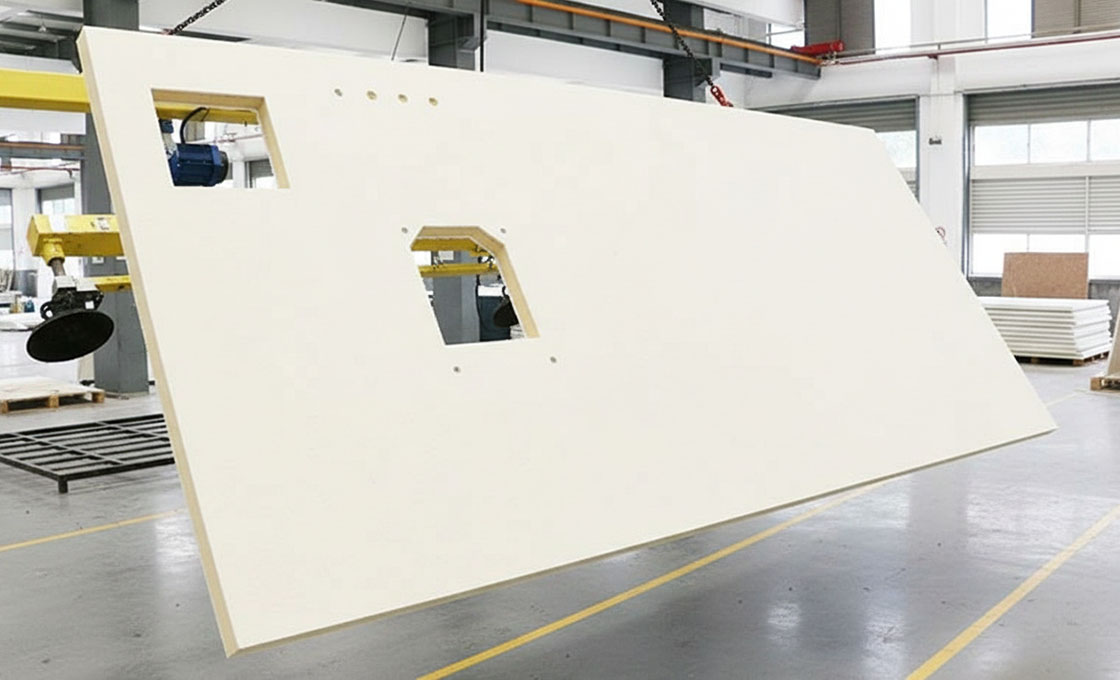
All RV panels can be factory pre-cut using 5-axis CNC machinery to exact tolerances (±0.5mm), incorporating embedded aluminum or structural polyurethane reinforcement blocks inside the core for heavy awning and air conditioner mountings.
4. Lightweighting Fuel Savings & Towing Capacity
🚐 Vehicle Fleet Lightweighting Performance:
- 40-60% Mass Reduction: Replaces heavy plywood and metal framing, increasing legal cargo payload and lowering vehicle center of gravity.
- Fuel Efficiency: Reduces aerodynamic drag weight, lowering fuel/EV battery consumption during highway towing.
5. Where Are RV Composite Panels Most Commonly Installed?
🏕️ Motorhomes, Travel Trailers & Campers
Seamless exterior side walls, curved roof panels, and insulated slide-out boxes.
🏔️ Overland Expedition Vehicles & Horse Floats
Heavy-duty off-road bodies designed for extreme thermal shifts and terrain vibration.
6. Assembly and Structural Adhesive Bonding Practices
RV panels join using high-tack single-component polyurethane or structural MS polymer adhesives. Corner extrusions interlock panels into a rigid monocoque box without needing exterior rivets or exposed screws.
Frequently Asked Questions (FAQS)
1. Can RaxPanel RV composite panels rot or warp if roof seals leak?
No. Our panels are 100% wood-free, manufactured with closed-cell XPS/PET cores and fiberglass skins that cannot absorb water, rot, or swell.
2. How much weight savings do composite panels achieve compared to plywood walls?
Composite panels provide a 40% to 60% reduction in body weight compared to traditional plywood/aluminum construction, improving fuel efficiency.
3. What is the difference between XPS core and PET core for RV bodies?
XPS foam provides maximum thermal insulation for walls and roofs. PET foam offers higher compressive and shear strength for structural floors and heavy cabinetry mounts.
4. Are GRP fiberglass skins resistant to hail and branch impact?
Yes. High-gloss Gelcoat GRP skins flex and absorb impact energy without denting, unlike traditional thin aluminum sheets.
5. Can window and door cutouts be pre-cut at the factory?
Yes. RaxPanel uses 5-axis CNC machining to pre-cut window apertures, door openings, and wiring conduits to ±0.5mm accuracy.
6. What is the maximum continuous single-panel length available for RV bodies?
Single continuous panel lengths up to 12 meters (39.3 ft) are produced to create seamless full-length RV sidewalls without vertical joints.
7. How are camper panels joined at 90° body corners?
Panels are bonded into anodized aluminum or fiberglass 90° corner extrusions using structural polyurethane adhesive sealant for a monocoque seal.