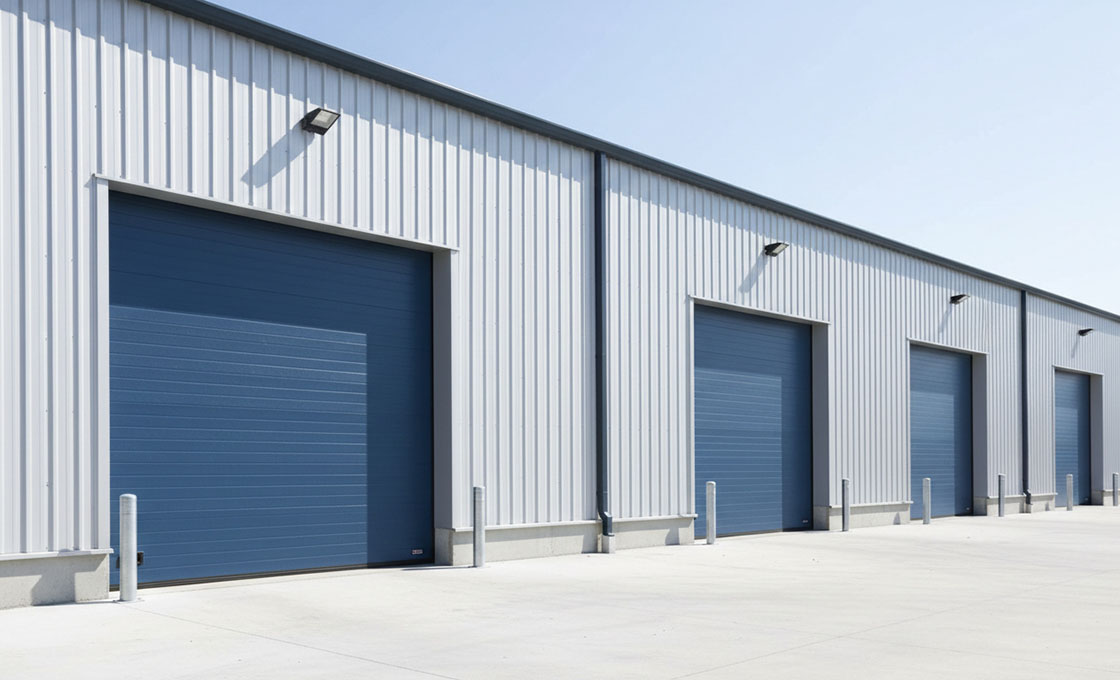
Architectural Insulated Panel

Architectural insulated panels combine structural support and insulation into a single building component for floors, walls, and roofs in residential and commercial construction. The panels integrate framing, insulation, and sheathing to reduce construction time while providing energy efficiency through continuous foam that minimizes heat transfer gaps.

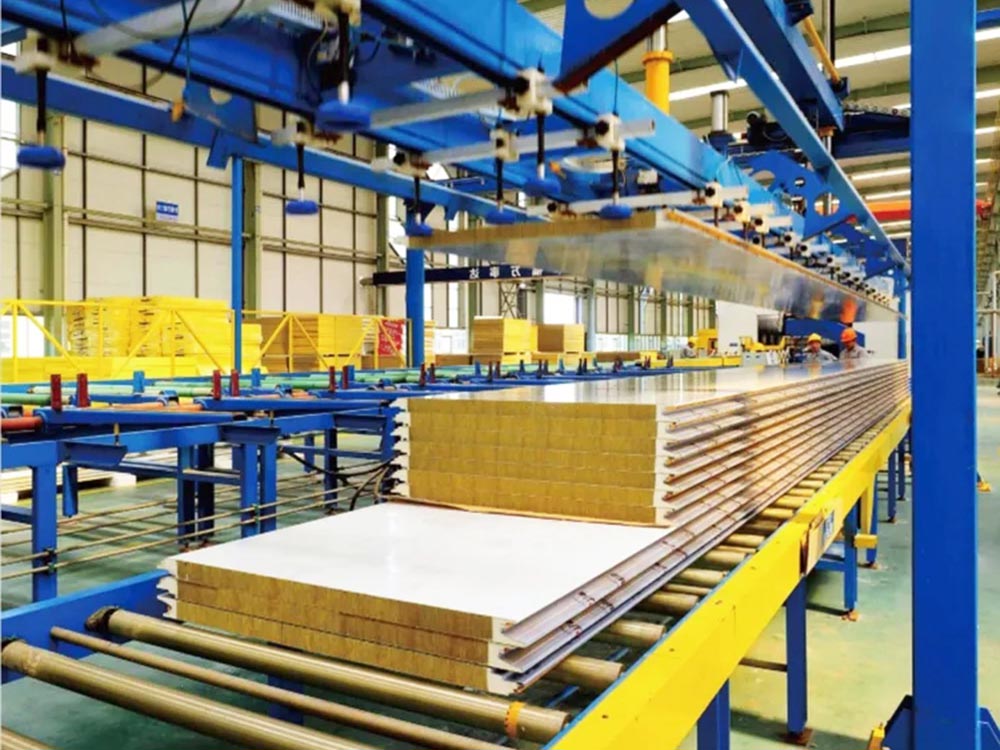
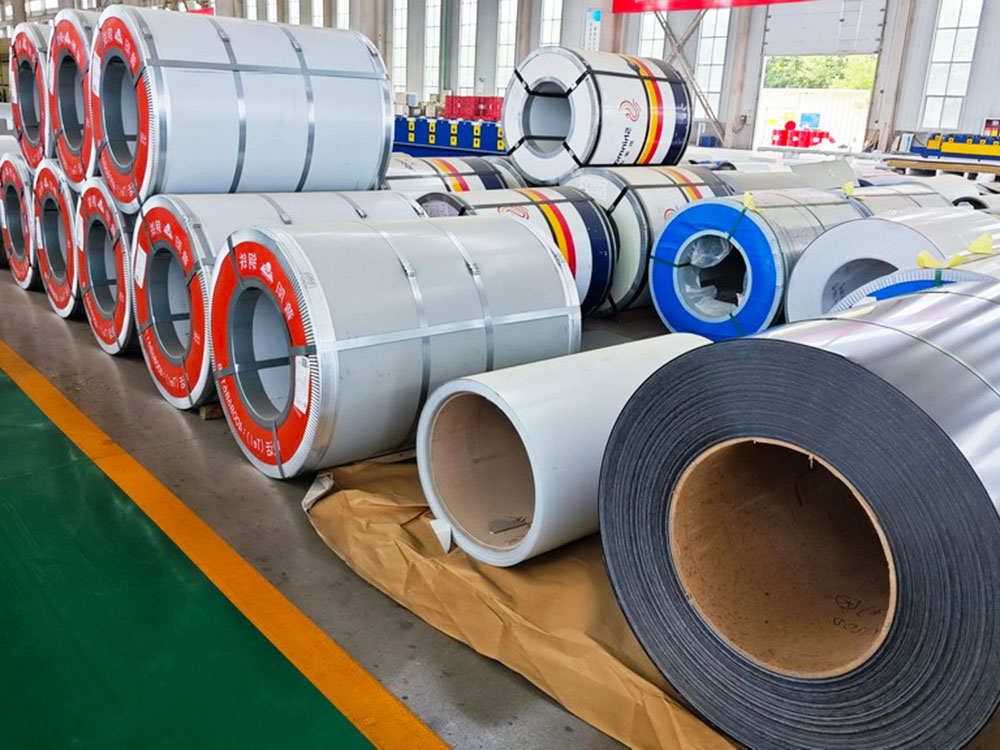
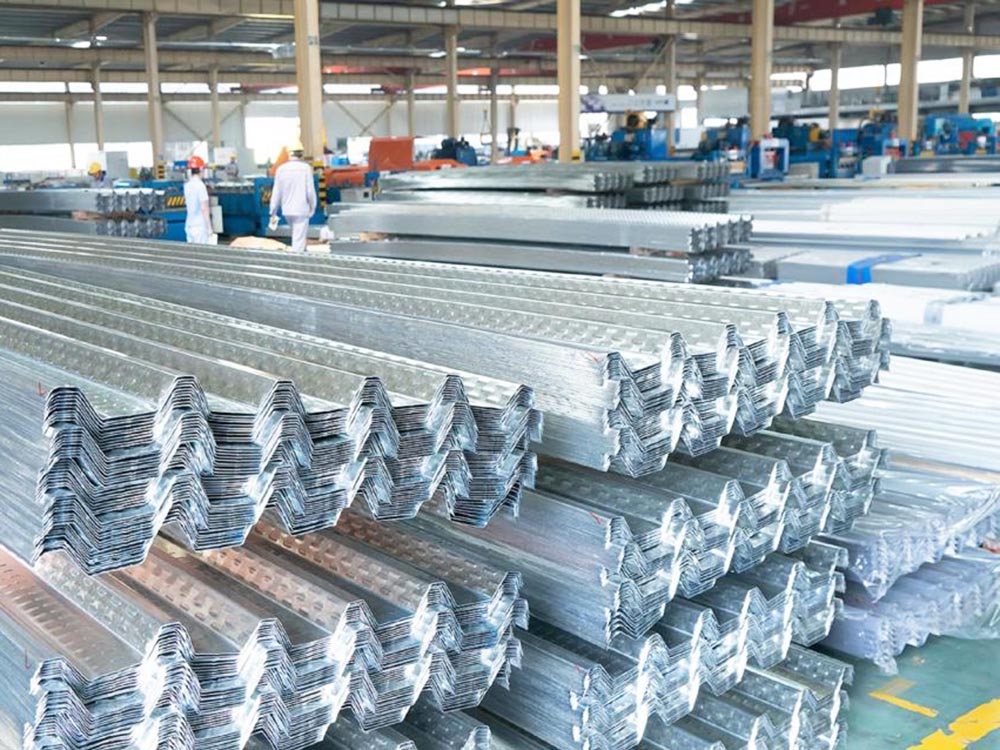
The panels feature an Expanded Polystyrene (EPS) foam core, typically 1.5 pounds per cubic foot density, sandwiched between aluminum or steel skins. Aluminum skins range from 0.024 to 0.030 inches thick, while steel options include 24-gauge G90 galvanized steel. Available thicknesses include 3, 4, or 6 inches with custom lengths up to 30 feet and widths of 2 or 4 feet.

The composite design delivers structural performance where the foam core provides shear strength and skins offer tensile and compressive strength. This configuration enhances racking resistance and supports vertical loads effectively, with 6-inch panels spanning up to 22 feet under specific load conditions. A concealed snap-lock fastener system creates weather-tight seals with integrated sealant reservoirs.

Installation requires solid substrate over minimum 3:12 roof pitch, with panels snapping together using interlocking edges. Exterior skins come in multiple colors including white, sandstone, and bronze, with texture options like stucco or cedar embossing. Warranties typically cover finish performance up to 40 years against peeling and 30 years against chalk and fade.
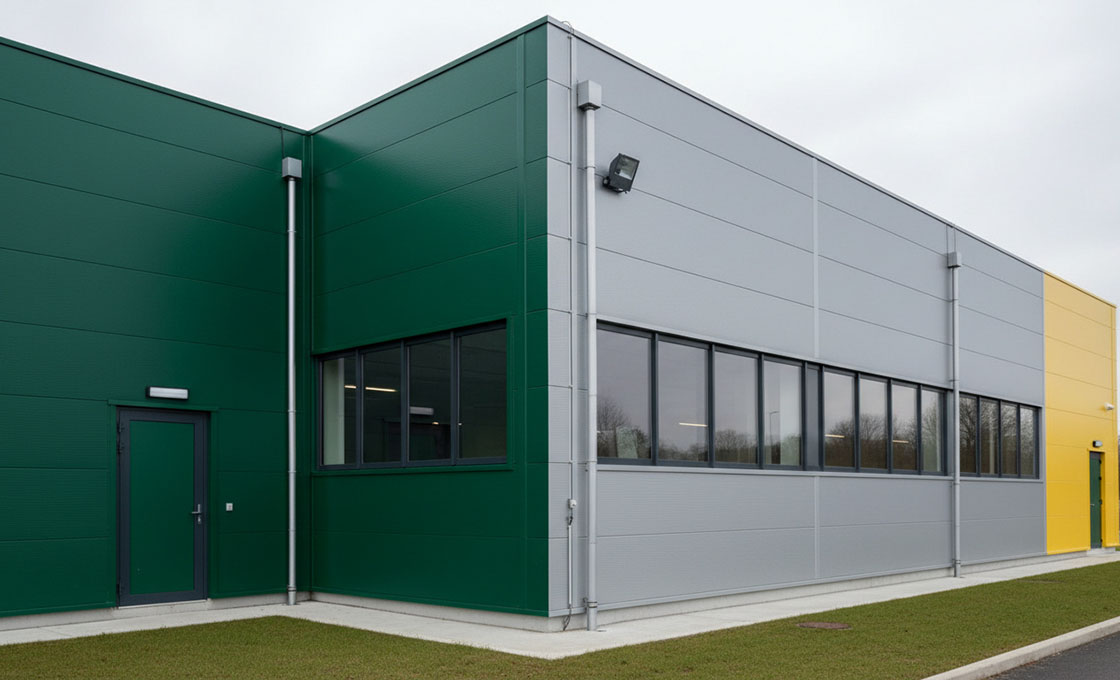
Info banner
A Leading Architectural Insulated Panel Manufacturer
RaxPanel is committed to providing series of Architectural Insulated Panels for your business.
Contact Us

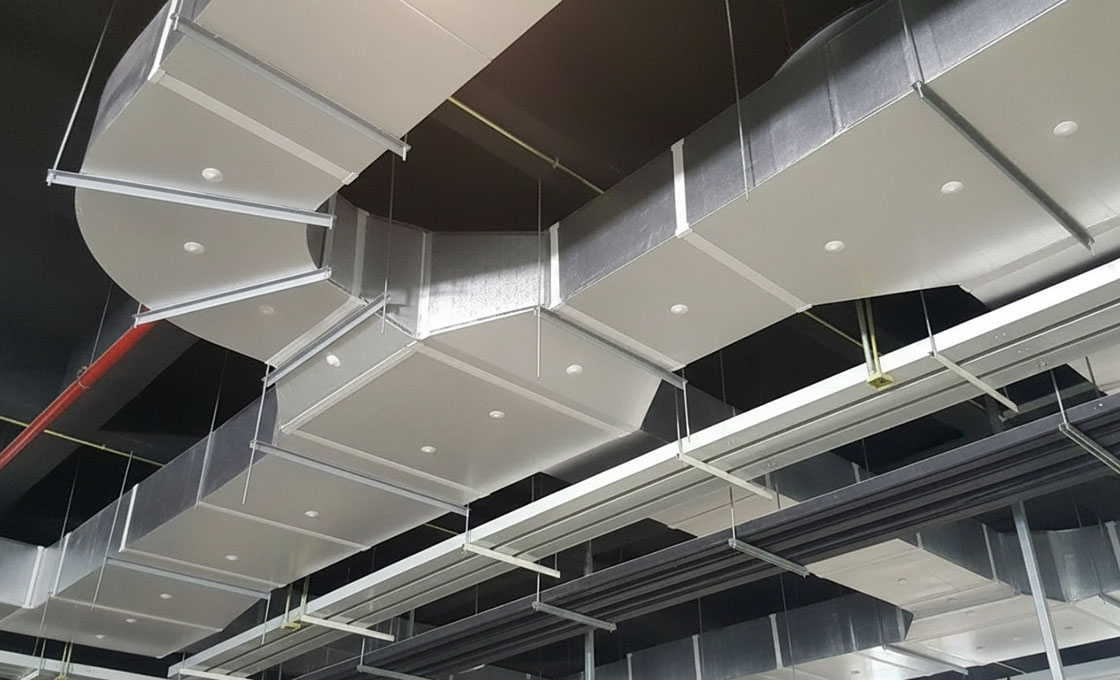
Pre Insulated Duct Panel

A rigid, closed-cell foam insulation panel, typically faced on both sides with aluminum foil, specifically engineered for the fabrication of air distribution systems. It is characterized by its lightweight nature for easy handling, excellent thermal properties, and a smooth internal surface for low-friction airflow.

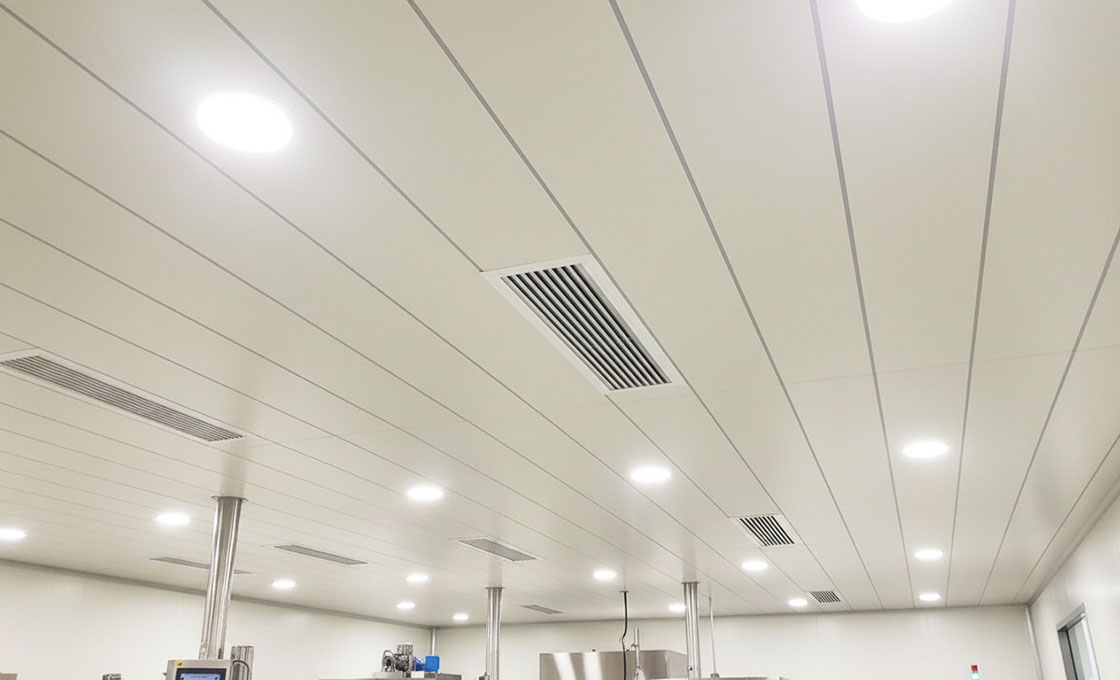
Insulated Ceiling Panel

A structural, self-supporting panel with a high-performance insulation core bonded between two durable skins, designed for horizontal applications. It is defined by its long-spanning capabilities and a pre-finished, low-maintenance interior surface, providing an all-in-one structural and thermal ceiling solution.

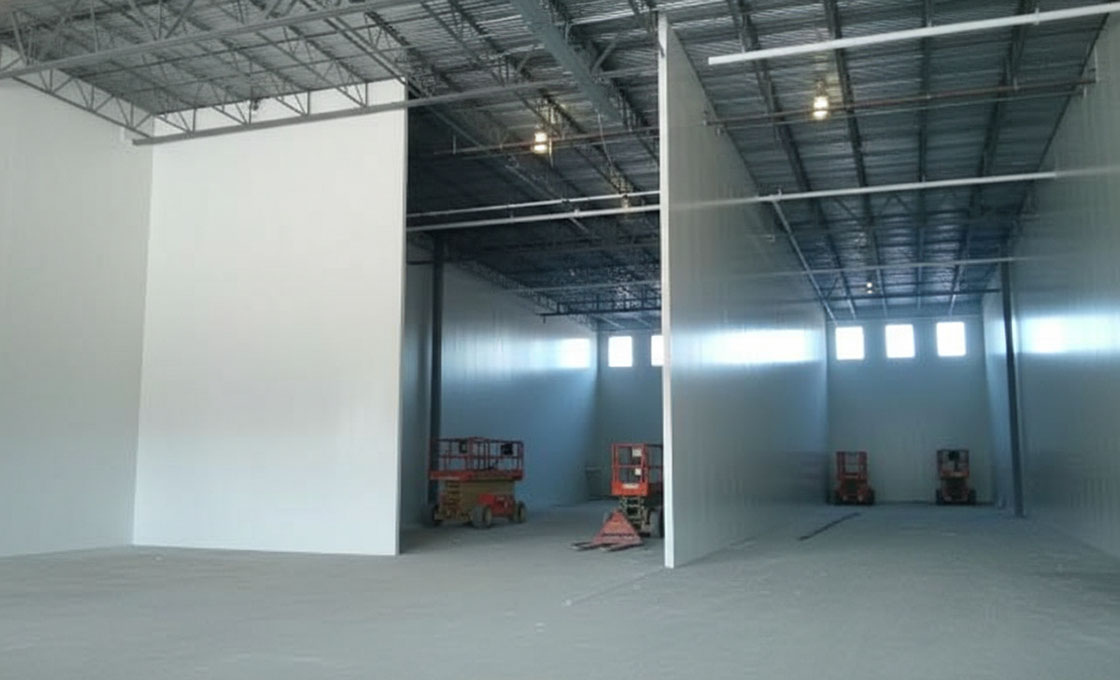
Partition Wall Insulated Panel

A modular, non-load bearing panel with a sound-absorbing insulation core sandwiched between two finished decorative surfaces. It is characterized by its excellent acoustic performance for sound reduction and an interlocking joint system that allows for rapid, demountable vertical assembly.

Expert Architectural Insulated Panel Manufacturer

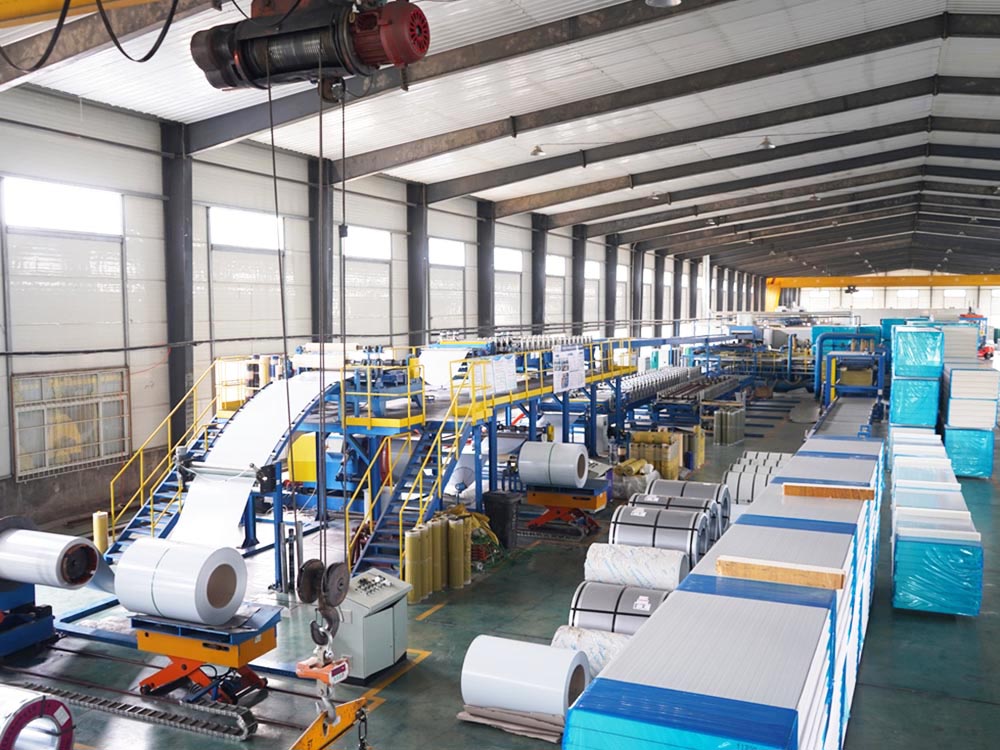
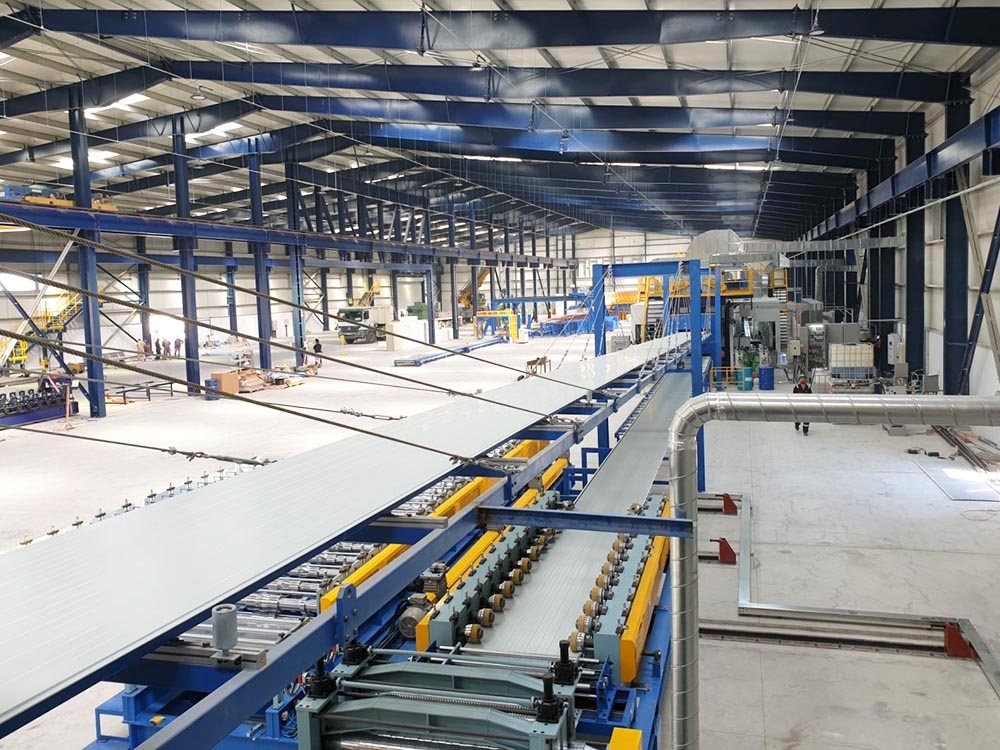
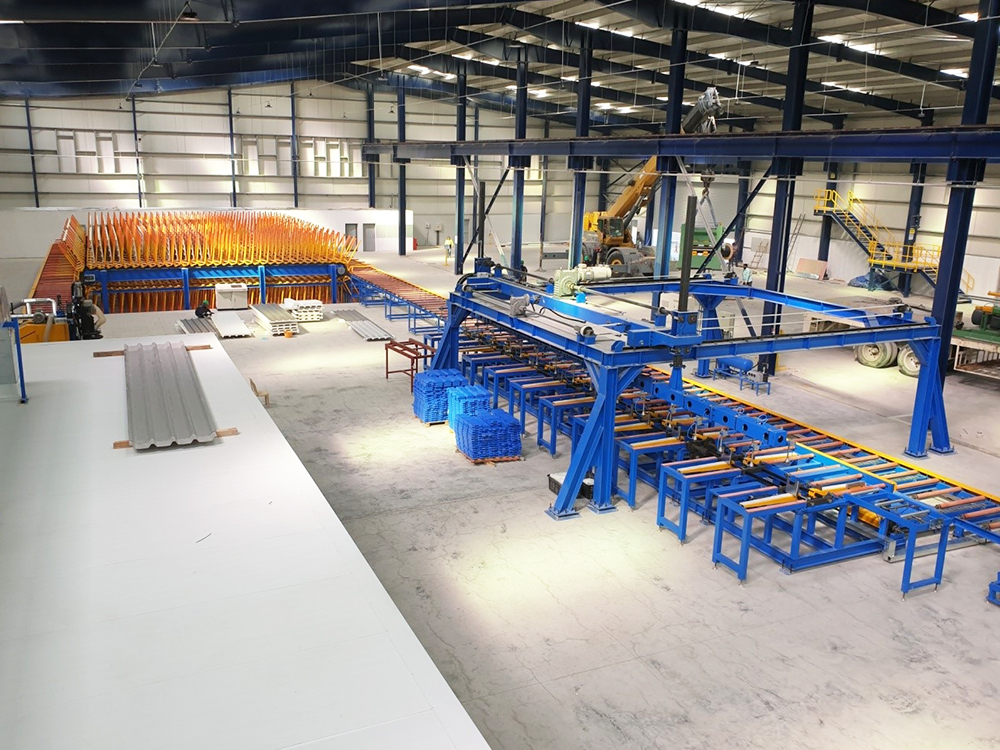
RaxPanel is a pioneer of insulated metal panels and a leader in the advancement of insulated panel technology. As a direct manufacturer based in China, we have been providing state-of-the-art Architectural Insulated Panels since 2002, building trust through over 20 years of experience and service to clients in 30+ countries.

Our Architectural Insulated Panels benefit from the industry’s most extensive product offering, designed for any application—whether residential, commercial, or industrial. Each panel is constructed from top-of-the-line materials and rigorously tested to meet or exceed standards such as ASTM A792 and CSSBI references, backed by long-term warranties for durability and performance. With in-house R&D and production capabilities, we achieve a daily output of 1500+ m², ensuring reliable supply and consistent quality.

We believe in ethical business practices and a customer-centric approach, guided by the golden rule of treating every partner with the respect we expect. For specific questions or projects, we recommend consulting a design professional to ensure optimal results.


    Other Products You May Like

    Architectural Insulated Panel Selection & Engineering Guide

    Selecting the right specification for Architectural Insulated Panel depends on matching structural load requirements, environmental exposure, and thermal R-value insulation goals. At RaxPanel, our engineering team manufactures high-performance composite panels to deliver durable, moisture-resistant, and energy-efficient solutions for industrial and commercial projects worldwide.

    💡 Pro Tip: Delamination Prevention Under Thermal Cycling
    At RaxPanel, we utilize automated vacuum lamination with high-performance two-component polyurethane adhesives to ensure a bond strength that absorbs differential thermal expansion without micro-delamination.

    1. How to Choose the Right Skin Alloy and Thickness

    Outer skin selection governs mechanical impact resistance, corrosion barriers, and structural stiffness across different operating environments.

    2. How Well Does the Core Insulate and Withstand Heavy Loads?

    The core material handles shear stress and maintains thermal R-value insulation across operating temperature ranges:

    Performance Metric RaxPanel Engineering Standard Application Advantage
    Outer Skin Spec Pre-Painted Aluminum / GRP Sheet (0.3mm – 2.0mm) High tensile strength and corrosion resistance
    Thermal Conductivity ~ 0.020 – 0.038 W/m·K Consistent R-value insulation & energy savings
    Bonding Adhesive Two-Component Polyurethane / Epoxy Adhesive Delamination-free performance under freeze-thaw cycles

    3. Which Surface Finish Will Protect Your Panels for 20+ Years?

    Factory roller coating specifies long-term color stability, UV protection, and resistance against industrial pollutants or marine salt spray.

    4. How Fire-Safe and Soundproof Are These Panels?

    🛡️ Compliance & Acoustic Isolation:

    • Fire Safety: Formulations comply with EN 13501-1 Class B-s1,d0 and GB8624 Class B1 building fire safety standards.
    • Sound Damping: Composite core attenuates noise transmission by 24 dB to 30 dB relative to solid metal sheets.

    5. Where Are Architectural Insulated Panels Most Commonly Installed?

    🏢 Commercial & Industrial Buildings

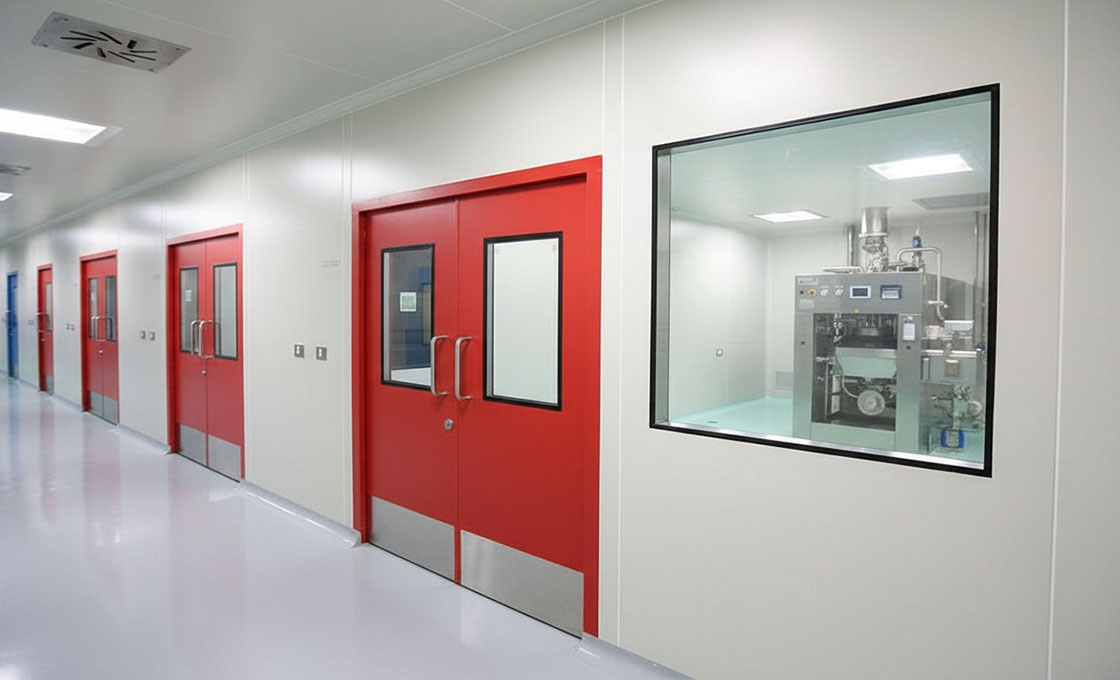
    Exterior wall cladding, cleanroom partitions, and insulated roof envelopes.

    🚚 Cold Storage & Transport Fleets

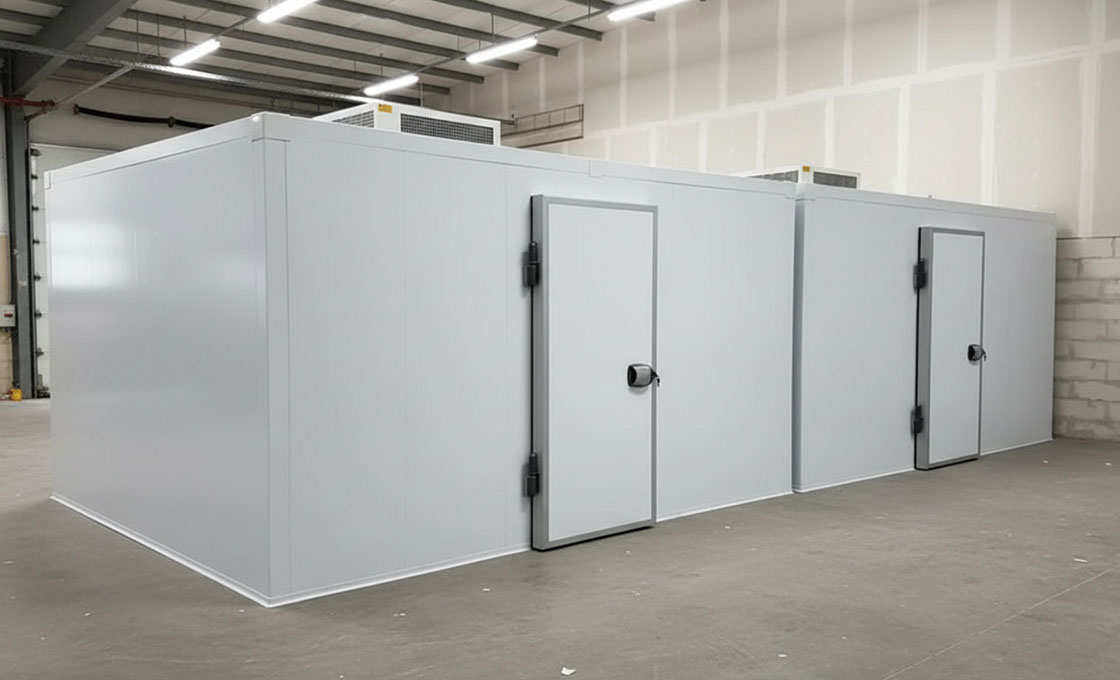
    Refrigerated truck bodies, cold storage rooms, and RV composite walls.

    6. How to Cut, Groove, and Seal Edges During Installation

    Panels process easily on-site using standard CNC machinery, routers, or specialized edge profiles for airtight moisture sealing.

    Frequently Asked Questions (FAQS)

    1. What are the standard panel thicknesses, maximum lengths, and width options available for Architectural Insulated Panels?
    Standard panel thicknesses range from 10mm up to 150mm. Standard widths include 1000mm, 1220mm, and 1500mm, with maximum single-sheet lengths up to 5800mm (5.8m) to fit ocean freight container shipping dimensions.
    2. What are the primary engineering benefits of using Architectural Insulated Panels?
    Architectural Insulated Panels deliver an exceptional stiffness-to-weight ratio, rot-proof moisture resistance, reliable thermal insulation, and dynamic fatigue endurance for high-stress applications.
    3. How do these composite panels perform under high humidity and outdoor weathering?
    The closed-cell core prevents water logging and condensation absorption, while pre-painted skins provide a 20+ year weatherability barrier against UV degradation.
    4. What fire safety ratings and quality certifications do these composite panels meet?
    Flame-retardant formulations meet EN 13501-1 Class B-s1,d0 and GB8624 Class B1 fire performance standards. Manufacturing quality is governed under ISO9001 management systems, with raw material performance verified under SGS and CE testing.
    5. What surface coating options are available for exterior UV protection?
    70% PVDF Fluorocarbon Coating PVDF coating provides a 20+ year exterior weatherability warranty against UV fading and acid rain. FEVE offers high gloss retention, while PE coating is cost-effective for indoor partitions.
    6. Can these composite panels be CNC grooved, bent, or edge-sealed on-site?
    Yes. Pre-painted skins can be V-grooved at 90° or 135° on the reverse side using standard CNC routers or hand tools, allowing manual edge folding into architectural cassettes without surface paint cracking.
    7. How are large panel shipments packaged to prevent freight damage during ocean transit?
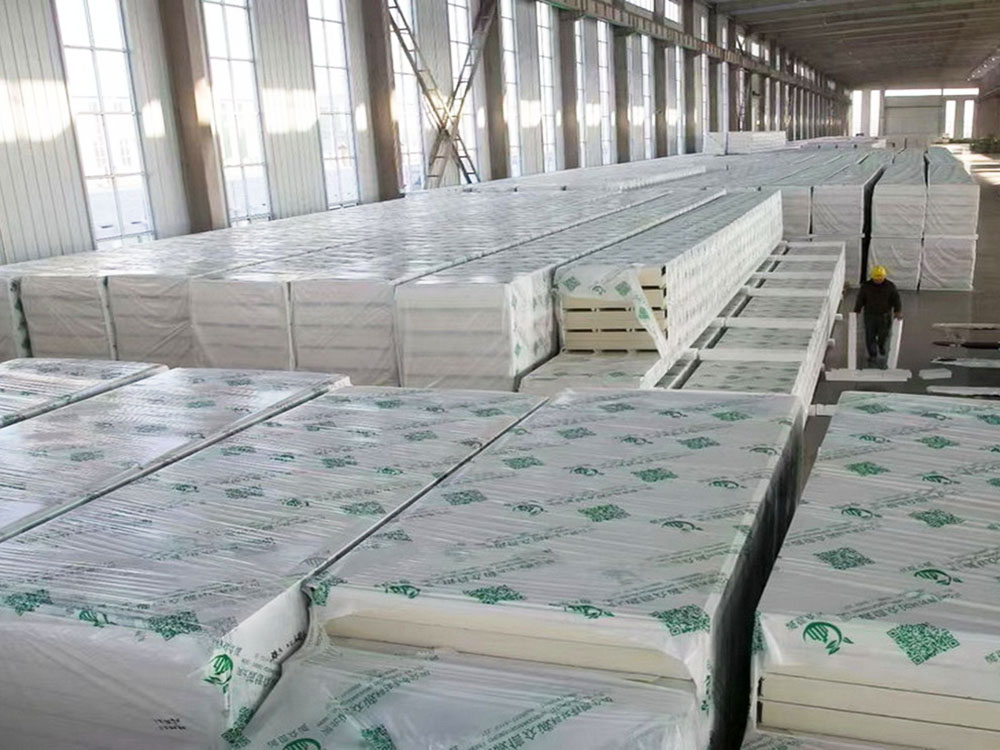
    Panels are packed with protective PE film on both skins, separated by inter-sheet foam layers, and secured on heavy-duty export wooden pallets or CKD steel crates to prevent shipping damage during 20ft and 40ft container freight.


    Get A Quick Quotation Today