Corrugated Insulated Panel

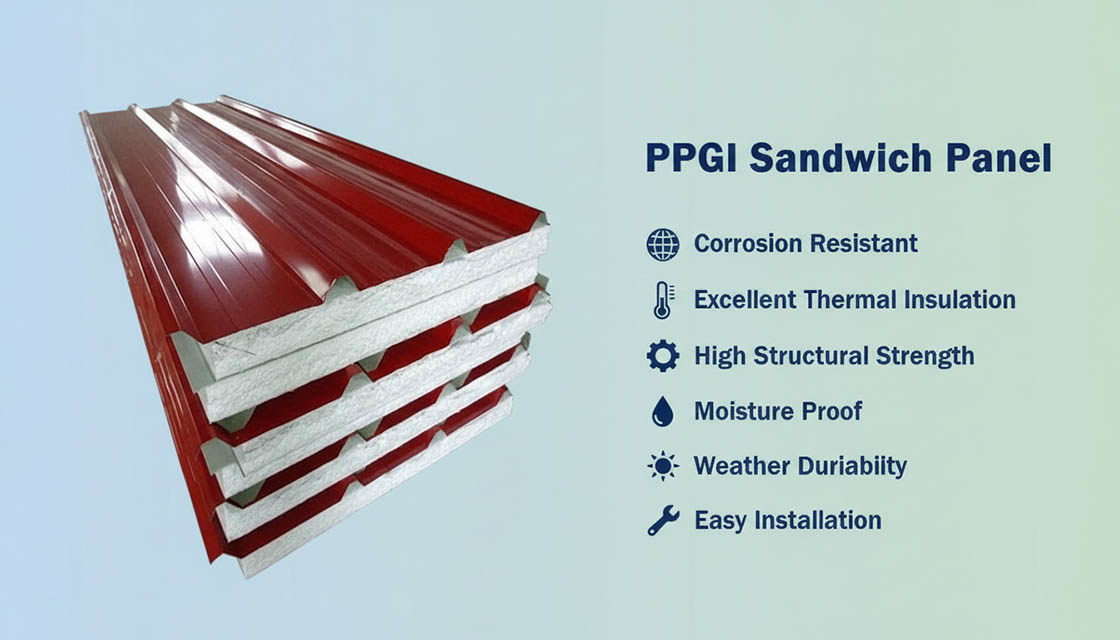
Corrugated insulated panels combine structural support, thermal insulation, and weather protection into a single factory-assembled product. The defining feature is the corrugated exterior profile: the raised ribs run along the panel length to channel rainwater off the roof surface and add longitudinal rigidity that lets the panel span wider purlin distances than a flat sheet of the same gauge.

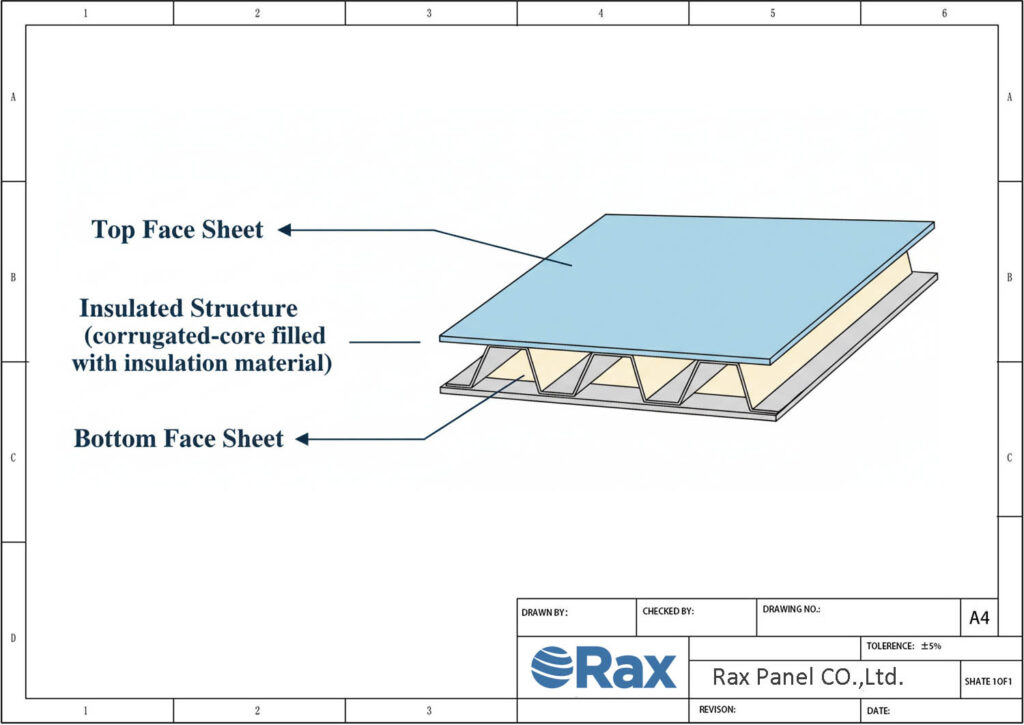
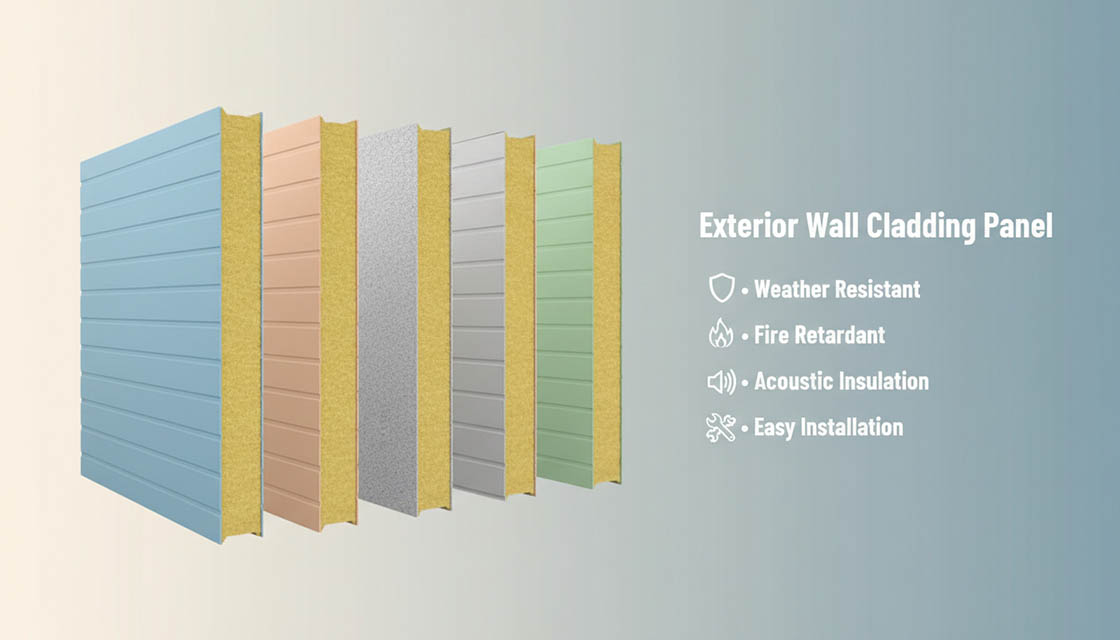
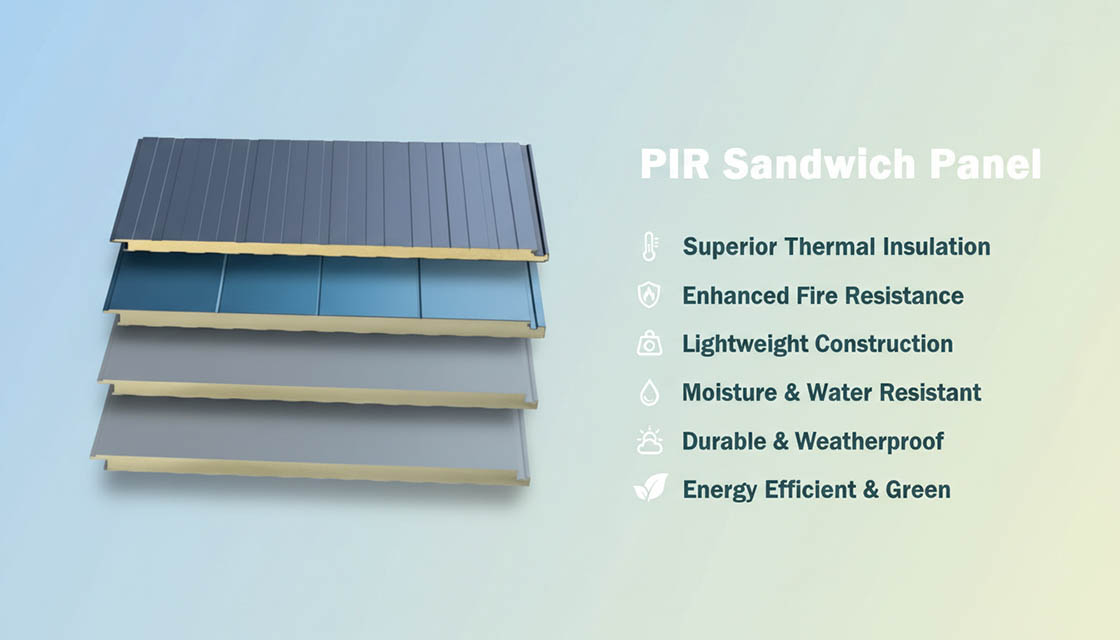
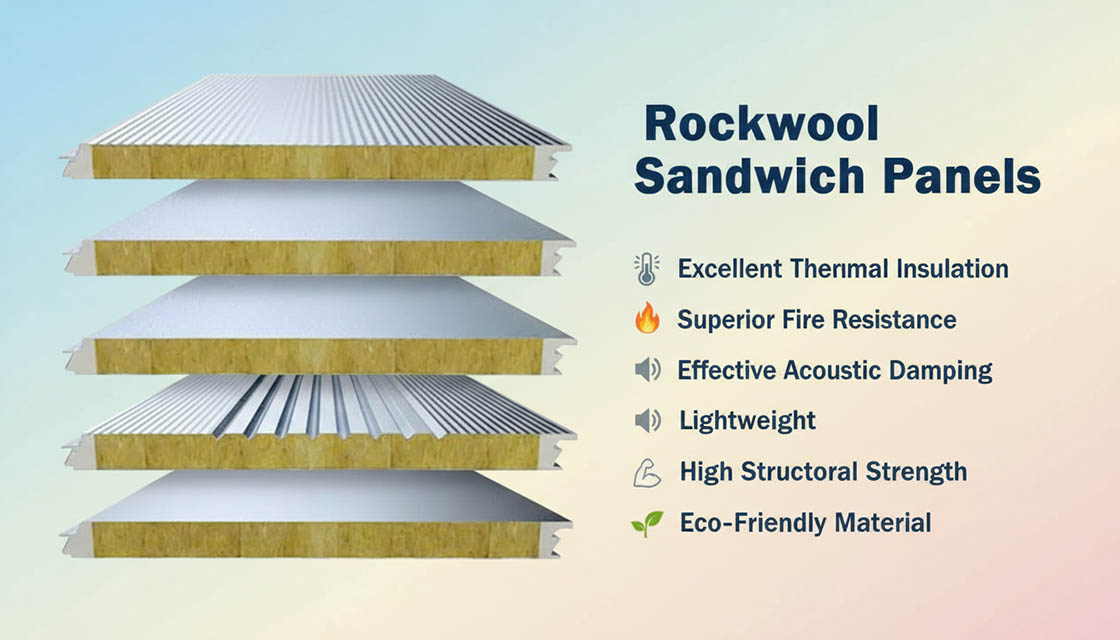
The panels feature a polyisocyanurate (PIR), EPS, or rockwool core sandwiched between two steel sheets. High-quality coatings on exterior and interior faces ensure durability and finish quality. This corrugated-plus-insulation combination eliminates the need for separate decking, insulation batts, and exterior cladding during construction.

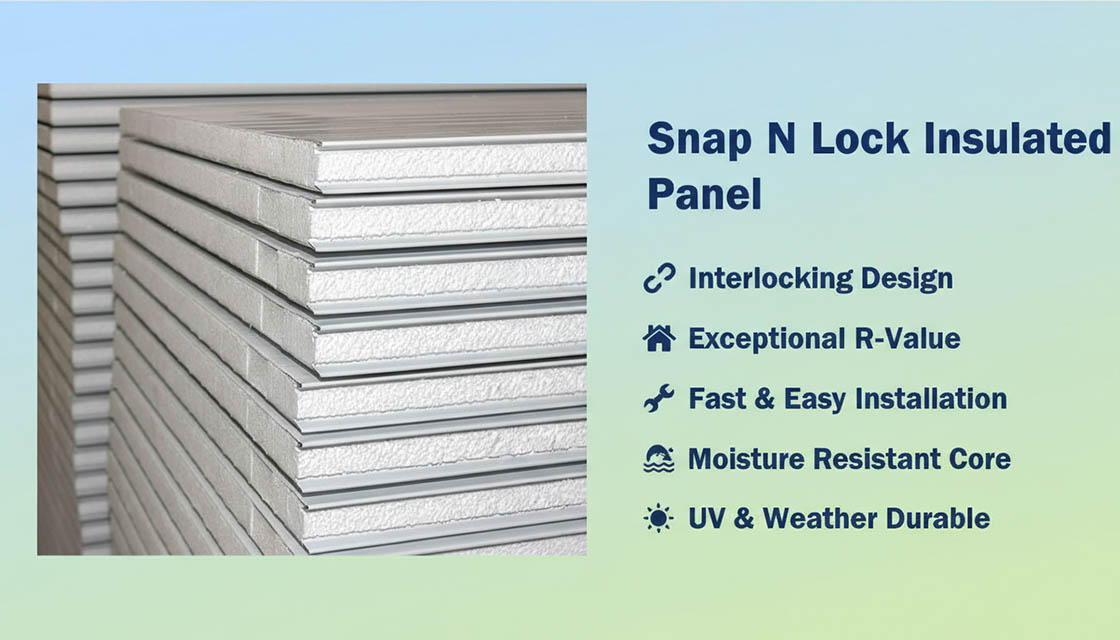
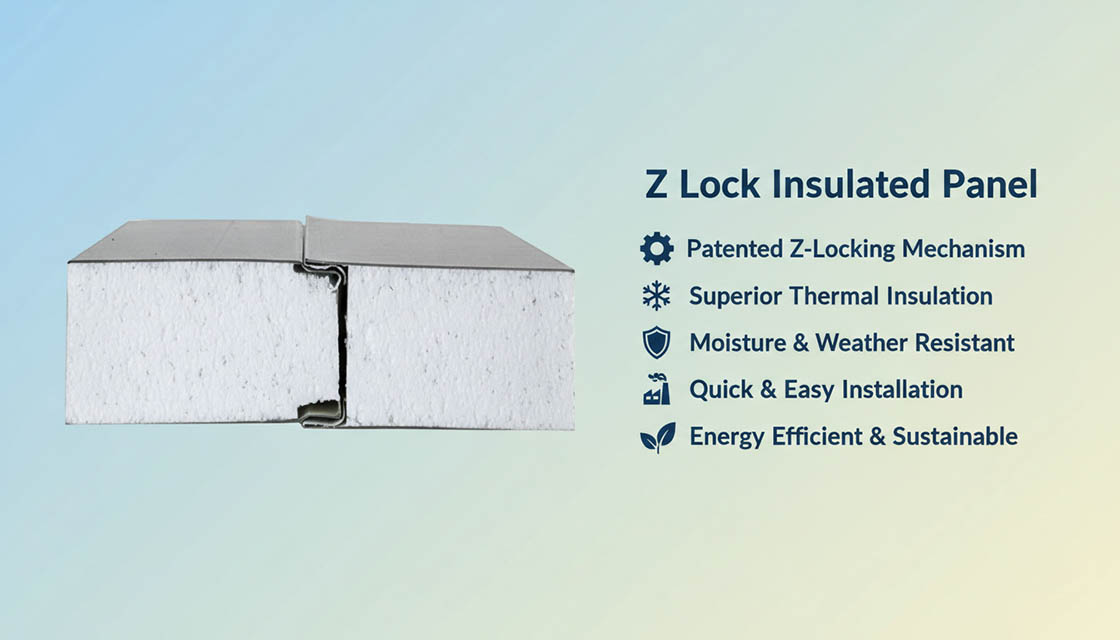
These lightweight yet strong panels provide structural stability and resistance to moisture, corrosion, and chemicals. Panels feature interlocking side joints for secure, weather-tight assembly.

Applications include pitched roofs with slopes of 4 degrees or more and low-slope applications down to 2 degrees. Suitable for industrial, commercial, agricultural, and residential buildings, panels attach to wooden or steel purlins using self-drilling screws with EPDM washers. Customization options include various colors, finishes, and cut-to-length capabilities.
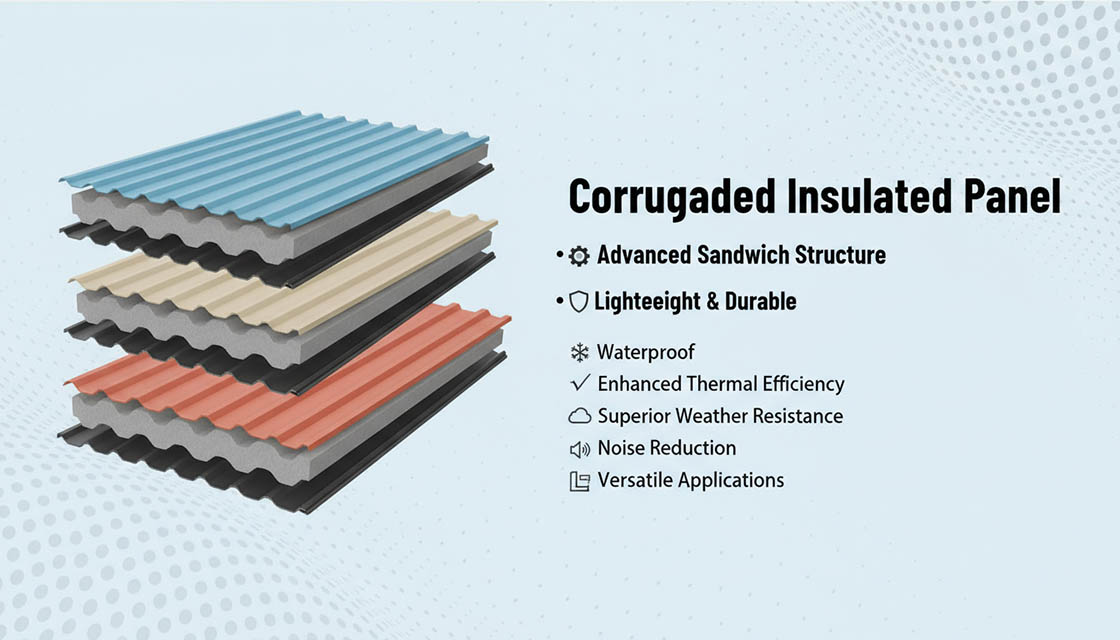
Corrugated Insulated Panel Engineering Guide

Pro Tip: Minimum Roof Pitch and Waterproofing
Corrugated insulated panels require a minimum pitch of 4 degrees for standard corrugated profiles to ensure proper water runoff. For low-slope applications down to 2 degrees, use deeper profile ribs with enhanced overlap seals. Always install with EPDM-washer self-drilling screws at the crest of the corrugation, never the valley, to maintain a watertight envelope.

1. Profile Types and Span Capability

The corrugation profile determines both the aesthetic appearance and the structural span between purlins. Common profiles include trapezoidal (most common for industrial roofing), sinusoidal (traditional round corrugation for residential), and micro-rib (subtle texture for wall cladding). Deeper profiles (35-45 mm crest height) allow wider purlin spacing up to 1.8 meters, reducing the steel substructure cost. Shallower profiles (20-28 mm crest) are limited to 1.0-1.2 meter spacing but offer a cleaner visual line.

2. Core Material Selection: PIR vs EPS vs Rockwool

Core Thermal Conductivity Best For
PIR (standard) 0.022 W/m-K Industrial roofing, warehouses, commercial buildings
EPS 0.034 – 0.038 W/m-K Cost-sensitive projects, agricultural buildings, site offices
Rockwool 0.040 W/m-K Facilities requiring A1 non-combustible fire classification

3. Coating Systems for Exterior Durability

Coating Options by Environment:

  • Polyester (PE): Standard coating for general industrial and commercial buildings. 15-20 year color stability in moderate climates.
  • SMP (Silicone Modified Polyester): Improved UV resistance for sun-exposed roofs in tropical and subtropical regions.
  • PVDF: Premium coating for coastal, industrial, and high-UV environments. 25+ year color retention with minimal chalking.

4. Installation Method: Purlin-Mounted with Self-Drilling Fasteners

Corrugated insulated panels install directly onto steel or timber purlins using self-drilling screws with EPDM sealing washers. The screw penetrates the crest of the corrugation (never the valley), compressing the washer to create a weatherproof seal. Panel side laps align corrugation ribs and overlap by one full corrugation width. End laps require a minimum 150 mm overlap with butyl tape sealant between layers. For concealed-fastener architectural profiles, stainless steel clips engage the panel rib without visible screws on the weather surface.

5. Where Are Corrugated Insulated Panels Most Commonly Used?

Industrial and Commercial Roofing

Warehouses, factories, and distribution centers requiring large-span insulated roofing with rapid installation.

Agricultural Buildings

Livestock barns, equipment sheds, and crop storage facilities where temperature control and durability are needed at low cost.

Wall Cladding

Exterior wall envelope for industrial facilities, using flatter profiles with micro-rib texture for architectural appearance.

Residential and Modular

Patio covers, carports, garden rooms, and modular structures requiring insulated roofing with visual appeal.

Sandwich Panel Manufacturer

Custom Core & Skin • Tailored Dimensions


    This site is protected by reCAPTCHA and the Google Privacy Policy and Terms of Service apply.

    Efficient Corrugated Insulated Panel Supplier for Superior Insulation

    RaxPanel has established itself as a leading manufacturer of insulated metal panels, with a reputation built on consistent expertise. Our commitment to high-quality and environmentally responsible solutions is evident in our versatile IMP offerings, including the Corrugated Insulated Panel. With an extensive range designed for various applications, we aim to provide the right fit for every project, emphasizing customer satisfaction and operational efficiency. Supported by our production facility in Hebei, China, we serve clients worldwide, delivering prefabricated systems known for their durability and performance.

    The Corrugated Insulated Panel embodies our dedication to excellence. It incorporates a carefully engineered insulation core sandwiched between robust steel sheets, providing effective cladding and insulation. This design benefits from our production capabilities, ensuring consistent quality and swift project completion. As a direct manufacturer specializing in custom composite panels, we focus on supply and manufacturing without installation services. Explore our product portfolio and reach out to RaxPanel today for tailored support in meeting your construction needs.

    Parameter Specification
    Profile Corrugated
    Insulation Core PIR foam (standard), EPS, or Rockwool (optional)
    R-Value per Inch PIR: ~7.2 R/in (~0.022 W/m·K)
    Overall R-Value Range Varies by thickness (e.g., ~R-13 at 50mm to ~R-52 at 200mm with PIR core)
    Thickness Range 50mm to 200mm
    Width Range 1000mm or 1200mm
    Minimum Roof Pitch Pitched roofs: 4° or more; Low-slope applications: down to 2°
    Exterior Coating High-quality polyester or similar coatings
    Interior Coating Standard white or custom colors
    Fire Performance Meets high fire resistance standards; specific ratings available


      This site is protected by reCAPTCHA and the Google Privacy Policy and Terms of Service apply.

      Related Products

      Frequently Asked Questions

      What are corrugated insulated panels?

      Corrugated insulated panels are insulated roofing panels that combine insulation, protection, and the finish in a single product. They feature a traditional corrugated profile and are designed for pitched roofs, providing a windproof and watertight solution.

      What are the advantages of using corrugated insulated panels?

      Corrugated insulated panels offer several advantages, including combining insulation, protection, and finish in one product, resulting in a lower cost per square metre compared to traditional options like tiled roofs. They are energy-efficient, reduce energy consumption, and provide a perfect base for accessories such as solar panels.

      What is the minimum roof pitch required for installation?

      Corrugated insulated panels can be installed on roofs with a pitch of 4 degrees or more. They are suitable for various roof types, including gable, pent, hip, and mansard roofs, ensuring good drainage and performance.

      Can solar panels be mounted on corrugated insulated panels?

      Yes, in most circumstances, solar panels can be installed on corrugated insulated panels. Special brackets are available for mounting, but it is recommended to seek professional advice to ensure the substructure and panel span are adequate.

      What type of insulation is used in the panels?

      The panels typically use a PIR (polyisocyanurate) insulation core sandwiched between two steel sheets. This core provides high thermal resistance and energy efficiency.

      Are the panels available in different colors?

      Yes, corrugated insulated panels are available in almost every color imaginable. The exterior skin often features high-quality coatings, and custom colors can be selected from a color library, with options for samples.

      How do corrugated insulated panels support building efficiency?

      These panels enhance building efficiency by providing excellent thermal insulation, which reduces energy consumption and leads to savings over the building's life cycle. They integrate insulation and protection seamlessly, streamlining construction and improving overall energy performance.

      How can your manufacturing process support custom panel designs for our specific application needs?

      We profile steel coils into the desired model and apply a layer of PIR insulation in the thickness you require, then cut the panels to your specifications. This approach allows for a range of thicknesses, profiles, coatings, and colors, tailored to go beyond basic functionality. With our production capabilities, we ensure consistent quality and customization for applications like those in OEM manufacturing.

      What features ensure quick and reliable installation for time-sensitive construction projects?

      Our panels are designed for swift and secure installation, featuring an advanced locking system that streamlines the process. By combining insulation, protection, and finishing into one efficient package, they reduce on-site labor time. Lightweight and easy to handle, they contribute to faster project completion while maintaining durability.

      How do you manage logistics to maintain consistent product availability for partners?

      We guarantee prompt and efficient delivery to support consistent supply, serving clients worldwide. Our manufacturing-focused model ensures reliable logistics coordination to meet partner demand without delays.

      Sandwich Panel Manufacturer

      Custom Core & Skin • Tailored Dimensions


        This site is protected by reCAPTCHA and the Google Privacy Policy and Terms of Service apply.