

Marketing materials for FRP panels often promise “low maintenance,” but in high-traffic commercial facilities, that label can be dangerously misleading. If your cleaning crew attacks the gelcoat with abrasive pads or high-pH industrial degreasers, you void the chemical resistance that justified the investment. The industry relies on the plastic resin matrix to create a smooth, non-porous surface that resists moisture and biological contamination. Provided that layer remains intact.
This guide outlines the specific protocols for pH-neutral chemical application and non-abrasive agitation methods that protect the structural integrity of your installation. You will learn how to maintain regulatory compliance without accelerating surface degradation or incurring early replacement costs.
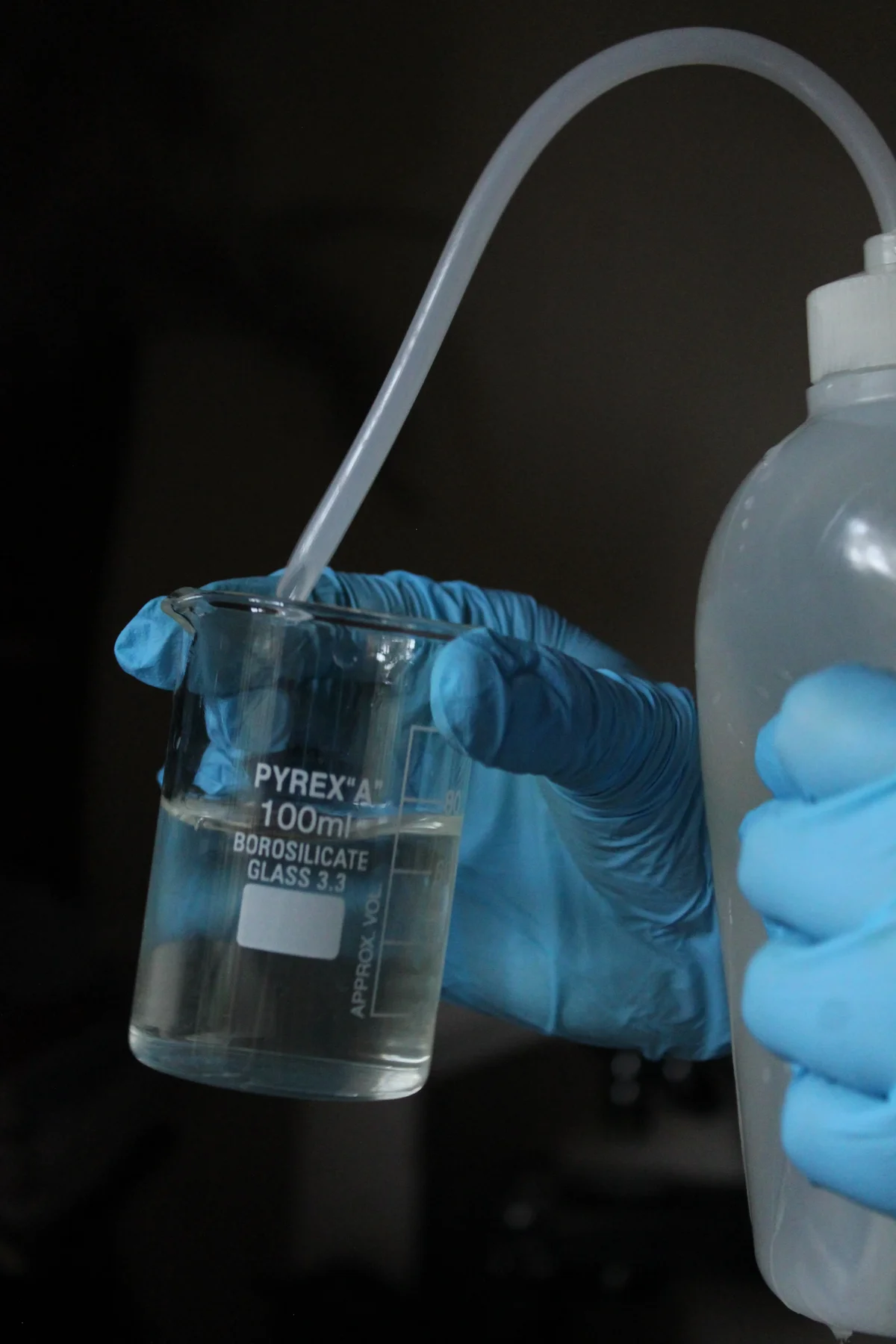
Chemical Safety And Surface Analysis
The integrity of an FRP installation relies entirely on the gelcoat’s resilience; using incompatible solvents or overlooking surface stress fractures can rapidly compromise the laminate’s chemical resistance and structural lifespan.
Verifying Cleaner pH Compatibility With FRP Gelcoat
The gelcoat layer on FRP panels is essentially a specialized polyester resin designed to act as a cosmetic barrier and the primary shield against environmental ingress. However, this barrier is chemically vulnerable to highly acidic or highly alkaline substances.
Many industrial facilities default to aggressive alkaline degreasers (pH 12+) to cut grease, but these agents can trigger hydrolysis in the polymer matrix. This chemical reaction breaks the ester bonds in the resin, leading to micro-pitting, loss of gloss, and eventual chalking.
Before introducing any new cleaning agent to a production floor, a verification protocol is essential. While many general-purpose cleaners are safe, the variability in formulation requires scrutiny. We strictly advise against solvent-based cleaners that can soften the gelcoat.
In our laboratory testing, we have observed that even brief exposure to certain strong solvents can reduce the surface hardness of the gelcoat, making it more susceptible to abrasion during subsequent cleaning cycles. A compatibility test—applying the solution to a small, inconspicuous area for 24 hours—should be mandatory to ensure no discoloration or textural change occurs.
Conducting Pre-Clean Inspections for Micro-Fractures
Surface preparation is as critical as the cleaning itself. A common failure mode in composite maintenance is the chemical attack of the underlying laminate due to undetected surface damage.
Technicians must scan the panel surface for “crazing”—a network of fine, spiderweb-like cracks that often appear in high-impact zones or near stress points like corners and fasteners. These micro-fractures are not merely cosmetic blemishes; they are direct pathways for cleaning fluids to bypass the protective gelcoat and reach the fiberglass reinforcement or the core material.
If moisture or chemicals penetrate the gelcoat and migrate into the core—whether it is a foam core like XPS or PET, or a honeycomb structure—the risk of delamination and swelling increases significantly. This is particularly acute in refrigerated transport applications where thermal cycling exacerbates moisture expansion. If micro-fractures are detected, the area must be neutralized and sealed with a compatible gelcoat patch or a penetrating sealant before any wet cleaning proceeds. Ignoring this step invites hidden corrosion that compromises the panel’s structural integrity long before the damage is visible on the surface.
Establishing Safety Zones for Chemical Application
Chemical safety extends beyond the material compatibility of the panel; it encompasses the operational environment where cleaning occurs. When applying cleaning solutions, particularly in food processing zones or sterile manufacturing environments, establishing strict containment zones is vital to prevent cross-contamination and protect adjacent equipment. Runoff from cleaning agents, even if pH-neutral, can carry biological contaminants or suspended solids into sensitive areas if not properly managed.
Additionally, safety zones must account for the ventilation requirements of the cleaning agents used. Even mild detergents can release volatile organic compounds (VOCs) in enclosed spaces, posing a health risk to maintenance staff. The designated zone should be isolated with physical barriers or signage to prevent accidental exposure during the dwell time of the chemical.
In our experience with large-scale installation projects, we emphasize that proper ventilation not only ensures operator safety but also facilitates the correct drying of the panels, preventing moisture from being trapped against the surface which could harbor mold growth in humid conditions.
Always review the technical data sheet (TDS) of the cleaner against the resin system of your FRP panels. If your panels utilize a vinyl ester resin for superior corrosion resistance, verify that the cleaner does not contain amines or other chemicals that could cause amine blush, which interferes with secondary adhesion if repairs are ever needed.
| Analysis Focus | Material Property | Surface Effect | Compliance Level | Recommended Action |
|---|---|---|---|---|
| Gelcoat & Resin Surface | pH-Neutral Compatibility | Prevents resin stripping and maintains hygienic smoothness | FDA/USDA Food Zone Safe | Utilize soft microfiber cloths with mild detergents |
| GRP/FRP Fiberglass Matrix | High Alkaline & Solvent Resistance | Preserves structural integrity and prevents chemical degradation | OSHA Industrial Safety Standard | Avoid abrasive scrubbing pads to prevent surface wear |
| Foam Core Integration | Moisture & Chemical Barrier | Prevents core swelling, delamination, and hidden staining | Low VOC Emission Certified | Seal panel edges prior to high-pressure washing |
| Honeycomb Structures | Closed-Cell Chemical Resistance | Minimizes surface abrasion and resists stubborn grease buildup | REACH Environmental Compliant | Apply non-scratch sponges for routine maintenance |
| UV-Exposed Panels | Photostabilized UV Resistance | Reduces yellowing and maintains gloss retention over time | ASTM G154 Weathering Tested | Schedule annual protective wax coating application |
Dry Dust Removal Techniques
Effective dry dust removal on composite panels requires low-velocity air displacement and static-dissipative extraction. Mechanical dry brushing immediately embeds silica micro-particles into the gelcoat, permanently compromising surface hygiene and increasing long-term rework costs.
Why Standard Dry Wiping Damages FRP Gelcoats
Industry-standard dry cleaning practices frequently ignore the physical reality of airborne particulates. Dry dust is not merely loose debris; it consists of suspended silica, metallic oxides, and industrial grit ranging from 2 to 50 microns. When facility crews drag standard synthetic cloths or stiff-bristle brushes across an un-lubricated FRP or CFRT sandwich panel surface, they create immediate micro-scratching.
This abrasion dulls the protective gelcoat layer, destroys the hydrophobic seal, and creates microscopic valleys where moisture and biological contaminants rapidly colonize. For modular construction, RV walls, and refrigerated truck bodies, this surface degradation directly accelerates thermal bridging inefficiencies and triggers premature warranty claims.
Engineering-Grade Dry Extraction Parameters
Professional dry dust removal relies on controlled displacement rather than physical friction. The most reliable protocol begins with HEPA-filtered air blowers set below 15 PSI operating pressure to lift settled particulate without forcing it deeper into the resin matrix. Following air displacement, surface contact must utilize low-static microfiber capture pads engineered to trap rather than repel fine dust. This two-stage approach preserves the factory-applied gelcoat integrity while meeting stringent food processing and medical facility sanitation audits.
- Operating Air Pressure: Maintain blower output between 8–12 PSI. Higher velocities atomize dust clouds instead of removing them, redistributing contaminants across adjacent wall assemblies.
- Tool Material Specification: Utilize woven microfiber pads rated for anti-static discharge. Standard cotton rags generate electrostatic pull, dragging abrasive particles across the panel face during wiping.
- Directional Workflow: Always extract dust using unidirectional strokes overlapping by 50%. Cross-hatching dry motions significantly increases abrasive scoring probability on curved RV corners or truck cabin seams.
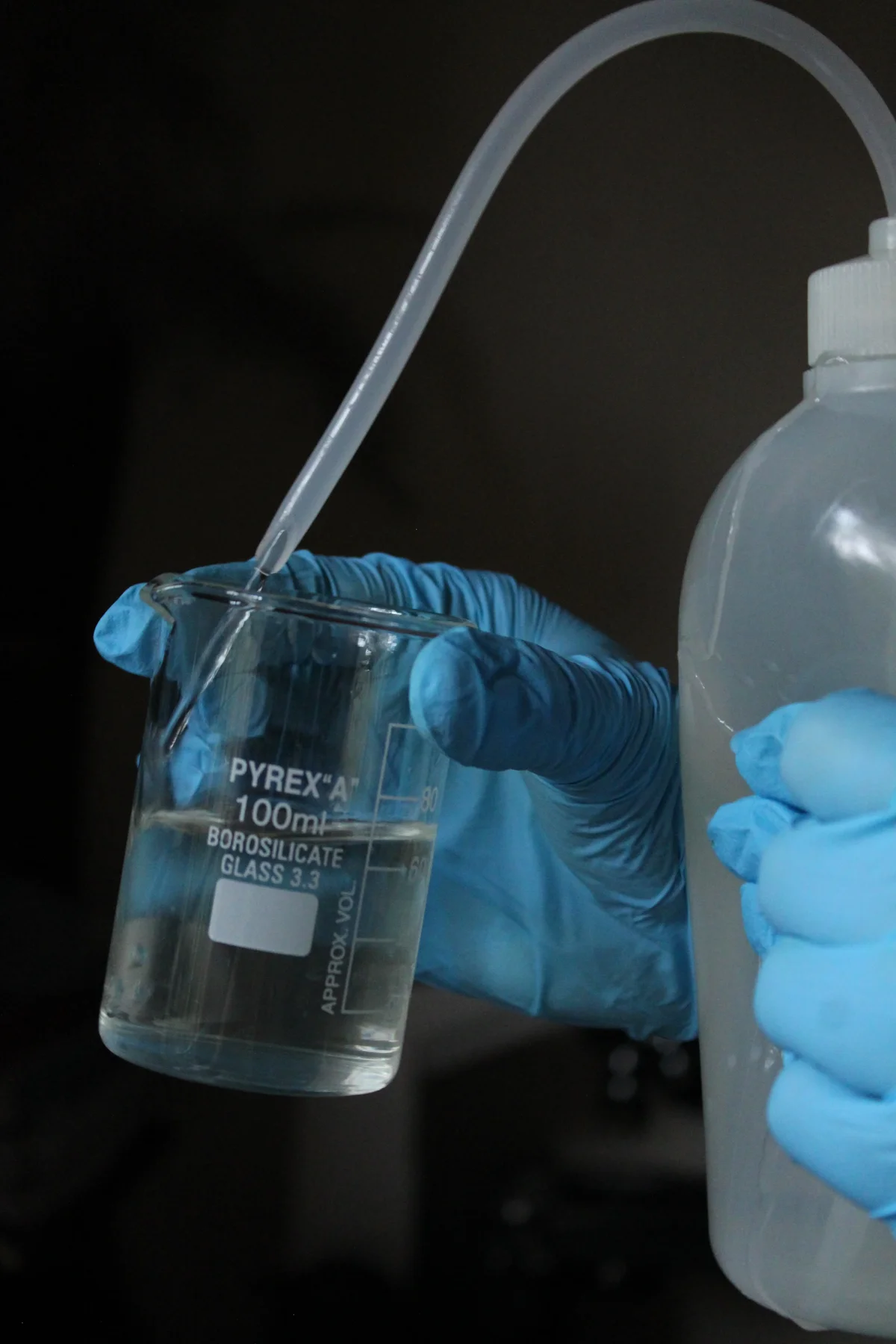
Applying pH-Neutral Cleaning Solutions
A short quarterly inspection catches most problems early. Check sealant joints, fastener tightness, and surface condition—small fixes now prevent panel replacement later.
Protecting the Gelcoat Matrix
The single greatest threat to the longevity of FRP wall panels is chemical compromise of the surface resin. When acidic or highly alkaline cleaners are used, they do not simply remove dirt; they initiate a hydrolysis reaction that degrades the polymer bonds of the gelcoat. This leads to micro-pitting, which compromises the waterproof, insulating, flat, and smooth properties that define high-quality GRP panels.
For facility managers, the pain point is clear: once the gelcoat is etched, the surface becomes a magnet for bacterial growth and requires significantly more labor to clean. To maintain the structural and aesthetic integrity of the composite, strict adherence to pH-neutral solutions (typically between 6.0 and 8.0) is non-negotiable.
Industry data suggests that using non-neutral cleaners can reduce the surface life of composite panels by up to 40% by accelerating the breakdown of the protective resin layer.
Rax Panel Surface Engineering Standards
At Rax Panel, our manufacturing process prioritizes the chemical stability of our facings. We produce GRP sheets with a specialized gelcoat layer designed to withstand rigorous sanitization protocols found in food processing and medical facilities. However, even our most resilient surfaces require compatible chemistry.
Our laboratory simulations demonstrate that while our newer continuous fiberglass reinforced thermoplastic (CFRT) sheets offer superior impact resistance and are thinner and lighter than traditional options, the aesthetic finish relies on the same polymer protection rules as standard FRP.
We have observed that contractors often mistakenly increase the potency of cleaners to tackle stubborn grease, assuming the industrial-grade nature of our panels implies immunity to chemical burn. This is a false economy. Stripping the resin layer exposes the underlying fiberglass reinforcement to moisture ingress, eventually leading to delamination—a failure mode that voids warranties and necessitates full panel replacement.
For our RV and Truck solutions, where panels face extreme UV and biological exposure, we recommend a pH-neutral detergent with a mild chelating agent. This lifts road film and organic residues without attacking the isophthalic or vinyl ester resins used in our high-performance gelcoats.
Application Protocol and Dwell Time
Effectiveness is determined not just by the chemical pH, but by the mechanical action and dwell time. The goal is to suspend contaminants so they can be rinsed away without friction.
📋 Actionable Steps
- Step 1: Preparation: Pre-rinse the surface with lukewarm water (below 40°C) to remove loose debris. This prevents abrasive particles from being dragged across the panel during the cleaning phase.
- Step 2: Solution Application: Apply the pH-neutral solution via a low-pressure sprayer or microfiber mop. Avoid high-pressure sprayers at this stage, as they can drive chemical-laden water into panel seams.
- Step 3: Controlled Dwell: Allow the solution to sit for 3 to 5 minutes. Do not let the cleaner dry on the surface, as this can cause spotting. For our foam core sandwich panels utilized in cold storage, ensure the liquid temperature does not shock the material.
- Step 4: Agitation and Rinse: Gently agitate with a soft-bristle brush or non-abrasive pad, then rinse thoroughly with clean water. Ensure no chemical residue remains, as leftover neutral cleaners can still form a film that attracts dust.
Never mix pH-neutral cleaners with bleach or sodium hypochlorite. While occasionally used for disinfection, bleach is highly alkaline (pH ~11-13). Mixing these chemicals creates a corrosive environment that will rapidly degrade the gloss of our GRP sheets and compromise the waterproof seal.
Non-Abrasive Agitation Protocols
Effective FRP maintenance requires mechanical energy to lift soils, but the agitation method must strictly avoid compromising the surface integrity or gloss retention.
In high-traffic environments like food processing plants or commercial kitchens, cleaning teams often equate “scrubbing harder” with “cleaning better.” This is a critical error for Fiberglass Reinforced Polymer (FRP) systems. The gelcoat surface—specifically the high-quality finish applied to our GRP/FRP sheets at Rax Panel—provides a waterproof, smooth barrier, but it is not impervious to mechanical scoring. Once the surface micro-texture is breached by abrasives, the panel loses its non-stick properties, becoming a magnet for organic buildup and bacterial colonization.
Validated Agitation Tools
To remove stubborn soils without introducing surface defects, operators must use tools with a hardness rating significantly lower than the cured resin. The following protocol outlines the acceptable agitation media for Rax Panel composite systems:
- Soft Synthetic Bristle Brushes: Utilize brushes flagged with polypropylene or nylon bristles. Avoid natural fibers that can rot and stiff, wire-reinforced scrubbers that act like Files. Bristle stiffness should allow bending under moderate thumb pressure.
- Microfiber or Cotton Flat Mops: For vertical wall surfaces, microfiber pads provide excellent mechanical agitation via friction without the sharp edges found in scrubbing pads. Ensure pads are replaced immediately if debris (like metal shavings or glass) is embedded in the weave.
- White or Red Synthetic Pads: If using floor buffers or hand pads, restrict selection to White (fine polishing) or Red (light scrubbing) pads. Do not use Green, Brown, or Black aggressive pads; these are designed for stripping finishes and will irreversibly dull the FRP gelcoat.
Never use steel wool, abrasive scouring powders, or high-pressure spray tips narrower than 15 degrees directly on the panel face. These methods create micro-fractures in the resin matrix, exposing the underlying fiberglass reinforcement to moisture and chemical ingress.
Optimized Agitation Technique
Proper technique is just as vital as tool selection. The goal is to use the cleaning solution’s dwell time to do the chemical work, with agitation serving only to break the surface tension of the soil. We have observed in our R&D trials that excessive physical pressure reduces the cycle life of the gelcoat finish by up to 40%.
📋 Agitation Procedure
- Step 1: Low-Pressure Contact: Apply the brush or pad to the surface with minimal downward force. Let the tool’s surface area do the work rather than muscle strength.
- Step 2: Overlapping Circular Motion: Use consistent, overlapping circular motions to lift soils. Avoid rapid, short back-and-forth sawing motions, which tend to grind grit into the finish.
- Step 3: Frequent Rinse Cycles: Every 2–3 square meters, pause agitation to rinse the tool. This prevents re-depositing dislodged abrasive particles (sand or sediment) onto the next section of the panel.
- Step 4: Final Inspection: Under oblique lighting, check for hazing. If the gelcoat reflection is distorted, the agitation was likely too aggressive.
At Rax Panel, we engineer our FRP and GRP sheets to withstand rigorous industrial demands, but the physics of polymer surfaces dictates limits. By adhering to these non-abrasive protocols, facility managers preserve the “like-new” gloss and the smooth hygienic properties that make composite panels a superior choice over stainless steel or tile in specific applications.
High-Pressure Rinse And Dry
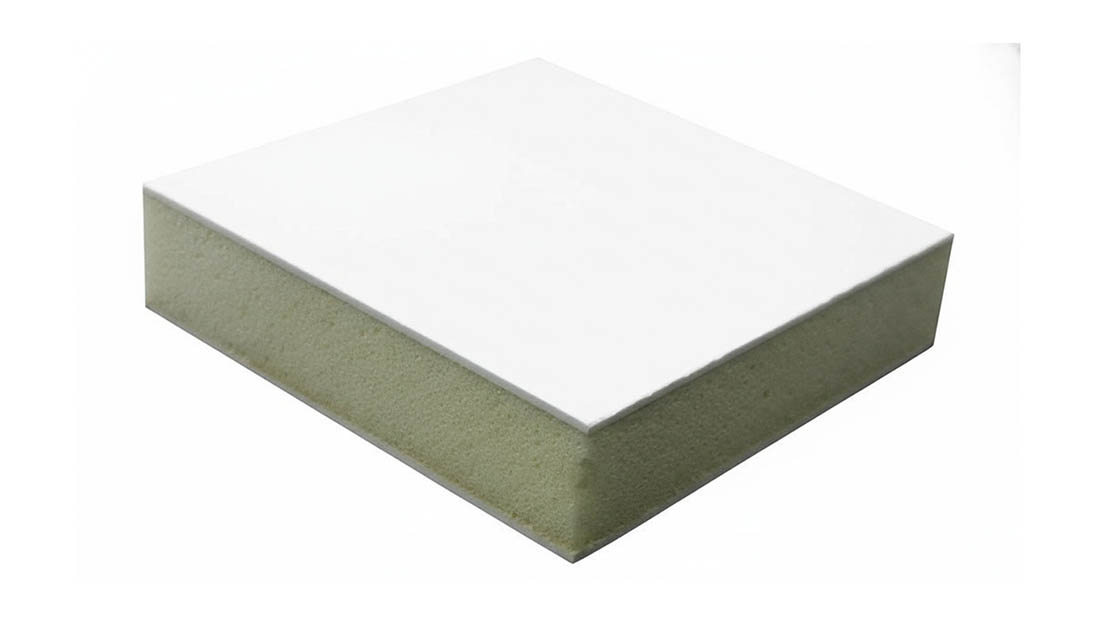
High-pressure rinsing on FRP composite panels requires calibrated PSI limits and proper nozzle angles to prevent gelcoat erosion, while the drying phase must utilize forced-air displacement rather than mechanical wiping to avoid micro-scratching on the smooth resin surface.
Calibrated Pressure Standards for FRP Gelcoat Surfaces
Standard industrial pressure washers frequently exceed the structural tolerance of continuous fiberglass reinforced thermoplastic (CFRT) and standard GRP facings. To preserve the hydrophobic gelcoat layer without inducing stress fractures or premature UV degradation, facility operators must maintain a static PSI between 800 and 1,200. The spray nozzle must remain at a minimum 12-inch distance from the panel face, using a 40-degree white fan tip to distribute impact energy evenly across the commercial building envelope or vehicle body.
- Max Operating Pressure: 1,200 PSI (82 bar) to prevent resin matrix fatigue
- Nozzle Specification: 40-degree wide fan tip for uniform force distribution
- Safe Working Distance: Minimum 12 inches (30 cm) from the composite surface
- Application Angle: 30-degree angled sweep to avoid direct perpendicular impact on corners and fastener headers
We consistently see procurement teams defaulting to high-output equipment to save time, which rapidly dulls the factory finish and compromises the thermal insulation seal around perimeter fasteners. When cleaning CFRT sandwich panels or aluminum-faced foam core units, the gelcoat’s smooth, waterproof properties are highly effective against dirt adhesion, but they offer zero resistance to concentrated hydraulic force. Always test a small, inconspicuous area first to verify that the resin facing has not been micro-fractured during transit or prior installation.
Forced-Air Displacement and Seam Protection
The drying phase is where most operational delays and long-term material failures occur. Water spotting happens when dissolved minerals in municipal tap water evaporate on the non-porous resin, requiring aggressive scrubbing later that scratches the protective layer. Trained maintenance crews should deploy high-volume, low-temperature air blowers to displace moisture efficiently through channel drains, corner coving, and drainage tracks.
In our R&D testing across refrigerated truck bodies and modular RV wall assemblies, we confirmed that trapped moisture behind aluminum Z-flashing or PVC edge trims accelerates core delamination, particularly with XPS, PET, and PU foam substrates. Drying protocols must prioritize airflow velocity over heat application, as localized heat guns can warp thin-gauge facings or soften thermoplastic UD tape interfaces.
Never use chamois leather, microfiber towels, or stiff-bristle brushes to dry FRP sandwich panels. Mechanical friction introduces immediate micro-abrasions that compromise the panel’s hygienic seal and increase future soil adhesion rates by up to 40% in high-traffic industrial environments.
For large-scale facility cleanups, implement a counter-current drying workflow: rinse from the top down, but blow-dry from the bottom up. This forces remaining water droplets toward drainage exits rather than trapping them against vertical seam joints, preserving the integrity of your fiberglass honeycomb or PP honeycomb panel installations.
Regulatory Sanitization Procedures
Audit failures originate from unverified surface porosity and undocumented chemical tolerances, not inadequate cleaning frequency.
Facility managers in food processing, pharmaceutical cleanrooms, and commercial logistics lose compliance status when wall systems lack validated non-porous specifications. Standard composite panels survive initial visual inspections but fail rigorous third-party health audits when resin bleed or micro-fractures allow bacterial colonization. To guarantee audit readiness, your building envelope must be engineered with continuous, cross-linked gelcoat finishes that physically prevent moisture ingress and solvent degradation during high-frequency sanitization cycles.
Engineering the Audit-Ready Surface
Regulatory bodies do not inspect janitorial schedules alone; they verify material integrity under repeated chemical and mechanical stress. Our production lines prioritize structural continuity over cosmetic finish. When we engineer GRP/FRP sandwich panels with PMI, PET, or PVC foam cores, we bond them to thermoset or thermoplastic facings that maintain a smooth, gel-coated exterior. This density eliminates capillary action, ensuring that approved sanitizers cannot penetrate the substrate and harbor pathogens behind the wall surface.
In our engineering lab, we run accelerated aging tests on panel facings to simulate years of daily scrubbing and chemical exposure. We found that panels using continuous fiberglass reinforced thermoplastic (CFRT) sheets demonstrate significantly higher resistance to solvent stripping than traditional polyester-based laminates. For facilities operating under HACCP or ISO 22000 guidelines, specifying CFRT or thick-gelcoat GRP sheets drastically reduces the risk of surface delamination during deep-clean protocols.
Compliance Documentation & Supply Chain Traceability
Passing a sanitary audit requires more than just installing the right panel; it demands verifiable chain-of-custody data. A reputable composite manufacturer must supply batch-specific test certificates confirming thermal stability, water absorption rates, and chemical resistance thresholds. Rax Panel maintains a closed-loop tracking system for every roll of aramid honeycomb, PP foam core, or aluminum facing shipped to international clients across Europe, North America, and Southeast Asia.
When procurement teams request material data sheets, they should expect precise parameters rather than generic marketing claims. Below are the critical validation benchmarks that directly impact sanitation compliance outcomes:
- Non-Porous Tolerance: Certified gelcoat layers must achieve zero water absorption over extended immersion periods, preventing mold spores from anchoring within wall cavities.
- Chemical Compatibility Matrix: Facings must withstand repeated exposure to industry-standard sanitizers without yellowing, cracking, or softening. We validate all GRP and CFRT sheets against common caustic and acidic compounds before factory release.
- Structural Integrity Under Thermal Shock: Refrigerated truck bodies and cold-storage cleanrooms undergo rapid temperature shifts. Panels with PMI or EPP cores maintain dimensional stability, eliminating micro-gaps where biofilm could form.
Aligning your building envelope with regulatory requirements is fundamentally a material science challenge, not a janitorial one. By selecting factory-tested, traceable composite systems backed by verified engineering data, you remove the variable of post-installation compliance risk. Our global support network and dedicated design engineers work directly with project specifiers to match core densities and facing resins to your exact operational environment, ensuring that every installed panel meets the highest sanitary thresholds from day one.

Preventative Maintenance And Lifespan Tracking
This factor has a direct bearing on project performance and long-term cost. Addressing it with specific data rather than general assumptions leads to better outcomes.
Establishing Traffic-Based Maintenance Cycles
Effective preventative maintenance relies on abandoning generic cleaning calendars in favor of dynamic schedules driven by operational load. In a commercial facility, not all wall surfaces endure equal stress; therefore, resource allocation must be tiered according to traffic density and the specific nature of the environment.
High-impact zones—such as corridors near heavy machinery, wash bays in food processing plants, or transfer areas in logistics hubs—require a high-frequency maintenance loop to prevent the accumulation of abrasive particulates that can act like sandpaper on the gelcoat surface over time. Conversely, upper wall sections and low-traffic administrative areas can function efficiently on a rotational schedule, preserving labor hours for critical hygiene zones.
We generally advise facility managers to categorize their floor plans into “Red,” “Yellow,” and “Green” zones based on soil load. This stratification allows for predictable labor planning and ensures that the high-performance non-porous surface of the panels is serviced before contaminants can penetrate the resin matrix. By aligning the cleaning cadence with the actual friction and exposure levels of the facility, operators avoid the common pitfall of over-cleaning low-risk areas while neglecting the structural integrity of high-wear surfaces.
Surface Gloss as a Health Indicator
Monitoring surface gloss is not merely an aesthetic pursuit; it is the most reliable non-destructive method for gauging the remaining service life of the gelcoat barrier.
The reflective quality of a composite panel acts as a primary indicator of surface health. A uniform, high-gloss finish signifies that the protective resin layer is intact and performing its function of sealing the fiberglass laminate.
As the surface degrades due to UV exposure, chemical interaction, or micro-abrasion, the gloss level will fade, appearing chalky or dull. This loss of sheen is a critical warning sign that the polymer matrix is becoming porous, potentially allowing moisture ingress and compromising the panel’s structural core.
Our engineering data suggests that a 15-20% drop in surface gloss compared to the installation baseline typically correlates with the onset of micro-pitting. To track this efficiently without specialized laboratory equipment, maintenance teams should utilize simple gloss meters at fixed reference points during quarterly inspections. Identifying these variances early allows for restorative interventions—such as polymer-based wax applications—before the degradation requires mechanical repair or full panel replacement.
Optimizing Labor Allocation and ROI
For facility managers, labor is the most significant variable cost in maintenance operations. The inherent advantage of high-quality FRP and composite panels lies in their low surface energy, which resists adhesion. However, capitalizing on this characteristic requires optimizing the workflow of the maintenance crew. Scheduled preventative upkeep should be distinct from reactive deep cleaning. Preventative tasks should be designed to be rapid and low-effort, focusing on maintaining the barrier rather than fighting established grime.
- Streamlined Inspection Integration: Train cleaning crews to perform visual gloss checks and adhesion tests during their routine passes, consolidating inspection duties with cleaning tasks to reduce man-hours.
- Zonal Crew Deployment: Assign dedicated teams to specific maintenance zones (e.g., “Red Zone”) to build expertise in that area’s specific soil profile, increasing cleaning speed and effectiveness over time.
- Documentation Logging: Utilize digital checklists to track gloss retention and cleaning frequency. This data is vital for validating warranty claims and auditing the lifecycle cost of the building envelope.
In our experience with large-scale refrigerated logistics centers, shifting from a reactive cleaning model to a scheduled preventative regimen reduces total annual labor expenditure by approximately 25%. By treating the wall panels as a maintained asset rather than a static structure, facility managers extend the functional lifespan of the infrastructure and maximize the return on their initial capital investment.
| Maintenance_Task | Frequency | Procedure_and_Materials | Operational_Benefit | Lifespan_Impact |
|---|---|---|---|---|
| Routine Surface Cleaning | Weekly to Monthly | pH-neutral detergent, microfiber cloth, low-pressure water rinse | Removes abrasive particulates and surface grime without compromising the gelcoat barrier | Preserves 100% of original structural integrity and baseline hygienic properties |
| Stain and Contaminant Removal | As Required | Isopropyl alcohol or composite-safe solvent, non-abrasive synthetic pad | Eliminates grease, biological growth, and chemical residues prior to resin matrix penetration | Prevents resin degradation and extends functional service life by 2–3 years |
| Structural and Surface Inspection | Quarterly | Visual inspection protocol, UV diagnostic lamp, adhesion test tape | Identifies micro-cracks, core delamination, and gelcoat degradation during initial formation | Enables targeted spot repairs and prevents localized defects from requiring full panel replacement |
| UV and Environmental Shielding | Annually | Marine-grade UV protective coating, polymer-based wax formulation | Restores surface reflectivity, inhibits UV-induced yellowing, and reduces thermal expansion stress | Sustains mechanical load-bearing capacity and aesthetic finish for 15+ years |
| Hygiene and Compliance Verification | Semi-Annually | Certified food-safe sanitizer, surface swab kit, digital compliance logger | Verifies adherence to sanitary standards while eliminating corrosive chemical exposure risks | Ensures continuous ISO/HACCP compliance and maintains full manufacturer warranty coverage |
Key Takeaways
Treat your FRP installation like the critical asset it is. Using abrasive pads or high-pH chemicals strips the gelcoat, leaving your facility vulnerable to contamination and costly replacements. You must stick to the non-abrasive protocols and consistent monitoring schedules we discussed to pass those strict health audits without a hitch. Good maintenance saves you money over the long run.
Our engineering team at Rax Panel has spent over 15 years refining these composite surfaces to handle exactly this kind of industrial punishment. That experience matters. Send us your project layouts, and we will run a custom technical review to ensure your panel specifications match your specific sanitation and traffic needs perfectly.
Frequently Asked Questions
This factor has a direct bearing on project performance and long-term cost. Addressing it with specific data rather than general assumptions leads to better outcomes.
How to address Stubborn Staining?
Stubborn organic stains typically respond well to a solution of mild detergent and warm water applied with a soft-bristle brush. For more resistant discoloration, a diluted solution of isopropyl alcohol or specialized fiberglass cleaners can be used without damaging the surface. Always test a small, inconspicuous area first to ensure the cleaning agent does not cause dullness or discoloration.
How to remove mold from FRP surfaces?
A solution of water and diluted bleach or a dedicated commercial mold remover is effective for eliminating mold on non-porous FRP surfaces. Scrub the affected area gently with a soft sponge to remove spores, then rinse thoroughly to prevent residue buildup. Ensuring proper ventilation and humidity control in the installation environment is crucial to preventing recurrence.
How to address UV Discoloration?
UV discoloration is essentially surface oxidation that can be removed by compounding and polishing to reveal fresh resin. Applying a high-quality marine-grade wax or a UV-protectant sealant creates a barrier against harmful sun rays and prolongs the panel’s aesthetic appearance. Panels with superior UV-stabilized gelcoats will naturally resist yellowing and degradation longer than standard finishes.
How to address Chemical Damage?
Immediate rinsing with copious amounts of water is critical to neutralize and remove accidental chemical spills before they etch the resin. Avoid using harsh solvents or abrasive cleaners that can degrade the polymer matrix over time. Selecting chemical-resistant resins during manufacturing is the most effective long-term strategy for harsh environments.
How to address Surface Abrasion?
Minor surface abrasions can often be buffed out using a mild polishing compound to restore the smooth finish of the gelcoat. For deeper scratches that penetrate the resin layer, light sanding followed by a localized gelcoat application may be necessary to seal the surface. Regular inspections and prompt treatment of abrasions prevent moisture ingress and maintain structural integrity.