Marine Composite Panel System Guide
Marine sandwich panels are specifically engineered for boat hulls, dock decking, ship interiors, and offshore structures requiring strength-to-weight optimization, corrosion resistance, and structural durability under continuous saltwater exposure. Built with gel-coated FRP, aluminum, or galvanized steel facings bonded to PVC foam, PET foam, balsa wood, or PP honeycomb cores, these panels comply with IMO FTP Code and SOLAS Chapter II-2 requirements where applicable.
Pro Tip: Skin Symmetry & Vacuum Infusion Bonding
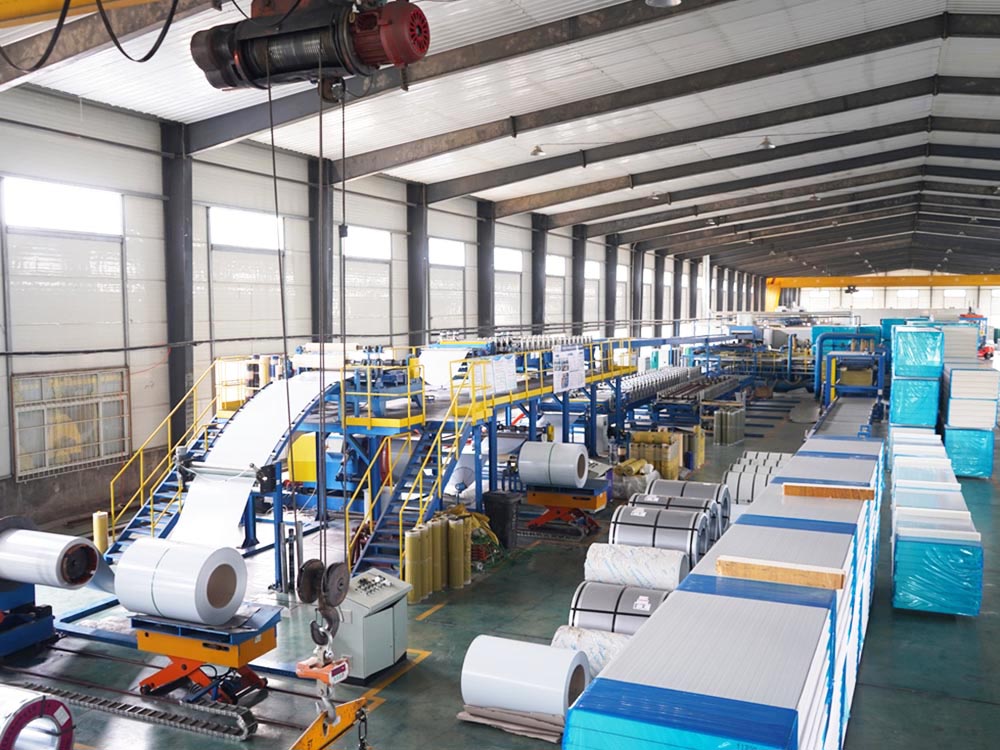
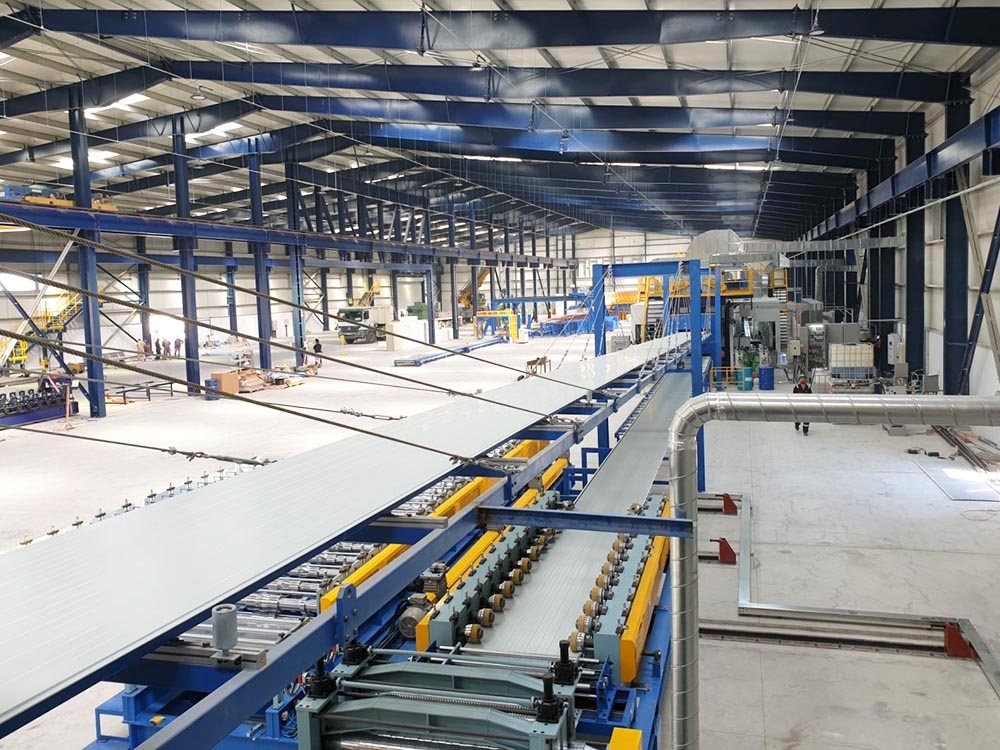
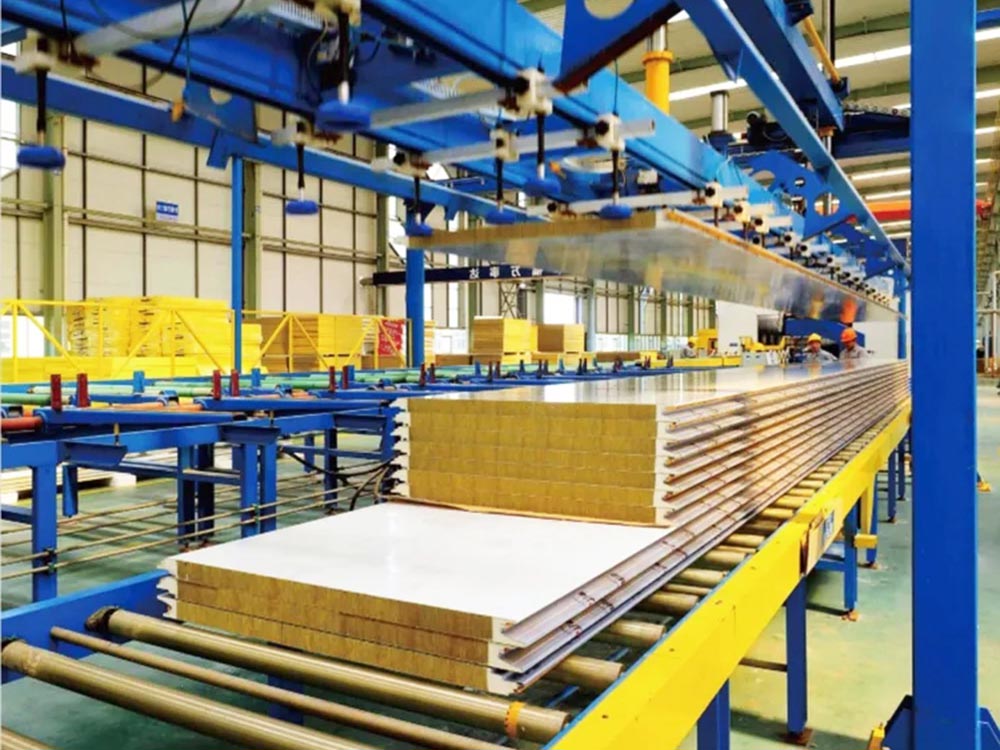
At RaxPanel, our marine panels are produced through continuous vacuum infusion and high-pressure lamination, achieving symmetric skin-to-core bonds with thickness deviation under 0.2mm. This prevents warping after curing and ensures the sandwich structure resists delamination under wave slamming and repeated hull flexing.
1. Why Is Core Material Selection Critical for Marine Panels?
Unlike building panels, marine panels endure wave slamming, dock collisions, and continuous saltwater immersion. Core selection governs impact resistance, weight, and fatigue life. Cross-linked PVC foam at 80-100 kg/m³ offers balanced toughness for hulls, while end-grain balsa at 150 kg/m³ delivers superior compressive strength of 12.8 MPa for high-load zones.
2. What Core and Skin Combinations Fit Different Marine Applications?
Core and skin selection governs strength, weight, and fire performance for specific marine applications:
| Panel Configuration |
RaxPanel Performance Metric |
Marine Application |
| FRP + Cross-Linked PVC Foam |
Density 80-100 kg/m³ / High impact toughness |
Yacht hulls, workboat shells, and decks |
| FRP + End-Grain Balsa |
Compressive strength 12.8 MPa / Density 150 kg/m³ |
High-load hull zones and transom reinforcement |
| Galvanized Steel + Mineral Wool |
IMO FTP Code B-class fire resistance |
Ship interior bulkheads and accommodation partitions |
| FRP + PP Honeycomb |
Extremely low water absorption / Lightweight |
Deckhouses, interior partitions, and superstructures |
3. How Do Marine Panels Resist Saltwater Corrosion?
RaxPanel marine FRP panels use isophthalic polyester or vinyl ester resin systems that form a chemically inert barrier resistant to chloride penetration. Classified under ISO 12944 category C5-M for high-salinity environments, these panels require no painting or galvanizing and deliver 25+ years of maintenance-free service in saltwater exposure conditions.
4. IMO FTP Code and SOLAS Fire Resistance Classification
Marine Fire Division Classifications:
- A-Class (A-0 to A-60): Steel or equivalent bulkheads stopping smoke and flame for 60 minutes.
- B-Class (B-0, B-15): Non-combustible panels with 30-minute structural integrity, CFE ≥ 20.0 kW/m².
- C-Class: Non-combustible divisions for low-risk accommodation areas.
5. Where Are Marine Panel Systems Most Commonly Used?
Boat Hulls & Superstructures
Yachts, workboats, fishing vessels, and high-speed craft requiring lightweight strength.
Docks, Marinas & Offshore Platforms
Walkways, jetties, gangways, and offshore accommodation modules exposed to constant moisture.
6. UV and Weather Resistance for Long-Term Marine Service
Gel-coated FRP skins are formulated with UV inhibitors to resist yellowing, chalking, and surface degradation under prolonged sun exposure. Vinyl ester resin systems provide enhanced blister resistance against osmotic water penetration, ensuring the hull maintains structural and cosmetic integrity across diverse marine climate zones.
Frequently Asked Questions (FAQS)
1. What skin and core combinations are available for RaxPanel marine panels?
Common configurations include gel-coated FRP skins with cross-linked PVC foam, PET foam, end-grain balsa wood, or PP honeycomb cores for hulls and decks. Galvanized steel or aluminum skins with mineral wool cores are available for fire-rated ship interior partitions requiring B-class or C-class division compliance.
2. What thickness range do RaxPanel marine panels offer?
FRP skins range from 1.5mm to 6.0mm, while core thicknesses span from 5mm to 50mm depending on the application. Balsa cores are commonly supplied at 6.4mm and 9.5mm, with PVC foam available in 10mm, 15mm, 20mm, and 25mm. Custom thicknesses are available for specific vessel designs.
3. What densities are available for marine foam and balsa cores?
Cross-linked PVC foam is offered at 60-100 kg/m³ for hulls and decks, PET foam at 100-130 kg/m³ for heat-resistant applications, and end-grain balsa wood at 100-150 kg/m³ for high-load zones. PMI foam at 50-80 kg/m³ is available for performance craft requiring extreme weight reduction.
4. Do RaxPanel marine panels meet IMO and SOLAS fire standards?
Fire-rated ship interior panels are engineered to comply with IMO FTP Code and SOLAS Chapter II-2 requirements, achieving B-class and C-class division classifications. Bulkhead materials meet non-combustibility criteria with critical heat flux at extinguishment of 20.0 kW/m² or higher per FTP Code Part 5 testing.
5. How do marine dock decking panels perform in wet conditions?
FRP dock decking panels feature gritted anti-slip surfaces achieving CoF of 1.04 per BS 4592-0, ensuring safe pedestrian traffic in wet, oily, and icy conditions. Water absorption is just 0.45% over 24 hours per ASTM D570, and the panels deliver reliable performance from -100°C to +200°C.
6. How are marine panels bonded to resist delamination?
Panels are bonded through continuous vacuum infusion or high-pressure lamination that creates monolithic skin-to-core bonds with symmetric skins. Thickness deviation is kept under 0.2mm to prevent post-cure warping, ensuring the sandwich structure resists delamination under wave slamming and hull flexing.
7. Can panels be customized for specific marine projects?
Yes. Panels are fully customizable in width, length, thickness, skin material, core type, surface color (RAL chart), and joint profile. Engineering support includes detailed specifications, performance data, and compliance documentation tailored to each vessel or marine structure.