acp foam core panel fire rating Installation Mistakes That Undermine Fire Ratings

Aluminum Honeycomb Panels for High-Rise Wind Loads: Engineering Guide

On architectural towers exceeding one hundred and fifty meters in height, exterior curtain walls endure extreme aerodynamic turbulence that rapidly destroys standard cladding systems. High-velocity winds buffeting high-rise facades create violent fluctuations between positive stagnation pressure on windward elevations and intense negative suction along leeward corners. When exterior cladding fails under cyclic wind pressure, fasteners…


insulated metal panel manufacturer Avoid Common Mistakes When Specifying Panels

Fire-Rated Aluminum Composite Panels: Class A and A2 Guide

When multi-story building fires breach exterior window openings, vertical facade cladding acts either as an impenetrable thermal barrier or as a devastating fuel source. In commercial construction, catastrophic multi-story facade fires have repeatedly demonstrated that standard architectural panels with combustible cores ignite rapidly, propagating flames up exterior walls in minutes. Specifying the correct non-combustible cladding…

Aluminum Core Composite Panel ACCP vs. Alternative Panels: Where It Shines and Falls Short

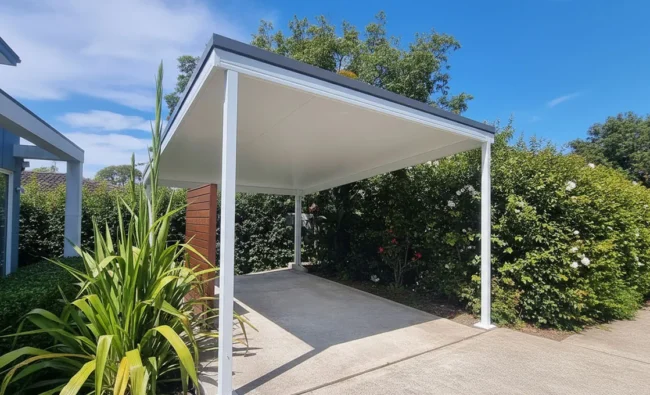
Aluminum Composite Panels for Roofing and Canopies: Engineering Guide

During severe coastal storms and intense thunderstorm squalls, horizontal entrance canopies face an aerodynamic environment far more violent than vertical building walls. In our structural metal engineering division, we regularly inspect commercial facilities where overhead canopies tore loose from secondary framing or accumulated ponding water that dissolved exterior caulking joints. Selecting the right cladding material…

(空)

What is PVDF Coating on Aluminum Composite Panels: Technical Guide

When architectural facades fail prematurely under harsh weather, the breakdown almost never starts with the aluminum skin itself. In our factory coating division, we see exterior failures originate from compromised paint chemistry. These lower-grade coatings crack rapidly under intense ultraviolet radiation. If your project faces high solar exposure, coastal marine air, or heavy industrial pollution,…

cold room panels Ceiling Installation and Thermal Bridge Prevention

How to Evaluate Aluminum Composite Panel Quality: Buyer Guide

Procuring architectural aluminum composite material requires rigorous quality verification protocols to prevent catastrophic envelope failure. Substandard composite sheets frequently masquerade as exterior-grade panels while concealing severe manufacturing shortcuts. Premium architectural cladding demands a minimum nominal 0.50 mm skin thickness certified to ASTM B209 standards. Furthermore, verifying quality requires subtracting 28 to 35 microns of paint…

structural insulated panels Defining Structural Insulated Panels

How to Cut Aluminum Composite Panels: Step-by-Step Guide

Cutting aluminum composite material (ACM/ACP) with factory precision requires balancing two distinct materials. Operators must manage the shearing mechanics of 0.50 mm architectural aluminum facings alongside thermoplastic or mineral cores. Standard woodworking saw blades with positive hook teeth grab thin aluminum skins aggressively. This violent biting causes edge delamination, burring, and dangerous kickback. Achieving clean…

Insulated Garage Door Addressing Quality Concerns and Hardware Longevity

Aluminum Composite Panel Installation: Step-by-Step Guide

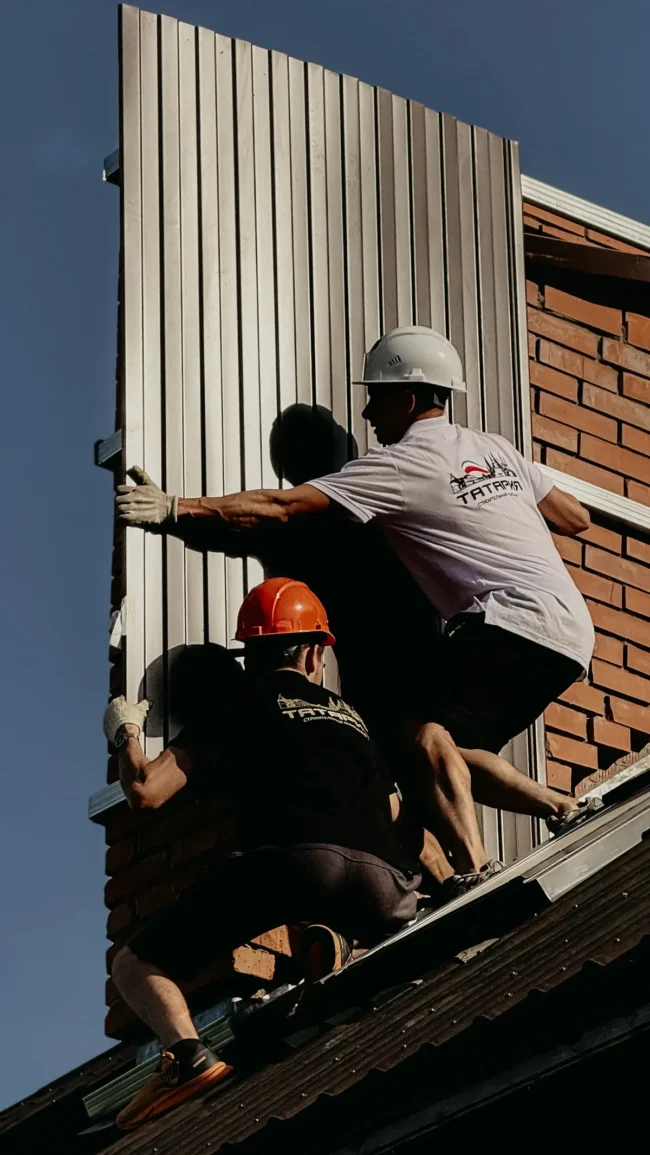
Installing architectural aluminum composite panel (ACP) cladding systems demands meticulous engineering discipline to accommodate a linear thermal expansion rate of 2.4 mm per meter per 100°C temperature differential under ASTM E228 standards. On an exterior building facade subjected to an annual ambient temperature swing of 60°C, a single 3,000 mm panel undergoes more than 4.3…

FRP Panels Regulatory Sanitization Procedures

Aluminum Composite Metal (ACM) vs Phenolic Panels: Which is Best?

For architectural facade specifiers, commercial developers, and exterior envelope contractors, choosing between exterior cladding materials represents a complex engineering trade-off. Evaluating modern composite options—specifically architectural aluminum composite cladding systems versus high-pressure laminate phenolic panels—forces structural teams to balance dead-load mass, thermal movement, fire reaction ratings, and long-term maintenance budgets. While dense phenolic panels provide exceptional…

Aluminum Composite vs Phenolic Panels Impact Resistance and Weathering Performance

ACP Cladding: Architectural Guide to Aluminum Composite Facades

In modern high-rise architecture, institutional infrastructure, and commercial facades, building envelope engineers constantly balance structural dead-load limits against exterior wind resistance. Standard solid metal plates or heavy masonry panels add excessive gravity loads to concrete superstructures, complicating subframe cantilever engineering. Deploying architectural aluminum composite panel systems—commonly specified as architectural aluminum composite facade panels—delivers installed dead…