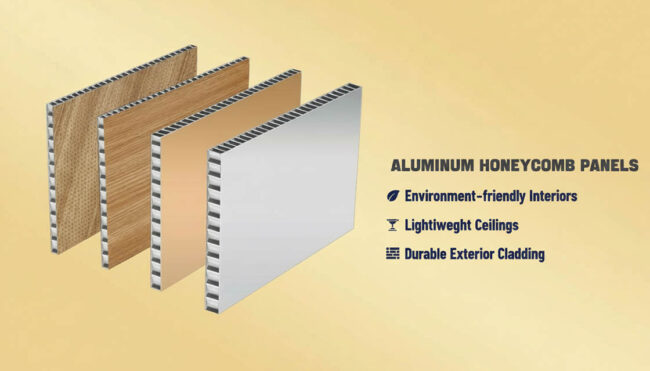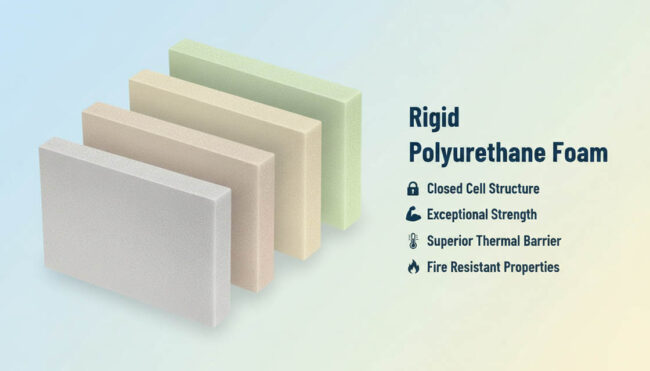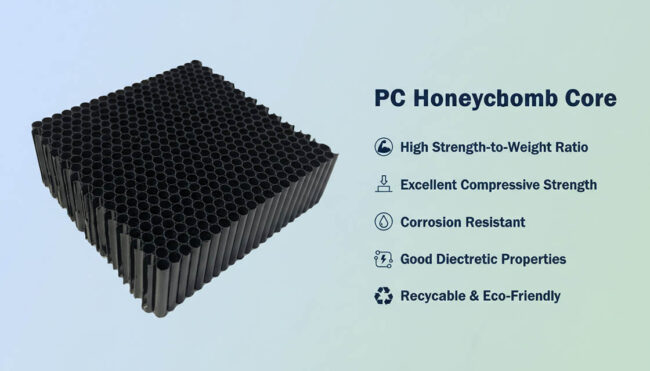
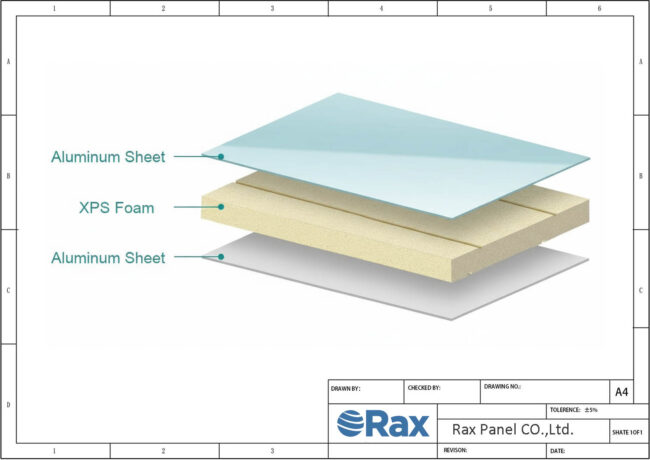
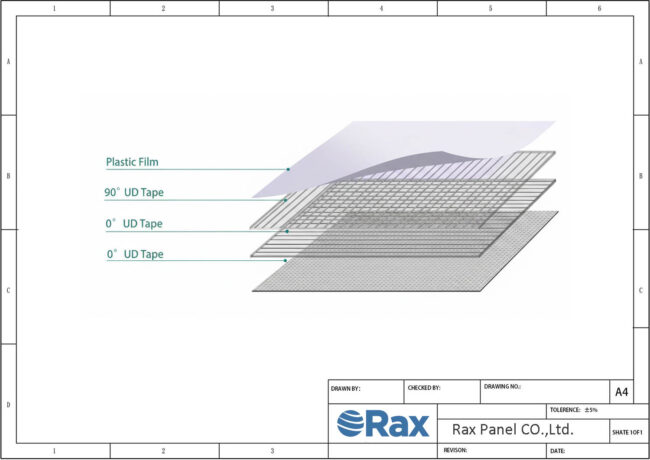
PP vs Aluminum Honeycomb Comparison

We see three or four warranty disasters a year traceable back to one engineering decision: the pp vs aluminum honeycomb core selection. Last year, a European ambulance OEM scrapped 40 vehicle bodies because their aluminum honeycomb panels delaminated from carbon fiber skins. Galvanic corrosion ate the bond lines. Nobody caught the materials conflict during spec…

Hyper-realistic product photography of various fiberglass sandwich panels (CFRT, GRP/FRP honeycomb, foam core, aluminum) stacked neatly in a warehouse, showcasing different textures and thicknesses. Soft, diffused industrial lighting, clean composition, no text, no brand logos.

Fiberglass Panel Manufacturing Lead Times

A truck body manufacturer in Germany waited 11 weeks for a container of fiberglass panels last year. The supplier quoted 35 days. When the shipment finally arrived, 18% of the panels had edge damage from improper crate packing — corners crushed, gelcoat chipped off, foam core exposed. That single late delivery idled their assembly line…

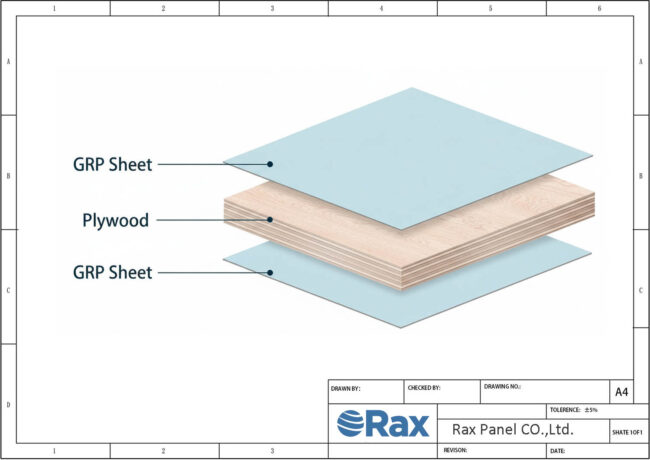
PP Hollow Panel vs Plywood Formwork

Last monsoon season, a project manager in Mumbai called after his crew tossed 400 sheets of marine plywood. Three days of rain had swollen every panel past +2mm tolerance. The concrete stuck. The surfaces delaminated. He lost $28,000 in material and ate two weeks of delay penalties on a hospital build. He switched to a…

What IMP Panel Thermal Performance Data Really Tells You

A refrigerated truck builder in Indiana scrapped 47 panels last March because the imp panel thermal readings came in 22% below spec during their validation test. The supplier had switched foam blowing agents without telling anyone. That one substitution cost them $84,000 in wasted material and a 6-week production delay. I’ve seen this happen four…

Fire Resistant Building Panel Certifications

I’ve watched three vehicle manufacturers recall units in the last 18 months for the same reason. They spec’d fire resistant panels that sailed through ASTM E84 Class A testing but couldn’t survive actual road conditions. One builder used MgO board cores — the fire rating looked great on paper, but those brittle boards cracked after…

Refrigeration Panel R-Value Requirements

A Texas fleet operator scrapped six new trucks after 90 days due to severe reefer truck insulation panel thermal drift. The supplier promised R-25 panels, but constant highway vibration triggered rapid foam degradation that dropped the effective R-value to R-19. Frozen cargo thawed, forcing the carrier to absorb $280,000 in spoilage claims. We ran our…

PMI Foam Core: The Weight-Savings Math, Explained

PVC foam core with thickness variance over 0.8mm is enough to destroy every bond in a vacuum bagging process, and the line shutdown that follows is measured in days. For vehicle builders chasing a double-digit curb weight reduction target, that kind of failure is exactly why PMI foam core enters the evaluation. The material costs…

Modern industrial building's yellow facade with metal roof against clear blue sky.

Where Marine HDPE Panels Outperform Plywood and Fiberglass

Generic sheets that warp in heat and fail the salt spray test within weeks are the reason marine specifiers pay for spec-grade HDPE panels up front. A failed transom run means scrapped material, delivery delays, and the labor to rip out the broken units. On a live production line, a few millimeters of thickness variance…

What Building Insulation Panel R-Values Really Mean Per Inch

Insulation panels that lose R-value in desert heat are a costly blind spot: PUR foam typically starts degrading above 95°F ambient, so a panel specified at its 75°F lab rating can deliver noticeably less thermal resistance in the field. On a fleet build, that gap between brochure and reality compounds into warranty claims and production…