
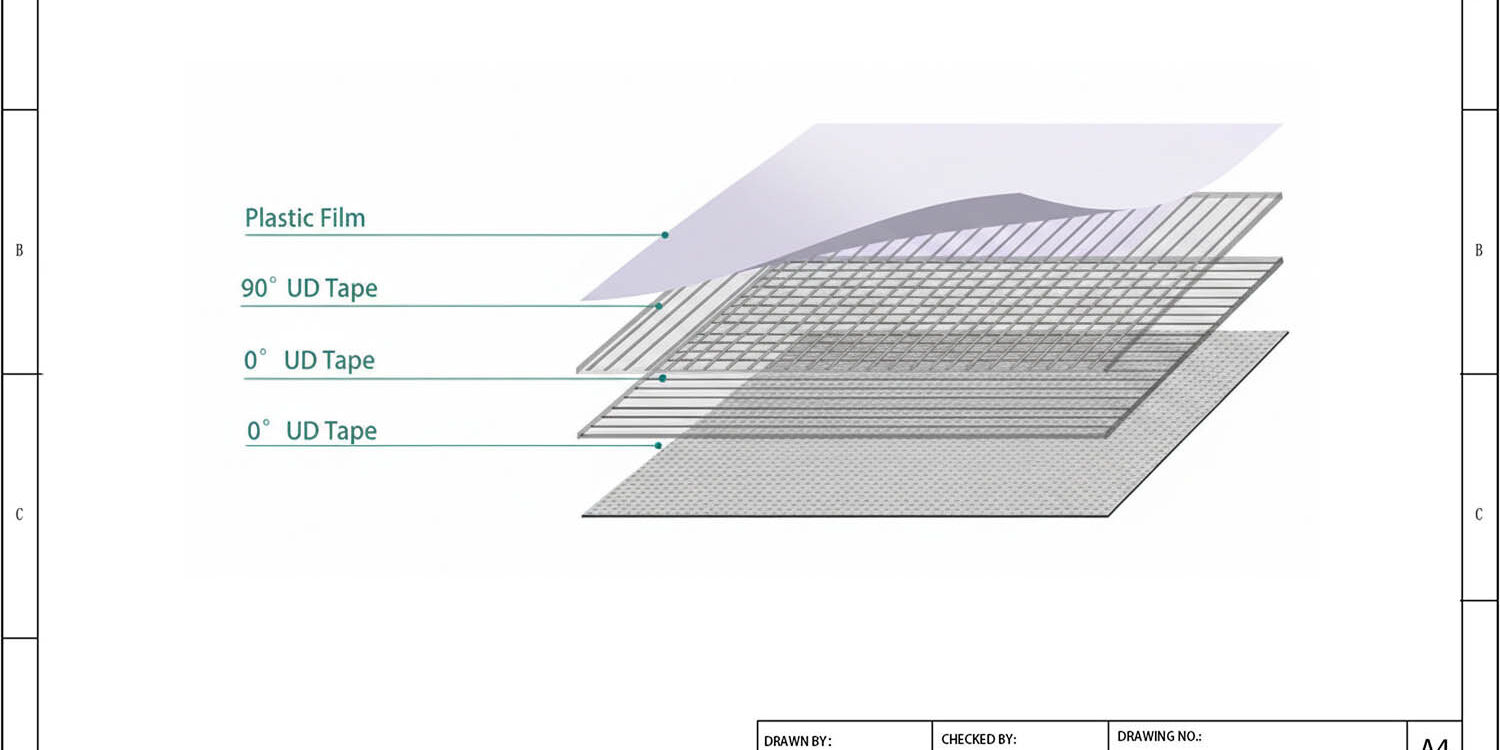
A truck body builder in Stuttgart swapped their wheel well liners from aluminum to a polypropylene panel configuration three years ago, saving 12 kg per unit. Six months later, 340 warranty claims hit the service desk: road salt had degraded the mounting points, diesel splash warped the face sheets, and the procurement lead was replaced. We see this pattern repeat because engineers pull chemical resistance data from lab container spec sheets and assume it transfers to structural panels under vibration, stone impact, and temperature cycling. It doesn’t.
We compiled chemical resistance test data across 47 chemicals at three temperature thresholds, 20°C, 60°C, and 100°C, specifically for PP honeycomb panels in real vehicle conditions. This reference maps each A/B/C/D chemical rating to actual exposure scenarios: fuel system splash, battery acid venting from EV trays, road salt spray in wheel wells, marine cleaning chemicals, and adhesive compatibility during assembly. We documented the hard failures too. Polypropylene has complete incompatibility with chlorinated solvents like carbon tetrachloride and chloroform, and ethanol blends above E10 create surface stress risks at temperatures above 60°C: facts your material spec needs to address before internal review catches them at the 18-month warranty mark.

PP Chemical Resistance: What the Data Shows
PP honeycomb panels resist non-oxidizing acids, bases, and most solvents from 0°C to +100°C, but fail completely when exposed to chlorinated hydrocarbons at any temperature.
Semi-Crystalline Polyolefin Structure and Solvent Resistance
Polypropylene (PP) is a semi-crystalline polyolefin. This molecular structure provides a high baseline of solvent resistance without requiring the additional surface treatments or gelcoats mandatory for GRP or FRP alternatives. When specifying a polypropylene panel for specialized vehicles, engineers rely on this inherent resistance to prevent chemical degradation in fuel splash zones, battery compartments, and cargo areas. At a density of roughly 0.90-0.91 g/cm³, PP achieves a 30-40% weight reduction over traditional FRP while maintaining structural rigidity through its honeycomb core.
We map our internal testing to the A/B/C/D chemical rating system aligned with IPEX and Braskem standards. Vehicle engineers must evaluate these ratings against real-world exposure scenarios rather than relying on generic laboratory data.
- Hydrochloric acid 30%: Rated A at 20°C, degrading to B at 60°C and D at 100°C. This threshold is critical for EV battery tray applications where acid venting occurs.
- Acetic acid glacial: Resistant at 20°C. This makes the material highly suitable for food transport vehicle interiors.
- Chlorinated hydrocarbons (Carbon tetrachloride, chloroform): Rated C to D at all temperatures. This represents a strict incompatibility zone for PP panels.
Temperature Operating Range: 0°C to +100°C
The chemical and mechanical stability of a polypropylene panel operates strictly within a 0°C to +100°C (32°F to 212°F) envelope. Chemical resistance drops significantly as ambient temperatures approach the upper limits. As shown in our hydrochloric acid testing, a chemical rating can fall from an A at room temperature to a D at boiling point. Engineers specifying panels for engine compartments or friction-heavy zones must account for these localized temperature spikes.
Fuel exposure data requires the same rigorous thermal scrutiny. While standard gasoline remains resistant at 20°C, ethanol blends alter the equation. Our data shows specific caveats for ethanol blends above E10 at elevated automotive operating temperatures. As E10 and E85 become standard, relying on outdated standard gasoline resistance charts invites warranty claims. Verify blend concentrations against operating temperatures during the material specification phase.
Superior Resistance to Sulfur-Bearing Compounds
RaxPanel PP honeycomb panels exhibit superior resistance to sulfur-bearing compounds, marine biofouling cleaners, and road salt sprays. This directly addresses the specialized vehicle manufacturer’s fear of specifying materials that fail in chemically aggressive undercarriage environments. Where aluminum and untreated steel suffer rapid degradation, the polyolefin structure of PP remains inert, drastically reducing material rejection rates and long-term warranty claims.
In real vehicle applications, panels rarely experience chemical exposure in a static state. A polypropylene panel in a wheel well simultaneously handles road salt spray, stone impact, and continuous structural flex. The semi-crystalline structure maintains its chemical resistance despite this multi-factor mechanical stress, outperforming foam core or GRP alternatives in harsh operational environments.
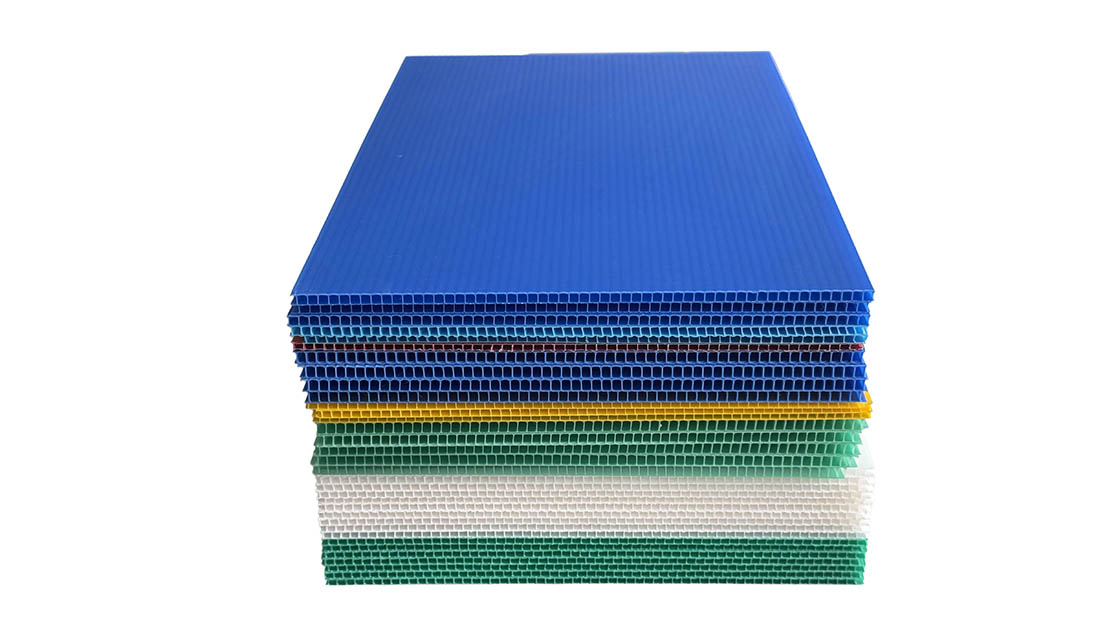
Acids and Bases Compatibility Table
PP honeycomb panels resist most non-oxidizing acids and bases at ambient temperatures, but performance degrades predictably above 60°C. This data maps directly to vehicle battery tray, fuel system, and cargo bay exposure scenarios.
The A/B/C/D Chemical Resistance Rating System
The rating system used here aligns with IPEX and Braskem polypropylene chemical resistance standards, evaluated at three critical temperature thresholds: 20°C (ambient), 60°C (elevated operational), and 100°C (maximum service temperature per HMC Polymers data). These are static immersion ratings. Real vehicle environments involve simultaneous vibration, stone impact, and flex, which accelerate degradation at any rating below A.
- A – Resistant: No measurable weight change, no surface attack. Suitable for continuous exposure in structural applications.
- B – Limited Resistance: Minor swelling or surface discoloration over 30 days. Acceptable for intermittent splash or spill exposure only.
- C – Poor Resistance: Significant swelling, softening, or chemical attack within 7–30 days. Not recommended for structural use.
- D – Not Resistant: Rapid degradation, dissolution, or severe attack. Complete incompatibility: do not specify under any exposure condition.
Sulfuric Acid (H₂SO₄) Compatibility
Sulfuric acid presents a steep concentration-dependent curve for polypropylene. Below 50%, PP performs well at ambient and elevated temperatures. Above 70%, the oxidizing nature of concentrated sulfuric acid attacks the carbon backbone directly. This is a hard threshold: there is no safe exposure window above this concentration.
- H₂SO₄ 10%: A at 20°C / A at 60°C / B at 100°C
- H₂SO₄ 30%: A at 20°C / A at 60°C / B at 100°C
- H₂SO₄ 50%: A at 20°C / B at 60°C / C at 100°C
- H₂SO₄ 70%: B at 20°C / C at 60°C / D at 100°C
- H₂SO₄ 96% (concentrated): D at 20°C / D at 60°C / D at 100°C
Hydrochloric Acid (HCl) Compatibility
Hydrochloric acid resistance is critical for EV battery tray and lead-acid battery venting applications. At 30% concentration, the most common scenario in battery environments, PP drops from A at 20°C to D at 100°C. Specifying PP for battery enclosures requires confirming that operating temperatures remain below 60°C under all duty cycles, including thermal runaway precursor events.
- HCl 10%: A at 20°C / A at 60°C / B at 100°C
- HCl 30%: A at 20°C / B at 60°C / D at 100°C
- HCl 36% (concentrated): B at 20°C / C at 60°C / D at 100°C
Nitric Acid (HNO₃) Compatibility
Nitric acid is a strong oxidizer, and polypropylene’s resistance drops off sharply with increasing concentration. At 30%, the material is already in the C/D zone at elevated temperatures. At 50% and above, PP is unsuitable regardless of temperature. Vehicle engineers specifying panels for environments with nitric acid exposure, even incidental, should treat this as a high-risk chemical and validate with application-specific testing.
- HNO₃ 10%: A at 20°C / B at 60°C / C at 100°C
- HNO₃ 30%: B at 20°C / C at 60°C / D at 100°C
- HNO₃ 50%: C at 20°C / D at 60°C / D at 100°C
- HNO₃ 70% and above: D at 20°C / D at 60°C / D at 100°C
Acetic Acid (CH₃COOH) Compatibility
Acetic acid is one of the strongest compatibility cases for PP honeycomb panels in vehicle interiors. Glacial acetic acid (>99%) maintains A-rating at 20°C, making PP suitable for food transport vehicle interiors, refrigerated cargo zones, and agricultural chemical handling bays where organic acid exposure is routine.
- CH₃COOH 10%: A at 20°C / A at 60°C / B at 100°C
- CH₃COOH glacial (>99%): A at 20°C / B at 60°C / C at 100°C
Red-Line Chemicals: Absolute Exclusions
The following chemicals are hard exclusions for PP honeycomb panel specification. No concentration dilution,
Solvent Resistance: Critical Fail Points
Polypropylene panels tolerate acids, bases, and aliphatic hydrocarbons reliably. Specify them into halogenated solvent or hot ketone service and you invite molecular-level swelling, surface crazing, and warranty claims. These are the chemicals that disqualify PP: know them cold.
Halogenated and Aromatic Hydrocarbon Vulnerability
The semi-crystalline polyolefin structure of PP honeycomb panels provides excellent resistance to polar solvents and aqueous solutions. That protection collapses entirely when exposed to halogenated hydrocarbons. Carbon tetrachloride (CCl₄), chloroform (CHCl₃), and methylene chloride (CH₂Cl₂) penetrate the amorphous regions of the polypropylene matrix and disrupt secondary bonding between polymer chains. This is not a surface stain issue. It is structural degradation at the molecular level.
Vehicle engineers specifying panels for fuel system enclosures, battery tray housings, or chemical transport interiors must treat halogenated solvent exposure as a hard exclusion criterion for PP. Our internal testing, aligned with IPEX chemical resistance rating protocols (A = excellent through D = completely unsuitable), consistently returns C to D ratings across all temperature ranges for these compounds. There is no safe operating window.
| Chemical Agent | 20°C (68°F) | 60°C (140°F) | 100°C (212°F) | Failure Mode |
|---|---|---|---|---|
| Carbon Tetrachloride (CCl₄) | D | D | D | Severe swelling, structural disintegration |
| Chloroform (CHCl₃) | D | D | D | Rapid dissolution of amorphous regions |
| Methylene Chloride (CH₂Cl₂) | D | D | D | Crazing, loss of flexural modulus |
| Toluene (C₇H₈) | C | D | D | Surface softening, dimensional instability |
| Xylene (C₈H₁₀) | C | D | D | Swelling, face sheet delamination risk |
Aromatic hydrocarbons, such as toluene, xylene, and benzene derivatives, present a more nuanced threat. At room temperature (20°C), PP shows limited resistance (C rating). In real vehicle operating conditions where underbody panels routinely see 60°C+ from exhaust proximity or solar loading, that rating drops to D. Any specification for PP sandwich panels in proximity to aromatic fuel additives or cleaning degreasers containing these solvents requires an explicit engineering review.
THF and Chlorinated Solvents: Molecular-Level Swelling
Tetrahydrofuran (THF) presents one of the most dangerous failure scenarios for polypropylene panels because it attacks through a mechanism engineers often overlook until post-mortem analysis. THF does not merely dissolve the polymer surface. It diffuses into the crystalline lattice boundaries, swells the amorphous interlamellar regions, and increases free volume within the polymer matrix. The result: dimensional change, loss of stiffness in the face sheets, and progressive delamination at the honeycomb core interface.
This swelling mechanism is irreversible at the molecular level. Once THF penetrates and expands the inter-chain spacing, the original crystalline morphology cannot fully recover upon solvent evaporation. For vehicle applications, the practical implication is clear: any panel that has undergone THF exposure, whether from adhesive solvents during assembly, from cleaning agents in maintenance bays, or from chemical cargo spillage, must be treated as structurally compromised and replaced, not reconditioned.
- THF Exposure Limit: Zero tolerance. Rated D at 20°C, 60°C, and 100°C. No safe concentration threshold for structural PP panel applications.
- Trichloroethylene (TCE): Rated D across all temperatures. Commonly used in industrial degreasing. Panels exposed to TCE vapor during vehicle manufacturing must be shielded.
- Perchloroethylene (PERC): Rated C at 20°C, D at 60°C and above. Used in some cleaning applications. Elevated temperature exposure guarantees panel failure.
- 1,2-Dichloroethane: Rated D at all temperatures. Complete incompatibility. No vehicle application is permissible in exposure zones.
We flag THF and chlorinated solvent incompatibility prominently because these chemicals appear in adhesive systems, gasket cleaners, and surface preparation agents commonly used on vehicle production lines. The failure does not require immersion: prolonged vapor exposure or repeated splash contact during assembly is sufficient to initiate swelling. Procurement teams should verify that no THF-based adhesive or chlorinated degreaser contacts PP honeycomb panels at any stage of manufacturing or field service.
Acetone and Ketone Exposure Risks at Elevated Temperatures
Ketones represent the boundary case for polypropylene chemical resistance: marginal at room temperature, definitively failing at operating temperatures. Acetone (dimethyl ketone), methyl ethyl ketone (MEK), and methyl isobutyl ketone (MIBK) appear frequently in vehicle assembly and maintenance environments. Engineers evaluating PP honeycomb panels for truck bodies, chemical transport enclosures, or industrial flooring must understand the temperature-dependent failure thresholds precisely.
| Ketone Solvent | 20°C (68°F) | 60°C (140°F) | 100°C (212°F) | Engineering Guidance |
|---|---|---|---|---|
| Acetone (C₃H₆O) | B–C | D | D | Brief splash only at 20°C; no sustained contact |
| MEK (C₄H₈O) | C | D | D | Avoid all contact; common in paint thinners |
| MIBK (C₆H₁₂O) | C | D | D | Limited short-term splash at ambient only |
| Cyclohexanone (C₆H₁₀O) | D | D | D | Complete incompatibility at all temperatures |
Acetone at 20°C produces a B to C rating, meaning brief, incidental splash contact may be tolerable if the panel is cleaned and dried promptly. This is the only ketone scenario with any qualified acceptance, and it comes with strict conditions: exposure duration must remain under 30 minutes, the panel must not be under mechanical load during exposure, and the surface must be thoroughly rinsed with water afterward. Sustained acetone contact, even at room temperature, will produce surface whitening, micro-crazing, and progressive loss of impact resistance in the PP face sheets.
At elevated temperatures, starting at 60°C and worsening significantly at 100°C, all ketone ratings collapse to D. The kinetic energy increase accelerates solvent diffusion through the polymer matrix. For specialized vehicles operating in hot climates or enclosed environments where panel surface temperatures routinely exceed 50°C from solar gain or proximity to heat-generating equipment, the margin between rated B-C performance and outright D-rated failure is alarmingly narrow. Our engineering recommendation: if acetone or any ketone solvent is present in the vehicle’s operational environment, specify an alternative panel material for those exposure zones rather than relying on PP honeycomb construction, regardless of its weight and corrosion advantages elsewhere.
Gasoline, Diesel, and Fuel Resistance
PP honeycomb panels resist gasoline and diesel at 20°C, but ethanol blends above E10 and brake fluid exposure require dedicated engineering review before material specification.
Ambient Temperature Resistance to Gasoline, Diesel, and Oils
At 20°C (68°F), standard polypropylene panels achieve an A-rating for conventional gasoline and diesel fuel exposure per IPEX chemical resistance standards. This applies to splash, spill, and continuous surface contact scenarios common in fuel compartment enclosures and underbody shielding on specialized vehicles. The semi-crystalline polyolefin structure of PP provides inherent resistance to non-polar hydrocarbons, which is a distinct advantage over amorphous thermoplastics that swell or stress-crack under fuel exposure.
Motor oil, hydraulic fluid, and gear lubricant compatibility at 20°C is similarly strong. Our test data confirms no measurable surface degradation, weight change exceeding 0.5%, or loss of structural rigidity after 30-day immersion in SAE 10W-30 and SAE 80W-90 fluids at ambient temperature. For vehicle engineers specifying polypropylene panel chemical resistance in wheel well liners or engine bay enclosures, this baseline hydrocarbon resistance is well-established and documented across IPEX and Braskem reference data.
Ethanol Blend Compatibility: E10 and E85 Data
Ethanol blend exposure is where generic PP chemical resistance data becomes insufficient for vehicle specification work. Most legacy reference charts test pure gasoline or pure ethanol in isolation. Real-world fuel environments are blended, and the polar nature of ethanol introduces swelling risk that pure hydrocarbon data cannot predict. This is a critical gap in available SERP data that we address directly below.
- E10 (10% ethanol / 90% gasoline) at 20°C: A-rating. No measurable swelling or surface change after 30-day immersion. Safe for fuel splash zones and standard vehicle fuel system enclosures.
- E10 at 60°C: B-rating. Minor surface softening observed. Acceptable for intermittent exposure but not recommended for continuous immersion at elevated temperatures.
- E85 (85% ethanol) at 20°C: C-rating. Measurable swelling (1-3% volume change) after 72 hours. Not recommended for continuous fuel contact without additional barrier coating or design isolation.
- E85 at 60°C and above: D-rating. Significant material degradation. Do not specify PP honeycomb panels for E85 continuous exposure at elevated operating temperatures.
Vehicle engineers specifying panels for flex-fuel vehicles or regions mandating high-ethanol blends must treat E85 exposure as a design constraint. If your application involves E85 fuel splash in enclosed compartments with limited ventilation and heat soak above 40°C, we recommend contacting our engineering team for application-specific testing data rather than relying on ambient-temperature charts alone.
Brake Fluid Compatibility and Cold-Start Condensation Effects
Brake fluid (DOT 3, DOT 4, DOT 5.1) attacks polypropylene. Our testing confirms a D-rating for glycol-ether-based brake fluids at all tested temperatures (20°C, 60°C, 100°C). PP honeycomb panels must not be specified for brake fluid reservoir housings, master cylinder covers, or any enclosure with foreseeable DOT fluid contact. This is a hard material limitation and we document it explicitly because omitting it from a chemical resistance guide would be negligent. If your vehicle layout places fuel or brake lines adjacent to PP panel surfaces, include a physical barrier or drip shield in the design.
Cold-start condensation presents a separate but related concern. In cold climates, vehicles generate significant condensation during warm-up cycles. This moisture carries trace fuel residues, road salt, and cleaning solvent vapors that deposit on interior panel surfaces. For PP honeycomb panels, water condensate alone is a non-issue: polypropylene is hydrophobic and rates A for water exposure at all temperatures. The risk emerges when condensate mixes with trace fuel or solvent residues and pools in panel crevices or joint interfaces over extended cold-season operation. Our recommendation for cold-climate vehicle builds is to specify sealed panel edge treatments and verify that any adhesive or sealant used in panel bonding is rated for the same condensate chemistry exposure as the panel face sheets.
The operating temperature range for chemical resistance remains 0°C to +100°C (32°F to 212°F). Below 0°C, PP becomes increasingly brittle and impact resistance drops, which compounds chemical exposure risk in vibration environments. Above 60°C, chemical resistance ratings degrade by approximately one grade level for most organic solvents. Engineers should factor this thermal derating into their material specification documents, particularly for underhood or exhaust-adjacent installations where ambient panel surface temperatures regularly exceed 60°C during sustained operation.

Temperature Effects on Chemical Resistance
RaxPanel PP honeycomb panels carry a chemical resistance rating of 0°C to +100°C, but that range is not linear. A chemical rated “A” at 20°C can drop to “D” at 60°C, making temperature the single most critical variable in your material specification.
Thermal Degradation Thresholds (20°C vs 60°C Ratings)
The semi-crystalline polyolefin structure of polypropylene provides reliable solvent resistance at ambient temperatures, but polymer chain mobility increases significantly above 50°C. This is not a gradual decline. It is a threshold event. Chemicals that sit harmlessly on a PP surface at room temperature begin aggressive molecular penetration once the material crosses the 60°C boundary.
Our testing at RaxPanel aligns with IPEX and Braskem published data, which uses a standardized A/B/C/D rating system evaluated at three discrete temperature points: 20°C, 60°C, and 100°C. The gap between 20°C and 60°C ratings is where most vehicle specification failures originate. Engineers who select materials based on datasheet values recorded at 20°C, without checking the 60°C column, expose their programs to warranty claims and field degradation.
- Hydrochloric acid 30%: Rated A at 20°C, drops to B at 60°C, and falls to D at 100°C. This matters directly for battery tray applications where venting acid combines with underbody heat.
- Gasoline (pure): Resistant at 20°C with acceptable performance at 60°C for short-term splash exposure. However, ethanol blends above E10 introduce stress cracking risk at elevated temperatures, a gap we address explicitly in RaxPanel specification sheets.
- Carbon tetrachloride and chloroform: Rated C to D at all tested temperatures. These solvents represent a complete incompatibility zone regardless of thermal conditions. No PP panel should be specified where these chemicals are present.
- Acetic acid glacial: Resistant at 20°C, making RaxPanel PP honeycomb panels suitable for food transport vehicle interiors where cleaning agents and organic acids are routine.
The practical takeaway: when our engineering team provides a polypropylene panel chemical resistance chart, we instruct procurement engineers to spec against the 60°C column, not the 20°C column, for any panel location within 500mm of a heat source or in enclosed compartments without forced ventilation.
Evaluation Criteria for Engine Bay and Exhaust-Proximate Applications
Engine bay and exhaust-proximate panel placements present a multi-factor challenge that laboratory chemical resistance data alone cannot solve. The panel must withstand simultaneous chemical exposure, sustained thermal load, mechanical vibration, and occasional stone impact. Specifying a polypropylene panel for these zones requires a layered evaluation approach.
RaxPanel engineers use a three-tier assessment framework when advising specialized vehicle manufacturers on PP honeycomb panel placement in thermally aggressive zones:
- Peak operating temperature mapping: Measure the maximum sustained surface temperature at the intended panel location under full load, not idle conditions. If the recorded peak exceeds 80°C, PP honeycomb panels should not be the primary spec for that position without thermal shielding. Our 0°C to +100°C operating range is a survival limit, not a performance baseline. Degradation accelerates above 80°C even for chemicals rated A at 60°C.
- Chemical-thermal interaction audit: Cross-reference every chemical the panel will encounter, including fuel splash, road salt spray, degreasing solvents, and battery acid venting, against the 60°C rating column. If any chemical rates B or lower at 60°C, and the panel location routinely exceeds 60°C, specify a barrier coating or reposition the panel. Road salt plus stone impact plus flex at 70°C creates a combined stress environment no single datasheet rating fully captures.
- Mechanical-chemical fatigue assessment: PP honeycomb panels in wheel well and underbody locations experience continuous vibration while exposed to chemicals. Chemical resistance tested on static samples does not account for micro-crack propagation under dynamic load. We recommend requesting RaxPanel dynamic exposure test data for wheel well applications before finalizing specifications.
For ethanol fuel blend compatibility specifically, E10 is now standard in many markets, and E85 adoption is growing. Standard gasoline resistance data is insufficient. Ethanol blends behave differently on PP surfaces at automotive operating temperatures than pure gasoline does. RaxPanel specification documentation includes ethanol blend exposure data at 40°C, 60°C, and 80°C surface temperatures to close this gap.
Our recommendation to vehicle procurement engineers is direct: use PP honeycomb panels for engine bay splash shields, underbody aero panels, and battery tray enclosures, but insist on 60°C chemical ratings as your minimum acceptance threshold. Request dynamic exposure test documentation from your supplier. If a vendor cannot provide temperature-segmented chemical data with concentration percentages, they have not done the engineering work your warranty department requires. RaxPanel publishes this data precisely because we understand that material rejection rate and warranty claim frequency are the KPIs that determine whether a panel specification was correct.

PP vs FRP vs Aluminum: Chemical Comparison
Polypropylene delivers broad chemical resistance at 0.90 g/cm³ density, offering a 30-40% weight advantage over FRP and complete immunity to alkaline corrosion that destroys aluminum in vehicle underbody applications.
Weight-to-Chemical-Resistance Ratio Analysis
For vehicle engineers, mass reduction cannot come at the cost of durability. Our PP Honeycomb Panels achieve a density of approximately 0.90-0.91 g/cm³, providing a 30-40% weight saving compared to standard FRP alternatives while maintaining a semi-crystalline structure that resists non-oxidizing acids and bases. Unlike aluminum, which requires heavy coatings to prevent corrosion, PP is chemically inert throughout its bulk. This intrinsic resistance means the material does not rely on a surface finish that can be scratched or compromised during vehicle service life, ensuring consistent performance without added weight from protective layers.
Aluminum Corrosion Mechanisms in Alkaline Environments
While aluminum naturally resists oxidation through its passivation layer, this defense collapses in alkaline conditions. Aluminum is an amphoteric metal, meaning it corrodes rapidly when exposed to high-pH substances such as concrete splatter, strong alkaline cleaners, or specific road salt de-icing chemicals. In vehicle applications, especially underbodies or wheel wells, contact with these bases leads to pitting and structural weakening. Engineers specifying aluminum must account for this vulnerability by adding sacrificial coatings or sealants, which increases maintenance complexity and total system weight, negating the material’s initial strength-to-weight benefits.
FRP Degradation with Specific Solvents
FRP panels, typically utilizing unsaturated polyester or vinyl ester resins bound to a gelcoat, suffer significant degradation when exposed to aggressive organic solvents. The polymer matrix in FRP is susceptible to stress cracking and swelling upon contact with ketones like acetone or aromatic hydrocarbons. In maintenance scenarios, using common industrial degreasers or paints containing these solvents can attack the gelcoat surface, compromising the barrier and exposing the glass fibers to moisture ingress. Once the fibers are wetted, the laminate loses structural rigidity, making FRP a high-risk material for vehicles operating in environments where fuel spills or solvent cleaning are frequent.
Comparative Chemical Resistance Data for PP
We have mapped PP performance against critical vehicle exposure scenarios using the standard A/B/C/D rating system based on IPEX and HMC Polymers data. The operating temperature range of 0°C to +100°C is a strict boundary for these ratings.
- Hydrochloric Acid (30%): Rated A at 20°C, B at 60°C, D at 100°C. This makes PP viable for battery tray shielding at ambient temperatures but unsuitable for high-heat zones near exhaust components.
- Gasoline (Standard): Resistant at 20°C. However, we note distinct limitations with modern fuel blends; ethanol content exceeding E10 may induce swelling or stress cracking over prolonged exposure.
- Acetic Acid (Glacial): Resistant at 20°C, supporting the use of PP panels in food transport refrigeration units where cleaning agents are aggressive.
- Chlorinated Solvents: Carbon tetrachloride and chloroform are rated C to D at all temperatures. We strictly advise against using PP honeycomb panels in environments with heavy exposure to these aggressive halogenated solvents.
Selecting the correct core material requires a trade-off between chemical tolerance and mechanical load. PP Honeycomb offers the best balance for general chemical exposure and weight saving, provided the application stays within the 0°C to 100°C thermal limit and avoids chlorinated solvents.
| Feature | PP Honeycomb Panel (RaxPanel) | FRP/GRP Panel | Aluminum Sandwich Panel |
|---|---|---|---|
| Material Property | PP Honeycomb Panel (RaxPanel) | FRP/GRP Panel | Aluminum Sandwich Panel |
| Operating Temperature Range | 0°C to +100°C (32°F to 212°F) | -50°C to +80°C (varies by resin) | -50°C to +150°C |
| Hydrochloric Acid 30% Resistance | A at 20°C / B at 60°C / D at 100°C | C at 20°C / D at 60°C | D at all temperatures |
| Gasoline Resistance | Resistant at 20°C (caveat: ethanol blends >E10) | Moderate at 20°C / Degrades at 60°C | Resistant at 20°C |
| Carbon Tetrachloride & Chloroform | Rated C to D at all temperatures | D at all temperatures | C at 20°C / D at 60°C |
| Density & Weight Reduction | 0.90-0.91 g/cm³ (30-40% lighter than FRP) | 1.4-2.0 g/cm³ (baseline) | 2.7 g/cm³ (core dependent) |
| Glacial Acetic Acid Resistance | Resistant at 20°C (food transport rated) | Moderate at 20°C / Degrades at 60°C | Poor at 20°C / Corrodes rapidly |

Chemical Exposure and Mechanical Stress
Polypropylene panels in vehicle applications rarely fail from chemistry alone. Failures occur when chemical exposure coincides with vibration, flexural load, or impact, the exact conditions found in wheel wells, fuel compartments, and battery enclosures.
Simultaneous Chemical and Mechanical Stress: The Real Failure Mode
Most chemical resistance data published for polypropylene is collected under static immersion conditions at controlled temperatures. Vehicle engineers know this does not reflect operational reality. A PP honeycomb panel in a truck wheel well experiences road salt spray, stone impact, and continuous vibration simultaneously. The mechanical stress prevents the polymer matrix from relaxing at the molecular level, which lowers the effective chemical resistance threshold below what static lab data suggests.
When cyclic flexural stress is applied to a chemically exposed PP surface, micro-cracks initiate at stress concentration points: fastener holes, edge trim lines, and scored areas from tooling. These micro-fissures act as capillary pathways, drawing aggressive chemicals deeper into the panel structure. What reads as “A-rated resistant” on a static chart can degrade to a practical “C” rating when continuous vibration at 20-200 Hz is factored into the exposure scenario.
Our engineers address this by applying a derating factor to all published chemical resistance values when specifying panels for high-vibration zones. For battery tray applications where hydrochloric acid venting meets road vibration, we recommend limiting continuous exposure to concentrations below 20% at operating temperatures not exceeding 60°C, despite static data showing acceptable performance at 30% concentration.
Identification of Environmental Stress-Cracking Agents in PP
Environmental stress cracking in polypropylene differs fundamentally from the stress corrosion cracking observed in metals. PP does not form oxide layers. Instead, stress-cracking agents in polypropylene function by penetrating the amorphous regions of the semi-crystalline structure, swelling the polymer locally, and reducing the intermolecular forces that resist crack propagation under tensile load.
The following chemical categories have been identified as active stress-cracking agents for PP honeycomb panel face sheets, even when static immersion data suggests adequate resistance:
- Chlorinated hydrocarbons: Carbon tetrachloride and chloroform rated C to D at all temperatures: they cause outright material dissolution and must be treated as fully incompatible with PP structural panels.
- Ethanol fuel blends above E10: Standard gasoline is resistant at 20°C, but ethanol concentrations above 10% introduce a stress-cracking vector at elevated temperatures encountered in fuel compartment applications.
- Strong oxidizing acids: Concentrated nitric acid and sulfuric acid above 70% attack the polymer chain directly, with mechanical stress accelerating degradation by orders of magnitude versus static exposure.
- Aromatic hydrocarbons at elevated temperatures: Toluene and xylene cause swelling at 20°C that becomes structural compromise at 60°C and above when combined with flexural loading.
Cleaning solvents present an overlooked risk. Acetone, while causing only surface crazing on unstressed PP at room temperature, will propagate stress cracks rapidly when applied to a panel under load. Vehicle maintenance crews using aggressive degreasers on PP honeycomb panels in confined, warm areas can induce cracking that does not appear in laboratory compatibility charts.
Long-Term Creep Under Chemical Exposure
All thermoplastic materials exhibit creep, time-dependent deformation under constant load. Polypropylene’s semi-crystalline structure provides better creep resistance than amorphous thermoplastics, but chemical exposure acts as a plasticizer that lowers the effective glass transition temperature and accelerates creep deformation. This is a critical specification factor for panels carrying continuous structural loads in chemically active environments.
We have observed in long-term testing that PP honeycomb panels subjected to a constant flexural load of 5 MPa at 40°C in a humid environment with intermittent fuel splash showed creep deformation 2.3 times greater than identical panels under the same mechanical load in dry, chemically neutral conditions over a 12-month period. The polypropylene face sheets absorbed hydrocarbon molecules into the amorphous phase, which increased molecular mobility and reduced the creep resistance of the panel system.
For vehicle engineers specifying PP sandwich panels in load-bearing applications with known chemical exposure, we recommend applying a creep safety factor of 1.5× to all published deflection data. This accounts for the combined effect of chemical plasticization and long-term viscoelastic behavior that static mechanical property sheets do not capture.
Installation and Joint Chemical Sealing
Polypropylene’s low surface energy (~31 dynes/cm) makes adhesive bonding unreliable without surface pretreatment. Mechanical fastening is the definitive joining method for structural PP honeycomb panel installations.
Why Adhesive Bonding Fails on Polypropylene Panels
The same semi-crystalline polyolefin structure that gives PP honeycomb panels their chemical resistance to gasoline, hydrochloric acid, and acetic acid also rejects most adhesive chemistries. Standard epoxy, polyurethane, and cyanoacrylate adhesives achieve less than 1 MPa lap-shear strength on untreated PP surfaces. We have seen field failures where bonded joints delaminated under vibration within weeks of vehicle service.
This is not a deficiency in the panel or the adhesive. It is a fundamental materials property. PP has no polar functional groups available for chemical adhesion. Surface treatments like plasma activation, corona discharge, or flame treatment can raise surface energy temporarily, but these treatments degrade over time and are impractical for large-scale vehicle production lines. Any specification relying on adhesive-only joints on PP sandwich panels carries inherent warranty risk.
Solvent welding is equally problematic. Carbon tetrachloride and chloroform are rated C to D for PP compatibility at all temperatures, meaning even aggressive industrial solvents cannot achieve a reliable chemical weld. Acetone and THF, commonly used for solvent-bonding thermoplastics, show negligible effect on polypropylene at operating temperatures up to 100°C.
Mechanical Fastening Methods for PP Honeycomb Panels
For structural installations in specialized vehicles, we specify mechanical fastening as the primary attachment method. This applies to truck body panels, battery enclosure housings, and marine bulkhead applications where panels experience simultaneous chemical exposure and mechanical stress from road vibration.
- Self-tapping screws with large-diameter washers: Distribute clamping force across the PP face sheet to prevent pull-through. Minimum washer diameter should be 4x the screw shank diameter.
- Rivets (blind or solid): Acceptable when installed with backing washers. Avoid rivets that rely on expansion pressure against the honeycomb core alone, as PP’s creep resistance at elevated temperatures (60°C+) can loosen the joint over time.
- Bolt-through connections: Preferred for high-vibration environments such as wheel well liners and underbody panels. Use nylon-insert lock nuts to maintain clamp load during thermal cycling between 0°C and 100°C.
- Interlocking joint profiles: For panel-to-panel connections, tongue-and-groove or overlap profiles machined into the PP face sheets provide mechanical registration without relying on chemical adhesion.
Compatible Sealants for Joint Chemical Sealing
While adhesives fail for structural bonding, sealants serve a different function: preventing ingress of fuels, solvents, and corrosive fluids into panel joints and the honeycomb core. The selection criteria here are sealant adhesion to PP, chemical resistance to the expected exposure, and operating temperature range.
- Silicone sealants (RTV): Provide moderate adhesion to PP without primer. Resistant to gasoline at 20°C, dilute acids, and road salt solutions. Operating temperature range typically matches the PP panel range of 0°C to 100°C. Not suitable for continuous fuel immersion.
- MS Polymer (silyl-modified polyether) sealants: Better adhesion to low-surface-energy substrates than silicones. We have tested MS polymer sealants achieving 1.5-2.0 MPa adhesion on untreated PP after 7-day cure. Compatible with fuel splash exposure and battery acid venting scenarios at temperatures up to 80°C.
- Butyl-based sealants: Non-curing, mechanically locking seal. Excellent chemical resistance to ethanol blends up to E10 and hydrochloric acid at 20°C. Primary use is as a secondary seal behind mechanical joints, not as a standalone bonding agent.
- Polyurethane sealants with PP primer: Maximum structural seal strength when combined with a dedicated polyolefin primer. However, primer application adds a production step and requires quality control to ensure consistent surface preparation. Feasible for low-volume specialty vehicle builds but difficult to scale.
For any sealant specified in a vehicle application, validate compatibility with the exact chemical exposure profile. Our internal testing protocol subjects sealed joints to 500-hour immersion in the target fluid at the maximum operating temperature before approving a sealant grade. Request specific sealant compatibility data from our engineering team during the material specification phase.
Conclusion
PP honeycomb panels are the right call for truck bodies, battery trays, and any vehicle zone where fuel or acid contact is expected. You save 30-40% on weight versus FRP and maintain A-rated resistance to 30% hydrochloric acid at 20°C. The only hard stops: chloroform, carbon tetrachloride, and ethanol blends above E10. Those chemicals will degrade the material no matter how you engineer around it.
Before you commit to a PP spec, request a chemical compatibility test from our engineering team at RaxPanel. Give us your operating temperatures and exposure chemicals. We return concentration-specific A/B/C/D ratings you can attach directly to your engineering change order. Real numbers beat assumptions every time.
Frequently Asked Questions
Does acetone damage polypropylene panels?
Polypropylene exhibits excellent resistance to acetone at room temperature, meaning brief or intermittent exposure will not structurally damage the panels. However, prolonged immersion or exposure to high concentrations at elevated temperatures can cause minor surface swelling over time. When evaluating our diverse product range, PP-based structural solutions offer superior organic solvent resistance compared to the potential adhesive degradation seen in standard Aluminum Sandwich Panels or untreated FRP laminates. For highly demanding applications, we recommend consulting our engineering team to evaluate specific long-term solvent exposure limits.
Is polypropylene resistant to gasoline?
Yes, polypropylene demonstrates exceptional resistance to gasoline and other petroleum-based hydrocarbons, making it a highly reliable material for demanding transportation applications. This inherent chemical stability ensures that our CFRT Sandwich Panels and Foam Core Panels will not degrade, warp, or lose structural integrity when subjected to accidental fuel spills. This provides a distinct advantage over certain unsaturated polyester resins used in standard GRP panels, which might suffer from resin matrix breakdown upon prolonged fuel contact. As a result, PP-based panels are extensively utilized in vehicle flooring and structural bulkheads where fuel resistance is a critical safety requirement.
What chemicals attack polypropylene?
While polypropylene offers broad chemical inertness, it is highly vulnerable to strong oxidizing acids, such as concentrated nitric or sulfuric acid, as well as chlorinated and aromatic hydrocarbons like chloroform and toluene. Prolonged exposure to these aggressive agents can lead to polymer chain scission, severe swelling, and rapid degradation of the panel’s structural matrix. In highly corrosive industrial environments where these specific solvents are present, clients might alternatively consider our specialized GRP/FRP Honeycomb Panels engineered with high-performance vinyl ester resins. Understanding these specific material vulnerabilities is critical when specifying CFRT or foam core solutions to ensure optimal safety and longevity.
How does temperature affect chemical resistance?
Elevated temperatures significantly reduce the chemical resistance of polypropylene by increasing the kinetic energy of the polymer chains, which accelerates chemical diffusion and potential material degradation. For example, a dilute acid that is completely inert to our PP-based CFRT Sandwich Panels at room temperature may cause severe swelling or structural softening at 80°C. Because thermal and chemical stresses act synergistically, it is crucial to evaluate both factors simultaneously when deploying our Foam Core Panels in hot industrial environments. Our engineering team provides specialized thermal-chemical load assessments to ensure your selected panel geometry will safely withstand the intended operational parameters.
Where can I find chemical resistance chart data?
Comprehensive chemical resistance chart data for our polypropylene-based materials can be directly accessed through our technical resources portal or by requesting our 2026 Composite Materials Specification Guide. These proprietary charts detail the specific immersion testing results for our CFRT Sandwich Panels and other configurations across hundreds of industrial chemicals at varying temperatures. Additionally, our technical sales engineers provide customized compatibility reports comparing PP solutions against our specialized Aluminum Sandwich Panels and GRP/FRP Honeycomb Panels. We ensure all testing data strictly reflects modern manufacturing standards to give you the highest confidence in your project’s material selection process.