Thermal Performance: Corrugated Steel vs Insulated Panels

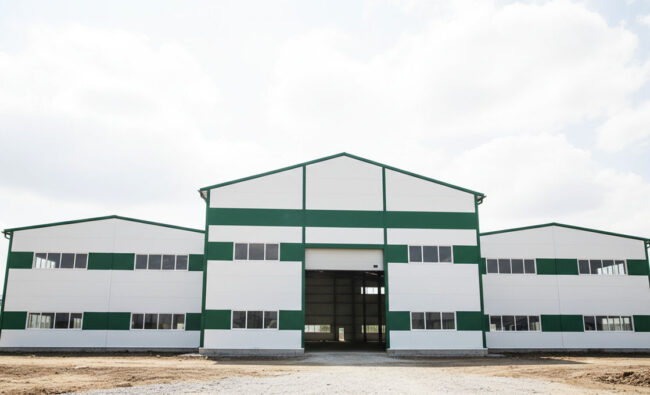
Relying on single-skin corrugated steel to manage internal climate creates a critical failure point in thermal efficiency. While durable, bare metal transfers heat rapidly, turning the building envelope into a radiator during summer and a heat sink in winter. Insulated panels solve this by integrating the thermal barrier directly into the structural skin, ensuring the…


Clean Room Partition Clean Room Partition Options for Small Spaces

Clean Room Partition Options for Small Spaces

Fitting a Class 100 clean room into a cramped footprint often triggers a brutal trade-off: you either sacrifice valuable floor space to bulky traditional framing or risk failing GMP audits by choosing partitions with inadequate sealing tolerances. Most project owners lose sleep over this balance because a single leak path or thermal bridge in a…

Insulated Panels Home Insulated Panels: Essential Installation Guide

Home Insulated Panels: Essential Installation Guide

Ordering high-grade insulated panels doesn’t guarantee a high-performance building envelope. I’ve seen projects lose nearly 40% of their projected energy efficiency simply because the installation crew ignored the specifics of spline connections and joint sealing. If you want to avoid the nightmare of failed blower-door tests, you have to treat the panel as a system,…

Insulated Metal Panels Compare Insulated Metal Panels: A Guide

Compare Insulated Metal Panels: A Guide

Insulated metal panels promise faster construction and tighter energy codes, but the market is flooded with thin-faced, poorly bonded cores that fail inspection. Most procurement teams assume all sandwich panels perform equally until a moisture trap ruins a cold storage wall or a fire rating falls short. We have spent over 15 years engineering these…

Insulated Panels 7 Reasons Insulated Panels Are Essential

7 Reasons Insulated Panels Are Essential

Most project owners watch their budgets bleed when traditional stick framing leaks conditioned air through studs and headers. Relying on field-installed batt insulation to hit modern whole-wall R-value targets rarely works. Insulated panels eliminate that guesswork. Rax Panel runs its production lines around a strict ±1 millimeter thickness tolerance, which keeps continuous insulation intact and…

Metal Panel Insulation Thickness Chart: From Cold Rooms to RV Walls

A refrigerated truck OEM in southern Germany rejected 320 panels last March. Thickness variance hit 1.2mm across a batch spec’d at ±0.5mm tolerance. Metal panel insulation failures at that scale don’t just create scrap: they stop assembly lines, blow delivery schedules, and cost fleet contracts. The panels wouldn’t seat in the fixture. The GRP facing…

Standing Seam vs IMP Panel: What Are the Differences?

A standing seam panel system looks clean on a spec sheet. One line item, one trade, done. Then the change orders hit. A fleet buyer called us last month after his truck roof assembly ballooned to 18.4 kg/m²: he’d spec’d a metal profile with separate deck, vapor barrier, and insulation layers, blowing past his weight…

Warehouse Metal Panel Cost Analysis

Three procurement officers at separate specialized vehicle OEMs told me the same thing last quarter: their finance departments keep pushing them toward cheaper warehouse metal panel grades to cut build costs by 12 to 15 percent. All three regretted it. One had to scrap 22 truck bodies after the thinner-gauge skins cracked during frame flex…

What IMP Panel Thermal Performance Data Really Tells You

A refrigerated truck builder in Indiana scrapped 47 panels last March because the imp panel thermal readings came in 22% below spec during their validation test. The supplier had switched foam blowing agents without telling anyone. That one substitution cost them $84,000 in wasted material and a 6-week production delay. I’ve seen this happen four…

Agricultural Insulated Wall Panel Systems

Two years ago, a 50,000-square-foot controlled environment agriculture facility in Michigan lost an entire harvest of premium microgreens. The culprit was not an HVAC malfunction. It was thermal bridging across their cheaply insulated walls that generated hidden condensation, sparking a massive outbreak of gray mold. The planning team had spec’d standard commercial cold storage units…