
Vehicle CFRT Panels Explained: Why Truck Builders Are Switching

A refrigerated truck manufacturer in Southeast Asia lost a $2.3 million fleet contract last year when their composite panels started delaminating at 14 months. The foam core separated from the skins, moisture intruded through the gaps, and thermal performance collapsed. Cargo spoilage claims rolled in fast. That OEM had cut panel costs by 18% switching…


lightweight vehicle panels Lightweight Vehicle Panels Cost vs Weight: Material Comparison

How to Choose Lightweight Vehicle Panel Materials for Your Line

Three years ago, an RV manufacturer in Indiana scrapped 40 panels from their first production run after switching to lightweight vehicle panels from an untested supplier. The thickness variance hit 1.2mm. That’s four times the ±0.3mm structural tolerance their bonding stations required. Every panel jammed. The line went down for six days. Between scrapped material,…

Lightweight PP Panel Applications Guide

Last year, a refrigerated truck builder in the Midwest swapped 18mm marine plywood flooring for what their supplier called an “equivalent” lightweight PP panel. Eight months later, the floors were delaminating across an entire fleet run. The supplier had shipped a PP honeycomb core rated at 40 kg/m³ — roughly half the density the spec…

Plastic Formwork Factory Direct Pricing

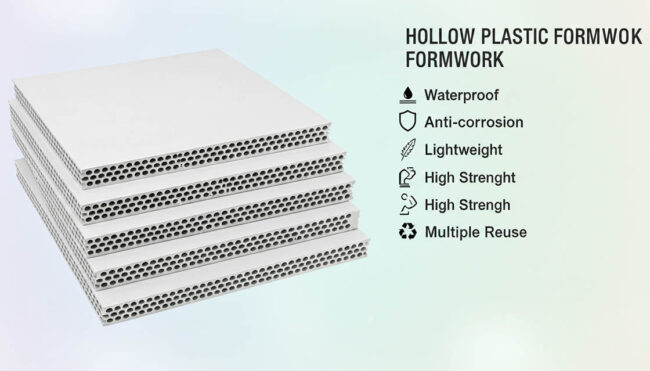
A project manager at a truck body assembly plant in Ohio called me last month after their plywood formwork delaminated halfway through a concrete pour for a new facility floor. The delay cost them 11 days and $38,000 in standby labor charges. That failure pushed them to finally evaluate a plastic formwork factory as a…

Minimalist building exterior with green accents under a clear blue sky.

Custom Building Panel MOQ: What Buyers Should Actually Expect

When a panel supplier ships FRP with a thickness variance of ±1.2mm instead of the agreed specification, automated assembly lines feel it immediately. Robotic grippers cannot hold the parts consistently, fitment failures accumulate, and the buyer scrambles to source replacements locally at triple the unit cost while the line sits idle. That’s what happens when…

Standing Seam vs IMP Panel: What Are the Differences?

A standing seam panel system looks clean on a spec sheet. One line item, one trade, done. Then the change orders hit. A fleet buyer called us last month after his truck roof assembly ballooned to 18.4 kg/m²: he’d spec’d a metal profile with separate deck, vapor barrier, and insulation layers, blowing past his weight…

Cold Storage Roof Panel Specifications You Need to Know

When a procurement engineer opens a supplier’s cold storage roof panel datasheet and finds no R-value data, you know the supplier cut corners on documentation. That exact error cost one of my contacts six weeks on a frozen food facility build in Doha last year. The panels showed up with compliance certificates listing nothing but…

Cold Storage Roof Panel Specifications: Thickness by Temperature Zone

A refrigerated truck builder in Stuttgart rejected three consecutive container shipments last year. The tongue-and-groove profiles on the insulated panels measured 1.8mm out of spec. That tiny deviation let moisture penetrate the cold storage roof assembly during thermal cycling, condensation pooled behind the facing, and the foam core started delaminating within six months of installation.…