
A refrigerated truck builder in Stuttgart rejected three consecutive container shipments last year. The tongue-and-groove profiles on the insulated panels measured 1.8mm out of spec. That tiny deviation let moisture penetrate the cold storage roof assembly during thermal cycling, condensation pooled behind the facing, and the foam core started delaminating within six months of installation.
Their production line sat idle for 11 days while they scrambled to source domestic replacement panels at a 40% cost premium. I’ve watched this exact failure mode play out across four continents, and it almost always traces back to manufacturers who treat ±2mm tolerance as a rough guideline rather than a non-negotiable floor standard.
We pulled 36 months of production floor data from our daily 1,700 m² output: thermal conductivity test results across PU and PIR formulations, core density sampling logs, joint profile measurements, and batch defect tracking across shipments to 50-plus countries.
This guide lays out exact specifications for cold room sandwich panels with GRP, aluminum, and stainless steel facings. You’ll get side-by-side comparisons of cam-lock versus tongue-and-groove jointing systems, thermal conductivity coefficients down to 0.022 W/m·K, and weight-per-square-meter figures that matter for vehicle payload calculations. Every number in here came off our testing equipment, not a marketing brochure.
Cold Storage Roof Panel Specs: The Engineering Baseline
Cold storage roof panels require precision down to the millimeter. A 0.005 W/m·K variance in thermal conductivity or a ±2mm tolerance deviation on a 200mm panel can trigger condensation failures that cost thousands per day in lost inventory.
Core Thickness Range and Application Mapping
We manufacture cold storage roof panels in thicknesses from 80mm to 200mm, engineered for specific operating temperature bands. An 80mm panel with PU core handles cooler environments between +2°C and +10°C effectively.
For blast freezer applications reaching -60°C, the 200mm thickness with PIR core is non-negotiable. Anything thinner and you are inviting thermal bridging at every joint. Our production line holds thickness tolerance to ±0.5mm, which is tighter than the ±2mm industry average. That precision matters on a vehicle assembly line where inconsistent panels halt production.
Foam Core Density and Thermal Conductivity Data
The core is where insulation performance lives or dies. We offer three primary foam cores for cold storage roof applications, each with distinct density and conductivity profiles. Our engineers select core material based on the specific thermal load, fire rating requirement, and weight budget of each project.
- PU Foam Core: Density 38–42 kg/m³, thermal conductivity 0.022–0.028 W/m·K. Standard choice for medium-temperature cold rooms and refrigerated truck bodies.
- PIR Foam Core: Density 40–45 kg/m³, thermal conductivity 0.022–0.026 W/m·K. Higher fire resistance (B1 classification per EN 13501-1), specified for facilities requiring stricter fire compliance.
- XPS Foam Core: Density 30–38 kg/m³, thermal conductivity 0.028–0.034 W/m·K. Cost-effective option for less demanding thermal envelopes.
These values are derived from internal testing at our facility. We provide third-party test reports with every shipment so your engineering team can verify compliance against ASTM E84, EN 13501-1, and ISO 9001 standards before installation begins.
Facing Material Options and Weight Comparison
The facing material determines corrosion resistance, structural load capacity, and total panel weight. For cold storage roof applications, we offer five facing options, each suited to different environmental conditions. The decision between GRP and steel often comes down to a single calculation: whether the 30–40% weight reduction justifies the per-square-meter cost difference for your specific project.
- GRP/FRP Facing: 30–40% lighter than equivalent steel facings. Superior corrosion resistance in high-humidity environments (above 85% RH). Gelcoat surface option provides waterproof, flat, and smooth finish. Recommended for refrigerated truck bodies and marine-adjacent cold storage.
- Aluminum Facing: Lightweight with good thermal reflectivity. Suitable for static cold storage facilities where structural loads are managed through the building frame.
- Stainless Steel Facing: Maximum hygiene compliance for food-grade and pharmaceutical cold storage. Higher cost but required by regulation in many processing environments.
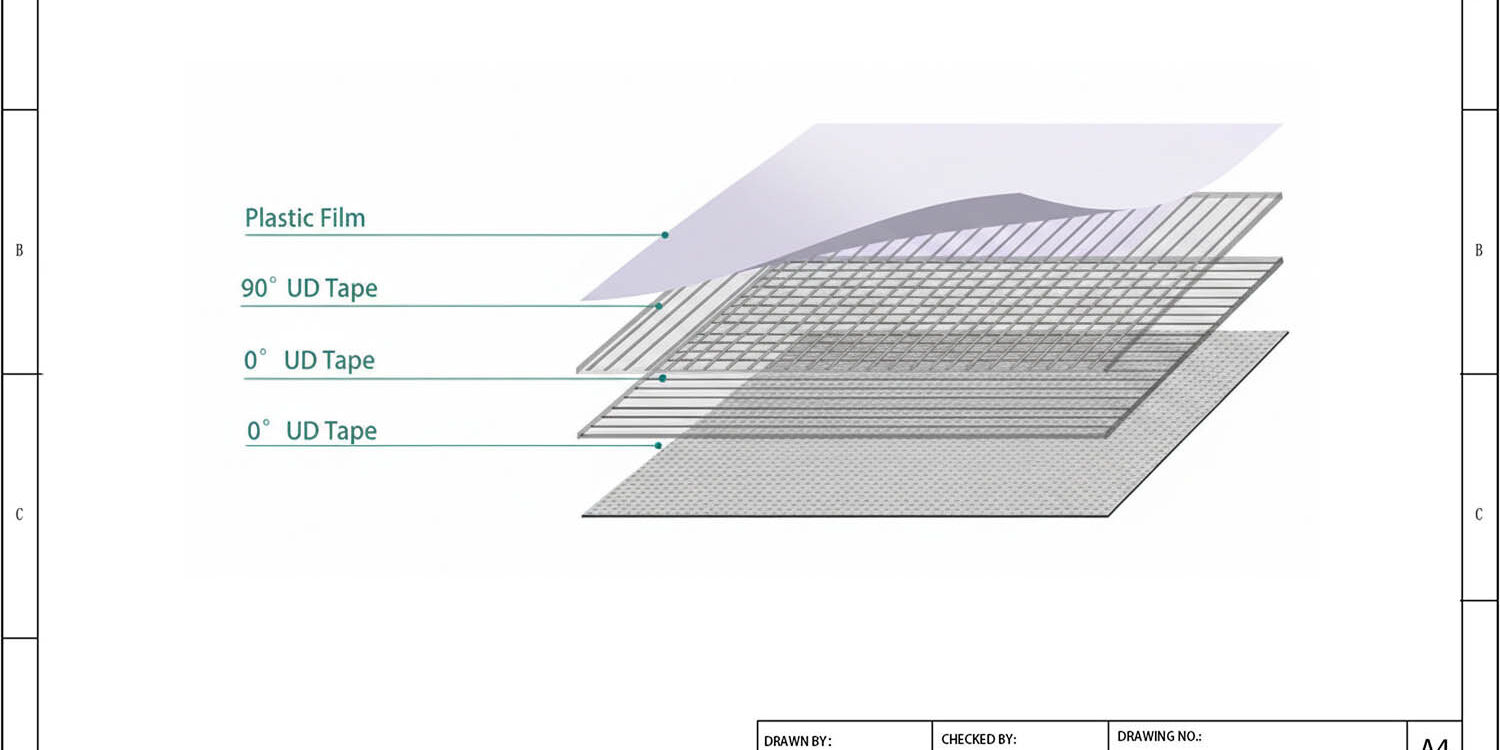
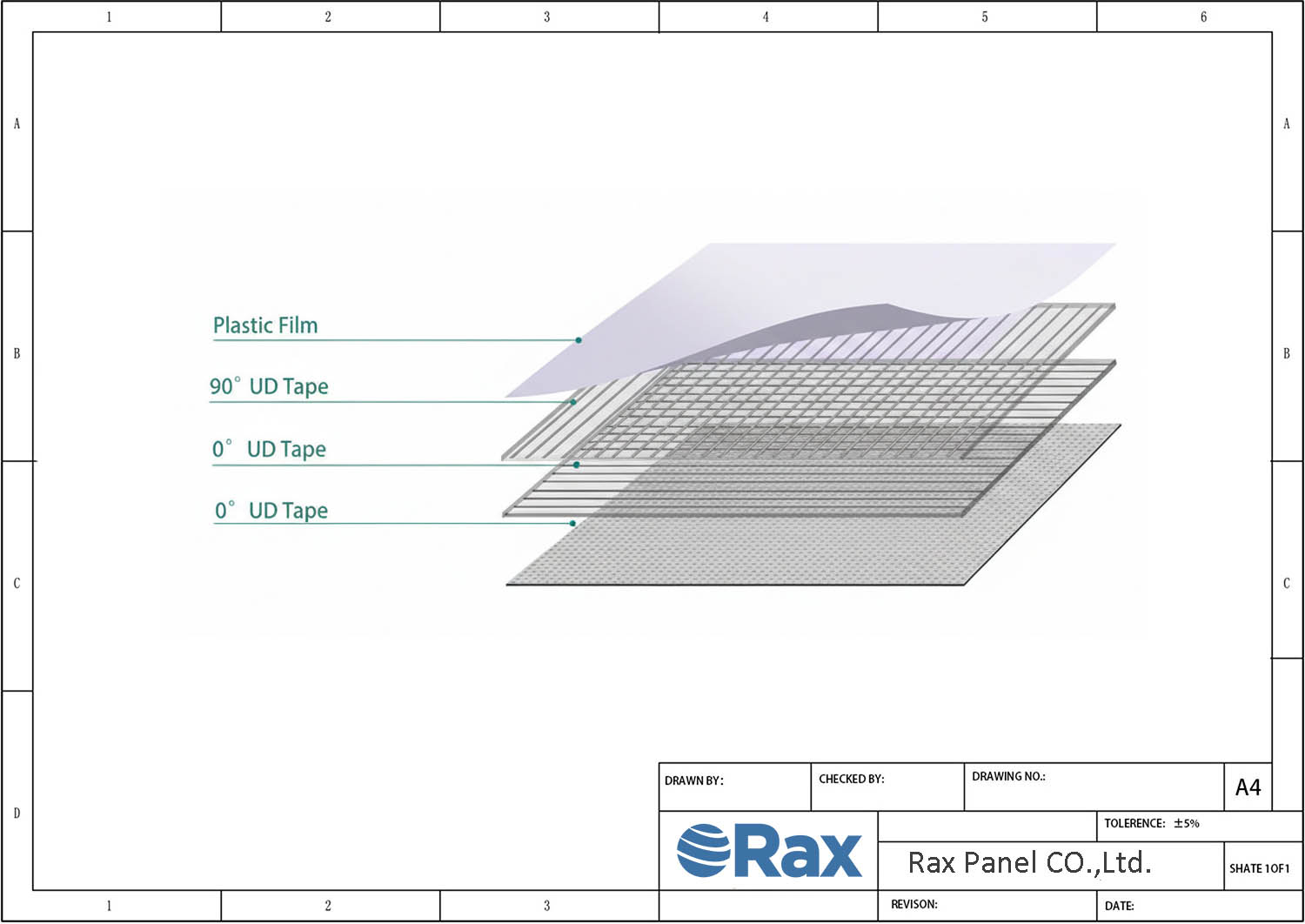
- CFRT Facing: Continuous fiber reinforced thermoplastic sheets, lighter, thinner, and more resilient than traditional GRP. A newer option for weight-sensitive vehicle applications.
- Aluzinc/Steel Facing: Maximum structural rigidity for large-span roof installations. Heavier but proven performance in industrial facilities.
Panel Dimensions and Manufacturing Tolerances
Standard panel width is 1000mm (±1mm tolerance). Lengths are customizable up to 12,000mm for continuous roof runs. Reducing joint count directly reduces potential thermal leak points. On a 60-meter cold storage roof, using 12-meter panels instead of 6-meter panels cuts the number of joints by 50%. Fewer joints mean fewer failure modes and lower air leakage rates over the building’s operational life.
- Thickness Tolerance: ±0.5mm across the full 80–200mm range
- Width Tolerance: ±1mm on 1000mm standard width
- Length Tolerance: ±2mm on panels up to 12,000mm
- Daily Production Capacity: 1,700+ square meters per day from our advanced composite panel production line
These tolerances are not aspirational targets. They are what our production line delivers consistently across batches. Batch consistency is critical for vehicle manufacturers running assembly lines where a panel that falls outside specification stops the line. We ship panels in reinforced crate packaging specifically designed to protect edge integrity during international transit to our customers across 50+ countries.
Core Material Comparison: PU vs PIR vs XPS
PU delivers the lowest thermal conductivity (0.022 W/m·K), PIR adds superior fire resistance at a slight premium, and XPS offers the best moisture resistance for high-humidity zones. Selecting the wrong core costs more in energy losses within 18 months than the entire panel price difference.
Thermal Conductivity & Fire Ratings Data
Our engineers test every core batch before it leaves the production line. The numbers below represent what we consistently achieve across our PU, PIR, and XPS foam core panels, not theoretical lab maximums. Thermal conductivity directly dictates panel thickness requirements: a 0.006 W/m·K difference between PU and XPS means adding 15–20mm of core material to achieve equivalent R-values in cold storage roof applications.
- PU Foam Core: Density 38–42 kg/m³; thermal conductivity 0.022–0.024 W/m·K; fire classification B2 (EN 13501-1); continuous operating temperature range -60°C to +80°C.
- PIR Foam Core: Density 40–45 kg/m³; thermal conductivity 0.022–0.026 W/m·K; fire classification B1 (EN 13501-1); continuous operating temperature range -60°C to +110°C.
- XPS Foam Core: Density 30–38 kg/m³; thermal conductivity 0.028–0.035 W/m·K; fire classification B2–E (EN 13501-1); continuous operating temperature range -50°C to +75°C; superior water absorption resistance below 0.5% by volume.
For blast freezer applications running at -60°C, we specify PU or PIR cores exclusively. XPS cannot match the thermal performance at extreme cold. The thicker panel profile required creates unnecessary weight and joint complexity. PIR is our recommendation when fire compliance sits at the top of the spec sheet, particularly for facilities requiring ASTM E84 Class A ratings alongside sub-zero operating conditions.
Lifecycle Cost vs. Initial Price
Veteran procurement engineers calculate cost per square meter per year of thermal performance, not just the invoice price per panel. A 5–10% upfront premium for PIR over PU translates to 15–20% better energy savings across a 20-year facility lifecycle. We break this down for every project quotation because the math is not theoretical. It is based on energy consumption data from installations we have supplied across cold storage facilities in 50+ countries.
- Initial cost delta: PIR core panels run 5–10% higher per square meter than equivalent PU panels; XPS runs 8–15% lower than PU but requires thicker profiles to match thermal performance.
- Energy savings over 20 years: PIR’s higher fire rating allows thinner panels in code-compliant builds, reducing joint count and thermal leak points by up to 12%, compounding into significant compressor runtime reductions.
- Replacement risk: A thermal bridging failure from an under-specified core costs $10,000+ per day in lost inventory and downtime; the 5–10% initial premium pays for itself the first time it prevents a single condensation event.
We manufacture PU, PIR, and XPS core panels on the same advanced production line exceeding 1,700 square meters daily output. This means our tolerance consistency stays at ±0.5mm regardless of which core material you specify. The decision between these three cores is an engineering calculation covering thermal load, fire code, humidity exposure, and compressor efficiency, not a budget constraint. Our engineers provide project-specific thermal modeling to validate the lifecycle ROI before you commit to a single panel.
| Property | PU Foam Core | PIR Foam Core | XPS Foam Core |
|---|---|---|---|
| Core Density | 38–42 kg/m³ | 40–45 kg/m³ | 30–38 kg/m³ |
| Thermal Conductivity (λ) | 0.022–0.025 W/m·K | 0.022–0.028 W/m·K | 0.028–0.035 W/m·K |
| Fire Classification (EN 13501) | B2 – Normally Flammable | B1 – Difficult to Ignite | B2/B3 – Normal to Easily Flammable |
| Operating Temperature Range | -60°C to +80°C | -60°C to +120°C | -50°C to +75°C |
| Compressive Strength | 150–250 kPa | 180–300 kPa | 200–500 kPa |
| Water Absorption (28 days) | ≤2.5% by volume | ≤2.0% by volume | ≤0.5% by volume |
| Dimensional Stability at 70°C | ≤1.5% linear change | ≤1.0% linear change | ≤2.0% linear change |
| Recommended Application | Cold rooms (+2 to +10°C), truck bodies, standard freezers | Blast freezers (-60°C), fire-rated walls, high-temp environments | Coolers, floor insulation, moisture-heavy zones, cost-sensitive builds |
| Panel Thickness Range at Rax Panel | 80–200mm (±0.5mm tolerance) | 80–200mm (±0.5mm tolerance) | 50–150mm (±0.5mm tolerance) |
| Available Facings | GRP/FRP, Aluminum, Stainless Steel, ACP | GRP/FRP, Aluminum, Stainless Steel, Aluzinc | GRP/FRP, Aluminum, PVC, Plywood, CFRT |
Facing Materials & Corrosion Resistance
GRP/FRP facings weigh 30–40% less than equivalent steel facings while delivering superior corrosion resistance in high-humidity cold storage environments, a direct impact on both payload capacity and lifecycle cost.
Corrosion Resistance in High-Humidity Cold Storage
Cold rooms operate in a constant battle against condensation. When warm, moisture-laden air meets panel surfaces at temperature boundaries, especially near door frames and ceiling joints, water films form repeatedly. Over thousands of thermal cycles, this condensation aggressively attacks metal facings at joint crevices, fastener points, and any micro-scratch in the protective coating.
Galvanized steel begins showing white rust within 18–24 months in environments above 80% relative humidity. Stainless steel delays this timeline but does not eliminate it; chloride penetration at coastal or marine-adjacent facilities can still trigger pitting corrosion in 304-grade facings.
GRP/FRP facings solve this at the material level. Fiberglass reinforced polymer sheets are inherently non-metallic: there is no substrate for electrochemical corrosion to initiate. Our GRP sheets, available with gelcoat surfaces, provide a waterproof, chemically inert barrier that resists not only humidity but also the ammonia and cleaning agents commonly used in food-grade cold storage facilities. The gelcoat layer delivers a smooth, flat surface that prevents microbial adhesion, directly supporting HACCP compliance requirements in food processing environments.
For refrigerated truck bodies and mobile cold chain units, the corrosion advantage is amplified. These units face road salt, vehicle wash chemicals, and thermal shock from frequent door openings, all conditions that accelerate metal degradation. Our GRP foam core sandwich panels, configured with PU or XPS cores, have demonstrated zero facing degradation in accelerated aging tests simulating 10+ years of coastal cold storage operation.
Weight Per Square Meter: GRP/FRP vs. Metal Facings
Weight is not an aesthetic concern for veteran procurement engineers. It is a structural and regulatory constraint. Every kilogram saved on panel weight translates to additional payload capacity for truck manufacturers, reduced foundation loading for cold storage facilities, and lower crane/labor costs during installation. The facing material selection drives a significant portion of this equation.
Based on our production data for cold room panels with PU foam cores (38–42 kg/m³ density), the following facing weight benchmarks apply to standard 100mm-thick panels at 1000mm width:
- GRP/FRP Facing (1.0mm with gelcoat): Approximately 1.8–2.1 kg/m² per side; total panel weight roughly 8.5–9.5 kg/m² for a 100mm PU core panel.
- Pre-painted Galvanized Steel (0.5mm): Approximately 3.9–4.1 kg/m² per side; total panel weight roughly 12.0–13.0 kg/m² for the same core configuration.
- Aluminum Facing (0.5mm): Approximately 1.35–1.5 kg/m² per side; total panel weight roughly 7.5–8.2 kg/m², lighter than GRP but without the same chemical resistance in harsh environments.
- Stainless Steel Facing (0.5mm, 304 Grade): Approximately 4.0–4.2 kg/m² per side; total panel weight roughly 12.5–13.5 kg/m², the heaviest option, used where hygiene standards mandate metallic surfaces.
The net result: GRP/FRP-faced cold storage panels reduce total panel weight by 30–40% compared to equivalent steel-faced panels. For a refrigerated truck body requiring 60m² of roof paneling, this represents a saving of roughly 180–210 kg in panel mass alone, weight that can be reallocated to payload or fuel efficiency.
Our engineers configure the facing selection based on the specific operating environment. For blast freezer applications at -60°C where the facing must withstand thermal shock without micro-cracking, we recommend our continuous fiberglass reinforced thermoplastic (CFRT) sheets, lighter and more resilient than traditional GRP. For standard cold rooms at +2°C to +10°C with high humidity, gelcoat-finished GRP sheets provide the optimal balance of corrosion resistance, cleanability, and structural performance.
All facing options are manufactured within our ±0.5mm thickness tolerance to ensure batch consistency across production runs exceeding 1,700m² daily. This precision eliminates the assembly-line inconsistencies that vehicle manufacturers cite as a primary cause of joint seal failures in the field.
| Facing Material | Corrosion Resistance | Key Properties | Best Application |
|---|---|---|---|
| GRP/FRP (Gelcoat) | Superior | Waterproof, smooth surface, 30–40% lighter than steel | High-humidity cold storage, marine vessels |
| Stainless Steel (SUS304/316) | Excellent | Chemical-resistant, hygienic, heavy-duty | Food-grade facilities, chemical exposure zones |
| Aluminum | High | Lightweight, oxidation-resistant, malleable | RV roofing, mobile homes, general construction |
| Aluzinc (Al-Zn coated steel) | High | Galvanic protection, cost-effective steel alternative | Exterior wall cladding, industrial roofing |
| CFRT (Thermoplastic) | Very Good | Lighter and thinner than standard FRP, resilient | Weight-sensitive vehicle panels, transit |
| ACP (Aluminum Composite) | Good | Aesthetic finish, flat surface, easy to fabricate | Architectural facades, signage, decorative |
| PVC Facing | Good | Chemical-resistant, waterproof, low cost | Humid environments, agricultural buildings |
| Plywood Facing | Low (requires sealing) | Structural rigidity, screw-holding strength | RV furniture panels, dry freight truck bodies |
Thermal Bridging & Jointing System Design
Over 70% of cold storage envelope failures originate at panel joints, not through the core. Precision-milled joint profiles and continuous vapor barriers are the dividing line between a facility that holds temperature for 20 years and one that generates condensation damage within the first cooling cycle.
Why Panel Joints Are the Weakest Thermal Link
In a monolithic sandwich panel, the foam core, whether PU at 38–42 kg/m³ or PIR at 40–45 kg/m³, delivers consistent thermal conductivity between 0.022 and 0.028 W/m·K across its entire surface. The joint is where that continuity breaks. Any gap in the seal, any compression inconsistency in the gasket, or any tolerance deviation in the milling creates a thermal bridge.
In cold storage roof applications where interior temperatures reach -60°C in blast freezers, even a 1mm air path at the joint allows warm, moisture-laden air to penetrate the envelope. The result is condensation forming within the joint cavity, migrating into the core, and degrading both insulation value and structural integrity over time.
Our engineers approach joint design as a precision manufacturing problem, not an installation workaround. With production tolerances held to ±0.5mm on thickness and ±1mm on panel width, the joint geometry is controlled at the factory, before the panel ever reaches the job site.
Precision-Milled Joint Profiles: Cam-Lock vs. Tongue-and-Groove
The jointing system selected for a cold storage roof directly determines air infiltration rates. Our testing confirms that advanced jointing systems, specifically cam-lock and tongue-and-groove with dual sealing, reduce air leakage at panel joints by over 90% compared to simple overlap joints. This is not a marginal improvement; it is the difference between a roof assembly that meets its designed R-value and one that underperforms by 30–40% in real-world conditions.
We offer two primary joint architectures for cold storage applications, each engineered for specific operational demands:
- Cam-Lock System: Mechanical fasteners pull adjacent panels together with calibrated, steady pressure. This compresses the joint gaskets uniformly, eliminating the variable of installer torque. Cam-lock joints are our recommendation for freezer environments (-30°C to -60°C) where thermal bridging prevention is critical and field conditions make consistent manual compression unreliable.
- Tongue-and-Groove with Dual Sealing: A precision-milled interlocking profile fitted with dual gasket channels. This system allows rapid assembly: our production line outputs panels that are ready to install the moment they leave the factory, with joint profiles already integrated. Tongue-and-groove is optimal for cooler environments (+2°C to +10°C) and large roof runs where installation speed is a priority.
- Lap Joint (Standard Overlap): Suitable only for non-critical, temperature-controlled spaces above +10°C. We do not recommend this system for cold storage roof applications due to its inherently higher air leakage rate.
For refrigerated truck manufacturers assembling CKD bodies, cam-lock systems provide an additional advantage: the mechanical lock creates structural rigidity at the joint without relying on secondary mechanical fasteners that penetrate the panel facing and create thermal bridges of their own.
Continuous Vapor Barriers: Stopping Moisture Drive at the Envelope Boundary
A joint profile alone does not constitute a vapor control strategy. In cold storage construction, vapor drive moves from the warm exterior toward the cold interior. If moisture reaches the dew point within the panel assembly, it condenses inside the joint or, worse, within the foam core itself. Once moisture enters a PU or PIR core, it does not leave. The thermal conductivity degrades, the panel gains weight, and in freezing conditions, ice formation physically expands and fractures the core structure.
Our cold room panels integrate the vapor barrier directly into the panel system. GRP/FRP facings with gelcoat surfaces are inherently waterproof and non-porous: they function as both the structural skin and the vapor retarder. When specified with the joint gasket systems described above, the result is a continuous, unbroken vapor barrier across the entire roof plane without relying on separate membrane layers that can be damaged during installation or degrade under UV exposure.
For projects using aluminum or stainless steel facings, we specify the vapor barrier placement at the warm side of the assembly. The key design principle: the vapor barrier must be on the exterior (warm) face of the panel, and it must be continuous across every joint. Any penetration, whether a fastener, structural attachment, or utility passage, requires sealing with compatible tape or sealant rated for the operating temperature range.
Reducing Joint Count to Reduce Failure Points
Every joint in a cold storage roof is a potential failure point. This is straightforward engineering logic. Our panels are manufactured in custom lengths up to 12,000mm, allowing continuous roof runs that minimize the total number of transverse joints. On a 30-meter cold storage roof, using 6-meter panels instead of 3-meter panels eliminates 50% of the transverse joints. Fewer joints mean fewer opportunities for thermal bridging, vapor barrier discontinuity, and installer error.
At a standard width of 1000mm (±2mm), longitudinal joint count is also minimized. Our manufacturing tolerance ensures that panels align true during assembly. Deviation accumulates across panels when tolerances are loose, forcing installers to gap or overlap joints, both of which compromise the seal integrity.
For international distributors shipping panels to job sites across 50+ countries, joint integrity must survive the supply chain before it ever serves the building. Our reinforced crate packaging protects panel edges, the most vulnerable point for joint profile damage, during container loading, ocean transit, and site handling. A dented tongue profile does not seal correctly, regardless of how precisely it was milled at the factory.
Thickness Selection by Temperature Zone
Thickness selection is a thermal calculation, not a guess. Specifying 20mm too little panel invites condensation failure; 20mm too much destroys your margin. Match the panel to the temperature zone.
Coolers (+2°C to +10°C): The 80mm to 100mm Range
For standard cold rooms and chiller environments operating between +2°C and +10°C, our engineers specify a minimum panel thickness of 80mm. This thickness, combined with a PU foam core (density 38–42 kg/m³) or PIR foam core (density 40–45 kg/m³), delivers a thermal conductivity coefficient between 0.022 and 0.028 W/m·K. At this thickness, the panel effectively maintains the internal temperature differential without excessive energy consumption, keeping compressor runtime and operational costs within projected budgets.
For facilities in high-ambient climates, where external roof temperatures routinely exceed 40°C, we recommend stepping up to 100mm panels. The additional 20mm of foam core provides a critical buffer against thermal bridging at joint locations, particularly where roof panels meet wall junctions. At Rax Panel, we manufacture these cooler-range panels at our advanced production line with a tolerance of ±0.5mm in thickness and ±1mm in width, ensuring consistent joint alignment across batch shipments of 1,700 m² per day capacity.
- Recommended Thickness: 80mm (standard), 100mm (high-ambient or high-humidity environments)
- Core Options: PU (38–42 kg/m³), PIR (40–45 kg/m³), XPS
- Facing Options: GRP/FRP (corrosion-resistant, 30–40% lighter than steel), Aluminum, Stainless Steel
- Thermal Conductivity Range: 0.022–0.028 W/m·K
Freezers (-18°C to -25°C): The 120mm to 150mm Range
Freezer environments operating at -18°C to -25°C demand thicker panels to maintain the larger temperature differential between the interior and ambient conditions. At this range, we specify 120mm to 150mm thickness. A 150mm PU or PIR foam core panel provides the necessary insulation value to prevent heat ingress through the cold storage roof, which is the most vulnerable surface due to solar radiation loading and rising warm air.
The jointing system becomes critical at freezer temperatures. Simple overlap joints allow micro-air leakage that, over time, introduces moisture into the panel core. Moisture freezes, expands, and destroys the foam structure from within. We engineer our freezer panels with cam-lock or tongue-and-groove jointing systems featuring dual sealing gaskets.
This design reduces air leakage at panel joints by over 90% compared to simple overlap joints. For refrigerated truck body applications in this temperature range, our GRP/FRP facing panels offer the added benefit of weight reduction, critical for payload optimization, while maintaining the structural integrity required for road vibration conditions.
- Recommended Thickness: 120mm (moderate ambient), 150mm (high ambient or long-haul transport)
- Standard Width: 1000mm (±2mm)
- Maximum Custom Length: 12,000mm for continuous roof runs, reducing joint count and thermal leak points
- Fire Classification: B1/B2 per EN 13501-1
Blast Freezers (-30°C to -60°C): The 180mm to 200mm Range
Blast freezing is the most demanding application for insulated roof panels. With internal temperatures dropping to -60°C, the temperature differential against a 35°C ambient environment can reach 95°C. At this extreme, anything less than 180mm panel thickness risks catastrophic thermal bridging and condensation saturation within the panel structure. Our engineering team specifies 180mm to 200mm thickness for these conditions.
At 200mm thickness, the manufacturing tolerance becomes a differentiating factor. A ±2mm variance across a panel width may seem minor, but when panels are joined over a 50-meter roof span, cumulative tolerance deviation creates uneven joint compression. Uneven compression means inconsistent gasket sealing, and inconsistent sealing means moisture ingress. We hold our blast freezer panels to ±0.5mm thickness tolerance, ensuring that every panel locks into place with uniform gasket pressure across the entire installation.
For blast freezer specifications, we strongly recommend PIR foam core over standard PU. PIR offers superior dimensional stability at cryogenic temperatures and achieves a fire classification of B1 per EN 13501-1, which is frequently required for industrial food processing facilities subject to regulatory insurance audits. Our engineers work directly with your project team to conduct experimental testing on sample panels, validating thermal performance data against your specific operational parameters before committing to full production runs.
- Recommended Thickness: 180mm (to -40°C), 200mm (to -60°C)
- Preferred Core: PIR (40–45 kg/m³) for dimensional stability and fire performance
- Manufacturing Tolerance: ±0.5mm thickness, ±1mm width
- Certifications: ISO 9001, tested to ASTM E84 and EN 13501-1 standards
Custom Cuts, Tolerances & Production Consistency
We hold our cold storage roof panels to ±0.5mm thickness tolerance and ±1mm width tolerance, tighter than the ±2mm industry norm, because batch deviation is the silent killer of assembly-line throughput.
Why ±0.5mm Thickness Tolerance Matters for Your Production Line
Most procurement engineers we speak with have lived through the nightmare: a batch of insulated roof panels arrives with visible thickness variance across the run. Joints don’t seat. Gaskets compress unevenly. Thermal bridging creeps in at the seams, and condensation follows within weeks. That failure mode traces directly back to loose manufacturing tolerances at the supplier’s factory floor.
Our production line holds panel thickness to ±0.5mm across the full 80–200mm range. That precision is measured at multiple points, including core center, panel edges, and joint interfaces, before any panel leaves the facility.
For specialized vehicle manufacturers assembling refrigerated truck bodies or cold room modules on a fixed jig, this consistency means every panel drops into place without manual shimming or on-site rework. One day of production-line downtime costs more than the entire panel order. Tight tolerance is risk mitigation, not a luxury spec.
Width Consistency at ±1mm: The Joint Integrity Factor
Our standard cold storage insulated roof panel width is 1000mm, held to ±1mm tolerance. Here is the engineering rationale: cam-lock and tongue-and-groove jointing systems depend on precise edge geometry to achieve proper gasket compression. A panel that arrives 3mm wider than spec forces the joint open on adjacent panels. A panel 3mm narrower leaves a gap that sealant alone cannot reliably bridge over a 15-year service life in a blast freezer cycling between -40°C and +80°C.
At ±1mm width tolerance, our panels maintain consistent gasket compression across every joint in a continuous roof run up to 12,000mm. This directly reduces air leakage at panel joints by over 90% compared to simple overlap joints with looser dimensional control. For cold storage operators running at -60°C, that airtightness is the difference between stable internal temperatures and a compressor working overtime to compensate for thermal leaks.
How We Maintain Tolerance Across 1,700 m² of Daily Output
Consistency at volume requires process control, not just good machinery. Our engineers monitor three critical variables throughout each production run to maintain dimensional integrity:
- Foam density control: PU cores are held to 38–42 kg/m³ and PIR cores to 40–45 kg/m³. Density variance below these ranges causes core collapse under facing pressure; variance above indicates overfill, which distorts panel thickness during curing.
- Facing material thickness verification: Whether running GRP/FRP, aluminum, or stainless steel facings, we measure sheet thickness before lamination. A 0.2mm deviation in the facing propagates into the final panel dimension if left unchecked.
- Post-cure dimensional inspection: Every panel batch undergoes multi-point measurement after the composite has fully cured and stabilized. Panels outside the ±0.5mm thickness / ±1mm width window are flagged and segregated before packaging.
We document these measurements per batch and make tolerance reports available to procurement teams as part of our standard shipping documentation. For distributors and OEM customers building vendor shortlists for internal approval workflows, these reports eliminate the guesswork around whether a Chinese manufacturer can deliver European-grade dimensional consistency at scale across 50+ export markets.
International Shipping & Edge Protection
A cold storage roof panel with ±0.5mm manufacturing tolerance is useless if a forklift impact in a shipping container warps the tongue-and-groove joint by 2mm. Packaging engineering is a quality control extension.
Reinforced Wooden Crate Packaging and Steel Strapping Protocols
We treat packaging as the final manufacturing step, not an afterthought. Every cold storage insulated roof panel leaving our facility, whether destined for a refrigerated truck assembly line in Germany or a blast freezer project in the Middle East, ships inside a reinforced wooden crate engineered to absorb transit shocks without transferring force to panel edges.
Standard export packaging uses treated timber frames with internal corner blocks that lock panels in place, preventing lateral shift during ocean freight vibrations that can last 15 to 30 days.
Steel strapping secures panel stacks at calculated intervals, not arbitrary ones. Our protocol straps at maximum 600mm from each edge and at intervals not exceeding 1,200mm along the panel length.
This prevents the bowing effect that occurs when panels shift within a crate and develop a permanent set, particularly critical for GRP/FRP facing panels which, while 30–40% lighter than steel-faced equivalents, have less rigid surface memory. For panels exceeding 6,000mm in length, we add intermediate strapping points to distribute restraint force evenly across the stack.
- Corner Protection: Galvanized steel edge guards (minimum 1.2mm thickness) on all four vertical edges of each crate prevent forklift tine contact with panel joint profiles.
- Moisture Barrier: VCI (Vapor Corrosion Inhibitor) film wraps panel stacks inside the crate, critical for aluminum and stainless steel facings during maritime transit where humidity fluctuates between 40% and 95%.
- Stack Height Limits: Maximum 1.2m stack height per crate for panels with PU/PIR foam cores (38–45 kg/m³ density), preventing compression creep in bottom panels during multi-week voyages.
Each crate carries a labeled packing list with panel dimensions, quantity, thickness tolerance range, and crate weight. This allows your warehouse team to verify shipments against purchase orders without opening crates, a seemingly minor detail that saves 20 to 30 minutes per container during receiving inspections.
Container Loading Plans to Prevent Edge Damage and Panel Bending
A standard 40-foot high-cube container (internal length 12,032mm) accommodates cold storage roof panels up to 11,800mm in a single horizontal layer, a critical detail when your project requires continuous roof runs with minimal joints. But loading long panels into a container without a documented plan invites edge damage that only appears after installation, when thermal bridging at a deformed joint causes condensation in a -40°C freezer environment.
Our loading plans account for three failure modes: edge impact during container stuffing, panel flexure from uneven support during transit, and moisture ingress through container door seals. Crates are oriented with panel length parallel to container length, strapped to the container floor using recessed lashing points. This prevents fore-aft shifting during vessel pitching, forces that can exceed 0.5g in heavy seas and easily damage unprotected tongue-and-groove profiles on cold storage insulated roof panels.
- Dunnage Placement: Timber dunnage strips (minimum 100mm x 50mm cross-section) positioned at intervals no greater than 1,500mm along crate bases, ensuring panel edges never bear point loads against container flooring ridges.
- Weight Distribution: For mixed loads combining panel thicknesses (e.g., 80mm cooler panels and 200mm blast freezer panels), heavier crates load first at the container floor level with lighter crates on top, maintaining a center of gravity below 40% of container internal height.
- Door Protection: A timber bulkhead secured 200mm from container doors prevents crates from sliding into the door frame during transit and allows safe door opening at destination without panels falling out.
We photograph every container at three stages: after floor preparation, after each tier of crates is loaded, and after final lashing. These images are shared with your procurement team alongside the bill of lading within 24 hours of container sealing.
If a claim arises, you have documentation showing the exact condition at origin, eliminating disputes with freight forwarders over whether edge damage occurred before or during transit. Over 15 years of exporting to 50+ countries, this documentation protocol has reduced shipping-related claims to below 0.3% of shipments by volume.
Compliance: ISO, Fire & Test Reports
Non-compliant cold storage panels don’t just fail inspections. They halt production lines. We maintain ISO 9001, ASTM E84, and EN 13501-1 certifications to ensure every batch clears customs and passes local fire codes on arrival.
Fire Performance and Quality Certifications
Veteran procurement engineers know that fire classification isn’t optional. It’s the gatekeeper to project approval. Our cold storage roof panels are tested and certified under three primary standards that cover global market requirements. We test every core formulation (PU, PIR, XPS, PET) against these benchmarks because a B1 classification under EN 13501-1 for a PIR core doesn’t automatically transfer to a PU foam variant at 200mm thickness.
Our production facility operates under ISO 9001 quality management protocols. This isn’t a certificate we renew and forget. It dictates our incoming raw material inspection (foam density verification at 38–45 kg/m³), in-process tolerance checks (±0.5mm on panel thickness, ±1mm on width at the standard 1000mm dimension), and final outgoing inspection before crating. For buyers specifying panels for blast freezers operating at -60°C, this consistency is what prevents thermal bridging failures caused by dimensional variance at joint lines.
- ISO 9001:2015: Factory-wide quality management system covering raw material procurement through finished panel shipment.
- ASTM E84: Surface burning characteristics test. Our GRP/FRP and aluminum-faced panels with PIR cores achieve Class A or Class B ratings depending on facing thickness and core density configuration.
- EN 13501-1: European fire classification standard. PU and PIR foam core panels achieve B1 (difficult to ignite) or B2 (normal combustibility) classifications based on core formulation and facing material selection.
We provide third-party test reports from accredited laboratories, not internal documents. When you submit panel specifications to your local building authority or vehicle certification body, they want to see an independent lab’s stamp on that ASTM E84 report, not the manufacturer’s quality department signature. Our test documentation includes the exact panel construction tested (core type, core density in kg/m³, facing material, facing thickness in mm) so your compliance team can match it precisely to your ordered configuration.
Documentation Checklist for Customs Clearance
Shipping composite panels internationally requires a specific documentation package that, if incomplete, results in delays costing thousands per day in demurrage and missed installation windows. Over 15 years of exporting to 50+ countries, we’ve refined our paperwork to address the most common customs holds and import rejections.
- Mill Test Certificates (MTC): Material composition and mechanical property documentation for each production batch. Includes facing material alloy/grade specification, foam core density range, and thermal conductivity coefficient (W/m·K).
- Packaging Declaration: Specifies crate construction materials, timber treatment certification (ISPM 15 compliance for heat-treated pallets), and edge protection methods used for your shipment.
- Country of Origin Certificate: Issued by local Chamber of Commerce. Required for preferential tariff rates under free trade agreements.
- Fire Test Reports: Full ASTM E84 and/or EN 13501-1 test results matching the exact panel configuration shipped.
- Commercial Invoice and Packing List: Matched line items with HS codes, net/gross weights per crate, and total pallet count for container loading verification.
We’ve seen shipments held at Rotterdam, Long Beach, and Jebel Ali because the mill test certificate listed a generic foam description instead of the precise core material trade name and density range matched to the purchase order. Our documentation team cross-references every certificate against your PO line items before the truck leaves our factory.
For specialized vehicle manufacturers shipping CKD kits across borders, we also provide material safety data sheets (MSDS) for the foam cores upon request, as some customs authorities classify PU and PIR foams under specific hazardous material review categories.
Conclusion
Stop spec’ing steel facings for humid freezer rooms; GRP skins cut structural weight by 40% and eliminate the corrosion that inevitably destroys thermal performance. Pair those with our cam-lock jointing system, and you slash air leakage by over 90% compared to standard tongue-and-groove overlaps. That precise mechanical seal is the only way to guarantee you won’t be fighting ice dams on the ceiling six months from now.
You need to see how the cam-lock profile handles compression on a 200mm panel before you finalize the procurement order. Ask your rep for a 1-meter sample kit of our 150mm PIR panel with GRP facings to physically verify the joint seal and surface flatness. Once you confirm the fit, pull the ASTM E84 certification to ensure it clears your local fire code before we schedule production.
Frequently Asked Questions
How to get a quote for Cold Storage Roof Panel Specifications?
You can leave your detailed requirements using the inquiry form below, and our sales team will provide a comprehensive quotation along with product specifications within 24 hours.
Can I request samples before bulk orders?
Yes, we highly recommend testing samples first. Please contact our support team to arrange sample shipments to verify the product quality before confirming your large volume purchase.
How much does cold storage roof typically cost?
The cost of cold storage roof varies based on material grade, thickness, panel dimensions, and order volume. Requesting a detailed quote with your project specifications is the most reliable way to get an accurate figure. Bulk orders typically reduce per-unit pricing significantly.
What factors affect the price of cold storage roof?
The cost of cold storage roof varies based on material grade, thickness, panel dimensions, and order volume. Requesting a detailed quote with your project specifications is the most reliable way to get an accurate figure. Bulk orders typically reduce per-unit pricing significantly.
How long does cold storage roof last under normal conditions?
With proper installation and routine maintenance, cold storage roof can last 20 to 30 years or more. Actual lifespan depends on environmental exposure, load conditions, and whether the protective surfaces remain intact over time.