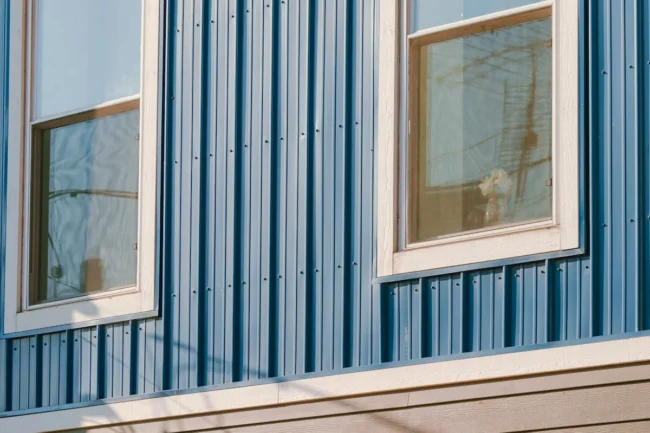
Metal Siding Prepare Your Walls for New Siding

What Are Anodized Aluminum Honeycomb Panels?

Architectural facade specifiers seeking pure metallic luster face a fundamental durability challenge with conventional organic coatings. Coil-coated fluoropolymer paints sit on top of the metal substrate as a separate polymer film, vulnerable to micro-scratching during installation, ultraviolet resin degradation over decades, and potential delamination in aggressive coastal air. In contrast, anodic oxidation converts the outer…
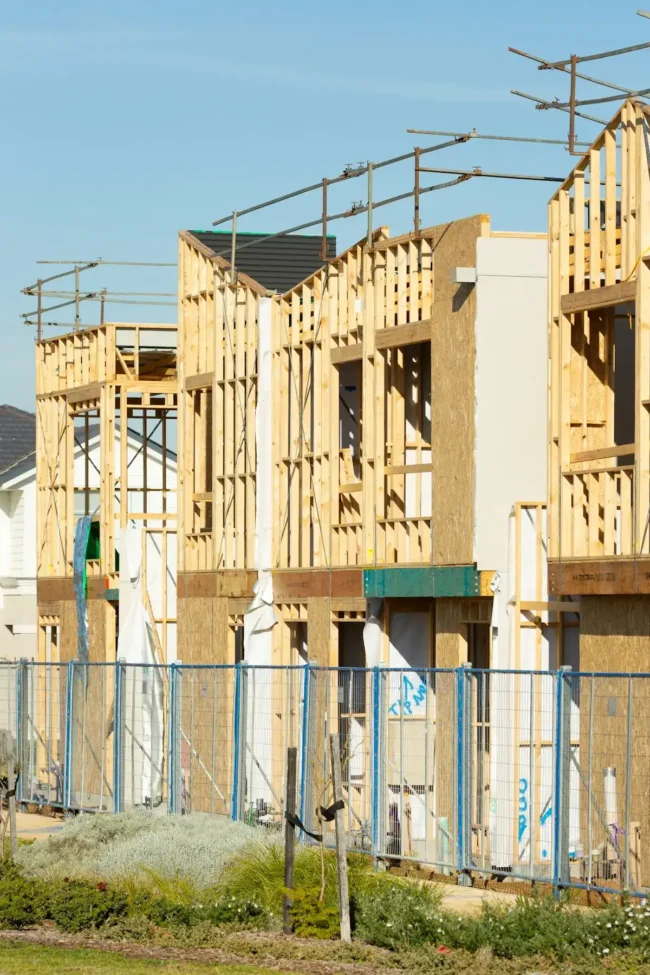
Prefabricated Construction Assembling on Site

Why Aluminum Sandwich Panels Lead Modular Construction

Modular builders face unforgiving physical boundaries when delivering prefabricated volumetric units from factory assembly lines to active urban jobsites. Traditional cast-in-place concrete and concrete masonry unit (CMU) exterior walls impose heavy dead loads between 160 and 260 kg/m². When integrated into three-dimensional steel module boxes, heavy masonry drives total module weights beyond 32 metric tonnes.…

Aluminium Sandwich Panels Application-Specific Selection Guidelines

Main Types of Aluminum Sandwich Panels Explained

Specifying exterior facade cladding requires balancing structural wind resistance, thermal envelope insulation, and strict life-safety fire compliance. Traditional combustible polyethylene core panels release 43 to 46 MJ/kg of calorific heat, presenting severe vertical flame spread hazards above podium levels. In contrast, mineral-filled composite cores limit heat release below 3.0 MJ/kg, while all-metal honeycomb cores deliver…

insulated metal panel manufacturer Verified Structural Load and Thermal Performance Data

Production Process of Aluminum Honeycomb Panel Guide

High-performance architectural facades and cleanroom ceiling systems demand structural flatness that manual workshops cannot consistently fabricate. Conventional cold-pressed contact adhesive panels often exhibit climbing drum peel strengths below 20 N·mm/mm and thickness variances reaching ±1.5 mm. Under summer surface temperatures of 80°C, these inferior bonds soften and cause extensive windward delamination. In contrast, an automated…

Aluminum Composite Panels Total Cost of Ownership Mindset

Why Choose Aluminum Curtain Walls for Commercial Facades

Commercial building envelopes balance structural physics between foundation dead loads, lateral wind pressures, and strict thermal compliance. Structural engineers frequently specify exterior cladding to optimize building mass. Switching from precast concrete panels (120–250 kg/m²) to aluminum curtain walls (30–50 kg/m²) eliminates up to 75% of perimeter dead weight while resisting extreme cyclonic pressures. Facade designers…