Honeycomb Panels Resolving Density Versus Thickness Misconceptions

Key Factors Driving Aluminum Honeycomb Core Performance

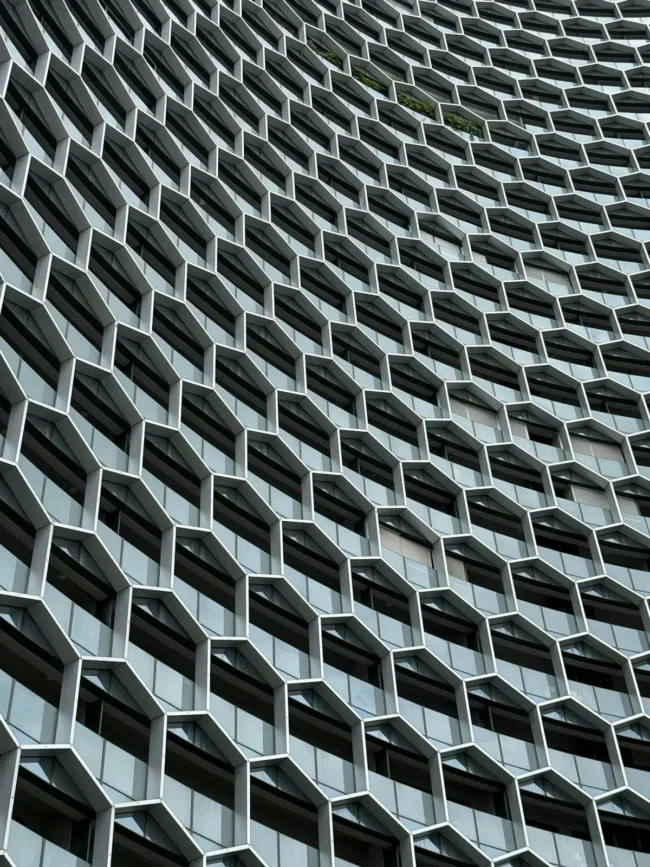
Evaluating the mechanical capacity of composite sandwich panels requires a rigorous examination of the internal cellular core. In architectural envelopes and industrial transport enclosures, aluminum honeycomb cores provide structural shear transfer while maintaining bulk densities between 34 and 95 kg/m³. When flatwise compressive resistance tested under ASTM C365 varies from 1.5 to 7.8 MPa, minute…
Honeycomb Panels Honeycomb Panels Explained: Benefits & Applications

How to Select High Quality Aluminum Honeycomb Cores

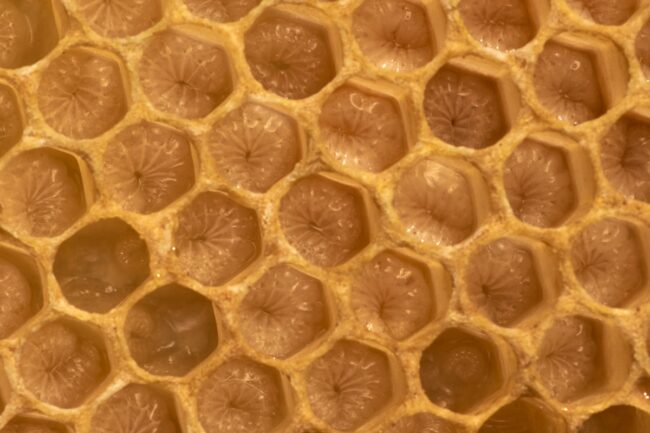
Selecting the right structural core determines whether an architectural or industrial composite panel withstands decades of environmental stress. In modern sandwich panel engineering, aluminum honeycomb cores provide superior flexural rigidity while keeping structural mass below 95 kg/m³. When bare compressive strength tested under ASTM C365 ranges from 1.5 to 7.8 MPa, foil thickness and cell…

Modular Home 2. Look Into the Builder's Reputation and Certifications

Marine Grade Aluminum Panels: Corrosion Resistance in Offshore Projects

In offshore petroleum platforms, coastal container terminals, and oceanic high-rise developments, architectural facades endure one of the harshest thermodynamic environments on Earth. Airborne sodium chloride aerosols, persistent sea fog, and tropical solar radiation combine to destroy standard building envelopes. When commercial-grade aluminum alloys are deployed in high-salinity marine atmospheres, aggressive chloride ions penetrate natural passive…

18mm plastic formwork panel Real Project Numbers: Cost Per Square Meter

How to Fabricate Curved and Perforated Aluminum Panels

In modern fluid architecture, parametric building envelopes, and acoustic theater ceilings, geometric transitions demand radical sheet metal craftsmanship. Transforming planar metal into organic curved facades requires punching thousands of perforations before executing multi-axis radius bending. When fabricators attempt roll bending without calculating the modified mechanical properties of perforated metal, disaster strikes: circular holes distort into…

acp foam core panel fire rating Installation Mistakes That Undermine Fire Ratings

Aluminum Honeycomb Panels for High-Rise Wind Loads: Engineering Guide

On architectural towers exceeding one hundred and fifty meters in height, exterior curtain walls endure extreme aerodynamic turbulence that rapidly destroys standard cladding systems. High-velocity winds buffeting high-rise facades create violent fluctuations between positive stagnation pressure on windward elevations and intense negative suction along leeward corners. When exterior cladding fails under cyclic wind pressure, fasteners…

insulated metal panel manufacturer Avoid Common Mistakes When Specifying Panels

Fire-Rated Aluminum Composite Panels: Class A and A2 Guide

When multi-story building fires breach exterior window openings, vertical facade cladding acts either as an impenetrable thermal barrier or as a devastating fuel source. In commercial construction, catastrophic multi-story facade fires have repeatedly demonstrated that standard architectural panels with combustible cores ignite rapidly, propagating flames up exterior walls in minutes. Specifying the correct non-combustible cladding…

Aluminum Core Composite Panel ACCP vs. Alternative Panels: Where It Shines and Falls Short

Aluminum Composite Panels for Roofing and Canopies: Engineering Guide

During severe coastal storms and intense thunderstorm squalls, horizontal entrance canopies face an aerodynamic environment far more violent than vertical building walls. In our structural metal engineering division, we regularly inspect commercial facilities where overhead canopies tore loose from secondary framing or accumulated ponding water that dissolved exterior caulking joints. Selecting the right cladding material…

(空)

What is PVDF Coating on Aluminum Composite Panels: Technical Guide

When architectural facades fail prematurely under harsh weather, the breakdown almost never starts with the aluminum skin itself. In our factory coating division, we see exterior failures originate from compromised paint chemistry. These lower-grade coatings crack rapidly under intense ultraviolet radiation. If your project faces high solar exposure, coastal marine air, or heavy industrial pollution,…