
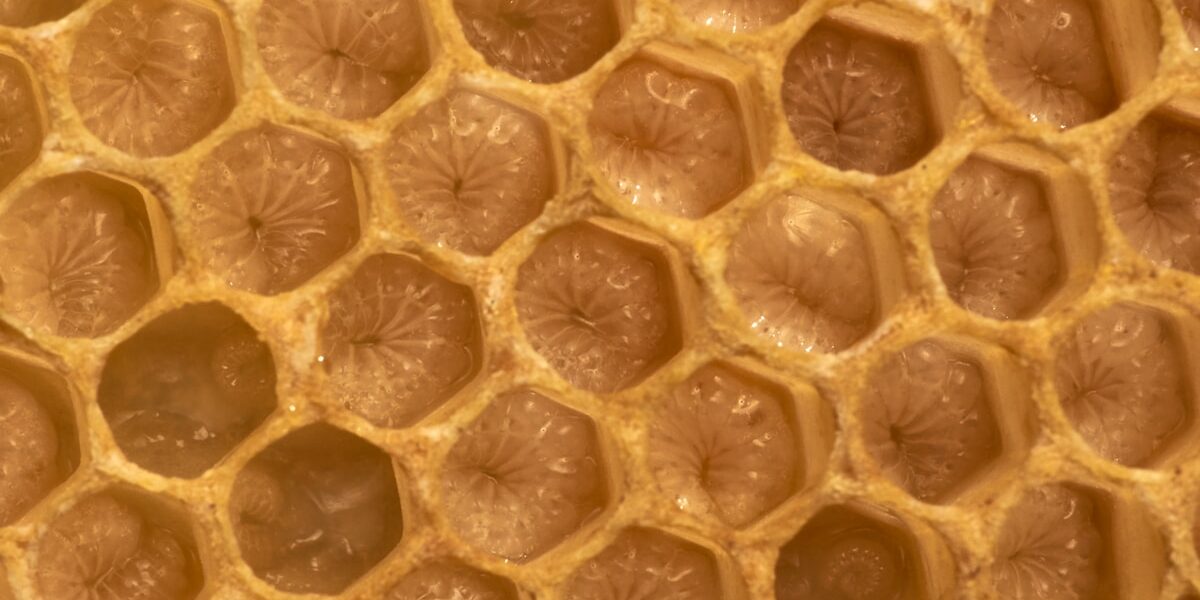
Selecting the right structural core determines whether an architectural or industrial composite panel withstands decades of environmental stress. In modern sandwich panel engineering, aluminum honeycomb cores provide superior flexural rigidity while keeping structural mass below 95 kg/m³. When bare compressive strength tested under ASTM C365 ranges from 1.5 to 7.8 MPa, foil thickness and cell geometry govern all primary mechanical boundaries. Specifying the incorrect alloy temper or foil gauge degrades shear transfer, leading to localized skin buckling under cyclic wind gusts.
Inside our manufacturing facilities, continuous multi-roller foil feeding lines process aerospace-grade aluminum foils with tolerances held to 0.003 mm. Automated precision printing heads deposit high-temperature thermosetting epoxy node lines before computer-controlled expansion ovens cure the core blocks. Our testing laboratories routinely evaluate node peel resistance above 3.5 N/mm and perform flatwise shear validations in accordance with ASTM C273. This guide breaks down the technical parameters that structural engineers and purchasing teams must verify before placing commercial orders.
Understanding Core Mechanics in Sandwich Structures
A sandwich panel behaves like an engineering I-beam where outer facings resist axial tension and compression while the central core carries transverse shear. Incorporating high performance architectural aluminum honeycomb panels into facade envelopes separates the load-bearing skins, increasing the moment of inertia by factors exceeding thirty. Without adequate core shear modulus, thin outer skins buckle prematurely under positive and negative wind pressures. High quality aluminum honeycomb cores stabilize the facings against micro-wrinkling while absorbing impact energy across continuous hexagonal foil boundaries.
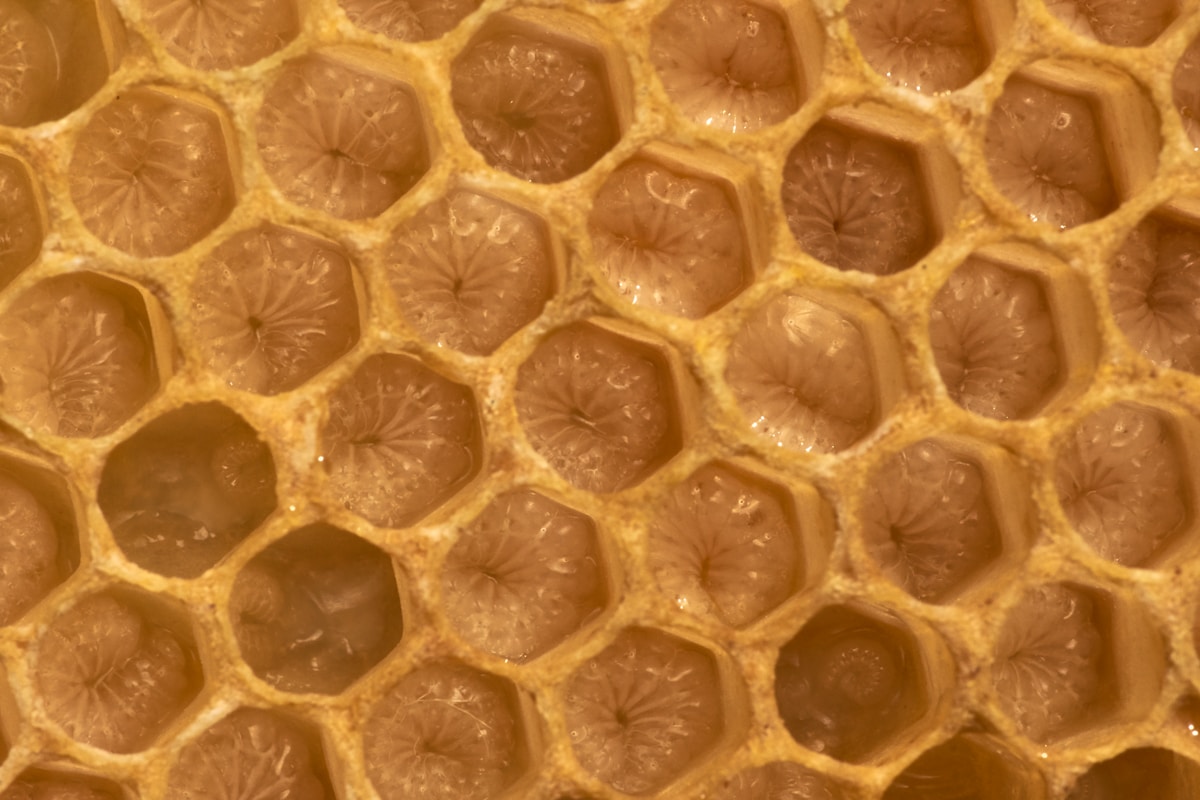
Core height directly dictates panel stiffness according to cubic beam bending relationships. Doubling core thickness roughly increases panel flexural rigidity by a factor of eight while adding less than 15% to total assembly weight. However, increasing core thickness without maintaining foil gauge integrity reduces flatwise compression limits. Engineers must balance core depth against skin thickness to maintain structural stability across large architectural curtain wall spans.
Under uniform lateral wind loading, the core experiences pure shear deformation across its depth. If the core shear modulus drops below project thresholds, the outer skins deform independently rather than functioning as a unified composite section. This loss of composite action causes severe deflection, joint sealant failure, and persistent oil-canning across large facade modules. Rigorous core specification guarantees structural composite action under maximum serviceability loads.
Compare 3003 and 5052 Aluminum Alloy Foils
The metallurgical composition of the raw foil establishes fundamental strength and corrosion limits for the finished core. Commercial facade applications predominantly specify alloy 3003-H18, an aluminum-manganese composition delivering nominal yield strength of 165 MPa. The manganese addition refines grain boundaries and enhances ductility, permitting clean cell expansion without micro-tears. For commercial exterior envelopes and interior partitions, 3003 aluminum honeycomb cores provide an optimal balance between fabrication ease and economic cost.
Marine bulkheads, aerospace flooring, and heavy-load cleanroom walk-on ceilings demand alloy 5052-H39 containing roughly 2.5% magnesium. This magnesium solid-solution strengthening raises yield strength above 240 MPa while resisting pitting corrosion in marine salt spray environments. In high-humidity coastal zones, 5052 alloy foils prevent galvanic and intergranular degradation when paired with compatible structural adhesives. Specifying 5052 foil increases material costs by 20% to 35% but guarantees superior cyclic fatigue endurance under extreme dynamic loadings.
| Property Parameter | Alloy 3003-H18 | Alloy 5052-H39 | Impact on Performance |
|---|---|---|---|
| Nominal Yield Strength | 165 MPa | 240 MPa | 5052 provides 45% higher compressive resistance |
| Ultimate Tensile Strength | 195 MPa | 280 MPa | Resists cell wall rupture during high shear loads |
| Magnesium Content | < 0.05% | 2.2% – 2.8% | Improves marine and coastal salt spray defense |
| Elongation at Break | 3.5% | 4.0% | Maintains cell geometry during core block expansion |
| Primary Application | Commercial facades and partitions | Cleanrooms, marine bulkheads, rail cars | Dictates procurement budget and service lifecycle |
Foil temper selection also controls how cells behave during high-speed expansion from compressed unexpanded slices. Fully hard tempers such as H18 and H39 offer maximum column strength along cell walls, resisting buckling under perpendicular compressive loads. Softer tempers might expand more easily but buckle under significantly lower service loads, reducing allowable panel design strengths.
How Cell Size Dictates Mechanical Strength
Core cell geometry controls the density of structural walls supporting the outer panel skins. Standard architectural specifications utilize cell sizes ranging from 1/4 inch (6.35 mm) to 3/4 inch (19.05 mm), combined with foil thicknesses between 0.03 mm and 0.08 mm. Smaller cell diameters increase the number of vertical foil webs per unit area, improving both flatwise compression and localized skin support. When panel skins are thinner than 0.7 mm, smaller cell sizes prevent dimpling or telegraphing on polished facade surfaces.
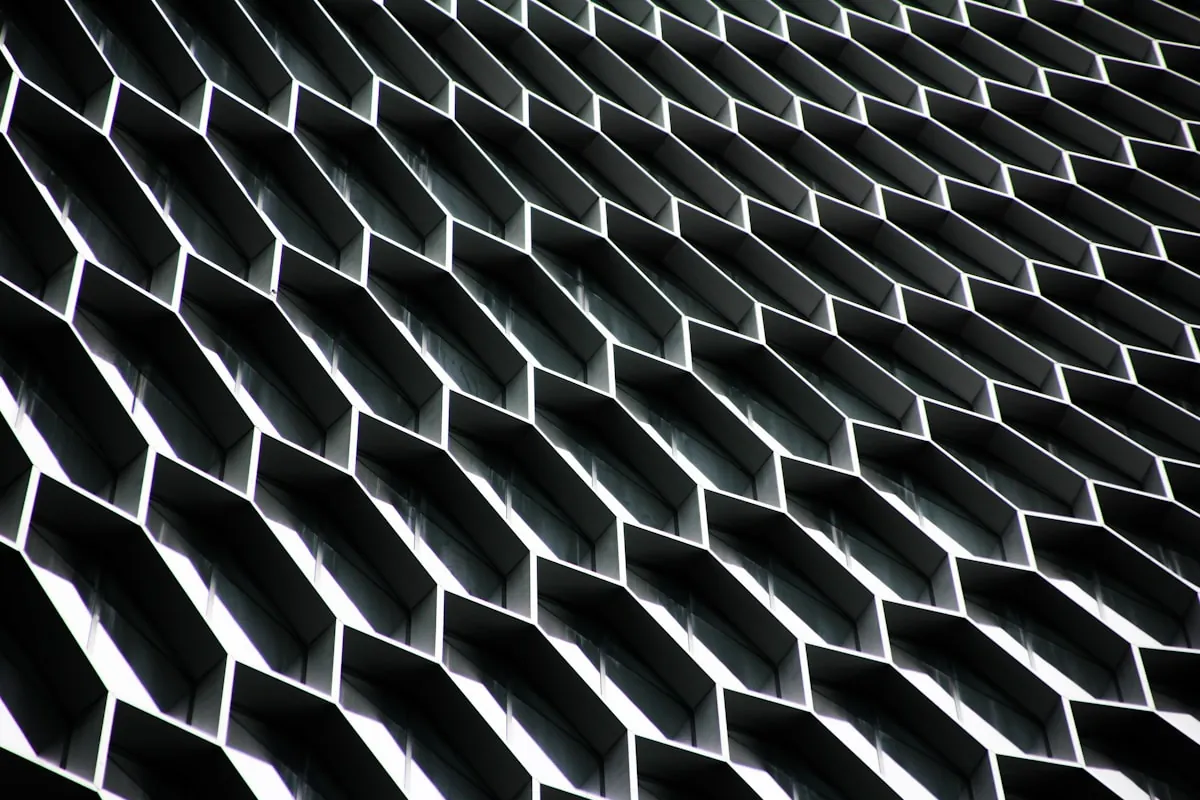
Larger cell configurations, such as 1/2 inch or 3/4 inch, significantly lower core density down to 34 kg/m³. These lighter cores suit ceiling baffles, modular interior doors, and acoustic enclosures where dead load reduction takes precedence over structural load resistance. However, for exterior cladding subject to high hurricane wind loads, engineering teams must evaluate bare compressive data using certified physical testing protocols. Selecting high quality aluminum honeycomb cores requires aligning cell density with structural wind load simulations.
| Cell Size (Inches / mm) | Foil Gauge (mm) | Core Density (kg/m³) | ASTM C365 Bare Comp. (MPa) | L-Direction Shear (MPa) |
|---|---|---|---|---|
| 1/4″ (6.35 mm) | 0.05 mm | 68 kg/m³ | 4.6 MPa | 2.4 MPa |
| 3/8″ (9.52 mm) | 0.04 mm | 48 kg/m³ | 2.5 MPa | 1.5 MPa |
| 1/2″ (12.70 mm) | 0.05 mm | 42 kg/m³ | 2.0 MPa | 1.2 MPa |
| 3/4″ (19.05 mm) | 0.06 mm | 34 kg/m³ | 1.5 MPa | 0.9 MPa |
Foil gauge variations create substantial performance differences within the exact same cell diameter. For example, increasing foil gauge from 0.04 mm to 0.06 mm in a 3/8-inch cell increases bare compressive strength by nearly 60%. Structural calculators must never rely solely on nominal cell diameter when specifying core materials for critical exterior envelopes.
Ribbon Orientation Differences in Structural Design
Aluminum honeycomb cores exhibit orthotropic mechanical behavior because of their manufacturing expansion geometry. The longitudinal ribbon direction, designated as the L-direction, runs parallel to the adhesive node printing lines. Conversely, the transverse expansion direction, known as the W-direction, extends perpendicular to the ribbon webs. Because the L-direction possesses continuous double-thickness foil walls along the glued nodes, its shear modulus and ultimate shear strength exceed W-direction values by 50% to 100%.
Ignoring this orientation asymmetry leads to unexpected panel deflection under primary bending loads. When designing rectangular facade panels supported along two edges, fabricators must align the L-direction with the primary structural span. Aligning the weaker W-direction across the critical span invites excessive mid-span sag and potential core shear failure during peak wind gusts. Proper workshop cut planning ensures that every core block is oriented to match architectural wind load calculations.
In addition to shear strength differences, the thermal expansion behavior of expanded cores varies slightly between axes. While the aluminum alloy itself expands uniformly, the geometric flexibility of hexagonal nodes allows minor mechanical relief along the W-direction. Understanding these directional properties allows facade engineers to optimize perimeter fastener placements and avoid localized thermal stress concentrations.
Evaluating Node Adhesive Strength and Durability
The structural integrity of any honeycomb core relies on the polymer adhesive joining individual foil ribbons at the nodes. Low-grade manufacturers often utilize inexpensive thermoplastic or modified vinyl adhesives that soften at warm temperatures. In contrast, certified industrial producers apply modified thermosetting epoxy adhesives formulated for high-temperature curing cycles. Premium node adhesives maintain shear transfer capabilities up to 120°C, preventing cell slippage when dark facade panels absorb direct solar radiation.
Source Precision Aluminum Honeycomb Cores Directly
RaxPanel manufactures aerospace-grade 3003-H18 and 5052-H39 aluminum honeycomb cores engineered for high-performance architectural facades and cleanrooms.
Quality assurance protocols require testing node bond resistance against hydrothermal degradation. Technicians immerse sample core slices in boiling water for four consecutive hours before performing manual expansion and tensile separation. If node lines split cleanly along the foil interface, the adhesive formulation is defective or improperly cured. Cores passing this hydrothermal test retain robust bonding, ensuring sandwich panels do not delaminate over thirty years of outdoor weather exposure.
Chemical pre-treatment of the raw foil prior to node printing also dictates bond longevity. Raw aluminum coils must undergo thorough degreasing and conversion coating to remove residual rolling oils. Applying a corrosion-inhibiting chemical conversion layer ensures the thermosetting epoxy forms covalent chemical bonds with the aluminum oxide surface, preventing moisture-induced adhesive unzipping.
When to Specify Perforated Honeycomb Cores
During sandwich panel lamination, volatile chemical vapors and expanding air can become trapped within sealed honeycomb cells. Specifying perforated aluminum honeycomb cores introduces micro-pinholes measuring 0.15 mm to 0.30 mm along the foil ribbons. In hot platen pressing or vacuum bag curing, these perforations allow entrained gases to migrate freely toward vacuum ports or perimeter breather paths. Without perforations, internal cell pressure blows through uncured adhesive lines, creating noticeable surface blisters across outer skin faces.

However, perforated cores are unsuitable for specific liquid-sensitive or cleanroom wall applications. Solid, non-perforated cores provide an impervious vapor and acoustic barrier, preventing moisture migration between isolated architectural zones. Non-perforated cores offer slightly higher flatwise compressive resistance because foil walls retain complete structural continuity without stress concentration holes. Engineering teams must evaluate whether their panel assembly process requires hot press gas evacuation before finalizing core perforation specs.
When selecting perforated cores, purchasers must confirm that pinhole perforations do not compromise cell node bond widths. Laser or mechanical pin-pricking should occur exclusively on the unglued free cell walls. Perforating through adhesive node lines weakens joint strength and promotes premature cell detachment during high-temperature lamination cycles.
Four Procurement Pitfalls Every Buyer Must Avoid
Procurement teams frequently encounter costly field failures by treating core selection as a generic commodity purchase. Identifying manufacturing defects and specification mismatches early safeguards project timelines and architectural budgets.
Mistake 1: Specifying Heavy Facings on Low Density Cores
Purchasing agents often invest in expensive 1.0 mm outer skins while pairing them with low-density 3/4 inch cores to reduce costs. Under negative wind suction loads, large unsupported cell spans allow thin face skins to dish inward, generating visible pillowing across facade panels. Balancing a 0.7 mm skin with a denser 3/8 inch core provides superior surface flatness and flexural stiffness at lower total cost. Reviewing comparative structural behavior in aluminum composite panel essential points highlights optimal core-to-skin balancing ratios.
Mistake 2: Ignoring Ribbon Orientation Relative to Span
Workshop operators frequently cut honeycomb blocks purely to maximize sheet yield without tracking ribbon direction. Installing panels with the weaker W-direction spanning primary structural supports reduces allowable shear capacity by up to 50%. This orientation mistake causes excessive facade deflection and premature adhesive fatigue under high cyclic wind loads. Engineering drawings must explicitly mark the L-direction across all fabrication layouts.
Mistake 3: Omitting Hydrothermal Node Adhesive Boiling Verification
Accepting supplier mill test certificates without conducting physical hydrothermal verification invites long-term delamination risks. Cheap thermoplastic node adhesives pass initial room-temperature tensile checks but degrade rapidly when subjected to moisture and solar thermal cycling. Demanding four-hour water boil immersion testing confirms whether node adhesive lines maintain chemical crosslinking under harsh environmental extremes. Reputable manufacturers readily furnish third-party hydrothermal test data for every production heat.
Mistake 4: Using Solid Cores During High Temperature Pressing
Attempting to laminate sandwich panels in heated hydraulic platens using non-perforated cores invariably leads to air entrapment. As internal air temperature rises from 20°C to 150°C, expanding gases exert outward hydrostatic force against curing epoxy adhesive films. This gas expansion separates outer skins from cell walls, forming concealed structural voids that fail under subsequent wind pressures. Specifying micro-perforated foil completely eliminates trapped vapor pressure during composite lamination cycles.
Essential ASTM Standards for Quality Verification
Procurement specifications must mandate rigorous laboratory testing protocols to guarantee consistent mechanical performance across delivered core batches. The benchmark standard for flatwise compressive properties is ASTM C365, which measures both bare and stabilized compressive strength and modulus. Bare testing evaluates the unbonded core block to detect premature foil buckling, while stabilized testing assesses core performance when cell ends are constrained by bonded facings.
To quantify core shear strength and shear modulus, testing laboratories rely on ASTM C273. This test applies direct planar shear to core samples bonded between thick steel fixture plates, recording separate values for the longitudinal L-direction and transverse W-direction. In addition, architectural specifications for external curtain walls reference aluminum curtain walls engineering criteria to verify complete facade assembly compliance. Demanding verified test data against these standards prevents substandard aluminum honeycomb cores from compromising commercial building envelopes.
Third-party testing labs also perform flatwise tensile evaluations per ASTM C297 to verify core-to-skin adhesion limits. When tensile failure occurs entirely within the core foil rather than at the glue interface, the adhesive bond surpasses the base aluminum material strength. Requiring 100% cohesive foil failure during qualification testing gives project owners complete confidence in panel structural longevity.
Frequently Asked Questions About Honeycomb Cores
What is the difference between 3003 and 5052 aluminum honeycomb cores?
Alloy 3003-H18 offers 165 MPa yield strength for commercial facades and partitions. Alloy 5052-H39 provides 240 MPa yield strength with 2.5% magnesium, delivering superior corrosion resistance for marine bulkheads, rail cars, and cleanroom walk-on ceilings.
Why does ribbon orientation matter during sandwich panel design?
The longitudinal L-direction runs parallel to the adhesive node lines, providing 50% to 100% higher shear strength than the transverse W-direction. Aligning the L-direction across the primary structural span prevents excessive panel deflection and shear failure.
How does smaller cell size improve panel performance?
Smaller cell sizes, such as 1/4 inch compared to 1/2 inch, increase foil wall density per unit area. This raises flatwise compressive strength above 4.5 MPa and prevents visual skin dimpling on thin architectural facade facings.
When should perforated aluminum honeycomb core be specified?
Specify micro-perforated cores for hot platen pressing or vacuum bag lamination cycles. Micro-pinholes allow expanding air and volatile chemical gases to escape during heated adhesive curing, preventing surface skin blistering and structural delamination voids.
Which ASTM standards are essential for verifying honeycomb core quality?
Essential verification standards include ASTM C365 for bare and stabilized flatwise compressive properties, ASTM C273 for core shear strength and modulus, and ASTM C393 for flexural core shear in finished sandwich constructions.