
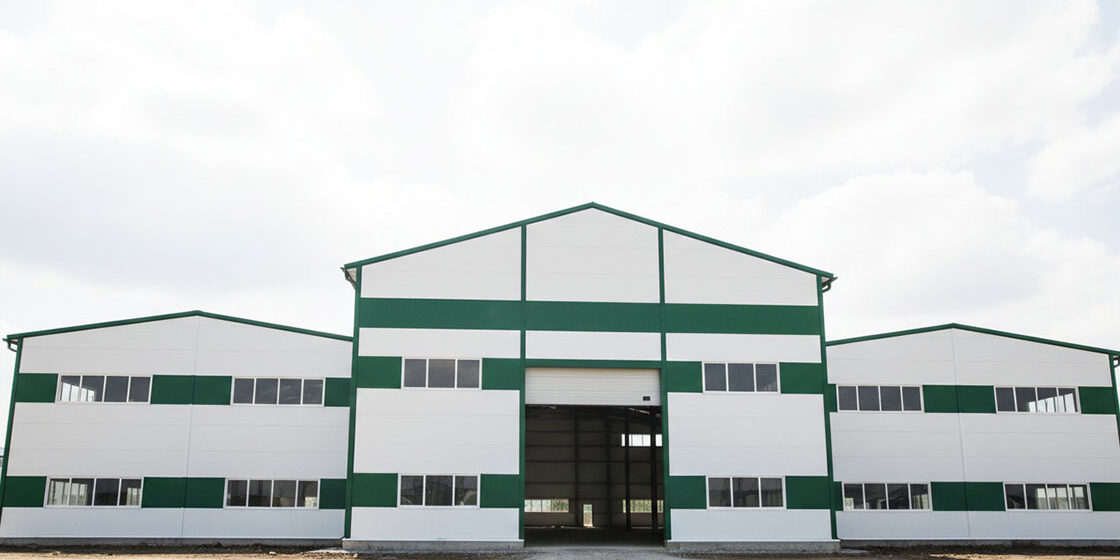
Give two identical facades the same crew, the same coating batch and two different core grades, and weather will sort them into different outcomes within five years. The aluminium skins are near-identical across every grade, so the composite core is the whole durability decision – and historically, that grade was never disclosed to the buyer. Blisters, warped panels and edge wicking look like installation defects; forensically, they are core decisions aging in plain sight.
Three degradation paths do almost all of the damage: bond fatigue that peels skin from core, edge moisture wicking through cut grooves, and fire exposure that tests chemistry directly. Every path starts in the middle of the panel, not in the aluminium skin everyone inspects first. RaxPanel laminates ACP alongside honeycomb-core and foam-core variants on its own line, so core selection is handled as an engineered decision rather than a default. That proximity is the point: core choices compound over a facade’s service life, and they deserve the same scrutiny as coating and thickness.
The Core Decides How Long Panels Last
Pull a failed panel off the wall and the skins will tell you almost nothing. Both aluminium sheets match the passing panel next door, because skins are near-identical across every core grade. The verdict hides in the middle of the laminate: the composite core, plus the adhesive line that ties it to each skin. Our guide to ACP panel structure maps those layers; this article follows how the innermost one fails.
Failure investigators keep circling the same three mechanisms, and each one is set in motion by core chemistry long before the crane arrives. Define them once and every inspection that follows gets faster. The definitions below are deliberately short; the verification steps attached to them are where the value sits. Each writes its signature on the wall in a different way, and each can be checked before purchase.
- Bond fatigue
- Thermal cycling and wind load work the adhesive line until adhesion lets go. Weak bonding surfaces as blisters, ripples and peeling skins within months of installation.
- Edge moisture wicking
- Every cut, groove and fastener hole exposes raw core. Water wicks into the exposed layer and accelerates bond degradation inward from the panel edge.
- Fire exposure
- Core chemistry decides how a panel behaves when heat arrives, from combustible polymer through to mineral-filled grades that resist ignition.
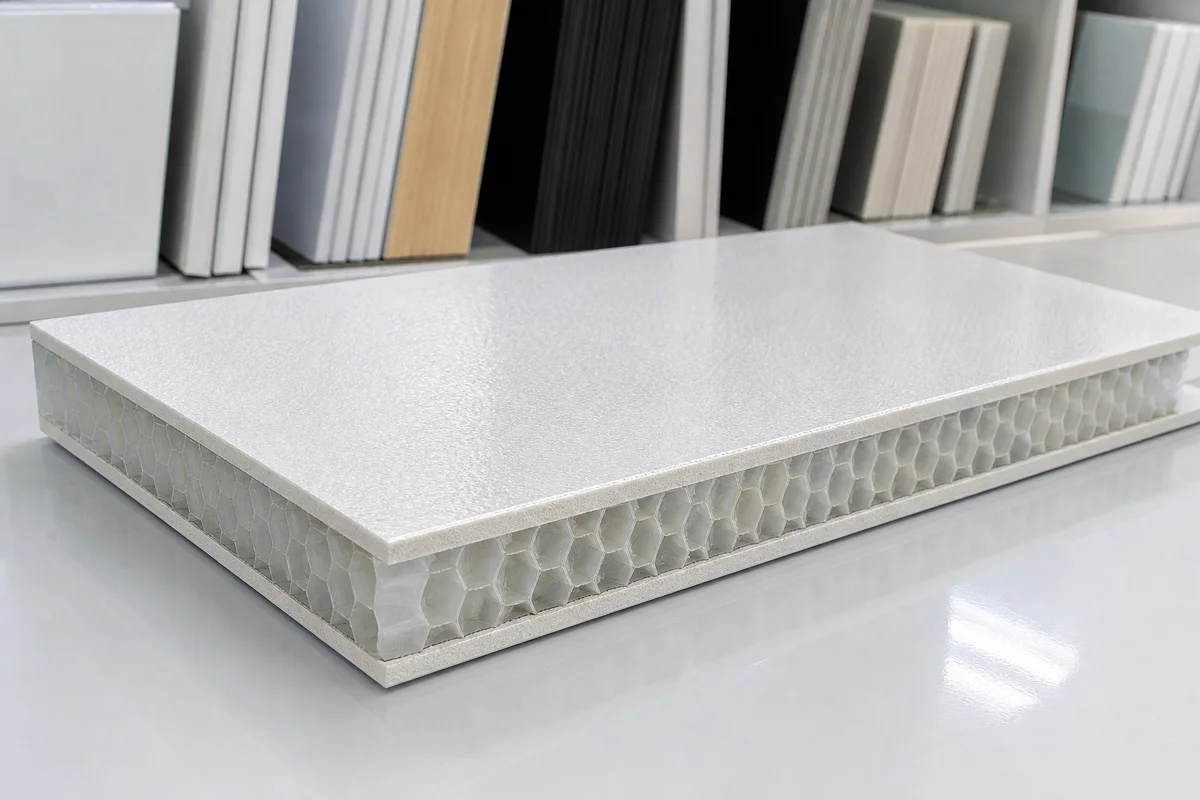
Ask one question before any quote gets compared: which core grade is in this panel, stated in writing. A supplier who answers with a grade symbol is working from a specification; a supplier who answers with a price is working from inventory. Get the grade on paper, because an undisclosed core is the root cause this whole failure pattern grows from.
The Three Cores and Their Staying Power
Three core families dominate the market, and their staying power splits along composition lines. A published PE, FR and A2 fire-safety guide lays out the chemistry in detail; what follows tracks what each mix does to durability. The percentages are the fastest diagnostic a buyer has, because mineral content is the composite core variable that moves nearly everything else. Each portrait below ends where the buyer acts.
PE: the cheap workhorse with a ceiling
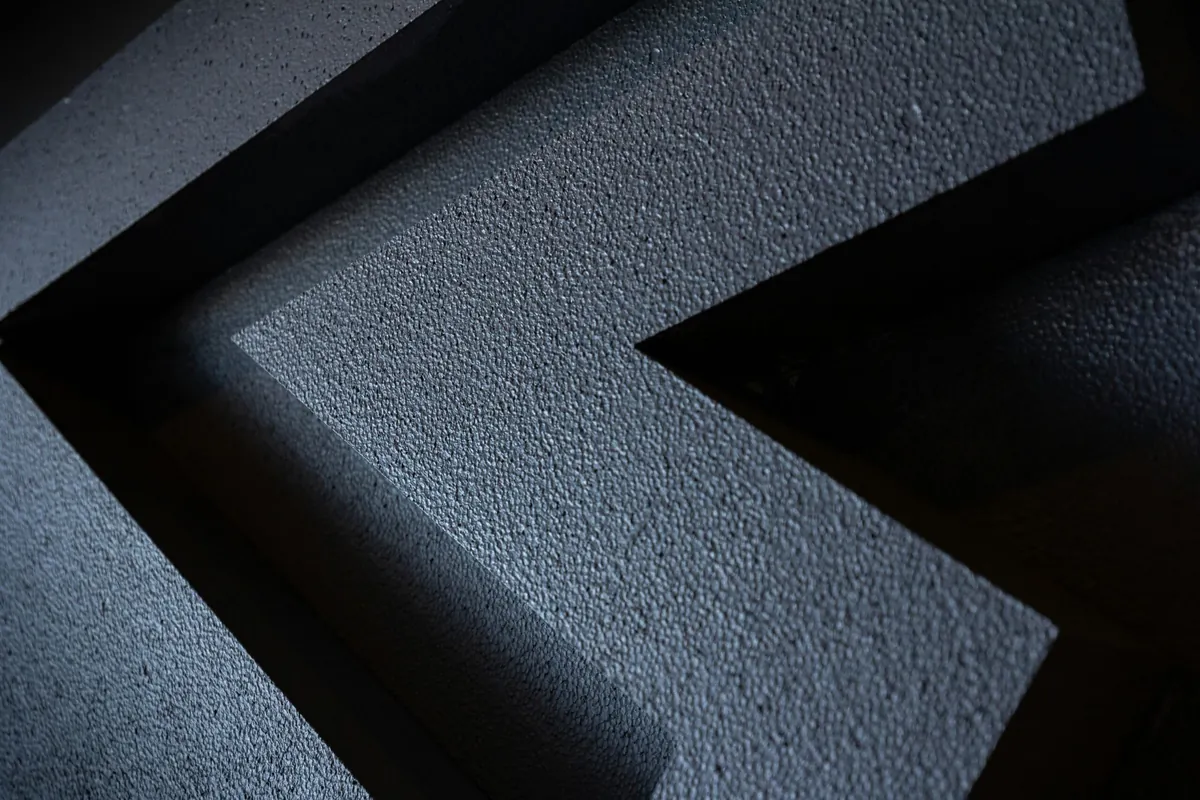
A PE core is essentially 100% polymer: light, inexpensive and easy to route, groove and fold on the fabrication table. That workability made it the default for years, which is exactly how the undisclosed-core habit started. The same composition is its ceiling: combustible polymer with nothing inside to slow combustion, and the least resistance to offer when heat or moisture works a bond line. Interior linings, signage and low-stakes cladding are its honest territory.
FR: mineral filler changes the math
An FR core blends roughly 70% mineral filler into the polymer, and that single change rewrites the failure math. Combustible content drops sharply, so the panel burns substantially less readily than a full-polymer core. The mineral skeleton also improves dimensional stability, which means less thermal movement tugging at the adhesive line year after year. For durability on mid-rise commercial facades, FR is the grade most specifications land on when B-class reaction-to-fire is acceptable.
A2: as close to stone as ACM gets
A2 cores carry over 90% mineral filler – as close to non-combustible as an aluminium composite structure gets. In whole-system testing, unmodified PE-core ACM fails BS 8414 while mineral-filled A2 ACM passes, and regulators have written that outcome into high-rise codes. The same mineral density steadies the panel against heat, so the wall moves less and the bond line works less. High-rise towers, hospitals and institutional buildings are where this grade stops being optional.
Verification here costs one email: request the mineral filler percentage for the exact batch you are buying. Composition data sheets state it plainly; a vague reply that promises a fire-rated panel without a percentage is the undisclosed-core trap wearing better clothes. Tie the answer to the batch number on your quote, not to a brochure.
Moisture Is the Slow Killer at the Edges
Water almost never attacks an aluminium composite panel through the face; it enters where fabrication has opened the armor. Every cut, groove and fastener hole exposes raw core, and an exposed composite core wicks moisture inward like a wick in a lamp. Trapped water then works on the adhesive line, and bond degradation accelerates from the edge until a blister surfaces far from the entry point.
Fabrication multiplies the exposure. Routed returns, folded trays and cassettes all begin life as cuts, and every cut edge is an open door. Sealing those edges, protecting cut ends and detailing the cavity so water drains out faster than it enters turns moisture from a habit into an event. None of this shows in a product photo, which is why samples get inspected rather than admired.
Site tip: When a sample arrives, inspect its cut edges and fold lines before you look at the face. A clean face on a wicking edge is how good-looking samples age into bad walls.
Make edge quality a written acceptance step, and photograph sealed edges before the cavity is closed. Run a finger along a routed edge; a powdery or open-celled feel means the core will drink. In humid climates especially, that photograph and that touch test will explain panel condition at year five better than any coating warranty.
Bond Fatigue Shows Up as Delamination
Delamination is the failure that ends arguments, and it begins in the bond line rather than the skin. Bond quality outweighs thickness: a 5 mm panel with weak adhesion will delaminate long before a 3 mm panel with superior bonding. Thickness governs how a panel bends; the adhesive line governs whether it stays a panel. Failure reports keep reading the same way: adequate thickness, inadequate adhesion. Among the familiar ACP cladding disadvantages, delamination is the one a peel report predicts for any composite core.
Peel resistance is measured with the ASTM D1781 climbing drum test, and the number is only as honest as its inputs. Skin surface preparation, adhesive curing completeness and core consistency all move the result, which is why batch-to-batch variation quietly decides outcomes. For curtain-wall grade material, GB/T 17748-2016 sets an average requirement of at least 180 N.mm/mm with no single value below 150.
Failure flag: Accepting a certificate cover instead of a batch report. A certificate proves someone once tested something; it says nothing about the rolls your order was laminated from.
So demand the peel report for your production batch, matched by batch number, before the material ships. Two minutes with that document outperforms any thickness conversation you will ever have. A supplier who resists has answered a different question.
Pick the Core That Outlives the Warranty. RaxPanel laminates ACP alongside honeycomb-core and foam-core variants on its own line, and engineers test designs to the data standard each project agrees on. Send your facade requirements and get core, peel and coating numbers back within 24 hours, one to one.
Matching the Core to the Application
Grade selection is application selection. The same white face can serve a signage studio or a hospital tower; the composite core cannot serve both. Height, occupancy and escape strategy decide the grade long before color and finish do. Use the table below as the mapping to argue from when a quote arrives without one.
| Core | EN 13501-1 | Where it belongs |
|---|---|---|
| PE | Combustible; no facade class | Interior linings and signage |
| FR | B-s1,d0 typical | Mid-rise commercial facades |
| A2 | A2-s1,d0 | High-rise, hospitals, institutional buildings |
The suffixes carry meaning a buyer can use. Under EN 13501-1, s1 marks the least smoke development and d0 means no flaming droplets, both of which matter on escape routes and stacked elevations. For the full ladder of fire-rated panel grades, our Class A and A2 comparison walks the rungs in order.
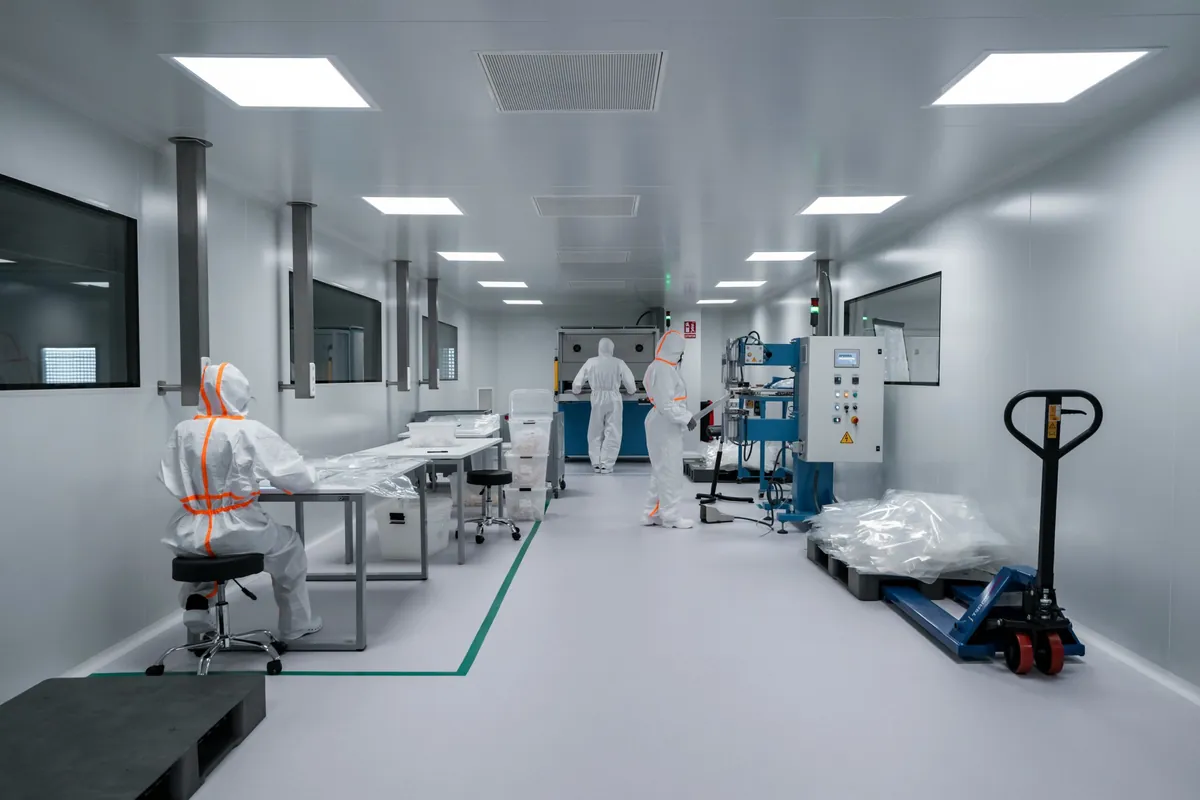
System note: A panel grade is not a facade system. Air infiltration (ASTM E283), structural performance under wind load (E330) and water penetration (E331) tests confirm the installed assembly keeps weather out. Those results sit on top of the core grade rather than replacing it.
Match your building’s height and occupancy against the table, then ask the supplier to confirm the EN class for the exact product named on the quote. High-rise facades raise the price of being wrong faster than any other application, and hospitals add occupancy requirements on top. A class verified against a product name is evidence; a class quoted from memory is decoration.
The Evidence Chain to Demand at Handover
Every mechanism in this article leaves a paper trail, and handover is when you collect it. An undisclosed core stays undisclosed only until someone asks for documents by name. Collect the five below and the failure patterns described earlier lose most of their hiding places. None of the five items is exotic; all five are ordinary requests that get skipped under deadline pressure.
- Core grade named in writing. The undisclosed-core practice only works while the grade never appears in the contract; put PE, FR or A2 on the drawing.
- EN 13501-1 certificate for the exact product. Pair it with assembly test reports, and with BS 8414 or NFPA 285 results where the project demands whole-system evidence.
- Batch peel report. D1781 numbers for the production batch, checked against the 180 and 150 N.mm/mm curtain-wall thresholds.
- Coating specification in full. The skin system ages on a different clock than the core; both belong in the same handover file.
- Edge inspection record. Sealed cut edges photographed before closure, so the moisture path described earlier is provably closed.
Treat a supplier’s willingness to produce this chain as your first durability data point. When you shortlist an aluminium composite panel supplier, send the checklist before the drawings. A vendor who fills it without being chased is telling you how the next twenty years will be handled.
Core Chemistry Is a Twenty-Year Decision
Requests about aluminium panel composite cores durability reduce to one finding: the skins age slowly and identically, while the core decides whether a facade compounds into value or into callbacks. Bond fatigue, edge moisture and fire exposure are all chosen at the specification desk, years before the first symptom shows. Nothing in that finding excuses the buyer from verifying it, which is why every section above ends with an action.
- Ask for the core grade in writing before comparing prices, not after comparing facades.
- Let the batch peel report carry more weight in your decision than panel thickness.
- Walk the cut edges of every sample; moisture failure starts where the router did.
- Match the EN 13501-1 class to building height and occupancy, then verify the certificate name matches the quote.
If you want a second pair of eyes on a core specification, RaxPanel’s engineers review facade requirements against the data standard a project agrees on. Bring the drawings early; core chemistry is easier to change before lamination than after.
Frequently Asked Questions About Core Durability
Which ACP core lasts longest?
No verified data crowns a single winner, because service life depends on bond quality and edge detailing as much as chemistry. Mineral-rich A2 handles heat and fire best; a strong peel report handles everything else.
How long does a PE core panel last indoors?
Indoors, away from moisture and fire exposure, PE cores avoid their two main weaknesses. No verified per-grade lifespan figures exist, so judge the specific product by its peel report and edge condition instead.
Do cut edges need sealing on ACP panels?
Yes – cuts and grooves expose raw core that wicks moisture and accelerates bond degradation. Require edge sealing, protected cut ends and drainage details in the shop drawings before fabrication starts.
Does an FR core age differently from a PE core?
Yes. Roughly 70% mineral filler changes how a composite core ages: slower burning, better dimensional stability, less movement working the bond line.
How do I read a peel strength report?
Check three things: the test standard (ASTM D1781 climbing drum), the production batch number, and the values. GB/T 17748-2016 curtain-wall grade requires an average of at least 180 N.mm/mm with no single reading below 150.