cold room panels Ceiling Installation and Thermal Bridge Prevention

How to Evaluate Aluminum Composite Panel Quality: Buyer Guide

Procuring architectural aluminum composite material requires rigorous quality verification protocols to prevent catastrophic envelope failure. Substandard composite sheets frequently masquerade as exterior-grade panels while concealing severe manufacturing shortcuts. Premium architectural cladding demands a minimum nominal 0.50 mm skin thickness certified to ASTM B209 standards. Furthermore, verifying quality requires subtracting 28 to 35 microns of paint…

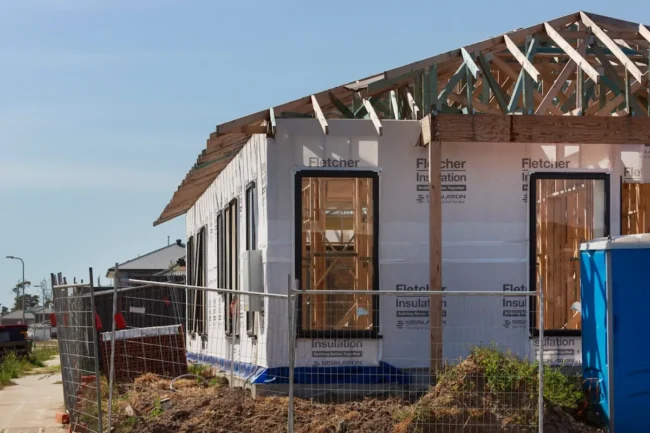
structural insulated panels Defining Structural Insulated Panels

How to Cut Aluminum Composite Panels: Step-by-Step Guide

Cutting aluminum composite material (ACM/ACP) with factory precision requires balancing two distinct materials. Operators must manage the shearing mechanics of 0.50 mm architectural aluminum facings alongside thermoplastic or mineral cores. Standard woodworking saw blades with positive hook teeth grab thin aluminum skins aggressively. This violent biting causes edge delamination, burring, and dangerous kickback. Achieving clean…

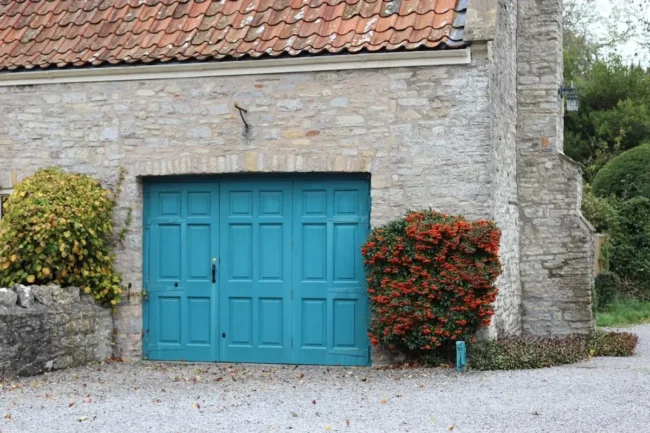
Insulated Garage Door Addressing Quality Concerns and Hardware Longevity

Aluminum Composite Panel Installation: Step-by-Step Guide

Installing architectural aluminum composite panel (ACP) cladding systems demands meticulous engineering discipline to accommodate a linear thermal expansion rate of 2.4 mm per meter per 100°C temperature differential under ASTM E228 standards. On an exterior building facade subjected to an annual ambient temperature swing of 60°C, a single 3,000 mm panel undergoes more than 4.3…

FRP Panels Regulatory Sanitization Procedures

Aluminum Composite Metal (ACM) vs Phenolic Panels: Which is Best?

For architectural facade specifiers, commercial developers, and exterior envelope contractors, choosing between exterior cladding materials represents a complex engineering trade-off. Evaluating modern composite options—specifically architectural aluminum composite cladding systems versus high-pressure laminate phenolic panels—forces structural teams to balance dead-load mass, thermal movement, fire reaction ratings, and long-term maintenance budgets. While dense phenolic panels provide exceptional…

Aluminum Composite vs Phenolic Panels Impact Resistance and Weathering Performance

ACP Cladding: Architectural Guide to Aluminum Composite Facades

In modern high-rise architecture, institutional infrastructure, and commercial facades, building envelope engineers constantly balance structural dead-load limits against exterior wind resistance. Standard solid metal plates or heavy masonry panels add excessive gravity loads to concrete superstructures, complicating subframe cantilever engineering. Deploying architectural aluminum composite panel systems—commonly specified as architectural aluminum composite facade panels—delivers installed dead…

Cold Room Panels Deep Freeze & Frozen Food Warehouses

How to Import Aluminum Cladding Panels from China: Step-by-Step Guide

For international commercial developers, facade engineering contractors, and architectural procurement managers, sourcing facade materials across global supply chains presents high financial rewards alongside severe logistical risks. Sourcing directly from Asian manufacturing epicenters can reduce material capital expenditures by 35% to 50% compared to regional distribution markups. However, overseas buyers navigating international procurement frequently encounter costly…

Cold Room Door Core Selection Criteria: Insulation, Sealing, Cycle Rating

Anodised vs Powder Coated Aluminium Panels: Which is Best?

Selecting the optimal architectural finish for exterior metal envelopes requires facade consultants, architects, and cladding engineers to balance chemical durability, mechanical hardness, color consistency, and long-term lifecycle costs. When evaluating anodised vs powder coated aluminium panels, the fundamental technical distinction lies in surface metallurgy: anodizing electrochemically transforms the aluminium substrate into an integral crystalline aluminium…

Aluminium Sandwich Panels: Key Applications and Advantages

Modern architecture and industrial infrastructure demand building envelope materials that combine high structural stiffness with minimal dead load, rapid dry erection, and tight hygrothermal regulation. When evaluating aluminium sandwich panels benefits and applications, structural engineers prioritize the physical mechanics of composite sandwich beam theory: two high-modulus exterior aluminium facings (elastic modulus E = 70 GPa)…

Folding Container Houses Versatile Uses for Every Need

Aluminium Sandwich Panels vs Traditional Wall Cladding

Selecting exterior envelope materials requires commercial developers, structural engineers, and facade consultants to weigh structural dead load, seismic kinetics, erection speed, and thirty-year operational maintenance. When comparing an aluminium sandwich panel vs traditional cladding systems such as clay brick masonry, precast concrete panels, or dimensional stone, the performance divergence begins at structural dead weight. Traditional…