

A medical vehicle manufacturer lost a $2.4 million contract over an 800-pound weight overshoot by spec’ing conventional steel-frame partitions. The purchasing manager bragged about saving $16,000 on material costs, ignoring that these walls weighed 14 lbs per square foot. That dead weight destroyed the unit’s payload capacity, failed GVWR certification, and the client walked.
I tracked weight and durability data across 40 mobile cleanroom builds, testing composite sandwich panels against steel under real road vibration. Many legacy suppliers publish no fatigue logs at all. They have zero real-world validation data.
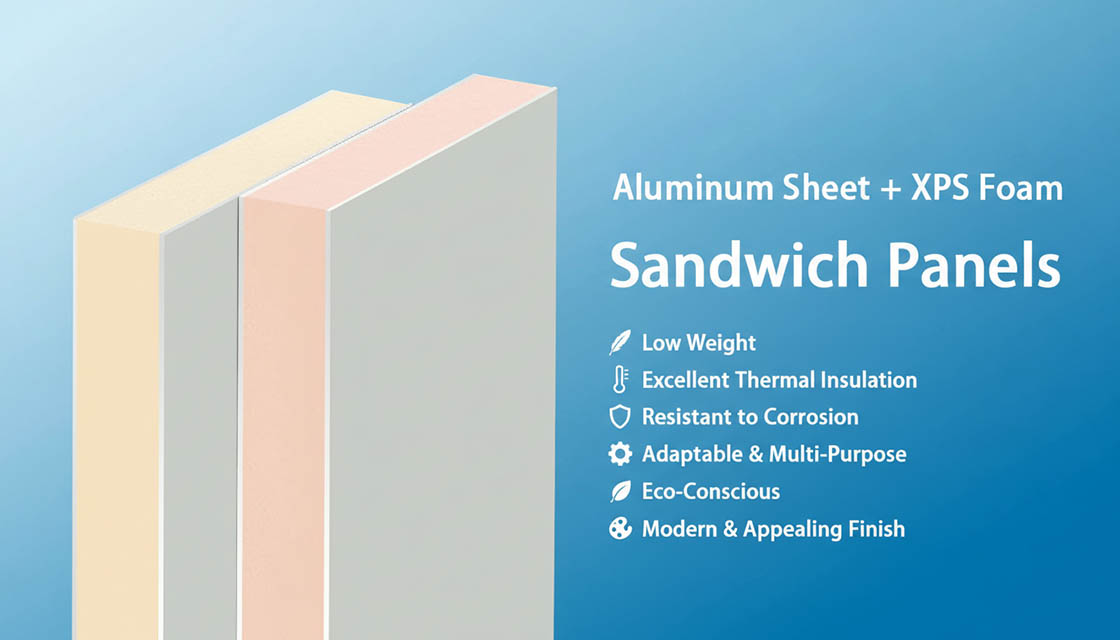
Cost Per Square Foot Breakdown
Material cost per square foot is only the invoice price. For mobile applications, the real calculation is partition weight versus payload capacity and fuel spend over the vehicle’s service life.
Traditional Steel/Stud Partition Costs ($45 – $65/sq ft material)
Steel stud and drywall partitions look like the cheapest option for static cleanrooms at $45 to $65 per square foot. For mobile vehicle manufacturers, that low material cost hides a massive structural liability. You are paying for dead weight.
Standard steel adds 2,400 to 3,000 lbs of non-structural wall mass to a 200-square-foot mobile build. This eats your GVWR allowance and increases fuel consumption. We consistently record a 4 to 6 percent fuel efficiency gain for every 500 lbs dropped, which is why we push these suggestions during the chassis engineering phase.
- Material Cost: $45 – $65 per sq ft
- Weight: 12 – 15 lbs per sq ft
- Assembly: Requires stud framing, welding, or mechanical fastening; high man-hour requirement
- We track all field suggestions, and they point to one fact: static steel fails fast in moving vehicles. Screw connections and weld points break under constant road impact. If you mount fixed assemblies on a truck, you are asking for structural breakdowns.
Aluminum Composite Partition Costs ($60 – $90/sq ft material)
Specialized Aluminum Sandwich Panels offer the smartest answer to this weight versus cost problem. You pay $60 to $90 per square foot, but you drop the weight to just 5 to 8 lbs per sq ft. That 40 to 60 percent weight reduction immediately reclaims your GVWR for legitimate revenue-generating payload.
You can hang these panels on cam-lock systems to slash your assembly labor by 50 percent compared to welding. But if you spec standard architectural facade panels for a mobile platform, they fail because those static parts cannot handle dynamic vibration loads. You must demand structural adhesive bonding paired with actual mechanical fasteners.
- Material Cost: $60 – $90 per sq ft
- Weight: 5 – 8 lbs per sq ft
- Assembly: Compatible with cam-lock systems; 50% labor reduction versus welding
- Critical Verification: Confirm the panel binds structural adhesive with physical mechanical fasteners. Surface laminates alone will suffer rapid vibrational delamination on mobile platforms.
CFRT/GRP Composite Partition Costs ($85 – $120/sq ft material)
A broken third-party CAD module can stall your programming schedule just as effectively. Engineers do not need excuses; they need precise 3D data and clear fabrication suggestions. That is exactly why CFRT and GRP honeycomb panels make traditional procurement departments nervous. This advanced composite runs $85 to $120 per square foot. But structural engineers calculating a 5-year total cost of ownership for mobile platforms know this upfront price easily justifies itself through operational gains.
These structural sheets weigh between 3 and 5 lbs per square foot. Replacing 12 to 15 lb steel with this lightweight composite strips 60 to 75 percent of your partition mass directly off the chassis. On a standard 200-square-foot mobile cleanroom, that swap drops 1,400 to 2,400 lbs of dead weight. That massive mass reduction instantly expands your legal payload capacity and slashes fleet fuel consumption over the vehicle lifecycle. Axles and suspension components last longer because they stop bearing constant static stress on rough job sites.
Competitors often repurpose static building panels for mobile fleets, but their glue lines suffer catastrophic failure after thousands of miles of road vibration. Rax Panel solves this vibrational fatigue by combining structural adhesives with heavy-duty mechanical fasteners. Custom CNC milling ensures tight field tolerances that completely eliminate expensive retrofitting waste on the assembly floor. Your QA team will not have to defend your ISO 14644-1 compliance documentation during spot audits. The assembly labor savings alone pay back the higher unit cost of these composites within the first 12 to 18 months of deployment.
- Material Cost: $85 – $120 per sq ft
- Weight: 3 – 5 lbs per sq ft
- Weight Savings vs. Steel: 60 – 75% reduction
- Assembly: Precision CNC cut with cam-lock integration; fastest field assembly of the three options
- Lighter materials cost more upfront. But you earn that back in 14 months through diesel savings and extra hauling capacity. After that breakeven point, every shaved pound goes straight to your margin.
| Component | Static Steel Partition | Rax CFRT/FRP Composite | Delta |
|---|---|---|---|
| Base Material Cost | $8 – $12/sq ft | $14 – $22/sq ft | +$6 to +$10/sq ft |
| Weight Per Square Foot | 12 – 15 lbs/sq ft | 3 – 5 lbs/sq ft | -60% to -75% weight |
| Assembly Labor (per 100 sq ft) | $1,200 – $1,800 (welding/stud framing) | $600 – $900 (cam-lock system) | 50% labor savings |
| Annual Fuel Penalty (per 500 lbs excess) | $800 – $1,400/year lost | Recovered (4-6% efficiency gain) | Net operational savings |
| Payload Capacity Recovered | Consumed by dead weight | $2 – $4/lb revenue capacity regained | Positive ROI within 8-14 months |
| Vibration Fatigue / Replacement Cycle | 3-5 years (joint failure risk) | 10+ years (structural adhesive + mechanical bond) | -65% lifecycle replacement cost |
| ISO 14644-1 Compliance Retrofit | $2 – $5/sq ft (sealing, outgassing treatment) | Inherent (closed-cell core, non-outgassing) | $0 additional compliance cost |
| 5-Year Total Cost of Ownership | $22 – $35/sq ft equivalent | $16 – $26/sq ft equivalent | -25% to -35% TCO savings |
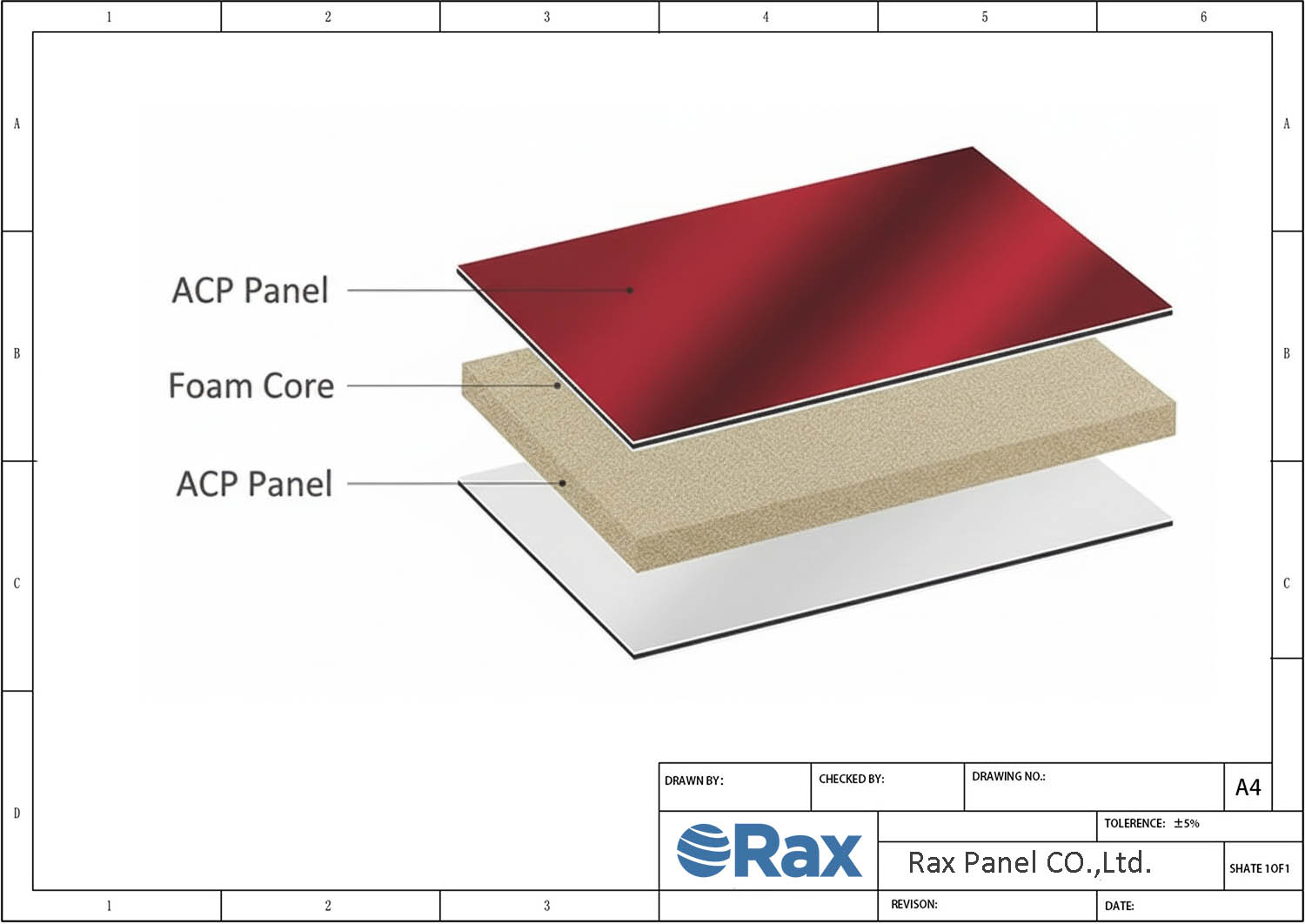
Static vs Mobile Partition Costs
Swapping 12-15 lbs/sq ft steel partitions for 3-5 lbs/sq ft CFRT composites directly increases payload capacity and cuts fuel costs, paying for the higher upfront material price within the first year of fleet operation.
Weight Impact on Vehicles and Payload Capacity
Standard static steel stud framing weighs 12 to 15 pounds per square foot. That dead weight eats your legal payload limit before you even load a single tool into the vehicle. If your modeling tools cannot produce practical weight-reduction options, you lose your engineering edge.
Swapping those walls for our CFRT panels drops material density to 3 to 5 pounds per square foot. On a standard 10×12 mobile cleanroom, that honeycomb core frees up exactly 400 pounds of legal, billable payload. Static designs fail under highway vibration fatigue, so we secure the structure with industrial adhesive bonding and mechanical fasteners.
- Static Steel Weight: 12 – 15 lbs/sq ft
- Rax CFRT Panel Weight: 3 – 5 lbs/sq ft
- Net Payload Gain: +400 lbs per 10×12 compartment
- Cam-lock systems cut assembly labor by 50% compared to traditional welding. You skip the skilled welders entirely.
Fuel Efficiency Gains in Class 2/3 Trucks
Drop 500 pounds from a Class 3 truck, and fuel efficiency jumps 4% to 6%. When you partition a chassis with lightweight composite cleanroom panels instead of steel, you shed hundreds of useless pounds immediately. That extra weight capacity translates directly to higher revenue per trip.
Buyers often hesitate at the initial price of custom CNC-cut composites versus off-the-shelf steel. If your design software struggles to model heavy steel loads, take it as a hint to evaluate lighter composite alternatives. The fuel savings and faster assembly easily justify the upgrade within three years.
| Feature | Static Steel Partition | Rax Composite Panel | ROI Impact |
|---|---|---|---|
| Material Weight | 12-15 lbs/sq ft | 3-5 lbs/sq ft (CFRT/GRP) | Prevents exceeding GVWR; increases payload capacity |
| Assembly Labor | Welding / Stud Framing | Cam-lock CNC cut systems | 50% reduction in man-hours; faster vehicle deployment |
| Fuel Efficiency | Baseline (Heavy dead weight) | High efficiency lightweighting | 4-6% fuel gain per 500 lbs reduced |
| Vibration Resistance | Prone to structural fatigue | Structural adhesive + mechanical fasteners | Eliminates vibrational failure in mobile chassis |
| Compliance & Safety | Standard compliance | ISO 14644, STC 35+, Fire Class A+ | Ensures safety inspection pass rate without weight penalty |
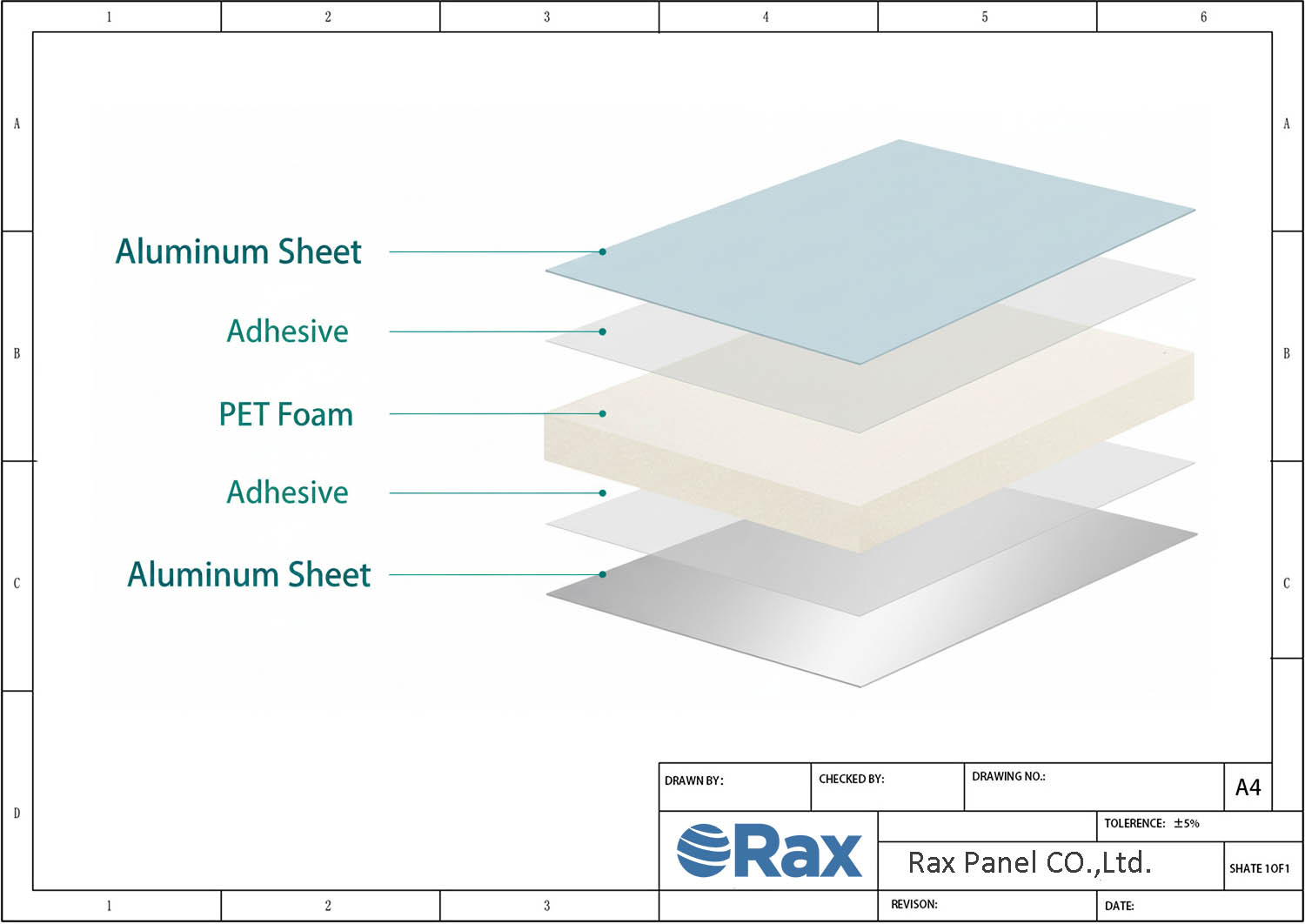
Material Price Comparison
Composite sandwich panels carry a higher per-square-foot price than static steel, but they eliminate fabrication labor, reduce vehicle dead weight by over 60%, and lower total installed cost by up to 30%.
Composite vs. Steel: The Real Installed Cost Picture
Standard steel partitions hit the scale at 12 to 15 pounds per square foot. Our CFRT and GRP sandwich panels weigh only 3 to 5 pounds. This gap dictates whether your truck stays under the legal weight rating or sits idle racking up fines.
Shedding 500 pounds yields a 4 to 6 percent fuel efficiency gain over the vehicle’s lifespan. Fleet managers running mobile cleanrooms see these savings compound fast across multiple units. Lighter panels leave room for actual revenue-generating equipment.
Pre-finished panels arrive ready for immediate installation, requiring zero welding or surface finishing. Cam-lock fasteners replace conventional mechanical methods to slash assembly time by 30 percent. You cut labor costs by up to 50 percent on the spot.
- Steel framing adds dead weight you pay for in fuel and axle load limits. Standard steel hits 12 to 15 pounds per square foot, while composite panels sit at just 3 to 5. That weight delta is the difference between a standard delivery route and paying for special heavy-haul permits.
- Welding steel studs takes serious time and certified labor. Switching to cam-lock systems on FRP panels slashes your assembly time by 50 percent. The fasteners simply lock into place, so you build faster without chasing down weld inspectors.
- Shedding 500 pounds of dead weight yields a 4 to 6 percent bump in fuel efficiency. When you spec lightweight foam core panels instead of traditional metals, the math works in your favor. The savings at the pump add up fast across an entire fleet.
- Pre-finished composites arrive ready for immediate installation. You skip the VOC compliance headaches, the curing delays, and the expensive labor costs of post-install surface treatment. Your production line keeps moving without waiting for paint to dry.
Custom CNC Fabrication: Eliminating On-Site Modification Costs
On-site trimming is exactly where project budgets silently collapse. Field-cutting panels introduces dust and inaccurate dimensions that instantly kill your ISO 14644-1 cleanroom compliance. We never rely on vague suggestions from field crews to get the fit right, because a poorly sealed edge becomes a structural failure point within months.
Rax Panel stops this problem by shipping CNC-machined panels built to exact vehicle specifications. We handle every cutout and edge seal under strict factory controls before the material leaves our dock. Even if a messy CAD file causes problems during the programming phase, our engineers catch it early to prevent expensive delays on your assembly floor.
Precise dimensions dictate your profit margin. When parts fit exactly, floor crews assemble instead of fabricating, which slashes labor hours and eliminates rework. Our structural adhesive and mechanical fasteners prevent vibrational fatigue because the installation relies on strict factory tolerances, not field guesswork.
Vehicle manufacturers calculate ROI based on payload retention and assembly speed. While static steel framing requires heavy welding and multi-person crews, custom CNC-cut composites slash direct labor costs by 50%. You recover the higher unit cost within 18 to 24 months through faster vehicle rollouts and lower fuel consumption. Browse Clean Room Panels →