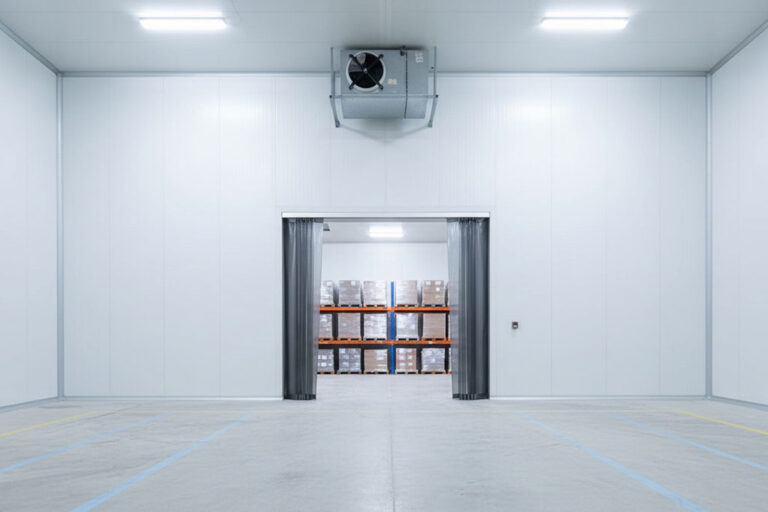
What Materials Does a Steel Sandwich Panel Consist Of?

Most procurement specs treat sandwich panel core types as the main decision — EPS, PIR, mineral wool — then accept whatever steel facing thickness the supplier ships. That’s backwards. The gap between 0.4mm and 0.8mm facing steel dictates fastener pull-out strength and panel rigidity more than any core selection does. After 15 years building these…
Read more

How Strong Are Aluminum Honeycomb Panels? It Depends on the Core

Most spec sheets obsess over face sheet thickness. That is the wrong metric. Core density and foil thickness dictate almost all the structural behavior, and too many builders learn this lesson only after point-load denting appears in the field. At Rax Panel, our engineers spend most of their time correcting these exact material assumptions. When…

Read more

20FT vs. 40FT Container Houses: Which Is Right for You?

The 20ft vs 40ft container house decision trips up more builders than any other spec in modular construction. Most assume the smaller unit is automatically cheaper. The numbers disagree. A used 20ft container runs $1,500 to $3,000, while a 40ft sits at $2,500 to $4,500 — double the floor space for roughly 50% more cash.…

Read more
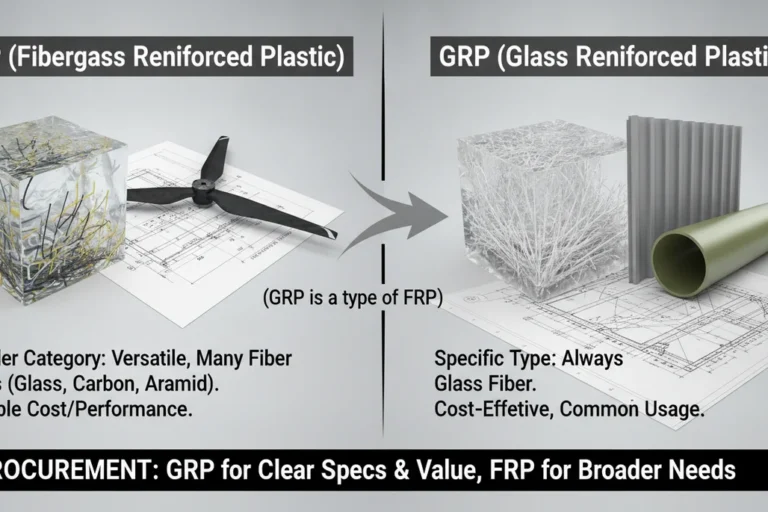
FRP, GRP FRP vs GRP: Core Differences for Procurement

What Is the Difference Between FRP and GRP?

If you’ve sourced composite panels for a European client and received different documentation from your US supplier, you’ve hit the naming wall. GRP meaning in composites is simple: glass-reinforced plastic. But GRP is a subset of FRP. All GRP uses glass fiber. FRP can also mean carbon fiber or aramid reinforcement. That naming split between…

Read more

What Determines the Strength of a Honeycomb Core Panel?

Most engineers still spec honeycomb panels the way they spec solid plate steel: add 20% thickness, call it safe. That approach wastes material budget and still misses the real failure risks. Honeycomb core panel strength isn’t a single-variable equation where thicker always wins. It’s a multi-variable system where core geometry, material selection, bonding quality, and…

Read more

How Do Non-Slip Honeycomb Panels Perform in Cold Weather?

Standard embossed metal flooring turns into a liability the moment temperatures drop below freezing. The diamond plate collects moisture, freezes over, and creates a severe slip hazard on truck beds and outdoor platforms. You eat the replacement costs. Worse, the chemical adhesives bonding traditional aluminum skins to their cores turn brittle and fail after just…

Read more
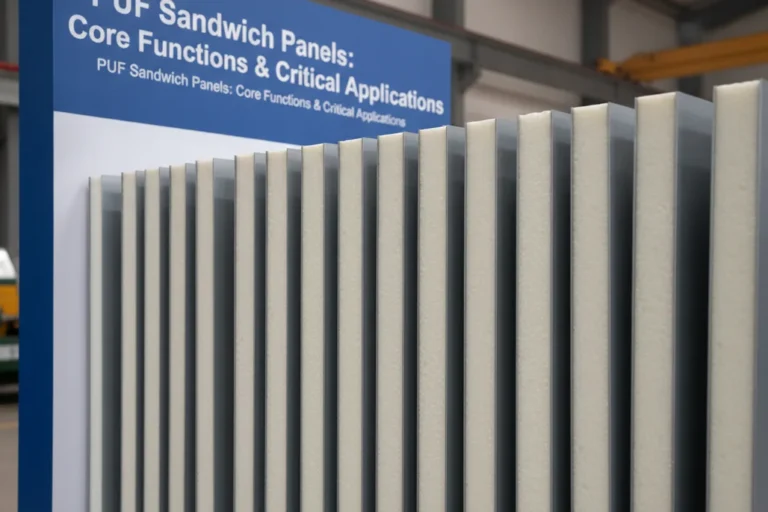
PUF Sandwich Panels: Core Functions & Critical Applications PUF Sandwich Panels: Core Functions & Critical Applications

Exploring the Applications & Functions of PUF Sandwich Panels

Most buyers specify PUF sandwich panels based on thickness alone. That’s a costly mistake. A 100mm panel with foam density below 36 kg/m³ will drive energy bills up by 40% within the first year — and the end client will trace that problem straight back to whoever sourced the material. After 15 years of manufacturing…

Read more
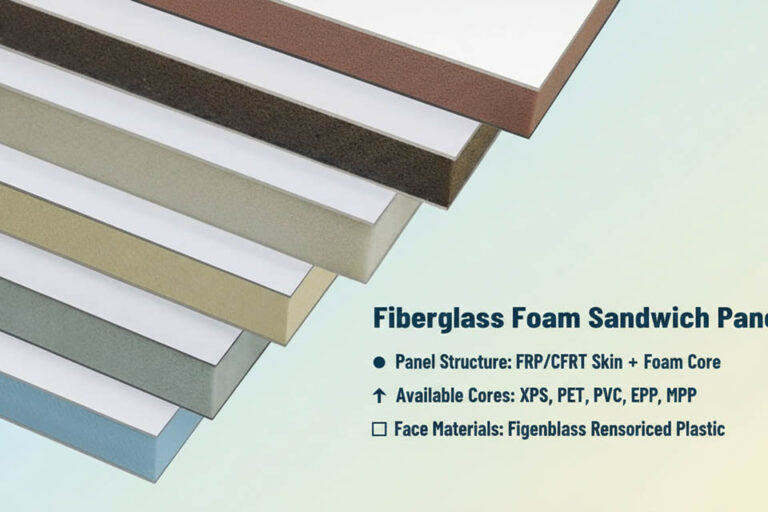
The Engineer's Guide to Composite Panels and Cores The Engineer's Guide to Composite Panels and Cores

A Guide to Composite Panels and Cores

Composite panels fail for two reasons: bad core selection and worse bonding. In fifteen years of supplying sandwich panels for commercial construction and specialized vehicles, I’ve seen delamination destroy projects that looked perfect on paper. The difference between a panel that lasts twenty years and one that fails in two usually comes down to understanding…

Read more