
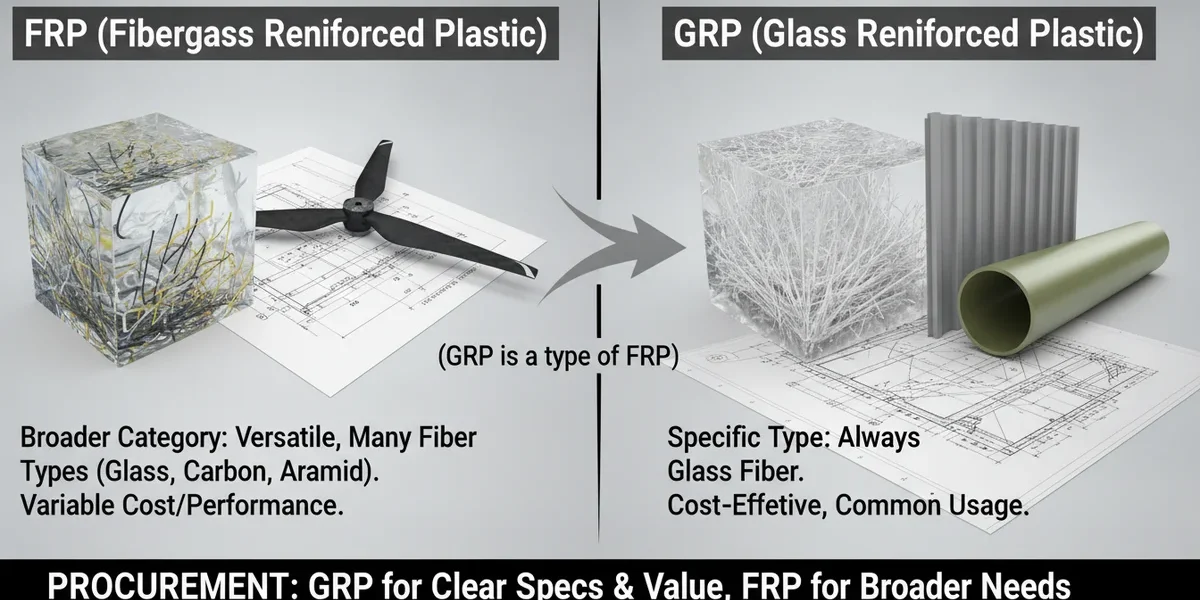
If you’ve sourced composite panels for a European client and received different documentation from your US supplier, you’ve hit the naming wall. GRP meaning in composites is simple: glass-reinforced plastic. But GRP is a subset of FRP. All GRP uses glass fiber. FRP can also mean carbon fiber or aramid reinforcement. That naming split between American and European markets is not academic trivia: it causes real purchase order errors and material mismatches on live projects.
The problem deepens with resin selection. Polyester, vinylester, epoxy, phenolic, modified acrylic, urethane: six resin families can sit behind the same “FRP” label, each with different corrosion resistance, fire ratings, and cost profiles. A purchase order that says “FRP panel” without naming the resin system is a gamble. You either overpay for vinylester when polyester would do the job, or under-specify and face premature field failure in corrosive environments.
We’ll break down the real FRP vs GRP difference at the fiber and resin level, explain how regional naming conventions disrupt international supply chains, and give you a specification checklist that procurement teams can use immediately. After reading this, your purchase orders will leave zero room for supplier interpretation.
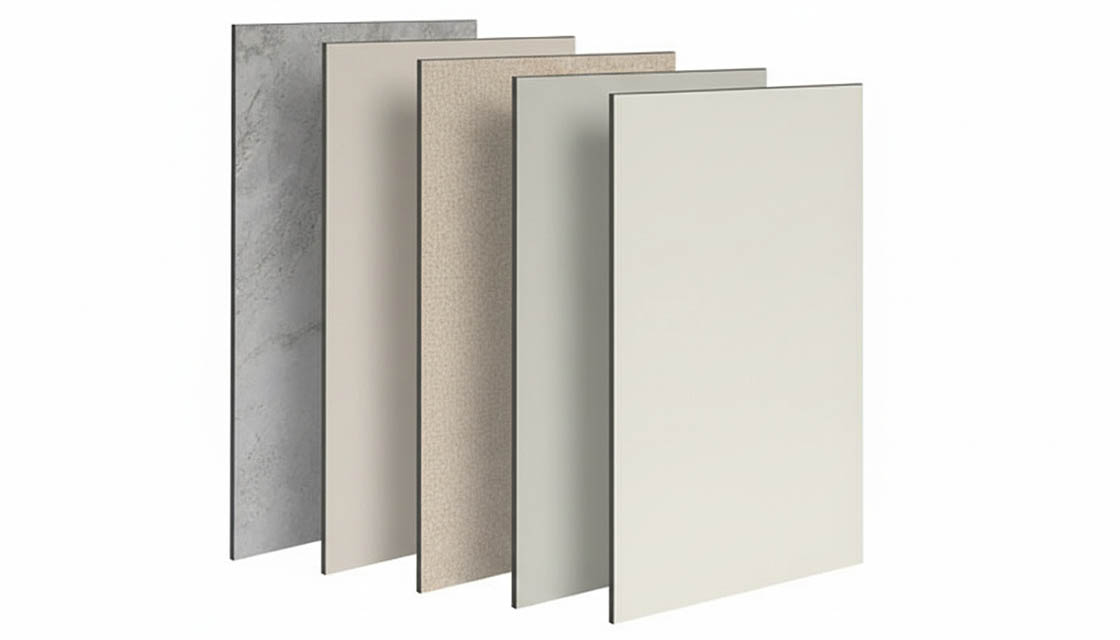
FRP vs GRP: Core Definitions
FRP (Fiber Reinforced Plastic) is the umbrella category for any polymer matrix reinforced with fibrous material. GRP (Glass Reinforced Plastic) is a specific subset where the reinforcement is exclusively glass fiber. Simply put: all GRP is FRP, but not all FRP is GRP.
What is FRP (Fiber Reinforced Plastic)?
FRP stands for Fiber Reinforced Plastic, a broad composite material category defined by its structure: a polymer resin matrix reinforced with fibrous materials. The critical detail procurement teams often miss is that the term “FRP” does not specify which fiber is used. The reinforcement could be glass, carbon, aramid, basalt, or any other structural fiber. When you see “FRP panel” on a specification sheet without further qualification, the supplier has told you almost nothing about the actual material composition.
The polymer matrix, typically polyester, vinylester, epoxy, or phenolic resin, binds the fibers together, transfers loads between them, and protects them from environmental degradation. The fibers provide the primary mechanical strength. This combination yields a material that is stronger and stiffer than the resin alone, yet significantly lighter than traditional metals like steel or aluminum. In industrial and commercial applications, FRP composites have largely replaced metal in environments requiring corrosion resistance, weight reduction, or electrical insulation.
The ambiguity of “FRP” is precisely why experienced engineers demand specification clarity. When we review incoming B2B inquiries at Rax Panel, a request for a generic “FRP panel” triggers immediate clarification: we need to know whether the buyer means standard glass-reinforced panels for a truck body or specialized carbon fiber composites for a high-performance application. The price difference between these interpretations can exceed 400%.
What is GRP (Glass Reinforced Plastic)?
GRP stands for Glass Reinforced Plastic, a composite material where the reinforcing fiber is exclusively glass. This is the most commercially significant and widely produced category within the FRP family. The glass fibers, typically E-glass (electrical grade) for general applications or S-glass (structural grade) for high-performance requirements, provide tensile strength, dimensional stability, and impact resistance.
When manufacturers, engineers, or procurement teams refer to “fiberglass panels,” “fiberglass sheets,” or “FRP panels” in everyday commercial language, they are almost always describing GRP. The term is pervasive in RV manufacturing, refrigerated truck body construction, marine vessel building, and architectural cladding. GRP dominates these markets because glass fiber offers the best strength-to-cost ratio among all reinforcement fibers: it delivers 70-80% of the mechanical performance of carbon fiber at roughly 10-15% of the material cost.
Our production lines at Rax Panel run primarily on GRP sheets and GRP sandwich panels because this material hits the sweet spot for commercial-scale B2B projects: high tensile strength (typically 345-1,725 MPa depending on fiber architecture), excellent corrosion resistance, and a cost profile that works for high-volume applications like truck body panels and RV wall systems.
The Subset Relationship: Why GRP is FRP, But Not Vice Versa
This is the single most misunderstood concept in composite material procurement. The relationship between FRP and GRP is hierarchical, not synonymous. FRP is the parent category; GRP is a child within that category. Every GRP composite is technically an FRP composite, because glass is a fiber. But an FRP composite reinforced with carbon fiber (CFRP) or aramid fiber (AFRP) is absolutely not GRP, because it contains no glass.
To understand the hierarchy, consider the major subsets within the FRP family:
- GRP (Glass Reinforced Plastic): Reinforced with glass fibers (E-glass, S-glass, AR-glass). The most common and cost-effective FRP variant.
- CFRP (Carbon Fiber Reinforced Polymer): Reinforced with carbon fibers. Offers the highest strength-to-weight ratio but at premium cost.
- AFRP (Aramid Fiber Reinforced Polymer): Reinforced with aramid fibers (e.g., Kevlar). Provides exceptional impact resistance and toughness.
- BFRP (Basalt Fiber Reinforced Polymer): Reinforced with basalt fibers. An emerging middle-ground option between glass and carbon.
The practical implication for procurement teams is significant. If your engineering specification states “FRP panel” without naming the fiber type, you have left the door open for supplier interpretation. A supplier could legally fulfill that order with any fiber-reinforced composite.
In international supply chain documentation, we consistently advise our clients to specify the exact fiber type, ”GRP panel with E-glass reinforcement”, rather than relying on the generic FRP label. This eliminates ambiguity, ensures apples-to-apples quoting across multiple suppliers, and prevents costly specification mismatches downstream.
The confusion persists largely because in many markets, GRP is so dominant that the terms have become colloquially interchangeable. When a truck manufacturer in Europe asks for an “FRP panel,” they mean GRP. When an aerospace engineer in North America asks for “FRP,” they might mean CFRP. Context matters, but in formal procurement documentation, context is never a safe substitute for precise material specification.
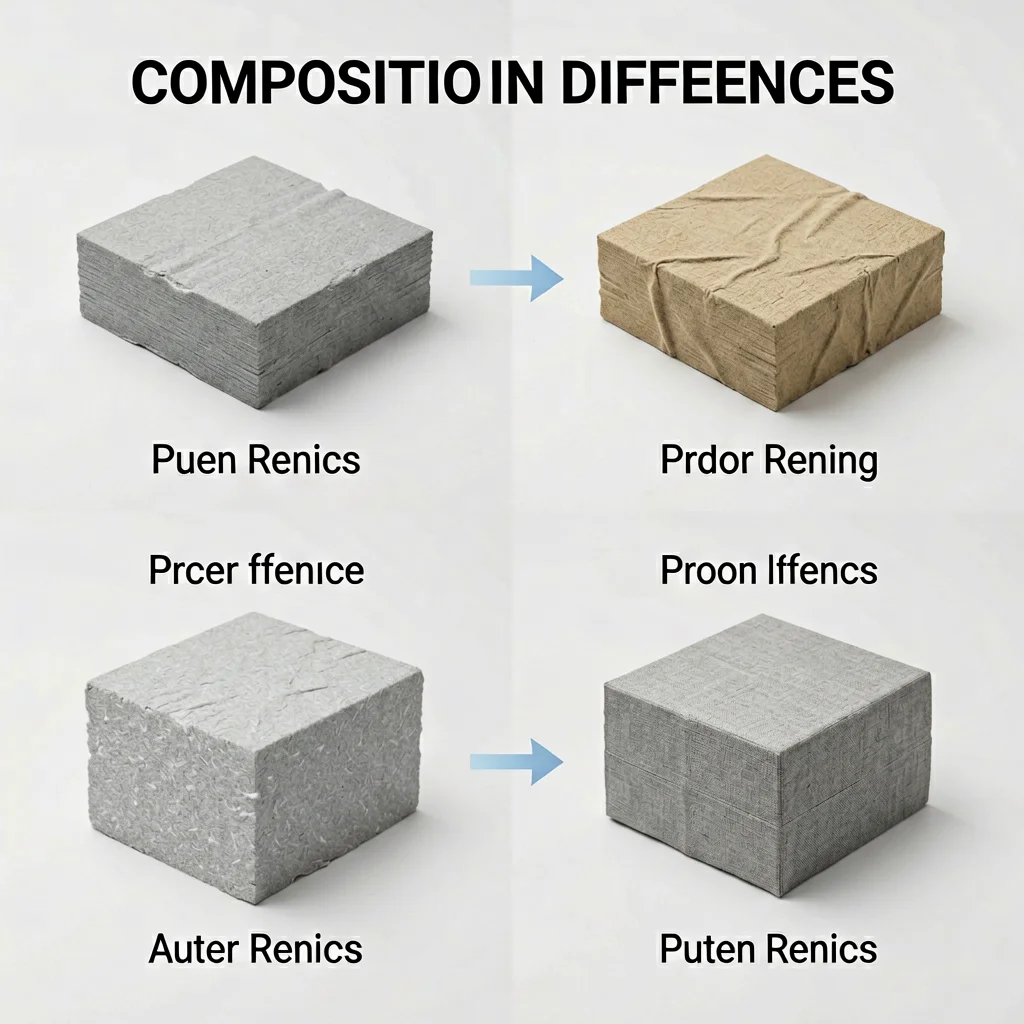
Material Composition Differences
The mechanical and chemical limits of a composite panel are dictated entirely by its fiber architecture and resin matrix. Selecting the right combination prevents over-engineering and premature field failure.
Fiber Architecture in Advanced FRP
Fiber Reinforced Plastic (FRP) is a broad umbrella category. While standard construction often defaults to basic glass, high-performance industrial applications require advanced fibers to handle severe shear loads, extreme temperatures, or aggressive chemical environments. Specifiers must understand the mechanical threshold of each fiber type to avoid paying a premium for unnecessary strength, or worse, under-specifying and risking catastrophic panel failure.
- Carbon Fiber: Delivers the highest stiffness-to-weight ratio and exceptional fatigue resistance. It is heavily utilized in aerospace and high-end automotive applications where torsional rigidity is non-negotiable.
- Aramid (Kevlar 49): Offers unmatched impact resistance and toughness. It is the standard choice for ballistic shielding, high-wear industrial liners, and demanding marine hulls.
- Ultra-High-Molecular-Weight Polyethylene (Spectra 1000): Highly resistant to moisture absorption and chemicals, providing extreme cut resistance at a fraction of the weight of traditional materials.
Our engineering team frequently evaluates these premium reinforcements for specialized transit or aerospace projects. In our experience, switching to a carbon fiber honeycomb core makes financial sense only when the client requires massive weight reductions, whereas a well-designed fiberglass solution handles 90% of standard industrial demands at a fraction of the cost.
Glass Fiber Configurations in GRP
Glass Reinforced Plastic (GRP) is technically a specific subset of FRP, utilizing exclusively glass fibers as the reinforcing medium. Not all glass fibers perform equally, however. The manufacturing process and chemical formulation of the glass dictate the final panel’s tensile modulus and survivability under thermal stress.
- E-Glass (Electrical Grade): The industry workhorse. It provides excellent electrical insulation and sufficient mechanical strength at a highly competitive price point, making it the default choice for standard RV walls, building claddings, and dry freight trucks.
- S-Glass (Structural Grade): Engineered for elevated temperature environments and extreme tensile loads. It costs significantly more than E-Glass but offers up to a 40% increase in structural capacity.
At our production facility, we heavily utilize continuous fiberglass reinforced thermoplastic E-Glass. When composited with a PP honeycomb core, this configuration yields a remarkably resilient, lightweight panel that withstands the continuous vibrations and impacts of long-haul trucking without micro-cracking.
Resin Matrix Selection Criteria
If the fiber provides the muscle, the resin matrix is the connective tissue that distributes the load and protects the fibers from environmental degradation. Procurement teams often struggle with resin selection due to the vast array of chemical formulations available. Choosing incorrectly leads to delamination, UV degradation, or chemical breakdown.
- Polyester: The most cost-effective matrix. Cures quickly and offers adequate structural integrity and weatherability for standard mobile homes and interior panels.
- Vinylester: A necessary upgrade for harsh environments. It provides superior resistance to water absorption, alkalis, and acidic corrosion, making it the baseline requirement for marine vessels and refrigerated truck bodies.
- Epoxy: Offers the highest mechanical strength and peak adhesion to advanced fibers like carbon and aramid. It requires precise curing conditions and is reserved for highly stressed structural components.
- Phenolic: Engineered explicitly for fire safety. It generates extremely low smoke and toxic gas emissions when exposed to extreme heat, complying with stringent public transit and aviation fire codes.
We see buyers routinely over-specify epoxy when a vinylester system would halve their material costs. Through rigorous experimental testing in our lab, we customize these thermosetting matrices to meet your exact fire ratings and operational data standards. For instance, specifying a phenolic resin with an FR4 fiberglass sheet immediately upgrades the panel’s fire resistance for sensitive industrial applications.
| Category | Composition | Terminology & Usage | Properties | Use Cases |
|---|---|---|---|---|
| FRP (Fiber Reinforced Plastic) | Broad composite category using various fiber reinforcements (Glass, Carbon, Aramid) bound with resin matrices like Polyester, Vinylester, or Epoxy | Predominantly used in the US and North American markets; serves as the global technical umbrella term | High strength-to-weight ratio, customizable fire ratings, impact resistance, and corrosion tolerance | Industrial equipment, public transit, building solutions, and harsh environment applications |
| GRP (Glass Reinforced Plastic) | A strict technical subset of FRP; manufactured exclusively using fiberglass reinforcement with thermoset or thermoplastic resins | Widely preferred in European and Asian markets; frequently used interchangeably with FRP causing procurement confusion | Waterproof, thermally insulated, lightweight, with smooth gelcoat finishes available for UV protection | Marine vessel interiors, RV walls and roofing, refrigerated truck bodies |
| Thermoplastic Composites (CFRT) | Continuous fiberglass reinforced thermoplastic sheets combined with advanced core materials | Next-generation global standard for lightweighting; requires specific distinction from traditional thermoset plastics | Exceptionally lighter, thinner, and more resilient than standard FRP, offering high eco-friendly recyclability | Automotive interiors, new energy vehicle components, sports and entertainment goods |
| Resin Matrix Variations | Polyester, Vinylester, Epoxy, Phenolic, and Polyurethane resin systems selecting during the engineering phase | Requires precise specification by procurement teams to balance cost versus performance and avoid supply chain miscommunication | Dictates the final material’s temperature limits, chemical resistance, structural strength, and overall cost profile | Aviation, medical facility panels, heavy-duty commercial vehicle flooring |
| Core Material Selection | Structural sandwich cores including XPS, PET, PU, PVC, PMI Foams, alongside PP, Aramid, and Polycarbonate Honeycombs | Standardized global B2B terminology; specified based on precise structural, weight, and thermal data requirements | Maximizes structural thickness and rigidity while minimizing total weight; provides exceptional acoustic and thermal insulation | Mobile homes, dry freight truck bodies, wind energy nacelles, exterior wall cladding |
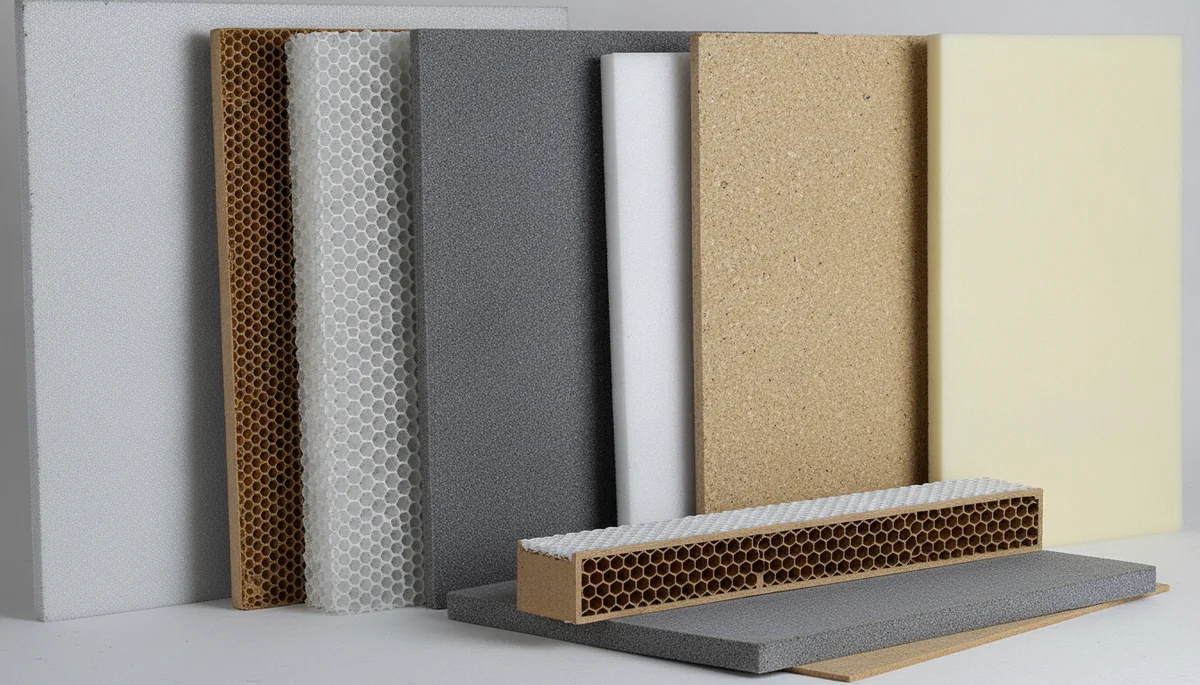
Performance and Strength Comparison
Performance differences between fiberglass composites are driven by resin chemistry, fiber architecture, and core density, not the FRP versus GRP label itself.
Tensile Strength and Load Distribution
The tensile strength of any fiberglass composite panel depends on three variables: fiber type, fiber volume fraction, and the orientation of the reinforcement layup. E-glass roving and mat configurations carry the mechanical load, while the polymer resin matrix, whether polyester, vinylester, or epoxy, transfers stress between fibers and protects them from environmental degradation. This is why two panels labeled “FRP” can have wildly different tensile values depending on whether they were manufactured using chopped strand mat, unidirectional reinforcement, or continuous filament.
A persistent industry misconception is that all fiberglass-reinforced products share identical mechanical properties regardless of how they are built. In reality, performance varies dramatically. A hand-layup panel with 30% glass content will behave nothing like a pultruded profile with 70% unidirectional fiber loading. The manufacturing process itself, whether compression molding, vacuum infusion, pultrusion, or continuous lamination, sets the ceiling on what the material can structurally achieve.
Our engineering team conducts tensile testing during the prototyping phase for every custom sandwich panel configuration. When we build GRP foam core panels for truck body applications, for example, the fiberglass skin must maintain structural integrity under dynamic road vibration while the core (PET, PU, or XPS) manages shear transfer. The skin-to-core bond quality often matters more than the raw tensile number, because delamination, not fiber rupture, is the most common failure mode we see in panels that underperform in the field.
Corrosion Resistance Across Resin Systems
Corrosion resistance in fiberglass composites is almost entirely a function of the resin matrix and any applied surface barriers, such as gel coats or chemical barrier layers. The glass fibers themselves are inert, but if the resin degrades, the structural reinforcement loses its load-transfer capability and the panel fails.
Different resin families offer distinctly different corrosion profiles. Engineers who specify the wrong resin for their service environment risk premature failure, particularly in chemical processing, marine, and water treatment applications where pH exposure is aggressive.
- Isophthalic polyester: Good general-purpose corrosion resistance for moderate environments; cost-effective for RV walls and standard truck bodies.
- Vinylester: Superior chemical resistance, particularly against acids, alkalis, and solvents; the standard choice for marine substructure and chemical storage.
- Epoxy: Highest chemical and thermal resistance, but higher cost and more demanding cure conditions; typically reserved for high-performance applications.
- Phenolic: Excellent fire resistance and low smoke toxicity, often specified for transit and building applications with stringent fire codes.
For marine and refrigerated truck applications where moisture exposure is constant, we apply gel coat surfacing on GRP sheets to create a sealed, waterproof barrier.
The gel coat layer does double duty: it provides a smooth, flat finish for aesthetic purposes, but more importantly, it prevents water ingress into the laminate that could cause osmotic blistering over time. In our experience testing panels for vessel applications, the gel coat quality and application thickness are the single biggest predictors of long-term surface integrity.
Thermal Properties and Insulation Performance
Thermal behavior in composite sandwich panels is governed almost entirely by the core material, not the fiberglass skins. The skins are thin and conductive relative to the core, meaning the panel’s overall thermal conductivity is effectively the core’s conductivity. This is why core selection is a thermal engineering decision, not just a structural one.
- PU (polyurethane) foam: Lowest thermal conductivity among common structural foams, making it the default choice for refrigerated truck bodies where maintaining internal temperature is mission-critical.
- XPS (extruded polystyrene): Good insulation value with lower water absorption; widely used in RV walls and mobile home construction.
- PET foam: Recyclable thermoplastic core with moderate insulation; increasingly specified by European clients prioritizing sustainability.
- PVC foam: Balanced thermal and mechanical performance, often used in marine sandwich construction.
- PP honeycomb: Lower insulation value than foam cores but offers exceptional strength-to-weight ratio; suitable where structural performance outweighs thermal requirements.
The thermoplastic FRP sheets we produce using continuous fiberglass reinforced thermoplastic technology also change the thermal equation. Traditional thermoset FRP has a fixed glass transition temperature, but thermoplastic variants can offer better thermal resilience and are reformable under heat. For mobile home and RV clients operating in extreme temperature gradients, from desert heat to freezing conditions, the combination of PU core with thermoplastic GRP skins provides a thermal envelope that traditional materials cannot match without significant weight penalties.
| Material Type | Tensile Strength | Fire Rating | Corrosion Resistance | Best Application |
|---|---|---|---|---|
| GRP/FRP Polyester Resin Panel | Medium-High (200-300 MPa) | Class B2 / ASTM E84 | Good – General industrial use | RV walls, truck bodies, standard cladding |
| GRP/FRP Vinylester Resin Panel | High (250-350 MPa) | Class B1 / ASTM E84 | Excellent – Chemical and marine environments | Marine vessels, chemical transport, refrigerated trucks |
| CFRT Sandwich Panel | Very High (400+ MPa) | Customizable per requirement | Excellent – Multi-environment capable | Aerospace, high-performance transit, new energy vehicles |
| Honeycomb Core Panel (PP) | High stiffness-to-weight ratio | Configurable with fire-retardant additives | Excellent – Waterproof and moisture-proof | Lightweight flooring, mobile homes, furniture panels |
| Aluminum Honeycomb Panel | High (structural grade) | Class A1 Non-combustible | Very Good – Oxidation resistant | Building facades, exterior wall cladding, public transit |
| PMI Foam Core Panel | Ultra-High shear strength | Low smoke and toxicity compliant | Excellent – Closed-cell structure | Aviation, medical equipment, premium sports goods |
| PET Foam Core Panel | High impact absorption | Class B1 achievable | Excellent – Recyclable and eco-friendly | Sustainable construction, RV roofing, industrial equipment |
| Stainless Steel Sandwich Panel | Very High (500+ MPa) | Class A1 Non-combustible | Superior – Food-grade and medical-grade | Food transport, medical facilities, hygienic environments |
| Rockwool Sandwich Panel | Medium structural integrity | Class A1 Fire-resistant up to 1000°C | Good – Inorganic and moisture resistant | Building fire walls, industrial insulation, exterior cladding |
| PUR/PIR Foam Core Panel | Medium-High with thermal efficiency | PIR Class B1/B2 – Improved fire resistance | Excellent – Closed-cell waterproof | Refrigerated trucks, cold storage, thermal insulation systems |
Cost Differences Between FRP and GRP
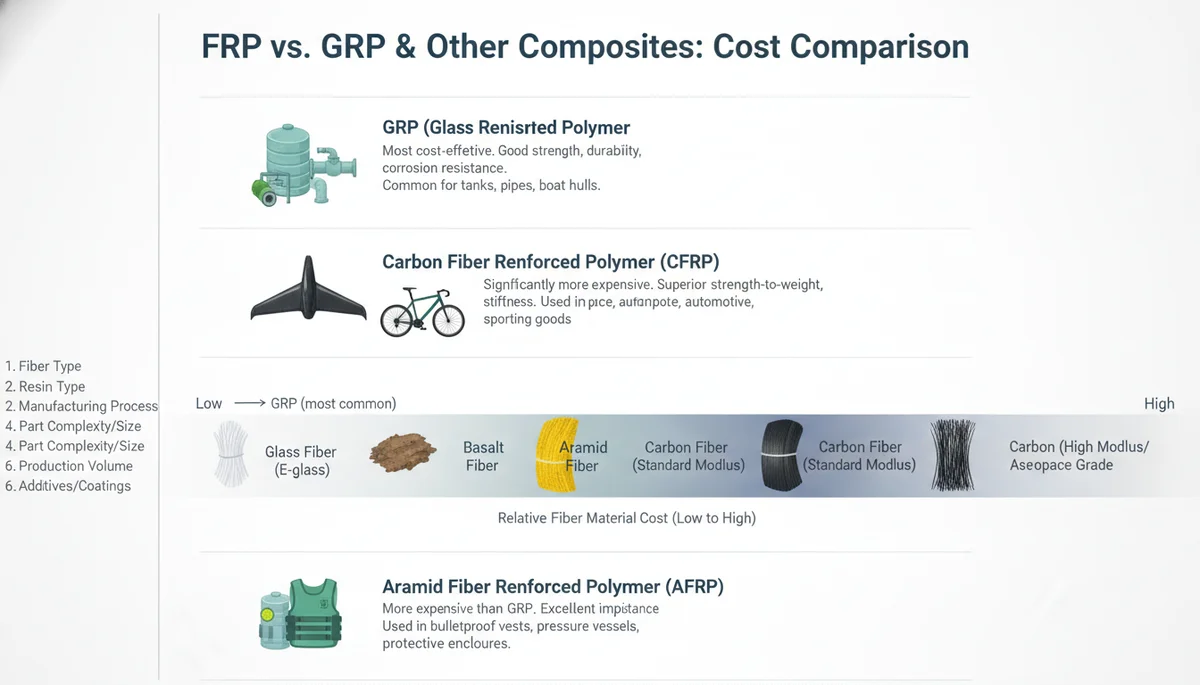
The actual cost differences between FRP and GRP depend strictly on the specific resin and reinforcement materials chosen, rather than the acronym itself.
Raw Material Pricing Drivers
When you budget for your FRP or GRP panels, look directly at the exact resin matrix and reinforcement. Because GRP strictly utilizes glass fiber, its material costs generally run lower than broader FRP composites specified with carbon fiber or aramid. Glass fiber rovings and mats remain highly available globally, making them the most cost-effective reinforcement option for large-scale commercial applications.
Resin selection directly dictates your material bill. Polyester resins remain the most economical matrix for standard B2B projects. When you upgrade to vinylester or epoxy resins to achieve higher corrosion resistance or structural demands for refrigerated truck bodies or marine vessels, the price per kilogram jumps significantly. Procurement teams often balance this cost-versus-performance anxiety by specifying a hybrid approach, utilizing premium resins only in highly exposed surface layers.
- E-Glass Fiber: The cheapest and most widely used reinforcement in standard GRP panels.
- Carbon/Aramid Fiber: Premium pricing; specified only when stiffness-to-weight ratios justify the expense.
- Polyester Resin: The structural baseline, offering the lowest upfront cost for wall cladding and basic mobile homes.
- Vinylester/Epoxy: High-tier pricing, required for chemical tankers or severe environmental exposure.
Manufacturing Cost Factors
Raw materials only tell half the story. The chosen manufacturing method dictates a massive portion of your final panel price. Labor-intensive hand-layup processes drive up costs due to slow cycle times, high material waste, and inconsistent thickness tolerance. High-volume B2B buyers should target manufacturers utilizing automated continuous composite lines to keep unit economics predictable and stable.
In our production facility, we operate an advanced continuous panel line capable of outputting over 1,700 square meters daily. This high-throughput automation drastically reduces per-square-meter overhead and labor allocation. When sourcing GRP foam or honeycomb sandwich panels, ask your supplier if they use continuous lamination or batch pressing. Continuous lines require tighter process control but eliminate secondary finishing steps, lowering your total landed cost.
Market Price Ranges and Customization Impact
Forecasting a project budget requires structural context. You cannot simply request a standard “FRP price.” Market rates fluctuate based on the core material type, total panel thickness, and specialized surface finishes like gelcoats. An entry-level GRP sheet with a standard XPS foam core represents the baseline pricing tier, delivering reliable thermal insulation and structural integrity for dry freight trucks without exhausting your budget.
Conversely, specifying a heavy-duty PP honeycomb core with a fire-retardant phenolic resin matrix and a custom-matched gelcoat finish pushes the panel into a premium pricing bracket. Our engineering team consistently helps distributors and OEM manufacturers avoid the costly trap of over-specifying materials. By running rigorous experimental testing on your specific application data, we engineer the most economical combination of skins and core materials, ensuring you never pay a premium for performance metrics your project does not actually require.
| Cost Driver | FRP (General Term) | GRP (Glass Fiber Subset) | Cost Difference | Procurement Advice |
|---|---|---|---|---|
| Material Definition & Scope | Broad category including carbon & aramid fibers | Strictly uses cost-effective glass fibers | FRP costs spike significantly if carbon or aramid is specified | Specify GRP clearly to suppliers to avoid unnecessary premium fiber upcharges |
| Resin Matrix Selection | Variable resins (Polyester, Vinylester, Epoxy) | Typically uses economical Polyester or Vinylester | Upgrading to Epoxy or Phenolic resins increases material costs | Avoid over-specifying resin; choose Polyester when standard water resistance suffices |
| Regional Sourcing & Standards | Predominantly sourced in North America | Standard terminology in European and Asian markets | Cross-regional quoting confusion can lead to hidden specification markups | Align international terminology with suppliers like Rax Panel to ensure accurate B2B pricing |
| Core Material Integration | Combined with various lightweight cores | Paired with XPS, PET, PU, or Honeycomb cores | Premium cores like PMI foam cost substantially more than standard XPS | Optimize panel costs by selecting standard XPS/PET cores over premium variants |
| Manufacturing Scale & Testing | Standard off-the-shelf industrial profiles | Custom engineered for RV, marine, and truck bodies | Custom fire ratings and experimental testing add to upfront R&D costs | Leverage high-volume daily production capacities (1,700+ sqm) to lower unit costs |

Regional Terminology Confusion Explained
The FRP/GRP naming divide is geographic, not technical. US buyers default to FRP, while European and Asian markets overwhelmingly prefer GRP, despite referring to the same fiberglass-reinforced material.
US vs European Naming Conventions
In the United States, “FRP” is the default term used across engineering specifications, procurement documents, and ASTM standards. American trade associations and building codes historically favor “Fiber Reinforced Polymer” or “Fiber Reinforced Plastic.” If you are sourcing from a US-based distributor or referencing American engineering documentation, expect FRP to appear almost exclusively.
In Europe, the situation flips entirely. The UK, Germany, and the Nordics overwhelmingly use “GRP” (Glass Reinforced Plastic). European ISO standards and construction codes frequently reference GRP by name, particularly in marine and infrastructure documentation. This is not a different material. It is a different dialect. A German engineer specifying GRP honeycomb panels and an American contractor ordering FRP honeycomb panels are likely sourcing the exact same product.
Asian markets split depending on export alignment. Japanese and Korean manufacturers tend to follow European GRP conventions due to historical technology transfer pathways. Southeast Asian suppliers often mirror American FRP terminology, especially when their primary export markets are North American. Chinese manufacturers, ourselves included, typically accommodate both terms depending on the client’s region.
Industry-Specific Usage Patterns
The confusion deepens because specific industries have entrenched preferences that cut across geographic lines. Marine is the most consistent: boatbuilders globally, including in the United States, default to GRP when discussing hulls and structural components. This is one of the few cases where American engineers regularly use the European term without hesitation.
- Construction & Architecture: US building codes and architectural specs almost universally cite FRP panels. European equivalents reference GRP.
- Marine & Vessel: GRP dominates globally, even among American shipyards. This is the one industry where the European term has won worldwide.
- Trucking & RV Manufacturing: FRP is the standard term in the US recreational vehicle and refrigerated truck industry. European manufacturers use GRP for identical applications.
- Aerospace: Neither term is preferred. Aerospace engineers specify by exact fiber and resin system, such as carbon fiber/epoxy or aramid/phenolic, rather than using the generic FRP/GRP umbrella.
The practical consequence: a procurement officer in the US trucking industry asking a European supplier for “FRP panels” may receive clarification questions, or worse, a quote for a different product grade than intended. The acronym mismatch creates friction in cross-border supply chains every day.
Supplier Communication Tips for Procurement Teams
The acronym itself is meaningless without context. We see procurement teams lose weeks on clarification rounds because they specified “FRP panels” to a European supplier without defining the fiber type, resin system, or performance requirements. The term alone does not communicate engineering intent.
To eliminate ambiguity in international sourcing, technical specifications should always lead with material facts, not acronyms. State the exact fiber reinforcement (E-glass, S-glass, carbon, aramid), the resin matrix (polyester, vinylester, epoxy), and the required performance standard. If your internal documentation uses FRP but your supplier’s region uses GRP, include both terms in the RFQ to prevent translation gaps.
- Define the fiber explicitly: Write “E-glass fiber reinforced polyester panel” rather than relying on FRP or GRP alone.
- Include regional synonyms in RFQs: Use “FRP (also known as GRP)” or “GRP (also known as FRP)” when communicating with cross-border suppliers.
- Reference standards, not acronyms: Cite ISO 12215 (marine), EN 13121 (GRP tanks), or ASTM D3841 (FRP) to anchor expectations.
- Confirm the reinforcement type: If the application requires carbon or aramid fiber, never use GRP. Specify the exact fiber instead. GRP strictly means glass reinforcement.
Our international sales team handles this terminology gap daily across our 50-plus export markets. When a European client requests a GRP quotation and a US client requests FRP for the same application, refrigerated truck bodies for example, we recognize immediately that both are asking for fiberglass-reinforced panels with specific core materials. The critical step is confirming the exact resin system, core density, and fire rating requirement, because those variables determine performance far more than which acronym appears on the purchase order.
Common Applications for Each
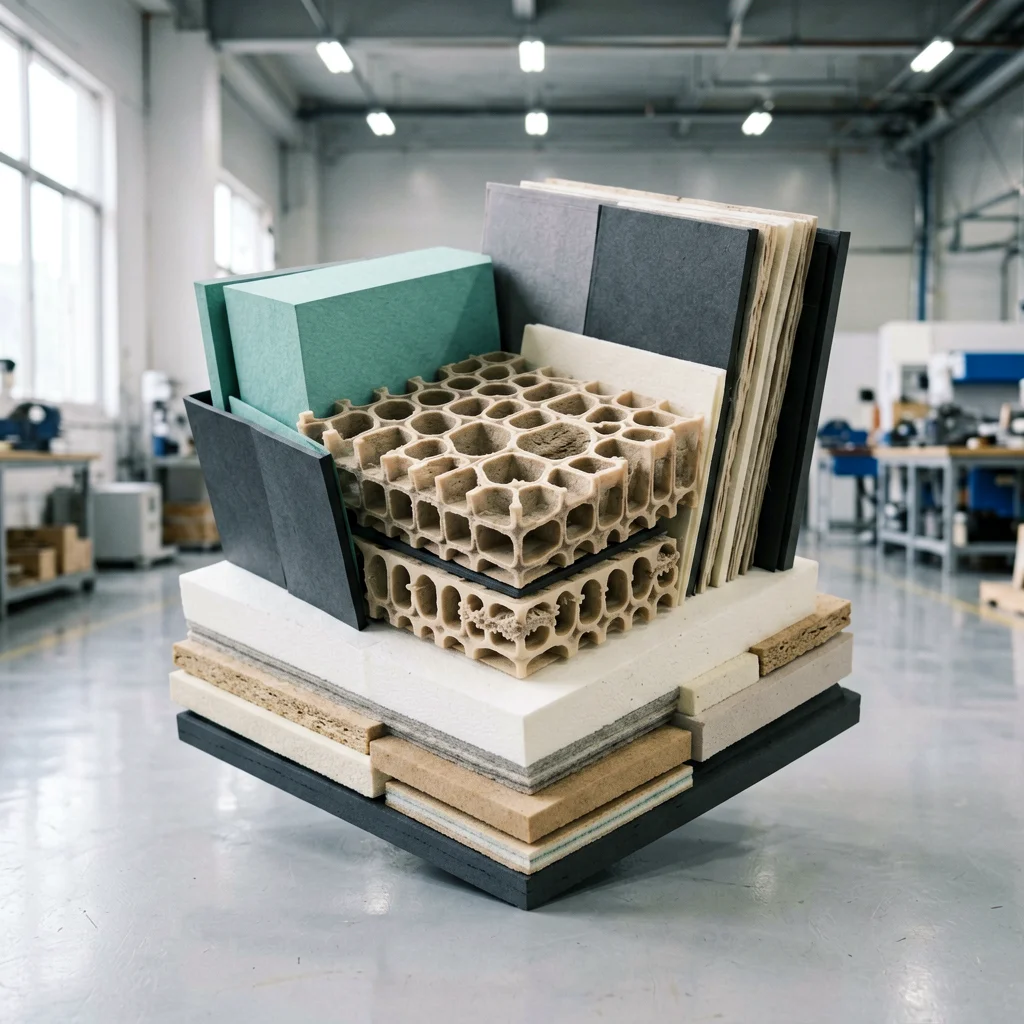
GRP dominates cost-sensitive structural applications like marine and commercial vehicle bodies, while broader FRP variants, particularly carbon fiber composites, are capturing high-performance sectors where weight-to-strength ratios drive engineering decisions.
GRP-Specific Use Cases
Glass Reinforced Plastic occupies the workhorse position in commercial composite manufacturing. Its application footprint centers on industries where moisture resistance, moderate structural loads, and cost efficiency intersect. The material’s transparency to radio frequencies also makes it the default choice for radar-transparent enclosures and antenna housings.
In commercial transportation, GRP sandwich panels have largely replaced traditional wood-and-aluminum constructions for refrigerated truck bodies and dry freight boxes. The thermal insulation performance of GRP skinned panels bonded to PU or XPS foam cores directly reduces refrigeration energy consumption, a metric that fleet operators track closely given rising fuel costs. Our CKD (Completely Knocked Down) refrigerated truck solutions ship globally with GRP panels pre-cut to exact body dimensions, allowing regional assembly without specialized composite fabrication equipment.
- Marine: Hull construction, bulkheads, and decking for vessels up to 50 meters. GRP plywood panels serve as stringer reinforcements and transom structures.
- RV and Mobile Homes: Wall panels, roofing systems, and flooring substrates where gel-coated GRP sheets provide UV resistance and weatherproofing over 15+ year service lives.
- Cold Chain Logistics: Refrigerated truck bodies and insulated containers using GRP facings with PU or PIR foam cores to maintain thermal integrity during long-haul transport.
- Building and Infrastructure: Exterior wall cladding panels, hollow plastic formwork for concrete pours, and HPL compact laminate systems for high-traffic architectural surfaces.
Broader FRP Applications
When specifications extend beyond glass fiber to include carbon fiber, aramid, or specialized reinforcement architectures, the application profile shifts toward performance-critical environments. Carbon fiber honeycomb panels, for instance, appear in aerospace interiors, high-speed rail components, and competitive sporting goods where every gram of weight carries a quantifiable cost penalty.
CFRT (Continuous Fiber Reinforced Thermoplastic) sheets represent one of the fastest-growing subcategories within the broader FRP family. Unlike traditional thermoset GRP, these thermoplastic-based composites can be thermoformed, welded, and recycled, properties that align with tightening environmental regulations in the European Union and North America. Our production line now dedicates a growing percentage of daily output to CFRT sheets and thermoplastic UD tapes for automotive and new energy applications, reflecting a clear sourcing shift among Tier 1 manufacturers.
- New Energy: Wind turbine nacelle covers, battery enclosures for electric vehicles, and solar panel mounting structures using FR4 sheets for electrical insulation.
- Aerospace and Defense: Carbon fiber and aramid honeycomb panels for interior cabin structures, radomes, and equipment housings requiring high stiffness-to-weight ratios.
- Industrial Equipment: Corrosion-resistant tanks, chemical processing ducts, and machine housings where vinylester or epoxy resin systems provide extended service life in aggressive environments.
- Public Transit: Lightweight interior panels and structural components for buses, trams, and metro cars using PP honeycomb cores with GRP facings.
Industry Selection Trends in 2026
Procurement data across our 50+ country supply network reveals several converging trends. First, thermoplastic FRP variants are gaining ground on thermoset GRP in sectors with sustainability mandates. The recyclability of thermoplastic matrices, once a secondary concern, is now a line-item requirement in European automotive and public transit RFQs. Buyers who previously specified only “fiberglass panels” are increasingly splitting their orders between conventional GRP and CFRT variants based on end-of-life disposal requirements.
Second, core material selection is becoming more application-specific rather than price-driven. PET foam cores, manufactured from recycled content, are displacing PU and PVC foams in RV and mobile home applications where European buyers value documented environmental credentials. For marine and high-load structural applications, PMI foam and balsa wood remain the specified choice despite higher cost, because their shear performance under dynamic loading simply cannot be matched by lower-density alternatives.
Third, we are seeing a clear movement toward pre-assembled sandwich panel systems rather than raw sheet stock. Distributors and OEMs increasingly prefer panels that arrive with facings, cores, edge treatments, and even mounting hardware pre-configured.
This shift reduces on-site labor and quality variability, which is particularly important for truck body and mobile home manufacturers operating in regions with limited composite fabrication expertise. Our engineering team now handles a significant portion of inquiries as full solution designs rather than material-only orders, a service model that we expect to expand further through 2026 and beyond.

How to Choose Between FRP and GRP
Procurement failures in composite sourcing rarely come from bad materials. They come from vague specifications. A rigorous checklist, targeted supplier interrogation, and standardized verification protocols eliminate 90% of costly specification mismatches.
Specification Checklist: What Procurement Teams Must Define
When sourcing FRP or GRP panels, the single most expensive mistake is assuming the supplier understands your application. They do not. You must translate operational requirements into material parameters before issuing a purchase order. The following checklist represents the minimum data set our engineering team requires before we begin any custom composite project. It eliminates ambiguity and forces both parties to align on technical reality.
- Resin System: Specify the exact resin family, choosing from isophthalic polyester, orthophthalic polyester, vinylester, epoxy, phenolic, or modified acrylic. Each carries different corrosion resistance profiles and cost implications. Do not write “corrosion-resistant resin”. That is meaningless.
- Reinforcement Type: State whether E-glass, S-glass, aramid, or carbon fiber is required. For standard GRP panels, E-glass is the default. If your project demands higher tensile performance, S-glass or hybrid reinforcement must be explicitly called out.
- Fire Performance Rating: Reference the exact standard and classification, e.g., EN 13501-1 Class B-s2,d0, BS 476 Part 7 Class 1, or ASTM E84 Class A. Do not accept generic claims of “fire retardant” without test certification.
- Glass-to-Resin Ratio: Specify target fiber content by weight. Structural panels typically require 30-40% glass content for hand lay-up or 50-70% for pultrusion processes.
- Core Material and Density: For sandwich panels, define core type (PET, PU, PVC, XPS, PP honeycomb) with specific kg/m³ density. A PET core at 80 kg/m³ performs fundamentally differently from one at 150 kg/m³.
- Environmental Exposure: State operating temperature range, UV exposure level, chemical contact type, and humidity conditions. This directly dictates gelcoat selection and resin chemistry.
- Dimensional Tolerances: Specify acceptable deviation for thickness (typically ±0.2mm), width, length, and flatness. Structural applications demand tighter tolerances than aesthetic cladding.
- Surface Finish: Define whether gelcoat is required, color code (RAL reference), UV stabilizer grade, and whether the surface needs anti-slip texture for applications like truck flooring or marine decks.
In our experience handling international B2B projects, resin system ambiguity accounts for roughly 60% of post-delivery disputes. A buyer in Germany may specify “GRP with good chemical resistance” expecting vinylester chemistry, while a supplier quotes standard orthophthalic polyester at a lower cost, technically fulfilling the order but failing in service. Locking down resin chemistry before quotation prevents this.
Supplier Questions That Separate Professionals from Traders
The questions you ask a supplier reveal as much about your own expertise as their answers reveal about theirs. Trading companies and brokers typically cannot answer technical questions beyond surface-level talking points. Direct manufacturers with engineering teams, like our facility in China, can provide detailed process documentation and material traceability. Use these questions as a filtering tool during supplier evaluation.
- “What resin system do you recommend for my application, and why?” A competent supplier will ask follow-up questions about your operating environment before recommending chemistry. If they immediately quote a price without understanding your application, walk away.
- “Can you provide material test certificates for the last three production batches?” Request actual ISO 9001 records, Barcol hardness test results, and glass content burn-off data. Verbal assurances are worthless.
- “What manufacturing process will you use?” Hand lay-up, RTM (Resin Transfer Molding), pultrusion, and continuous panel production each produce different mechanical properties and cost structures. Know what you are paying for.
- “What is your daily production capacity, and can you scale?” This matters for ongoing supply contracts. Our advanced production line exceeds 1,700 square meters daily, but smaller workshops may struggle with orders above 500 square meters without lead time extensions.
- “Do you offer prototype or sample production before full orders?” Reputable manufacturers provide samples for testing. If a supplier refuses sample production, they are likely a trading company without factory access.
- “What fire ratings have your panels been tested to, and can you share the test reports?” Fire performance claims must be backed by accredited laboratory reports (e.g., TUV, SGS, Intertek). Self-declared fire ratings without third-party testing carry zero regulatory weight.
- “How do you handle quality non-conformance?” Ask about their rejection rate, rework procedures, and warranty policy. A supplier who claims zero defects is either lying or not measuring.
One critical issue: terminology clarity. Because US-based buyers often write “FRP” while European and Asian suppliers may default to “GRP,” we always confirm the exact fiber reinforcement expected, whether glass, carbon, or aramid, before processing any international order. Procurement teams should explicitly state “glass fiber reinforced polymer” rather than relying on abbreviations that carry regional bias.
Quality Verification Methods: Proving What Was Promised
Delivery inspection is not optional. It is your last line of defense before materials enter your production line or supply chain. The following verification protocols are standard practice in aerospace and marine composite procurement, and they translate directly to industrial and transportation applications. Every method listed here can be performed by a competent QA team with minimal equipment investment.
- Visual Inspection: Check for surface blisters, resin-starved areas, fiber waviness, dry spots, and gelcoat defects. Acceptable tolerance is typically zero visible defects on Class A surfaces.
- Barcol Hardness Test (ASTM D2583): Measures cure degree of the resin matrix. Properly cured polyester GRP should register 40-55 on the Barcol impressor scale. Low readings indicate undercure, which compromises long-term mechanical performance.
- Ignition Loss Test (ASTM D2584): Burns off resin to measure actual glass content by weight. This verifies the supplier met the specified fiber-to-resin ratio, a critical factor in structural performance and cost justification.
- Tensile and Flexural Testing (ASTM D638 / D790): Cut coupon samples from delivered panels and test against the quoted mechanical property data sheet. Variance greater than 10% from specification warrants rejection.
- Dimensional Verification: Measure panel thickness at minimum five locations using calibrated calipers. Check flatness against a straight edge across the full panel surface. Document any deviation beyond stated tolerances.
- Fire Certificate Cross-Check: Verify that fire rating test reports reference the correct product code, thickness, and resin system. Mismatched documentation is a common red flag indicating generic certificates applied to non-validated products.
Our engineering team conducts experimental testing on every new composite formulation before it enters serial production, and we provide full data documentation with each shipment. However, we actively encourage clients to perform independent verification, particularly for critical applications in refrigerated transport, marine vessels, or building cladding where panel failure carries significant liability. Trust, but verify. The cost of a Barcol hardness test kit is negligible compared to a field failure traceable to undercured panels.
Conclusion
GRP handles roughly 80% of what most buyers actually need. Marine decks, truck bodies, and RV wall panels: standard glass-reinforced construction with the right resin system gets the job done at a fraction of carbon-fiber FRP pricing. Carbon and aramid fibers only earn their premium in aerospace-grade or extreme-load applications where every gram saved translates to fuel money. Most procurement teams overspecify. Don’t.
Our engineering team at Rax Panel sees this naming confusion weekly across 50+ countries: a European buyer says GRP, an American says FRP, and both want the same fiberglass panel. With 15 years of testing data and over 1,700 square meters of daily output, we cut through that noise. Send us your fire-rating specs, operating environment, and target cost per square meter. We’ll match you to the exact fiber-resin combination your project demands, with no overengineering and no guessing.
Frequently Asked Questions
What core materials pair with GRP facings?
offers a wide selection of core materials to pair with GRP facings, including XPS, PET, PU, PVC, and PMI foams, alongside PP or fiberglass honeycombs. This flexibility allows us to engineer customized sandwich panels tailored to your specific strength, weight, and thermal insulation requirements. Our engineering team conducts rigorous testing to ensure these composite combinations perform flawlessly under demanding conditions.
What is the standard production lead time?
Standard manufacturing lead times at typically range from 15 to 25 days, depending on the specific panel configurations and order volume. Our facility operates an advanced production line capable of a daily output exceeding 1,700 square meters, ensuring scalable and timely delivery. Our international sales team provides continuous updates throughout the production process.
How are composite panels packaged for export?
utilizes heavy-duty export packaging, typically using fumigation-free wooden crates or pallets, to ensure safe international ocean freight shipping. This strict packaging prevents moisture intrusion and physical damage during long-distance transportation. We also offer customized packaging solutions based on specific project or distributor requirements.
Can you manufacture fire-rated composite panels?
Yes, can customize FRP and GRP sandwich panels to meet specific fire rating standards required by your industry or region. Our engineering team conducts rigorous experimental testing to ensure the materials comply with stringent safety and data regulations. We carefully adjust the resin matrices and core materials to achieve the necessary fire retardancy.
What is your minimum order quantity?
The minimum order quantity at varies depending on the specific composite panel type, facing materials, and core configuration. Because we specialize in customized solutions, we discuss MOQ requirements directly during the initial project consultation. Our massive daily production capacity allows us to comfortably scale orders for both specialized and bulk B2B needs.