
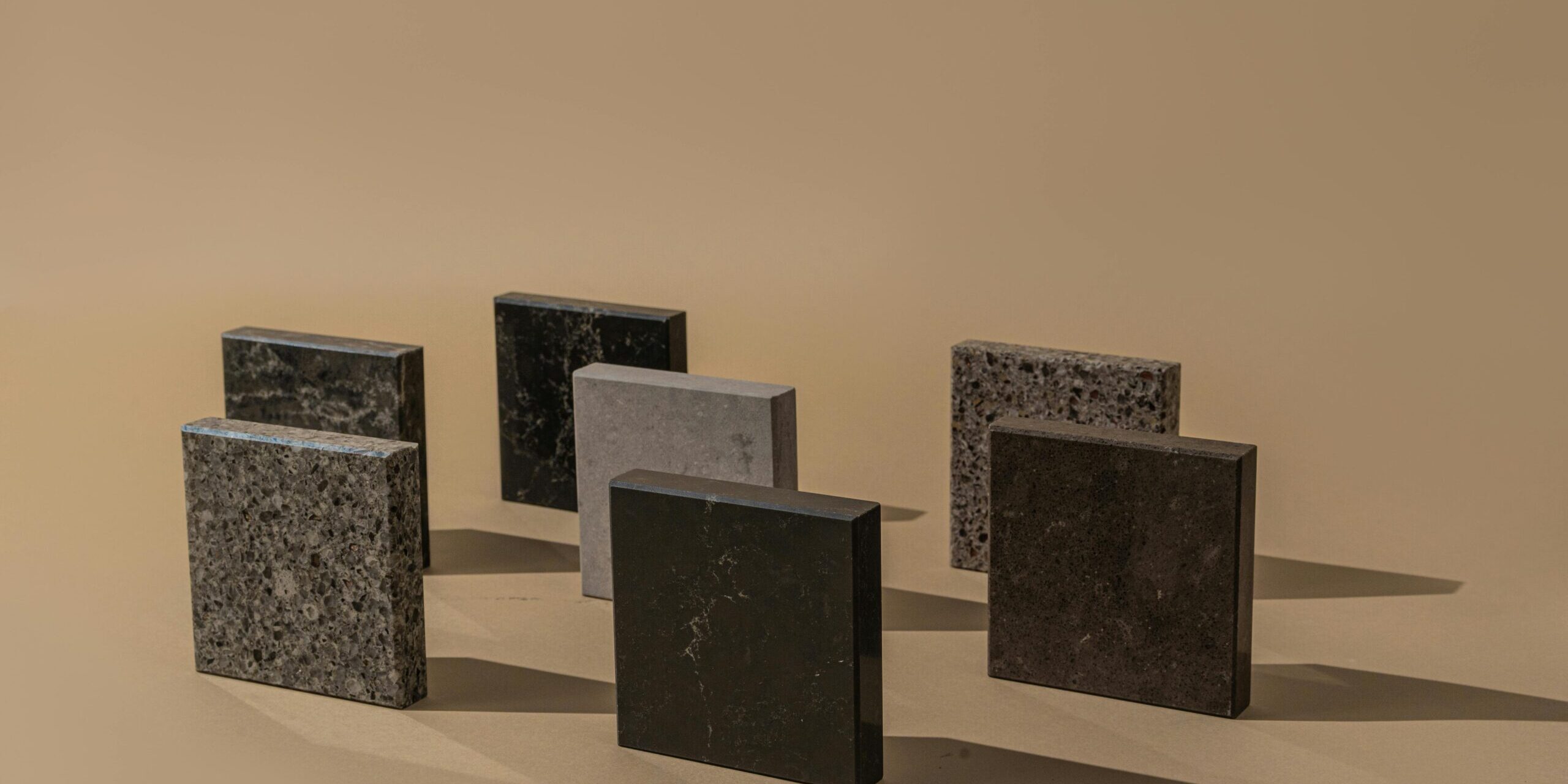
Modern wind turbine blades now exceed 100 meters. EV battery housings demand lighter structures every model year. In both cases, engineers face the same material selection problem, one where specification errors surface as production scrap, field failures, or margin erosion. A proper structural foam core comparison isn’t academic.
PMI (Polymethacrylimide) delivers higher shear strength, greater compressive strength, and a modulus of elasticity that PVC and PET cannot match. It stays dimensionally stable at processing temperatures where PET shrinks and PVC deforms. That matters when you’re running autoclave cycles above 130°C.
But PMI carries a price tag 3-5x higher than PVC. That gap forces a hard question: does your application actually need that level of performance, or are you over-specifying and eating margin? This article breaks down mechanical properties across all three foams, maps each material to its optimal use case, and runs the total cost of ownership math.
Resin uptake, scrap rates, and processing efficiency included. You’ll walk away knowing exactly when PMI justifies the premium, when PET is the smarter play, and when PVC gets the job done without apology.
PMI Foam Core vs PET PVC Cores: Overview
PMI foam delivers the highest strength-to-weight ratio and thermal stability among structural cores, making it the default for aerospace and high-end composites. PET and PVC serve as cost-effective workhorses for marine, RV, and general industrial builds.
What is PMI Foam Core?
PMI (Polymethacrylimide) is a rigid, closed-cell structural foam engineered for high-performance composite sandwich panels. It features an extremely fine and uniform cell morphology that delivers consistent mechanical properties in every direction, what engineers call isotropic behavior.
At Rax Panel, we stock PMI foam as a premium core option for customers who cannot compromise on weight savings or thermal resistance. It handles curing temperatures that would cause conventional foams to deform or outgas, making it compatible with prepreg autoclave processing, RTM, and vacuum infusion.
- Density range: Typically 32–300 kg/m³ depending on grade
- Max service temperature: Up to 180°C for certain grades
- Resin uptake: Near-zero absorption due to 100% closed-cell structure
- Primary applications: Aerospace interior panels, wind turbine blade shear webs, EV battery housings, high-performance sporting goods
The trade-off is straightforward: PMI sits at the top of the price spectrum. But when a project demands long-term fatigue resistance and minimal weight, the total cost of ownership often comes out lower because you use less resin, scrap fewer panels, and avoid field failures.
What Are PET and PVC Foam Cores?
PET (Polyethylene Terephthalate) and PVC (Polyvinyl Chloride) foams are the two most widely used structural core materials in the global composite panel market. They occupy the middle ground: strong enough for demanding applications, priced for volume production.
PET foam is a thermoplastic closed-cell core known for its good mechanical properties and environmental recyclability. It processes well at moderate temperatures and has gained significant market share in wind energy and marine construction. Our production line at Rax Panel runs PET-core sandwich panels daily, facings ranging from GRP/FRP to aluminum and CFRT.
PVC foam is a cross-linked or linear closed-cell thermoset core. It has been the industry standard in marine and RV manufacturing for decades due to its toughness, impact resistance, and familiarity among laminators worldwide. It machines cleanly and bonds reliably with standard epoxy, polyester, and vinyl ester resin systems.
- PET density range: 80–250 kg/m³
- PVC density range: 30–400 kg/m³
- PET max processing temp: Approximately 80–100°C before softening
- PVC max processing temp: Approximately 80–120°C depending on formulation
For our international distributors and RV/truck manufacturers, PET and PVC cores offer the best margin-to-performance balance. They are proven materials with predictable supply chains and established processing parameters across global workshops.
Chemical Structure Differences
The performance gap between these three foams comes down to polymer chemistry. Understanding the molecular structure explains why PMI survives autoclave cycles while PET and PVC cannot.
PMI is a polymethacrylimide, a polyimide-based foam formed through a high-temperature cyclization reaction of methacrylic acid and acrylonitrile. This reaction creates rigid imide ring structures along the polymer backbone. These rings are thermally stable and resist chain scission at elevated temperatures, which is why PMI maintains mechanical integrity at 180°C while PET begins to soften around 80°C.
PET is a linear thermoplastic polyester built from ethylene glycol and terephthalic acid repeating units. Its chains are held together by intermolecular forces and crystallinity rather than cross-links. Under heat, these chains mobilize and the material deforms. This thermoplastic nature does give PET a recycling advantage: it can be melted and reprocessed.
PVC foam exists in two variants. Cross-linked PVC uses chemical cross-links between polyvinyl chloride chains, creating a thermoset network that resists creep and provides higher shear strength. Linear PVC lacks these cross-links, making it tougher and more flexible but slightly lower in stiffness. Both variants rely on the carbon-chlorine bond, which provides inherent flame retardancy, a key reason PVC remains popular in building and marine applications where fire ratings matter.
- PMI: Imide ring backbone, thermally stable, highest Tg, near-zero creep
- PET: Linear polyester chains, recyclable thermoplastic, moderate Tg, good toughness
- PVC: Cross-linked or linear chlorinated chains, inherent flame resistance, proven marine durability
When our engineers at Rax Panel consult with buyers on core selection, the chemistry directly informs the recommendation. Aerospace and high-temperature curing projects get PMI. Marine, RV, and general construction projects where fire rating and cost efficiency drive decisions typically land on PVC or PET. The key is matching the polymer’s thermal and mechanical limits to your actual processing conditions and end-use environment, not over-specifying and paying for performance you will never use.
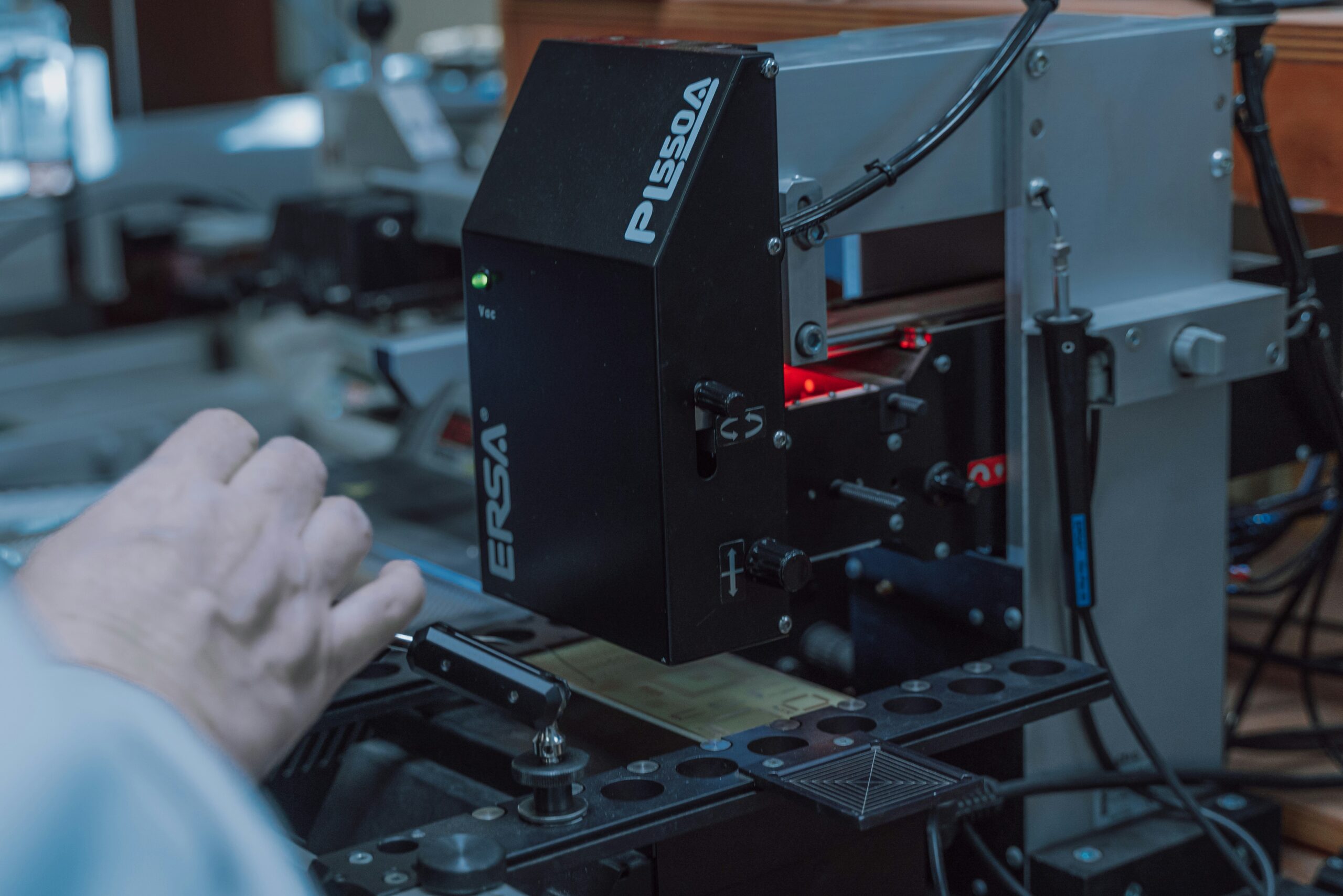
Mechanical Properties and Strength Comparison
PMI foam delivers isotropic mechanical properties that consistently outperform PVC and PET cores in shear, compressive, and tensile benchmarks, critical when engineering for wind turbine blades, EV battery housings, or aerospace structures where directional failure is not an option.
Tensile and Shear Strength
The core issue most engineers face when comparing structural foam cores is anisotropy. Many PVC and PET foams exhibit directional strength variability depending on the axis of the applied load. This complicates stress analysis and forces designers to over-engineer panels as a safety buffer. PMI foam, by contrast, has a uniformly fine closed-cell structure that delivers isotropic mechanical behavior: tensile and shear values remain consistent regardless of load direction.
In our internal testing at Rax Panel, PMI cores demonstrate significantly higher shear strength and modulus of elasticity compared to equivalent-density PVC and PET foams. This is not a marginal difference. When you are specifying core materials for a composite sandwich panel that will see multi-axis loading, such as marine vessel hulls or wind energy blade shear webs, that isotropic consistency directly translates to thinner, lighter panels meeting the same structural requirements.
For procurement teams evaluating total cost of ownership, this higher mechanical performance per unit weight means less core material volume is required to hit target stiffness, which partially offsets PMI’s higher per-kilogram price tag. The resin uptake advantage also matters here: PMI’s closed-cell morphology absorbs minimal resin during infusion or RTM processing, keeping the final cured panel weight within design tolerance.
Compressive Performance
Compressive strength is where the gap between PMI and conventional structural foams becomes most visible. PMI foam maintains structural integrity under compressive loads that would cause permanent deformation in PVC or PET cores. This matters enormously for applications like EV battery enclosures, where the core must resist crushing forces during impact, or for building sandwich panels subject to static loads over decades of service life.
A practical consideration that competitors often gloss over: compressive performance degrades sharply when foam cores are exposed to elevated curing temperatures during manufacturing. PVC and PET foams can begin to soften, shrink, or deform at temperatures above 80–100°C.
PMI foam remains dimensionally stable well beyond 130°C, making it fully compatible with prepreg autoclave cycles and high-temperature resin systems without risk of core collapse mid-cure. Our engineers at Rax Panel routinely recommend PMI for any application specifying hot-cure processing precisely for this reason.
Fatigue Resistance and Durability
Static strength numbers look good on a datasheet but tell you nothing about how a core material performs after 10 million load cycles. This is the critical blind spot in most structural foam core comparisons. Wind turbine blades, rail car panels, and marine structures all face cyclic loading that gradually initiates micro-cracking in the core material. Inferior foams propagate these cracks until panel stiffness drops below acceptable thresholds, sometimes well before the designed service life ends.
PMI foam’s fatigue resistance is one of its most compelling technical advantages. Independent test data and our own long-term customer feedback from wind energy OEMs confirm that PMI cores exhibit significantly slower crack propagation under cyclic shear loading compared to PVC alternatives. Modern wind blades now regularly exceed 100 meters in length, and the structural demands on core materials in these blades are immense. Specifying a foam with proven long-term fatigue performance is not optional. It is an engineering necessity.
Durability also extends beyond fatigue into environmental resistance. PMI foam shows excellent resistance to the chemicals, moisture ingress, and temperature cycling encountered in real-world service. For international distributors sourcing composite panels for harsh-climate infrastructure projects, this durability translates to fewer warranty claims and stronger long-term customer relationships. The higher initial material cost of PMI is consistently justified by its extended service life and reduced lifecycle replacement costs.
| Mechanical Property | PMI Foam (Premium Grade) | PVC / PET Foam (Standard) | Performance Impact |
|---|---|---|---|
| Shear Strength | Superior – Highest among structural foams | Moderate – Adequate for general applications | Enhanced load-bearing capacity for demanding structures |
| Compressive Strength | Excellent – Uniform density distribution | Good – May deform under extreme loads | Prevents core crush during processing and service life |
| Strength-to-Weight Ratio | Industry-leading lightweight performance | Standard lightweight characteristics | Critical for aerospace, EV, and wind energy weight targets |
| Modulus of Elasticity | Higher rigidity and stiffness retention | Lower modulus, more flexible under load | Superior dimensional stability in structural sandwich panels |
| Thermal Stability (Max Service Temp) | Stable above 130°C without deformation | May shrink or degrade at elevated temperatures | Compatible with high-temp curing cycles for prepreg processing |
| Resin Uptake (Closed-Cell Structure) | Minimal absorption – near zero resin uptake | Moderate absorption potential | Lower total weight and reduced resin cost per panel |
| Fatigue Resistance (Long-Term) | Exceptional – Ideal for cyclic loading environments | Standard fatigue performance | Extended service life for wind blades and vehicle structures |
| Machinability & Dust Generation | Fine cell morphology – Significantly less dust | Standard cutting with typical dust output | Improved workplace safety and reduced material waste |
| Cost Position | Higher initial investment – Lower lifecycle cost | Lower upfront cost – Budget-friendly option | Total ownership cost favors PMI for premium applications |
Density and Strength-to-Weight Ratio Analysis
PMI foam delivers the highest specific strength among structural foam cores, but the real cost driver for buyers is resin uptake. Closed-cell PMI absorbs less than 3% resin by weight versus 8-12% for open-cell alternatives.
Density Ranges by Core Material
Structural foam cores span a wide density spectrum, and selecting the wrong density grade directly inflates your panel weight and shipping costs. At Rax Panel, we stock and cut cores across the full range to match exact load requirements, not generic estimates.
- PMI Foam: 52–200 kg/m³. The premium aerospace-grade option. Fine, uniform closed-cell structure gives consistent mechanical properties at every thickness. We use this for wind energy blades and EV battery enclosures where every kilogram matters.
- PET Foam: 80–250 kg/m³. The workhorse for marine and transportation applications. Good balance of cost and compressive strength, with better toughness than PMI during machining.
- PVC Foam: 60–250 kg/m³. Widely available and cost-effective. Lower thermal stability than PMI, meaning it can soften or outgas during high-temperature prepreg curing cycles above 130°C.
- XPS Foam: 30–45 kg/m³. Lightweight insulation core. Suitable for RV walls and roofing where structural loads are minimal but thermal performance is critical.
- PU Foam: 30–150 kg/m³. Good fire resistance and thermal insulation. Common in refrigerated truck bodies where temperature retention drives material selection.
- PP Honeycomb: 35–120 kg/m³ depending on cell size and wall thickness. Exceptionally light when composited with fiberglass sheet, delivering high shear strength at minimal mass.
- Aramid Honeycomb: 29–130 kg/m³. The lightest structural core we offer. Primarily specified for aviation and defense applications demanding extreme weight reduction.
The critical point most procurement teams miss: density alone does not predict panel performance. A 75 kg/m³ PMI core outperforms a 100 kg/m³ PVC core in both shear strength and compressive modulus. You pay for less material that does more work.
Weight Savings Potential
Weight reduction is not a theoretical exercise for our customers. It translates directly to payload capacity, fuel consumption, and regulatory compliance. Our engineering team runs calculations specific to each application before recommending a core-skin combination.
For refrigerated truck bodies, switching from a traditional steel frame with PU foam to a GRP foam core sandwich panel typically reduces wall weight by 40–60%. That weight saving compounds: lighter walls mean a lighter chassis requirement, which means smaller axles, which reduces tire wear. The total cost of ownership drops well beyond the raw material price difference.
For EV battery housings, our PMI foam cores paired with carbon fiber skins achieve a 70% weight reduction compared to aluminum enclosures while maintaining equivalent crush resistance. At 52 kg/m³, PMI adds virtually no mass while providing the structural rigidity needed to pass mechanical abuse testing.
Wind turbine blades exceeding 100 meters in length require shear web cores that maintain stiffness without adding rotational mass. PMI foam at 75 kg/m³ provides the fatigue resistance these structures demand over a 20–25 year service life, where PVC cores would exhibit creep and deformation under constant cyclic loading.
Specific Strength Calculations and Resin Uptake Impact
Specific strength, strength divided by density, is the metric that actually determines whether your panel design works at the weight target. Our engineers calculate this for every custom order because the facing material and resin system shift the final numbers significantly.
- PMI Foam (75 kg/m³): Compressive strength approximately 1.7 MPa. Specific compressive strength ~22.6 kN·m/kg. Near-zero resin uptake (under 3%) due to fully closed cells keeps the cured panel weight predictable.
- PET Foam (100 kg/m³): Compressive strength approximately 1.2 MPa. Specific compressive strength ~12.0 kN·m/kg. Moderate resin absorption during vacuum infusion, which can add 5–8% to final panel weight if not controlled.
- PVC Foam (80 kg/m³): Compressive strength approximately 0.9 MPa. Specific compressive strength ~11.2 kN·m/kg. Higher resin uptake in open or partially open cell structures, particularly at cut edges, which increases scrap rates during production.
Resin uptake is the hidden cost that most foam core comparisons ignore. When a foam core absorbs excess resin during layup or infusion, the weight saving you calculated at the design stage disappears. Our PMI foam cores are engineered with a fine, fully closed-cell morphology that physically resists resin ingress. This is not a marginal benefit. It is the difference between hitting your weight target and explaining a 10% overrun to your customer.
We test resin uptake on every production batch at our facility using standardized infusion parameters. Our engineering team provides buyers with processed weight data, not just dry foam specs, so your structural calculations reflect reality. For distributors quoting downstream manufacturers, this data prevents warranty claims caused by panels heavier than the engineering specification promised.
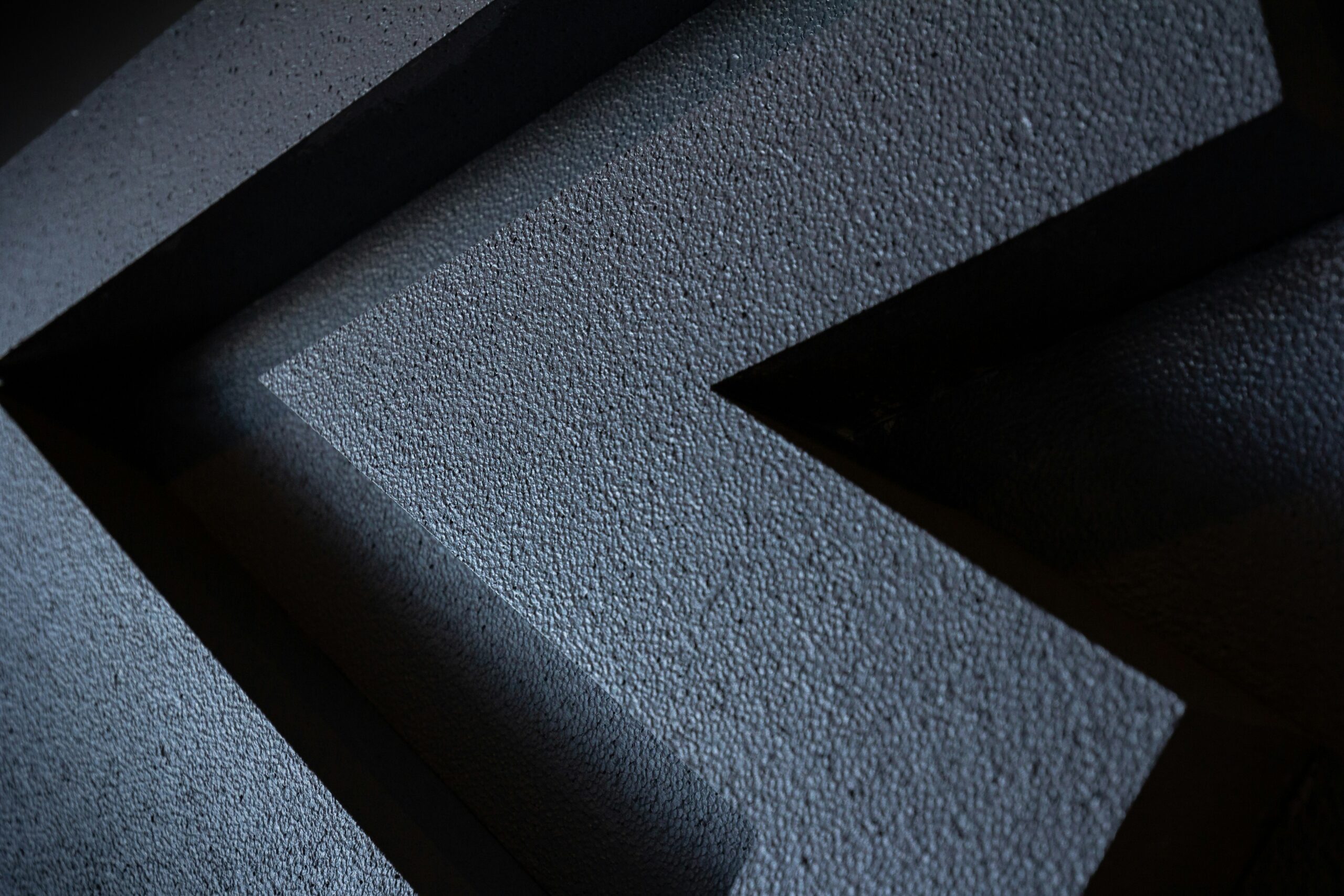
Thermal Performance and Processing Stability
PMI foam maintains structural integrity at curing temperatures exceeding 180°C, while PVC and PET foams begin to deform or shrink above 130°C, making PMI the only viable core for prepreg and high-temperature RTM processing.
Glass Transition Temperatures: Why the Gap Matters
The glass transition temperature (Tg) dictates the maximum processing temperature a foam core can endure before its polymer matrix softens and loses mechanical integrity. This single parameter determines whether your sandwich panel survives the autoclave or comes out warped and delaminated.
PMI foam achieves a Tg of approximately 180°C to 200°C depending on grade. PVC structural foam typically reaches only 80°C to 95°C, while PET foam sits slightly higher at 100°C to 120°C for standard grades.
When engineers specify prepreg curing cycles at 130°C, 150°C, or even 180°C, PVC cores are already in thermal failure. PET may survive a 130°C cycle if ramp rates are tightly controlled, but any hold time at temperature introduces risk of foam cell collapse and thickness variation.
At Rax Panel, we stock PMI foam cores specifically for customers running high-temperature cure processes. Our engineering team has observed that distributors and OEMs who previously used PET foam in wind energy blade laminations experienced consistent warping issues once blade lengths exceeded 80 meters. The larger the part, the longer the thermal exposure, and the more critical Tg becomes. PMI eliminates that variable.
Cure Cycle Compatibility Across Processing Methods
Different composite manufacturing methods impose different thermal and pressure profiles on the core material. A foam that performs well in vacuum bagging at 80°C may fail catastrophically in an autoclave at 7 bar and 180°C. Matching your core material to your cure cycle is not optional. It is a pass/fail decision.
- Prepreg Autoclave (150–180°C, 5–7 bar): PMI foam is the standard core here. Its Tg window provides a safety margin above cure temperature. PVC and PET cannot be used.
- Vacuum Infusion (RTM) (80–130°C): Both PMI and PET foam are compatible. PVC can be used at lower temperatures but risks outgassing if the exotherm from thick laminates spikes above its Tg.
- Wet Layup / Room Temperature Cure (20–60°C): All three core types, PMI, PET, and PVC, perform reliably. Cost-driven applications typically specify PVC or PET at this tier.
- Press Molding / Compression Molding (120–160°C): PMI is strongly recommended. PET requires careful grade selection, and PVC is generally excluded due to creep under pressure at elevated temperatures.
A critical but often overlooked factor is outgassing. When foam cores are heated near or above their Tg, trapped gases and residual blowing agents expand, creating voids in the laminate or delamination between the core and skin. PMI foam’s fully polymerized, closed-cell structure exhibits minimal outgassing even at 180°C.
PVC foam, which retains residual blowing agents from its manufacturing process, is known to outgas at temperatures well below its nominal Tg. For vacuum-bagged structures in aerospace or high-performance marine applications, this outgassing alone can disqualify PVC as a core candidate.
Dimensional Stability During Processing
Dimensional stability refers to the foam core’s ability to retain its shape, thickness, and flatness throughout cutting, layup, curing, and post-cure cooling. Instability at any stage creates scrap, rework, or field failures.
During CNC machining and cutting, PMI foam produces significantly less dust than PVC due to its fine, uniform cell structure. Our technicians at Rax Panel have noted that PMI allows for tighter tolerances (±0.2mm on profile cuts) compared to PVC (±0.5mm typical), because PVC tends to tear or compress at the tool interface rather than shearing cleanly.
For specialized vehicle manufacturers cutting complex core geometries for RV walls or refrigerated truck bodies, this precision translates directly to lower scrap rates and better panel-to-panel fit.
Thermal expansion and contraction during cure and cool-down introduce another dimensional variable. PMI foam’s coefficient of thermal expansion (CTE) is closely matched to typical composite skins like GRP/FRP and CFRT facings. This CTE match means the core and skins expand and contract together during thermal cycling, minimizing residual stress buildup at the bond line.
PET foam also offers reasonable CTE compatibility, but PVC foam has a higher CTE mismatch with fiberglass and carbon fiber skins, which can lead to micro-cracking in the adhesive layer over repeated thermal cycles.
For international building materials distributors and procurement managers evaluating total cost of ownership, dimensional stability directly impacts processing efficiency. Cores that maintain flatness through cure reduce secondary trimming operations. Cores that do not outgas eliminate void-rework hours.
These processing savings frequently offset the higher per-square-meter cost of PMI foam within the first production run, particularly in applications where panel scrap costs exceed $200 per unit. We advise our B2B customers to evaluate foam cores based on finished-panel yield rate, not just raw material price per kilogram.

Cost-Benefit Analysis Across Foam Cores
PVC and PET win on raw price per cubic meter, but PMI’s near-zero resin uptake and thermal stability during curing deliver real savings in processing and total lifecycle cost.
Raw Material Costs Per Cubic Meter
There is no polite way to say it: PMI foam carries a premium price tag. PVC and PET structural foams are significantly cheaper at the raw material level, which is why they dominate cost-sensitive manufacturing in marine, general RV, and commercial construction. Procurement teams naturally gravitate toward PVC when bid margins are tight.
But comparing cost per cubic meter in isolation is a trap. PMI’s mechanical properties at a given density far exceed PVC and PET, meaning engineers can often specify a lower-density PMI core to achieve the same structural performance. That density reduction offsets some of the per-volume price gap. At Rax Panel, our engineers regularly run comparative layup analyses so buyers see the real material cost delta for their specific panel configuration, not just a foam block price.
Processing and Labor Savings
This is where the cost conversation gets nuanced. PMI foam has a relatively brittle structure compared to tougher PET and PVC foams, making it prone to cracking or chipping during CNC machining and cutting operations. Tool selection and feed rates must be carefully controlled to minimize scrap at this stage. PET and PVC are more forgiving in handling and machining, which directly reduces labor complexity and material waste on the shop floor.
However, PMI delivers measurable processing advantages at the lamination stage. Its closed-cell morphology results in near-zero resin uptake during vacuum infusion, RTM, and prepreg processing. Less resin absorbed means lower material cost per finished panel and tighter control over final weight targets. For aerospace and wind energy applications where every kilogram matters, that resin saving compounds across large production runs.
- Resin Consumption: PMI’s closed-cell structure drastically reduces resin absorption compared to more open PVC and PET alternatives.
- Thermal Stability: PMI maintains dimensional integrity at elevated curing temperatures where PVC and PET can shrink or deform, eliminating failed panels from thermal distortion.
- Dust and Safety: PMI produces significantly less fine dust during cutting than PVC, reducing health hazards and ventilation costs in the workshop.
- Machining Caution: PMI requires careful CNC parameters due to its brittleness. Tooling wear and scrap rates are higher than with PET or PVC if settings are not properly dialed in.
Total Lifecycle Cost Comparison
For procurement managers struggling to justify PMI’s upfront premium, the argument hinges on lifecycle performance. In demanding applications like wind turbine blades, EV battery housings, and aerospace structures, panels face sustained mechanical stress, thermal cycling, and fatigue loads over decades of service. PMI’s superior strength-to-weight ratio, higher shear modulus, and long-term fatigue resistance translate to extended service intervals and lower replacement rates compared to PVC or PET cores.
PVC remains the rational choice for applications where upfront cost is the primary driver and service conditions are moderate. Marine hulls, standard truck bodies, and conventional RV panels perform perfectly well with PVC or PET cores at a fraction of the material investment. The mistake is specifying PVC for a high-temperature curing cycle or a structure that must last 20+ years under dynamic loading. That is where the “cheap” foam becomes expensive.
At Rax Panel, we stock PMI, PET, PU, PVC, EPP, and MPP foam cores precisely because no single material wins every scenario. Our engineering team works with buyers to map total cost of ownership, factoring in resin consumption, processing yields, scrap rates, and expected service life, so the core selection is backed by data rather than assumption.
| Foam Core | Relative Cost | Key Benefits | Processing Efficiency | Ideal Applications |
|---|---|---|---|---|
| PMI Foam | Premium (Highest) | Superior strength-to-weight ratio, excellent thermal stability (130°C+), minimal resin uptake, isotropic properties | Low dust generation, compatible with RTM/infusion/prepreg, reduced scrap rates | Aerospace, wind energy blades, EV battery housings, high-performance marine |
| PET Foam | Mid-Range | Good mechanical properties, recyclable, balanced performance, decent temperature resistance | Easy machining, good toughness reduces cracking, moderate dust production | RV walls, truck bodies, general marine, industrial equipment, building panels |
| PVC Foam | Economy to Mid-Range | Cost-effective, good insulation, proven track record, widely available across global supply chains | Standard processing compatibility, higher dust during cutting, higher resin absorption than PMI | Commercial construction, standard marine hulls, mobile homes, cost-sensitive vehicle builds |
| XPS Foam | Economy (Lowest) | Excellent thermal insulation, moisture resistant, lightweight, high compressive strength | Simple fabrication, standard tooling sufficient, widely available from China manufacturers | Building insulation, refrigerated truck bodies, wall cladding, flooring panels |
| PU Foam | Economy to Mid-Range | Superior thermal insulation, good acoustic dampening, versatile density ranges, fire-retardant grades available | Can be poured in-place, easy customization, moderate temperature resistance limits curing options | Refrigerated transport, cold storage panels, mobile homes, acoustic insulation panels |
| EPP Foam | Mid-Range | Excellent energy absorption, recyclable, lightweight, good impact resistance, chemical resistant | Moldable into complex shapes, low scrap rate, consistent density distribution | Automotive crash components, packaging, sports equipment, buoyancy applications |
| MPP Foam | Mid to Premium | High specific stiffness, excellent fatigue resistance, consistent cell structure, good fire performance | Thermoformable, precise cutting capability, compatible with multiple resin systems | Rail transit interiors, aviation floor panels, automotive structural components, wind energy |
Application-Specific Material Selection Guide
Selecting the wrong foam core for a specific application doesn’t just inflate material costs. It compromises curing cycles, adds resin weight, and shortens the product’s operational lifespan.
Aerospace and Aviation Requirements
Aerospace composite structures operate under extreme mechanical and thermal stress, leaving zero margin for material error. Engineers in this sector prioritize PMI (Polymethacrylimide) foam because its closed-cell, fine-morphology structure delivers the highest strength-to-weight ratio available in commercial structural cores. When specifying materials for aircraft interior panels, radomes, or structural fairings, designers must account for outgassing behavior in low-pressure environments. PMI foam exhibits minimal outgassing in vacuum conditions, preventing delamination risks that plague panels cured with lower-grade cores.
High-temperature curing is another critical filter. Aerospace prepreg systems often require curing temperatures exceeding 130°C. At these temperatures, standard PET foam begins to shrink and deform, while PMI maintains its dimensional stability and mechanical integrity.
We supply PMI foam cores specifically engineered to withstand these elevated processing temperatures without cell collapse, ensuring the final sandwich panel meets strict aviation weight tolerances. Additionally, PMI’s low resin uptake is essential here; aerospace applications cannot afford the parasitic weight of resin-saturated cores. Its uniform closed-cell structure minimizes resin consumption during infusion and RTM processing.
For radome and antenna applications, dielectric properties are paramount. Our PMI and specific PP honeycomb cores offer excellent electromagnetic transparency, allowing signal transmission without interference. Rax Panel engineers work directly with aviation clients to test and validate these properties against application-specific data standards before full-scale production begins.
Wind Energy Blade Construction
Modern wind turbine blades now routinely exceed 100 meters in length, particularly in offshore installations. At this scale, the structural core must endure decades of continuous cyclic loading. PMI foam is heavily specified in these applications because it provides superior fatigue resistance and stiffness retention compared to traditional PVC or PET alternatives. The material’s high modulus of elasticity prevents progressive core shear failure under constant aerodynamic stress.
Processing efficiency directly impacts the total cost of ownership for blade manufacturers. During cutting and shaping, PMI produces significantly less dust and fine particles than PVC, which improves workplace safety and reduces tool wear. This machinability advantage translates into lower scrap rates and faster production cycles. For blade root sections and load-intensive areas, we also supply fiberglass honeycomb panels and aramid honeycomb cores that provide localized reinforcement without a disproportionate weight penalty.
Not every section of a blade requires a premium PMI core. Rax Panel’s customization approach allows manufacturers to combine different core materials within a single blade structure. PET or PVC foams can be specified for the tip and trailing edge sections where mechanical demands are lower, while PMI is reserved for the highly stressed root and spar cap regions. This hybrid approach optimizes both performance and material cost.
Marine and Automotive Use Cases
Marine and automotive applications share a common priority: maximizing durability and water resistance while aggressively cutting weight to improve energy efficiency. In marine environments, GRP/FRP sandwich panels with PVC or PET foam cores are widely used for hull structures, bulkheads, and decking. These cores provide inherent waterproof performance and excellent adhesion to fiberglass reinforced sheets. Our gelcoat-surfaced FRP sheets create a final composite that is flat, smooth, and highly resistant to water ingress, critical for long-term structural integrity in saltwater conditions.
Automotive platforms, particularly electric vehicles, are rapidly adopting composite sandwich panels for battery housings and structural body components. Weight reduction directly extends vehicle range, making core selection a financial and functional decision. For high-volume automotive production, PET foam often provides the best balance of mechanical performance, processing speed, and cost.
It cures reliably at moderate temperatures and is available in recyclable grades, aligning with automotive sustainability targets. For premium or high-stress EV applications, PMI foam offers superior compressive strength and thermal stability for battery enclosure protection.
Procurement teams evaluating these options must look beyond the raw price per square meter. A cheaper PVC core may seem attractive initially, but if it requires slower processing cycles, generates higher scrap rates, or needs replacement sooner due to inferior fatigue life, the total cost of ownership quickly surpasses that of a PMI or PET alternative.
Rax Panel supplies all three core types, PMI, PET, and PVC, allowing our engineers to recommend materials based on actual application demands rather than inventory constraints. Our production line, capable of exceeding 1,700 square meters daily, ensures consistent lead times for bulk orders serving manufacturers and distributors across our global supply network.
| Application | Recommended Core | Recommended Skin | Key Performance Requirement | Primary Benefit |
|---|---|---|---|---|
| Recreational Vehicles (RVs) | PET Foam / XPS Foam | GRP/FRP or CFRT | Lightweight walls, roofing, flooring, furniture panels | Weight reduction for fuel efficiency, thermal insulation, waterproof structure |
| Refrigerated Truck Bodies | PU Foam / XPS Foam / PET Foam | GRP/FRP or Aluminum | Thermal insulation, hygiene compliance, structural integrity | Temperature retention, easy cleaning, compliance with food transport standards |
| Wind Turbine Blades | PMI Foam / PET Foam / PVC Foam | Fiberglass / Carbon Fiber | Stiffness, fatigue resistance, low resin uptake | Long-term durability for blades exceeding 100m, reduced resin consumption, lightweight aerospace-grade performance |
| Electric Vehicle Battery Housings | PMI Foam / PP Honeycomb | CFRT / Fiberglass | High strength-to-weight ratio, thermal stability at 130°C+ | Lightweight structural protection, heat resistance during curing, minimal resin absorption |
| Marine Vessels | PVC Foam / PET Foam / Balsa | GRP/FRP with Gelcoat | Waterproof, corrosion resistance, UV stability | Buoyancy, long-term moisture resistance, custom hull design flexibility |
| Mobile Modular Homes | XPS Foam / PU Foam / Rockwool | Aluminum / ACP / Steel | Economical, eco-friendly, fire rating compliance | Cost-effective rapid assembly, energy efficiency, regulatory compliance |
| Aerospace Interiors | PMI Foam / Aramid Honeycomb | Carbon Fiber / CFRT | Ultra-lightweight, low outgassing, high temperature processing | Maximum weight savings, vacuum environment compatibility, superior mechanical properties |
| Industrial Equipment Enclosures | PVC Foam / PP Honeycomb / PU Foam | Stainless Steel / Aluzinc / GRP | Corrosion resistance, temperature retention, structural load capacity | Chemical resistance, hygienic surfaces, reduced total cost of ownership |
| Commercial Building Facades | Rockwool / PUR / PIR Foam | ACP / Aluminum / Compact Laminate HPL | Fire safety ratings, R-value insulation, aesthetic finish | Regulatory compliance, energy savings, architectural design versatility |
| Sports Equipment | PMI Foam / PC Honeycomb / PET Foam | Carbon Fiber / Fiberglass | High strength-to-weight, impact resistance, fatigue life | Enhanced athletic performance through lightweight rigidity, extended product lifespan |
Environmental Impact and Recyclability
PET and PMI foams lead on recyclability, while PVC and PU remain difficult to process at end-of-life. Specifying the right core upfront determines your compliance burden for the next 20 years.
Recyclability of Each Foam Type
Not all foam cores are created equal when it comes to end-of-life processing. This is a conversation we have daily with distributors who need to answer tough questions from regulators and architects. The recyclability hierarchy matters because it directly impacts the total cost of ownership on large commercial projects.
- PET Foam: Fully thermoplastic and widely recyclable. PET foam cores can be ground down and reprocessed into new products or returned to the manufacturing cycle. This is why we see heavy PET specification in European construction projects where circular economy mandates are strict.
- PMI Foam: Available in recyclable grades with lower embodied CO₂ compared to PVC. PMI’s extended service life in wind energy and aerospace applications means less frequent replacement, reducing cumulative material waste over decades.
- PVC Foam: Thermoset structure makes recycling difficult. PVC requires specialized incineration with hydrochloric acid scrubbing. While cheap upfront, disposal costs and environmental taxes in regions like the EU eat into lifecycle margins.
- PU Foam: Cross-linked polyurethane is not easily recyclable through conventional means. Chemical recycling processes exist but remain expensive and limited in availability.
- XPS Foam: Can be recycled mechanically but often contaminated with adhesives or resins in sandwich panel form, which complicates separation.
- PP Honeycomb: Thermoplastic polypropylene is fully recyclable. Combined with our CFRT facing sheets, PP honeycomb panels deliver a largely mono-material solution that simplifies recycling streams.
We advise procurement teams to weigh disposal pathways before committing to a core material. A panel that costs 15% less at purchase but incurs heavy waste processing fees at decommissioning is a false economy.
Sustainability Certifications
International Building Materials Distributors operating across Europe, North America, and Asia face a patchwork of environmental compliance requirements. Our production line, capable of over 1,700 square meters daily, manufactures to meet stringent regional standards. Distributors should verify certification coverage early in the quoting process to avoid customs delays or rejected shipments.
Key certifications and standards relevant to Rax Panel’s composite materials include ISO 14001 for environmental management systems, REACH compliance for chemical safety in EU markets, and RoHS where applicable. Fire-rated building panels such as our Rockwool and PUR Sandwich Panels undergo additional testing to meet national fire codes. For marine applications, our GRP panels and PVC foam cores are specified to meet classification society requirements from DNV, Lloyd’s, and equivalent bodies.
We maintain full material traceability from raw foam and facing input through finished panel. This documentation chain is critical for distributors supplying government infrastructure or public transit projects where audit trails are mandatory.
VOC and Emissions During Processing
Volatile organic compound emissions during cutting, shaping, and curing directly affect worker safety compliance and factory air quality costs. This is an area where foam core selection carries real operational consequences that many specifiers overlook.
- PMI Foam: Produces significantly less dust and fine particles during machining compared to PVC. PMI’s closed-cell structure and thermal stability mean it does not outgas or degrade at elevated processing temperatures, making it suitable for prepreg curing cycles above 130°C without VOC concerns.
- PVC Foam: Releases hydrochloric acid vapors if overheated during cutting or thermoforming. Proper ventilation and filtration systems are mandatory. Dust generation during CNC routing is higher than PMI, requiring more aggressive extraction.
- PET Foam: Clean thermal processing with minimal VOC output. PET tolerates standard curing temperatures without outgassing, which is why it pairs well with our CFRT sheets in resin infusion and RTM processes.
- PU Foam: Can release isocyanate traces during hot processing. Requires monitored ventilation in enclosed manufacturing environments.
For vacuum processing and aerospace applications specifically, outgassing behavior is a non-negotiable specification. PMI foam’s near-zero outgassing under vacuum makes it the clear choice over PVC or PU where internal panel pressure stability is critical. Our engineering team provides detailed processing parameter sheets for each foam and resin combination to help manufacturers dial in their cycles without trial-and-error waste.
When to Choose PMI vs PET vs PVC Foam
PMI wins when thermal stability and weight are non-negotiable. PET handles most structural loads at half the cost. PVC remains the volume play for price-sensitive marine and construction builds.
Decision Matrix by Priority
Selecting between PMI, PET, and PVC foam cores comes down to what your engineering team refuses to compromise on. Each material occupies a distinct performance tier, and misaligning your core choice with your actual load and processing requirements is where margin disappears. We have seen distributors stock the wrong tier and sit on inventory for months. Here is how the decision breaks down when you rank by primary constraint.
- When the priority is maximum strength-to-weight (aerospace, EV battery housings, wind blades): PMI foam is the only rational choice. Its polymethacrylimide chemistry delivers shear strength and compressive modulus values that PET and PVC simply cannot match at equivalent densities. The trade-off is raw material cost, which runs significantly higher.
- When the priority is processing temperature above 130°C (prepreg, autoclave): PMI again. PVC and PET foams begin to shrink, deform, or outgas at elevated cure cycles. PMI remains dimensionally stable, which is why it dominates aerospace and high-end wind energy applications where prepreg processing is standard.
- When the priority is cost-effectiveness with good mechanicals (marine, RV, truck bodies): PET foam occupies the middle ground. It offers solid shear performance, is fully recyclable, and processes well with standard infusion and hand-layup methods. For truck dry freight bodies and RV wall panels, PET delivers the performance-to-price ratio that keeps your bid competitive.
- When the priority is lowest unit cost for volume production (marine hulls, general construction): PVC foam wins on price alone. It bonds easily to fiberglass, provides adequate insulation, and is widely available. The limitation is thermal resistance. If your curing process runs hot, PVC will cost you more in scrap and rework than you saved on material.
- When the priority is minimal resin uptake (lightweight critical builds): PMI’s closed-cell structure with fine cell morphology absorbs almost negligible resin compared to PET and PVC. Over a large production run of sandwich panels, this resin savings alone can offset a meaningful portion of the higher foam cost while keeping the final panel weight within specification.
Hybrid Core Strategies
Not every panel needs to be a single-core build. In practice, many of the highest-performing sandwich panels we produce at Rax Panel use hybrid core configurations, combining two or even three foam types within the same laminate. This approach lets you place premium material exactly where the loads demand it, while using economical fill everywhere else.
A common hybrid strategy in wind turbine blade construction pairs PMI foam in the high-shear root region and leading edge with PET or PVC foam in the lower-stress trailing edge and core fill areas. The blade meets its mechanical targets without the cost of a full PMI layup.
In marine applications, we see PVC foam used as the primary hull core with PMI inserts concentrated at high-load attachment points: around through-hull fittings, chainplate areas, and engine mount regions. The key engineering consideration is the shear transfer interface between different core materials. Our team runs physical testing on these transitions to ensure delamination does not occur at the boundary under fatigue loading.
For truck and RV manufacturers working within tight weight budgets, another effective hybrid approach combines PET foam as the structural core layer with a thin XPS or EPP foam layer for enhanced thermal insulation.
This gives you the structural shear transfer from PET and the R-value improvement from the lower-density insulating foam, without having to upsize the entire core thickness. The bonding surface preparation between dissimilar foams is critical here: compatible resin systems and proper surface treatment determine whether the hybrid panel holds up over years of thermal cycling and vibration.
Supplier Selection Considerations
The foam core material itself is only half the equation. Who you source it from, and how consistently they can deliver to spec, determines whether your production line runs smoothly or stalls waiting on material. This is where many procurement managers learn an expensive lesson: the cheapest foam quote often comes with the highest total cost of ownership once you factor in scrap, inconsistency, and supply delays.
- Density Consistency Across Shipments: Structural foam cores are specified by density (e.g., 60 kg/m³, 80 kg/m³). If a supplier’s quality control allows density to drift ±10% between batches, your panel mechanical properties drift with it. For certified builds in aerospace and wind energy, this is unacceptable. We maintain in-house density verification on all incoming and outgoing foam core materials at Rax Panel specifically because this variance is a known problem with lower-tier suppliers.
- Machining Tolerance and Scrap Rates: PMI foam is more brittle than PET or PVC during CNC machining, meaning tooling speed, feed rate, and bit selection all affect your yield. A supplier that pre-cuts cores to your exact dimensions, rather than shipping raw sheets for you to machine, transfers that scrap risk and tooling cost off your floor. Our daily production capacity exceeding 1,700 square meters allows us to absorb custom cutting at scale.
- Lead Time and Supply Chain Reliability: PMI foam has fewer global producers than PET or PVC, which creates longer lead times and greater vulnerability to supply disruptions. Working with a manufacturer that stocks multiple core types, PMI, PET, PVC, PU, XPS, EPP, MPP, gives you flexibility to substitute materials when one supply line tightens without re-engineering your entire panel design.
- Technical Support for Processing Parameters: Different foams require different resin systems, infusion pressures, and cure schedules. A supplier that only ships material without providing processing guidance leaves your engineering team to learn through trial and error, which gets expensive when you are running carbon fiber prepreg at elevated temperatures. We assign engineers to evaluate customer project needs and conduct experimental testing specifically to close this knowledge gap before full production begins.
- Global Logistics and Communication: For international distributors and OEMs sourcing from China, time zone gaps and language barriers create real project risk. Verify that your supplier maintains dedicated international sales professionals fluent in your language and can provide 24-hour response cycles on production progress, quality issues, and shipping documentation. Serving over 50 countries requires more than a website. It requires operational infrastructure.
Conclusion
If you’re quoting panels for aerospace, wind energy, or EV platforms, spec PMI foam. The upfront price runs 2-3x higher than PVC, but its closed-cell structure cuts resin consumption and survives curing temperatures above 130°C without warping. On a 10,000-panel wind blade contract, those processing savings and zero-defect rates pay for the material premium by month eight.
Request physical samples of PMI and PVC from your supplier and run them through your actual production curing cycle before signing anything. Watch the cell structure under heat, measure the resin uptake with your infusion setup, and compare scrap rates side by side. Rax Panel ships qualification samples to distributors within five business days. Run that test and let the data decide.
Frequently Asked Questions
Is PMI foam easier to process than PVC?
Both process easily, but PMI is cleaner to cut with less dust and is less prone to heat deformation than PVC.
What composite manufacturing methods work with PMI foam?
PMI foam is highly compatible with resin transfer molding (RTM), resin infusion, and prepreg processing.
How much does pmi foam core typically cost?
The cost of pmi foam core varies based on material grade, thickness, panel dimensions, and order volume. Requesting a detailed quote with your project specifications is the most reliable way to get an accurate figure. Bulk orders typically reduce per-unit pricing significantly.
What factors affect the price of pmi foam core?
The cost of pmi foam core varies based on material grade, thickness, panel dimensions, and order volume. Requesting a detailed quote with your project specifications is the most reliable way to get an accurate figure. Bulk orders typically reduce per-unit pricing significantly.
How long does pmi foam core last under normal conditions?
With proper installation and routine maintenance, pmi foam core can last 20 to 30 years or more. Actual lifespan depends on environmental exposure, load conditions, and whether the protective surfaces remain intact over time.