
SIPs SIPs: The Ultimate Self Building Guide

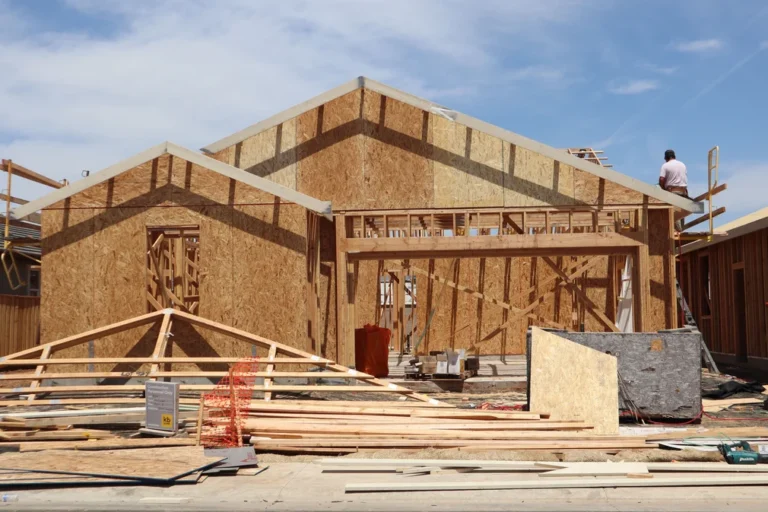
Self-Building with SIPs: A Practical Guide from Planning to Completion

Specifying traditional stick framing for a commercial envelope is a gamble on labor availability and thermal bridging. Structural Insulated Panels (SIPs) eliminate those variables. They integrate structure and insulation into a single prefabricated component, locking in your building performance before the materials even arrive on site. As a manufacturer with over 15 years of composite…

Read more
Prefabricated Villas Prefabricated Villas: A Complete Construction Guide

Prefabricated Villas: A Complete Construction Guide

Traditional site-built construction exposes developers to unpredictable weather delays and quality inconsistencies that inflate total lifecycle costs. Prefabricated villas solve this by shifting the critical path to a controlled manufacturing environment, ensuring structural integrity and insulation performance meet specifications before modules ever leave the factory. A smooth threaded automated assembly system in our 20,000-square-meter facility…

Read more
Folding Container Houses A Complete Guide to Folding Container Houses

A Complete Guide to Folding Container Houses

Logistics costs often erode project margins, but folding container houses solve this by maximizing shipping density. A single 40ft high-cube container can transport up to 12 units. That density drastically reduces your per-unit freight expenses compared to traditional flat-pack options, which is the primary driver for ROI on remote site dormitories and large-scale developments. We…

Read more

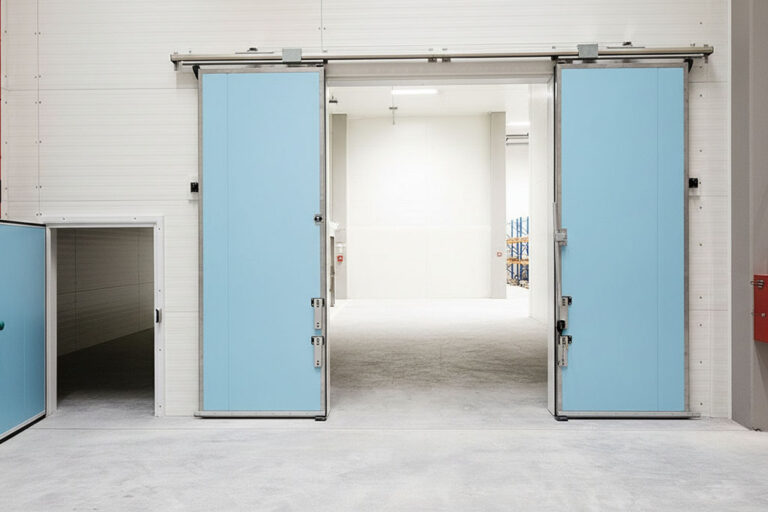
Essential Guide to Cold Room Storage for Products

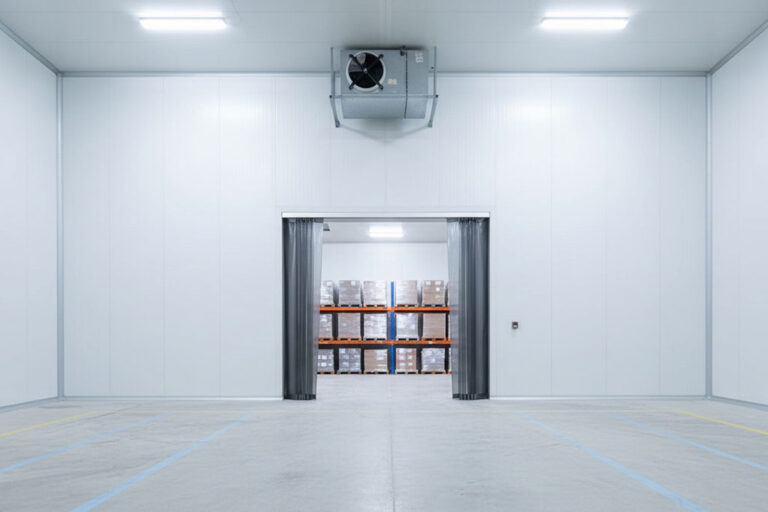
Thermal inconsistency is the single biggest cause of inventory write-downs in the industrial supply chain, yet cold rooms are frequently treated as an afterthought in facility planning. You can run the most sophisticated logistics software available, but if your insulated envelope fails, product spoilage is inevitable. A purpose-built cold room provides the scale and thermal…

Read more
ACP Facing Honeycomb Panel

ACP Panel Applications in Modern Architecture

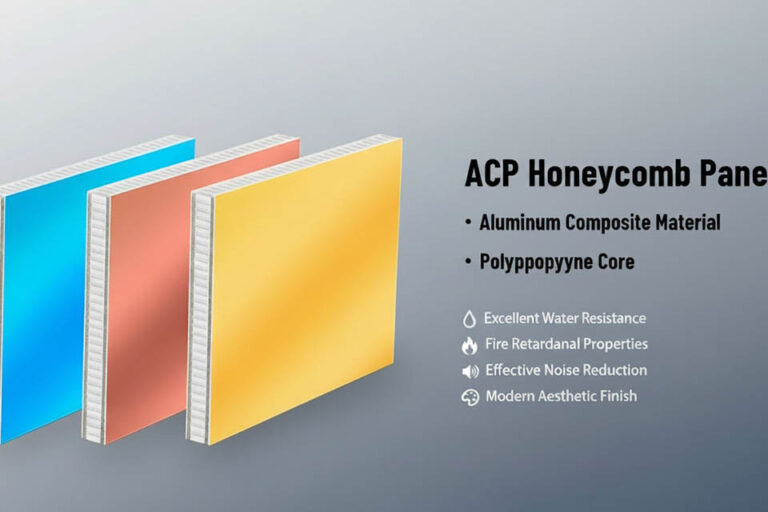
Procurement specs often focus on the aluminum gauge, but the core material is where the real project risk lives. An ACP panel is essentially a sandwich structure, and the center layer determines whether the installation passes safety inspections or faces immediate red-tagging. Fire-rated variants utilize a mineral-filled core that can withstand fire exposure for up…

Read more

How to Cut Costs with Energy-Efficient Cold Rooms

Commercial project owners routinely blame compressor specs for budget overruns, but the real energy leak in a Cold Room is usually the insulation envelope. Our technical audits consistently show that thermal bridging at panel joints can increase energy consumption by 15 to 20 percent compared to properly insulated units, turning standard polyurethane cores into a…

Read more
Exterior Wall Cladding Exterior Wall Cladding: A Comprehensive Beginner's Guide

Exterior Wall Cladding: A Comprehensive Beginner’s Guide

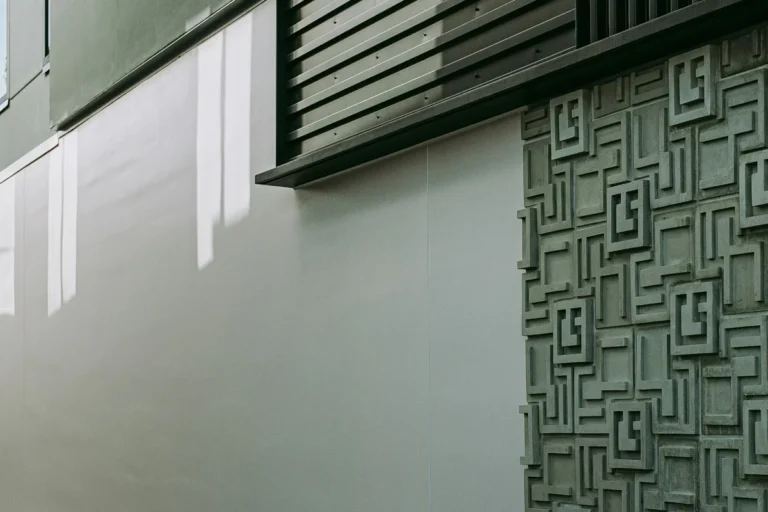
Specifying exterior wall cladding for a commercial project is not merely about aesthetics; it is a decision that dictates the building’s thermal performance and structural longevity for decades. Procurement officers often fixate on the initial material cost, overlooking the Total Cost of Ownership implications tied to moisture management and thermal bridging. Fiber cement might cost…

Read more

What Is a Cold Room and How It Works

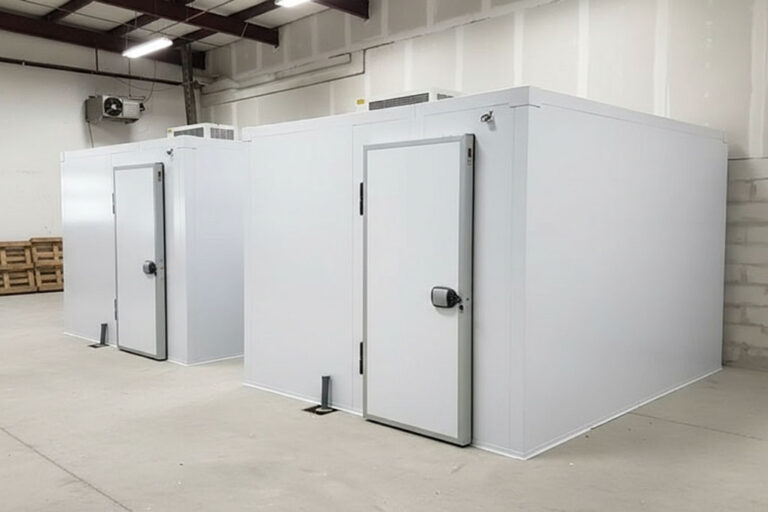
A commercial walk-in is not just a larger refrigerator; it is a structural system where the insulation dictates the energy efficiency as much as the compressor. Insulated panels built with materials like polyurethane foam (PUF) or polyisocyanurate (PIR) are critical to minimizing thermal exchange. At Rax Panel, we see too many projects where facility planners…

Read more