
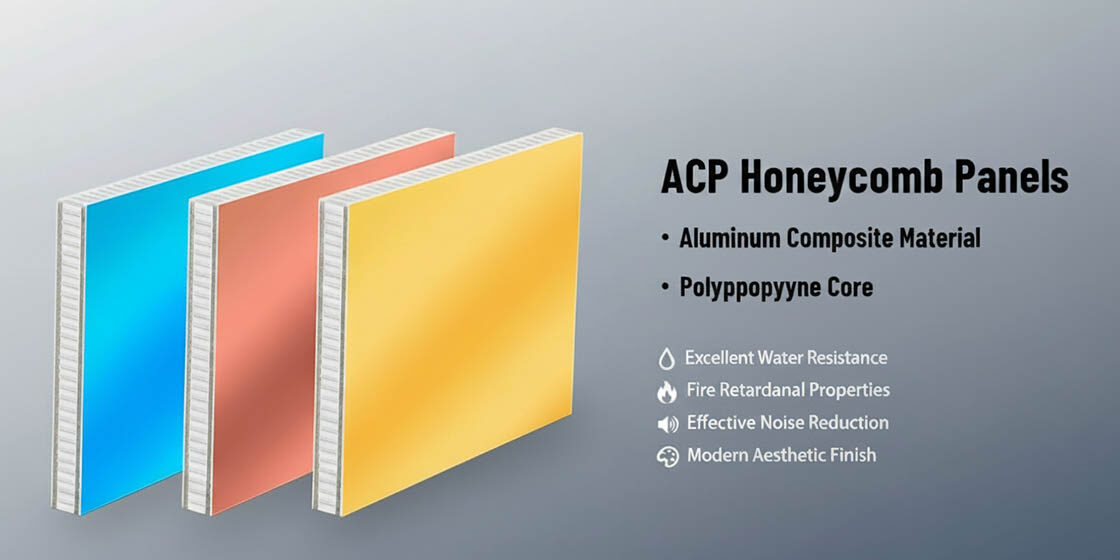
Procurement specs often focus on the aluminum gauge, but the core material is where the real project risk lives. An ACP panel is essentially a sandwich structure, and the center layer determines whether the installation passes safety inspections or faces immediate red-tagging. Fire-rated variants utilize a mineral-filled core that can withstand fire exposure for up to two hours, a technical capability that standard polyethylene cores simply cannot match.
We examine the specific differences between PE and FR cores, the impact of PVDF versus polyester coatings on long-term maintenance, and the verification steps needed to validate supplier certificates. You need these details to prevent supply chain delays and ensure the total installed cost aligns with your budget forecasts.
What Is an ACP Panel?
Material selection at this point sets the thermal efficiency, fire rating, and weight of the finished assembly. Balance R-value requirements against span capability and code-mandated fire performance.
Sandwich Structure Composition Layers
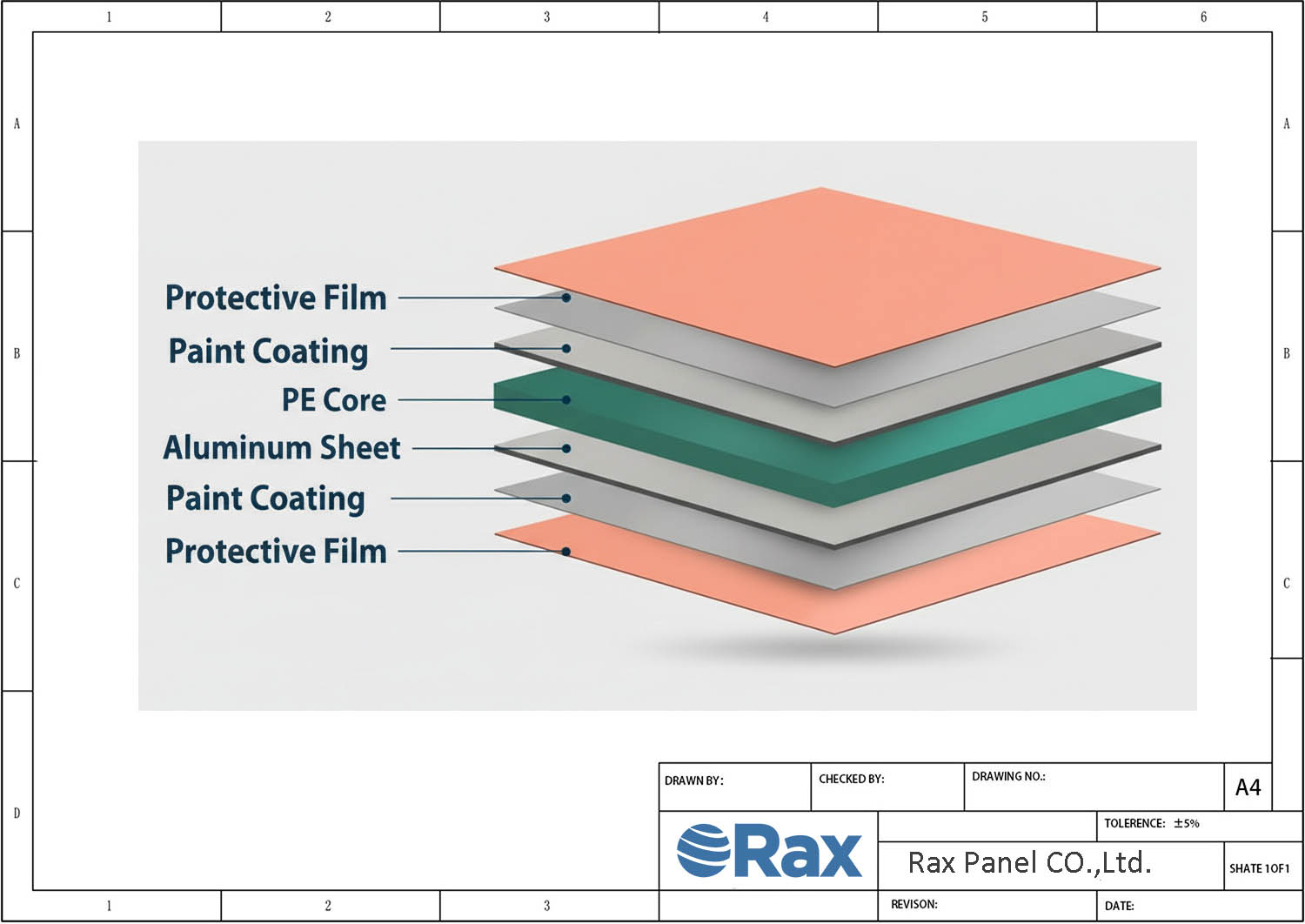
An Aluminum Composite Panel (ACP) is defined by its specific three-layer composite architecture. At its fundamental level, the panel consists of two thin sheets of aluminum acting as protective facings that encase a solid mineral or polymer core. This “sandwich” configuration is not merely for volume; it relies on the I-beam effect, where the rigid outer skins handle tensile and compressive stresses while the core maintains their distance to maximize stiffness.
The engineering integrity of this structure depends entirely on the lamination process. If the chemical bond between the aluminum alloy and the internal core material fails, the panel loses its structural capacity. We have observed that high-quality manufacturing involves rigorous surface treatment of the aluminum sheets before the core is applied. This ensures that the adhesive bonds chemically rather than just mechanically, preventing delamination under extreme temperature fluctuations or wind loads.
The outer aluminum layers typically range in thickness from 0.15mm to 0.50mm. While these sheets are incredibly thin, they provide essential weather resistance against UV radiation and moisture. Inside, the core material determines the panel’s fire rating and thermal properties. Unlike solid aluminum sheeting, this layered composition allows ACP to remain flat and rigid over large spans without requiring heavy backing structures.
Aluminum Skin Thickness Specifications
The thickness of the aluminum skins is a critical specification that dictates the panel’s durability and cost efficiency. In the industry, total panel thickness is often standardized at 3mm, 4mm, or 6mm, but buyers must look closer at how much of that thickness is actual metal versus core filler.
The quality of the aluminum finish directly correlates to the longevity of the building’s facade. A thinner skin might be cost-effective for temporary interior signage, but it lacks the rigidity required for high-rise exterior cladding.
When evaluating specifications, we differentiate between standard PE cores and more demanding applications. For exterior architectural projects, manufacturers often utilize thicker gauges or specialized alloys to resist denting during transit and installation. Our production lines strictly monitor coil coating uniformity to ensure that the aluminum skins possess consistent mechanical strength across every meter produced. Variance in skin thickness can lead to visible rippling on large wall surfaces after installation.
Core Material Density and Weight
One of the primary advantages of using ACP over solid metal sheets is the significant reduction in weight. Because the core material makes up the bulk of the panel’s thickness, its density is the deciding factor in the final dead load of the building envelope. Standard polyethylene (PE) cores are notably lighter than traditional materials, allowing for easier handling and reduced stress on the building’s structural framework.
However, lighter is not always better if it compromises safety. To meet modern fire codes, many jurisdictions require the use of fire-retardant (FR) mineral-filled cores. These mineral fillers are naturally denser than pure plastic, meaning an FR-rated panel will weigh more than a standard PE panel of the same dimensions.
Understanding this trade-off is vital for engineers calculating load-bearing requirements. A higher density core provides superior fire resistance and dimensional stability but requires more strong mounting hardware to support the additional mass.
| Aspect | Description | Characteristics | Application | Benefit |
|---|---|---|---|---|
| Structural Composition | A sandwich structure comprising two aluminum sheets bonded to a core material. | Lightweight, high stiffness, and excellent flatness. | Exterior cladding, interior decoration, signage, and partitioning. | Combines high strength-to-weight ratio with ease of fabrication. |
| Core Materials | Commonly utilizes Polyethylene (PE) or Fire-Retardant (FR) mineral-filled cores. | Standard flexibility for PE; enhanced fire resistance for FR mineral cores. | FR required for high-rise buildings; PE suitable for interior applications. | Allows customization based on specific building safety codes and structural requirements. |
| Surface Coating | Finished with PVDF (Polyvinylidene Fluoride) or Polyester paint systems. | Superior UV and weather resistance for PVDF; economic efficiency for Polyester. | PVDF for external facades; Polyester for indoor environments. | Ensures long-term color retention and protection against environmental degradation. |
| Manufacturing Process | Produced via continuous or intermittent thermal composite lamination. | Precision coil cleaning, chemical treatment, and high-temperature curing. | Mass production ensuring consistent quality across large architectural projects. | Precision coating technology guarantees uniform thickness and strong adhesion. |
| Physical Properties | Available in standard thicknesses (3mm, 4mm, 6mm) and diverse color finishes. | Excellent formability for folding, curving, and complex machining. | Complex architectural designs, column covers, and canopy systems. | Provides versatile aesthetic solutions without compromising material durability. |
Core Materials and Coating Types
Each option differs in material composition, thermal resistance, and load-bearing capacity. The right choice depends on your climate zone, building use, and whether the priority is energy efficiency or structural span.
Polyethylene PE Core Variants
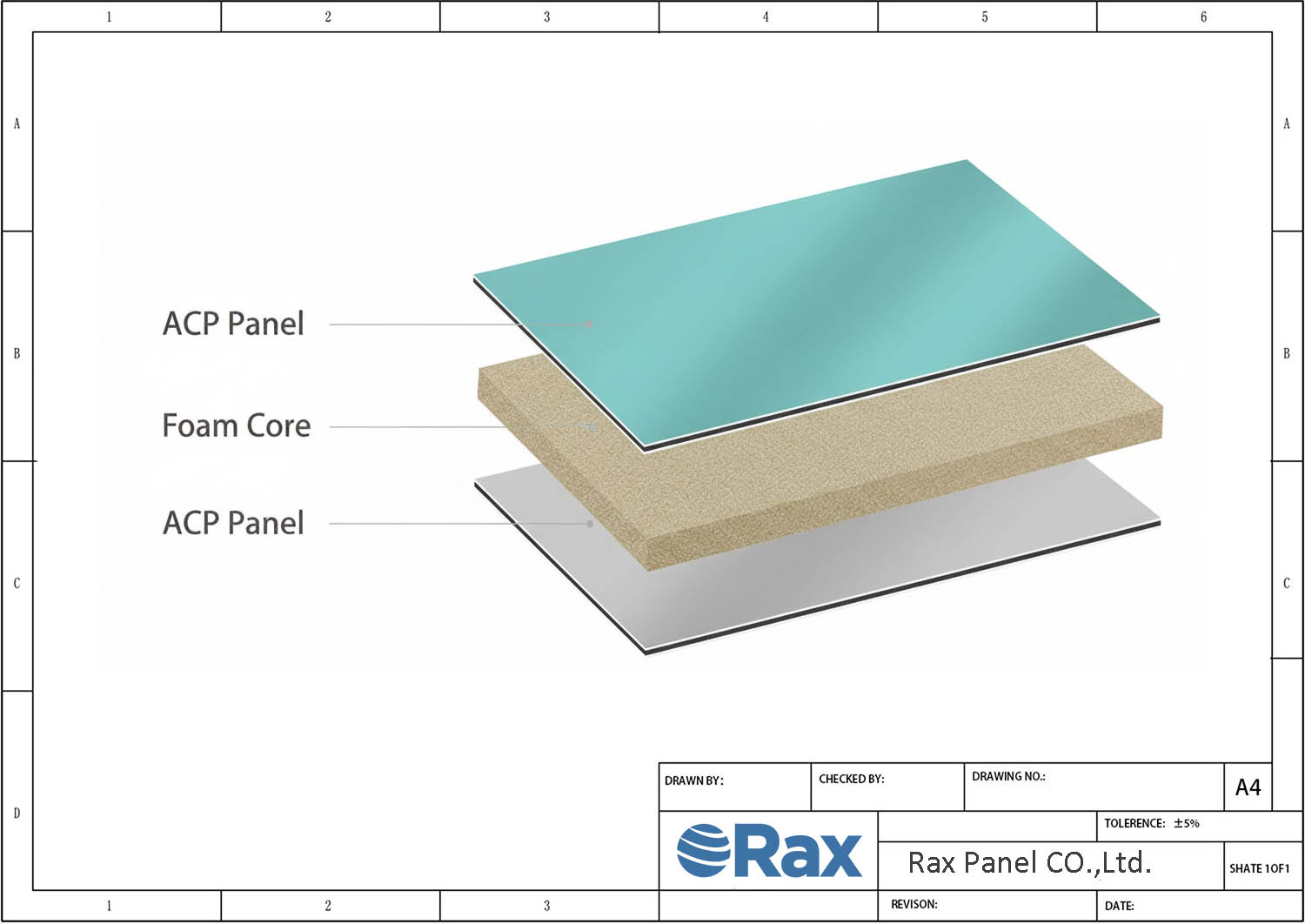
The core material dictates the panel’s structural integrity, weight, and thermal resistance. While standard polyethylene (PE) cores remain a cost-effective choice for general partitioning, they present distinct limitations in fire safety and thermal load-bearing capacities.
Classification of these materials relies heavily on the specific performance needs of the application, necessitating a division into two primary tiers:
- Standard PE Core: Utilized strictly for low-fire-risk applications such as indoor furniture panels or dry freight truck linings where weight savings are the primary driver.
- Mineral-Filled PE Core: A specialized formulation where inorganic mineral fillers are blended into the polyethylene matrix. This variant significantly improves dimensional stability and achieves higher fire retardancy ratings compared to pure PE.
Do not use standard PE cores for exterior building facades or high-rise commercial constructions. Many procurement teams mistakenly assume all “composite” cores are equally fire-resistant, leading to severe code violations. If your project involves exterior cladding, you must verify that the core meets local fire-rating standards before ordering.
Fire Retardant FR Core Options
When architectural projects demand superior safety compliance, Fire Retardant (FR) cores become mandatory. These materials are engineered to self-extinguish and limit flame spread, acting as a critical barrier against rapid fire propagation.
Meeting stringent international codes requires looking past standard polyethylene to more strong solutions:
- PIR (Polyisocyanurate) Foam: Widely recognized for its exceptional fire resistance and high R-value thermal insulation. PIR is the industry preference for cold storage walls and energy-efficient building envelopes.
- Rokwoll (Mineral Wool): An inorganic, non-combustible core material used where extreme fire resistance and sound dampening are required.
Our engineers routinely conduct experimental testing to match specific FR cores with aluminum skins, ensuring the resulting panel maintains structural rigidity while passing critical fire safety benchmarks.
PVDF Coating Weather Resistance
For exterior facades and exposed architectural elements, the coating system is the sole defender against UV degradation, pollution, and extreme weather. Polyvinylidene Fluoride (PVDF), typically comprising 70% Kynar 500 or Hylar 500 resin, represents the gold standard for durability.
PVDF coatings provide exceptional resistance to chalking and fading. In our experience manufacturing panels for global clients across Europe and North America, PVDF finishes reliably maintain their color integrity for over 20 years, even under intense direct sunlight.
While it commands a higher initial investment than standard finishes, the total lifecycle cost of PVDF is drastically lower due to its minimal maintenance requirements and extended service life. We recommend PVDF exclusively for any facade intended to last beyond a decade without aesthetic compromise.
Polyester PE Paint Finish Types
Polyester paint finishes offer a highly versatile and cost-effective alternative for interior applications or protected exterior environments. These coatings are applied in Sturdy layers—typically consisting of a primer, topcoat, and backcoat—to ensure strong adhesion and consistent surface quality.
Polyester finishes excel in flexibility, allowing them to be easily formed or bent without cracking—a crucial feature for complex interior geometries and signage fabrication.
However, buyers must recognize the performance ceiling: polyester lacks the extreme UV resistance of PVDF. When exposed to harsh outdoor elements, polyester coatings will experience gradual fading and loss of gloss over a shorter timeframe. therefore, we advise restricting polyester-coated panels to interior walls, ceilings, furniture components, or signage where weather exposure is negligible.
Aesthetic Benefits for Modern Architecture
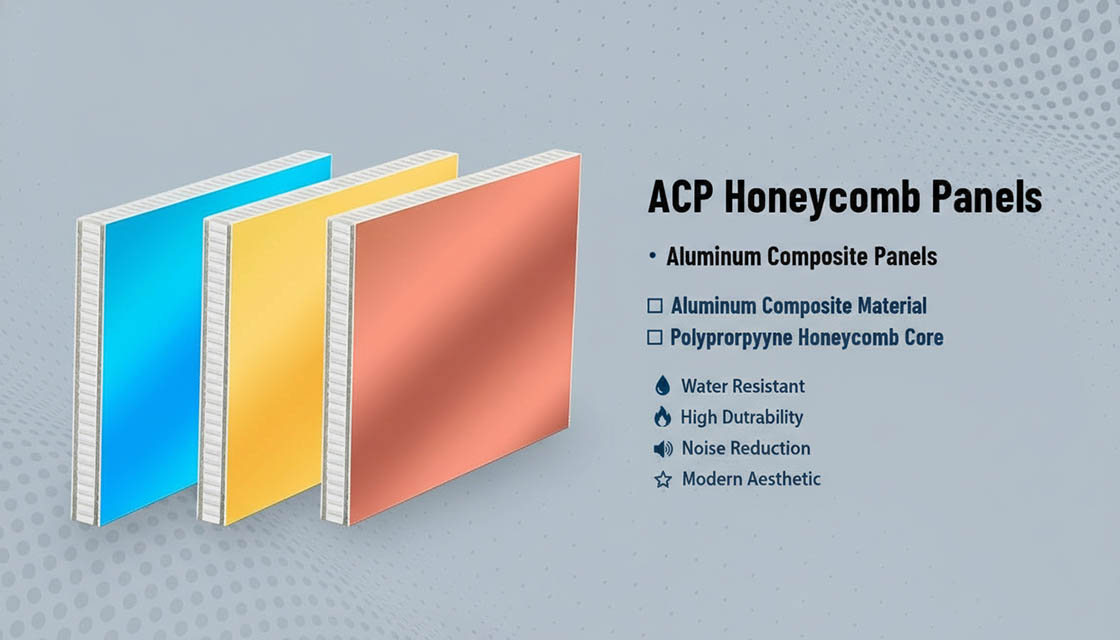
For modern architects, Aluminum Composite Panels (ACP) solve the traditional tension between aesthetic ambition and structural weight. They provide a sleek, flat facade finish that is significantly lighter than solid stone or metal cladding, allowing for more dynamic architectural forms without overloading the building’s structural frame.
This structural efficiency naturally extends into their visual performance, allowing for precise customization without compromising the building’s integrity. Consequently, architects can use these properties to achieve a level of design versatility that traditional materials often struggle to match.
Design Versatility in Contemporary Architecture
The primary driver for selecting ACP in modern architecture is its exceptional design adaptability. Unlike natural materials that vary significantly from batch to batch, ACP panels are manufactured using precise coating processes that guarantee uniform color and texture across an entire project. This allows architects to execute complex geometric facades, sharp corners, and smooth curved surfaces without the visual “patchiness” common in stone or brickwork.
Beyond basic color selection, the surface finishes available on modern ACPs replicate high-end materials at a fraction of the cost and weight. Common aesthetic options include matte finishes for a subdued, modern look, metallic sheens for a futuristic appearance, and sophisticated wood-grain or mirror textures. This capability enables the application of luxury aesthetics to standard commercial structures while keeping the overall load on the building envelope minimal.
- Surface Finishes: Options typically range from high-gloss and metallic to textured wood-grain and stone-mimicking prints.
- Color Consistency: Computer-controlled coating ensures the exact same shade covers thousands of square meters of building exterior.
- Form Flexibility: The composite nature of the panels allows them to be easily bent or folded into custom shapes for unique architectural features.
Weight Reduction and Facade Performance
From an engineering standpoint, the aesthetic choice must also be structurally sound. ACP panels act as a lightweight “skin” for the building. Because they consist of thin aluminum skins bonded to a lightweight core, they dramatically reduce the dead load compared to traditional cladding materials like granite, terracotta, or solid aluminum sheets.
This reduction in weight is critical for high-rise modern architecture. Lighter facades mean less stress on the building’s steel or concrete skeleton, potentially reducing the overall amount of primary structural material needed for the frame. Furthermore, the flatness of ACP panels creates a highly uniform, contemporary aesthetic that resists warping, ensuring the building maintains its intended sleek appearance over decades of weather exposure.
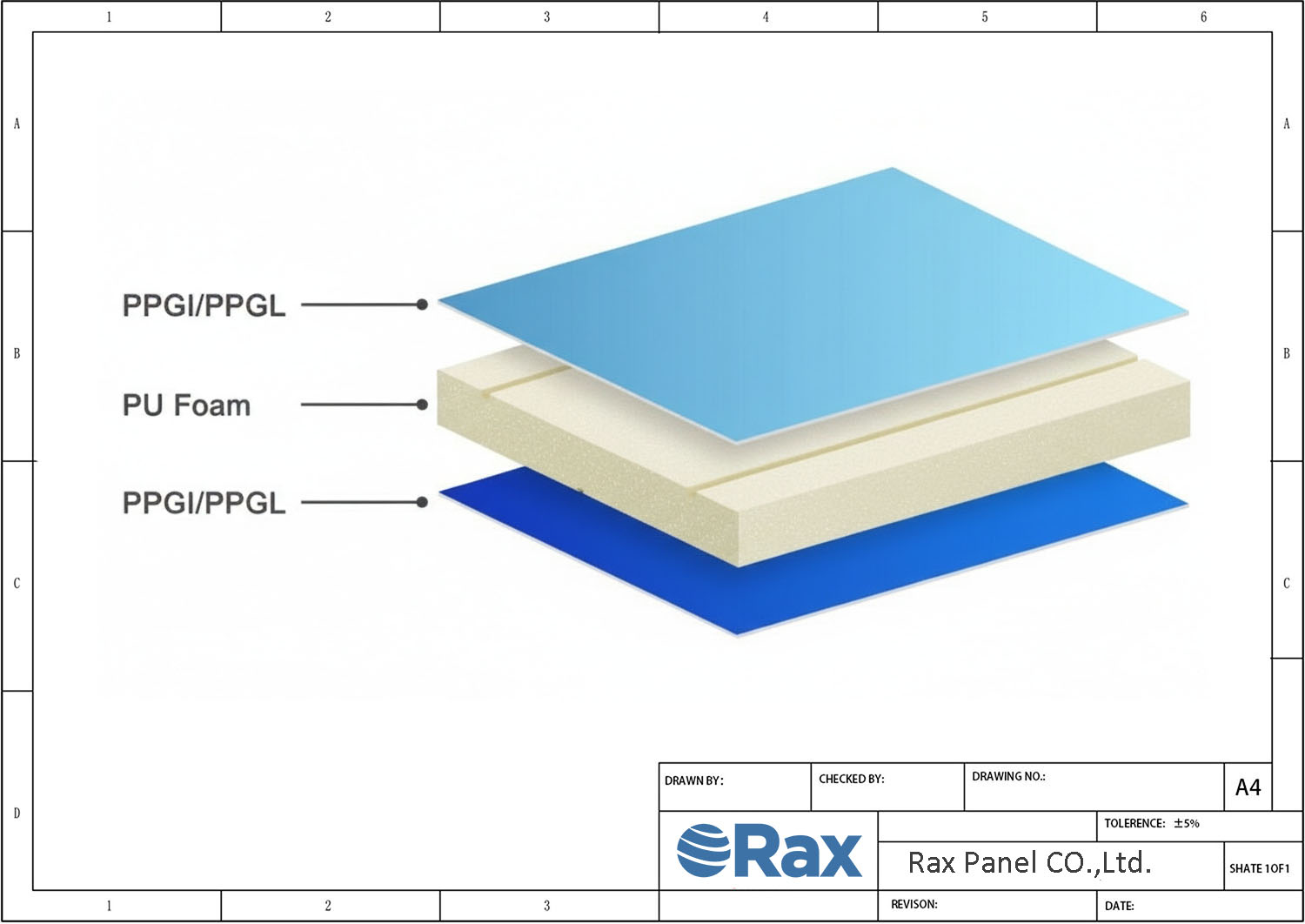
Using ACP in Facades, Interiors, and Signage
The core advantage of ACP lies in its sandwich structure, which provides exceptional flatness and rigidity relative to its weight. For large-scale commercial projects, this material allows architects to achieve smooth, monolithic surfaces without the excessive dead load associated with solid aluminum or stone cladding. However, achieving a flawless finish is not just about the raw materials—it is fundamentally dependent on proper fabrication techniques and precise installation methods.
Addressing the Facade Execution Risk: Flatness and Alignment
When specifying ACP for exterior building envelopes, the most common failure point is panel rippling or uneven seams. This occurs when thin aluminum skins deform under wind loads or thermal expansion if the core density is insufficient. To prevent this, commercial-grade facade panels typically utilize a core thickness that provides adequate shear strength while remaining thermally stable. If an interior-grade core is mistakenly used for high-rise exteriors, the façade can develop visible waves over time, severely compromising the architectural intent.
- Skin Thickness: Exterior applications generally require aluminum skins of at least 0.50mm per side to resist buckling during transit and high-wind conditions.
- Panel Stiffeners: For spans exceeding 1.2 meters, adding aluminum back stiffeners is critical to maintain a perfectly flat plane and reduce rattling.
- Fabrication Tolerances: Edges must be cleanly mitered or folded; poor edge finishing leads to paint peeling and moisture ingress at the seams.
Interior Applications: Aesthetic Control and Maintenance
In commercial interiors—such as retail stores, corporate lobbies, and hotels—the primary focus shifts from weather resistance to visual consistency and ease of maintenance. ACP is frequently selected for its ability to accept high-quality gel coats and smooth finishes that are highly resistant to fingerprints and minor abrasions.
For interior wall claddings, lighter gauge panels (often 0.30mm to 0.40mm aluminum) are sufficient because they are not subjected to high wind pressure. The manufacturing process here prioritizes color uniformity. Modern pre-painting lines allow for massive color consistency across large batches, ensuring that a bank of elevator doors matches the surrounding wall panels perfectly. Furthermore, ACP’s smooth surface makes it significantly easier to clean than textured fabrics or porous stones, reducing long-term facility management costs.
Signage and Wayfinding: Fabrication and Weathering
Signage represents one of the most demanding applications for composite panels due to constant UV exposure and the mechanical stresses of routing and bending. ACP serves as the foundational substrate for channel letters, fascia boards, and illuminated signs.
A major pain point in signage is the degradation of the painted surface after 3 to 5 years of sun exposure. To counteract this, fabricators must distinguish between two primary coating technologies: Polyester and PVDF (Polyvinylidene Fluoride).
| Feature | Polyester Coating (PE) | PVDF Coating (Kynar 500® / Hylar 5000®) |
|---|---|---|
| Primary Use Case | Indoor signage, simple fascia boards | Outdoor building facades, highway billboards |
| UV & Fading Resistance | Moderate (prone to chalking after 5-7 years) | Excellent (guaranteed to retain >90% gloss for 20+ years) |
| Flexibility for Routing | High (ideal for complex 3D shapes) | Good (requires higher precision tools to prevent cracking) |
| Cost Profile | Economical (bulk standard pricing) | Premium (justified by lifecycle value) |
If you are fabricating internal wayfinding signs or sheltered lobby directories, standard PE-coated ACP is perfectly adequate and offers better bendability for forming rounded corners. Conversely, any signage mounted on the exterior of a commercial building must utilize PVDF-coated ACP to withstand chemical rain, intense solar radiation, and atmospheric pollutants without fading or losing gloss.
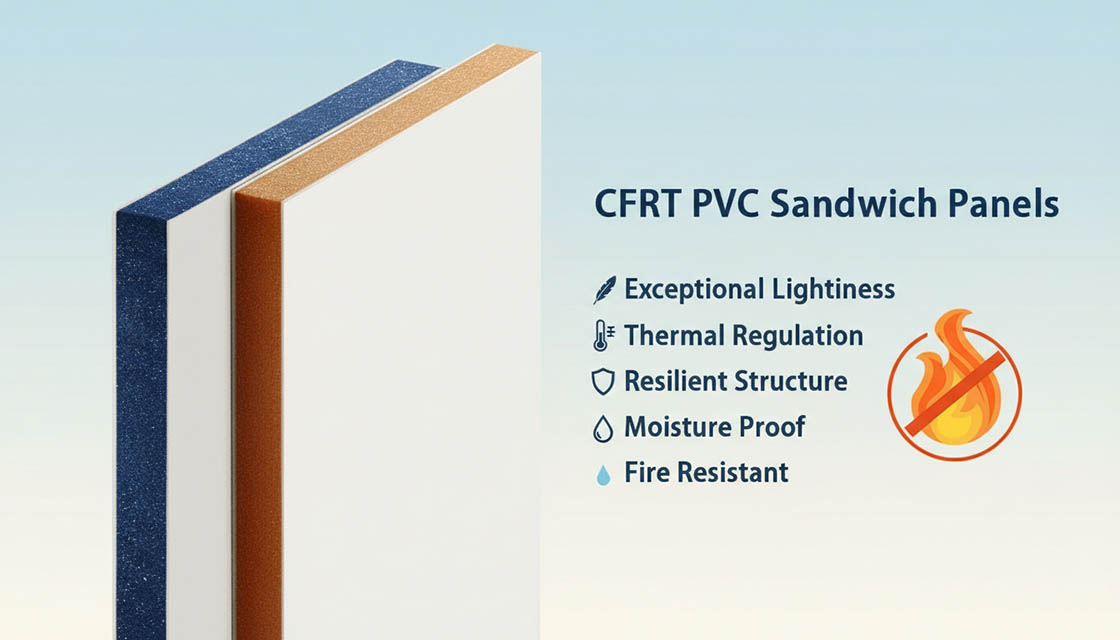
Durability and Simple Maintenance Tips
True durability in composite panels stems from material integrity, not just surface coatings. Proper maintenance relies on simple cleaning and structural checks to protect the investment.
The Structural Basis of Longevity
What Is why composite panels last decades requires looking past the surface finish to the core structure. While paint quality affects color retention, the actual longevity of the panel is dictated by the bond between the skin and the core. A high-quality composite panel, whether using fiberglass-reinforced plastic (GRP), continuous fiber reinforced thermoplastics (CFRT), or specialized foam cores, is engineered to resist environmental degradation through its physical makeup.?
Unlike pure metal sheets that can dent or corrode entirely upon impact, composite structures absorb energy. This makes them highly resistant to impact damage, from hail in extreme climates to minor collisions during transport. Furthermore, materials like GRP and thermoplastic skins are inherently non-corrosive. They do not rust or oxidize like steel or aluminum when exposed to salt spray or high humidity, ensuring the structural integrity remains intact even in harsh marine or industrial environments.
Simple Maintenance for Maximum Lifespan
Composite panels are marketed as “low maintenance,” but this does not mean they require zero attention. A simple, consistent cleaning routine preserves the aesthetic appeal and prevents premature wear. The goal is to remove abrasive contaminants—such as industrial soot, bird droppings, or road salt—that can scratch or dull the surface over time.
📋 Actionable Steps
- Step 1: Use a soft sponge or non-abrasive cloth with a mixture of warm water and a mild, neutral pH detergent. Avoid high-pressure washers, which can force water into seams.
- Step 2: Rinse thoroughly with clean water to remove any soap residue. Soap scum can attract more dirt if left to dry on the surface.
- Step 3: For stubborn stains or tar, use a solvent recommended by the manufacturer, but always test it on a small, hidden area first to ensure compatibility with the specific skin material.
Protecting Structural Integrity Over Time
Maintenance extends beyond cleaning; it involves checking the mechanical fasteners that hold the panels in place. In applications like truck bodies, RV walls, or exterior cladding, vibration and thermal expansion/contraction can loosen screws or brackets over several years.
Do not ignore loose fixings. A single loose screw can cause the panel to flutter, leading to fatigue cracks in the composite material around the mounting point. Regularly inspect and tighten all hardware according to the installation guidelines provided.
Maintaining these critical connections ensures your installation remains secure and durable for years to come. Explore our latest collection of high-quality mounting solutions and hardware in our showroom.
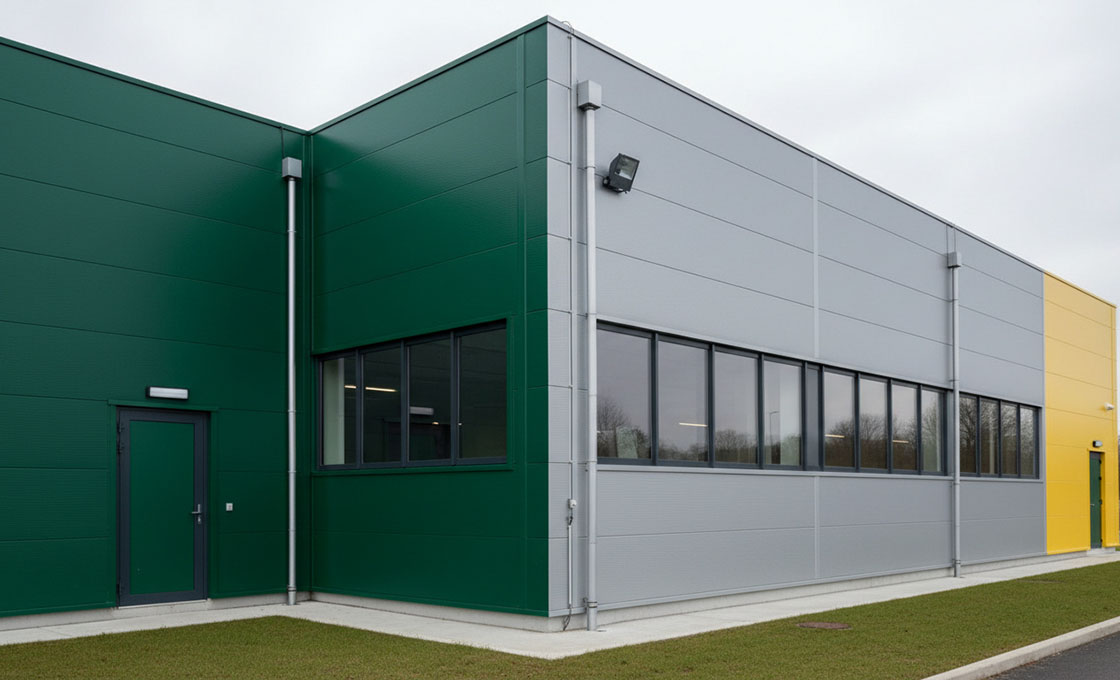
Fire Safety Risks and Verification
This factor has a direct bearing on project performance and long-term cost. Addressing it with specific data rather than general assumptions leads to better outcomes.
The Critical Role of Core Material in Fire Safety
The single most significant factor determining the fire safety of an aluminum composite panel is not the aluminum skin, but the material at its core. While aluminum itself is non-combustible, many standard panels use a Polyethylene (PE) plastic core, which is highly flammable and can act as fuel for a fire.
In high-rise buildings or commercial applications, this distinction is absolute. Industry regulations strictly mandate specific fire ratings for cladding, meaning relying on generic “aluminum panels” without verifying the internal composition is a dangerous and costly oversight.
To mitigate these risks, engineers specify either mineral-filled cores or specialized fire-retardant plastics. Mineral-filled cores, often used in A2-rated panels, are designed to resist ignition entirely, providing critical protection in skyscrapers. Conversely, standard PE cores or certain foam cores (like XPS or PU) will melt, burn, or emit toxic smoke when exposed to extreme heat.
For applications requiring thermal insulation alongside fire resistance—such as cold storage or insulated building walls—engineers must carefully select materials that meet specific fire safety codes rather than assuming all insulated panels are safe.
Verifying Fire Ratings and Code Compliance
Procurement teams and architects must move beyond general descriptions and demand concrete certification data. Fire ratings are not uniform; they vary by region and building height. A panel suitable for a residential garden shed may be illegal for a high-rise commercial facade. Verification requires checking the specific fire classification (such as Euroclass A2 or Class A) against local building codes.
- Demand Test Reports: Do not rely on marketing brochures. Request independent third-party test reports from recognized laboratories that specifically detail the core material’s behavior under fire conditions.
- Analyze the Core Composition: Explicitly confirm whether the core is Polyethylene (PE), Polyisocyanurate (PIR), Polyurethane (PU), or a mineral-filled composite. Each has vastly different fire performance characteristics.
- Check Application Limits: Fire ratings often have height restrictions. For example, A2-rated materials may be required above a certain floor count, while B-s1-d0 materials might suffice for lower floors. Ensure the selected panel matches your project’s vertical scope.
Never assume a “Fire Retardant” core means a panel is “Fireproof.” All combustible materials will eventually degrade under sufficient heat. Fire retardancy simply means the material self-extinguishes or resists ignition longer, buying crucial time for evacuation and firefighting. Always verify the exact rating with your local building inspector.
Verifying Supplier Quality and Certifications
The primary method to verify composite panel supplier reliability is a thorough review of international compliance certificates—such as ISO 9001, CE, SGS, or ASTM—and the execution of on-site infrastructure audits.
In the composite materials industry, the gap between a reputable manufacturer and a mere trading company often lies in their physical infrastructure and rigorous quality control protocols. Procurement teams frequently encounter fragmented markets where suppliers may compromise on material specifications or lack the capacity to guarantee consistent quality.
This variance creates significant anxiety for buyers, particularly when sourcing specialized panels for cold storage construction or large-scale commercial building projects. Verifying the authenticity of certifications and the actual scale of production is the only way to mitigate these risks and ensure project timelines are met without encountering hidden costs.
Reliable manufacturing standards are not merely paperwork; they represent a standardized management system focused on consistent product quality. When evaluating a potential supplier, industry credentials play a crucial role in ensuring that the composite panels you procure are safe, reliable, and built to exact architectural specifications. Reputable manufacturers strictly adhere to internationally recognized frameworks, most notably ISO 9001 certification, which validates their commitment to maintaining high operational and quality standards.
Beyond basic management systems, specialized verification methods such as those provided by SGS or adherence to specific testing frameworks like ASTM standards are essential. For European markets, CE marking ensures that products meet the strict safety, health, and environmental protection requirements of the region. Buyers must actively research and validate these certifications directly with the issuing bodies or through official digital portals to prevent falling victim to forged documentation from less scrupulous traders.
- International Management Systems: Look for ISO 9001 certification as the foundational baseline, ensuring the manufacturer has a documented and audited process for quality control.
- Third-Party Testing Validation: Credible suppliers provide independent test reports from globally recognized agencies (e.g., SGS or TÜV), verifying claims regarding fire resistance, peel strength, and durability.
- Regional Compliance Markings: Ensure the manufacturer holds necessary regional compliance marks (such as CE for Europe or ASTM for North America) that dictate local legal and safety requirements for building materials.
Evaluating Production Scale and Manufacturing Capabilities
Certifications provide a snapshot of a supplier’s processes, but on-site factory audits reveal the true depth of their operational capabilities. Large-scale, automated production lines are a strong indicator of a manufacturer’s ability to deliver consistent supply for sizeable architectural or industrial projects. During an audit, assessing the daily output capacity, the degree of automation, and the presence of in-house experimental testing teams provides critical insight into the manufacturer’s technical maturity.
Strong manufacturing facilities typically possess an advanced production environment capable of exceeding 1,700 square meters of daily output. This scale ensures that bulk orders for aluminum composite panels (ACPs) can be fulfilled without delays.
Additionally, the presence of experienced technicians who conduct rigorous destructive peel tests and fire flammability checks in-house demonstrates a proactive approach to engineering excellence rather than a reactive one. Suppliers lacking these infrastructural elements often struggle with dimensional accuracy and surface flatness, leading to severe alignment issues when panels are assembled on-site.
Insider Verification: The Engineering Significance of Adhesion and Fire Safety
What Is the underlying engineering significance of certified parameters is vital for preventing costly installation failures. The true value of certifications becomes apparent when examining structural integrity. For instance, adhesion strength—the bond holding the outer skins to the core—is critical.
While standard testing dictates high peel strength and zero delamination, the real-world impact is the prevention of skin separation under extreme stress or temperature fluctuations. Panels that fail this internal structural integrity check may look pristine upon delivery but can suffer catastrophic core-skin separation once installed in varying climates.?
Similarly, fire resistance ratings serve as a critical safeguard against liability and safety hazards. Laboratories conduct rigorous flammability testing to determine if a panel meets B1/A2 grades or specialized safety standards. For applications involving cold storage construction or commercial buildings, adhering to these stringent fire safety regulations is non-negotiable.
A supplier that openly shares detailed lab flammability test results proves they have no hidden vulnerabilities in their core material chemistry. By prioritizing suppliers who transparently integrate these deep-tier quality controls, buyers secure a reliable supply chain that guarantees both the immediate success of the construction project and the long-term safety of the finished structure.
| Verification_Category | Key_Parameter | Industry_Standard | Verification_Method | Technical_Impact |
|---|---|---|---|---|
| Infrastructure & Scale | Production Capacity | Daily output > 1,700 m² with automated lines | On-site Factory Audit | Ensures consistent supply for large-scale projects |
| Quality Management | Certifications | ISO 9001, CE, SGS, or ASTM compliance | Document Review & Validation | Verifies adherence to international quality protocols |
| Structural Integrity | Adhesion Strength | High peel strength; zero delamination | Destructive Peel Testing | Prevents skin separation under stress/heat |
| Core Safety | Fire Resistance Rating | B1/A2 Grade or specialized (PU/PET/PVC) | Laboratory Flammability Testing | Critical for building code compliance and safety |
| R&D Capabilities | Custom Engineering | In-house experimental testing & design teams | Technical Consultation & Portfolio Review | Enables optimized solutions for specific project loads |
Sustainability and Environmental Impact
This factor has a direct bearing on project performance and long-term cost. Addressing it with specific data rather than general assumptions leads to better outcomes.
Recyclability of Aluminum Components
Aluminum is widely regarded as a champion of the circular economy, distinct from many other construction materials because it can be recycled indefinitely without any degradation of its physical properties. For Aluminum Composite Panels (ACP), this characteristic is critical.
The panel consists primarily of two thin layers of aluminum; this “skin” constitutes the majority of the material’s mass and holds significant scrap value. When a building reaches the end of its lifecycle, these aluminum sheets can be stripped, melted, and reformed into new products with minimal loss of quality.
From a perspective, the energy savings are substantial. Industry data indicates that recycling aluminum requires approximately 95% less energy than producing primary aluminum from raw bauxite ore. This drastic reduction in energy consumption translates directly to lower embodied carbon for the material. While the core material (often polyethylene or mineral-filled thermoplastic) presents more recycling challenges, specialized separation technologies exist to recover the high-value aluminum skins, ensuring they do not end up in landfills.
Energy Efficiency and Building Envelope Performance
Sustainability is not just about what happens at the end of a product’s life; it is equally about performance during operation. A major environmental benefit of using composite panels in building envelopes is their contribution to thermal efficiency. While aluminum is a conductive metal, the core materials—such as Polyethylene (PE), Polyurethane (PU), or mineral-filled cores—act as thermal breaks. This sandwich structure slows down the transfer of heat between the exterior and interior of a building.
By improving the thermal resistance of the facade, these panels reduce the energy load on Heating, Ventilation, and Air Conditioning (HVAC) systems. A building that retains heat in winter and rejects heat in summer consumes significantly less electricity. Furthermore, the lightweight nature of aluminum panels reduces the “embodied carbon” associated with transportation and construction. Lighter materials require less fuel to ship to the site and put less structural load on the building, potentially allowing for smaller, less material-intensive foundation designs.
Reducing Embodied Carbon Through Lightweighting
In the construction supply chain, weight is a direct proxy for carbon emissions. Heavier materials require more heavy machinery and more fuel to transport and install. Aluminum Composite Panels offer a high strength-to-weight ratio that is superior to many traditional cladding alternatives like solid stone or thick metal sheets. This “lightweighting” effect provides hidden environmental benefits that are often overlooked in initial cost analysis but are critical for lifecycle assessments.
- Transport Efficiency: Lighter panels allow more square meters of material to be shipped per truckload, reducing the frequency of shipments and total logistics emissions.
- Installation Speed: Because large format panels are easy to handle, installation crews can finish facades faster, reducing the operational time of heavy equipment like cranes and scissor lifts on-site.
- Structural Savings: The reduced dead load of the cladding can allow engineers to optimize the steel or concrete structure of the building, using less material overall.
Expert Insight: The most sustainable panel is one that balances recyclability with operational efficiency. Choosing aluminum skins ensures high material recovery value, while selecting the correct core thickness optimizes thermal performance for the specific climate zone.
Key Takeaways
Always verify the core material density and fire rating on spec sheets before ordering. You should also confirm the coating type matches the specific local climate to prevent fading. If you are unsure about custom layout constraints, consult our engineering team for technical verification. We can help validate structural details without any obligation.
Frequently Asked Questions
This factor has a direct bearing on project performance and long-term cost. Addressing it with specific data rather than general assumptions leads to better outcomes.
Why choose ACP over solid aluminum?
ACP offers a high strength-to-weight ratio that is often superior to solid aluminum of equivalent stiffness. This sandwich structure reduces material usage while maintaining rigidity, making it easier to handle and transport. It is generally more cost-effective than solid metal sheets for large surface areas. Solid aluminum is typically reserved for applications requiring higher structural load-bearing capacity.
PE vs PVDF: Which is better?
PVDF coatings are superior for exterior applications due to their exceptional resistance to UV fading and weathering. PE coatings are more cost-effective but generally suited for interior applications with less environmental exposure. At , we typically recommend PVDF for projects requiring long-term color retention and durability. The choice ultimately depends on the specific lifespan and aesthetic requirements of the project.
How does quality affect installation?
High manufacturing precision ensures consistent panel thickness and flatness, which simplifies the installation process. Variations in dimensions or coating adhesion can lead to visible defects like oil canning or uneven joints. Consistent quality reduces on-site modification needs and accelerates the construction schedule. Procuring from reliable manufacturers minimizes the risk of installation failures.
How are ACP panels installed?
ACP panels are typically installed using a rivet or cassette system fixed to a metal subframe. Proper sealing and expansion joints are crucial to accommodate thermal expansion and prevent water ingress. Ensuring the substrate is flat and level is essential for a uniform finish. Professional installation guarantees the structural integrity and longevity of the facade.
How much does acp panel applications typically cost?
The cost of acp panel applications varies based on material grade, thickness, panel dimensions, and order volume. Requesting a detailed quote with your project specifications is the most reliable way to get an accurate figure. Bulk orders typically reduce per-unit pricing significantly.