
Hyper-realistic product photography of three distinct foam core samples: PMI, PET, and PVC, each clearly labeled and showcasing their unique textures and densities. The samples are arranged on a clean, white laboratory surface under bright, even lighting, with a subtle depth of field. No text, no brand logos, clean composition.

How Does PMI Foam Core Compare to PET and PVC Foam Cores?

Modern wind turbine blades now exceed 100 meters. EV battery housings demand lighter structures every model year. In both cases, engineers face the same material selection problem, one where specification errors surface as production scrap, field failures, or margin erosion. A proper structural foam core comparison isn’t academic. PMI (Polymethacrylimide) delivers higher shear strength, greater…

Read more

Insulated Sandwich Panels Guide: Uses and Benefits

Project managers across industrial construction cite labor costs as their single biggest budget risk in 2026. Hidden installation expenses blow timelines and margins on facilities that require tight temperature control. Insulated sandwich panels address that risk directly: a prefabricated composite unit with a rigid insulation core bonded between two structural skins that requires significantly less…

Read more
Hyperrealistic photography of a state-of-the-art composite panel production line in a brightly lit, clean factory. A long, continuous sheet of white FRP foam core sandwich panel moves along automated rollers under industrial lighting. The perspective is a dynamic, low-angle shot looking down the length of the production line, emphasizing scale and precision engineering. No people, no text, no brand logos, cinematic lighting.

What Is an FRP Foam Core Sandwich Panel, and How Is It Made?

A distributor in the Middle East returned an entire 40-foot container of fiberglass reinforced plastic panels last year. The foam density was 20 percent below what the purchase order specified. In 45-degree heat, that gap meant refrigerated trucks lost three degrees over a standard delivery route. Perishable cargo spoiled. The truck builder blamed the distributor.…

Read more

What Is a Sandwich Panel? Structure, Types and Applications

A distributor in Frankfurt rejected an entire container of insulated wall panels last year. The cores delaminated during a routine lift. Just peeled clean off the facings at the crane hooks. The factory had swapped the specified PET foam for a cheaper XPS grade. They saved 12% on material cost. That decision cost the buyer…

Read more

Metal Panel Insulation Thickness Chart: From Cold Rooms to RV Walls

A refrigerated truck OEM in southern Germany rejected 320 panels last March. Thickness variance hit 1.2mm across a batch spec’d at ±0.5mm tolerance. Metal panel insulation failures at that scale don’t just create scrap: they stop assembly lines, blow delivery schedules, and cost fleet contracts. The panels wouldn’t seat in the fixture. The GRP facing…

Read more
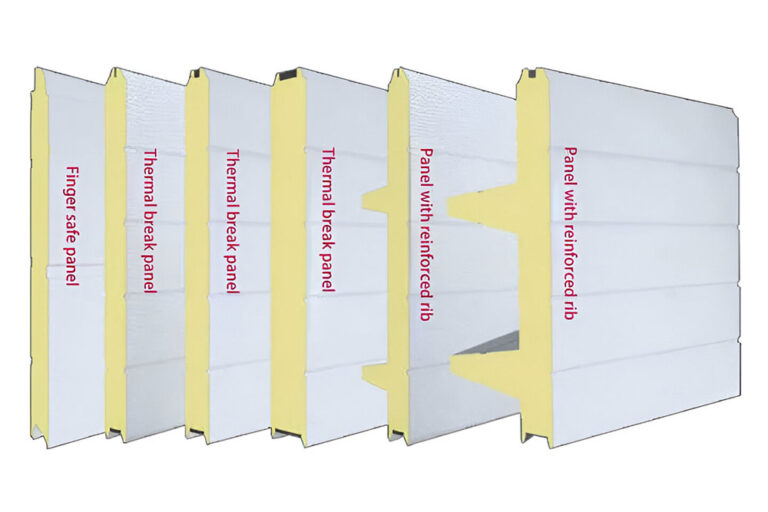
overhead door panel sharp

Honeycomb Panel Core Density Explained (and Where Each Range Fails)

Aluminum honeycomb panel core density that drifts from a 54 kg/m³ specification on the PO to 62 kg/m³ in the shipment can fall entirely within a supplier’s stated ±15% tolerance, so technically they delivered what their spec sheet promised while your build absorbs the difference. But across a 40-foot fifth-wheel, those 2.3 extra kilograms per…

Read more

Concrete Formwork Panel Load Capacity

A concrete formwork panel blowout doesn’t give you a warning. Two years ago, a contractor in Singapore lost 14 cubic meters of wet concrete through a failed plywood wall form during a column pour. The cause was straightforward: those panels had been rotated through nine reuses, and moisture swelling had reduced their actual load capacity…

Read more
an empty warehouse with no people in it

Sandwich Panel Manufacturing: What Happens on the Production Line

Three years ago, a building materials distributor in Vietnam took delivery of 8,000 square meters of PU-core insulated panels for a cold-chain facility. Eight months after installation, the steel facings started peeling away from the foam. The root cause traced back to the sandwich panel manufacturing process: the supplier had dialed adhesive application down to…

Read more