How to Maintain and Upkeep Air Shower Rooms
Comprehensive guide to cleanroom air shower maintenance. Covers nozzle velocity calibration, HEPA differential pressure logging, magnetic door interlocks, and ISO 14644 compliance.

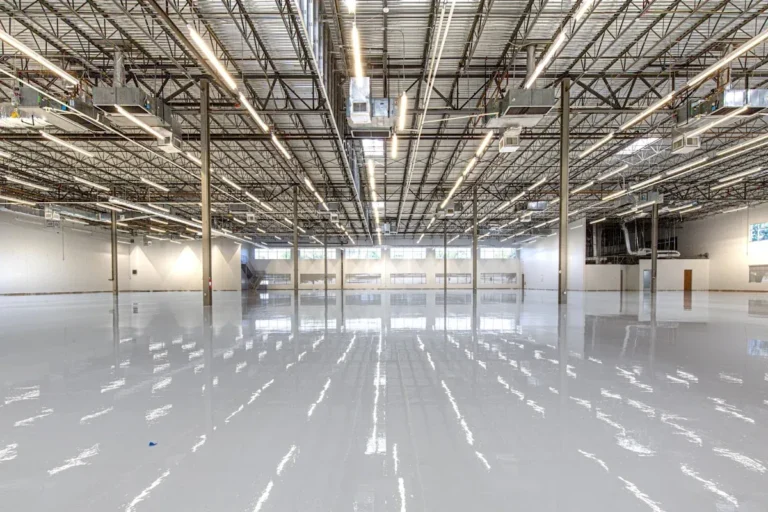
Comprehensive guide to cleanroom air shower maintenance. Covers nozzle velocity calibration, HEPA differential pressure logging, magnetic door interlocks, and ISO 14644 compliance.
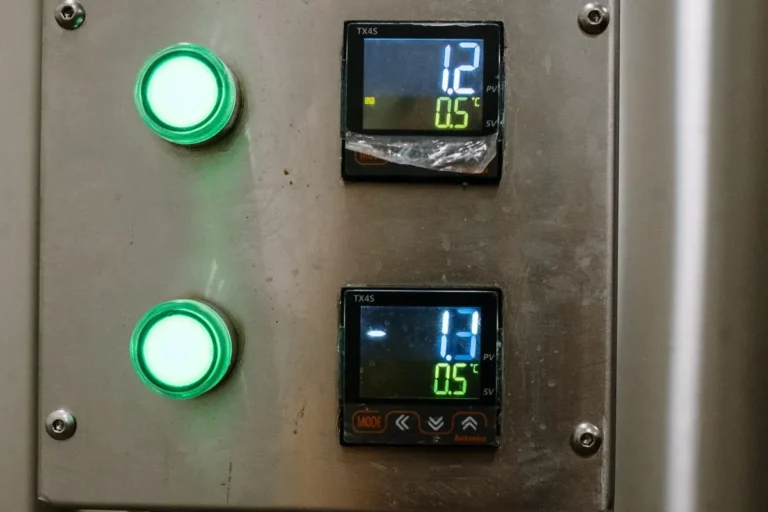
Comprehensive engineering fabrication guide detailing precision 45-degree miter grooving, 1K PUR adhesive bonding, Eurovent Class C airtightness testing, and thermal break profile installations for pre-insulated PU and PIR air plenum boxes.
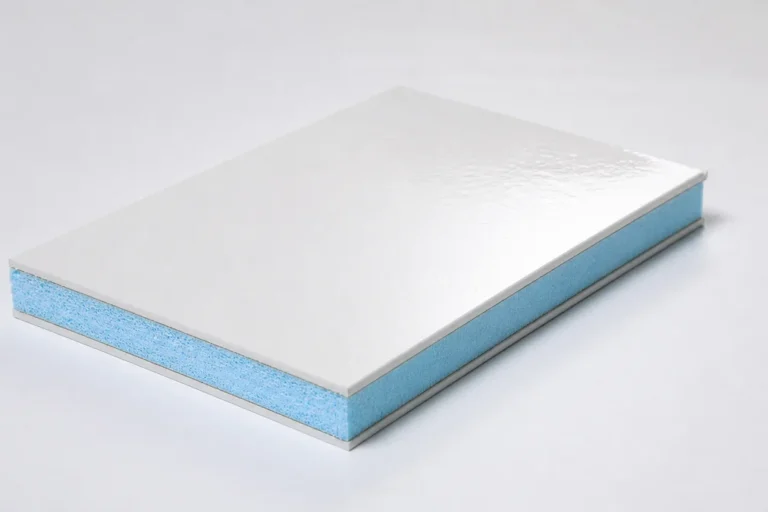
ACP sheets earn their keep through arithmetic, and two numbers show it. Run a back-of-envelope calculation and a 4 mm sheet with two 0.5 mm skins weighs about 5.5 kg/m² against 10.8 kg/m² for solid 4 mm aluminium plate. That is roughly half the mass at identical thickness, taking aluminium at 2.70 g/cm³ against a…
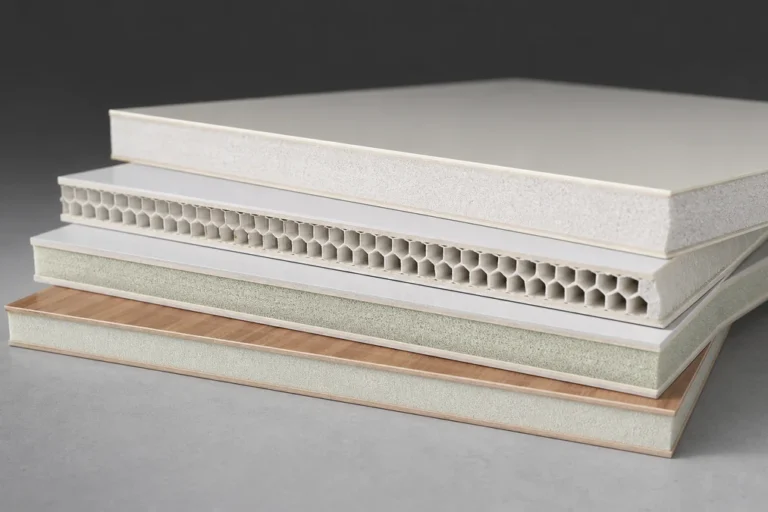
Moisture swells wood-based boards at the sink, grease soaks porous surfaces around the cooker, and open-flame heat punishes anything combustible behind the hob. Those three working conditions eliminate most finish materials before looks enter the discussion, which is why ACP panels took over cabinet doors, backsplashes and wall linings. The specification that earned that position…
Coils of aluminium go in at one end of the line; stacked, film-wrapped panels come out at the other. An aluminium composite panel is made by running two aluminium coils and a core material continuously through cleaning, coating, bonding and cutting. Most buyers inspect the finished sheet and none of the process. Yet peel failures,…
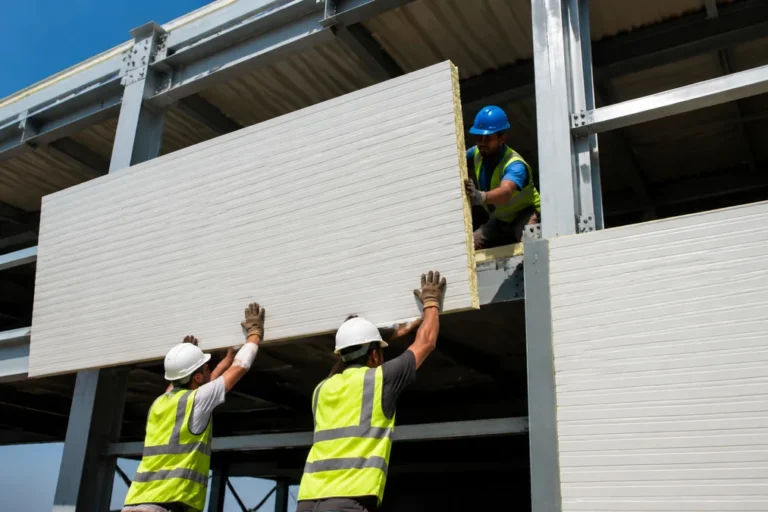
The costliest ACP cladding disadvantage is decided before panels are ordered. A core grade or wall assembly that fails compliance review after the purchase order means rectification, refused occupancy or legal liability. The six that follow, ranked by project risk, are fire compliance failure, impact dents, thermal movement with noise, joint leaks, coating fade and…
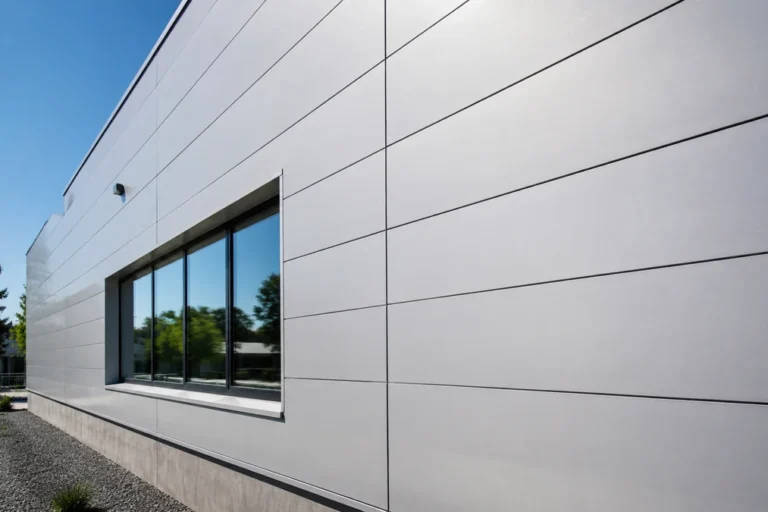
Most facade failures blamed on the aluminium trace back to three cheaper decisions: a skin thinned below 0.21 mm, polyester paint sold as exterior grade, an untested bond. An aluminium composite panel is a sandwich board — two thin aluminium skins bonded to a thermoplastic core, coil-coated for weather and laminated continuously into a flat,…
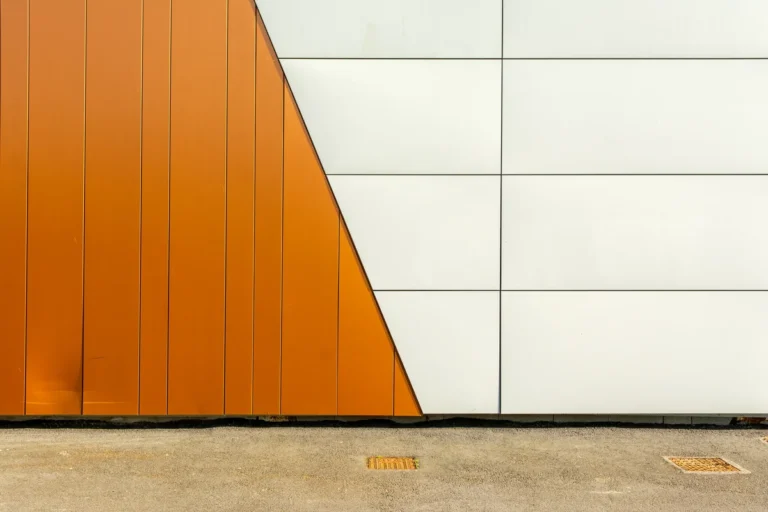
In most commercial architectural specifications, ACP (Aluminum Composite Panel) and ACM (Aluminum Composite Material) describe the exact same physical sandwich product: two 0.5 mm aluminum skins thermo-bonded to a 3.0 mm mineral-filled or thermoplastic core (5.5 kg/m²). The distinction is primarily a regional standards divide: North American specifiers mandate ACM under CSI MasterFormat Section 07…
WhatsApp us