Honeycomb Panels Resolving Density Versus Thickness Misconceptions

Key Factors Driving Aluminum Honeycomb Core Performance

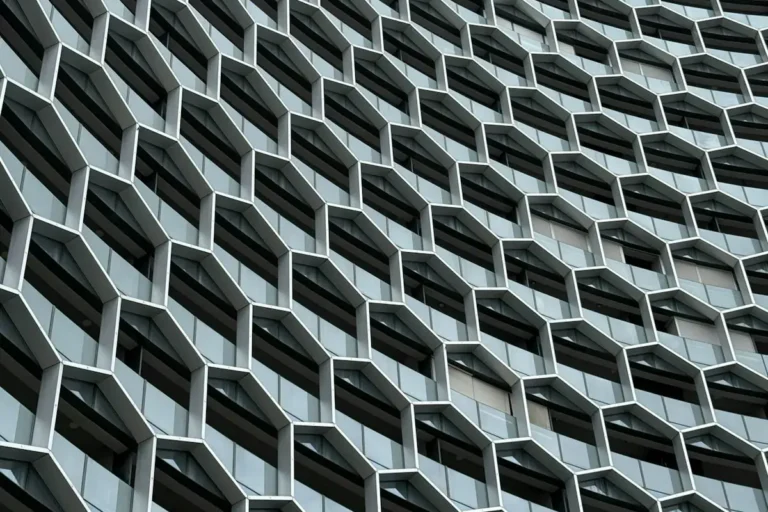
Evaluating the mechanical capacity of composite sandwich panels requires a rigorous examination of the internal cellular core. In architectural envelopes and industrial transport enclosures, aluminum honeycomb cores provide structural shear transfer while maintaining bulk densities between 34 and 95 kg/m³. When flatwise compressive resistance tested under ASTM C365 varies from 1.5 to 7.8 MPa, minute…
Read more
Honeycomb Panels Honeycomb Panels Explained: Benefits & Applications

How to Select High Quality Aluminum Honeycomb Cores

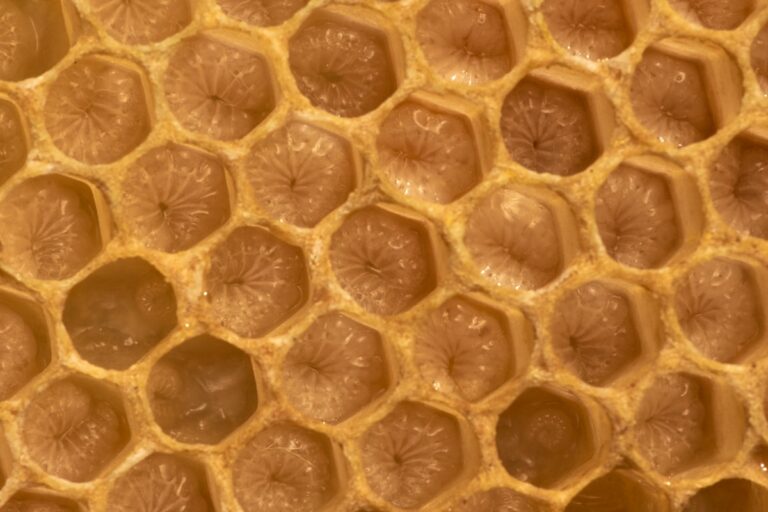
Selecting the right structural core determines whether an architectural or industrial composite panel withstands decades of environmental stress. In modern sandwich panel engineering, aluminum honeycomb cores provide superior flexural rigidity while keeping structural mass below 95 kg/m³. When bare compressive strength tested under ASTM C365 ranges from 1.5 to 7.8 MPa, foil thickness and cell…

Read more
Stock photo of an aluminium facade on a cultural center building

Why Choose Aluminum Curtain Walls for Modern Facades

The curtain wall is the only building part that faces every season at once, and it is the specification line where weight, water and fire mistakes compound fastest. Aluminium facade systems earn their place because one system answers all three: a light skin that turns storm water away and carries a certified fire grade. Choose…

Read more

How Composite Cores Change the Durability of Aluminium Panels

Give two identical facades the same crew, the same coating batch and two different core grades, and weather will sort them into different outcomes within five years. The aluminium skins are near-identical across every grade, so the composite core is the whole durability decision – and historically, that grade was never disclosed to the buyer.…

Read more
Modular Home 2. Look Into the Builder's Reputation and Certifications

Marine Grade Aluminum Panels: Corrosion Resistance in Offshore Projects

In offshore petroleum platforms, coastal container terminals, and oceanic high-rise developments, architectural facades endure one of the harshest thermodynamic environments on Earth. Airborne sodium chloride aerosols, persistent sea fog, and tropical solar radiation combine to destroy standard building envelopes. When commercial-grade aluminum alloys are deployed in high-salinity marine atmospheres, aggressive chloride ions penetrate natural passive…

Read more
18mm plastic formwork panel Real Project Numbers: Cost Per Square Meter

How to Fabricate Curved and Perforated Aluminum Panels

In modern fluid architecture, parametric building envelopes, and acoustic theater ceilings, geometric transitions demand radical sheet metal craftsmanship. Transforming planar metal into organic curved facades requires punching thousands of perforations before executing multi-axis radius bending. When fabricators attempt roll bending without calculating the modified mechanical properties of perforated metal, disaster strikes: circular holes distort into…

Read more
insulated ceiling panel When to Prioritize Soundproofing

PIR and Polyurethane Insulated Panels for Cold Storage: Buyer Guide

In industrial refrigerated warehouses and commercial food processing facilities, maintaining ultra-low temperature envelopes presents severe thermodynamic challenges. The relentless vapor pressure differential between humid exterior atmospheres and sub-zero interior air continuously drives moisture vapor through standard building envelopes. When moisture infiltrates compromised insulation cores, water freezes, expands, and destroys the foam matrix, resulting in massive…

Read more
agricultural insulated metal wall panels Lower Maintenance Costs: What to Expect

Cleanroom Wall Panels: Anti-Static and Chemical Resistance Guide

In advanced semiconductor fabrication facilities and sterile pharmaceutical manufacturing suites, uncontrolled airborne contamination destroys production yields and invalidates regulatory compliance. Sub-micron particulates suspended in cleanroom airflow naturally carry positive or negative electrostatic charges, driving them to adhere aggressively to standard wall surfaces through Coulombic attraction. Simultaneously, rigorous decontamination protocols utilizing vaporized hydrogen peroxide, sporicidal chlorine…

Read more