Benefits of Sandwich Panels for Cold Storage Facilities

Most buyers fixate on upfront cold room prices and ignore the 25% energy waste bleeding through their building envelope. Over a 10-year operational lifecycle, thermal leakage at panel joints costs more than the entire structural build. We regularly see facilities struggling to hold the strict -40°C to 15°C range because their suppliers provided generic boards…
Read more

RV Panel MOQ & Pricing

Suppliers quote FRP XPS sandwich panels at $11 to $15 per square foot. What they leave off that quote: $50 to $150 per reinforced crate, $500 to $3,000 in mold charges, and a 15 to 25 percent surcharge on orders below their preferred volume. That rv panel pricing figure covers the panel itself. It does…

Read more

What Is PP Honeycomb Panel?

Most composite panel suppliers hand you a data sheet listing “high strength-to-weight ratio” and call it a day. What that sheet skips is how poor skin-to-core bonding turns your PP honeycomb panel into a delamination risk after two years of thermal cycling. The number buyers fixate on is density — 48 to 80 kg/m³ for…

Read more

Everything You Need to Know About Walk-In Cooler Panels

Most buyers spec walk-in cooler panels based on upfront price per square foot. That decision costs more over 10 years than buying the most expensive panels on the market. Panel insulation drives more performance variance than any other single component in a cold room build. Polyurethane cores hit R-32 at 4 inches thick. Polystyrene needs…

Read more
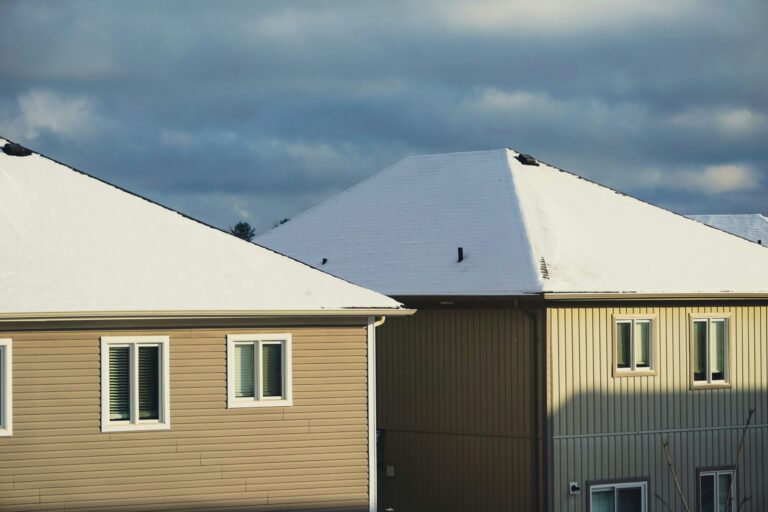
a row of houses with snow on top of them

How Much Do You Know About PIR Panels?

Ask most distributors to explain PIR thermal performance beyond the spec sheet, and you’ll get a recitation of R-values. The material delivers 3.6 to 4.5 m²K/W. That part checks out. But those numbers assume perfect foam density and zero thermal bridging at the joints. In real installations, manufacturing variations in the curing process create micro-voids…

Read more
Hyper-realistic photography of a modern agricultural building interior, featuring fire-rated agricultural panels on walls and ceiling. The panels are clean, light-colored, and seamlessly integrated. Focus on the texture and finish of the panels, suggesting durability and fire resistance. Soft, diffused natural light coming from high windows, creating a bright and safe atmosphere. No text, no brand logos, clean composition.

Fire Rated Panels for Agricultural Buildings

Standard agricultural building materials — untreated wood framing, basic corrugated steel — fail fast under fire. After the January 2025 Los Angeles wildfires, the Insurance Institute for Business and Home Safety confirmed that structures survived because owners had installed fire-resistant construction materials, notably metal roofing and wall systems. That finding applies directly to agricultural facilities,…

Read more
Hyper-realistic photography of a cross-section of a fire-rated composite sandwich panel, showing distinct layers of core material and facing. The panel is partially charred on one side, with flames subtly visible in the background, emphasizing its fire-resistant properties. Clean composition, no text, no brand logos.

Fire Rated Architectural Panel Options

Most search results for fire rated panels talk about buildings — NFPA 285 exterior wall compliance, 1-3 hour ASTM E119 ratings, mineral wool cores weighing 12-25 kg/m². None of that helps when your RV wall needs to pass FMVSS 302‘s 35mm/min horizontal burn test and your weight budget sits at 6 kg/m². We’ve manufactured composite…

Read more
Hyper-realistic photography of a highly customized RV composite panel, showcasing its multi-layered structure with various core materials and skin options. The panel is precisely cut and finished, with a focus on the clean edges and smooth surface. Studio lighting, clean composition, no text, no brand logos.

Custom RV Panel Manufacturing: Everything You Need to Know

Inconsistent panel thickness stops assembly lines. We’ve watched procurement teams lose weeks because a supplier delivered panels with ±2mm variance: gaps that wouldn’t seal, joints that wouldn’t align, an entire production schedule written off. At our facility, CNC routing holds ±0.5mm tolerance across every panel, from 15mm interior furniture pieces to 65mm roof modules. That…

Read more