Best Insulated Roof Panels in Hot Climates

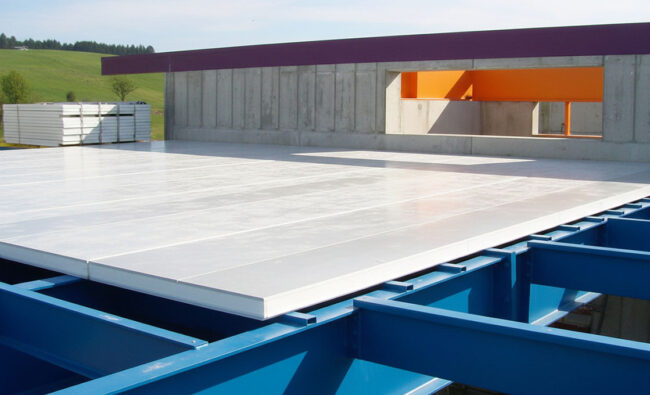
Extreme heat creates a specific set of engineering failures for commercial roofing that standard specs often miss. If you are sourcing for a tropical project, the right insulated roof panels determine whether the building becomes an energy sink or a climate-controlled asset. Standard single-skin installations need separate ceiling framing. A double-layer metal system with a…
Crop Storage Insulated Panel Thickness Guide

Selecting the correct crop storage panel thickness is the single most critical variable for long-term crop viability and energy efficiency in 2026. We see too many procurement engineers underspecify insulation for lateral bulk loads, leading to compressor overloads and rapid product spoilage. Rax Panel manufactures high-density composite panels with daily capacities exceeding 1,700 square meters,…

Hyper-realistic photography of a modern agricultural building interior, featuring fire-rated agricultural panels on walls and ceiling. The panels are clean, light-colored, and seamlessly integrated. Focus on the texture and finish of the panels, suggesting durability and fire resistance. Soft, diffused natural light coming from high windows, creating a bright and safe atmosphere. No text, no brand logos, clean composition.

Fire Rated Panels for Agricultural Buildings

Standard agricultural building materials — untreated wood framing, basic corrugated steel — fail fast under fire. After the January 2025 Los Angeles wildfires, the Insurance Institute for Business and Home Safety confirmed that structures survived because owners had installed fire-resistant construction materials, notably metal roofing and wall systems. That finding applies directly to agricultural facilities,…

Agricultural Panel Factory Selection Checklist

Two years ago, a truck body manufacturer in Indiana lost $85,000 in a single week because their new agricultural panel suppliers shipped a batch with a 0.6mm thickness variance. The assembly line stopped dead. Doors wouldn’t seal, wall joints buckled, and the factory floor turned into an expensive storage unit while procurement argued with a…

Metal Sandwich Panels for Barn Construction

A fleet builder in Indiana called me last month after receiving a container of barn sandwich panels with dents across 40% of the sheets. The supplier had stacked them loose. No wooden crates, no corner protectors — just metal-on-metal friction for three weeks at sea. That $28,000 order was scrap. The supplier stopped returning emails…

How to Specify Agricultural Insulated Walls

A dairy operation in southern Wisconsin tore out 2,400 square feet of stick-built walls after four years. The fiberglass batt had sagged inside the cavities, thermal bridges at every stud condensated behind the cladding, and black mold crept through the wall assembly during a humid July. The retrofit cost $187,000 — nearly double the original…

Abstract view of a blue and white industrial building wall with roller door, highlighting geometric patterns and colors.

Farm Wall Panels: Steel vs Composite Comparison

A 2,400-head hog finishing operation in central Iowa replaced their entire wall system last year after just six years of service. The galvanized steel panels had corroded through at the base where ammonia concentrations from waste pits ate past the protective coating three times faster than the supplier’s atmospheric corrosion data predicted. Replacement ran $340,000…

Insulated Roof Panels for Livestock Housing

In 2024, a poultry integrator in Georgia tore out 2,400 square meters of steel-clad insulated roof panels after just four years. Ammonia from bird waste ate through the galvanized coating. Condensation from thermal bridging at the joints triggered respiratory outbreaks in three consecutive flocks. The replacement ran $52,000 in materials alone, plus another $180,000 in…

Agricultural Insulated Panel

Agricultural Insulated Panels: Specs & Pricing 2026

A Midwest trailer manufacturer called me last February after losing a $340,000 contract. Their livestock transport units failed thermal validation — the agricultural insulated panels they’d sourced from a secondary supplier were retaining 12°F more heat than spec during the 8-hour endurance test. The root cause was straightforward: the supplier swapped specified 40mm polyurethane foam…