

Inconsistent panel thickness stops assembly lines. We’ve watched procurement teams lose weeks because a supplier delivered panels with ±2mm variance: gaps that wouldn’t seal, joints that wouldn’t align, an entire production schedule written off. At our facility, CNC routing holds ±0.5mm tolerance across every panel, from 15mm interior furniture pieces to 65mm roof modules. That precision is what rv panel customization should deliver, but most manufacturers won’t commit to it on paper.
Our production line outputs over 1,700 m² of composite panels daily. XPS and PU foam cores in those panels achieve thermal conductivity between 0.022 and 0.035 W/m·K. This guide compares core materials side by side with real compression and thermal test data, breaks down actual cost factors including tooling fees and reinforced packaging for six-week ocean freight, and gives you the defect-rate and on-time delivery benchmarks that separate a qualified panel supplier from a production liability.
What Defines Custom RV Panel Manufacturing
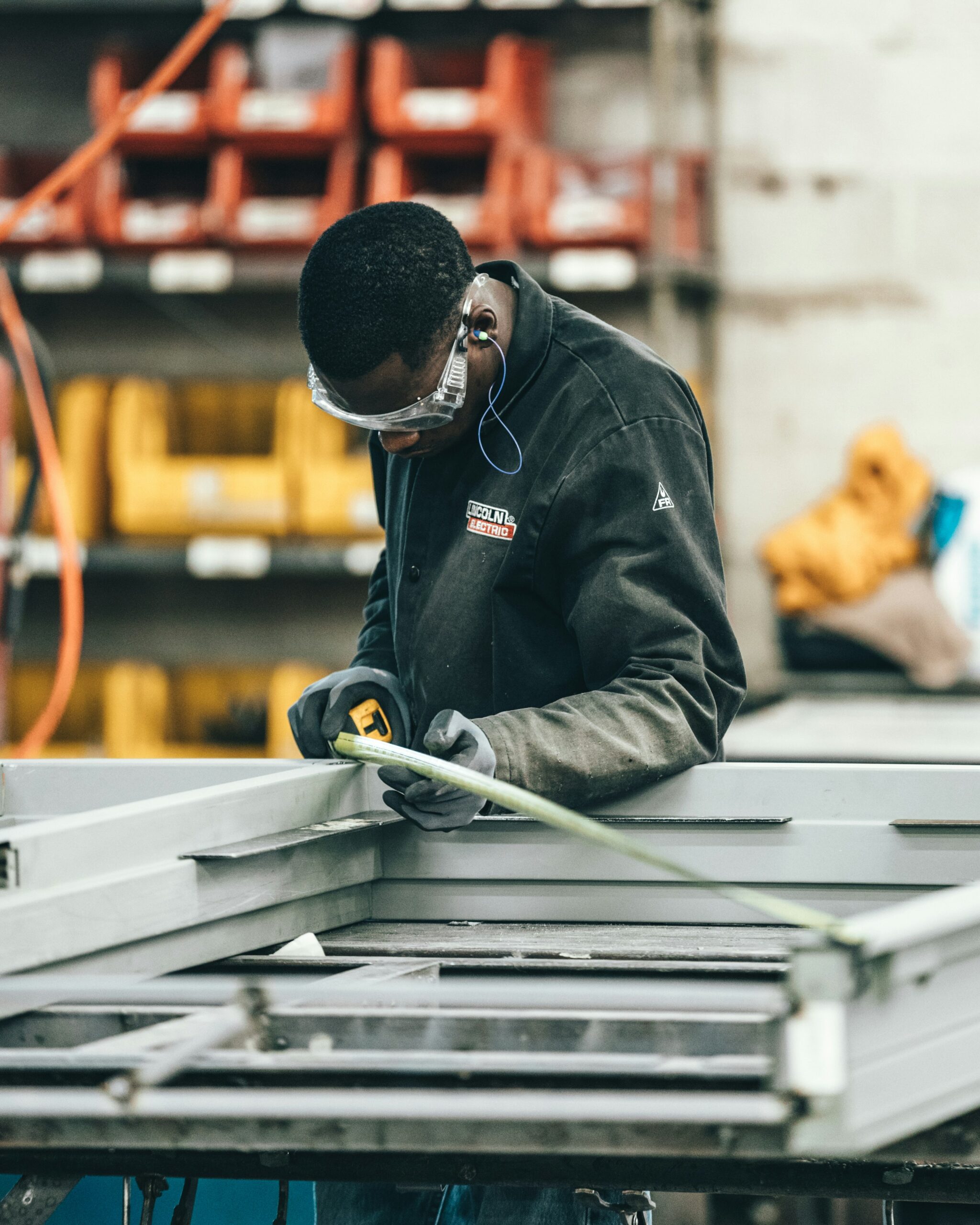
Custom RV panel manufacturing demands precise control over sandwich panel architecture, dimensional tolerances down to ±0.5mm, and rigorous skin-to-core bonding to ensure structural integrity and thermal efficiency.
Engineering Sandwich Panels for RV Applications
We engineer RV composite panels by bonding high-strength skins (typically FRP at approximately 1.8 kg/m² per mm, or CFRT at approximately 1.2 kg/m² per mm) to structural core materials. The core dictates the panel’s overall weight-to-strength ratio, thermal resistance, and impact performance. With a daily production capacity exceeding 1,700 square meters, our production line is specifically calibrated to handle large-scale OEM orders for specialized vehicle manufacturing without compromising on lamination quality.
- XPS Foam Core: Density of 30–40 kg/m³, offering thermal conductivity of 0.028–0.035 W/m·K. Ideal for standard RV walls and roofing where cost-efficiency and reliable insulation are priorities.
- PET Foam Core: Density of 60–200 kg/m³ with compressive strength ranging from 250–600 kPa. Provides higher structural rigidity and is fully recyclable, suited for high-end RV flooring.
- PU Foam Core: Density of 30–60 kg/m³, delivering the lowest thermal conductivity at 0.022–0.028 W/m·K for maximum HVAC energy reduction.
- PP Honeycomb Core: Density of 45–120 kg/m³, engineered for maximum stiffness-to-weight ratio in structural bulkheads and furniture panels.
Custom Dimensional, Thermal, and Structural Specifications
Inconsistent panel thickness is a primary cause of assembly line stoppages for RV manufacturers. We manufacture custom sandwich panels in thicknesses ranging from 15mm (used for lightweight interior furniture and cabinetry) up to 65mm (required for extreme climate roof and floor insulation). To ensure automated assembly compatibility, our CNC cutting centers maintain strict tolerances of ±0.5mm across the entire panel surface.
- Thickness Range: 15mm to 65mm customized to specific vehicle engineering drawings.
- Machining Tolerance: ±0.5mm CNC routing to guarantee uniform edge joints during vehicle assembly.
- Compressive Strength: Calibrated from 150 kPa (standard XPS) up to 600 kPa (dense PET) depending on floor load requirements.
- Fire Resistance: Configurations achieving UL 94 V-0 standards available for specific core and skin combinations.
Color Matching, Surface Texture Selection, and Edge Detailing
Structural integrity must be matched by aesthetic and environmental durability. We apply specialized gel coats to FRP sheets during production, providing a waterproof, flat, and smooth surface that achieves water absorption rates below 1%. This is critical for preventing delamination in humid environments. Beyond the standard white gelcoat, our facility processes custom RAL color matching directly into the panel skin, eliminating the need for secondary painting and reducing volatile organic compound (VOC) emissions on the manufacturer’s end.
- Surface Finishes: High-gloss gelcoat, matte textures, PVC leather lamination, and wood grain finishes.
- Color Consistency: Strict RAL chart batch matching to ensure panel replacements years later match the original vehicle aesthetics.
- Edge Detailing: Custom profiling, tongue-and-groove routing, and sealing to protect the core from moisture wicking during transit and use.
By controlling the surface texturing and edge detailing in-house alongside the structural lamination, we prevent the common mismatch issues that occur when panels are sourced from one factory and cut by another. This integrated approach ensures that the final product fits directly into the client’s assembly jigs without requiring further modification.
RV Panel Core Materials Compared
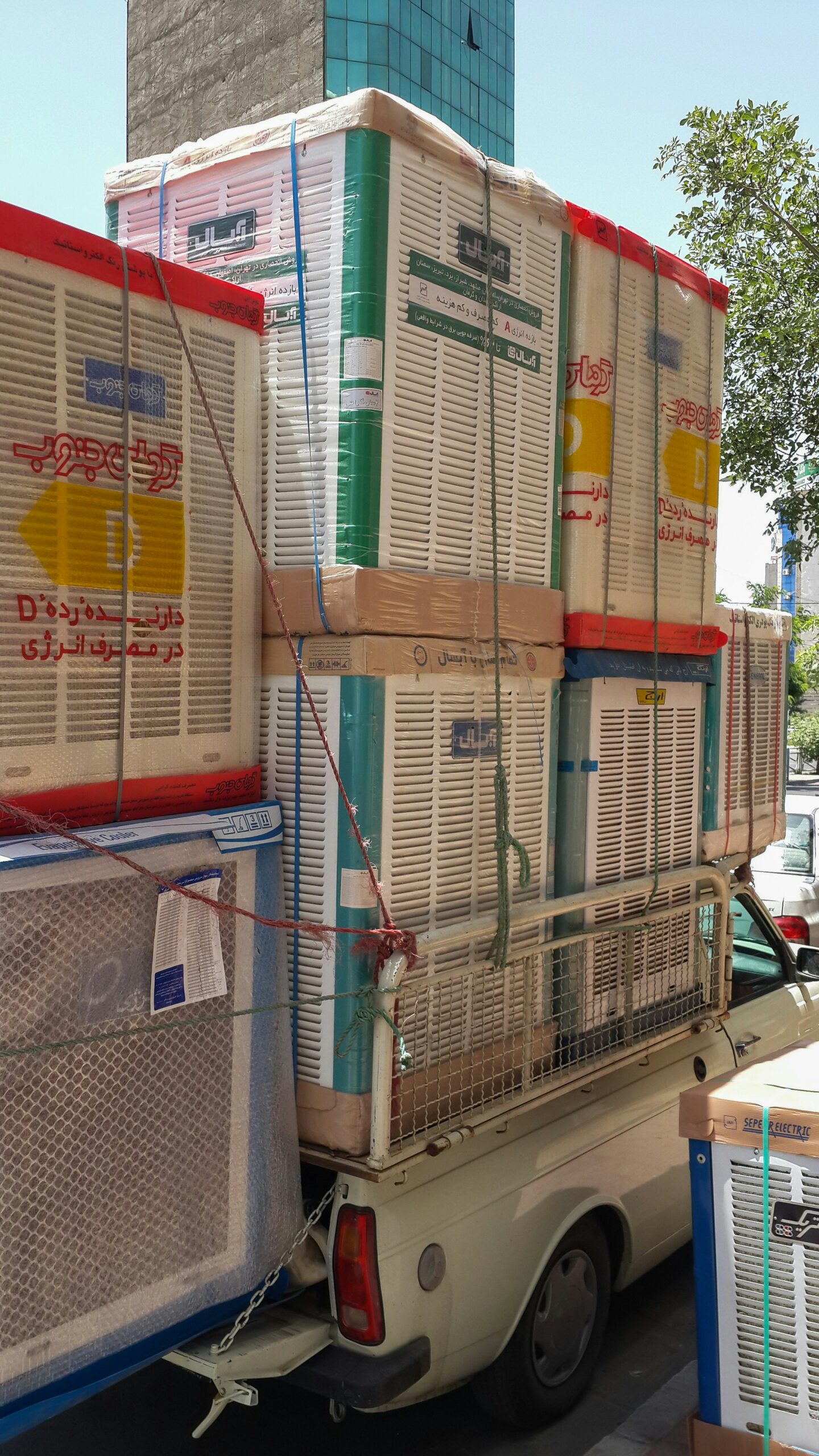
Core material selection dictates 70% of a sandwich panel’s structural and thermal performance. We manufacture RV panels using XPS, PET, PU, PVC foams and PP honeycomb, and each core behaves differently under load, temperature, and moisture exposure.
Technical Comparison: XPS, PET, PU, PVC, and PP Honeycomb Cores
When our engineering team evaluates a core material for an RV wall, roof, or floor application, we measure four properties: density, thermal conductivity, compressive strength, and flexural modulus. These directly determine the panel’s weight per square meter, HVAC energy load, and resistance to delamination under road vibration. Below are the tested ranges for the five cores we run on our production line.
- XPS (Extruded Polystyrene) Foam: Density 30–40 kg/m³. Thermal conductivity 0.028–0.035 W/m·K. Compressive strength 150–350 kPa. Closed-cell structure yields water absorption below 1%. Cost-effective for high-volume RV wall and roof production.
- PET (Polyethylene Terephthalate) Foam: Density 60–200 kg/m³. Thermal conductivity 0.030–0.040 W/m·K. Compressive strength 250–600 kPa. Fully recyclable. Higher temperature resistance (up to 150°C short-term) compared to XPS.
- PU (Polyurethane) Foam: Density 30–60 kg/m³. Thermal conductivity 0.022–0.028 W/m·K. The lowest thermal conductivity in this group, making it our first choice for refrigerated truck bodies and insulated RV flooring where maximum R-value per millimeter is critical.
- PVC (Polyvinyl Chloride) Foam: Density 60–250 kg/m³. Thermal conductivity approximately 0.030–0.040 W/m·K. Excellent flexural strength and chemical resistance. Widely used in marine vessel applications. Higher raw material cost limits adoption in standard RV builds.
- PP (Polypropylene) Honeycomb: Density 45–120 kg/m³. Thermal conductivity varies with cell size, typically 0.050–0.080 W/m·K. Exceptionally high stiffness-to-weight ratio. Best suited for structural RV flooring and furniture panels where load-bearing capacity matters more than thermal insulation.
One critical point: compressive strength numbers alone do not tell the full story. A 40 kg/m³ XPS core at 350 kPa compressive strength and a 100 kg/m³ PET core at 400 kPa behave differently under cyclic loading. PET maintains structural integrity over more compression cycles because its cell walls are thicker and more elastic. For RV floor panels subjected to constant foot traffic vibration over years of service, this fatigue resistance matters more than a single static load test.
Why XPS Foam Dominates Current RV Wall Applications
In our 15 years of manufacturing composite panels, XPS foam has remained the default core for RV walls across North American and European OEMs. The reason is straightforward: it hits the cost-to-performance ratio that production-line RV manufacturing demands. At 30–40 kg/m³ density, XPS keeps panel weight low enough to meet vehicle weight targets without requiring structural reinforcement of the chassis.
Thermal performance is the second driver. XPS delivers a thermal conductivity of 0.028–0.035 W/m·K, which means a standard 30mm XPS core RV wall panel provides sufficient insulation for three-season camping without adding bulk. Combined with FRP gelcoat skins that block moisture ingress at rates below 1%, the XPS-cored sandwich panel creates a thermally stable, waterproof envelope that protects the interior structure from condensation-related rot and mold.
From a manufacturing standpoint, XPS is easier to process than PET or PVC. It cuts cleanly on our CNC routers at ±0.5mm tolerance without melting or gumming up the tooling, which keeps production cycle times predictable. When we are running 1,700 m² of panel area per day to fill large OEM orders, processing consistency is not optional. It is the difference between shipping on time and halting the line.
PET Foam: Gaining Traction for Recyclability and Temperature Resistance
Over the past three years, we have seen a measurable shift among European RV manufacturers requesting PET foam cores in their custom panel specifications. The primary driver is regulatory. EU End-of-Life Vehicle directives are tightening, and OEMs need composite materials that can be recycled rather than landfilled. PET foam is thermoplastic, meaning it can be reground and reprocessed into new products at the end of the vehicle’s service life. XPS and PU, as thermoset foams, cannot.
Temperature resistance is the second factor. PET foam withstands short-term exposure up to 150°C without dimensional distortion. In RV applications, this matters during the panel lamination process itself, where elevated curing temperatures can cause lower-grade XPS cores to expand or contract, and in real-world conditions where dark-colored exterior panels absorb solar radiation in hot climates.
We have measured surface temperatures exceeding 80°C on black gelcoat RV walls parked in direct summer sun in the Middle East, conditions where XPS begins to soften but PET maintains full structural capacity.
The tradeoff is cost. PET foam raw material runs 20–40% higher than XPS depending on density grade, and the higher density (60–200 kg/m³) adds panel weight. For a 50mm wall panel, switching from XPS to PET can add 1.5–2.5 kg/m² depending on the PET grade selected.
Our recommendation to OEMs is to run PET cores in roof panels where solar heat gain is highest, and XPS in wall panels where the cost-to-weight tradeoff favors the lighter core. This hybrid approach keeps the total vehicle weight on target while addressing recyclability requirements where they matter most.
| Core Material | Density (kg/m³) | Thermal Conductivity (W/m·K) | Compressive Strength (kPa) | Optimal RV Application |
|---|---|---|---|---|
| XPS Foam | 30–40 | 0.028–0.035 | 150–350 | Wall panels, roofing insulation; cost-effective thermal barrier |
| PET Foam | 60–200 | 0.030–0.040 | 250–600 | Structural walls, flooring; high stiffness-to-weight ratio |
| PU Foam | 30–60 | 0.022–0.028 | 100–250 | Roof and floor insulation; lowest thermal conductivity |
| PVC Foam | 60–250 | 0.030–0.040 | 200–500 | Marine-grade RV panels; moisture-resistant environments |
| PP Honeycomb | 45–120 | 0.050–0.080 | 300–800 | Flooring, furniture panels; maximum strength at minimal weight |
| PMI Foam | 50–200 | 0.025–0.035 | 400–1200 | Premium structural components; UL 94 V-0 fire-rated configurations |
| EPP Foam | 20–80 | 0.030–0.040 | 50–200 | Impact-absorbing panels; energy-efficient lightweight builds |

FRP vs CFRT Skins for RV Panels
FRP skins at ~1.8 kg/m² handle exterior exposure and UV punishment. CFRT skins at ~1.2 kg/m² cut weight by 33% for interiors and roofing where recyclability matters.
FRP (Thermoset) Skins for Exterior RV Walls
FRP sheets are formed through thermosetting polyester resin reinforced with continuous fiberglass strands. Once cured, the polymer matrix cannot be remelted, which gives the skin its dimensional stability under prolonged UV and thermal cycling. Our gelcoat-treated FRP skins deliver water absorption rates below 1%, a critical threshold for preventing delamination in exterior RV wall panels exposed to rain, road spray, and humidity fluctuations over years of service.
At approximately 1.8 kg/m² per millimeter of thickness, FRP adds structural rigidity that interior-only panels do not require. The gelcoat surface finish provides a flat, smooth substrate that accepts aftermarket paint systems and resists scratching during assembly and transit. For RV manufacturers specifying exterior wall panels, this combination of UV resistance, weatherproofing, and surface hardness makes thermoset FRP the practical baseline.
- Skin weight: ~1.8 kg/m² per mm of thickness
- Water absorption: Below 1% with gelcoat finish
- Best application: Exterior sidewalls subjected to UV, moisture, and road debris
CFRT (Thermoplastic) Skins for Interiors and Roofing
CFRT (Continuous Fiberglass Reinforced Thermoplastic) uses a thermoplastic matrix instead of thermoset resin. The difference matters for two reasons. First, thermoplastic skins weigh approximately 1.2 kg/m² per millimeter, a 33% reduction versus FRP at equivalent stiffness ratings. Second, the material is recyclable, which aligns with the sustainability requirements several European and North American OEMs now enforce in their supply chain agreements.
We position CFRT skins on interior furniture panels, headliners, and roofing substrates where direct UV exposure is minimal. The lighter weight compounds quickly across a full RV build: replacing FRP with CFRT on a 25 m² roof panel saves roughly 15 kg before accounting for framing adjustments. For manufacturers targeting specific weight-to-strength ratios in their floorplans, that margin matters.
- Skin weight: ~1.2 kg/m² per mm of thickness
- Weight savings: Approximately 33% lighter than FRP per unit area
- Recyclability: Thermoplastic matrix allows reprocessing at end of life
- Best application: Interior panels, roofing, and furniture substrates
The selection between FRP and CFRT is not an either-or decision for most RV production lines. We commonly specify FRP on exterior walls where UV degradation and surface hardness are non-negotiable, then transition to CFRT on roofs and interiors where weight reduction and recyclability provide measurable returns. Our engineering team conducts tensile and flexural testing on both skin types bonded to XPS, PET, PU, and PVC cores so that procurement engineers receive validated data sheets rather than estimates.
RV Panel Customization Options and Tolerances
We manufacture custom RV composite panels from 15mm to 65mm thick, holding ±0.5mm CNC tolerances so every panel drops into your assembly fixtures without manual adjustment.
Thickness Range: Balancing R-Value and Structural Weight
We produce RV sandwich panels in a continuous thickness range from 15mm to 65mm. The lower end, 15mm to 25mm, targets interior furniture partitions and cabinet backs where weight savings matter more than thermal performance. The upper end, 50mm to 65mm, serves roof and floor assemblies that demand high insulation values to keep HVAC loads manageable.
Thermal conductivity varies significantly by core material, and thickness multiplies that difference. Below are the baseline W/m·K values we measure in-house across our most common RV core options:
- PU Foam Core (30–60 kg/m³): 0.022–0.028 W/m·K; best thermal resistance per millimeter, ideal for roof panels where thickness is limited by vehicle height
- XPS Foam Core (30–40 kg/m³): 0.028–0.035 W/m·K; strong compressive strength at 150–350 kPa, suited for flooring subjected to point loads
- PET Foam Core (60–200 kg/m³): 0.030–0.040 W/m·K; higher density yields superior screw pull-out resistance for wall-mounted hardware
- PVC Foam Core (60–250 kg/m³): Variable, selected for marine-grade RV applications requiring closed-cell water resistance below 1% absorption
Weight compounds quickly at thicker profiles. A 65mm XPS-core wall panel with FRP skins on both faces runs approximately 6.5–7.2 kg/m². Swapping to CFRT facing material drops that to roughly 5.0–5.6 kg/m² because CFRT skins weigh approximately 1.2 kg/m² per mm versus 1.8 kg/m² per mm for standard FRP. For a 10-meter RV body, that facing swap alone can remove 30–40 kg of dead weight without sacrificing stiffness.
Surface Finishes: RAL Colors, Wood Grain, and PVC Leather Lamination
Exterior skins default to FRP with gelcoat, available in any RAL Classic color code. We batch-mix gelcoat pigment to your specified RAL number, and we retain color samples on file for repeat orders to maintain consistency across production runs spanning months or years. Interior-facing skins offer three finish paths:
- Gelcoat (Standard): Smooth, matte, or structured surface. No additional lamination step required. Typical choice for utility interiors and service compartments.
- Wood Grain Texture: Applied via textured gelcoat film during the panel layup process. We carry eight standard grain patterns and accept custom embossing rollers for brand-specific textures.
- PVC Leather Lamination: Bonded to the inner FRP face with contact adhesive under controlled pressure. Adds approximately 0.3–0.5 kg/m². Used for premium wall and ceiling finishes in motorhomes.
MOQs depend on the surface finish complexity. Standard RAL gelcoat colors carry no MOQ premium. We run them on our continuous production line alongside other orders. Custom wood grain embossing rollers and PVC leather patterns require a minimum order of 200 panels to amortize tooling setup. We quote tooling fees upfront as a separate line item so you see the exact cost, never buried into unit pricing.
CNC Routing Tolerances and Edge Detailing for Automated Assembly
Every custom panel leaves our facility CNC-routed to ±0.5mm dimensional tolerance on length and width. We program tool paths directly from your CAD files: STEP, IGES, or DXF formats accepted. This tolerance band is tight enough for robotic pick-and-place fixturing and adhesive dispensing systems common on tier-one RV production lines.
Edge treatment is where low-cost panel suppliers cut corners, and where delamination usually starts. We offer three edge configurations depending on your assembly method:
- Sealed Raw Edge: FRP resin coat applied to exposed foam core. Minimum cost. Suitable where edges get covered by aluminum extrusion profiles.
- Pre-Installed Edge Banding: PVC or aluminum strip bonded with polyurethane adhesive. Adds 1–2 days to lead time but eliminates a secondary process at your plant.
- Mortised Rebate Joint: CNC-milled overlap joint for panel-to-panel bonding without visible external framing. Requires precise ±0.5mm control to prevent gap failure under road vibration.
For international shipments, we pack routed panels in reinforced wooden crates with internal foam buffers at every edge and corner. Container loading plans are drafted by our logistics team to prevent shifting during the 4-to-6 week ocean transit to Europe, North America, or South America.
Damage claims on our panel edges have stayed below 0.3% of shipped square meters over the last three years, a figure we track because we know edge integrity is the single biggest quality concern for overseas OEM buyers.
Cost Factors in RV Panel Customization
RV panel customization costs are driven by three variables: core/skin material selection, dimensional specs, and order volume. Understanding these levers lets procurement teams accurately forecast total landed cost before committing to production.
Core and Skin Material Cost Drivers
The single largest cost variable in any custom RV panel order is the core material. We produce panels with a range of cores, and the price differential between them is substantial. XPS foam (30–40 kg/m³ density) is our most cost-effective option, delivering thermal conductivity of 0.028–0.035 W/m·K at a lower raw material cost.
PU foam sits in a similar price band but offers slightly better insulation at 0.022–0.028 W/m·K. PET foam (60–200 kg/m³) and PVC foam (60–250 kg/m³) carry a premium because their higher compressive strength (250–600 kPa for PET versus 150–350 kPa for XPS) makes them suitable for structural floor and wall applications where load-bearing capacity is non-negotiable.
Honeycomb cores command the highest price point. PP honeycomb (45–120 kg/m³) and fiberglass honeycomb both deliver superior stiffness-to-weight ratios, which is why they are specified for RV roofing and flooring where weight reduction is a primary engineering target.
However, the manufacturing process for bonding honeycomb to FRP or CFRT skins requires more precise temperature and pressure control than foam core lamination, which increases per-square-meter production cost. We openly discuss this trade-off with buyers: if your application does not require the maximum strength-to-weight ratio, an XPS or PU foam core panel will meet structural requirements at a lower unit cost.
Skin material selection compounds this cost difference. FRP skins with gelcoat cost less per kilogram than CFRT (continuous fiberglass reinforced thermoplastic) skins, but CFRT skins weigh approximately 1.2 kg/m² per mm versus 1.8 kg/m² per mm for FRP.
For an RV OEM calculating total vehicle weight against a regulatory or design target, the lighter CFRT skin may justify its higher material cost through downstream fuel efficiency savings and reduced chassis load. We provide weight-per-square-meter calculations for every configuration so procurement teams can run their own total-cost-of-ownership analysis.
Volume Tiers and Thickness Impact
Panel thickness directly affects raw material consumption. Our customization range spans 15mm (interior furniture panels) to 65mm (roof and floor insulation panels). A 65mm XPS core panel consumes roughly four times the foam volume of a 15mm panel, and the cost scales accordingly. However, thicker panels also provide higher R-values, reducing the HVAC energy load in the finished vehicle. Procurement engineers need to weigh material cost against the thermal performance specification their RV model requires.
Order volume is the second major pricing lever. Our production line outputs over 1,700 m² of composite panel area daily, which means large orders can be completed within a single production cycle. This reduces machine setup costs, minimizes material waste from line changeovers, and allows us to negotiate better raw material pricing from our suppliers when we consolidate purchases. We structure pricing in three tiers:
- Sample/Prototype Tier: Small quantities for physical testing and assembly line validation. Priced at a premium due to dedicated setup time and non-standard production scheduling.
- Standard Production Tier: Orders that fit within our regular production cycle. Competitive per-square-meter pricing with standard lead times.
- Volume Contract Tier: High-volume recurring orders with scheduled production slots. Best unit pricing, priority scheduling, and the option to lock in raw material costs for a contract period.
We are transparent about where an order falls on this tier structure. Our international sales team provides a detailed cost breakdown so buyers see exactly what drives the per-square-meter price, rather than receiving an opaque lump-sum quote.
Custom Color MOQs and Pricing Implications
Standard gelcoat colors, typically white and a small range of neutral tones, carry no minimum order quantity beyond our standard panel MOQ. Custom RAL color matching is a different calculation.
Each custom color requires a dedicated gelcoat batch mixed to the specified RAL code, tested for color accuracy, and then applied during the panel skin lamination process. The setup cost for this batch is fixed regardless of order size, which means custom colors on a small order will significantly increase the per-panel cost.
We recommend a minimum order of one full production run of custom-colored panels to amortize the gelcoat setup cost effectively. For buyers who need a custom exterior color but want to manage costs, one practical approach is to order panels with a standard white gelcoat exterior and apply the custom color as a post-installation paint finish at the RV assembly facility.
This shifts the color customization cost downstream and eliminates the gelcoat batch minimum. Our engineering team can advise on surface preparation requirements for paint adhesion if this approach fits the production workflow.
FOB vs CIF Pricing, Tariffs, and Total Landed Cost
This is where we see the most budget surprises for first-time importers. The per-square-meter price we quote is only one component of the total cost to get panels from our factory floor to the buyer’s assembly line. We offer both FOB (Free on Board) and CIF (Cost, Insurance, and Freight) pricing terms, and the choice between them has significant financial and risk implications.
Under FOB terms, our responsibility ends when the loaded container passes the ship’s rail at the port of departure. The buyer handles ocean freight, marine insurance, port handling at the destination, customs brokerage, import duties, and inland transport to their facility.
FOB pricing gives buyers maximum control over shipping costs and carrier selection, which is why experienced logistics teams at established RV manufacturers often prefer it. Under CIF terms, we arrange and include ocean freight and marine insurance in the quoted price, which simplifies logistics for buyers who do not have established freight forwarding relationships.
Import duties and tariffs are the most frequently underestimated cost component. Composite panels classified under certain HS codes may carry anti-dumping duties or additional tariffs depending on the destination country and the specific materials of construction.
We provide HS code classification for our panels so buyers can verify the applicable duty rate with their customs broker before placing an order. We cannot stress this enough: request the HS code, confirm the duty rate, and factor it into your total landed cost calculation before committing to the purchase.
To help buyers forecast accurately, we break down the total landed cost components as follows:
- Panel Manufacturing Cost: The ex-factory price per square meter, including core material, skin material, adhesive, gelcoat, CNC cutting to ±0.5mm tolerance, and quality inspection.
- Packaging Cost: Reinforced wooden crate packaging designed to prevent edge damage during ocean transit. We do not ship panels in bare stacks.
- Inland Transport (Factory to Port): Trucking from our production facility to the departure port in China.
- Ocean Freight: Container shipping cost, which fluctuates based on route, season, and carrier availability.
- Marine Insurance: Typically 0.3–0.5% of the declared cargo value.
- Destination Port Charges: Terminal handling, documentation fees, and customs brokerage at the receiving port.
- Import Duties and Tariffs: Determined by HS code and destination country trade policy. Verify with a licensed customs broker.
- Inland Transport (Port to Facility): Final delivery from the destination port to the buyer’s manufacturing facility.
Our multilingual sales team, fluent in English, French, Russian, Japanese, and Korean, provides one-to-one support through this cost breakdown. We have supplied panels to buyers in over 50 countries, and we maintain records of typical shipping routes, transit times, and common duty classifications for our primary export markets.
This institutional knowledge helps new buyers avoid the hidden fees that derail project budgets. If you are importing composite panels for the first time, ask us for a landed cost estimate based on your destination port and panel specifications before you finalize your budget.
| Cost Factor | Key Variables | Price Impact | Optimization Tip |
|---|---|---|---|
| Core Material Selection | XPS, PET, PU, PVC, honeycomb cores | XPS lowest cost; PET/PVC premium tier | Match core density to structural requirements |
| Skin / Facing Material | FRP, CFRT, Aluminum, Steel, ACP | CFRT ~1.2 kg/m² per mm at higher cost | FRP gelcoat suits most RV applications |
| Panel Thickness | 15mm (furniture) to 65mm (roof/floor) | Material cost rises 20-60% with thickness | Zone-based thickness reduces unnecessary spend |
| Custom Dimensions & CNC Cutting | ±0.5mm tolerance, shape complexity | Tooling and setup fees per custom run | Standardize sizes across multiple units |
| Order Volume / MOQ | 1,700 m² daily production capacity | Higher volume significantly lowers cost per m² | Consolidate orders into full production cycles |
| Surface Finish & Color | Gelcoat, PVC leather, wood grain, RAL match | Custom finishes add 10-25% to unit price | Use standard RAL colors to avoid surcharges |
| International Shipping & Packaging | Reinforced crates, container loading plans, FOB/CIF | Freight can add 15-30% to total landed cost | Full container loads minimize per-panel shipping cost |
| Certifications & Testing | ISO 9001:2015, UL 94 V-0, ASTM compliance | Custom testing fees per new configuration | Select pre-certified material combinations |
Manufacturing Lead Times and Shipping Protection
Rax Panel produces over 1,700 m² of composite panels daily and ships them in reinforced wooden crates, because edge damage during a 6-week ocean transit is a production-line-stopping defect we refuse to let happen.
Production Timelines: Custom Orders vs. Trial Orders
Our advanced composite panel production line operates at a daily output exceeding 1,700 m². This capacity allows us to process large-volume RV production orders within a single continuous run, minimizing batch-to-batch material variation that plagues smaller manufacturers. For established custom orders, repeat specifications with locked drawings and confirmed core-to-skin configurations, we maintain a production timeline of 15 to 25 working days from deposit confirmation to ex-factory readiness.
Trial orders, which require separate line setup, experimental lamination testing, and first-article inspection reports, run longer at 20 to 30 working days. This additional window accounts for the engineering validation cycle: our team conducts physical testing on sample panels to verify that compressive strength, thermal conductivity, and dimensional tolerances meet the agreed data standards before committing to full output. We will not rush a first order to hit an artificial deadline and risk shipping non-conforming panels to an overseas OEM.
- Custom repeat orders: 15–25 working days ex-factory
- Trial / first-time orders: 20–30 working days, inclusive of sample testing
- Daily capacity: 1,700+ m² across XPS, PET, PU, PVC foam and honeycomb core configurations
- CNC tolerance: ±0.5mm cutting accuracy maintained across all panel dimensions
For procurement managers tracking on-time delivery KPIs above 95%, we provide weekly production progress updates with photographic evidence of panels at each manufacturing stage. Our international sales team, fluent in English, French, Russian, Japanese, and Korean, offers 24-hour one-to-one communication throughout the production cycle, eliminating the post-payment silence that overseas buyers frequently cite as their primary supplier frustration.
International Shipping Packaging: Reinforced Wooden Crates
Standard pallet wrapping is inadequate for composite sandwich panels moving through international supply chains. A 65mm-thick FRP XPS foam RV roof panel with a gelcoat finish is vulnerable to edge crushing, surface abrasion, and moisture ingress during the roughly 4 to 6 weeks of ocean transit from China to Europe or North America.
We have seen inspection reports from buyers who received panels from other suppliers stacked on open pallets with only stretch film: edges chipped, gelcoat scratched, and corners deformed from lashing strap pressure.
We ship all composite panels in reinforced wooden crates. Each crate is engineered to the specific panel dimensions ordered, whether that is a 15mm interior furniture panel or a 65mm insulated roof assembly.
The internal structure uses timber bracing to distribute stacking loads across the panel surface rather than concentrating force on edges. Panels are separated by foam interleaving sheets to prevent skin-to-skin contact, and the crate interior is lined with a moisture barrier to prevent condensation buildup inside the container.
This packaging approach adds material cost. We accept that. The alternative, arriving at your assembly line with panels that fail your incoming quality inspection because the edges are crushed, is far more expensive in lost production time and delayed delivery schedules.
Container Loading Plans with Edge Protectors and Shock Indicators
Before any shipment leaves our facility, our logistics team prepares a detailed container loading plan specific to the order. This plan maps the exact placement of each crate within the container to maximize space utilization while maintaining structural stability during transit.
Crates are secured with woven lashing straps rated for the total payload weight, and all strap contact points on the crates are reinforced with steel edge protectors to prevent the straps from biting into the timber frame under dynamic loads at sea.
Each container is fitted with single-use shock indicators on the interior container wall. These devices record whether the container experienced impact forces exceeding a calibrated threshold during handling at port transshipment points or during inland trucking at the destination. If an indicator has tripped upon arrival, the buyer knows immediately which crates to inspect in detail rather than discovering hidden damage after panels have already been routed to the production floor.
- Edge protectors: Steel-reinforced guards at all strap-to-crate contact points
- Shock indicators: Calibrated impact sensors mounted on container walls for transit monitoring
- Lashing system: Woven polyester straps rated for containerized cargo loads
- Loading documentation: Photographic record of container loading provided to buyer prior to vessel departure
We provide a complete photographic record of the loading process to the buyer before the container departs. This documentation captures crate condition at loading, strap tension, edge protector placement, and shock indicator status. If a quality dispute arises upon delivery, both parties have a verified baseline showing the exact condition of the shipment at origin.
Over 15 years of exporting to more than 50 countries, this protocol has reduced transit damage claims to a negligible rate and allowed our distribution partners to maintain consistent incoming material quality across repeated orders.
Quality Certifications and Testing Data
ISO 9001:2015 certification governs every production run on our line. Every batch of RV composite panels ships with documented fire, tensile, compressive, and thermal conductivity test data.
ISO 9001:2015 Certification and Batch-to-Batch Consistency
Our facility operates under an ISO 9001:2015-certified quality management system. This is not a wall certificate we renewed once and forgot. It dictates how we source raw fiberglass, how we meter resin flow on our continuous production line, and how we log CNC cutting tolerances for every custom RV panel order.
Batch-to-batch consistency is the primary concern for OEM procurement engineers evaluating a Chinese composite panel supplier. A variance of 2mm in panel thickness can halt an automated assembly line. Our production line outputs over 1,700 m² of composite panels daily, and every run is governed by the same incoming material inspection protocols and in-process quality checkpoints.
- Panel thickness tolerance: ±0.5mm across the full 15mm to 65mm customization range, verified by CNC calibration before each shift.
- Daily production capacity: Exceeds 1,700 m², allowing large RV production orders to be completed within a single continuous cycle to minimize batch variation.
- Surface flatness: FRP gelcoat sheets are produced to flat, smooth specifications, eliminating the surface waviness that causes adhesion failures during RV wall lamination.
- Water absorption rate: FRP gelcoat-skinned sandwich panels test below 1%, preventing the delamination and structural decay common in humid RV and marine environments.
We track this data internally. Our engineers conduct experimental testing on each custom formulation before approving it for full production, ensuring the panel meets both the customer’s engineering requirements and our own internal thresholds for dimensional stability.
Fire Resistance Ratings: UL 94 and EN 13501
Fire compliance is non-negotiable for RV wall and roof panels, yet many suppliers treat it as an afterthought. We test our composite panels against two internationally recognized standards: UL 94 for flammability of plastic materials and EN 13501 for fire classification of construction products.
Achieving UL 94 V-0 rating is possible with specific core and skin configurations we offer. This is not a blanket claim across every panel we manufacture. The V-0 classification depends on the foam core density, the facing material selected, and any fire-retardant additives incorporated during lamination. Our engineering team specifies the exact formulation during the customization phase and validates it with test specimens before committing to volume production.
- UL 94 V-0: Achievable with certain core-to-skin configurations; stops burning within 10 seconds after flame removal with no flaming drips.
- EN 13501 classification: Available upon request for building and vehicle applications requiring European fire compliance documentation.
- Testing protocol: We produce sample panels from the actual production batch material, not separately prepared lab specimens that fail to represent real-world output.
If your RV production line requires a specific fire rating to meet national regulations, specify this early in the quotation process. The core material selection directly impacts achievable ratings. XPS and PU foams perform differently under flame conditions than PET or PVC foams, and the facing material whether FRP, CFRT, or aluminum further modifies the result.
Tensile/Compressive Strength and Thermal Conductivity Test Data
Procurement engineers at the supplier qualification stage need exact mechanical and thermal numbers, not marketing language. Below is the performance data we document for our most common RV panel configurations. All values represent typical results from our in-house testing and production validation runs.
- Compressive strength (XPS core): 150–350 kPa, dependent on foam density selection within the 30–40 kg/m³ range.
- Compressive strength (PET core): 250–600 kPa, providing higher load-bearing capacity for RV flooring applications requiring 15mm to 65mm thickness ranges.
- Thermal conductivity (XPS foam core): 0.028–0.035 W/m·K, reducing HVAC energy load in recreational vehicles.
- Thermal conductivity (PU foam core): 0.022–0.028 W/m·K, the lowest thermal conductivity among our standard foam offerings.
- Thermal conductivity (PET foam core): 0.030–0.040 W/m·K, balancing insulation performance with higher compressive strength.
- FRP skin weight: Approximately 1.8 kg/m² per mm of thickness, providing structural rigidity for wall and roof panels.
- CFRT skin weight: Approximately 1.2 kg/m² per mm, a lighter alternative where weight-to-strength ratio is the primary constraint.
We provide full test reports with each custom order. These reports cover tensile strength, compressive strength, flexural modulus, and thermal conductivity values for the specific panel configuration you ordered, not generic data sheets pulled from a product catalog. This documentation supports your own internal quality audits and regulatory submissions.
Our testing is limited to the core and facing combinations we manufacture in-house. We have not tested every possible foam-to-skin permutation on the market. If your project requires a configuration outside our standard range, our R&D team will produce and test prototype specimens before committing to volume, ensuring the data reflects real production output rather than theoretical estimates.
Warranty and Defect Claim Protocols
A warranty is only as good as the manufacturer’s response time. We build our defect protocols around fast replacement logistics because a 48-hour delay on your assembly line costs far more than the panel itself.
Delamination Coverage Periods and Rapid Replacement Protocols
Delamination is the most common structural failure in composite RV panels, and it almost always traces back to a manufacturing defect rather than field conditions. When skin-to-core bond integrity fails, you see it as visible bubbling or separation on the FRP or aluminum surface.
Our FRP gelcoat-skinned sandwich panels hold water absorption rates below 1%, which directly prevents moisture-driven delamination in humid environments. But if a bond failure occurs due to a production anomaly, the warranty needs to cover it without bureaucratic friction.
We cover delamination defects for a period tied to the specific panel configuration and application. Structural wall and roof panels carrying higher loads receive longer coverage than interior furniture panels. The key metric for you as a procurement engineer is not just the duration, but the speed of resolution.
When you report a delamination defect with photographic evidence and batch numbers, we initiate replacement production within 48 hours. Because our daily output exceeds 1,700 m², a replacement batch for a partial order does not require waiting for a full production cycle. Your line keeps moving.
- Coverage scope: Skin-to-core bond separation, core collapse under rated load, and surface gelcoat delamination under normal environmental exposure.
- Exclusions: Impact damage from handling, improper storage exposing raw edges to standing water, and modifications made after delivery without engineering approval.
- Replacement timeline: Replacement panels enter production within 48 hours of claim validation, with shipment priority given to minimize downstream assembly delays.
Edge Damage Inspection Guidelines Upon Receipt
Edge damage is the single most common point of contention between composite panel buyers and manufacturers after international shipment. Panels travel 6-plus weeks in ocean containers, and even with reinforced wooden crate packaging, shifting can occur. The inspection you perform at your facility upon unloading determines whether a freight claim or a manufacturing defect claim applies. This distinction matters for your cost recovery process.
Upon receipt, inspect every crate for visible external damage before opening. Document any crushed corners, punctured wrapping, or signs of water intrusion with timestamped photographs. Once crates are opened, run a systematic check on the panels themselves.
Our CNC cutting maintains ±0.5mm tolerances, so any edge that appears chipped, crushed, or outside that tolerance band needs to be flagged immediately. Pay particular attention to foam core exposure at panel edges, because exposed XPS, PET, or PU foam degrades quickly when left unprotected.
- Edge tolerance check: Measure panel dimensions at three points along each edge. Any deviation exceeding ±0.5mm from the specified cut should be documented.
- Surface inspection: Check FRP gelcoat or CFRT skins for hairline cracks, especially at corners. Cracks propagating from edges inward indicate transit impact, not a manufacturing defect.
- Core exposure check: Examine all cut edges for foam or honeycomb core that has separated from the skin. Clean separation at the bond line points to a production issue; ragged or crushed core material points to transit damage.
- Reporting window: Submit inspection reports with photographs within 7 business days of delivery. Claims filed after this window shift the burden of proof from manufacturer to buyer.
How to Evaluate Manufacturer Warranty Clauses
Most composite panel warranties are written to protect the manufacturer, not the buyer. As a procurement engineer, you need to read past the headline coverage period and evaluate the actual mechanism for resolving failures. A 10-year warranty means nothing if the claim process requires you to ship defective panels back to China at your own expense for “laboratory analysis” before any replacement is approved. That is a cost trap disguised as a guarantee.
Evaluate warranty clauses against three practical criteria. First, what triggers the claim? The best warranties respond to verifiable field performance failures, not just laboratory test results that require you to dismantle your finished product and send samples overseas. Photographic evidence and batch traceability should be sufficient to open a claim. Second, who bears the freight cost for replacements?
If the clause says “FOB factory” for replacement shipments, you are paying for international freight twice, once for the original defective order and again for the replacement. Push for delivered terms on confirmed defect replacements. Third, check whether the warranty transfers with the finished product. If you manufacture an RV and sell it to an end user, does the panel warranty support your own warranty obligations to that customer, or does it terminate at your factory gate?
- Claim initiation: Require a warranty that accepts photographic evidence and batch numbers as the primary claim trigger, not physical sample returns.
- Freight responsibility: Confirmed manufacturing defects should be replaced with freight costs covered by the manufacturer, not shipped FOB origin.
- Coverage specificity: The warranty should list specific failure modes covered, such as delamination, core collapse, and dimensional non-conformance, rather than vague language about “material defects.”
- Batch traceability: Confirm the manufacturer tracks production batches by date, line, and raw material lot. This allows targeted recalls instead of blanket quality disputes.
We maintain full batch traceability through our in-house production records, linking every panel shipment to specific raw material lots and production line runs. When a defect appears, we can trace it to the exact production day and material batch. This is not standard across the industry.
Many Chinese composite panel exporters operate without this level of traceability, which makes warranty enforcement a guessing game for the buyer. Our 15 years of production experience and ISO 9001:2015 certification require this discipline, and it directly protects your production schedule when issues arise.
Conclusion
If you’re building RVs at scale in 2026, spec FRP skins over XPS foam for walls and roofs. That combination hits the cost-to-performance ratio most production lines need. XPS delivers 0.028–0.035 W/m·K thermal conductivity at 30–40 kg/m³ density, which translates to lighter finished vehicles and measurably lower HVAC energy draw. Save PET foam for your floor panels where the 250–600 kPa compressive strength actually matters under cargo and foot traffic.
Before you commit to a bulk order, request sample panels from three separate production batches and measure thickness at five points with digital calipers. Readings within ±0.5mm across all three batches confirm that a supplier’s CNC routing won’t stall your assembly line mid-build. Ask for the ASTM C518 thermal test report and a photograph of their export crating. Those two documents separate actual manufacturers from trading companies flipping someone else’s inventory.
Frequently Asked Questions
What materials are used for RV panels?
Common materials include fiberglass (FRP), PET, PU, XPS, and aluminum advanced cores.
Why use FRP fiberglass panels in motorhomes?
FRP panels provide excellent weather resistance, good aesthetics, and scratch-resistant surfaces to prolong the RV’s lifespan.
What are the benefits of aluminum RV panels?
Aluminum panels offer lightweight construction, long-term durability, and structural stability for demanding road conditions.
What cores are used in insulated sandwich panels?
Insulated sandwich panels typically use PET, PU, or XPS core materials to provide thermal insulation.
How is quality controlled before shipment?
Reputable manufacturers perform quality inspections on every panel prior to shipment to ensure consistent exterior quality.