aluminum honeycomb panel Aluminum Honeycomb Panel: Strength-to-Weight Ratio Explained

Aluminum Honeycomb Panel: Strength-to-Weight Ratio Explained

Structural efficiency is the primary constraint in commercial vehicle and marine design, where every kilogram of added structure directly reduces payload and fuel economy. The aluminum honeycomb panel solves this equation by using a hexagonal core to maintain rigidity without the mass of solid materials. At RaxPanel, we rely on these panels to deliver an…
Read more

Aluminum Sandwich Panel Manufacturer: The Complete Guide

Sourcing an aluminum sandwich panel manufacturer is rarely about finding the lowest price per square meter. It is about preventing the specific failure points that kill commercial projects—delamination, thermal drift, and fire code non-compliance that arrive on your dock rather than your spec sheet. At RaxPanel, we have seen how global shipping and strict code…

Read more
Agricultural Insulated Panel

Ultimate Agricultural Insulated Metal Wall Panels Guide

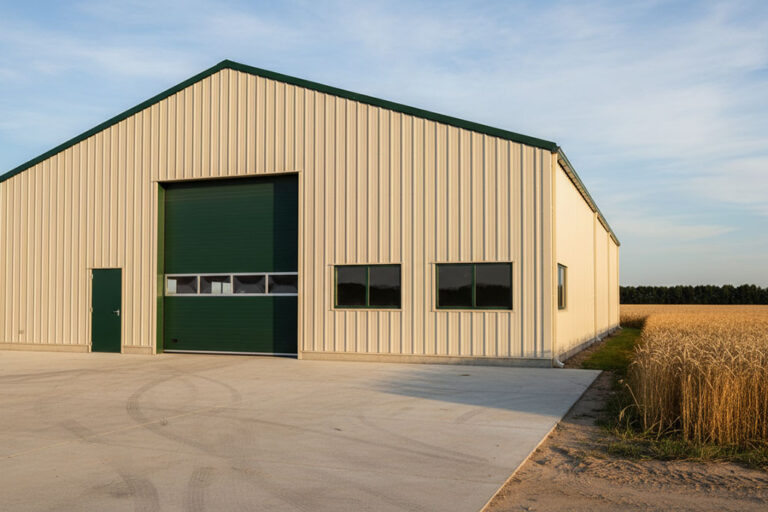
Agricultural insulated metal wall panels are supposed to solve your biggest headaches — energy costs, condensation damage, chemical corrosion — but too many facilities end up replacing panels within eight years because the core insulation choice didn’t match their actual operating environment. At RaxPanel, we’ve seen this pattern repeat across dairy barns, poultry houses, and…

Read more

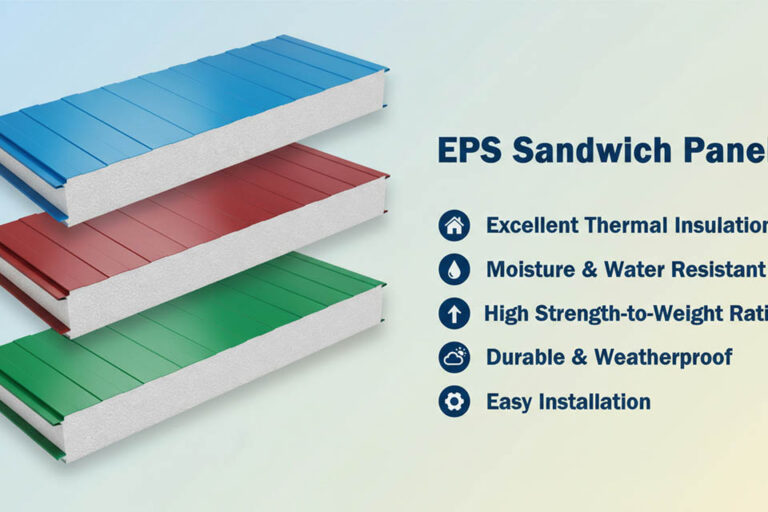
EPS Sandwich Panel Safety: Fire, Moisture & Durability

When you’re specifying an EPS sandwich panel for a cold storage warehouse or clean room, fire resistance, moisture protection, and long-term durability aren’t nice-to-have features — they’re the difference between passing inspection and tearing out walls two years early. Too many procurement officers learn this the hard way after a panel fails a fire test…

Read more
Modular Home 8 Key Things to Research Before Buying a Modular Home

8 Key Things to Research Before Buying a Modular Home

Most modular home buyers discover too late that factory specs don’t always match field performance. We’ve seen projects where insulation claimed at R-21 delivered closer to R-14 after installation — thermal bridging through steel framing eats into the rating before modules even leave the plant. That gap doesn’t show up on a spec sheet. At…

Read more
EPS vs XPS How EPS and XPS Perform Under Real-World Conditions

EPS vs XPS: R-Value, Moisture, Strength & Cost Compared

Most specifiers reach for XPS when they need below-grade moisture resistance. It’s the default choice on many drawings. But here’s what the trade literature doesn’t always emphasize: EPS retains its R-value longer over the service life of a building. That difference matters. A cold storage facility runs for 20 years, and every point of R-value…

Read more
EPS vs Polyurethane SIPs EPS vs Polyurethane SIPs: How to Choose the Right Insulation

EPS vs Polyurethane SIPs: How to Choose the Right Insulation

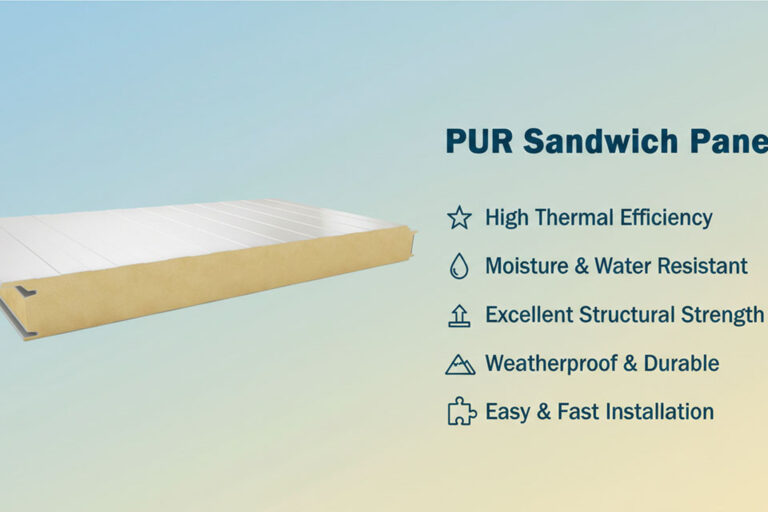
The upfront price tag on Expanded Polystyrene (EPS) panels looks tempting until you calculate the refrigeration load for a clean room or cold storage facility. When you are speccing industrial modular structures, choosing between EPS vs Polyurethane SIPs is not just a material selection—it is a decision that dictates your operational energy costs for the…

Read more
Container Houses Container Houses: Expandable vs Folding

Container Houses: Expandable vs Folding

The container housing sector has moved past the days of simply cutting a hole in a shipping box and calling it a home. The real engineering challenge now sits in how the structure deploys — and two competing mechanisms dominate: expandable and folding. Both claim speed, efficiency, and cost savings, but they solve opposite problems.…

Read more