
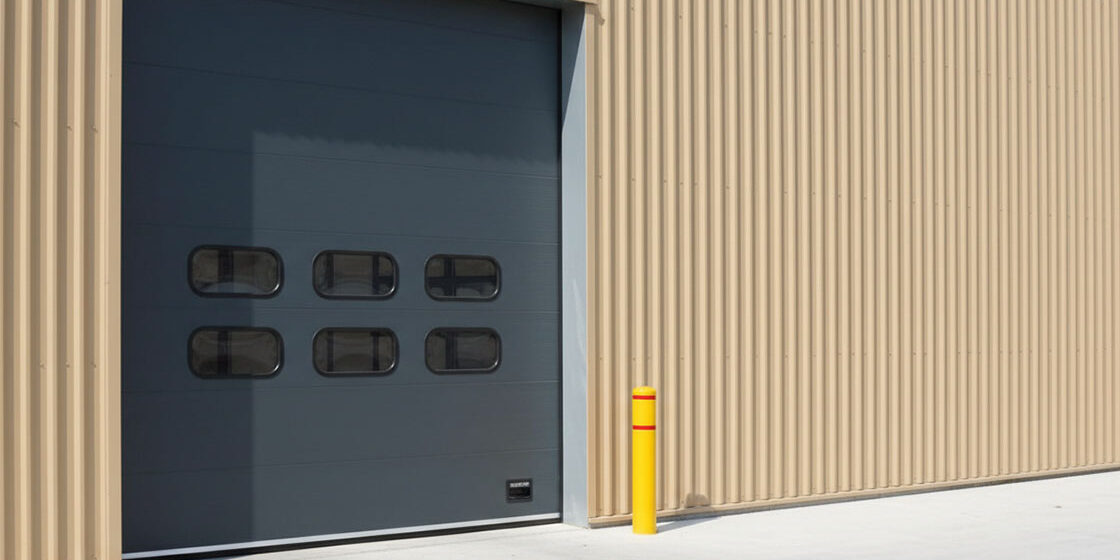
Project managers across industrial construction cite labor costs as their single biggest budget risk in 2026. Hidden installation expenses blow timelines and margins on facilities that require tight temperature control.
Insulated sandwich panels address that risk directly: a prefabricated composite unit with a rigid insulation core bonded between two structural skins that requires significantly less labor and time to install than conventional stick-frame or masonry construction. The continuous insulation eliminates thermal bridging entirely, which is why cold storage operators and refrigerated fleet builders adopted these panels years ago.
Material selection is where most buyers stumble. Insulated sandwich panel price shifts based on core composition: EPS, PIR, PU foam, and rock wool each carry different fire classifications, thermal ratings, and unit costs that most suppliers quote without explaining clearly.
This guide breaks down the core material trade-offs with direct cost comparisons, maps the ROI timeline for cold storage and sandwich panel refrigerated truck applications, and details the specific criteria to evaluate a panel manufacturer before you commit to a shipment.
What Are Insulated Sandwich Panels?
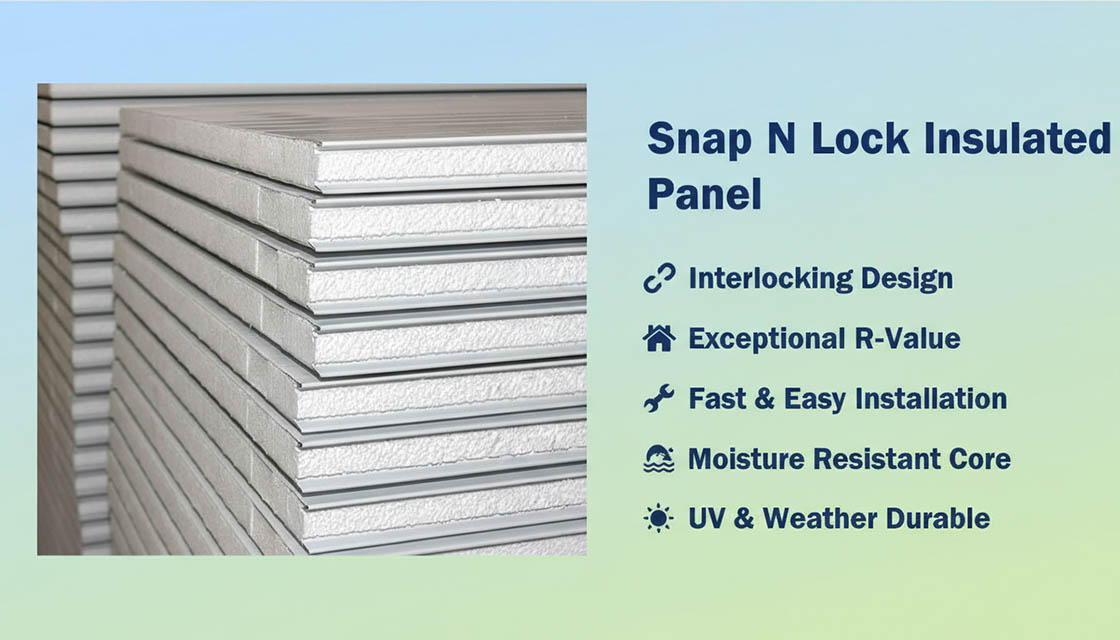
Insulated sandwich panels are three-layer composite structures: a lightweight insulating core bonded between two structural facing skins. The result is one prefabricated unit that handles both load-bearing and thermal regulation in a single component.
Composition and Core Structure
The core is the functional heart of any insulated sandwich panel. It determines thermal resistance, weight, fire performance, and ultimately the total cost of ownership. At Rax Panel, we engineer cores from multiple material families, each suited to distinct load cases and regulatory environments.
Closed-cell foam cores dominate commercial and mobile applications because they trap gas pockets within the cell structure, minimizing heat transfer. For cold storage panels and refrigerated truck bodies, PU (polyurethane) and PIR (polyisocyanurate) foams remain the industry standard due to their low thermal conductivity, typically between 0.022 and 0.028 W/m·K.
XPS (extruded polystyrene) and PET foam offer cost-effective alternatives where fire resistance is less critical. PMI foam, while more expensive, delivers the highest strength-to-weight ratio and is reserved for aerospace and high-performance applications.
Honeycomb cores operate on a different principle. PP (polypropylene) honeycomb, aramid honeycomb, and PC (polycarbonate) honeycomb use geometric cell structures to create rigidity with minimal material mass. When our engineers composite a PP honeycomb core with fiberglass sheet facings, the resulting panel achieves exceptional shear strength at a fraction of the weight of solid foam alternatives. This makes honeycomb configurations ideal for RV flooring, truck sidewalls, and marine bulkheads where every kilogram matters.
Rock wool (mineral wool) cores serve one primary purpose: fire compliance. Rock wool sandwich panels achieve fire ratings that organic foams simply cannot match, making them mandatory for many industrial facilities, commercial kitchens, and public buildings where building codes specify non-combustible construction.
Facing Materials Explained
Facing skins do the structural heavy lifting. They handle tensile and compressive loads, protect the core from moisture ingress, and define the panel’s external durability. The choice of facing material depends entirely on the application’s mechanical demands, corrosion exposure, and aesthetic requirements.
- GRP/FRP (Fiberglass Reinforced Plastic): Our most versatile facing option. GRP sheets, available with or without gelcoat, provide excellent corrosion resistance, waterproofing, and surface flatness. Gelcoat finishes deliver a smooth, paint-ready surface critical for RV and marine applications.
- CFRT (Continuous Fiber Reinforced Thermoplastic): Lighter and thinner than traditional FRP while maintaining high impact resilience. CFRT sheets represent the newer generation of thermoplastic composites, ideal where weight reduction is paramount.
- Aluminum and ACP (Aluminum Composite Panel): Lightweight, corrosion-resistant, and visually clean. Aluminum sandwich panels and ACP variants are standard in architectural cladding, clean rooms, and mobile housing.
- Stainless Steel and Aluzinc: Selected for harsh environments such as chemical processing plants, food-grade facilities, and marine vessels, where surface corrosion would compromise structural integrity.
- Plywood: Used as a facing when mechanical fastening (screws, nails) is required on-site, common in furniture panels and modular construction.
The adhesive bond between core and facing is the weakest link if manufactured poorly. Our production line runs continuous lamination under controlled temperature and pressure, ensuring the bond line meets structural requirements without delamination risk over the panel’s service life.
How the Panels Work
A sandwich panel functions on the same mechanical principle as an I-beam. The two facing skins act as flanges, resisting bending stresses in tension and compression. The core acts as the web, transferring shear forces between the skins while keeping them separated at a fixed distance. This separation is what generates the panel’s high moment of inertia, and therefore its stiffness, without adding dead weight.
Thermally, the core material creates a continuous insulation barrier with no thermal bridging, which is the primary advantage over traditional stick-frame construction where studs transfer heat through the wall assembly. In a sandwich panel, heat must conduct entirely through the low-conductivity core material. This is why a 100mm PU foam sandwich panel can outperform a 200mm conventional insulated wall in thermal retention.
The prefabricated nature of sandwich panels eliminates another major failure point: installation inconsistency. Because panels arrive on-site fully bonded and cut to specification, the thermal performance tested in the laboratory translates directly to field performance. There is no on-site insulation spraying, no gap-filling, and no reliance on installer skill to achieve the stated R-value. For refrigerated truck manufacturers and cold storage operators, this predictability is not optional. It is the difference between product spoilage and profitable operation.
Types of Insulated Sandwich Panel Cores
Core selection dictates 80% of a sandwich panel’s thermal, fire, and structural performance. Choosing wrong isn’t just a specification error. It’s a long-term liability.
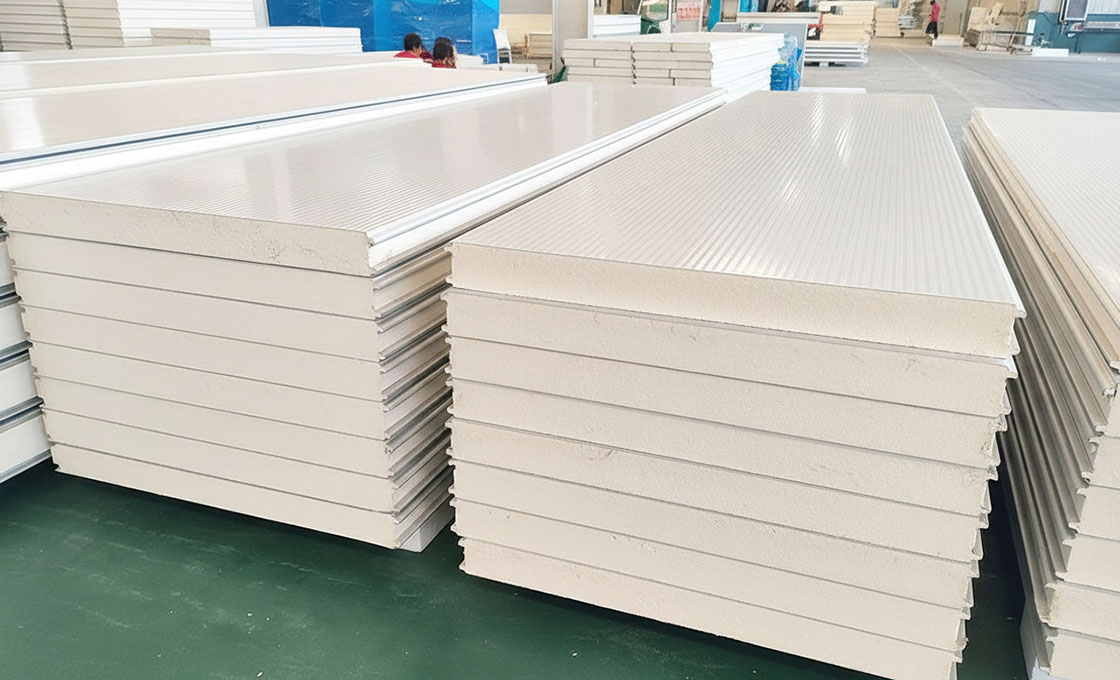
EPS vs PIR vs PUR Foam Cores
Expanded Polystyrene (EPS), Polyisocyanurate (PIR), and Polyurethane (PUR) are the three most common foam cores in the market, but they are absolutely not interchangeable. Selecting the wrong one for a temperature-controlled or fire-rated application will compromise the entire build.
EPS is the budget option. It provides decent basic insulation and is widely used in standard industrial buildings where extreme temperature control and strict fire ratings are not the primary concern. However, its thermal performance and fire resistance are significantly lower than closed-cell foam alternatives. For buyers with strict ROI targets on cold storage or refrigerated transport, EPS rarely delivers the long-term energy savings required.
This is where PIR and PUR cores diverge from EPS. Both offer superior thermal insulation performance due to their closed-cell structure, making them the standard for cold storage panels and refrigerated truck bodies. At Rax Panel, our PIR and PUR sandwich panels are engineered specifically for applications where temperature retention is critical. We supply these cores bonded between high-quality facings such as GRP/FRP, aluminum, steel, or stainless steel to match the exact thermal load and environmental demands of your project.
- EPS Core: Lowest cost, lightweight, adequate for basic industrial cladding; limited fire and thermal performance.
- PUR Core: Excellent thermal insulation, closed-cell structure prevents moisture absorption; ideal for refrigerated trucks and cold chain logistics.
- PIR Core: Higher fire resistance than PUR, higher char yield when exposed to flame; preferred for commercial buildings and warehouses requiring stricter fire compliance.
From a total cost of ownership perspective, the higher initial investment in PIR or PUR panels is typically offset by energy savings within 3 to 5 years. For distributors quoting large-scale cold storage or specialized vehicle projects, leading with PIR or PUR specifications positions you above competitors still defaulting to EPS.
Rockwool and Mineral Wool Cores
When fire safety is the non-negotiable priority, rock wool sandwich panels are the definitive choice. Unlike foam cores, rock wool (mineral wool) is made from volcanic basalt rock, making it inherently non-combustible. It achieves the highest fire ratings, commonly A1 or A2 classifications under European standards, and is the mandated core material for hospitals, high-rise buildings, and facilities with strict building code requirements.
The trade-off is weight and thermal efficiency. Rock wool is significantly heavier than foam alternatives, which increases structural load and handling costs during installation. Its thermal insulation performance, while adequate for many applications, does not match the R-values achievable with PUR or PIR cores. For projects requiring both top-tier fire protection and structural flatness, Rax Panel manufactures rock wool sandwich panels with precise thickness tolerances to ensure consistent density and fire performance across every batch.
- Fire Performance: Non-combustible, achieves A1/A2 fire classification; does not melt or produce toxic smoke at high temperatures.
- Acoustic Insulation: Superior sound absorption compared to foam cores due to dense, fibrous structure.
- Dimensional Stability: Maintains structural integrity under extreme heat, but panel weight is notably higher than foam-core equivalents.
For international building materials distributors, rock wool panels carry strong margins in markets with aggressive fire safety legislation. The key is sourcing from manufacturers that guarantee consistent core density: low-density rock wool compromises both fire rating and acoustic performance, creating liability issues downstream.
Aluminum Honeycomb Core Panels
Aluminum honeycomb core panels occupy a different category entirely. Where EPS, PUR, and rock wool prioritize thermal insulation, aluminum honeycomb prioritizes structural strength-to-weight ratio. The hexagonal cell structure mimics natural honeycomb geometry, delivering exceptional compressive strength and shear resistance at a fraction of the weight of solid materials.
These panels are the standard in applications where weight reduction directly impacts operational cost or performance. In the transportation sector, particularly public transit, specialized vehicles, and marine vessels, every kilogram saved translates to fuel efficiency or increased payload capacity. Rax Panel manufactures aluminum honeycomb panels with precise cell sizes and foil gauges, customized to the structural load requirements of each specific project.
- Weight Advantage: Up to 70-80% lighter than solid aluminum sheet of equivalent stiffness.
- Structural Performance: High compressive and shear strength; excellent fatigue resistance under dynamic loads.
- Thermal Conductivity: Aluminum conducts heat; not suitable for insulation-critical applications unless combined with thermal breaks or used in non-thermal structures.
Beyond aluminum honeycomb, Rax Panel also produces honeycomb panels using PP, fiberglass, GRP, thermoplastic, and carbon fiber cores. The PP honeycomb core, when composited with fiberglass sheet, is particularly noted for being exceptionally strong and light, a combination increasingly specified in RV and mobile home solutions where both weight savings and durability are critical.
For procurement teams evaluating panel manufacturers, the critical factor with honeycomb cores is bond integrity between the honeycomb core and the facing material. Poor adhesion leads to delamination under stress. With over 15 years of production experience and a daily production capacity exceeding 1,700 square meters, our engineering team conducts experimental testing on every custom specification to ensure bond strength meets the structural demands of the application before full-scale production begins.
| Core Type | Category | Key Properties | Best Applications |
|---|---|---|---|
| PU Foam | Thermoset Foam | Excellent thermal insulation, lightweight, closed-cell structure | Refrigerated trucks, cold storage panels, RV walls |
| PIR Foam | Thermoset Foam | Superior fire resistance, high R-value, dimensional stability | Commercial buildings, warehouses, fire-rated walls |
| XPS Foam | Thermoplastic Foam | High compressive strength, moisture resistant, cost-effective | Building insulation, flooring, roofing panels |
| PET Foam | Thermoplastic Foam | Eco-friendly, recyclable, good mechanical strength | Transportation, marine vessels, lightweight structures |
| PVC Foam | Thermoplastic Foam | Closed-cell, water-resistant, excellent strength-to-weight ratio | Marine applications, wind energy, industrial equipment |
| PMI Foam | High-Performance Foam | Ultra-lightweight, high temperature resistance, exceptional shear strength | Aviation, aerospace, high-performance sports goods |
| EPS Foam | Thermoplastic Foam | Lightweight, budget-friendly, good thermal insulation | Cold storage, industrial buildings, temperature-controlled facilities |
| Rockwool | Mineral Fiber | Non-combustible, A-grade fire rating, excellent acoustic insulation | Fire-rated partitions, exterior wall cladding, industrial facilities |
| PP Honeycomb | Honeycomb Structure | Extremely lightweight, high strength-to-weight, energy absorbing | Truck bodies, mobile homes, vehicle flooring |
| Aramid Honeycomb | Honeycomb Structure | Exceptional strength, flame resistant, low smoke emission | Aviation, military applications, high-end transportation |
| PC Honeycomb | Honeycomb Structure | Transparent options available, impact resistant, UV stable | Architectural elements, daylighting systems, decorative panels |
| EPP Foam | Thermoplastic Foam | Energy absorption, recyclable, shock resistant | Automotive parts, packaging, sports equipment |
| Balsa Wood | Natural Core | Renewable resource, high stiffness, excellent fatigue resistance | Marine vessel hulls, wind turbine blades, composite structures |
Key Benefits of Insulated Panels
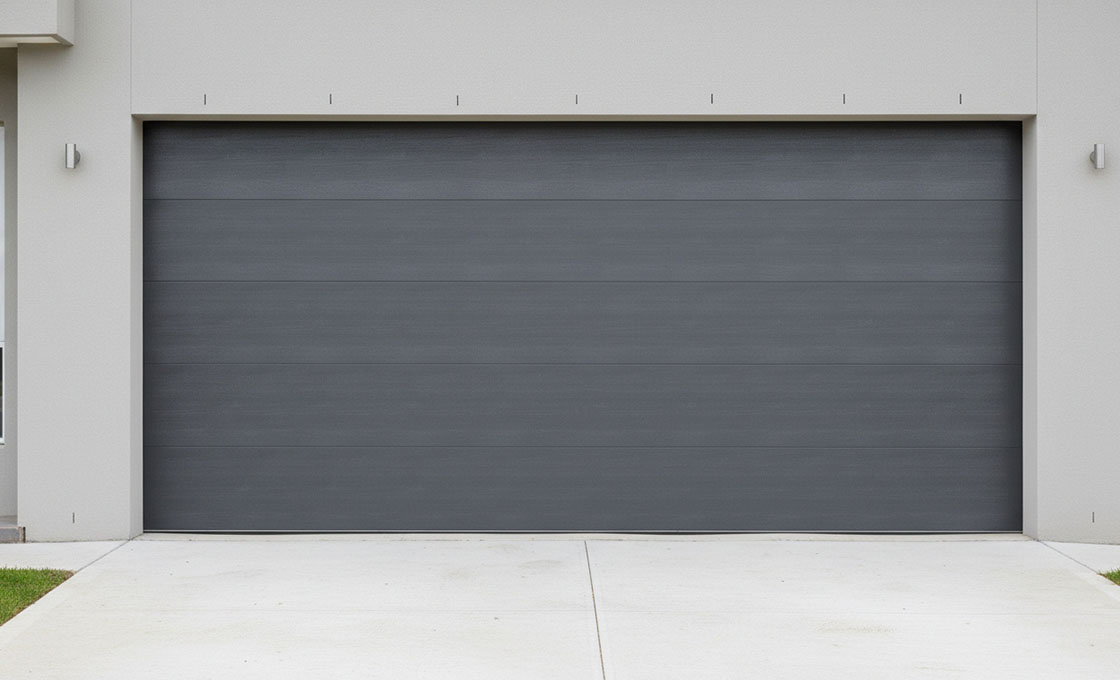
Insulated composite panels drastically cut operational energy costs and structural deadweight while providing superior fire and thermal barriers compared to traditional building materials.
Thermal and Acoustic Insulation
When evaluating thermal insulation performance, the core material dictates the baseline ROI for your project. We engineer our panels using closed-cell rigid foams such as PU, PET, XPS, and PVC to eliminate thermal bridging entirely. This continuous insulation is critical for maintaining strict temperature parameters in cold storage panels and sandwich panel refrigerated truck builds, ensuring compressor units run less frequently and consume less power over the vehicle’s lifecycle.
Beyond temperature control, these dense foam and honeycomb cores disrupt sound wave transmission. Whether you are outfitting a mobile home or an industrial facility, the structural makeup of an insulated sandwich panel absorbs ambient noise far better than traditional materials like brick or light steel framing, resulting in a quieter end product for the end-user without requiring additional soundproofing layers.
Fire Resistance Ratings
Fire compliance is a non-negotiable metric in commercial construction and specialized vehicle manufacturing. The panel industry categorizes fire performance heavily based on the internal core. While standard EPS provides baseline insulation, project specifications for warehouses or public transit often demand higher safety thresholds.
- Rock Wool (Mineral Wool): Achieves the highest fire ratings (typically Class A non-combustible), making a rock wool sandwich panel the default choice for strictly regulated commercial buildings requiring maximum fire protection.
- PU and PIR Foams: Offers a strong balance of structural rigidity and enhanced fire retardancy (often achieving Class B or s2,d0 ratings), suitable for RV and refrigerated truck applications where both weight and safety are primary concerns.
- Aluminum and GRP Facings: When paired with fire-rated cores, these non-combustible outer skins prevent surface flame spread and resist high heat distortion.
Our engineers conduct rigorous experimental testing to ensure every composite panel meets international building codes before leaving the factory. This strict quality control mitigates liability risks and guarantees that our distributors receive materials that easily pass local safety inspections.
Lightweight and Structural Durability
Comparing a sandwich panel vs traditional materials reveals a massive disparity in the strength-to-weight ratio. Traditional brick and concrete rely on sheer mass for structural integrity, whereas composite sandwich technology uses high-tensile outer skins bonded to a lightweight core. This engineering principle allows our FRP, CFRT, and aluminum-faced panels to bear significant sheer loads and compressive forces while remaining a fraction of the weight of conventional building materials.
For specialized vehicle manufacturers, this reduced deadweight directly translates to increased payload capacity and lower fuel consumption. For the construction sector, lighter panels mean faster installation times, reduced heavy machinery rental costs, and less structural reinforcement required for the foundation. Even with this lightweight profile, the composite materials resist warping, impact, and environmental corrosion, ensuring a decades-long operational lifespan with minimal maintenance.
Common Uses and Applications
From cold storage operating at -40°C to clean rooms demanding ISO-class hygiene, the right sandwich panel specification is the difference between a facility that performs for 20 years and one that fails in year three.
Cold Room and Refrigeration Panels
Temperature control is the single most critical factor in cold chain logistics. A thermal insulation breakdown in a cold storage facility doesn’t just waste energy. It ruins inventory. We’ve seen distributors lose six-figure shipments because a contractor spec’d the wrong foam core for the holding temperature.
For cold rooms and refrigerated truck bodies, the industry standard revolves around PU (polyurethane) and PIR (polyisocyanurate) foam cores. PU foam sandwich panels offer superior thermal insulation performance with thermal conductivity values typically between 0.022 and 0.028 W/(m·K), making them the go-to choice for deep-freeze applications operating at -40°C to +5°C. PIR cores add an extra layer of fire resistance while maintaining similar insulation values, which matters heavily when you’re navigating building code compliance for commercial cold storage.
At Rax Panel, we manufacture refrigerated truck bodies and cold storage panels using PU and PIR cores bonded to GRP/FRP or steel facings. The gel coat finish on our FRP sheets provides a waterproof, smooth surface that meets food-grade hygiene requirements: no pores, no bacteria traps. Our engineers work with specialized vehicle manufacturers to custom-cut panels that slot directly into assembly lines, reducing your build time and labor costs.
- Polyurethane (PU) Foam Core: Best for deep-freeze cold rooms and refrigerated trucks (-40°C to +5°C). Highest thermal insulation performance among common foam types.
- PIR Foam Core: Preferred when fire rating compliance is strict. Added fire resistance with minimal insulation trade-off.
- XPS (Extruded Polystyrene) Core: Cost-effective option for moderate temperature control applications. Closed-cell structure resists moisture absorption.
- PET Foam Core: Environmentally friendly option with good recyclability. Increasingly requested by European distributors meeting sustainability mandates.
The total cost of ownership for cold storage panels extends well beyond the insulated sandwich panel price on the invoice. A slightly cheaper EPS-core panel might save 15% upfront, but the higher thermal conductivity means your compressors run harder, longer, and burn out faster. Over a 15-year facility lifecycle, the energy savings from a properly spec’d PU or PIR panel typically pay back the initial cost difference within 3 to 4 years.
Commercial Roofing and Facades
Commercial construction procurement teams face a different calculus than cold storage operators. Here, the priorities shift to fire ratings, aesthetic finish, weather resistance, and compliance with local building codes. The sandwich panel vs traditional materials debate in this sector is essentially settled: prefabricated sandwich panels install in a fraction of the time required for brick, concrete, or built-up roofing systems, and they provide continuous insulation that eliminates thermal bridging.
For commercial facades, aluminum composite panels (ACP) and aluminum honeycomb panels dominate the mid-to-high-end market. They offer flat, clean surfaces that accept PVDF or FEVE coatings, delivering 20-year color retention on exterior wall cladding. Rock wool sandwich panels are specified where fire resistance is non-negotiable: warehouses, public buildings, and facilities requiring A1 or A2 fire classifications. The mineral wool core doesn’t burn, doesn’t melt, and doesn’t produce toxic smoke.
Rax Panel supplies exterior wall cladding panels in a range of facing materials including aluminum, steel, stainless steel, and Aluzinc. Our production line turns out over 1,700 square meters of composite panel area daily, which means we can handle bulk orders for large commercial projects without the 8-to-12-week lead times that bottleneck smaller manufacturers.
- Aluminum Composite Panels (ACP): Lightweight, flat, and available in dozens of color finishes. Standard choice for commercial facades and signage.
- Rock Wool Sandwich Panels: Non-combustible core for A1/A2 fire-rated applications. Heavier than foam cores but essential for compliant public buildings.
- Aluzinc Faced Panels: Superior corrosion resistance for coastal or industrial environments. Longer lifespan than standard galvanized steel.
- GRP/FRP Panels: Gel coat options available for color-through finishes that don’t require painting. Resistant to UV degradation and chemical exposure.
One point that procurement teams often overlook: moisture vulnerability. If panel joints aren’t properly sealed during installation, condensation builds up inside the core, degrading insulation values and eventually rotting the structure from the inside out. This is why we provide detailed installation guides and work with project engineers during the specification phase to ensure joint systems match the climate conditions of the installation site.
Clean Room and Industrial Facilities
Clean rooms for pharmaceutical manufacturing, semiconductor fabrication, and food processing operate under strict particulate and hygiene standards. The panels lining these rooms must be non-outgassing, smooth, chemically inert, and capable of withstanding frequent cleaning with harsh disinfectants. Standard building materials don’t make the cut.
GRP/FRP sandwich panels are the workhorse of clean room construction. The gel coat surface provides a non-porous, flat finish that doesn’t harbor bacteria or trap particles. Unlike painted steel, GRP panels won’t chip or flake over time, which would introduce contaminants into a controlled environment. For facilities requiring even higher chemical resistance, stainless steel sandwich panels provide the ultimate barrier, a common choice in pharmaceutical and biotech clean rooms where aggressive cleaning agents are used daily.
Industrial facility planners also specify sandwich panels for noise reduction, corrosion resistance, and thermal compartmentalization. A manufacturing plant may need to isolate a heat-generating process area from temperature-sensitive storage zones. Foam core panels with PU, PET, or PVC cores provide the thermal break needed to maintain distinct climate zones within a single building envelope.
- GRP/FRP Panels with Gel Coat: Non-porous, smooth surface ideal for ISO-class clean rooms. Waterproof and electrically insulating.
- Stainless Steel Sandwich Panels: Maximum chemical resistance for pharmaceutical and food-grade environments. Easy to sterilize.
- PUR/PIR Sandwich Panels: Good balance of thermal insulation and fire performance for general industrial partitions.
- Compact Laminate HPL Panels: High-density surface resistant to impact and wear. Used in high-traffic industrial areas.
When evaluating panel manufacturers for clean room or industrial projects, verify two things: consistency of the facing surface (any variation in flatness creates hygiene risks) and the quality of the adhesive bond between core and skin. Delamination in a clean room panel isn’t just a maintenance headache. It’s a contamination event that can shut down production.
With 15 years of production experience and a factory running advanced composite panel lines, we test bond strength and surface flatness to ensure every panel meets the data standards our clients specify before it leaves our facility.
Installation Process and Best Practices
Over 15 years of production experience at Rax Panel has shown that 90% of sandwich panel failures trace back to installation errors, not material defects. Proper technique is everything.
Wall and Roof Installation Steps
Installing composite sandwich panels is significantly faster than traditional construction, but it demands precision. Whether you are cladding a commercial facility with aluminum foam core panels or outfitting a refrigerated truck body with GRP foam core panels, the sequence remains consistent. Our engineers provide detailed installation guides tailored to each project, but the fundamental workflow follows a strict order.
Before a single panel goes up, the substrate must be verified. The supporting structure, whether steel framing for a warehouse or aluminum extrusions for an RV body, needs to be level, clean, and structurally sound. Any deviation here compounds as you build outward. Our team at Rax Panel typically reviews substrate specs with the client during the design phase to prevent alignment issues down the line.
- Substrate Preparation: Clean and level all mounting surfaces. Verify structural alignment and confirm load-bearing capacity matches panel weight specifications.
- Panel Layout and Cutting: Panels are prefabricated to custom dimensions at our factory, minimizing on-site cutting. When cuts are necessary, use carbide-tipped blades for aluminum or steel-faced panels and fine-tooth blades for GRP/FRP sheets.
- Positioning: Begin installation from the bottom corner for walls and from the eave line for roofs. Secure each panel with mechanical fasteners appropriate for the facing material: stainless steel fasteners for marine applications, coated screws for standard environments.
- Fastening Pattern: Maintain consistent fastener spacing as specified in the project documentation. Over-fastening compresses the core material and compromises thermal insulation performance.
- Sequential Installation: Work in rows, interlocking panels via their tongue-and-groove or overlap joint profiles. Do not force panels into position; if a panel resists, verify dimensions and alignment.
For roof applications using Rockwool or PIR sandwich panels, pay close attention to the slope requirements. Panels with insufficient drainage slope trap water at joints, accelerating sealant degradation. Our technical team specifies minimum pitch angles based on panel profile and regional rainfall data during the solution design phase.
Sealing and Joint Techniques
Joints are the weakest point in any panel system. A perfectly manufactured PU foam sandwich panel will underperform if the seams leak air or moisture. The sealing method you choose directly impacts thermal insulation performance, compliance with building codes, and the long-term lifecycle cost of the structure. This is not an area to cut costs.
There are three primary joint configurations used across our product range, and each requires a specific sealing approach. Mechanical seam joints, commonly used in cold storage panels and refrigerated truck bodies, rely on interlocking profiles with injected sealant. Overlap joints, standard in exterior wall cladding panels, use gasket tapes and mechanical fasteners with sealing washers. Butt joints, found in some architectural applications, require backing rods and elastomeric sealant to bridge the gap.
- Butyl Tape Application: Apply continuous butyl tape to the male edge of the panel joint before engaging the female edge. This creates a primary weather seal that remains flexible across temperature extremes.
- Polyurethane Sealant: For refrigerated truck and cold storage applications, inject PU sealant into the joint cavity after panels are engaged. This eliminates voids where condensation can form.
- Flashing Installation: All panel terminations, at ridges, valleys, corners, and penetrations, require custom flashing fabricated from the same material as the panel facing. Dissimilar metals at flash points cause galvanic corrosion.
- Joint Compression: Ensure panels are fully seated before the sealant cures. Incomplete engagement leaves gaps that compromise both the thermal break and the vapor barrier.
In marine and vessel applications using our fiberglass honeycomb panels, we recommend a two-stage sealing process: a structural adhesive bond followed by a topical marine-grade sealant. This dual approach addresses both the immediate watertight requirement and long-term flex fatigue from wave loading. Our installation guides detail the specific adhesive systems tested for compatibility with each panel configuration.
Common Installation Mistakes
After supplying composite panels to over 50 countries, we have seen the same installation failures repeat across markets. These mistakes are expensive to fix after the fact and often void warranty coverage. The most frequent errors stem from inadequate site preparation, incorrect fastener selection, and poor joint treatment. Recognizing these patterns early prevents costly rework.
One critical error we see repeatedly, particularly with foam core sandwich panels in cold storage and refrigerated truck applications, is failing to maintain a continuous vapor barrier. Installers sometimes leave gaps in sealant at panel penetrations, where pipes, conduits, or structural supports pass through the panel skin.
These gaps allow warm, moist air to contact the cold panel core, causing hidden condensation that degrades the foam insulation from the inside out. By the time the problem surfaces as visible mold or panel delamination, the repair cost far exceeds the cost of doing it right the first time.
- Skipping Thermal Breaks: Metal fasteners that bridge both panel skins create thermal bridges, undermining the insulation value of the entire panel system. Use thermal break fasteners or isolate metal components as specified.
- Incorrect Fastener Torque: Over-torquing compresses the XPS, PET, PU, or PVC foam core, causing local dimpling and reduced structural performance. Under-torquing leaves panels vulnerable to wind uplift and vibration.
- On-Site Modification Without Engineering Review: Cutting panels or removing sections of facing without consulting the manufacturer alters the load-bearing capacity. Contact our engineering team before making field modifications.
- Ignoring Expansion Gaps: Aluminum and steel-faced panels expand and contract with temperature. Failing to leave specified expansion gaps at joints causes buckling and sealant failure.
- Sealant Incompatibility: Not all sealants adhere to gel-coated FRP sheets or CFRT surfaces. Using the wrong chemistry results in adhesion failure within months. Always verify sealant compatibility with our technical documentation.
For specialized vehicle manufacturers building RVs, trucks, or mobile homes, we recommend requesting a pre-installation consultation with our engineering team. We review your assembly line process, fastening methods, and joint detailing to identify potential issues before production begins. This upfront investment in planning eliminates downstream warranty claims and keeps your assembly line running on schedule.
Cost Factors and ROI Analysis
Composite sandwich panels carry a 15-30% premium over traditional builds, but the ROI payback typically hits within 3-7 years through energy savings and near-zero maintenance. Buy on lifecycle cost, not unit price.
Direct Cost vs Lifespan Value
Let’s be blunt: the insulated sandwich panel price on your initial quote will almost always look higher than conventional brick, concrete, or light steel framing. That sticker shock is where uneducated buying decisions happen. The real conversation needs to be about total cost of ownership over a 20-30 year operational window.
When we break down project budgets with distributors and specialized vehicle manufacturers, the panel material itself typically accounts for 60-70% of the envelope cost. But traditional builds carry hidden layers: separate structural framing, external cladding, independent insulation batts, vapor barriers, and the labor to assemble all of it. A factory-bonded sandwich panel consolidates those five components into a single installed unit.
The lifespan differential is where the math tips decisively. Properly manufactured panels with closed-cell foam cores, whether PU, PET, XPS, or PVC, maintain their thermal performance and structural integrity for 25-40 years with minimal intervention. Compare that to traditional insulation materials that settle, compress, or absorb moisture within a decade, requiring partial or full replacement. For refrigerated truck manufacturers and cold storage operators, that degradation curve directly translates to temperature control failure and product spoilage risk.
From a distributor margin perspective, this lifecycle value is your strongest selling tool. End-users who buy on upfront price alone almost always return to spend more on remediation. Panels that retain their R-value and structural properties over decades generate fewer warranty claims and stronger long-term customer relationships.
Energy Savings Payback Period
The payback math is most dramatic in temperature-controlled applications. Cold storage facilities and refrigerated truck bodies running on continuous thermal envelopes see energy consumption drops of 30-50% compared to traditionally insulated structures. With commercial electricity rates across European and North American markets continuing their upward trajectory, that delta compounds aggressively.
Here is a practical framework for calculating the payback period on a typical cold storage or industrial facility project:
- Baseline energy cost: Calculate current annual HVAC or refrigeration energy spend for the planned square footage using traditional insulation.
- Panel energy reduction: Apply a 30-50% reduction factor based on the elimination of thermal bridging through continuous foam core insulation.
- Annual savings: Multiply the energy reduction by your local commercial energy rate.
- Payback timeline: Divide the panel premium (the cost difference between sandwich panels and traditional build) by the annual savings.
In most commercial and industrial scenarios we evaluate with clients, this calculation lands between 3 and 7 years. After that point, the energy savings flow directly to the bottom line for the remaining 15-25 years of the panel’s service life. For truck and RV manufacturers, the payback also manifests as reduced fuel consumption: lighter composite panels mean less vehicle weight, which directly lowers operational costs per kilometer.
Maintenance Cost Comparison
This is where sandwich panels vs traditional materials diverge sharply, and where many buyers fail to do proper due diligence. Traditional building envelopes require scheduled maintenance cycles: repainting exterior cladding every 5-8 years, replacing degraded insulation, resealing joints, and addressing corrosion on exposed structural steel. These costs accumulate silently but substantially.
Composite sandwich panels, particularly those with GRP/FRP facings or aluminum skins, are engineered as essentially maintenance-free envelope systems. The factory-applied gelcoat on FRP sheets provides a waterproof, UV-resistant, and chemically inert surface that retains its properties without repainting or resurfacing. The closed-cell foam cores, whether PU, PET, XPS, or PVC, do not absorb moisture, eliminating the rot, mold, and pest vulnerability that plagues traditional insulation materials.
For marine and vessel applications, this difference is existential. Saltwater environments aggressively degrade conventional materials. Fiberglass-reinforced panels with appropriate foam cores resist salt spray corrosion, reducing hull and superstructure maintenance costs dramatically over the vessel’s operational life. The same principle applies to refrigerated trucks operating in winter road salt conditions or industrial facilities exposed to chemical fumes.
One caveat that buyers must account for: sandwich panels require skilled installation to perform as designed. Poorly sealed joints or incorrect fastening techniques create thermal leaks and moisture intrusion points that undermine the entire system’s performance.
This is why we emphasize that vetting panel manufacturers for technical support and installation guidance is not optional. It is a core component of the ROI equation. A properly installed panel system is a 30-year asset. A poorly installed one becomes a liability within 5 years.
| Cost Factor | Traditional Materials | Rax Composite Panels | ROI Impact |
|---|---|---|---|
| Initial Material Investment | Lower upfront (brick/concrete) | Moderate upfront (prefabricated) | Faster breakeven via labor savings |
| Installation Labor & Time | High cost, 3-5x longer timelines | 60-70% reduction in labor hours | Significant project cost reduction |
| Thermal Performance (R-Value) | Low-Moderate insulation | Continuous insulation, no thermal bridging | 30-50% energy cost savings annually |
| Structural Weight | Heavy, requires reinforced foundation | Up to 70% lighter composite structure | Lower foundation & transport costs |
| Lifespan & Durability | 20-30 years, weather degradation | 30-50 years, corrosion & impact resistant | Lower total cost of ownership |
| Maintenance Expenses | Ongoing repairs, repainting, sealing | Minimal maintenance required | 80% reduction in upkeep costs |
| Cold Storage Efficiency | Temperature fluctuation risks | Consistent thermal retention (PU/PIR core) | Reduced product spoilage & waste |
| Customization & Waste | High on-site waste, limited precision | Factory prefabricated to exact specs | Less material waste, lower disposal fees |
| Freight & Logistics | Heavy, fewer units per shipment | Lightweight, 2-3x more panels per load | 50-60% reduction in shipping costs |
| Regulatory Compliance | Additional fire rating upgrades needed | Built-in fire rated cores (Rockwool/PIR) | Avoid costly compliance penalties |
Choosing the Right Panel Supplier
A panel supplier is only as reliable as their factory floor and their engineering team. Certifications prove compliance, but custom testing capabilities and responsive technical support prove competence.
Quality Certifications to Verify
Distributors and OEM buyers often request ISO 9001 as a baseline, but that alone doesn’t guarantee panel performance. You need material-specific certifications that match your end-use application. For cold storage panels, ask for thermal conductivity test reports (lambda values). For rock wool sandwich panels in commercial construction, demand documented fire resistance ratings from accredited third-party labs.
A supplier with over 15 years of production experience should have no issue providing batch-level test data. We maintain full traceability on our composite panel lines, which run over 1,700 square meters daily. If a manufacturer hesitates to share recent test certificates or tries to redirect you to generic brochures, consider it a hard pass.
- ISO 9001: Minimum baseline for quality management systems across all manufacturers.
- Fire Rating Certificates: Critical for rock wool and PIR sandwich panels used in commercial and industrial builds.
- Thermal Conductivity Reports: Essential for PU foam sandwich panels and cold storage applications.
- CE / Regional Compliance Marks: Required if you’re distributing into European or North American markets.
Custom Panel Specifications
Off-the-shelf panels rarely fit specialized vehicle manufacturing or complex architectural projects. A qualified supplier must offer real engineering collaboration, not just a catalog reorder. This means access to engineers who understand the weight-to-strength ratios your project demands and can run experimental testing before committing to mass production.
At Rax Panel, we customize across core materials (XPS, PET, PU, PVC, PMI, PP honeycomb) and facing options (GRP/FRP, CFRT, aluminum, stainless steel, Aluzinc, plywood). For a refrigerated truck body, that might mean a specific PU foam core density paired with gelcoat FRP sheets for waterproof performance. For a mobile home, it could mean switching to a lightweight PP honeycomb core with aluminum facings to hit a strict weight target.
Before committing to a supplier, ask them directly: Can they produce a sample panel to your exact specs? Can their engineers validate performance data against your project requirements? If the answer involves a long delay or a minimum order of 10,000 square meters just for prototyping, you’re talking to the wrong factory.
Warranty and Technical Support
Warranty terms in the composite panel industry vary wildly. Some suppliers offer a standard 1-year defect warranty that conveniently excludes delamination caused by “environmental factors.” For industrial facility planners and commercial construction procurement teams, that language is unacceptable. You need coverage that addresses real-world failure modes: adhesive breakdown, core collapse under load, and facing separation due to thermal cycling.
Technical support matters just as much as the warranty document itself. When a shipment of insulated sandwich panels arrives at a job site and the installation team encounters an unexpected joint detail, you need a supplier who responds within hours, not days. We assign 24-hour one-to-one service contacts for exactly this reason, with support staff fluent in English, French, Russian, Japanese, and Korean.
- Warranty Scope: Verify that delamination, core degradation, and facing defects are explicitly covered.
- Response Time Commitment: Ask for guaranteed response windows for technical inquiries during active projects.
- Installation Guidance: Confirm the supplier provides detailed installation manuals and, if needed, on-site support for first-time applications.
- Post-Sale Communication: Ensure you have a dedicated contact who tracks production progress and handles logistics issues proactively.
Conclusion
Stop buying based on price per square meter alone. CFRT or Honeycomb panels cost more upfront but cut your total weight by 15-20%. For a fleet of trucks, that fuel saving covers the premium in 18 months.
Ask your supplier for third-party fire ratings and thermal conductivity reports immediately. If they hesitate to provide lab data for the bonding adhesives, walk away.
Frequently Asked Questions
What are the main disadvantages of insulated panels?
Drawbacks include higher initial costs, difficulty modifying the structure after installation, and potential moisture issues if not sealed correctly.
Do insulated panels require specialized installation knowledge?
Yes, unlike standard building materials, insulated panels require skilled professionals to ensure proper installation and sealing.
How do insulated panels improve energy efficiency?
They provide continuous insulation that eliminates thermal bridging, significantly reducing heat transfer and lowering overall energy consumption.
How much does insulated sandwich panels typically cost?
The cost of insulated sandwich panels varies based on material grade, thickness, panel dimensions, and order volume. Requesting a detailed quote with your project specifications is the most reliable way to get an accurate figure. Bulk orders typically reduce per-unit pricing significantly.
What factors affect the price of insulated sandwich panels?
The cost of insulated sandwich panels varies based on material grade, thickness, panel dimensions, and order volume. Requesting a detailed quote with your project specifications is the most reliable way to get an accurate figure. Bulk orders typically reduce per-unit pricing significantly.