
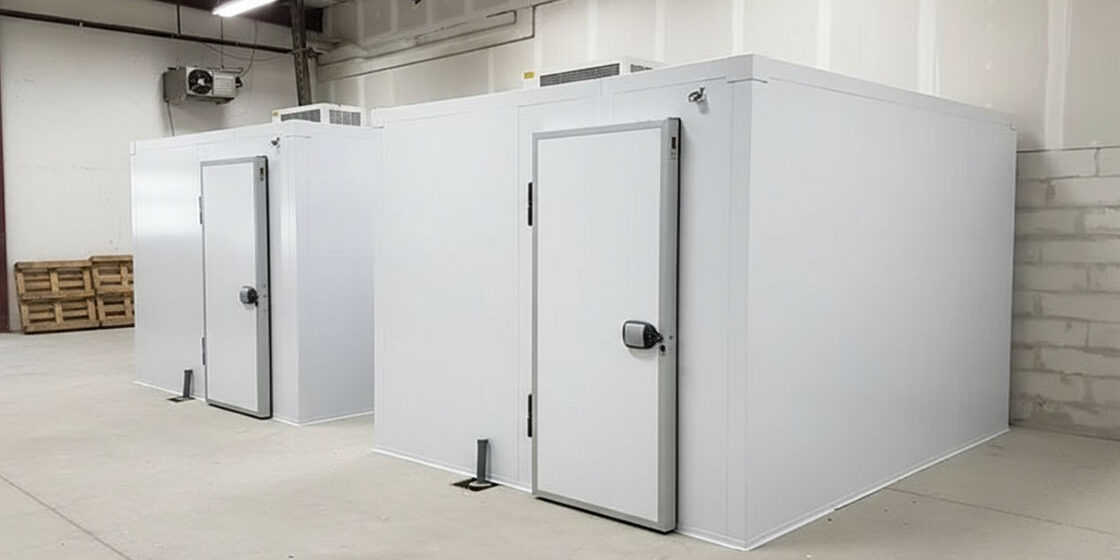
Commercial project owners routinely blame compressor specs for budget overruns, but the real energy leak in a Cold Room is usually the insulation envelope. Our technical audits consistently show that thermal bridging at panel joints can increase energy consumption by 15 to 20 percent compared to properly insulated units, turning standard polyurethane cores into a liability if installed incorrectly.
This guide cuts through the generic marketing fluff to focus on the mechanics of thermal integrity. We examine how to audit your facility’s infiltration rates, compare EPS versus PU core metrics for specific temperature zones, and calculate the actual payback period for upgrading structural components. You will learn how to stop bleeding capital on electricity bills by tightening the building physics of your storage environment.
The single most valuable takeaway is understanding that U-value is a system metric, not just a material spec. By identifying and eliminating weak points in your current enclosure, you directly reduce the mechanical load required to maintain compliance with HACCP and F-Gas regulations, securing both your operational budget and your supply chain continuity.
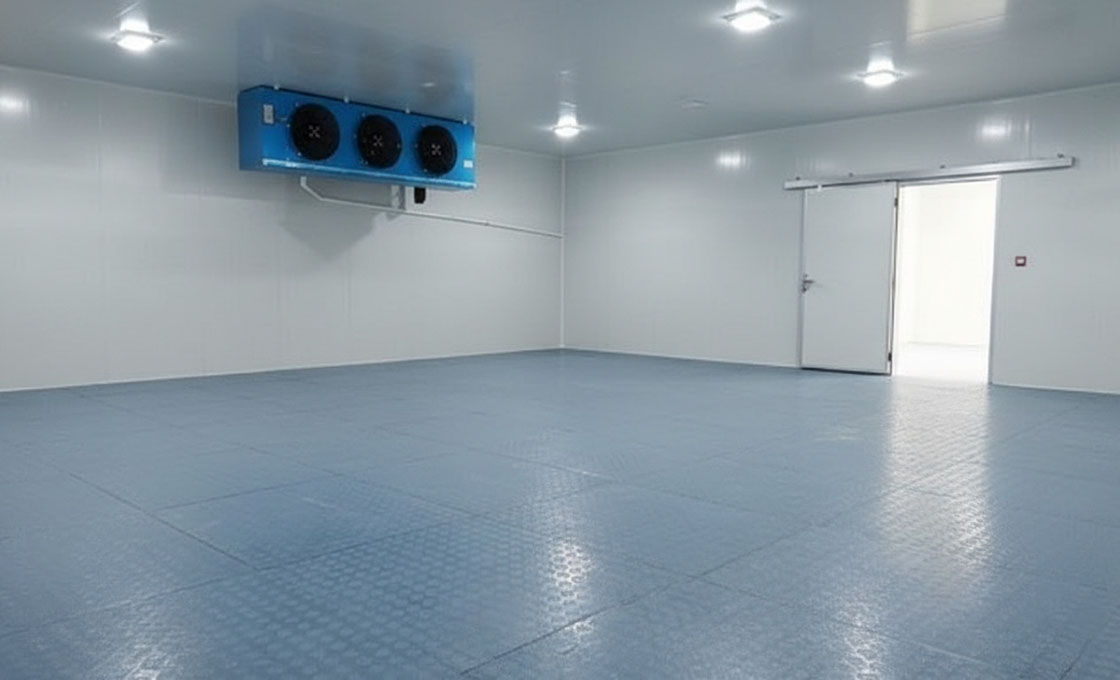
Audit Your Cold Room’s Energy Use
Suitability depends on environmental exposure, hygiene requirements, and structural loading. Matching the panel specification to these three factors prevents premature degradation in service.
Thermal Bridge Analysis in Panel Joints
The most common failure point in any cold storage facility is not the panel core, but the interlocking joints connecting the panels. A thermal bridge occurs when a conductive path bypasses the insulation, allowing rapid heat transfer between the external environment and the cold room interior. In modular insulated panel systems, this typically happens at the vertical tongue-and-groove interfaces or where structural steel supports penetrate the wall assembly.
To accurately audit your energy consumption, you must evaluate the integrity of these connections. Modern high-efficiency panels utilize interlocking joint designs integrated with continuous vapor barriers to eliminate air gaps. When joints are improperly aligned during installation or if the gasketing material has degraded, they create localized “cold spots” on the interior surface. These spots trigger condensation and force the refrigeration system to work significantly harder to maintain set-point temperatures.
- Joint Design Integrity: Look for profiles that ensure a tight mechanical lock without requiring excessive force, which can compress the foam core and reduce its R-value.
- Vapor Barrier Continuity: The internal vapor barrier must be unbroken across every joint. Any pinhole or gap allows moisture-laden warm air to enter, leading to ice buildup that acts as an insulator rather than a conductor.
- Structural Decoupling: Ensure that the panels are not mechanically bridged to the building’s main steel frame without proper thermal break isolators.
Often, operators blame refrigeration compressor cycling for high energy bills, only to find the root cause is a compromised panel joint. Thermal imaging cameras (IR) are the industry standard for identifying these hidden bridges during an energy audit.
Insulation Core Material Performance Metrics
Evaluating the true performance of your cold room walls requires looking beyond surface-level descriptions and analyzing specific thermal conductivity values (k-values). Different core materials perform drastically differently under sustained freezing conditions. Polyurethane (PU) and Isocyanurate (PIR) foams generally offer superior thermal resistance compared to expanded polystyrene (EPS). EPS, while cost-effective, has a higher k-value, meaning it requires thicker panels to achieve the same insulating effect as PU/PIR.
When auditing your facility, check the original engineering specifications against current industry standards. As foams age, their blowing agents can slowly diffuse out, slightly altering the thermal gradient. A modern audit should compare the existing panel’s tested k-value against newer high-density alternatives. High-density cores provide greater structural rigidity, which is essential for supporting heavy racking loads while maintaining a minimal profile that maximizes usable storage volume.
- Thermal Conductivity (k-value): Compare your current panel k-value (W/mK) against industry benchmarks. Lower numbers indicate better insulation efficiency.
- Material Density: Higher density cores resist mechanical damage from pallet impacts better than lower density alternatives, preserving the insulation layer over decades.
- Long-term Stability: Premium core materials are engineered to prevent off-gassing or cell collapse, ensuring the R-value does not degrade significantly over a 20-year lifecycle.
Air Infiltration Rate Testing Procedures
Air infiltration—uncontrolled leakage of outside air into the cold room—is a massive contributor to operational costs. It introduces latent heat (moisture), which the refrigeration system must remove through dehumidification and freezing. Even a microscopic leak in the panel seams, around door frames, or at the ceiling-wall junctions can increase energy consumption by double-digit percentages.
A professional energy audit includes rigorous smoke testing to visualize airflow paths. Technicians introduce non-toxic smoke near potential leak points while the room is under negative pressure. The direction of the smoke stream clearly identifies whether warm air is infiltrating or cold air is escaping.
This method is far more reliable than visual inspection alone, as it reveals drafts that are imperceptible to the human eye. Sealing these infiltration points with specialized industrial-grade polyurethane sealants or expanding foam gaskets is the most direct way to immediately lower compressor run-times.
| Feature | Specification | Advantage |
|---|---|---|
| Core Insulation Material | PU Foam (~0.022 W/mK) vs EPS (~0.033 W/mK) | Reduces energy consumption and OpEx via lower thermal conductivity |
| Thermal Bridge Mitigation | Interlocking joint systems with integrated vapor barriers | Prevents condensation and maintains whole-wall R-value integrity |
| Structural Strength | Honeycomb or high-density foam cores with GRP/CFRT skins | Supports heavy racking loads while minimizing structural weight |
| Fire Safety Compliance | EN 13501-1 Class B-s1,d0 / UL 94 Standards | Meets commercial building codes and insurance requirements |
| overall project cost | Higher initial cost vs Concrete; lower lifecycle cost | Delivers rapid ROI through energy savings and reduced maintenance |
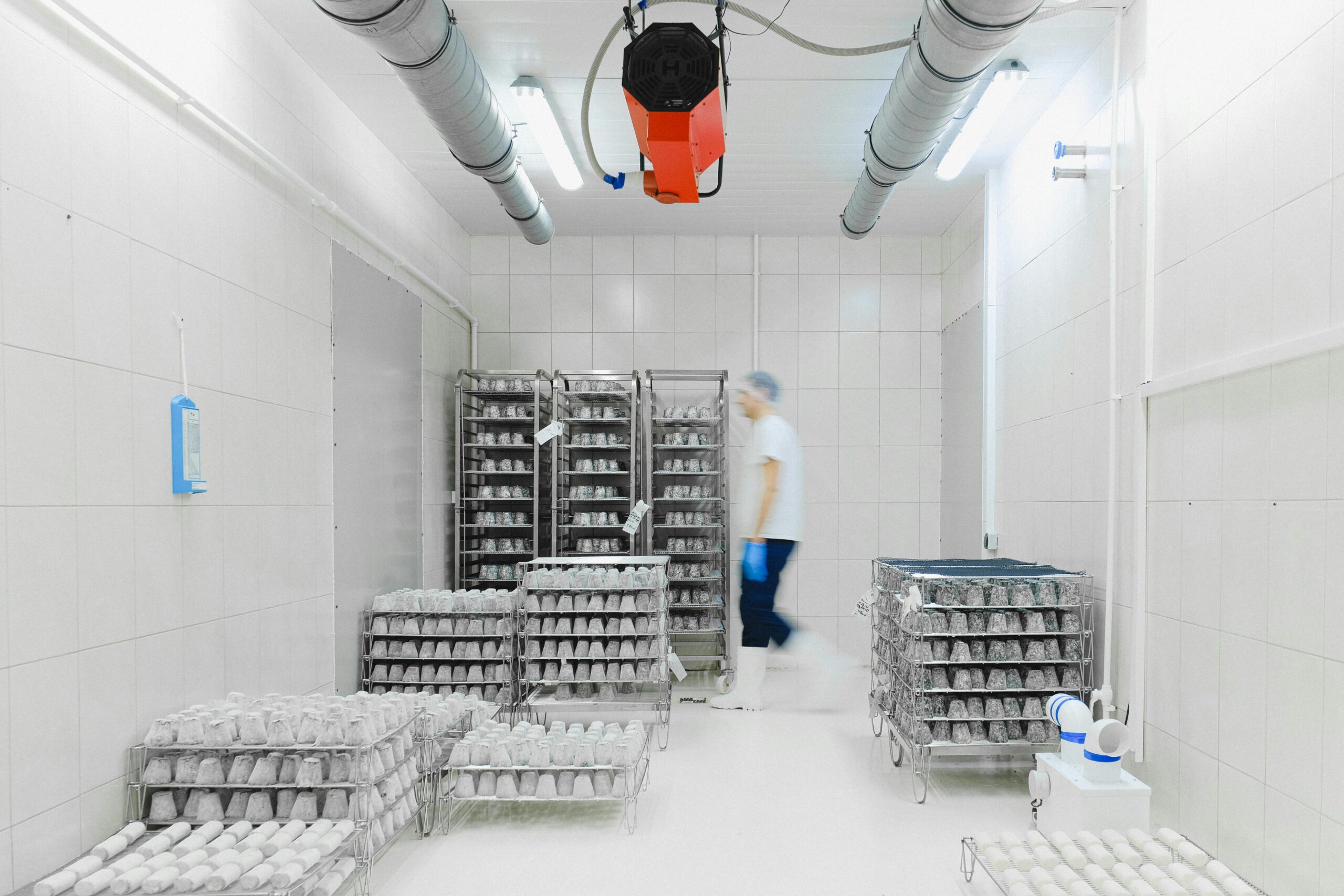
Upgrade With High-ROI Technology
This factor has a direct bearing on project performance and long-term cost. Addressing it with specific data rather than general assumptions leads to better outcomes.
Variable Frequency Drives (VFDs) for Compressors and Fans
High operational costs in cold storage and transport are frequently driven by the cycling of fixed-speed motors. Traditional refrigeration systems operate on a binary logic: they run at 100% capacity or turn off completely. This approach causes massive inrush currents at startup and frequent temperature fluctuations, which forces the system to work harder to stabilize. Installing Variable Frequency Drives (VFDs) on evaporator fans and compressors allows the motor speed to modulate precisely based on real-time cooling demand.
By ramping motor speed up or down, VFDs eliminate the energy spikes associated with hard starts and reduce the average runtime speed. For evaporator fans, this can result in energy savings of 30% to 50%. Furthermore, smoother motor operation extends the lifespan of the equipment and reduces mechanical vibration. In the context of modern composite panel installations, this reduced vibration helps maintain the integrity of panel seals and joints, mitigating the risk of air leakage over time.
- Energy Reduction: VFDs align power consumption with actual thermal load, preventing the over-cooling that plagues fixed-speed systems.
- Moisture Control: Slower fan speeds reduce the dehumidification capacity of the coil during low-load periods, keeping the relative humidity higher and minimizing frost buildup on the evaporator coils.
- Equipment Longevity: Soft-starting capabilities significantly reduce mechanical stress on belts, bearings, and motor windings.
High-Efficiency LED Lighting Retrofits
Lighting represents a dual cost burden in refrigerated environments: the direct cost of electricity to power the lights and the indirect cost of removing the heat they generate. Incandescent and fluorescent lighting converts a significant portion of its energy input into heat. In a well-insulated environment using high-performance PU or PIR foam core panels, this internal heat gain forces the refrigeration system to run continuously to compensate, creating a compounding energy loss.
Switching to high-efficiency LED lighting addresses both issues. LEDs consume up to 75% less energy than traditional lighting and emit a fraction of the radiant heat. By reducing the internal thermal load, the refrigeration system cycles less frequently, resulting in immediate kW/h savings. Additionally, modern LED fixtures operate effectively in low-temperature environments without the lumen depreciation issues seen in older technologies, ensuring consistent visibility for safety and operations.
- Heat Load Reduction: LEDs minimize the introduction of parasitic heat into the thermal envelope, preserving the efficiency of the insulated panels.
- Maintenance Intervals: With lifespans exceeding 50,000 hours, LED fixtures reduce the frequency of replacements, limiting the number of times doors are opened for maintenance.
- Instant Start: Unlike fluorescent lights which may flicker or delay at low temperatures, LEDs provide instant full illumination, enhancing worker productivity and safety.
Combine LED upgrades with motion sensors in walk-in freezers and cold rooms. In facilities with high-grade insulation, lights are often left on unnecessarily. Motion sensors ensure lights are active only when personnel are present, directly eliminating the heat load during idle storage periods.
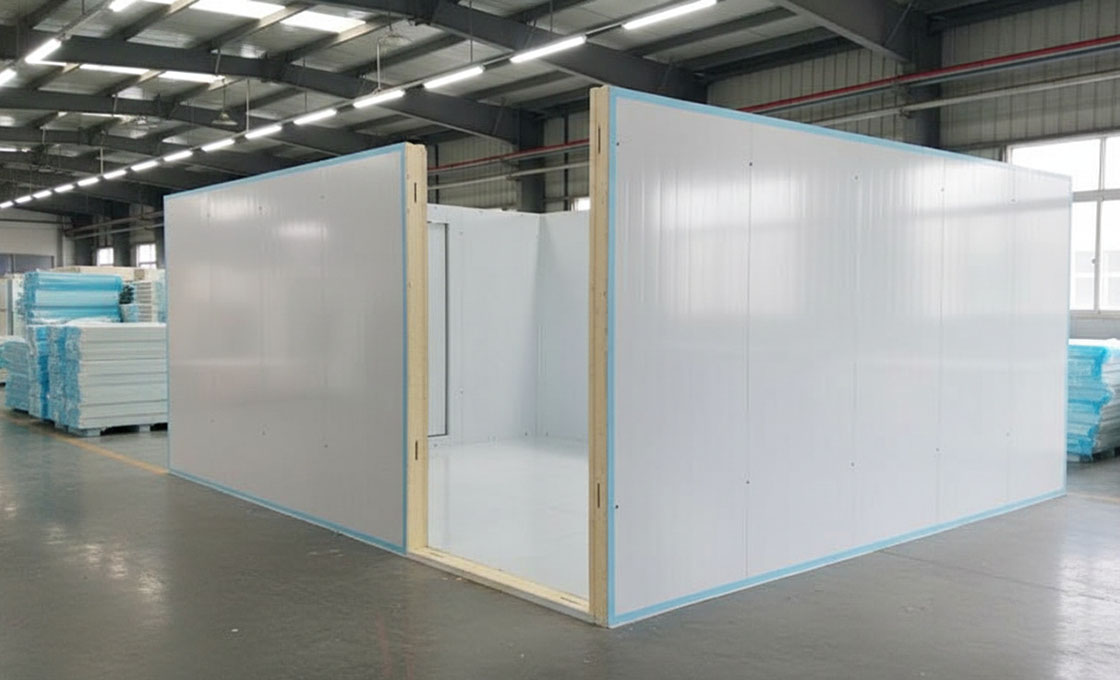
Optimize Temperature Management Daily
This factor has a direct bearing on project performance and long-term cost. Addressing it with specific data rather than general assumptions leads to better outcomes.
Vapor Barrier Integrity in Cold Room Operations
Daily temperature management extends far beyond the digital setpoint on a controller; it fundamentally relies on maintaining an unbroken thermal and vapor envelope. In commercial cold storage, low-temperature environments combined with high ambient humidity create severe pressure for moisture to penetrate insulation cores.
If the vapor barrier is compromised by daily operational wear—such as impact damage from pallets or micro-fractures in panel joints—outside water vapor will inevitably migrate inward. This migration leads to moisture saturation and icing within the insulation material, significantly reducing its thermal resistance and forcing refrigeration systems to work harder.
Operational Impact on Thermal Load
When optimizing daily workflows, facility managers must recognize that every door opening and forklift entry introduces latent heat and humidity spikes. To counter this, the physical integrity of the insulated panels is the first line of defense.
Panels using closed-cell foam cores (such as PU, PIR, or XPS) provide inherent resistance to water vapor transmission, but this protection is nullified if the outer skins are breached. Therefore, daily management protocols should prioritize the inspection of panel seams and gel coat surfaces to prevent vapor infiltration, which directly correlates to stable energy consumption.
Ignoring minor condensation on ceiling panels during warm-up cycles. Persistent condensation indicates that the surface temperature has dropped below the dew point due to poor vapor sealing or inadequate refrigerant charge, leading to long-term structural degradation of the insulation core.
Calculate Payback Periods for Savings
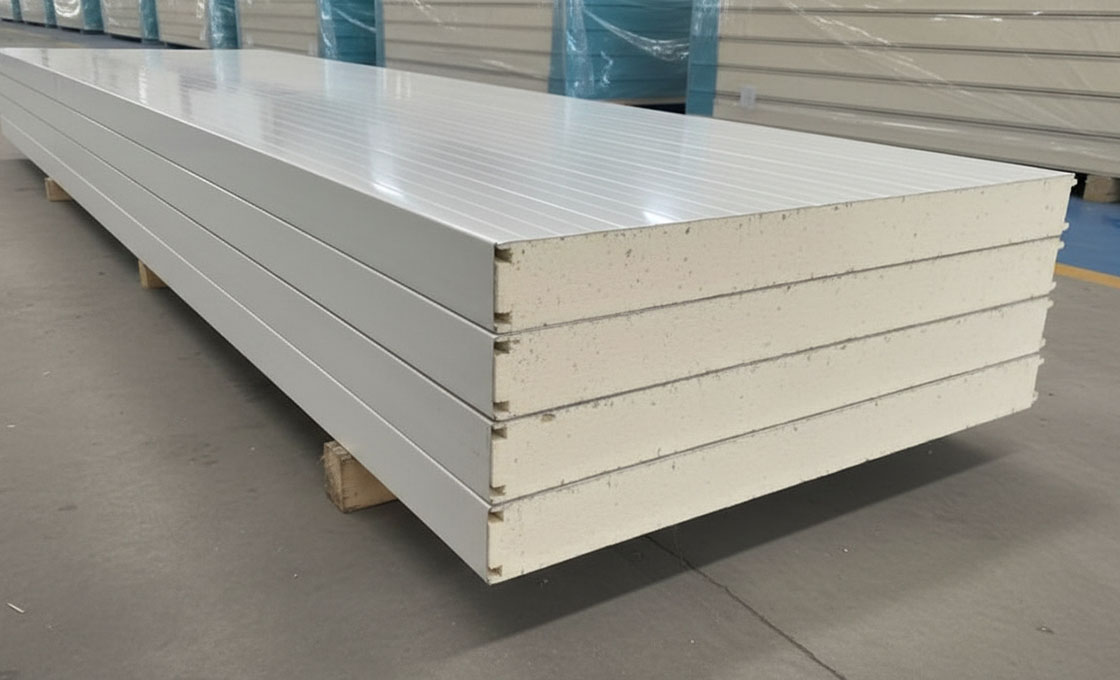
Upgrading insulated cold room panels from EPS to PIR or high-density PU reduces thermal conductivity and cuts energy bills by 30-50%, typically achieving ROI in under two years.
Business owners frequently struggle with exorbitant operational costs driven by inefficient cooling systems. The primary financial drain is rarely the compressor itself, but rather heat infiltration through suboptimal wall insulation and compromised panel joints. By focusing on the thermal performance of the building envelope, facilities can drastically lower their electrical loads and shorten their capital expenditure recovery timelines.
The Energy Efficiency Baseline
The first step in calculating your payback period is establishing a baseline for your current energy consumption. Many commercial operations rely on older panels using Expanded Polystyrene (EPS) cores. While EPS is cost-effective initially, it possesses a higher thermal conductivity coefficient compared to modern polyurethane (PU) or polyisocyanurate (PIR) foams.
- Thermal Conductivity: Standard EPS typically sits around 0.038 W/(m·K), whereas high-performance PIR foam drops as low as 0.022 W/(m·K). This significant variance dictates how hard the refrigeration machinery must work to maintain internal temperatures.
- Refrigeration Load: Poor insulation leads to continuous cycling of compressors. For every 1°C reduction in temperature differential achieved through superior insulation, compressor efficiency increases, directly translating to kilowatt-hour savings.
Calculating the ROI on Panel Upgrades
To justify the capital expenditure of new insulated panels, you must compare the annualized savings against the upfront installation costs. A standard commercial cold room requires approximately 1,200 to 1,500 square feet of cladding to achieve full enclosure.
📋 Actionable Steps for Financial Modeling
- Step 1: Measure Current Costs: Review utility bills to determine the average daily cost of running your refrigeration unit per square foot of storage space.
- Step 2: Estimate Energy Reduction: Industry benchmarks indicate that replacing old paneling with modern PIR or PU sandwich panels can reduce thermal transfer by up to 50%.
- Step 3: Calculate Annual Savings: Multiply your current daily energy cost by the expected percentage reduction, then by 365 days.
- Step 4: Factor in Rebates: Many regions offer utility rebates for upgrading to high-R-value cold storage walls. These incentives should be subtracted from the total installation cost to accurately reflect the net payback timeline.
When applying this model, an upgrade from EPS to PIR cores often yields a payback period of 18 to 24 months. Beyond this window, the facility operates at a significantly lower marginal cost, allowing the pure operational savings to flow directly into the bottom line.
Mitigating Hidden Thermal Bridges
A major contributor to energy waste is the “thermal bridge”—areas where the cold transfers rapidly through gaps, unsealed joints, or inferior corner posts. Self-closing doors and properly engineered panel joints are critical here. If warm, moist air infiltrates these gaps, it causes frost buildup on evaporator coils, which forces the system to enter energy-intensive defrost cycles more frequently.
Investing in Durable sandwich panels designed specifically to prevent condensation not only preserves the structural integrity of the walls but also stabilizes the ambient humidity. Lower humidity levels mean the refrigeration plant does not have to expend extra energy dehumidifying the air, further improving the overall return on investment.
Comparative Cost Analysis: Panels vs. Concrete
For new builds or retrofits, buyers often weigh insulated composite panels against traditional concrete block construction. Concrete has a relatively poor R-value per inch of thickness compared to specialized foam cores.
While the raw material cost per square foot of concrete might appear lower, the total installed cost—including the necessary thick application of spray-on foam insulation to meet modern thermal codes—often exceeds that of modular sandwich panels. Additionally, panels provide immediate temperature retention upon installation, whereas concrete structures require extensive curing and pre-cooling times before operation can begin, leading to initial operational losses.
Maintain Efficiency and Stay Compliant
Sustainability in cold storage isn’t just about the initial build; it’s about maintaining the envelope’s integrity over time to avoid OpEx spikes and regulatory penalties.
For commercial project owners, the total cost of ownership extends far beyond the initial purchase order. Once a cold storage facility or refrigerated fleet is operational, the primary threats to your budget are energy inefficiency caused by material degradation and the risk of shutdowns due to non-compliance. Protecting your investment requires a proactive approach to maintenance and a deep understanding of how structural components perform under regulatory scrutiny.
Preventative Maintenance for Refrigerated Truck Bodies
Refrigerated truck bodies operate in a high-vibration environment that subjects composite panels to significant mechanical stress. Unlike static cold rooms, mobile units endure constant flexing, road shocks, and rapid temperature fluctuations, which can compromise the bond between the facing and the insulation core. If delamination occurs, even slightly, the thermal performance of the panel collapses, forcing the refrigeration unit to work harder and burn more fuel.
During scheduled maintenance, use a thermal imaging camera to scan panel joints and corners. Hot spots detected on the exterior skin often indicate core detachment or moisture ingress long before physical damage is visible to the naked eye.
We have observed that fleets using lightweight fiberglass orGRP-faced sandwich panels generally exhibit higher fatigue resistance compared to traditional metal sheets. The rigidity of the composite skin helps distribute point loads from cargo impact, reducing the likelihood of punctures that penetrate the insulation layer. However, inspection protocols must prioritize the condition of floor panels and lower sidewalls, as these areas are most susceptible to impact from forklifts during loading operations.
- Impact Inspection: Routinely check for dents or breaches on the interior and exterior skins. Even minor cracks can act as entry points for moisture, which degrades the insulation core’s thermal efficiency.
- Fastener Integrity: Ensure all mounting hardware for shelves and straps remain sealed. Vibration can loosen fasteners, breaking the vapor barrier and creating thermal bridges.
- Door Seal Condition: Inspect compression gaskets and hinges for wear. A door that fails to seal completely is the single largest contributor to temperature loss in transport.
Regulatory Compliance for Cold Storage Facilities
Navigating the regulatory environment for commercial cold storage requires strict adherence to hygiene and fire safety standards, such as HACCP and international building codes. For facility managers, compliance is not merely a bureaucratic checkbox; it is a safeguard against product spoilage and liability. Regulatory bodies increasingly scrutinize the materials used in construction, specifically looking for non-porous surfaces that resist bacterial growth and fire-rated cores that limit flame spread in the event of an emergency.
Avoid using standard construction-grade foams in food-grade environments. Materials must meet specific food safety contact standards and fire ratings (such as EN 13501-1) to pass audits. Failure to provide the correct certification data during an inspection can result in immediate facility closure.
To mitigate these risks, we engineer our panels with facings that support strict hygiene protocols. The smooth, impermeable nature of GRP and stainless steel facings prevents the absorption of liquids, allowing for easy wash-downs without the risk of material swelling or mold formation behind the surface.
Additionally, using PIR or advanced composite cores ensures that the facility meets stringent fire safety requirements without sacrificing thermal performance. Procurement teams should demand full certification documentation for all insulation materials to verify that the U-values promised at the design stage will be maintained throughout the facility’s lifecycle.
Seal Integrity Inspection Protocols
The engineering concept of “whole-wall R-value” often diverges significantly from the “component R-value” found in product brochures. This discrepancy is almost exclusively caused by thermal bridging and air leakage at panel joints. A panel may have excellent insulation properties, but if the sealant between panels degrades, the thermal envelope is compromised. In high-humidity environments, seal failure allows warm, moist air to infiltrate the cold space, condensing within the wall structure and leading to hidden mold growth and structural rot.
Effective seal integrity protocols must go beyond visual inspections. We recommend a systematic approach that checks for elasticity in the sealing compounds. Over time, silicone and rubber gaskets can harden and lose their ability to contract and expand with thermal cycling, creating micro-gaps. A Reliable inspection routine includes:
- Joint Compression Checks: Verify that cam-locks or fasteners are tightened to the manufacturer’s torque specifications. Overtightening can crush the foam core, while undertightening leaves gaps.
- Vapor Barrier Continuity: Ensure that the vapor barrier is continuous across all joints and penetrations (pipes, electrical conduits). Any tear in this layer is a potential failure point for the entire wall system.
- Caulking and Sealant Health: Probe sealant materials with a non-abrasive tool to ensure they remain soft and adhesive. Cracked or brittle sealant must be removed and replaced immediately to restore the airtight seal.
By treating panel joints as critical mechanical components rather than simple connections, facility managers can ensure that the operational energy consumption remains aligned with the design projections. This rigorous attention to detail protects the thermal envelope and validates the investment in high-performance composite materials.
| Performance Metric | Specification | Compliance Benefit | Operational Impact | Rax Panel Solution |
|---|---|---|---|---|
| Thermal Conductivity (k-value) | PU Foam: ~0.022 W/mK | EPS Foam: ~0.033 W/mK | Meets strict U-value thresholds for HACCP and EU F-Gas regulations, reducing OpEx. | Minimizes heat transfer and energy consumption in cold room construction. | High-quality PU foam core sandwich panels with waterproof GRP/FRP facings. |
| Structural Integrity & Load Bearing | Honeycomb Cores (PP/Fiberglass) for high shear strength | Supports tall racking systems and heavy loads without deformation. | Prevents structural failure in industrial cold stores compared to standard SIPs. | Customizable fiberglass honeycomb panels for superior load-bearing capacity. |
| Joint & Condensation Control | Airtight panel joints with integrated vapor barriers | Prevents moisture infiltration that leads to mold and hygiene violations. | Eliminates thermal bridging at joints, ensuring whole-wall R-value matches component specs. | Engineered installation guides and customized panel designs to prevent condensation. |
| Fire Safety Rating | UL 94 Certified | EN 13501-1 Class B-s1,d0 | Adheres to commercial building fire rating standards and insurance requirements. | Reduces risk of operational shutdowns due to regulatory non-compliance. | PIR and PU sandwich panels tested to meet stringent international fire safety data standards. |
| Cost Efficiency Analysis | Lightweight composite vs. Traditional Concrete/Steel | Meets energy efficiency codes while lowering total landed cost over project lifecycle. | Faster installation reduces timeline delays; lower thermal conductivity cuts long-term energy bills. | Customized cost-effective solutions with daily production >1,700 sqm for rapid deployment. |
Key Takeaways
You stop losing money when you stop the air leakage. Premium PUF cores certainly help efficiency, but a poorly sealed joint destroys your whole-wall R-value faster than cheap insulation ever will. You must focus on thermal bridge analysis and air infiltration testing before you spend a dime on new machinery. If you don’t seal the perimeter, the compressor runs overtime to compensate for the loss. That’s just burning cash.
- Always verify whole-wall R-values instead of trusting component specs.
- Inspect joint sealants for thermal bridging immediately.
- Contact our engineering team for help calculating payback periods on panel upgrades.
Frequently Asked Questions
This factor has a direct bearing on project performance and long-term cost. Addressing it with specific data rather than general assumptions leads to better outcomes.
EPS vs PU foam core for cold storage
Polyurethane (PU) foam offers superior thermal insulation with a thermal conductivity coefficient of approximately 0.022 W/mK, compared to EPS at 0.033 W/mK. This lower k-value significantly reduces energy consumption and operational costs over the lifecycle of the cold room. While EPS is cost-effective for moderate temperatures, PU is the industry standard for deep freeze applications requiring maximum efficiency.
Vapor barrier requirements for cold storage walls
Cold storage walls require a continuous vapor barrier to stop moisture migration from the warm exterior to the cold interior. This prevents ice formation within the insulation core, which degrades thermal performance and causes structural failure. Most composite panels integrate the vapor barrier into the facing material, eliminating the need for separate internal linings.
Cost per square foot insulated panels vs concrete
Insulated composite panels offer a faster installation timeline and lower total landed cost compared to concrete block construction. While concrete has lower material costs, it requires extensive labor, curing time, and additional internal vapor barriers. Panels provide immediate thermal performance and structural strength, reducing overall project duration and long-term maintenance expenses.
Custom size cold room panels manufacturer
Standard panel widths may not fit irregular facility layouts, leading to excessive waste and thermal bridging. Custom-sized panels minimize on-site cutting and reduce installation errors. Manufacturers offering precise custom fabrication ensure a tighter seal and optimized material usage, which directly contributes to the structural integrity and energy efficiency of the final build.
Honeycomb cores for heavy-load cold rooms
Honeycomb cores provide exceptional shear strength and stiffness relative to their weight, making them ideal for tall racking systems. Unlike solid foams, honeycomb structures distribute heavy loads efficiently without adding excessive mass to the roof. This allows for wider span capabilities and reduced support column requirements in industrial cold storage facilities.