
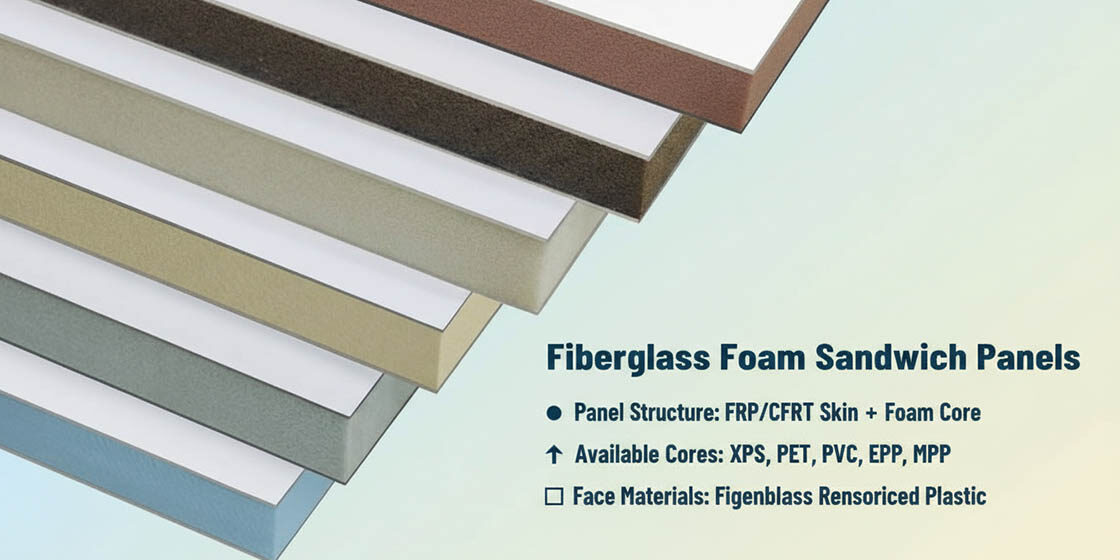
Most engineers still spec honeycomb panels the way they spec solid plate steel: add 20% thickness, call it safe. That approach wastes material budget and still misses the real failure risks. Honeycomb core panel strength isn’t a single-variable equation where thicker always wins. It’s a multi-variable system where core geometry, material selection, bonding quality, and facing skin thickness all interact. Get one variable wrong, and you either over-engineer by 30-40% or face adhesive delamination two years into service.
We’ll walk through the factors that actually drive structural performance in the field. That includes core density mechanics, the adhesive bond line quality most suppliers skip over, and the environmental degradation risks that turn a passing lab test into a warranty claim. You’ll finish knowing exactly which variables to specify in your next procurement RFQ, and which quoted “upgrades” are just markup.
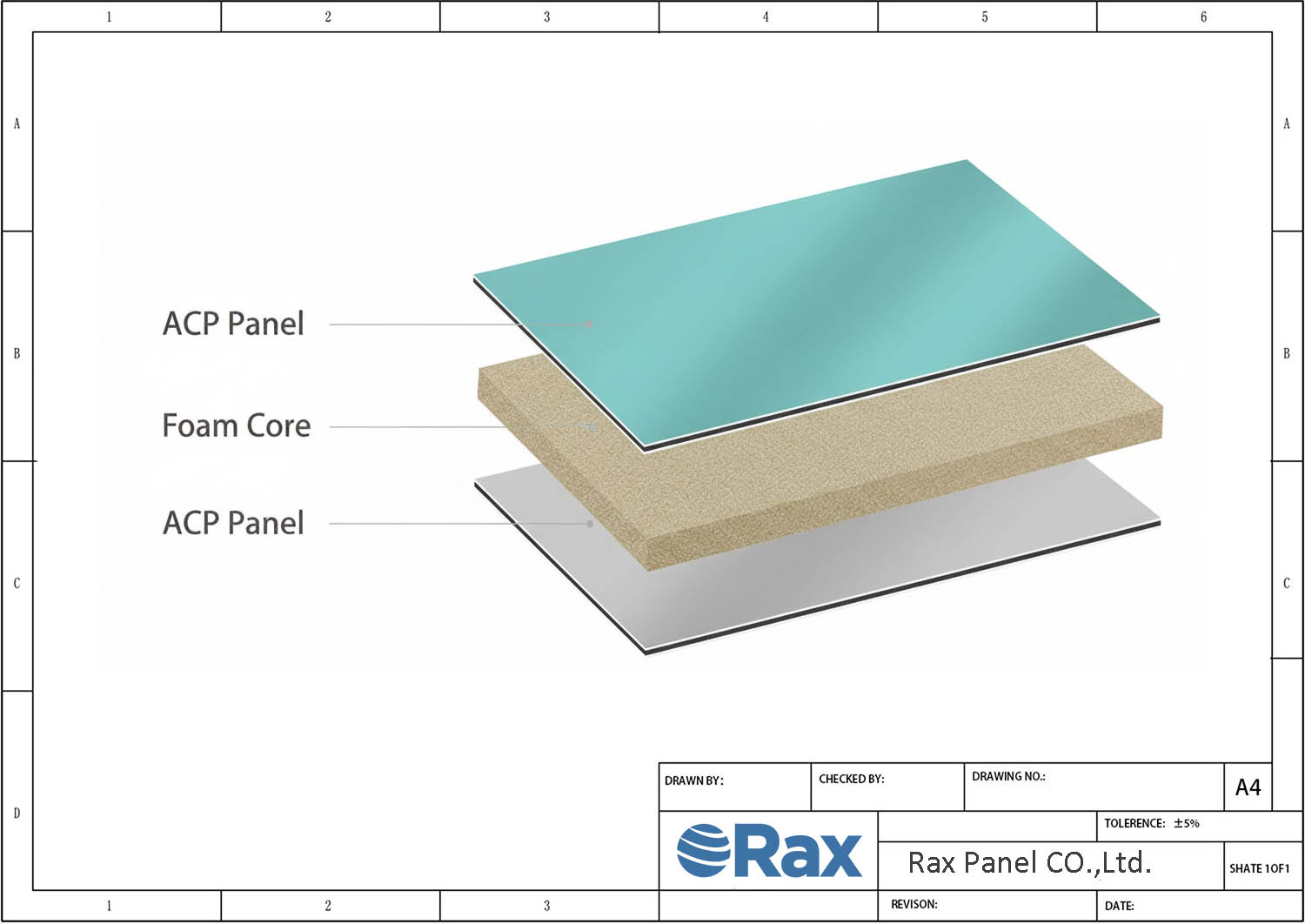
Core Material Composition and Intrinsic Strength
Core material selection governs up to 60% of a honeycomb panel’s compressive behavior. The right choice isn’t about finding the “strongest” material. It’s about matching mechanical properties to your actual load scenario.
Aluminum vs Aramid vs Thermoplastic Cores: A Mechanical Comparison
Not all honeycomb cores behave alike under load. Aluminum honeycomb cores deliver high compressive stiffness and excellent energy absorption in a predictable, linear fashion. They perform reliably in static load applications, such as truck body panels, architectural claddings, and marine bulkheads, where dimensional stability under constant stress is non-negotiable. However, aluminum cores sacrifice energy absorption capacity after initial yield, meaning they can deform permanently under impact.
Aramid honeycomb cores, typically made from meta-aramid or para-aramid paper coated with phenolic resin, offer an entirely different strength profile. Their compressive strength-to-weight ratio is among the highest in the composite core category, but their real advantage lies in toughness. Aramid cores absorb impact energy progressively rather than catastrophically, making them the standard choice in aerospace interiors, military shelters, and high-impact marine structures. The trade-off is cost: aramid cores command a significant premium over aluminum or thermoplastic alternatives.
Thermoplastic cores, particularly polypropylene (PP) honeycomb, occupy the middle ground. They offer good compressive strength at a competitive price point, combined with inherent moisture resistance and recyclability. PP honeycomb cores do not corrode, do not absorb water, and maintain mechanical properties across a wider temperature range than many buyers assume.
In our production experience at Rax Panel, PP honeycomb composited with fiberglass sheet has become the go-to solution for RV wall panels and truck body applications where buyers need high strength-to-weight performance without aerospace-level pricing.
Material-Specific Mechanical Properties That Matter
When engineers evaluate core materials, the critical properties are compressive strength, shear strength, and crush strength. Each core material exhibits fundamentally different behavior in these three categories:
- Aluminum honeycomb: High compressive modulus (typically 400–1,500 MPa depending on density and cell geometry), excellent shear transfer, but susceptible to corrosion at unprotected node bonds in humid environments.
- Aramid honeycomb: Superior crush energy absorption, high shear modulus, and exceptional fatigue resistance. Phenolic-coated aramid paper maintains structural integrity through repeated load cycling better than metallic alternatives.
- PP thermoplastic honeycomb: Moderate compressive strength (150–600 MPa range depending on density), excellent chemical resistance, zero moisture absorption, and consistent performance under dynamic loading conditions.
- Fiberglass honeycomb: A specialized category Rax Panel produces for applications requiring a balance of fire resistance, electrical insulation, and compressive rigidity, common in industrial equipment enclosures and public transit interiors.
The selection process should be driven by the dominant failure mode in your application. Panels in flatwise compression, such as floors, platforms, and deck structures, benefit most from aluminum or high-density aramid cores. Panels subject to bending and shear, such as walls, partitions, and fairings, can often achieve equivalent performance with thermoplastic cores at lower total cost.
Impact on Compressive Strength: Where Core Material Decisions Pay Off
Compressive strength in honeycomb sandwich panels is a systems-level outcome. The core material provides the baseline capacity, but the final panel performance depends on how that core interacts with the facing skins and the adhesive bond line. A high-strength aramid core paired with an inadequate adhesive system will underperform a properly bonded PP core in real-world flatwise compression testing.
Our engineering team at Rax Panel has observed through experimental testing that compressive strength scales with core density across all material types, but the scaling curve is not linear. Doubling core density does not double compressive strength. It typically yields a 40–60% improvement depending on the material. This non-linear relationship is why precise density selection matters more than simply upgrading to a “better” core material.
For B2B buyers managing fleets of refrigerated trucks or modular housing projects, the practical takeaway is straightforward. If your panels operate in dry, static-load environments, aluminum honeycomb cores deliver the best compressive performance per dollar.
For applications involving vibration, moisture exposure, or impact risk, such as marine vessels, RV roofing, and mobile homes, thermoplastic PP cores or aramid cores provide more reliable long-term compressive integrity despite their different price positions. The key is matching the material’s intrinsic mechanical behavior to the actual service conditions, not to theoretical maximums on a data sheet.
| Core Material | Composition Type | Intrinsic Strength Properties | Design Consideration | Primary Applications |
|---|---|---|---|---|
| PP Honeycomb | Thermoplastic Polypropylene | High strength-to-weight ratio; excellent core shear resistance; strong and light when composited with fiberglass | Node bond adhesive quality critically determines long-term fatigue durability under thermal cycling | RV walls, truck bodies, marine vessels, mobile homes |
| XPS Foam | Extruded Polystyrene Foam | Waterproof, thermally insulated, lightweight; consistent compressive strength across density range | Moisture ingress resistance reduces bond-line degradation risk in humid environments | Refrigerated truck bodies, building wall cladding, industrial equipment |
| PET Foam | Polyethylene Terephthalate Foam | Excellent mechanical stiffness; superior dimensional stability; recyclable and eco-friendly | Core thickness significantly impacts bending stiffness more than skin thickness optimization | Transportation, construction, sports goods, public transit |
| PU Foam | Polyurethane Foam | Outstanding thermal insulation; good adhesion to multiple skin materials; fire-retardant options available | Temperature-sensitive cure process requires controlled manufacturing for consistent bond quality | Refrigerated transport, cold storage, building sandwich panels |
| PVC Foam | Polyvinyl Chloride Foam | High closed-cell content; excellent water resistance; superior fatigue performance under dynamic loads | Third-party certification recommended to verify supplier quality variability and aging characteristics | Marine vessel interiors, wet environments, exterior wall cladding |
| PMI Foam | Polymethacrylimide Foam | Highest specific strength among foam cores; exceptional heat resistance; minimal creep under sustained load | Premium cost justified when facing stringent deflection limits and weight optimization constraints | Aviation, high-performance sports, new energy applications |
| Aluminum Honeycomb | Metallic Aluminum Alloy | Exceptional compressive strength; fireproof; superior flatness and dimensional stability | Thermal expansion mismatch with skins must be calculated to prevent adhesive bond failure | Building facades, clean rooms, architectural cladding |
| Aramid Honeycomb | Aramid Fiber (Nomex-type) | Extreme impact resistance; outstanding fire, smoke, and toxicity performance; ultra-lightweight | Surface preparation procedures vary between suppliers, affecting adhesion fillet consistency | Aviation, public transit, medical facilities |
| Carbon Fiber Honeycomb | Carbon Fiber Composite | Maximum stiffness-to-weight ratio; superior fatigue endurance; excellent corrosion resistance | Intracell buckling and skin wrinkling failure modes require rigorous experimental testing to validate | High-performance vehicles, sports equipment, aerospace |
| Fiberglass Honeycomb | Glass Fiber Reinforced Composite | Balanced strength and cost; good corrosion resistance; compatible with GRP/FRP and CFRT skins | Adhesive bond line quality is hidden strength determinant often overlooked by competitors | Marine structures, truck dry freight bodies, industrial enclosures |
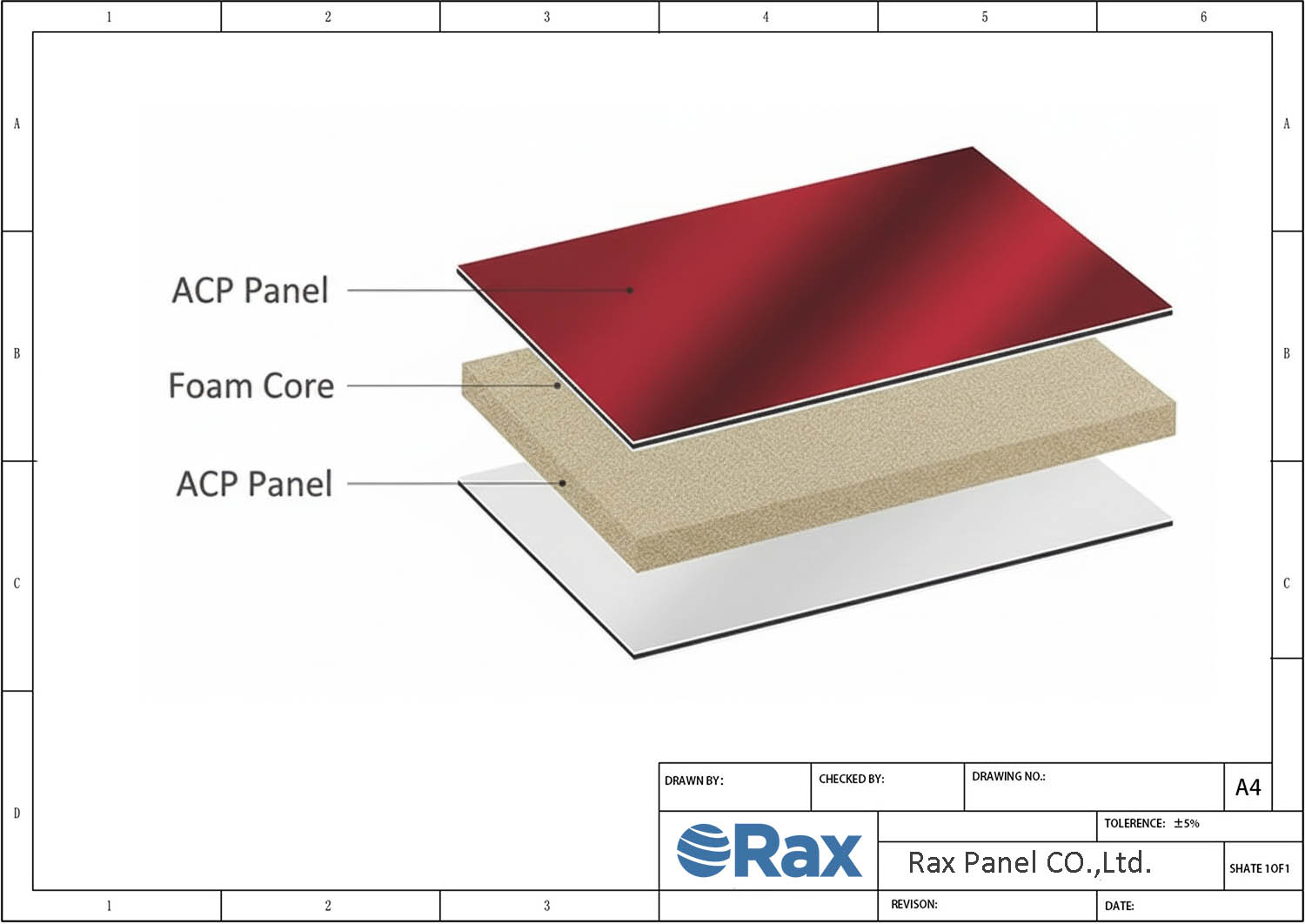
Cell Size Geometry and Structural Performance
Cell size is the single most controllable geometric variable in honeycomb panel design. A 1mm shift in cell diameter can alter compressive strength by up to 30% without changing material mass.
Small Cell Size Benefits
Reducing the diameter of individual hexagonal cells increases the total wall surface area per unit volume. This directly translates to higher compressive strength and superior shear resistance across the core. For structural applications such as truck body panels, RV flooring, and marine bulkheads, smaller cells distribute localized impact forces across more node connections, preventing concentrated point failures.
Smaller cell geometry also provides better support for thin facing skins. When skin material spans a smaller distance between cell walls, the risk of intracell buckling or skin dimpling drops significantly. This is particularly relevant when using GRP or CFRT skins at gauges under 1.5mm, where larger cells would allow visible surface waviness under load.
- Compressive strength: Increases proportionally as cell diameter decreases, due to greater wall density per unit area
- Shear resistance: More internal node bonds per square centimeter resist diagonal shear failure modes
- Skin support: Tighter cell pitch reduces unsupported span, allowing thinner skins without wrinkling
- Bond area: Greater total adhesive contact surface between core walls and facing materials
In our testing at Rax Panel, switching from a 12mm PP honeycomb core to a 6mm cell size in an otherwise identical GRP sandwich configuration increased flatwise compressive strength by roughly 40%, while adding only 8% to total panel weight. The trade-off is almost always worth it for load-bearing applications.
Large Cell Size Trade-offs
Larger cells reduce core density, which lowers both material consumption and panel weight. This makes them attractive for non-structural or semi-structural applications, such as interior partitions, decorative cladding, and ceiling panels, where deflection limits are generous and weight savings justify the strength penalty.
However, the trade-offs are real and often underestimated. Larger cells mean fewer node bonds per unit area, which concentrates shear stress into a smaller number of adhesive joints. Under repeated loading or thermal cycling, these fewer joints shoulder proportionally more work, accelerating fatigue. The unsupported skin span also increases, raising the probability of facing wrinkling or intracell buckling well before the core itself reaches failure.
- Weight reduction: Meaningful density drop, beneficial where gravity loads govern design
- Cost reduction: Less raw material per cubic meter of core volume
- Strength penalty: Lower compressive and shear capacity limits use to non-critical applications
- Skin compatibility: Requires thicker or stiffer facing materials to compensate for wider unsupported spans
Procurement teams should treat large-cell honeycomb as an application-specific optimization, not a cost-cutting shortcut. Using a 19mm cell core in a truck body floor because it is cheaper per square meter will result in warranty claims within the first year of service. Match the cell size to the actual load environment, not just the budget line.
Hexagonal Cell Wall Mechanics
The hexagonal geometry is not arbitrary. It is the most efficient closed-cell shape for distributing in-plane loads with minimal material. Each hexagonal cell wall shares its edges with adjacent cells, creating a continuous load path that resists both axial compression and transverse shear simultaneously. No other periodic cell shape achieves this balance of stiffness and material economy.
Cell wall mechanics operate on two levels. First, the individual foil or polymer wall thickness determines local buckling resistance. Second, the node bond, the adhesive joint where two walls meet, determines whether the hexagon maintains its shape under shear. If node bonds are weak, individual cells deform from hexagons into irregular polygons, and compressive strength degrades rapidly. This is why node bond adhesive quality varies so dramatically between suppliers, even when cell size and wall thickness appear identical on a datasheet.
Manufacturing precision matters. Cell geometry deviations, even as little as 5% distortion from a true hexagon, reduce effective compressive and shear performance by measurable margins. During our quality audits, we have observed cores from secondary suppliers with visible cell irregularities that correlated with a 15-20% reduction in tested shear modulus compared to nominal published values. This is an invisible defect: the panel looks fine, weighs the same, but underperforms in the field.
For engineers specifying honeycomb panels, the practical takeaway is to request actual cell geometry tolerance data from the manufacturer, not just nominal cell size. The ratio of cell diameter to wall thickness should be consistent and verifiable, and node bond integrity should be confirmed through third-party shear testing rather than taken at face value from a product catalog.
| Cell Configuration | Core Material Options | Structural Performance | Optimal Application |
|---|---|---|---|
| Small Cell (3-6mm) | PP / Fiberglass / Aramid / Aluminum | High compressive & shear strength; superior intracell buckling resistance | Aerospace, marine hulls, high-load vehicle panels |
| Medium Cell (6-12mm) | PP / Fiberglass / PET Foam / PVC Foam | Balanced stiffness-to-weight ratio; moderate core shear capacity | RV walls, truck bodies, mobile homes, industrial enclosures |
| Large Cell (12-19mm) | PP / Aluminum / PC / Thermoplastic | Maximum weight savings; lower density; risk of intracell buckling with thin skins | Building cladding, interior partitions, non-structural panels |
| Hexagonal Standard | All core types available | Isotropic in-plane properties; uniform load distribution; proven bond fillet formation | General-purpose sandwich panels, flooring, roofing |
| Over-Expanded (OX) | Aluminum / Aramid / PP | Enhanced shear strength in longitudinal direction; higher L-direction stiffness | Curved panels, vessel hulls, structural beams, stringers |
| Flex-Core (Flexible) | Aluminum / Fiberglass | Exceptional formability; maintains cell integrity during tight-radius bending | Complex curved surfaces, domes, aerodynamic fairings |
| Reinforced / Double Thickness | PP / Fiberglass / Aluminum | Doubled shear & compressive strength; enhanced node bond durability under thermal cycling | Heavy-duty truck flooring, bridge decking, payload platforms |
| Micro Cell (<3mm) | Aluminum / Aramid / Carbon Fiber | Ultra-fine surface smoothness; minimal skin dimpling; maximum facing support | Precision molds, optical surfaces, high-finish exterior cladding |
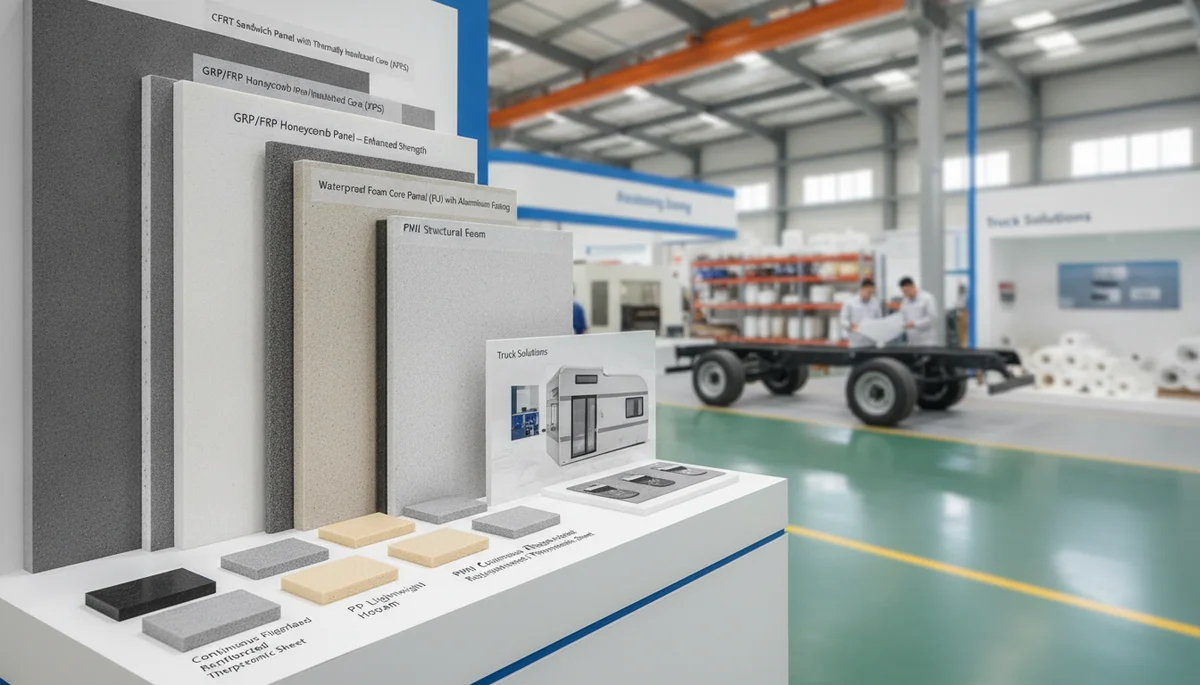
Foil Thickness and Core Wall Rigidity
Foil thickness is the single most direct lever for tuning honeycomb core shear strength and compressive resistance, often more impactful than cell size alone for structural applications.
Thicker Foil Advantages
Increasing the foil gauge, meaning the wall thickness of the individual honeycomb cells, directly raises the core’s mechanical performance across nearly every critical parameter. Thicker foil walls resist buckling under compressive loads, transfer shear forces more effectively between facing skins, and substantially improve the node bond integrity where cell walls meet. In B2B procurement terms, this means fewer field failures, higher load ratings per square meter, and greater design safety margins for demanding applications like marine bulkheads, truck body panels, and structural flooring.
The trade-off, however, is linear: doubling foil thickness roughly doubles core weight. For applications governed by strict deflection limits, such as RV wall systems or upper-deck marine partitions, engineers must weigh the stiffness gained against the mass penalty.
In our experience working with distributors serving the commercial vehicle sector, moving from a standard 0.05mm aluminum foil to a 0.08mm foil can increase compressive strength by 40–60% while adding only marginal weight to the overall sandwich panel assembly, since skins typically dominate total panel mass.
Thin Foil Weight Savings
Thinner foil walls are the correct engineering choice when weight budgets are tight and structural demands are moderate. Aerospace interiors, portable shelters, and non-load-bearing cladding systems all benefit from minimizing core mass. A honeycomb core formed from 0.03mm foil can deliver adequate shear transfer for panel applications where the facing skins carry the primary bending loads, and the core functions mainly as a spacer maintaining geometric separation between skins.
The risk with thin foil lies in its vulnerability to localized damage. Thin-walled cores are more susceptible to crushing during handling, installation, or localized impact events. They also offer less margin against manufacturing variability: a small inconsistency in foil thickness or node bond quality has a proportionally larger effect on structural performance when the baseline wall gauge is already minimal.
Our engineers consistently advise B2B buyers to specify minimum foil thickness tolerances in procurement contracts, particularly when sourcing for transportation applications where panels face vibration fatigue over years of service.
Wall Thickness Measurement Standards
Verifying foil thickness is not as straightforward as measuring sheet metal. The expanded honeycomb geometry and the presence of adhesive at node bonds make point measurements unreliable without standardized protocols.
Industry practice requires measuring foil thickness before expansion, using precision micrometers on the raw foil stock, and then confirming post-expansion uniformity through cross-sectional sampling. Acceptable tolerance bands typically range within ±0.005mm for structural-grade cores, though many commercial suppliers operate at wider tolerances that can introduce inconsistent mechanical performance across a single batch.
Buyers evaluating honeycomb core suppliers should request the following documentation:
- Raw foil mill certificates: Confirming base material alloy, temper, and nominal thickness prior to corrugation or expansion processing.
- Post-expansion thickness sampling data: Cross-sectional measurements taken at multiple cell locations to verify uniformity after processing.
- Node bond inspection records: Verifying adhesive fillet consistency at cell wall intersections, which directly affects how effectively foil thickness translates into actual core rigidity.
At Rax Panel, we track foil thickness consistency as a primary process control parameter during PP honeycomb and fiberglass honeycomb production. Variations as small as 0.01mm in wall gauge can produce measurable differences in flatwise compressive strength, which is why our production line integrates in-process thickness verification rather than relying solely on post-production sampling.
For manufacturers and distributors sourcing composite sandwich panels, insisting on suppliers who document and control foil thickness to tight tolerances is one of the most effective ways to eliminate batch-to-batch performance variability without requiring costly third-party testing on every shipment.
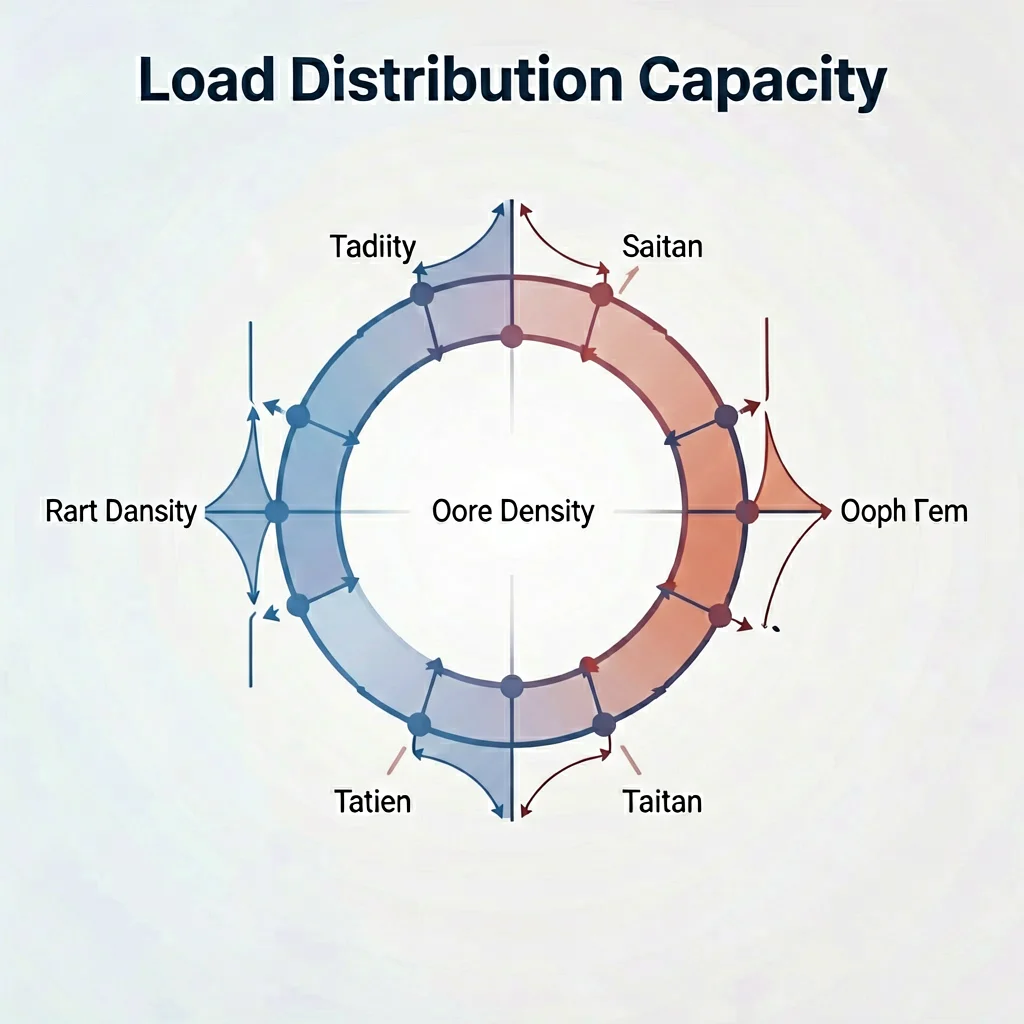
Core Density and Load Distribution Capacity
Core density is the single most direct indicator of a honeycomb panel’s load-bearing capacity. It governs compressive strength, shear transfer efficiency, and ultimately determines whether a sandwich structure holds or collapses under service loads.
Density-to-Strength Correlation
In honeycomb sandwich construction, core density is not an arbitrary number. It is the combined result of cell geometry and wall material thickness, expressed typically in kg/m³. This single parameter predicts compressive and shear performance more reliably than either cell size or foil thickness alone.
Higher density cores, generally those exceeding 60 kg/m³ in aluminum honeycomb or 80 kg/m³ in aramid variants, deliver measurably higher compressive strength and shear modulus, making them suitable for heavily loaded structural applications like truck body flooring or marine bulkheads.
The relationship is not perfectly linear, however. Doubling core density does not double shear strength. The return diminishes as density increases, because the failure mechanism shifts from cell wall buckling to material yielding. For practical B2B sourcing decisions, this means specifying a 130 kg/m³ core when an 80 kg/m³ core meets the load requirement is a waste of material budget and adds dead weight.
Based on our experimental testing at Rax Panel, engineers frequently over-specify density by one or two grades out of caution, resulting in panels that are 15-25% heavier than the application demands with negligible structural benefit.
Lower density cores, typically in the 25-50 kg/m³ range for PP honeycomb or aluminum variants, serve a different purpose. They sacrifice compressive and shear capacity for significant weight reduction. These cores perform adequately in non-structural partitions, decorative cladding, or RV interior furniture panels where the primary loads are self-weight and minor handling forces.
The key engineering discipline is honestly classifying your application: if it carries live loads, resists wind pressure, or experiences point impacts, low-density cores are the wrong choice regardless of cost attraction.
Uniform vs. Graded Density Cores
Most standard honeycomb panels use uniform density cores: the same cell configuration runs from the top skin bond line to the bottom. This simplifies manufacturing and quality control, and for 80% of commercial applications, it is entirely sufficient. Uniform cores provide predictable, isotropic-in-plane behavior that engineers can model with straightforward sandwich beam theory.
Graded density cores, where density transitions from higher near the skins to lower at the neutral axis (or vice versa), represent a more sophisticated approach. The logic is sound: maximum shear stress in a sandwich panel occurs at or near the core-skin interface, while the neutral axis carries minimal shear.
Placing higher-density material where shear demand peaks and lower-density material where it drops allows targeted weight savings without compromising critical load paths. In our facility, we have produced graded PET foam and XPS foam core panels for specialized vessel and rail applications where every kilogram matters.
The trade-off with graded cores is manufacturing complexity and cost. Each density transition layer requires a separate bonding operation or a continuous pour with precise density control. For PP or aluminum honeycomb, graded configurations mean assembling different cell-size or foil-gauge blocks into a single core blank.
This adds labor, increases bond line count (and thus potential failure surfaces), and extends lead times. Unless the project weight budget is genuinely constrained, graded density cores are difficult to justify economically for standard commercial vehicle or building applications.
Shear Load Transfer Mechanics
The core’s primary structural role in a sandwich panel is to transfer shear loads between the two face skins, keeping them separated and forcing them to act as a unified structural section rather than two independent thin sheets. When a bending load is applied, one skin goes into compression and the other into tension.
The core resists the tendency of those skins to slide relative to each other, which is shear transfer. If the core lacks sufficient shear stiffness, the skins deflect independently, and the panel effectively loses its sandwich advantage, behaving instead like two thin, weak sheets.
Shear transfer efficiency depends on three factors: core material shear modulus, core thickness, and the integrity of the adhesive bond between core and skin. Core thickness plays a disproportionately large role here. Doubling core thickness approximately quadruples bending stiffness while only doubling weight, a ratio that surprises many designers who instinctively focus on skin thickness instead.
Our engineering team at Rax Panel regularly reviews customer specifications where the initial design calls for thicker aluminum skins to meet stiffness targets, when simply increasing the PP honeycomb core thickness by 10mm would achieve the same deflection limit at lower weight and material cost.
Core shear failure itself manifests in two modes: shear cracking, where the core material fractures along a diagonal plane, and shear buckling, where the cell walls collapse in a localized zone before the material yields. Ductile core materials like PP honeycomb tend to crack rather than buckle, giving some visual warning before total failure.
Brittle cores like aluminum honeycomb can buckle suddenly with minimal warning, which is why application-specific safety margins are critical. For refrigerated truck bodies subjected to repeated road vibration and point loads from cargo, we typically specify core shear strength margins of 1.5x or greater above calculated service loads to account for fatigue degradation over the vehicle’s service life.
- Core Density Range (Aluminum Honeycomb): 25–130 kg/m³ depending on cell size and foil gauge
- Core Density Range (PP Honeycomb): 40–120 kg/m³ for structural grades
- Shear Stress Distribution: Maximum at core-skin interface, approximately zero at neutral axis
- Stiffness-to-Weight Ratio: Doubling core thickness yields ~4x bending stiffness at ~2x weight
- Recommended Shear Safety Margin: ≥1.5x for dynamic loading applications (trucks, marine)
The practical takeaway for buyers evaluating honeycomb panel specifications is this: density tells you what the core can carry, core thickness tells you how stiff the total panel will be, and the bond integrity tells you whether that shear load actually transfers.
Specifying any one of these without the other two is incomplete engineering. When we review project requirements with distributors and OEM manufacturers, the first question we ask is what governs the design: deflection, shear capacity, or weight limit. That answer determines which density and thickness combination delivers the best cost-performance ratio without over-engineering the panel.
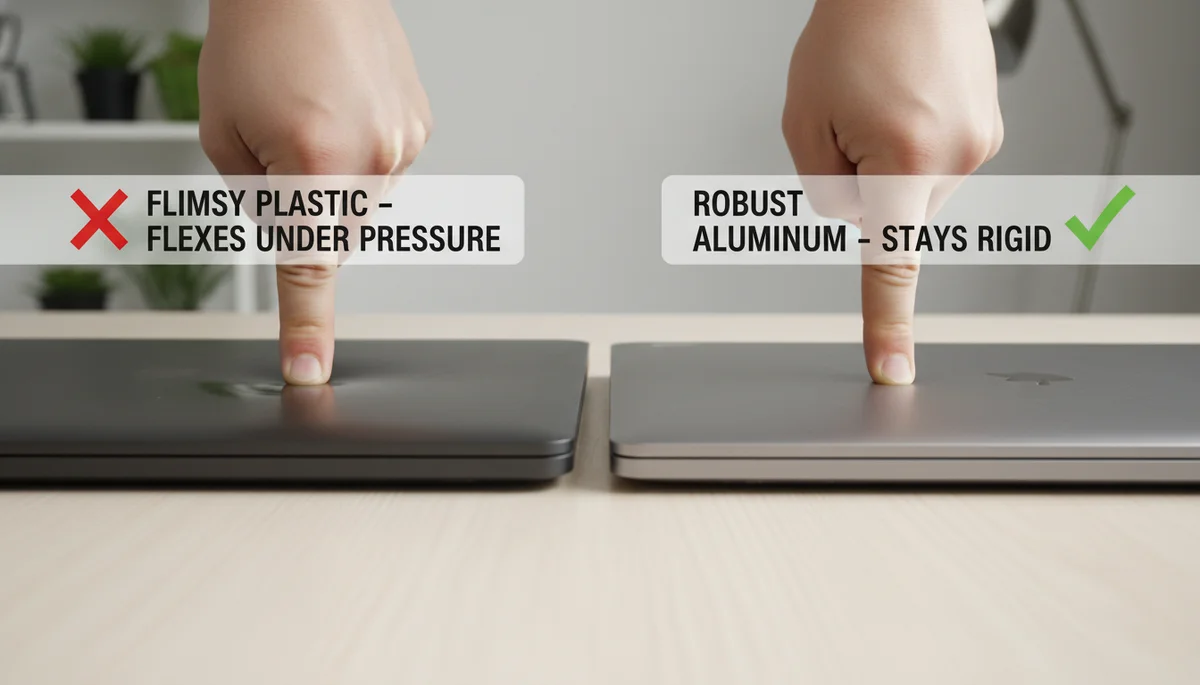
Facing Skin Material and Panel Stiffness
In sandwich panel engineering, the facing skin carries the vast majority of in-plane tensile and compressive stress during bending. But stiffness is governed less by skin material alone and more by the geometric separation between the two skins.
Aluminum vs Steel vs Composite Skins
The choice of facing skin material defines the panel’s tensile strength, corrosion resistance, and weight profile. Aluminum skins, typically alloy series 3003 or 5052, offer a density of roughly 2.7 g/cm³ with moderate yield strength, making them the default for transportation and architectural cladding where weight savings matter. Steel and stainless steel facings deliver significantly higher yield strength and impact resistance but at roughly three times the weight per unit area, which shifts the panel’s overall mass dramatically in large-format applications.
Composite skins, specifically GRP (fiberglass reinforced polymer) and CFRT (continuous fiber reinforced thermoplastic), occupy a different structural niche. GRP sheets with gelcoat provide a smooth, waterproof, electrically insulating surface that neither aluminum nor steel can match without additional treatment.
CFRT skins, reinforced with continuous glass fiber in a thermoplastic matrix, are lighter and thinner than traditional FRP while maintaining higher impact resilience. Our production line routinely configures both GRP and CFRT skins over PP honeycomb and foam cores for RV and refrigerated truck bodies where hygroscopic resistance and surface flatness are non-negotiable.
From a B2B procurement standpoint, the decision matrix is not simply “strongest material wins.” Steel skins may satisfy static load requirements on paper but introduce corrosion mitigation costs, fastener compatibility issues, and shipping weight penalties that compound across a fleet. Aluminum offers a balanced baseline. Composite skins justify their cost when chemical resistance, thermal insulation, or dielectric properties are design drivers.
Skin Thickness-to-Stiffness Ratio
This is where many engineers and procurement teams make a costly misjudgment. The instinct is to increase skin thickness to improve panel stiffness. In reality, sandwich panel bending stiffness scales with the square of the distance between the two skin centroids, not linearly with skin thickness. Doubling the core thickness produces a far greater stiffness gain than doubling the skin gauge, and it does so without the proportional weight penalty.
To put this in practical terms: increasing an aluminum facing from 0.5 mm to 1.0 mm on a 25 mm panel yields a modest stiffness improvement. But increasing the core from 25 mm to 50 mm with the same 0.5 mm skins can increase bending stiffness by a factor of three or more, depending on the core material’s shear modulus.
This is the core thickness misconception that leads to over-engineered, overweight panels: buyers specify heavy gauge skins when a thicker, lighter core would solve the deflection requirement at lower material cost.
Skin thickness does matter for specific failure modes, however. Thin skins are vulnerable to wrinkling (a localized buckling phenomenon where the skin buckles while remaining bonded to the core) and intracell buckling, where the skin dimples into the honeycomb cells under compression.
These failure modes are governed by skin thickness, core cell size, and the adhesive bond quality at the skin-core interface. In our experimental testing, we have observed that aluminum skins below 0.6 mm on honeycomb cores larger than 12.7 mm cell diameter begin to exhibit intracell buckling at relatively modest compressive loads, well below the theoretical skin yield strength.
Sandwich Panel Bending Resistance
Bending resistance in a sandwich panel is a system-level property. The upper skin resists compressive stress, the lower skin resists tensile stress, and the core transfers shear between them while maintaining geometric separation. Any one of these three elements becoming the weak link governs the panel’s actual bending capacity.
In our lab, when we evaluate panel configurations for truck body and structural flooring applications, we analyze three competing failure modes sequentially: facing skin stress failure (skin yields or fractures), core shear failure (core cracks or delaminates under transverse shear), and panel deflection exceeding the allowable limit.
For spans typical in transport applications, where panel span-to-thickness ratios fall between 30:1 and 60:1, deflection almost always governs the design, not material strength. This means the stiffness equation (driven by core thickness and skin separation) is more critical than the strength equation (driven by skin tensile or compressive capacity).
This distinction has direct procurement implications. A buyer specifying a 40 mm panel with 1.0 mm steel skins for a truck sidewall may be paying for tensile capacity they will never use, while the actual deflection under wind load or cargo pressure would have been equally well-served by a 50 mm panel with 0.6 mm aluminum skins at significantly lower weight and cost.
Understanding which failure mode governs your specific application is the difference between an optimized panel and an expensive overbuild.
- Interior partitions and furniture panels: 10–20 mm total thickness with 0.4–0.6 mm skins, where deflection limits are modest and weight savings are paramount.
- Transport sidewalls and roofing: 20–40 mm with 0.6–1.0 mm skins, balancing aerodynamic and cargo loads against vehicle weight budgets.
- Structural flooring and heavy-load platforms: 40–80 mm with 1.0 mm or heavier skins, where concentrated point loads and impact resistance drive the design.
One factor that competitors rarely discuss but significantly affects real-world bending performance is the adhesive bond line consistency between the skin and core. Even with optimal skin thickness and core geometry, an inconsistent bond line, caused by uneven adhesive application, contamination, or inadequate press pressure, creates localized zones where shear transfer fails prematurely.
Our engineering team treats the bond line as a fourth structural element in the sandwich, not merely a joining process. During our qualification of polyurethane and epoxy adhesive systems for CFRT and FRP skins over PP honeycomb cores, we validate flatwise tensile strength at multiple points across the panel width to confirm that bond integrity is uniform, not just average.
| Facing Skin Material | Stiffness Profile | Key Benefit |
|---|---|---|
| GRP/FRP (Gelcoat) | High flexural rigidity; excellent core-to-skin adhesion via adhesive bond line | Waterproof, flat, smooth finish; resists environmental degradation |
| CFRT (Thermoplastic) | Superior strength-to-weight ratio; enhanced impact resilience at thinner gauges | Lighter and thinner than traditional FRP; ideal for weight-critical designs |
| Aluminum | High bending stiffness with minimal deflection; excellent load distribution across core | Corrosion resistant; optimal for marine, truck body, and exterior cladding |
| Steel / Stainless Steel | Maximum facing skin stress capacity; resists wrinkling and intracell buckling | Heavy-duty structural and hygiene compliance for industrial and medical |
| ACP (Aluminum Composite) | Balanced rigidity-to-weight; stable under thermal cycling conditions | Cost-effective; widely used in building facades and mobile homes |
| Plywood | Moderate stiffness; strong mechanical bond with foam and honeycomb cores | Impact resistant; preferred for RV flooring, furniture, and cargo applications |
| Aluzinc (Steel Alloy) | High shear load transfer to core; excellent dimensional stability | Superior corrosion and weathering resistance for exterior wall cladding |
| Carbon Fiber Reinforced | Exceptional flexural stiffness; highest specific modulus among all skin options | Ultra-lightweight for aviation, sports, and high-performance applications |
| HDPE (Thermoplastic) | Flexible yet tough; good core adhesion in sandwich configurations | Chemical resistant; suitable for agricultural and industrial equipment |
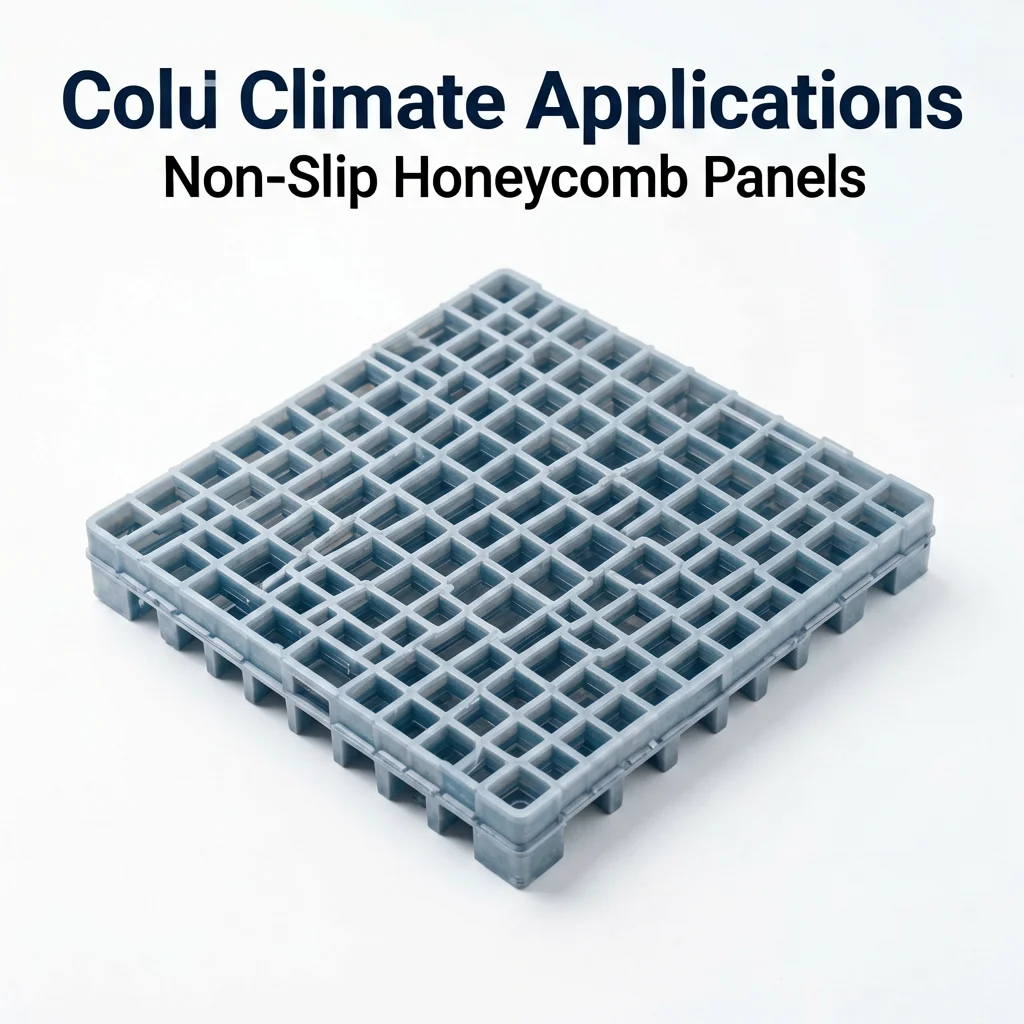
Adhesive Bonding Quality Between Core and Skin
Adhesive bonding is the single most critical, and most frequently underestimated, factor in honeycomb sandwich panel structural integrity. A panel with aerospace-grade core material will still delaminate catastrophically if the bond line is compromised.
Adhesive Selection Criteria
Choosing the correct adhesive system is not a generic procurement decision. The adhesive must be chemically compatible with both the core substrate and the facing skin, while maintaining performance across the panel’s entire operational temperature range. A polyurethane adhesive that bonds exceptionally well to XPS foam cores may exhibit poor peel strength when paired with aluminum skins under thermal cycling conditions common in Middle Eastern or Central Asian climates.
For B2B buyers evaluating suppliers, the critical distinction lies in whether the manufacturer selects adhesive systems based on cost optimization or based on matched mechanical and environmental performance. Epoxy-based film adhesives generally offer superior shear strength and environmental resistance for demanding applications like marine vessel panels or refrigerated truck bodies, where temperature extremes and moisture exposure are constant threats.
Polyurethane adhesives provide excellent flexibility and impact absorption, making them well-suited for RV wall panels and mobile home applications where thermal expansion differentials between skins and cores are significant.
- Glass Transition Temperature (Tg): The adhesive’s Tg must exceed the maximum service temperature of the panel. An adhesive with a Tg of 70°C will soften critically if a truck body panel sits in direct sun loading in desert conditions.
- Viscosity and Gap-Filling Capacity: Honeycomb cores present an uneven bonding surface. The adhesive must flow enough to form mechanical fillets at cell walls without draining excessively into open cells.
- Creep Resistance: For panels under sustained static loads, such as flooring in commercial vehicles, the adhesive must resist long-term creep deformation that gradually reduces bond integrity.
In our production facility, we maintain strict adhesive-to-substrate compatibility protocols validated through experimental testing. When a distributor orders PP honeycomb panels with GRP skins for a truck body project, we do not rely on generic adhesive recommendations.
Our engineers run bond line shear and peel tests against the specific core density and skin surface treatment to confirm adhesion performance before production begins. This step is one that many smaller manufacturers skip entirely, and it is a primary reason why visually identical panels from different suppliers exhibit drastically different field lifespans.
Bond Line Consistency Effects
Bond line consistency refers to the uniformity of adhesive thickness and coverage across the entire core-to-skin interface. It is arguably the most difficult quality parameter to control in continuous sandwich panel production, and it is where manufacturing capability differences between suppliers become most apparent. Inconsistent bond lines create localized weak zones where peel stresses concentrate under bending loads, leading to premature delamination that originates from within the panel structure.
Vacuum bagging processes, which we employ for panels with GRP, aluminum, and prefabricated skins, help ensure consistent pressure distribution across the bonding surface. During this process, a precise amount of adhesive is applied to the skin surface, and scores in the core material allow trapped air to escape under the laminate.
Without proper air evacuation, voids form in the bond line: pockets where no adhesive contacts the core. These voids are invisible in finished panels but act as initiation points for crack propagation under cyclic loading.
The practical consequence for wholesalers and distributors is warranty risk. A panel with 85% bond coverage may pass initial visual inspection and basic load tests. However, after two years of thermal cycling in real-world service, where freezing winters and hot summers cause differential expansion between core and skin, that 15% unbonded area grows.
Delamination spreads from void edges, stiffness degrades progressively, and the customer files a failure claim. Our production line’s daily output exceeding 1,700 square meters is controlled by automated adhesive dispensing systems that maintain bond line thickness within tight tolerances, precisely to eliminate this batch-to-batch variability that damages distributor reputation.
Flatwise Tensile Bond Failure Modes
Understanding flatwise tensile failure modes is essential for any engineer specifying honeycomb panels for structural applications. When a panel experiences out-of-plane tensile forces, whether from peel stresses at panel edges, impact loads, or pressure differentials, the bond interface is the first line of defense. Failure can occur in several distinct modes, and identifying which mode governs tells you exactly where the structural weak point lies.
- Cohesive Failure: The adhesive itself tears internally. This indicates that the bond to both the core and the skin is stronger than the adhesive’s internal strength. Generally considered an acceptable failure mode, though it signals the adhesive is the limiting component.
- Adhesive Failure (Substrate Interface): The bond separates cleanly from either the core surface or the skin surface. This is a critical red flag indicating inadequate surface preparation, chemical incompatibility, or contamination during manufacturing.
- Core Tear Failure: The honeycomb core material itself fractures while the bond line remains intact. This is the ideal failure mode because it proves the adhesive system is performing at full capacity and the core material is the governing structural element.
The failure mode a panel exhibits under flatwise tensile testing reveals everything about manufacturing quality. A panel that fails adhesively at the skin interface has a surface preparation problem, likely inadequate degreasing, missing primer application, or an expired adhesive batch. A panel that fails adhesively at the core interface often indicates that the core surface was contaminated with dust or release agent residues before bonding. These are process control failures, not material limitations.
Our engineering team conducts flatwise tensile tests not merely to confirm that panels meet minimum strength thresholds, but specifically to verify that failure occurs as core tear rather than adhesive failure.
When we supply panels for marine applications using fiberglass honeycomb cores with GRP skins, the adhesive fillet formed at each cell wall must bond so thoroughly that the core ruptures before the fillet releases. Anything less means the panel’s long-term durability under wave impact and moisture exposure is unpredictable, a risk that no vessel manufacturer or distributor should accept.
For procurement professionals comparing suppliers, the single most revealing question to ask is not “What is your flatwise tensile strength value?” but rather “What is your dominant failure mode in flatwise tensile testing, and can you provide test reports showing the failure surfaces?” A supplier who can consistently demonstrate core tear failure across different core materials, from PP honeycomb to PET foam to aluminum honeycomb, has mastered the surface preparation and adhesive application processes that separate reliable panels from liability risks.
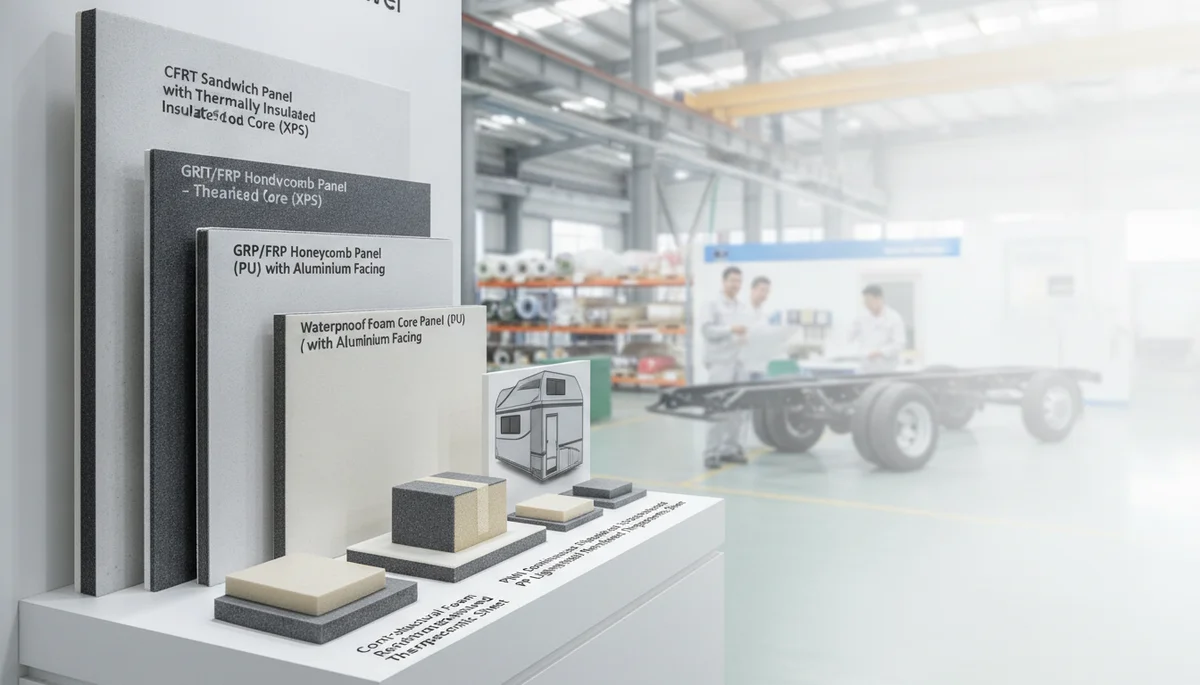
Environmental Factors Degrading Panel Strength
Thermal cycling, moisture penetration, and UV exposure are the three primary environmental mechanisms that silently erode honeycomb panel strength over time, often without any visible surface indication until catastrophic bond failure occurs.
Thermal Cycling Fatigue
Honeycomb sandwich panels in real-world service rarely operate at a single stable temperature. Daily and seasonal temperature swings force the core material and facing skins through repeated expansion and contraction cycles. Because aluminum skins, PP honeycomb cores, GRP facings, and foam cores like PET or PVC each have different coefficients of thermal expansion, even a well-bonded panel experiences micro-stress at the adhesive interface with every cycle. Over thousands of cycles, these stresses accumulate into fatigue micro-cracking within the bond line.
The severity depends heavily on the climate zone and the specific material combination. A truck body panel operating across Central Asian routes might see daily temperature swings from -20°C to +50°C, cycling the adhesive fillet between core walls and skins through extreme strain.
In our own production testing at Rax Panel, we have observed that panels using mismatched skin-core combinations, such as aluminum skins over PP honeycomb without proper thermal-break adhesive formulation, can lose up to 15-20% of flatwise tensile bond strength after simulated thermal cycling equivalent to 5 years of field exposure.
The practical consequence is that panels which pass initial quality inspection with strong bond values may degrade progressively. Node bonds within the honeycomb core itself are also vulnerable, particularly in aluminum honeycomb where the adhesive joining cell walls can embrittle under sustained thermal stress. This is one reason why aerospace-grade honeycomb specifications mandate thermal cycling pre-conditioning before mechanical testing, simulating the real aging environment rather than relying on room-temperature test data alone.
Moisture Ingress and Corrosion
Moisture is arguably the most destructive environmental agent for sandwich panel longevity. Water vapor penetrates through unsealed panel edges, micro-cracks in facing skins, or permeable core materials. Once inside the panel structure, it attacks the system from multiple angles simultaneously.
In aluminum honeycomb cores, moisture initiates galvanic corrosion at cell walls, progressively thinning the foil and reducing compressive and shear capacity. In panels with metallic skins bonded to metallic cores, the adhesive bond line itself absorbs moisture, hydrolyzing the polymer adhesive and reducing bond toughness.
Foam core materials behave differently but are not immune. Open-cell or semi-closed foams like certain PU grades can absorb and retain water, adding weight and reducing the core’s shear modulus. Closed-cell options such as XPS, PET, and PVC foams resist water absorption far more effectively, which is why they are the standard selection for marine vessel and refrigerated truck applications where humidity exposure is continuous.
The critical vulnerability in foam core panels is not the foam itself but the skin-to-core adhesive interface: moisture accumulating at this boundary causes progressive delamination that is nearly impossible to detect externally.
Edge sealing methodology is therefore a major differentiator between suppliers. Panels destined for marine or exterior wall cladding applications require full perimeter sealing with compatible moisture-resistant compounds. Through our experience supplying vessel and mobile home solutions across more than 50 countries, we have found that edge seal quality, not just core material selection, is the single most reliable predictor of long-term moisture resistance in the field.
UV and Chemical Exposure Effects
Ultraviolet radiation primarily attacks the facing skin materials rather than the core, since the core is shielded within the panel structure. GRP and FRP skins without adequate UV-stable gelcoat protection undergo surface resin degradation: chalking, micro-cracking, and fiber exposure. This compromises both the skin’s mechanical integrity and its role as a moisture barrier. Once the skin surface degrades, water penetration accelerates dramatically, compounding the moisture ingress problem described above.
This is precisely why gelcoat quality on FRP sheets matters beyond mere cosmetics. A properly formulated UV-resistant gelcoat serves as the panel’s first line of environmental defense, maintaining both surface flatness and waterproof integrity over years of sun exposure. Thermoplastic facing options like CFRT sheets offer inherently better UV stability than traditional thermoset FRP, but they require their own UV stabilizer packages to prevent surface embrittlement.
Chemical exposure introduces a separate degradation pathway. Panels used in refrigerated truck bodies encounter refrigerant oils, cleaning solvents, and organic acids from transported goods. Industrial equipment panels may face hydraulic fluids, fuels, or process chemicals. Each chemical environment demands specific adhesive and skin material selection.
A GRP skin with standard polyester resin may perform adequately in general construction but can suffer resin plasticization and loss of stiffness when exposed to certain solvents. Vinyl ester or epoxy-based facing systems provide superior chemical resistance at higher material cost, but the investment is justified when panel replacement costs and downtime are factored into the total lifecycle calculation.
For B2B buyers evaluating honeycomb panel suppliers, the critical question is not whether environmental degradation occurs, which it does universally, but whether the supplier has characterized these failure modes through accelerated aging tests and can provide material-specific degradation data rather than generic assurances.
Panels from different manufacturers may appear identical on paper but exhibit completely different aging trajectories based on adhesive formulation, surface preparation protocols, and quality consistency in production. This variability is the primary reason why experienced procurement teams insist on third-party certification and accelerated environmental test results before qualifying a new composite panel supplier.
Testing Standards for Verifying Honeycomb Strength
Verifying honeycomb panel strength relies on three mechanical testing pillars: flatwise compression, core shear, and flexural bending. Without ASTM C365 or ISO 14125 data, structural integrity is just an assumption.
Flatwise Compression Test Methods
Flatwise compression testing is non-negotiable for determining the absolute load-bearing ceiling of a honeycomb core. The test applies a crushing force perpendicular to the panel faces until the cell walls buckle or collapse. This isolates the core’s pure compressive strength, independent of the structural contribution from the facing skins.
In our testing facility, we strictly follow the ASTM C365 standard protocol. We frequently see buyers accept basic density specs from suppliers without demanding actual compressive yield data. If the node bonds within the honeycomb are weak, the core will fail long before it hits its theoretical maximum load. ASTM C365 requires precise sample preparation to ensure the faces are perfectly parallel, preventing premature edge crushing and ensuring the data reflects true material capability.
The resulting stress-strain curve from this test tells you exactly where the core transitions from elastic deformation to permanent plastic deformation. This yield point is the critical threshold for structural design, dictating the maximum load a floor or wall panel can sustain before permanent structural compromise.
Flexural and Shear Testing Protocols
While compression tests evaluate the core in isolation, flexural and shear testing evaluates the entire sandwich structure as a unified system. Three-point and four-point bending tests simulate real-world dynamic loads, measuring how effectively the facing skins transfer shear stress to the core. A 4-point bend test is particularly brutal and highly revealing because it creates a region of pure shear between the loading heads, exposing weak adhesive bonds and forcing core shear failures.
- ASTM C393: Standard Test Method for Core Shear Properties of Sandwich Constructions by Beam Flexure.
- ASTM C273: Standard Test Method for Shear Properties of Sandwich Core Materials.
- ASTM D7249: Standard Test Method for Facing Properties of Sandwich Constructions by Long Beam Flexure.
We routinely run ASTM C273 shear tests on our PP and fiberglass honeycomb cores to establish a baseline for our engineers. When a panel fails during bending, it is rarely the skin tearing; it is almost always a core shear rupture or a facing-to-core delamination. Validating the shear modulus through these protocols is the only reliable way to prevent catastrophic bond failure in high-vibration applications like truck bodies or marine vessels.
ISO and ASTM Certification Requirements
Certification requirements dictate exactly how test data must be generated, sampled, and reported. ISO and ASTM standards exist to ensure that a mechanical test performed in a Chinese manufacturing facility is directly comparable to one performed in a European engineering lab. This standardization is the bedrock of trust in global B2B supply chains.
For composite panels, ISO 14125 dictates flexural testing parameters, closely mirroring the rigor of ASTM methods. Buyers must demand certificates of analysis based on these exact methodologies, rather than accepting generic manufacturer spec sheets that lack test speed, sample size, and conditioning parameters.
Whether verifying a GRP honeycomb panel with a PP core, an aramid honeycomb structure, or a fiberglass foam core panel utilizing a PET core, third-party validation is mandatory. Supplier quality varies wildly across the industry. We strongly encourage our partners to audit the actual test reports to verify that the specific core thickness, adhesive, and skin materials used in the test samples precisely match the production batches being shipped.
Conclusion
The real differentiator between a panel that lasts 20 years and one that fails at year three comes down to adhesive bond line consistency and environmental testing, not just core density or skin thickness.
We see distributors lose margins on warranty claims because they selected panels based on initial compressive strength alone, ignoring thermal cycling fatigue and moisture ingress data. That is the expensive mistake. Match your core material to the actual service environment: PP honeycomb for chemical and humidity exposure, aluminum for fire-rated structural loads, aramid where impact resistance drives the spec.
Our engineering team at Rax Panel validates every configuration against ASTM and ISO testing protocols before it leaves our facility, which produces over 1,700 square meters daily across more than 50 export markets. Send us your project specifications: load requirements, operating temperature range, and deflection limits. We will engineer the exact core-skin-adhesive combination your application demands and return a technical feasibility assessment within 24 hours. No guesswork. No obligation.
Frequently Asked Questions
Does increasing panel thickness add significant weight?
Increasing the thickness of a honeycomb panel adds minimal weight compared to solid materials while significantly improving bending stiffness. This allows engineers to achieve greater structural performance without compromising strict weight limits. leverages this principle to design highly efficient lightweight solutions for demanding transportation and architectural applications.
Can you customize honeycomb panel dimensions?
Yes, provides fully customized honeycomb panel solutions tailored to exact project requirements. Our engineering team works directly with clients to select optimal core materials, facing skins, and dimensions for specific load-bearing conditions. We ensure every panel meets stringent structural standards through rigorous experimental testing.
What is your daily production capacity?
operates a state-of-the-art manufacturing facility equipped with advanced composite panel production lines capable of producing over 1,700 square meters daily. With over 15 years of industry expertise, we maintain a robust infrastructure to handle both large-scale orders and highly specialized custom runs. This ensures reliable lead times and consistent quality for our global partners.
Do you provide international shipping support?
serves a global clientele across more than 50 countries, offering comprehensive international logistics support. Our professional team actively manages transportation risk elimination and ensures safe delivery using export-grade, fumigation-free wooden crates. We handle all necessary export documentation to streamline customs clearance for our international buyers.
What is your minimum order quantity?
As a direct manufacturer, offers highly flexible minimum order quantities tailored to the specific composite panel solution required. Standard products generally carry a lower MOQ, while highly specialized custom runs may require a baseline production quantity. We work closely with distributors and manufacturers to establish commercial terms that support their project scale.