Modular Home 5 Reasons to Choose a Modular Home as a Vacation House

5 Reasons to Choose a Modular Home as a Vacation House

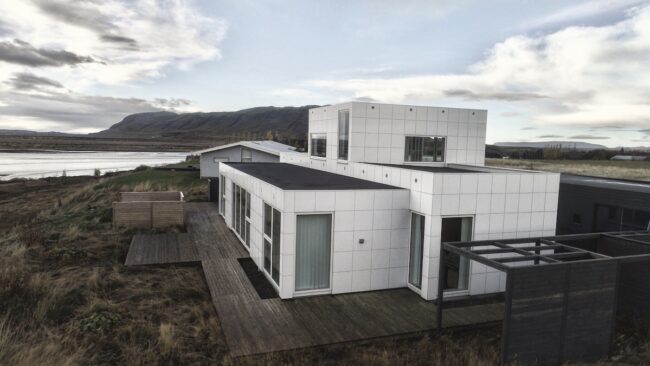
A mountain cabin or coastal retreat should deliver comfort the moment you walk through the door. Most procurement teams managing a modular home project for a vacation property never get there. Budget bleeds. Schedules slip. A delayed foundation and revised permits push occupancy another season, while modules sit in a laydown yard burning $400 daily.…


Exterior Wall Cladding 7 Exterior Wall Cladding Types: Pros & Cons

7 Exterior Wall Cladding Types: Pros & Cons

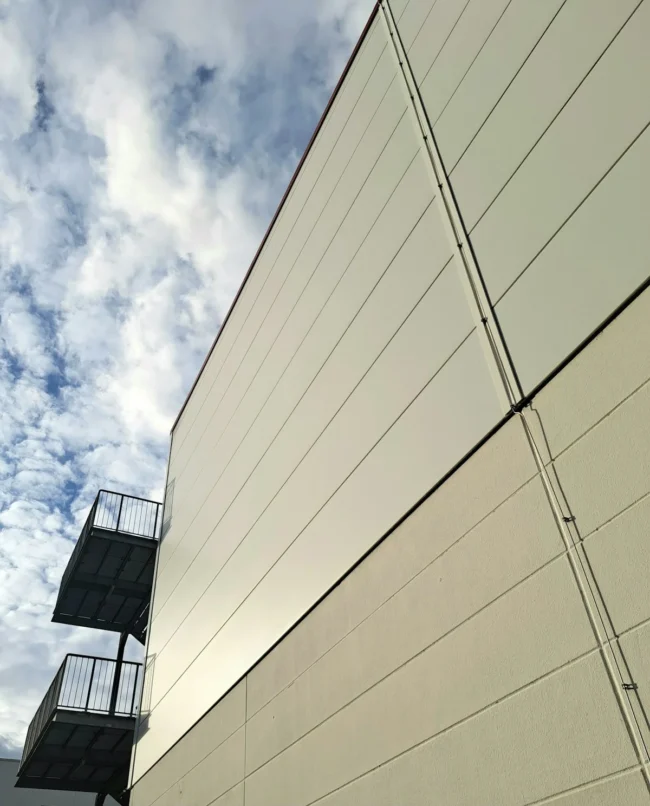
Specifying the wrong exterior wall cladding creates a liability that extends far beyond aesthetics, directly impacting thermal performance and the lifespan of the structural wall. This outer layer serves as the primary shield against environmental elements, acting as a non-load-bearing barrier against water, UV radiation, and wind that prevents costly damage to the interior structure.…

Cold Room Panels Verify Test Reports Against Local Building Codes

How Should You Choose Cold Room Panels?

Most facility planners treat cold room panels as interchangeable commodity stock. That approach ignores the single biggest variable in cold storage ROI: thermal performance across your target temperature range. Production facilities manufacture panels from 50mm to 200mm, but thickness alone doesn’t guarantee insulation performance. The foam core chemistry, facing gauge, and joint design work together…

Modular Clean Room Comparing Modular vs Traditional ISO 8 Clean Rooms

Comparing Modular vs Traditional ISO 8 Clean Rooms

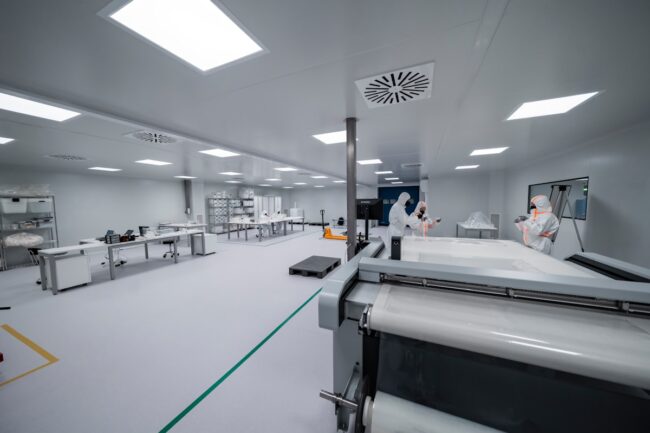
Choosing between stick-built drywall and a modular clean room for an ISO 8 environment is a decision that defines your facility’s operational flexibility for the next decade. Traditional construction offers permanence, but it often introduces uncontrolled variables during assembly that jeopardize certification. Modular systems eliminate much of this risk by using wall panels constructed from…

Wall Sandwich Panel Top 5 Advantages of Wall Sandwich Panel

Top 5 Advantages of Wall Sandwich Panel

Brick-and-mortar schedules are a luxury you do not have anymore. Wall sandwich panels replace wet trades with factory-controlled tolerances, delivering a prefabricated envelope that locks in thermal performance before it even arrives on site. These panels consist of two color-coated steel sheets bonded to an insulated core—typically PIR or mineral wool—creating a composite barrier that…

Cold Room Panels How to Install Cold Room Panels Step-by-Step?

How to Install Cold Room Panels Step-by-Step?

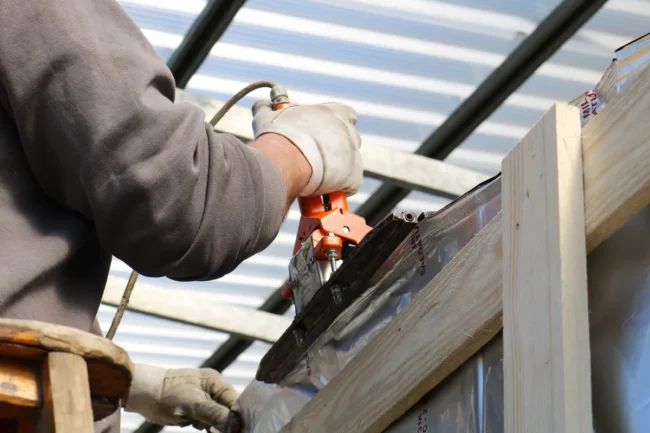
Most installations using cold room panels fail at the joint line. Right there. Modern insulated wall assemblies rely on factory-integrated tongue-and-groove joints with double-ridge EPDM gaskets that seal the panel union across the full width without needing extra field sealant. When crews skip the layout checks or force a panel instead of letting the interlock…

Modular Home 5 Errors in Selecting a Modular Home

5 Errors in Selecting a Modular Home

How to Choose the wrong modular home manufacturer turns a potentially efficient build into a budget disaster defined by code disputes and shipping delays. While a conventional build might take 9 to 12 months, a modular home can often be completed in 3 to 5 months, but that speed evaporates the moment you misalign factory…

Insulated Sandwich Panels Insulated Sandwich Panels: Construction Benefits

Insulated Sandwich Panels: Construction Benefits

Traditional wall assembly forces you to coordinate framing, insulation, and vapor barriers in a sequence that creates thermal bridges and destroys your schedule. You stack multiple trades just to get a wall that might still fail an inspection. Insulated sandwich panels eliminate that inefficiency by integrating the structure and thermal layer into a single factory-made…