
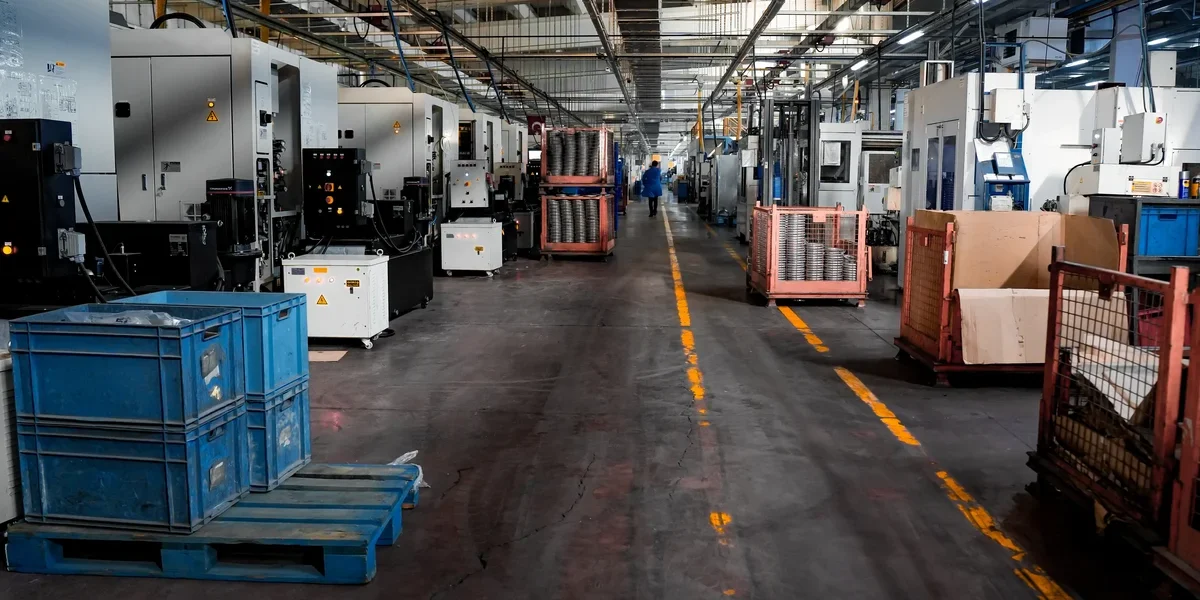
Sourcing panels from a Clean Room Manufacturer based overseas often looks like a 40% saving on paper, yet those savings frequently evaporate when ocean freight, import tariffs, and material degradation during transit hit the actual budget.
You cannot simply compare unit costs; you have to evaluate total landed cost against the operational risk of a failed safety audit. Most facility planners assume any factory can build an enclosure, but achieving ISO 14644-1 compliance requires precise control over panel joint tolerances and filtration leakage rates that not every offshore operation maintains.
We break down the specific criteria that distinguish a reliable international partner from a low-cost liability, including how to verify fire rating claims without a site visit and the financial impact of delayed shipments on your project timeline. This framework helps you balance the scale advantages of global manufacturing against the rapid response times required to keep your production schedule intact. The result is a procurement decision that protects your ISO certification status while keeping capital expenditure within strict limits.

Local or Overseas: How to Pick a Manufacturer
Choosing a manufacturer is not just about geography; it is about choosing between inventory flexibility and engineering precision. The right partner determines your audit outcomes and your total cost of ownership.
Manufacturing Timelines: Inventory vs. Production Capacity
When evaluating lead times, buyers often confuse “speed of delivery” with “speed of manufacturing.” Local suppliers typically excel in rapid delivery of standard sizes because they hold stock. However, for large-scale cleanroom projects, their production capacity can become a bottleneck. A local workshop might produce 200–300 square meters per week, whereas specialized manufacturers operate continuous lines.
In our factory, for instance, we maintain a daily production area exceeding 1,700 square meters, ensuring that even bulk orders for pharmaceutical wall specifications are completed without delay. The critical question is not just how fast they can ship stock, but whether they can sustain throughput for your entire facility without batching issues.
ISO Standards and Particle Count Compliance
Compliance is the most significant risk factor in cleanroom construction. A common pitfall is assuming that a general ISO 9001 certification guarantees panel performance in a controlled environment. It does not. You must verify that the panels specifically meet ISO 14644 standards regarding particle generation and air filtration. This requires engineering-grade facings—like GRP or stainless steel—that prevent shedding and withstand rigorous cleaning protocols.
When vetting overseas manufacturers, demand a full “Compliance Documentation Package” before purchase. This should include third-party fire ratings (such as ASTM E84 Class A) and material traceability certificates. Local suppliers often skip these detailed validations for standard stock, whereas an export-focused manufacturer will have these ready to clear customs and pass strict GMP or FDA audits. The absence of these documents is a primary cause of facility commissioning delays.
Ocean Freight and Tariff Cost Breakdown
To accurately compare local and overseas costs, you must shift from “Unit Price” to “Landed Cost.” For international procurement, the calculation extends beyond the factory invoice. A true landed cost model includes the Free on Board (FOB) price, ocean freight charges, marine insurance, customs duties, and inland delivery to your site.
- Ocean Freight: Calculated per cubic meter (CBM) or per container (20ft/40ft). Lightweight composite panels allow for maximizing container volume rather than weight, optimizing shipping efficiency.
- Tariffs and Duties: These vary by HS Code and country of origin. Verify the specific classification for sandwich panels to predict duty rates accurately.
- Local Handling: Include customs broker fees and last-mile trucking. Often, the savings on the unit price from a specialized manufacturer absorb these logistics costs while still delivering a superior product.
Custom Panel Sizing and Engineering Support
Standardization saves money, but cleanrooms are rarely standard. The difference between a local distributor and a dedicated manufacturer becomes evident when you require non-standard dimensions or specific jointing systems. Local suppliers often sell generic panels and rely on general contractors to cut and modify them on-site, which introduces tolerances errors and compromises the integrity of the air seal.
In contrast, overseas manufacturers with integrated R&D can produce factory-cut panels with precision-engineered jointing systems, such as cam-locks or tongue-and-groove, designed for negative pressure environments. We handle the customization at the source, using our engineering team to run experimental tests on specific composite configurations before mass production.
This ensures that when the panels arrive on-site, they fit precisely, reducing installation labor and eliminating the risk of air leakage at the joints. Always ask if the supplier provides detailed installation schematics and load calculations for your specific custom layout.
| Evaluation Criteria | Local Supplier Baseline | Overseas Manufacturer Standard | Clean Room Impact | Procurement Action |
|---|---|---|---|---|
| Core Material Engineering | Entry-level fabricators are generally restricted to common insulations, relying on standard stock foams or rockwool, with limited ability to produce specialized cores like PMI. | Sophisticated R&D departments enable broader customization. Integrated R&D produces customizable PET, XPS, PMI, honeycomb, and hybrid sandwich cores. | Enables precise thermal bridging control and optimized weight-to-strength ratios for structural durability. | Request material certificates and thermal conductivity test reports (W/m·K) before ordering. |
| Jointing & Differential Pressure Sealing | Generic bolted or tongue-and-groove systems; frequent on-site modifications required. | Engineered cam-lock and precision jointing systems designed specifically for negative pressure environments. | Minimizes air leakage and maintains stable ISO 14644 classification throughout facility lifecycle. | Verify joint system drawings against your cleanroom pressure protocol and commissioning requirements. |
| Compliance Documentation Package | Basic commercial invoices and generic ISO 9001; rarely includes application-specific validation data. | Complete documentation including ASTM E84 Class A fire ratings, surface cleanability data, and full material traceability. | Directly determines first-inspection pass rate for GMP, FDA, and EU Annex 1 audits. | Demand full test report packages prior to PO issuance; never rely on verbal compliance assurances. |
| Production Scale & Supply Chain Reliability | Small-batch flexibility but highly vulnerable to raw material shortages and fragmented sourcing. | Daily output exceeding 1,700 m² with 15+ years manufacturing history and established export networks to 50+ regions. | Prevents critical path delays caused by supply chain fragmentation or inconsistent batch quality. | Confirm factory audit status and request recent shipment references relevant to your geographic zone. |
| Total Cost of Ownership (TCO) | Lower upfront unit price but higher lifecycle cost due to replacement cycles, sealing failures, and re-validation expenses. | Competitive landed cost when factoring in lightweight logistics, reduced installation labor, and extended service life. | Keeps project budget variance under 5% while preserving long-term hygienic and thermal performance. | Calculate full landed cost including freight, tariffs, verification support, and anticipated maintenance cycles. |
| Technical Support & Multilingual Coverage | Regionally limited language support; typically reactive after-sales response model. | 24-hour dedicated engineering support in English, French, Russian, Japanese, and Korean covering design, progress, and risk mitigation. | Accelerates troubleshooting during installation and minimizes downtime during facility commissioning. | Test vendor responsiveness with a pre-order technical query to validate communication speed and expertise. |
Labor, Shipping, and Tariffs: Where Costs Differ Most
The lowest unit price rarely equals the lowest total cost. The “Landed Cost” calculation must aggregate manufacturing labor, freight density (CBM), and applicable tariff rates to reveal the true financial gap between domestic and overseas sourcing.
When evaluating composite panel suppliers, project owners often fall into the trap of comparing “Ex-Works” pricing—the cost of the goods at the factory door—without accounting for the logistical and regulatory expenses that follow. For lightweight, high-volume materials like sandwich panels, the shipping and tariff structures can completely flip the economics of a deal. Understanding where these costs hide is the only way to perform an accurate apples-to-apples comparison.
The Economics of Direct Labor
Direct labor costs represent the most immediate divergence between domestic and overseas manufacturing. In high-cost regions (North America and Western Europe), specialized fabrication labor for composite materials can run significantly higher per hour compared to manufacturing hubs in Asia. However, low labor rates overseas are often offset by the need for higher automation to ensure consistency for ISO standards.
- Domestic Fabrication: Higher hourly wages increase the unit cost, but proximity allows for faster reaction times and lower overhead for supervision. The cost is baked into the invoice price.
- Overseas Manufacturing: While the base hourly wage is lower, the complexity of importing means you are essentially paying for labor in a different currency, then paying to transport that labor value across the ocean.
Shipping: The Volume Game (CBM vs. Weight)
Freight is the great equalizer in international trade. Because composite sandwich panels are lightweight but bulky, shipping costs are calculated based on Cubic Meters (CBM) rather than weight. This creates a critical threshold known as the “Break-Even Point.”
For small orders (e.g., a single truckload or less-than-container load), the per-unit shipping cost from overseas can be exorbitant, potentially negating any savings from the lower purchase price. Conversely, for full-container loads (FCL) of 20ft or 40ft containers, the shipping cost per square meter drops drastically. In a domestic supply chain, freight is typically charged by the mile or pallet rate, which scales linearly and lacks the steep “step-costs” of ocean freight containers.
Always request shipping quotes based on “Cost per CBM” or “Cost per Square Meter” landed at your facility. Do not accept a lump sum freight quote without verifying if the shipment optimizes container space. Lightweight foam cores can lead to “volumetric weight” penalties if not packed efficiently.
Tariffs and Customs Compliance
Unlike domestic orders where the sales tax is the only add-on, overseas imports are subject to duties determined by Harmonized System (HS) Codes. Composite panels can fall into various classifications depending on the core material (e.g., PU foam, Rockwool, or Honeycomb) and the facing material (GRP, Aluminum, Steel).
- General Duty Rates: Most industrial composite panels face standard import duties ranging from single digits to over 20%, depending on the trade agreements between the manufacturing country and the destination nation.
- Anti-Dumping Duties: Certain materials, specifically aluminum composite panels or steel products, may be subject to punitive anti-dumping duties in markets like the US or EU, which can double the landed cost overnight.
Buyers must also budget for “Harbor Maintenance Fees” or similar port charges, as well as the fees for customs brokers who file the necessary paperwork. These are hidden friction costs that rarely appear in the supplier’s initial quote.
Comparative Cost Breakdown
To visualize where the money goes, consider the following structural differences between domestic and overseas procurement for large-scale panel projects.
| Cost Factor | Domestic Sourcing | Overseas Sourcing |
|---|---|---|
| Base Unit Price | Higher (Includes premium labor/overhead) | Lower (Economies of scale/labor rates) |
| Freight Cost | Linear scaling (per mile/pallet) | High fixed cost (Container), low per-unit at volume |
| Tariffs / Duties | None (Standard local tax applies) | Variable (5% – 25%+ based on HS Code) |
| Risk Exposure | Low (Short transit, easy returns) | High (Currency fluctuation, Demurrage) |
Ultimately, the “difference” in cost is not just in the price tag, but in the risk management. International shipments incur liabilities like demurrage fees (charges for keeping a container too long at the port) and insurance premiums for cargo damage. Domestic sourcing minimizes these variables but demands a higher upfront capital outlay per panel. A precise calculation of the “overall project cost” is the only metric that matters.

Do Overseas Manufacturers Meet the Same Quality Standards?
Geography is no longer a proxy for quality. Advanced overseas manufacturers frequently meet or exceed global standards by adopting international certification protocols and rigorous third-party verification systems.
A common misconception in the procurement of composite materials is that production location automatically dictates quality grade. In reality, the modern composite supply chain is highly integrated. Leading overseas manufacturers—particularly those serving the European and North American markets—operate under the same ISO and ASTM frameworks used by domestic factories. The differentiating factor is not the location of the machinery, but the rigor of the management systems governing that machinery.
Universal Standards and The Compliance Baseline
Quality is a defined metric, not a subjective feeling. For clean room and controlled environment applications, specifications are dictated by universal standards such as ISO 14644 for particulate control or ASTM E84 for surface burning characteristics. High-capacity overseas manufacturers engineer their products—whether using PIR cores, Rockwool, or advanced foam structures like PET or PU—to satisfy these specific global benchmarks.
The engineering capability to manufacture composite panels with CFRT or GRP facings exists globally. When a buyer specifies “clean room grade,” a competent overseas supplier understands this implies a requirement for non-porous surfaces, airtight jointing systems, and specific thermal performance values. The technology to produce lightweight, high-strength sandwich panels is not geographically exclusive; rather, it relies on the precision of the production line and the quality of raw materials sourced.
The Critical Role of Third-Party Verification
For buyers, the “trust but verify” mantra is essential. While a local supplier might offer a factory tour, an overseas partner relies on independent certification to build trust. Reputable manufacturers do not rely solely on in-house testing data. Instead, they engage globally recognized agencies to conduct fire testing, tensile stress analysis, and thermal conductivity verification.
This layer of independent validation ensures that the data provided—whether it pertains to the structural integrity of a honeycomb core or the fire resistance of a mineral wool core—is objective and auditable. A manufacturer that can readily produce third-party test reports is demonstrating that their production processes are consistent and transparent. This external validation acts as a bridge, effectively neutralizing the distance between the factory floor and the buyer’s project site.
Documentation and Traceability for Regulated Industries
In sectors such as pharmaceutical manufacturing or biotechnology, the physical panel is only half of the delivery. The other half is the documentation package. Regulated industries operate under strict Good Manufacturing Practices (GMP), which require full traceability of every component installed in a clean room.
Overseas manufacturers experienced in this sector do not simply ship pallets of panels; they provide an audit-ready technical dossier. This includes material certificates, fire rating reports, and validation logs that support the DQ (Design Qualification), IQ (Installation Qualification), OQ (Operational Qualification), and PQ (Performance Qualification) phases of a project.
The ability to provide this comprehensive documentation—often in multiple languages—is a hallmark of a manufacturer that meets international quality standards. It proves that they understand not just how to build a panel, but how that panel functions within a validated compliance framework.
Process Consistency and High-Volume Reliability
True quality is defined by consistency. Producing a single prototype panel to a high standard is easy; producing thousands of square meters of Rockwool or aluminum composite panels with identical properties every single day requires advanced process control. Top-tier overseas manufacturers utilize automated continuous production lines that monitor tolerances in real-time, ensuring that every panel leaving the factory matches the specification.
For a buyer, this reliability minimizes the risk of on-site failures. Dimensional stability and edge precision are critical for modular wall systems; if panels vary in size, the airtight seal is compromised. Manufacturers with extensive export experience have already refined their processes to eliminate these variances, ensuring that the materials arriving at a job site are ready for immediate installation without the need for costly field modifications.
| Quality Parameter | Global Benchmark | Rax Panel Specification | Verification Method | Clean Room Benefit |
|---|---|---|---|---|
| Fire Resistance | ASTM E84 Class A / ISO 11925-2 | PIR core: ASTM E84 Class A self-extinguishing rating; Rockwool core: ISO 11925-2 non-combustible classification | Independent third-party fire test reports and material certificates | Sustains pharmaceutical GMP fire safety audits while maintaining required thermal insulation performance |
| Structural Tensile Strength | Composite facings >150 kPa | Interlaminar bond and tensile strength exceeding 150 kPa across CFRT, GRP/FRP, and composite facings | Factory tensile testing under ISO 9001 quality management protocols | Maintains rigidity under HVAC differential pressure and negative-pressure clean room loads |
| Surface Hygiene & Cleanability | ISO 14644 particulate control compatibility | Smooth gelcoat FRP, stainless steel, or aluminum non-porous facings with validated cleanability profiles | Cleanability validation data and surface resistivity test results | Minimizes microbial retention zones to support first-inspection ISO certification |
| Dimensional Tolerance | ±1.0 mm thickness and edge precision | ±1.0 mm manufacturing tolerance achieved through precision cam-lock and tongue-and-groove jointing systems | Calibrated production line measurements across high-volume daily output | Eliminates on-site field modifications and ensures airtight modular panel sealing |
| Core Material Performance | Application-specific density and compressive strength | Engineered density and compressive strength across XPS, PET, PU, PVC, PMI, EPP, MPP foams, and PP, aramid, and PC honeycomb cores | Experimental testing aligned with customer project data standards | Optimizes weight-to-strength ratios for pharmaceutical walls, ceilings, and doors |
| Compliance Documentation | Audit-ready technical traceability package | Material certificates, fire rating reports, thermal conductivity logs, and factory inspection records | Multilingual engineering support for DQ/IQ/OQ/PQ validation coordination | Reduces regulatory verification risk and accelerates clean room commissioning |
| Moisture & Chemical Resistance | Waterproof and corrosion-resistant durability | Non-corrosive GRP, CFRT, aluminum, HDPE, and ACP facing combinations | Accelerated aging and immersion testing protocols | Preserves panel integrity in high-humidity washdown environments and sterile processing zones |

How Time Zones and Language Gaps Affect Your Project
Time zone friction and language mismatches do not slow down cleaning room panel projects—they silently corrupt specifications. Buyers must treat communication protocols as part of the engineering package, not an afterthought.
When sourcing composite sandwich panels across continents, the gap is almost never the material. It is the workflow. An eight-to-twelve-hour time difference between a European or North American specifier and an East Asian production team turns simple clarification requests into two-day bottlenecks. In a clean room build, where panel flatness, joint sealing, and core density tolerances directly impact ISO classification, that delay compounds quickly.
The Real Cost of Asynchronous Communication
Design coordination for fiberglass-reinforced thermoplastic (CFRT) sheets, GRP facings, or foam-core panels relies on rapid back-and-forth validation. When the supplier’s engineering team signs off at 5 PM your local time, your “urgent revision” sits in a queue until their next shift. During that window, production planning locks around outdated dimensions, and change orders become expensive rework instead of quick adjustments.
- Specification Drift: A request to adjust gelcoat smoothness or panel edge trimming gets misread because the original message was sent outside the overlap window.
- Validation Lag: Experimental testing of custom core-to-skin bonding ratios takes days longer when approval chains depend on manual email exchanges across non-matching shifts.
- Schedule Fragmentation: Multi-stage project rollouts lose momentum when stakeholders cannot confirm whether a pallet of PP honeycomb or PMI foam cores has passed quality checks before the next fabrication phase begins.
How Language Barriers Skew Technical Details
Composite panel procurement uses a dense vocabulary: XPS versus PET foam, PUR versus PIR fire performance, Aluzinc versus stainless steel facings, and various plywood or balsa core options. Even professional translators can miss the nuance between “matte finish” and “low-gloss gelcoat,” or confuse metric thickness calls with imperial equivalents. In clean room applications, these distinctions determine air leakage rates, wash-down compatibility, and static dissipation.
- Drawing Annotation Errors: CAD notes describing joint tolerances, screw spacing, or fire-rating certifications can be interpreted differently without a shared technical glossary.
- Material Substitution Risk: A verbal agreement to swap PVC foam for PET foam without written confirmation can alter thermal resistance, weight, and VOC emissions in sensitive pharmaceutical environments.
- Installation Guide Misalignment: Assembly sequences for modular wall systems, ceiling grids, or anti-skid honeycomb flooring require precise terminology so on-site crews do not force-fit components designed for different load paths.
How Mature Suppliers Neutralize Cross-Border Friction
Established composite panel manufacturers that regularly serve dozens of export regions build communication infrastructure the same way they build production lines: deliberately, with redundancy built in. Buyers should expect round-the-clock project ownership, multilingual engineering staff, and documented revision control rather than informal chat threads.
- Continuous Coverage Teams: Top-tier producers maintain international sales and design desks fluent in English, French, Russian, Japanese, and Korean, offering twenty-four-hour dedicated support so a missed hour in one region does not stall the entire order.
- Centralized Engineering Review: Experienced technical teams conduct experimental testing against agreed data standards before production, ensuring that custom skins, cores, andFacing materials meet the exact performance envelope required for the destination market.
- Structured Change Logs: Every design iteration, material substitution, or dimensional adjustment is tracked in a shared format. This prevents version confusion when a facility spans multiple build phases or involves several regional contractors.
- Pre-Production Overlap Windows: Serious suppliers schedule synchronous review sessions during mutually available hours, converting potential language ambiguity into signed-off technical packets before tooling or panel layup begins.
💡 Expert Pro-Tip:
Treat communication capacity as a qualification criterion alongside price and lead time. Ask suppliers upfront how they handle after-hours urgent revisions, which languages their engineering desk supports, and whether they provide live translation during design sign-off.
Frequently Asked Questions
This factor has a direct bearing on project performance and long-term cost. Addressing it with specific data rather than general assumptions leads to better outcomes.
Does a time difference automatically delay my composite panel order?
Not if the supplier operates with continuous shift coverage. Mature manufacturers stagger their design, production, and quality-control teams so that urgent clarification requests receive same-shift responses regardless of the buyer’s location.
How do language barriers cause specification mistakes in clean room panels?
They usually cause mistakes when technical terms are translated loosely instead of being matched to standardized material codes. For example, confusing “waterproof” with “moisture-resistant” or mixing up PIR, PUR, and Rockwool core classifications can alter a panel’s fire rating, thermal performance, and cleanability.
What documentation should I request to prevent cross-border miscommunication?
Request bilingual engineering drawings, a shared material specification sheet listing exact core types, facing laminates, gelcoat grades, and dimensional tolerances, plus a formal revision log that records every design change before production starts.
Why Lead Times and Shipping Risks Vary by Location
Lead times for cleanroom sandwich panels are rarely uniform. They depend on material complexity, production sequencing, maritime routing, and destination regulatory checks. Understanding these variables prevents project schedule failures.
Procurement timelines for ISO-compliant cleanroom wall and ceiling systems fluctuate because they sit at the intersection of precision manufacturing and global logistics. A buyer ordering standard-sized PIR or Rockwool sandwich panels faces a different timeline than one requesting custom dimensions with specialized facings like GRP, CFRT, or aluminum honeycomb. Delays usually originate from three sources: production bottlenecks for engineered specs, transit route instability, and customs clearance requirements at the destination port.
Production Cycles: Standard vs. Engineered Systems
Standard composite panels manufactured on high-volume continuous production lines can be completed rapidly, often within a few weeks. However, the moment a project requires non-standard dimensions, specific fire ratings, or hybrid core materials such as PMI foam, EPP, or aramid honeycomb, the timeline extends significantly. Engineering approval, die setup, and adhesive curing cycles introduce delays that generic procurement schedules frequently underestimate.
- Standard Sizing: Panels produced in regular widths and lengths benefit from established production runs. Minimum lead times typically range from 15 to 25 days depending on current order backlog.
- Custom Engineering: Specialized configurations, such as fiberglass foam core panels with unique gelcoat finishes or non-slip anti-skid honeycomb surfaces, require individual fabrication planning. Add 10 to 20 days for engineering validation and trial production.
- Certification Testing: If the destination market requires third-party fire testing, UL listings, or CE marking verification, production may pause pending lab results. Buyers should confirm compliance status before placing orders.
Assuming all composite panels share identical delivery windows leads to site idle time. Always distinguish between stock-standard items and made-to-order engineered systems when drafting project schedules.
Shipping Vulnerabilities by Route and Region
Maritime logistics for sandwich panels differ from general cargo because these materials are bulky and sensitive to handling. Panel thickness directly impacts container utilization. For example, a 40-foot High Cube container may accommodate roughly 300 to 500 square meters of standard panels, whereas thicker insulated units or honeycomb variants reduce usable volume due to weight limits and stacking constraints.
- Transit Duration: Ocean freight from major Asian manufacturing hubs to Northern Europe typically takes 30 to 40 days. Routes to the US West Coast average 15 to 25 days, while South America and the Middle East fall between 20 and 35 days depending on port calls.
- Edge Compression Risk: Sandwich panels rely on flat, undamaged edges for smooth cleanroom assembly. Poor stowage in containers or rough handling during transshipment can cause edge crushing, making panels unjoinable on-site.
- Moisture Ingress: Ports with high humidity or delayed discharge can expose unpackaged materials to condensation. Moisture intrusion compromises adhesive bonds and corrodes metal facings such as aluminum or steel.
- Route Disruptions: Geopolitical events, canal closures, or labor strikes at key transit hubs can extend delivery windows by weeks. Buyers should build a 10 to 15 percent buffer into procurement timelines.
Destination Regulatory and Port Bottlenecks
Shipping risk does not end when the vessel arrives. Destination country regulations determine how quickly imported panels clear customs. Markets with stringent fire safety codes may require additional documentation, such as test certificates for PIR, PUR, or Rockwool cores. Missing paperwork can hold cargo for days or trigger re-inspection fees.
- Documentation Requirements: Certificates of Origin, commercial invoices, packing lists, and material safety data sheets must align exactly with the physical shipment. Discrepancies cause customs holds.
- Import Duty Volatility: Changes in trade policy or anti-dumping measures can alter clearance timelines unpredictably. Buyers should monitor regulatory updates for their target market before finalizing purchase orders.
- Port Congestion: Peak season bottlenecks at major ports can delay container release. Aligning shipments with off-peak windows reduces demurrage risks and accelerates delivery to the job site.
Inventory Flexibility for Phased Construction
Phased cleanroom construction projects benefit from strategic inventory planning. Rather than waiting for a single full-container delivery, buyers can sequence shipments to match installation milestones. This approach reduces on-site storage requirements and minimizes exposure to damage or theft during long construction periods.
- Bulk Standard Stock: Order common panel sizes and core materials in advance. These items carry shorter lead times and serve as a buffer against supply chain delays.
- Just-in-Time Custom Orders: Reserve made-to-spec panels for later phases. This prevents premature delivery of complex components that may require rework after site measurements confirm.
- Dual-Source Strategy: Maintaining relationships with multiple suppliers across different regions provides redundancy. If one production facility or shipping lane faces disruption, alternative sourcing keeps the project moving.
Request a production schedule from your supplier early in the procurement process. Confirm whether required materials are in stock or need to be sourced, as this distinction often determines whether a 2-week or 6-week lead time applies.
<!– wp:html –>
<!– /wp:html –>
How Well Are Your Designs Protected Abroad?
Design protection abroad requires territorial patent registration, documented customs recordation, and strict contractual segmentation of manufacturing processes. CAD files, resin formulations, and core-to-skin layup sequences lose legal use the moment they cross borders without registered IP safeguards.
Patent Registration and Jurisdictional Gaps
Intellectual property rights are territorial by default. A composite panel geometry approved for protection in one jurisdiction provides zero automatic coverage in another. Buyers who ship unregistered engineering drawings to overseas fabricators assume that confidentiality alone will stop replication. In practice, trade secret claims become extremely difficult to prove once a finished panel enters a foreign market.
The most defensible approach separates patentable inventions from protectable know-how. Patentable elements usually involve novel structural geometries, unique joint systems, or specific surface treatment profiles. For transport, marine, and modular construction applications, protected features might include a PP honeycomb core bonded to a fiberglass facing, a carbon fiber honeycomb anti-skid matrix, a GRP gelcoat smoothness specification, or a customized multi-layer laminate stack. These items must be registered under the relevant national patent office before any prototype sharing occurs.
- Priority Filing Window: Register utility models or design patents in every target market before disclosing technical specifications. International priority conventions generally allow a six-month grace period after initial disclosure, but missing that window forfeits rights permanently.
- Jurisdictional Enforcement Speed: Injunction timelines vary heavily by region. Some markets grant temporary restraining orders within days of filing, while others require full trial proceedings before unauthorized production can be legally halted.
- Criminal vs Civil Remedies: Design theft may qualify as criminal infringement in certain jurisdictions, but many regions treat it strictly as a civil dispute requiring documented proof of ownership and measurable financial loss.
Proprietary Process Controls and Trade Secrets
Composite sandwich panels rely on precise material stacking sequences that rarely survive patent scrutiny because they function as manufacturing know-how rather than novel inventions. A high-performance configuration typically combines PMI, XPS, PET, PU, or PVC foam cores with facings such as GRP, CFRT, aluminum, steel, ACP, PVC, plywood, stainless steel, or aluzinc. The exact resin viscosity, vacuum bag pressure, cure temperature, and post-press trimming tolerance constitute the actual commercial advantage.
When designing overseas manufacturing agreements, these process parameters must remain compartmentalized. The foreign partner receives only the dimensional drawing and performance specification, never the full material recipe or press cycle. This prevents a supplier from reverse-engineering the thermal insulation, waterproofing, or weight reduction targets into their own product line.
Regulated environments like pharmaceutical cleanrooms and modular hospital builds demand even tighter controls, since surface flatness, seam sealing methods, and cleanability ratings are often embedded in undocumented process steps rather than printed on a blueprint.
Customs Recordation and Border Enforcement
Registering a patent means little if unauthorized panels clear customs without inspection. Most major trading jurisdictions allow IP owners to record registered trademarks, copyrights, and design patents with their national customs authority. Once recorded, border agents can detain shipments that match protected specifications, including exact core thickness tolerances, facing material grades, and distinctive surface finishes.
Recordation procedures require precise physical descriptors. A complaint form stating “composite sandwich panel” is legally insufficient. The filing must specify foam density ranges, honeycomb cell geometry, facing laminate order, gelcoat finish type, and any unique edge-profile details. When importing into markets with automated scanning, pairing visual descriptors with barcode-tracked batch numbers creates a verifiable chain that supports seizure requests and subsequent litigation.
Contract Clauses That Actually Hold Up Abroad
Non-disclosure agreements are standard, but they are not enough. Enforceable design-protection contracts must explicitly define ownership of tooling, mold assets, and engineering revisions. If a foreign fabricator purchases or modifies a press mold, the contract must state whether that asset remains licensed exclusively for the originating buyer or becomes transferable property.
- Mold and Tooling Ownership: Specify that all custom dies, vacuum frames, cutting jigs, and CNC programs remain the buyer’s sole property. Require return or certified destruction protocols upon contract termination.
- Non-Circumvention Language: Prevent the supplier from selling identical panel architectures to third parties, even under a different brand name or slight dimensional variation.
- Audit and Traceability Rights: Include clauses allowing periodic verification of production logs, scrap tracking, and inventory reconciliation to detect unauthorized replication early.
- Jurisdiction-Specific Penalty Schedules: Pre-negotiated liquidated damages remove the need to litigate actual harm. Courts in many jurisdictions enforce fixed breach amounts more readily than unproven lost-profit claims.
⚠️ Critical Pitfall:
Sharing full CAD assemblies before contract execution is the fastest path to design leakage. Release only the essential bounding dimensions and performance targets first. Full geometric detail should follow a signed NDA, tooling ownership agreement, and confirmed patent recordation in the manufacturing jurisdiction.
💡 Expert Pro-Tip:
Treat material formulations and press cycles as trade secrets, not patents. Patents require public disclosure and take years to grant. Trade secret protection lasts indefinitely as long as the process parameters stay compartmentalized inside the manufacturing agreement.
Can Your Manufacturer Handle Rapid Growth?
This factor has a direct bearing on project performance and long-term cost. Addressing it with specific data rather than general assumptions leads to better outcomes.
Production Volume Limits You Need to Verify
A supplier’s claim of scalability means nothing without hard throughput metrics. When evaluating a composite panel producer, request their daily continuous production area and line redundancy. A mature facility typically operates an advanced composite panel production line with a daily output capacity exceeding 1,700 square meters, backed by over 15 years of repeat manufacturing cycles. This baseline tells you whether the vendor can absorb sudden order increases without delaying other accounts.
| Evaluation Metric | Minimum Viable Threshold | Green Flag Indicator |
|---|---|---|
| Daily Production Area | 500 m²/day | >1,700 m²/day with multi-shift redundancy |
| Core Material Inventory | Single core type | XPS, PET, PU, PVC, PMI, EPP, MPP, Rockwool in stock |
| Retrofit Responsiveness | 30+ day re-tooling | 14-day shift activation or parallel line deployment |
- Daily Throughput: Look for documented square-meter-per-day figures, not verbal promises. Facilities handling high-volume cleanroom builds usually maintain consistent daily area output across multiple shifts.
- Core Material Depth: Rapid growth often requires switching between foam cores (XPS, PET, PU, PVC, PMI, EPP, MPP) or mineral cores (Rockwool, PIR, PUR). A scalable factory keeps layered inventory of these cores rather than sourcing them ad hoc.
- Facing Flexibility: High-volume operations laminate diverse facings—GRP/FRP, CFRT, Aluminum, Steel, ACP, PVC, Plywood, Stainless Steel, and Aluzinc—without retooling delays.
📋 Actionable Steps
- Step 1: Ask for the manufacturer’s peak monthly output and average daily square-meter production.
- Step 2: Request proof of core and facing material safety stock levels.
- Step 3: Verify whether additional shifts or parallel lines can be activated within 14 days of a demand spike.
Customization Flexibility During Demand Spikes
Growth rarely arrives with identical blueprints. Cleanroom projects frequently adjust ISO class requirements, panel thickness, surface finish, or fire ratings mid-build. The best producers maintain engineering teams that run experimental testing against various data standards before locking in production recipes. This pre-validation prevents bottlenecks when a buyer requests last-minute changes to gelcoat finishes, CFRT sheet thickness, or honeycomb densities.
Modular cleanroom systems illustrate why flexibility matters. Unlike permanent construction, properly engineered sandwich panels can be factory-constructed to meet exact temperature, humidity, differential pressure, lighting, and noise specifications. When future space is needed, panels should be designed for easy expansion, reconfiguration into multiple cells, and even disassembly for relocation. If a manufacturer cannot deliver these reversible assembly features, scaling becomes structurally costly.
- Standard Panel Variants: CFRT, GRP/FRP, Foam Core, Honeycomb (PP, fiberglass, carbon fiber, aramid, PC), and Aluminum Sandwich configurations.
- Cleanroom Compliance Range: ISO Class 5–8 compatible wall and ceiling panel systems with customizable door, window, and seal specifications.
- Specialized Builds: PIR, PUR, Rockwool, HDPE, Stainless Steel, and Compact Laminate HPL options for pharmaceutical or high-contamination environments.
Scaling for Expansion and Retrofit Phases
Rapid growth usually follows a phased rollout rather than a single massive delivery. A reliable supplier structures shipments to match construction sequencing, allowing contractors to install
How to Blend Local and Overseas Suppliers
Three criteria drive the decision: thermal or structural performance for your specific use case, total project budget across the asset lifecycle, and the technical support your supplier provides after delivery.
Sourcing Cores Locally While Importing Skins
Material selection at this point sets the thermal efficiency, fire rating, and weight of the finished assembly. Balance R-value requirements against span capability and code-mandated fire performance.
Coordinating Local Fabrication with Overseas Cores
Mitigating Single-Source Risks Through Dual Vendors
This factor has a direct bearing on project performance and long-term cost. Addressing it with specific data rather than general assumptions leads to better outcomes.
Sequencing Deliveries for Multi-Stage Buildouts
📋 Actionable Steps
Key Takeaways
The points above cover the core decisions. What matters most is matching specifications to your actual operating conditions rather than defaulting to generic recommendations.
Frequently Asked Questions
This factor has a direct bearing on project performance and long-term cost. Addressing it with specific data rather than general assumptions leads to better outcomes.
What defines a cleanroom?
A cleanroom is a controlled environment minimizing pollutants. It strictly regulates particulates, temperature, and humidity levels. These conditions are essential for sensitive manufacturing processes.
What are typical cleanroom components?
Standard components include wall panels, ceilings, and doors. HVAC systems and integrated lighting are essential fixtures. High-efficiency particulate air (HEPA) filters are critical for maintaining air purity.
Can cleanrooms be engineered specifically?
Cleanrooms are engineered to meet specific operational requirements. Designers adjust pressure, humidity, and filtration levels accordingly. This ensures the environment meets precise manufacturing and regulatory standards.
Why are panel tolerances critical?
Precise dimensional tolerances ensure airtight panel joints. This integrity is vital for maintaining differential pressure. High accuracy reduces on-site modification costs during assembly.
What fire ratings are required?
Facilities typically require Class A fire resistance ratings. Materials like PIR or Rockwool cores provide essential fire retardancy. Compliance with standards such as ASTM E84 is mandatory for safety.