
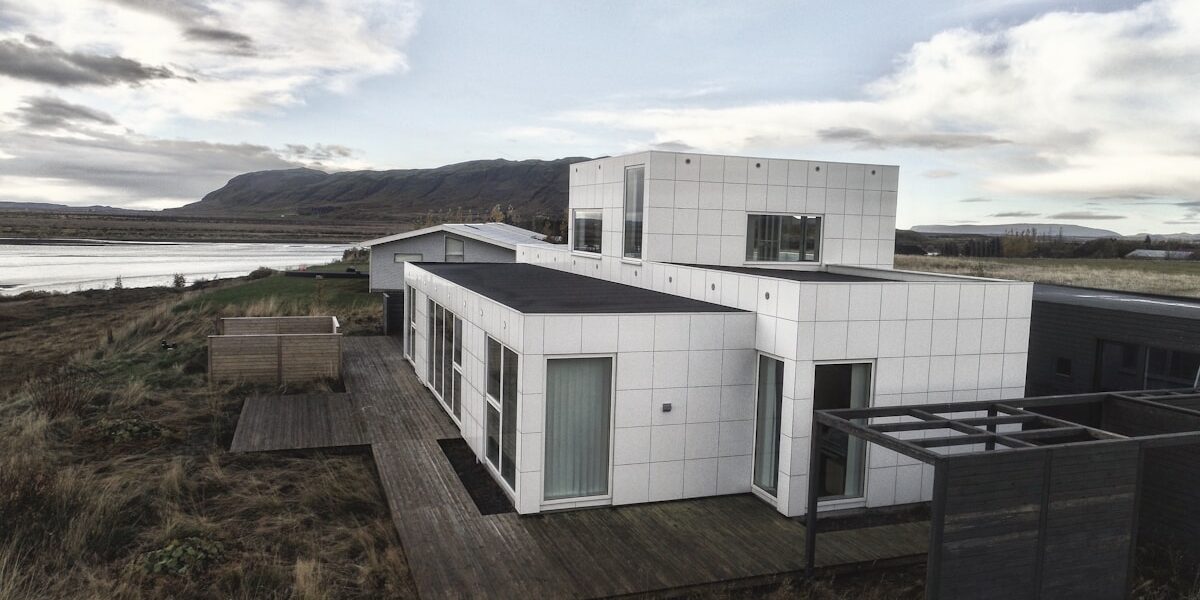
A mountain cabin or coastal retreat should deliver comfort the moment you walk through the door. Most procurement teams managing a modular home project for a vacation property never get there. Budget bleeds. Schedules slip. A delayed foundation and revised permits push occupancy another season, while modules sit in a laydown yard burning $400 daily.
A properly executed modular home cuts the build timeline from the typical 9 to 12 months of stick framing down to roughly 3 to 5 months. Modules run in parallel with site prep in a controlled environment.
That speed protects your investment window and gets the property rent-ready before peak season slips away. This article breaks down the five reasons modular construction outperforms traditional methods for vacation housing, then covers how to vet suppliers on production capacity, engineering support, international coordination, and delivery reliability.
You’ll walk away with a practical selection framework. It keeps schedule risk low, verifies code compliance upfront, and ensures wall assemblies and structural components hold up in remote, harsh climates instead of failing within the first winter.
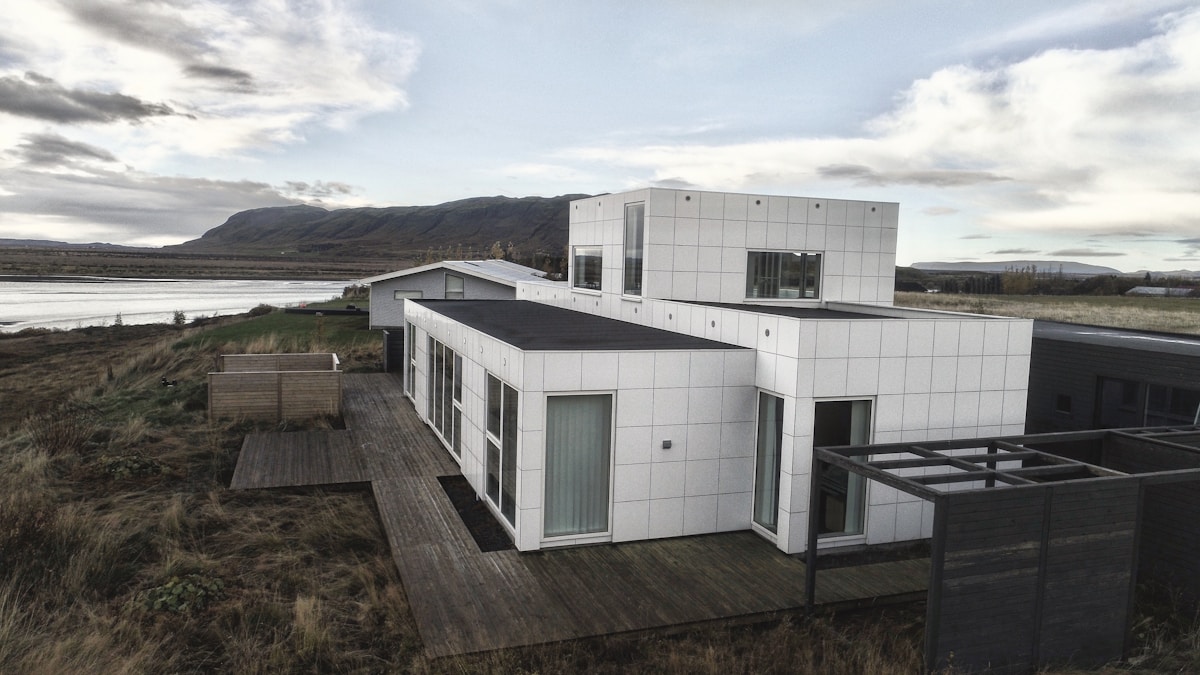
Why Modular Homes Are Perfect for Vacations
Competitor OSB-based systems fail on remote vacation sites. Composite sandwich panels deliver faster weather-tight enclosure, lower transport mass, and corrosion resistance that seasonal properties actually require.
Rapid Factory Fabrication Reduces On-Site Construction Time
Vacation builds are usually bound by tight seasonal windows. When rain sits on an unfinished timber frame for three weeks, moisture intrusion becomes a warranty liability before the owners ever book a weekend stay.
Panel fabrication happens indoors, independent of local weather. Our advanced composite panel production line covers more than 1,700 square meters of daily output, meaning wall, roof, and floor cassettes are cut, laminated, and quality-checked before they leave the yard.
That shift moves the schedule risk from the job site into the factory. On location, crews no longer chase framing, sheathing, and insulating as separate trades. They install pre-engineered cassettes, bolt the connections, and achieve a weather-tight envelope in a fraction of the traditional calendar.
- Reduced crane rental duration: Pre-finished modules drop into place, shortening heavy equipment hire.
- Lower site exposure risk: Unfinished structures do not sit vulnerable to rain, UV, or freeze-thaw cycling.
- Faster occupancy permitting: Consistent factory tolerances simplify inspection sign-off across jurisdictions.
Frequently Asked Questions
This factor has a direct bearing on project performance and long-term cost. Addressing it with specific data rather than general assumptions leads to better outcomes.
How much does reasons choose modular typically cost?
The cost of reasons choose modular varies based on material grade, thickness, panel dimensions, and order volume. Requesting a detailed quote with your project specifications is the most reliable way to get an accurate figure. Bulk orders typically reduce per-unit pricing significantly.
What factors affect the price of reasons choose modular?
The cost of reasons choose modular varies based on material grade, thickness, panel dimensions, and order volume. Requesting a detailed quote with your project specifications is the most reliable way to get an accurate figure. Bulk orders typically reduce per-unit pricing significantly.
How long does reasons choose modular last under normal conditions?
With proper installation and routine maintenance, reasons choose modular can last 20 to 30 years or more. Actual lifespan depends on environmental exposure, load conditions, and whether the protective surfaces remain intact over time.
What maintenance does reasons choose modular require?
Routine inspection twice a year is usually sufficient. Check seals, joints, and surface coatings for damage. Clean with mild detergent and water — avoid abrasive tools that could scratch protective layers. Address minor damage promptly to prevent moisture ingress.
How do you clean and maintain reasons choose modular?
Routine inspection twice a year is usually sufficient. Check seals, joints, and surface coatings for damage. Clean with mild detergent and water — avoid abrasive tools that could scratch protective layers. Address minor damage promptly to prevent moisture ingress.