Cleanroom Class 100 Cleanrooms: Which Industries Require Them?

Class 100 Cleanrooms: Which Industries Require Them?

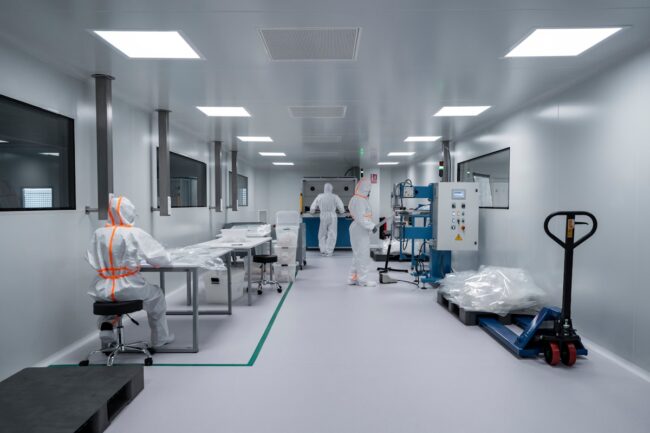
Semiconductor lithography and aseptic pharmaceutical processing rely entirely on Class 100 cleanrooms, which define the absolute ceiling for contamination control in high-stakes manufacturing. Despite this, many facility planners over-specify their environment or miss critical compliance triggers. To put this precision in perspective, an ISO 5 environment permits a maximum of 3,520 particles (≥0.5µm) per cubic…
Clean Room How Clean Room Manufacturers Handle Large-Scale Projects

How Clean Room Manufacturers Handle Large-Scale Projects

Large-scale clean room projects often stall at 85% completion due to mismatched components between panel suppliers and installation crews. At RaxPanel, we have seen bio-pharmaceutical facilities lose months of revenue because a manufacturer failed to account for thermal expansion tolerances across thousands of square meters of wall surface. Managing these variables requires a completely different…

Clean Room Door A Comprehensive Guide to the Clean Room Door

A Comprehensive Guide to the Clean Room Door

A clean room door with a mismatched frame depth is the fastest path to condensation damage inside a controlled environment. When the profile diverges from the wall system, air leakage and thermal bridging combine to flood the cavity with moisture. Condensation behind that gap kills your ISO class before the seal ever fails. We specify…

Modular Clean Room Comparing Modular vs Traditional ISO 8 Clean Rooms

Comparing Modular vs Traditional ISO 8 Clean Rooms

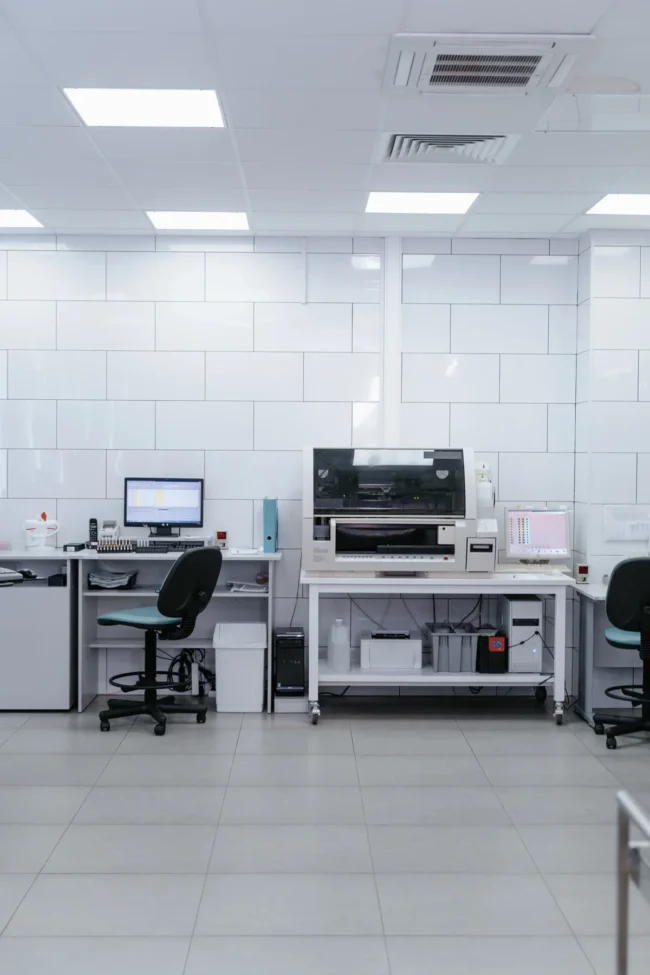
Choosing between stick-built drywall and a modular clean room for an ISO 8 environment is a decision that defines your facility’s operational flexibility for the next decade. Traditional construction offers permanence, but it often introduces uncontrolled variables during assembly that jeopardize certification. Modular systems eliminate much of this risk by using wall panels constructed from…

Clean Room Manufacturer Local or Overseas: How to Pick a Manufacturer

Clean Room Manufacturer – Local vs International

Sourcing panels from a Clean Room Manufacturer based overseas often looks like a 40% saving on paper, yet those savings frequently evaporate when ocean freight, import tariffs, and material degradation during transit hit the actual budget. You cannot simply compare unit costs; you have to evaluate total landed cost against the operational risk of a…

Clean Room Sliding Door Clean Room Sliding Door Installation: Quick Start

Clean Room Sliding Door Installation: Quick Start

Installing a clean room sliding door is a high-stakes balance between speed and sterility. You need the unit operational to meet construction schedules, but a single misalignment in the header track can compromise your pressure cascade for years. This quick-start guide cuts through the noise to focus strictly on the execution steps that prevent costly…

Clean Room Clean Room for Chemical Laboratories: Full Guide

Clean Room for Chemical Laboratories: Full Guide

Most engineers fixate on airflow patterns when designing a clean room, but in chemical processing, the wall itself is often the failure point. Standard composite panels outgas or delaminate the moment aggressive solvents hit them, turning your containment strategy into a contamination source. You are not just building a box to filter dust; you are…

Clean Room Clean Room vs Sterile Room Differences Explained

Clean Room vs Sterile Room Differences Explained

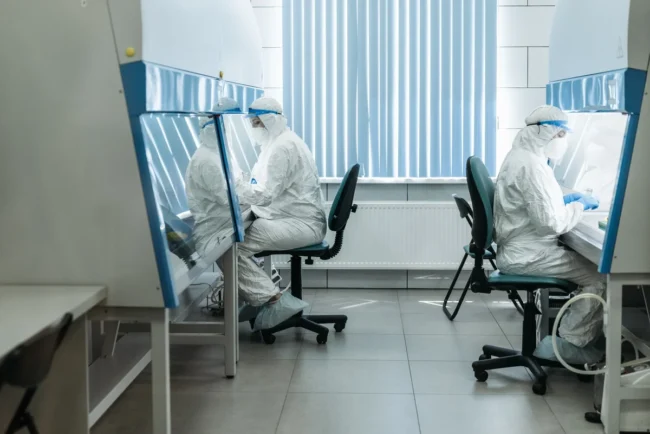
Specifying a clean room when the process demands a sterile environment is a guaranteed way to fail a regulatory audit. An ISO 5 clean room allows 3,520 particles per cubic meter, yet that level of airborne cleanliness still fails to meet the microbial limits required for aseptic pharmaceutical manufacturing. This distinction dictates everything from your…

Clean Room Clean Room Standards Explained: ISO Classification Guide

Clean Room Standards Explained: ISO Classification Guide

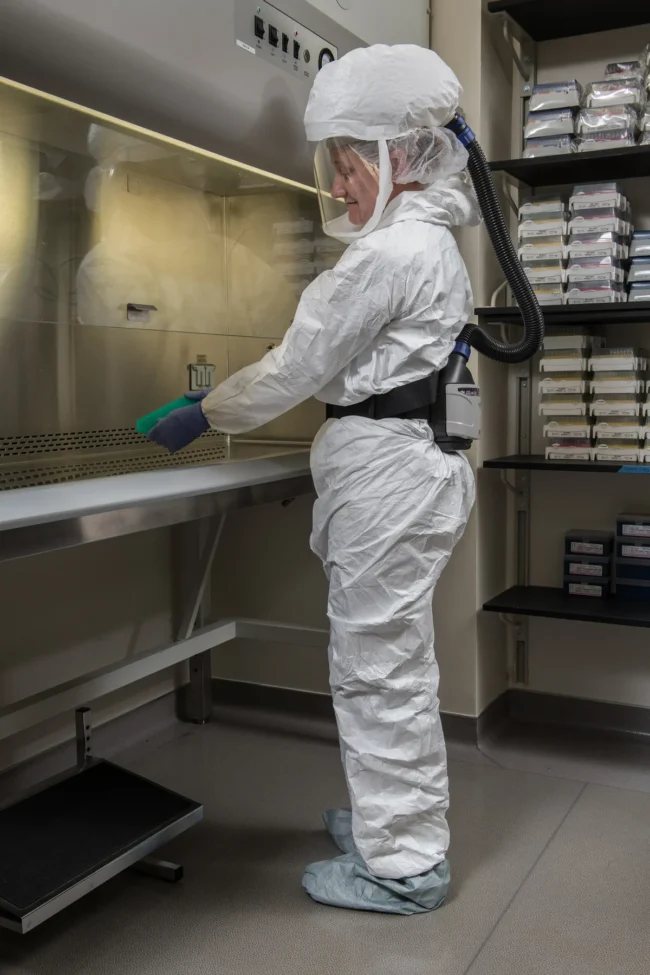
In pharmaceutical manufacturing, a single invisible speck of dust can trigger a regulatory audit failure that halts production for weeks. This is why the ISO 14644 standard exists—it serves as the universal language for mitigating contamination risk. A clean room is defined by its ability to strictly limit these airborne pollutants through filtration, airflow, and…

Clean Room Classification Clean Room Classification Basics: EU GMP & ISO Mapping

Clean Room Classification Basics: EU GMP & ISO Mapping

Most facility planners assume that meeting ISO 14644 particle counts automatically checks the box for EU GMP Annex 1 compliance, but that specific misunderstanding causes more audit failures than almost anything else. ISO tracks particulates in the air, while Annex 1 demands strict control of microbiological contamination through surface integrity. If your wall panels lack…