
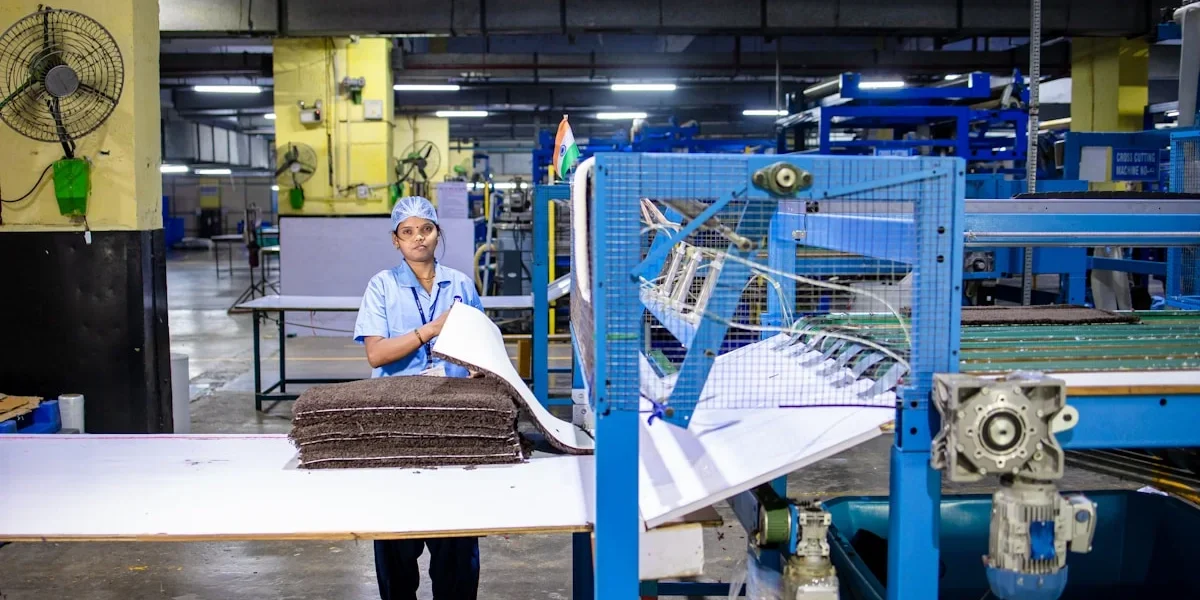
Structural failure during transit usually begins with a poor choice in insulation materials. For specialized vehicle manufacturers, selecting the right insulated metal panel manufacturer is the primary defense against thermal bridging and energy loss that ruins cold chains. At RaxPanel, we have spent years refining the engineering required to keep freight stable under extreme conditions.
Many operators assume all foam cores are equal, but the closed-cell foam in most composite panels loses insulating efficiency as it ages and complicates FMVSS 302 compliance. This guide explains how to verify supplier production capabilities, why R-value retention matters more than the initial rating, and how to distinguish between a cheap panel and a durable freight solution.
You need to know exactly how these specifications impact your total cost of ownership over the next decade.
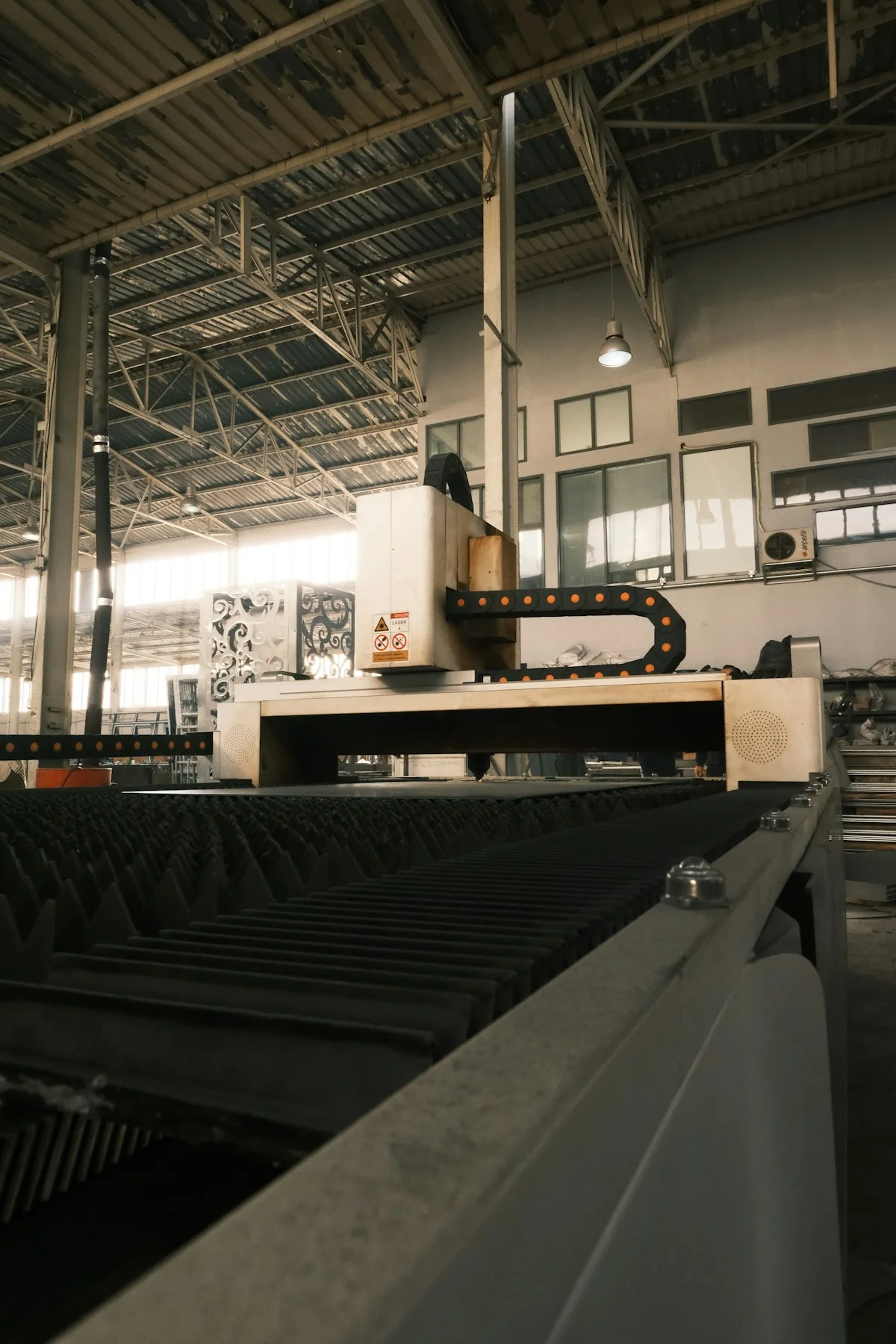
Choosing the Right IMP Manufacturer for Dry Freight
Executive Summary: Selecting a manufacturer requires validating daily throughput capacity, strict third-party material certifications, and engineering depth rather than just unit price.
Evaluating Production Throughput and Line Capabilities
For B2B buyers, a manufacturer’s daily output is the primary indicator of supply security. You are not just buying panels; you are buying slot time on a production line. When vetting suppliers for dry freight applications, demand transparency regarding their lamination line speed and batching capabilities. Discontinuous manufacturing leads to color lot variations and inconsistent bonding strength—critical failure points in fleet operations.
We have integrated our R&D, design, and production under one roof to strictly control this variable. With over 15 years of production experience, our facility utilizes an advanced continuous composite panel production line. This allows us to maintain a daily production area exceeding 1,700 square meters, ensuring we meet bulk volume deadlines without compromising the structural integrity of the sandwich panels.
Verifying Quality Control Systems and Compliance
The market is saturated with low-cost suppliers claiming “high quality,” yet QC consistency is the most frequent failure point in international trade. A reliable manufacturer must demonstrate documented adherence to specific data standards rather than vague assurances. Do not accept a general “ISO 9001” badge as sufficient proof for technical performance. Request specific test data regarding peel strength, flexural modulus, and water absorption for the exact core material you are purchasing—be it XPS, PU, or PET foam.
In our operations, we enforce a rigorous internal testing protocol to ensure every batch meets stringent data standards before shipment. Our engineers conduct experimental testing to verify that our GRP and FRP facings maintain optimal adhesion to different foam cores. This disciplined approach to quality control is why our products are well-received in markets with strict compliance requirements, ensuring you avoid the legal and operational risks of non-compliant components.
Assessing Engineering Support and Material Selection
The difference between a commodity supplier and a strategic partner is engineering depth. Dry freight bodies face multi-axial stress; therefore, the sandwich panel structure must be engineered for specific load cases, not just thermal insulation. A qualified manufacturer should challenge your initial material spec if a better cost-performance ratio exists. For instance, switching from a standard PU core to a PET or PP honeycomb structure might yield higher stiffness-to-weight ratios for specific flooring applications.
We specialize in resolving these complex material trade-offs. Our team of experienced technicians analyzes project requirements to recommend the optimal composite structure—whether that involves CFRT sheets for lightweight resilience or fiberglass foam core panels for impact resistance. By offering a rich variety of core materials like PMI, PVC, and Aramid Honeycomb, we customize solutions that balance structural demands with cost-efficiency, rather than pushing a one-size-fits-all inventory.
Analyzing Logistics and Global Supply Chain Stability
Production capability is irrelevant if the supply chain is fragile. When dealing with oversized composite panels, logistics costs can erode margins quickly. You must select a manufacturer with a proven track record in export packaging and container optimization to maximize shipping density. Additionally, assess their communication infrastructure; language barriers and time zone differences often cause delays that are as costly as production shutdowns.
Rax Panel has established long-term supply chain cooperation with over 50 countries and regions, including Europe, North America, and the Middle East. We have optimized our logistics to eliminate transportation risks, ensuring panels arrive on-site without damage. Our international sales service team supports 24-hour one-to-one service in multiple languages, covering everything from production progress updates to design adjustments, ensuring your supply chain remains uninterrupted regardless of origin.
Can They Build What You Need?
Verifying a manufacturer’s capability requires analyzing their tooling precision for tolerances under +/- 0.5mm, their flexibility in engineering complex composite structures like CFRT or honeycomb cores, and their production capacity to output over 1,700 square meters daily.
Precision Tooling and Tolerance Control
Industrial truck body assembly is unforgiving; panels must align perfectly to maintain structural integrity and thermal efficiency. A manufacturer’s capability is defined by the precision of their tooling. Advanced production lines must consistently maintain thickness tolerances within ±0.5mm. This level of accuracy is particularly critical when fabricating multi-layer structures, such as CFRT (Continuous Fiber Reinforced Thermoplastic) or GRP (Glass Reinforced Plastic) sandwich panels. If a supplier cannot guarantee this dimensional stability, the downstream assembly process suffers from gaps, uneven surfaces, and structural weak points. High-quality factories utilize automated continuous laminating lines to ensure that every panel, whether for a refrigerated truck body or an industrial wall, meets these stringent mechanical standards without deviation.
Bespoke Engineering and Material Selection
Beyond standard dimensions, true capability is demonstrated through bespoke engineering. The ideal manufacturer possesses a deep library of raw materials allowing them to tailor solutions to specific stress loads and environmental exposures. For example, refrigerated transport demands superior thermal insulation, often achieved through PU or PET foam cores, while lightweight RV solutions benefit from PP honeycomb structures combined with fiberglass skins.
A facility with over 15 years of production experience typically has the R&D depth to experiment with distinct facings—such as combining fiberglass reinforced sheets with aluminum or stainless steel—to meet specific client weight or strength requirements. They should offer a extensive catalog of core materials, including PMI foam, PVC foam, and Aramid honeycomb, enabling the creation of custom composite materials that perform exceptionally well under demanding conditions. This engineering agility allows for the production of specialized panels ranging from non-slip flooring to high-strength roofing components.
Production Scalability and Supply Chain Reliability
Scalability is a definitive indicator of whether a manufacturer can execute large-scale orders. For global projects, a daily production capacity exceeding 1,700 square meters is often necessary to prevent bottlenecks. This volume supports a wide array of applications, including marine vessel components, public transit interiors, and industrial equipment housings. Moreover, the ability to produce panels with specific properties—such as fire-retardant treatments or waterproof gel coats—relies on a reliable supply chain.
Vendors serving global markets across Europe, North America, and Southeast Asia must demonstrate a history of compliance with diverse international standards, ensuring that the panels provided not only fit the physical design but also meet the regulatory requirements of the destination country. A manufacturer with a professional international service team capable of handling complex logistics and technical support effectively mitigates transportation risks and ensures project timelines are met.
What R-Value and Certifications to Verify
R-value consistency and verified fire certifications are the two most critical compliance gateways for refrigerated truck body panels—yet they remain the most frequently misunderstood by procurement teams evaluating international suppliers.
Understanding R-Value Consistency in Composite Panels
Thermal insulation performance in composite panels is measured by R-value, which quantifies a material’s resistance to heat flow per unit thickness. In refrigerated transport applications, maintaining consistent R-value across the panel’s lifespan is non-negotiable—fluctuations directly impact fuel consumption and cargo temperature stability. The core material chemistry, whether XPS, PU, or PET foam, dictates the baseline thermal resistance, but long-term retention depends on closed-cell integrity and resistance to moisture ingress over time.
Buyers frequently encounter manufacturers who quote R-value at panel arrival but provide no data on thermal degradation after extended service cycles. A panel that starts at R-6.0 per inch may drop to R-4.5 after three years if the foam core absorbs moisture or if the gel-coat waterproofing on FRP facings develops micro-cracks. This degradation is not visible during standard factory inspections, making it essential to request long-term thermal retention test data from suppliers rather than relying on initial spec sheets alone.
The k-value (thermal conductivity) is the underlying metric that determines R-value, and it should be disclosed alongside certification. Panels with a k-value below 0.028 W/(m·K) for closed-cell foam cores are considered high-performance for freight applications. When comparing quotes, ensure the supplier provides k-value data—not just R-value—because R-value alone can mask differences in core density and material quality.
Fire certification for truck body panels is fragmented across regional regulatory frameworks, and confusion between them is a leading cause of compliance failures. FMVSS 302 governs flame propagation speed in the United States for vehicle interior materials, while ECE R118 applies to commercial vehicle wall and ceiling panels in European markets. SOLAS requirements apply when panels are used in maritime freight containers, and EN 13501-1 provides the harmonized European classification system for construction products including fire resistance and smoke development.
A critical misconception in the industry is that “fire retardant” and “fire certified” are interchangeable terms. Most composite panels with foam cores contain combustible insulation—XPS, PU, and PET are all organic polymers that will burn. The distinction lies in whether the panel has been tested and certified to meet specific flame-spread and smoke-density thresholds under recognized standards. Panels that are merely treated with fire-retardant chemicals without third-party verification do not satisfy regulatory requirements for regulated freight corridors.
The 60/60 fire rating framework—referring to 60 minutes of integrity and 60 minutes of insulation—applies primarily to building construction and is often confused with vehicle panel standards. Truck body panels are evaluated under FMVSS 302 for flame spread rate (measured in millimeters per minute) and ECE R118 for fire resistance under controlled test conditions. These are fundamentally different test methodologies, and conflating them leads to specification errors that can delay fleet deployment or trigger non-compliance penalties.
Thermal Performance Longevity and Core Selection
The long-term thermal performance of a composite panel is governed by three interdependent factors: core material selection, facing waterproofing integrity, and joint system airtightness. XPS foam cores demonstrate superior moisture resistance compared to PU foam, making them the preferred choice for refrigerated applications where condensation is a persistent risk. PET foam offers a middle ground with good thermal stability and lower environmental impact, while PVC foam cores provide structural rigidity at the cost of slightly higher thermal conductivity.
Gel-coat application on FRP facings is a critical but often overlooked element in thermal longevity. A properly applied gel-coat layer creates a continuous waterproof barrier that prevents moisture from reaching the foam core. However, gel-coat thickness and application quality vary significantly between manufacturers—thin or unevenly applied gel-coat leads to premature moisture absorption, core degradation, and irreversible R-value decline. Buyers should verify gel-coat thickness specifications and request cross-section microscopy data when evaluating suppliers.
Joint system design also plays a direct role in thermal performance retention. Even with high-quality core materials, poorly engineered tongue-and-groove or cam-lock joints allow conditioned air to escape and ambient moisture to infiltrate. Over time, this leads to localized core saturation at panel edges, creating thermal bridges that undermine the entire insulation system. The joint design should be evaluated as part of the thermal performance assessment—not treated as a separate structural consideration.
Verifying Certification Authenticity and Documentation
The presence of a certification mark on a product datasheet does not guarantee that the panel has been independently tested to that standard. Authentication requires verification of three elements: the testing laboratory’s accreditation status, the specific test standard referenced, and the batch or production line the certification covers. Certifications issued by non-accredited or in-house laboratories carry no regulatory weight and should be treated as marketing claims rather than compliance evidence.
When requesting certification documentation from a supplier, the following minimum requirements should be non-negotiable: accredited third-party test reports from ISO 17025 recognized laboratories, clearly stated test standard references (e.g., FMVSS 302, ECE R118 Annex, EN 13501-1), and confirmation that the certified product matches the exact core material, facing material, and panel thickness being procured. Certifications issued for one panel configuration do not automatically extend to variants with different core thicknesses or facing materials.
For buyers operating across multiple markets, a single panel configuration may need to satisfy overlapping certification requirements. A refrigerated truck body destined for export to both the EU and North America must meet ECE R118 and FMVSS 302 simultaneously, and potentially SOLAS requirements if the vehicle is used in intermodal maritime freight. This requires the supplier to have tested their exact panel configuration against each standard—not just claimed compliance based on similar product lines.
The most reliable approach is to establish a certification verification checklist before engaging with suppliers: confirm the testing laboratory’s accreditation, validate the test standard and version, match the certified configuration to the procurement specification, and verify that the certification covers the production batch or line. This systematic approach eliminates the risk of accepting panels that appear compliant on paper but fail to meet the actual regulatory requirements of the target market.
| Parameter | Industry Standard | Verification Standard | Rax Panel Advantage |
|---|---|---|---|
| Thermal Insulation (R-Value) | R-5.5 to R-8.0 per inch (closed-cell foam) | ASTM C518 / EN 1602 | High-efficiency XPS/PU closed-cell foam cores ensuring long-term thermal stability and resistance to insulation degradation in refrigerated transport. |
| Fire Safety Rating | Self-extinguishing / Low Smoke & Toxicity | FMVSS 302 / ECE R118 / SOLAS / EN 13501-1 | Certified fire-retardant FRP facings with verified flame-spread and smoke-density ratings for global regulatory compliance across all freight corridors. |
| Joint System Integrity | Double Tongue & Groove / Cam-lock | ASTM E331 / Water Penetration Test | Precision-engineered joint designs maximizing airtightness and preventing condensation and moisture ingress in cold chain applications. |
| Structural Durability | High Flexural Strength / Impact Resistant | ASTM C393 / Drop Ball Test | Lightweight heavy-duty composite construction reducing fuel consumption while withstanding rigorous road vibration and impact over the vehicle lifecycle. |
| Quality Certification | ISO 9001 / ISO 14001 | Third-Party Audit / Mill Certificate | 15+ years of advanced R&D with daily output exceeding 1,700 sqm, ensuring consistent quality and scalable global supply for fleet operators. |
How Panels Withstand Freight Service Demands
Freight-grade composite panels withstand rigorous service demands through the combination of high-strength facings chemically bonded to rigid cores. This composite action creates a monolithic structural unit that resists vibration-induced delamination, thermal cycling stress, and moisture ingress without sacrificing the specific gravity required for fuel-efficient payloads.
Combating Moisture Ingress and Structural Delamination
In freight applications, particularly refrigerated transport, the primary enemy of structural longevity is not just external water, but internal condensation accumulating within the panel assembly. If the facing material is compromised or the bond line fails, moisture penetrates the foam core, causing a drastic reduction in R-value and inducing mold or rot in organic cores. High-performance panels mitigate this through the use of closed-cell core materials like XPS (Extruded Polystyrene) or PU (Polyurethane) and impermeable skins.
The integrity of the facing is paramount. For instance, FRP (Fiberglass Reinforced Plastic) skins utilizing a gel-coat finish provide a seamless, waterproof barrier that is chemically distinct from the core. The gel-coat acts as the first line of defense against road salts, humidity, and wash-down chemicals. However, the critical factor is the adhesion between the skin and the core. Advanced manufacturing utilizes a chemical bonding process during foaming or lamination, rather than simple adhesive application. This creates a molecular lock that maintains panel integrity even under the flexing and torsion experienced by truck bodies on uneven road surfaces.
- Water Absorption Standards: Viable cores must demonstrate minimal water absorption (typically <1% by volume) to prevent swelling and freezing damage in sub-zero supply chains.
- Skin Permeability: Continuous fiberglass reinforced thermoplastic (CFRT) or GRP skins offer superior resistance to pin-hole leaks compared to porous organic materials like plywood.
- Edge Sealing: Panel durability is heavily dependent on edge profiles; tongue-and-groove or cam-lock systems must be integrated with water-resistant seals to prevent capillary action wicking moisture into the sandwich structure.
Weight vs. Strength: The Composite Physics
The misconception that lighter panels lack structural integrity is technically unfounded when analyzing composite mechanics. In a sandwich panel, the facings (skins) resist bending and tensile loads, while the core resists shear loads and keeps the skins separated. By increasing the distance between these two skins (thickness) while maintaining a low-density core, engineers achieve a moment of inertia (stiffness) that is exponentially higher than a solid material of the same weight.
For dry freight and refrigerated bodies, this translates to a panel that is lighter than traditional aluminum or steel sheets but significantly more rigid against local loads. For example, a PP (Polypropylene) Honeycomb core offers an exceptional strength-to-weight ratio. When bonded with GRP or Aluminum facings, the resulting panel can withstand high point-loads (like cargo stacking) without permanent deformation. This rigidity prevents the “oil-canning” effect seen in thin metal sheets, maintaining the aerodynamic profile of the vehicle.
Vibration Fatigue and Thermal Cycling Resistance
Freight service subjects panels to a hostile environment of high-frequency vibration and thermal shock. As a refrigerated truck cycles between -20°C interior and +40°C exterior, the materials expand and contract at different rates. If the Coefficient of Thermal Expansion (CTE) of the skin and core are mismatched, or if the bond line is brittle, shear stress will cause delamination over time—often manifesting as bubbling or core separation on sidewalls.
To withstand these demands, manufacturers must match core and skin properties. Thermoplastic cores like PET or certain flexible foams are often preferred for their ability to absorb vibration energy. Additionally, the compressive strength of the core is vital; it must resist the crushing forces of load straps and tie-downs without creeping (permanent deformation under sustained load).
| Core Material | Compressive Strength | Moisture Resistance | Best Application |
|---|---|---|---|
| XPS Foam | High (250-400 kPa) | Excellent (Closed-cell) | Refrigerated bodies, high-humidity environments |
| PU Foam | Medium (150-250 kPa) | Good (if density > 40kg/m³) | General dry freight, cost-sensitive projects |
| PP Honeycomb | High Shear Stiffness | Excellent (Polypropylene) | Lightweight flooring, high-strength walls, RVs |
| PET Foam | Medium-High | Very Good | Thermoplastic recyclable solutions, dynamic loads |
Do not select panel cores based solely on R-value. A low-density foam (e.g., <30kg/m³) may offer adequate insulation but will crush under tie-down straps or delaminate rapidly under vibration. Always verify the core’s compressive strength and shear modulus relative to the specific mounting and loading conditions of the vehicle body.
How Reliable Are Lead Times and Supply Chains
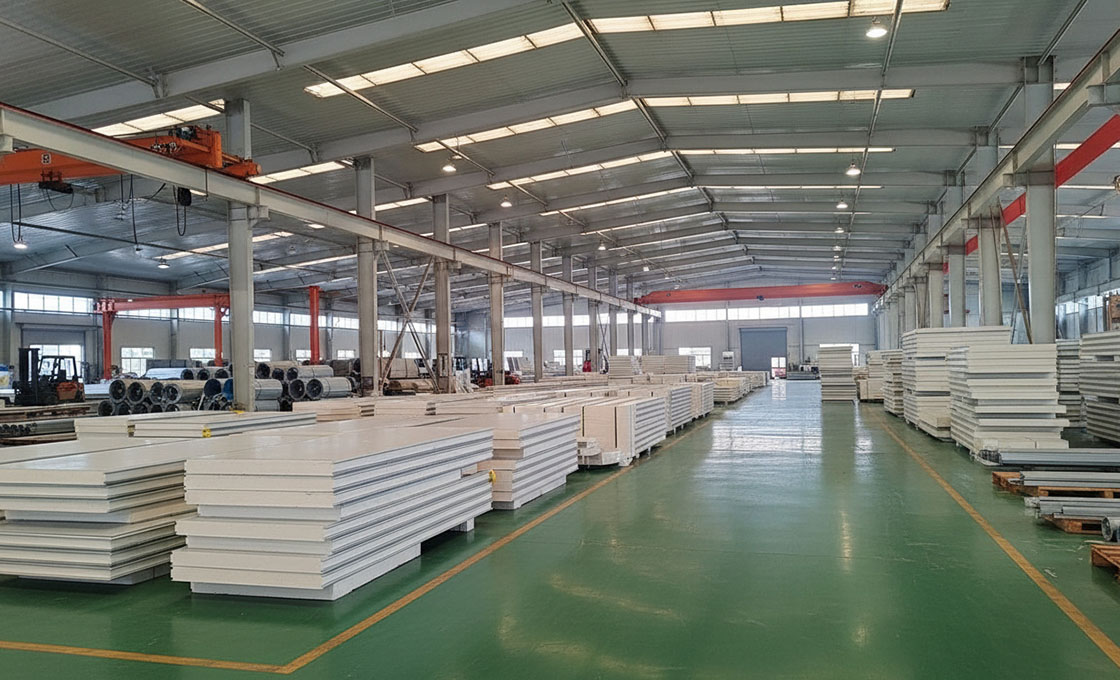
In the composite panel sector, lead time reliability is rarely a logistics issue; it is an inventory and capacity equation. True reliability is defined by the ability to sustain a daily production area exceeding 1,700 square meters without interruption.
Production Capacity as a Line Stoppage Deterrent
Fleet assembly lines operate on razor-thin margins, and a delay in receiving CFRT or GRP sandwich panels triggers immediate, costly downtime. To mitigate this risk, top-tier manufacturers maintain advanced continuous production lines capable of outputting over 1,700 square meters of composite panels daily. This high-velocity throughput is essential for absorbing demand spikes and ensuring that large-scale orders—such as refrigerated truck bodies requiring precise thermal insulation—are dispatched on schedule. A production floor that cannot sustain this volume creates a single point of failure that inevitably propagates to the buyer’s assembly line.
Strategic Inventory of Core and Facing Materials
Supply chain fragility is most acute in the sourcing of specific raw materials. Relying on just-in-time delivery for critical inputs is a frequent cause of project slippage. Reliable manufacturers decouple their production schedules from supplier volatility by maintaining deep inventory reserves of essential components:
- Core Material Redundancy: Immediate access to diverse foam cores—including XPS, PET, PU, and PVC—is non-negotiable. This stockpile ensures that switching between thermal efficiency requirements (e.g., switching from PU to PET core) does not reset the delivery clock.
- Facings and Skins: Inventory flexibility extends to facings such as GRP/FRP sheets, CFRT sheets, and Aluminum. A manufacturer that stocks these materials onsite can expedite the production of waterproof and lightweight panels without waiting for external shipments.
- Specialized Solutions: For complex applications like marine or industrial equipment, having reserves of specialized cores like PP honeycomb or PMI foam on hand allows for rapid prototyping and fulfillment of custom thickness requirements.
Global Logistics and Supply Chain Redundancy
Manufacturers with over 15 years of production experience typically establish supply chains that span more than 50 countries and regions. This global footprint provides critical logistical redundancy; if a geopolitical or port congestion issue disrupts one route, alternative shipping lanes through Europe, North America, Southeast Asia, or the Middle East can be activated. For B2B buyers, this structural depth translates to a guarantee that regional volatility will not halt their supply of lightweight composite materials.
Why Total Cost Matters More Than Panel Price
Focusing solely on the initial purchase price per square meter is a fundamental error in fleet economics. The true ROI is determined by the panel’s ability to maintain structural integrity and thermal efficiency without downtime over a 5 to 10-year service life.
Lifecycle Durability and Replacement Cycle Analysis
In the transportation sector, a truck body is subjected to severe cyclic fatigue, road vibration, and impact loading. A lower upfront bid often signals the use of low-density foams or poor adhesion techniques that cannot withstand these mechanical stresses. When a sandwich panel delaminates or the core crushes, the structural rigidity of the entire vehicle body is compromised, necessitating a full replacement rather than a simple patch.
We have analyzed field failures over our 15 years of manufacturing, and the leading cause of premature replacement is core crushing due to insufficient compressive strength. When selecting panels for dry freight or refrigerated bodies, the engineering focus must be on the core’s density and the skin’s flexural modulus. For example, using a high-performance CFRT or GRP facing provides a resilience that cheap plywood or thin metal skins cannot match. By investing in higher-specification composite panels initially, fleet operators avoid the substantial capital expenditure of re-skinning vehicles halfway through their depreciation schedule.
Thermal Performance Retention Over Panel Lifespan
The thermal efficiency of a refrigerated truck body is not static; it degrades over time depending on the quality of the foam core and the integrity of the facing seal. Many low-cost competitors utilize open-cell or irregular foam structures that absorb moisture through micro-fractures in the gel coat. Once water ingress occurs, the thermal conductivity skyrockets, and the refrigeration unit must work significantly harder to maintain set temperatures, drastically increasing fuel consumption.
Our laboratory tests demonstrate that closed-cell structures, such as high-quality XPS or PET foam, retain their R-value far longer than standard PU blends when exposed to thermal cycling. The key is the waterproof gel coat on the FRP surface. If the gel coat layer is too thin or improperly cured, UV exposure and road wear create pathways for moisture. Ensuring the initial panel utilizes a durable, impermeable skin and a hydrophobic core is the only way to guarantee that operational energy costs remain stable throughout the vehicle’s lifespan.
Compliance Costs and Regulatory Adherence Expenses
Non-compliance is a hidden liability that can exceed the value of the panels themselves. Regulatory bodies across Europe and North America are increasingly strict regarding fire safety, specifically standards like FMVSS 302 and ECE R118. Purchasing panels from a supplier that lacks verifiable certification or uses generic, untested fire-retardant additives exposes your business to fines, cargo spoilage, and potential legal liability in the event of a fire.
We mitigate this risk by maintaining rigorous quality control protocols and ensuring our material formulations meet specific fire retardancy thresholds without compromising mechanical strength. The cost of compliance is built into our engineering process, meaning our clients receive certification documentation with every batch. This eliminates the need for expensive third-party validation later and prevents the catastrophic costs associated with a rejected shipment or a vehicle grounded due to safety violations.
Maintenance Requirements and Operational Efficiency Impact
Maintenance is often treated as an operational afterthought, yet it is a primary driver of total cost ownership. Panels that are difficult to repair, or that require specialized labor and materials for every minor dent, drive up operational expenses. Traditional metal panels rust and corrode, requiring sanding and painting. In contrast, high-quality FRP sandwich panels with a durable gel coat finish resist chemical corrosion and UV damage, allowing for easy cleaning with standard detergents.
additionally, the dimensional stability of the panel plays a huge role in efficiency. If panels expand or contract significantly with temperature fluctuations, gaps open at joints, creating air leaks. We engineer our composite solutions with low thermal expansion coefficients to ensure a tight seal for years. By selecting panels that offer “fit-and-forget” reliability, you reduce the man-hours spent on preventative maintenance and maximize the uptime of your fleet, which is the single biggest factor in profitability.
| Cost Factor | Low Price Trap | Rax Panel Advantage | Long-Term Value |
|---|---|---|---|
| Fuel Efficiency | Heavier traditional materials increase fuel consumption throughout the vehicle’s lifecycle. | Lightweight CFRT and Honeycomb solutions that minimize structural weight. | Significant operational fuel savings and reduced carbon emissions. |
| Thermal Performance | Substandard foam cores degrade over time, leading to higher energy costs for refrigeration. | High-quality XPS, PET, and PU foam cores with superior closed-cell structures. | Stable temperature control ensuring consistent energy efficiency. |
| Durability & Repair | Frequent maintenance and downtime due to poor impact resistance and water damage. | Robust GRP/FRP facings with waterproof gelcoat for extreme conditions. | Extended service life and reduced long-term maintenance expenses. |
| Installation Efficiency | Generic panel sizing results in material waste and increased labor costs. | Engineered customization with professional design support and precise fitting. | Optimized production speed and lower total assembly costs. |
| Compliance Risk | Potential fines and cargo loss from non-compliant or unverified safety standards. | 15+ years of manufacturing expertise ensuring rigorous quality testing. | Peace of mind with reliable, industry-standard composite materials. |
Conclusion
Your insulated panel choice drives the economics of every refrigerated fleet you build. Cheap panels save money upfront but cost you in replacement cycles and thermal degradation. We’ve seen buyers who locked in certified R-7 panels and cut warranty claims by nearly 40 percent over five years. The manufacturers standing behind their foam density and skin adhesion tests are the ones you want on your supply chain.
- Request third-party R-value test reports before signing any purchase order.
- Confirm your panel supplier holds ISO 9001 certification and documented production line capabilities matching your volume.
- Ask our engineering team to review your custom thickness and thermal requirements — no obligation, just technical backup for early-stage decisions.
Frequently Asked Questions
Do all foam-core IMPs meet fire safety standards for truck bodies?
No. Many foam-core panels use combustible cores that do not meet truck-body fire standards such as FMVSS 302 or ECE R118. Buyers must verify that the specific core material—such as PIR or fire-retardant-treated PU—is independently tested and certified for the target market. Key standards include FMVSS 302 for North America, ECE R118 for Europe, and SOLAS requirements for marine-adjacent applications. Rax Panel provides panels with cores that comply with major transportation fire standards upon request and can supply test documentation for export destinations.
What is the weight advantage of composite IMPs over steel?
Composite IMPs can weigh 40 to 60 percent less than equivalent steel panel assemblies while maintaining comparable structural rigidity. This weight reduction directly increases payload capacity and improves fuel efficiency for dry freight operations. Rax Panel offers GRP, CFRT, and aluminum-faced options optimized for lightweight truck body construction.
How does moisture affect IMP core performance?
Moisture ingress into foam cores can reduce thermal resistance and cause core degradation over time. High-quality IMPs use closed-cell foams and sealed edge joints to block water absorption. Rax Panel panels incorporate gel-coated FRP facings and precision edge sealing to minimize moisture risk throughout the panel lifecycle.
What facing materials are available for IMPs?
Common facing options include GRP with gelcoat, CFRT, aluminum, steel, stainless steel, ACP, PVC, and plywood. Each facing offers different trade-offs in weight, corrosion resistance, impact durability, and cost. Rax Panel provides facing recommendations based on your freight application and environmental exposure.
Can IMPs be customized for refrigerated truck bodies?
Yes. IMPs are available with PIR, PU, XPS, and PET foam cores tailored to refrigerated body thermal requirements. Rax Panel offers custom thicknesses, facing materials, and profile designs to match specific refrigeration unit capacities and cargo temperature zones.
Are honeycomb IMPs suitable for dry freight bodies?
Honeycomb panels, including PP and fiberglass variants, offer excellent strength-to-weight ratios and are suitable for flooring and structural wall sections in dry freight bodies. They provide superior rigidity compared to foam-core panels at similar weights. Rax Panel supplies honeycomb options alongside foam-core panels for hybrid body constructions.
What lead time can buyers expect for custom IMP orders?
Standard IMP orders typically ship within 15 to 25 days depending on panel specifications and volume. Custom engineering projects with unique profiles or certifications may require additional design and testing time. Rax Panel maintains a dedicated international sales team available around the clock to provide accurate lead time estimates and production tracking.