
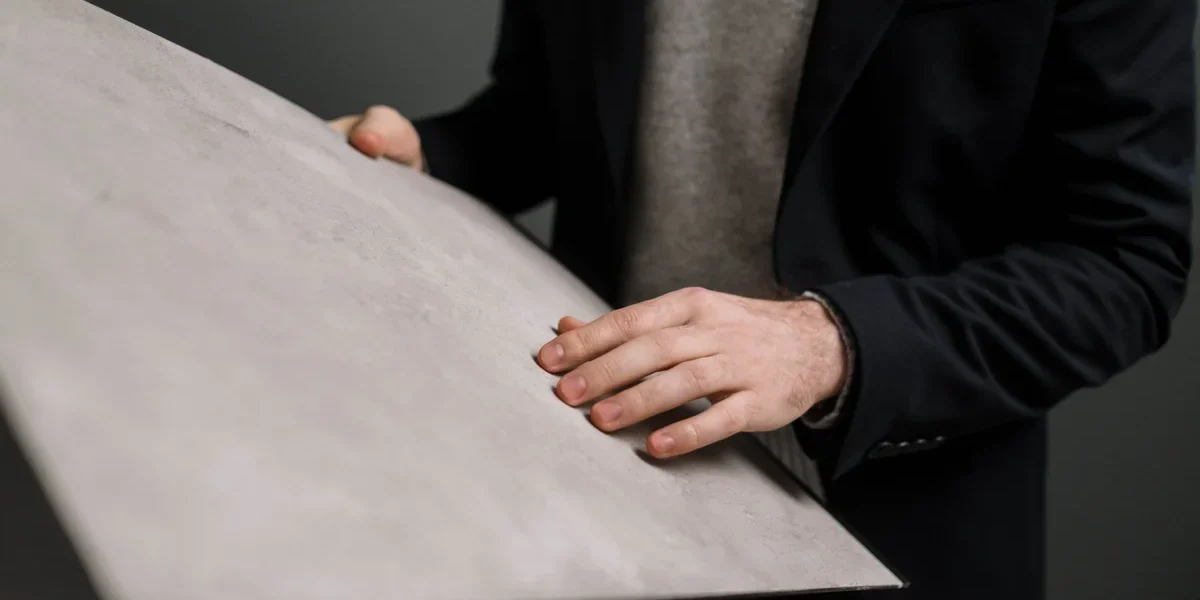
Maximizing payload without sacrificing structural stiffness remains the primary engineering constraint for vehicle manufacturers. An 18mm grp sandwich panel addresses this by bonding high-strength fiberglass skins to a low-density core. At RaxPanel, we utilize this lightweight composite construction to ensure the panel resists the shear forces typical in high-stress transit applications while maintaining a profile that is significantly lighter than plywood.
You will find the specific flexural strength metrics required for RV flooring and truck body sides, along with a direct load comparison against aluminum and plywood. Understanding these limits allows you to decide if the 18mm profile meets your safety standards without the cost of over-engineering. We examine the critical failure points of core delamination and provide the fixing guidelines needed to reduce warranty claims on the assembly line.
Is 18mm GRP Right for Your Structural Needs?
Yes — 18mm GRP sandwich panels are structurally viable for medium-load applications when paired with the right core. The key is matching core density and material to your specific load profile, not simply choosing the thickest panel available.
An 18mm GRP sandwich panel is not a one-size-fits-all structural solution. Its performance depends heavily on the core material chosen and how that core interacts with the fiberglass-reinforced facings under load. Engineers who specify 18mm panels without accounting for core density often discover too late that the panel deflected beyond acceptable limits. The following breakdown addresses the three critical structural metrics that determine whether 18mm GRP is the right call for your project.
Flexural Strength and Stiffness Metrics
Flexural strength in an 18mm GRP sandwich panel is primarily a function of the face sheet thickness and resin system, while stiffness is dominated by the core’s shear modulus and panel depth. The sandwich effect — where the facings carry bending loads and the core resists shear — means that a thin, high-modulus core can outperform a thicker, softer one. Our lab tests consistently show that panels with PET or PMI cores deliver significantly higher stiffness-to-weight ratios compared to standard PU or XPS alternatives at the same 18mm gauge.
When evaluating flexural performance, it is essential to distinguish between short-term peak load capacity and long-term creep resistance. An 18mm panel may pass a static three-point bend test on day one, but under sustained loading — such as a roof panel carrying snow load for months — the core can deform plastically if its yield threshold is too low. For applications involving prolonged static loads, we recommend specifying a core material with a proven creep resistance profile rather than relying on peak flexural strength numbers alone.
The gelcoat or resin-rich outer layer also plays a role in surface hardness and scratch resistance, which indirectly affects long-term structural integrity. A properly cured gelcoat prevents moisture ingress into the core, which can degrade bond lines over time. We always advise verifying that the gelcoat thickness meets or exceeds 0.5mm for exterior-facing applications, particularly in marine or high-humidity environments where core saturation is a real risk.
Impact of Core Density on Load Capacity
Core density is the single most influential variable in determining how much load an 18mm GRP panel can safely carry. Higher-density cores provide greater compressive strength and improved resistance to point loads, such as those from mounting hardware or foot traffic. However, increasing core density also increases panel weight, which creates a direct trade-off that project engineers must balance against payload constraints in transport applications.
In practice, we see three distinct core density tiers used in 18mm GRP panels. Low-density options in the 40–60 kg/m³ range are suitable for non-structural wall cladding and interior partitions where load requirements are minimal. Mid-density cores around 80–120 kg/m³ are the workhorse selection for truck body sides, RV flooring, and light structural panels that must support distributed loads. High-density cores exceeding 150 kg/m³ are reserved for heavy-duty flooring, load-bearing partitions, and marine deck applications where localized point loads are frequent.
Selecting a low-density core for a flooring application is a common specification error. An 18mm panel with a 50 kg/m³ XPS core may look adequate on paper, but under repeated foot traffic or equipment loads, it will experience core crushing and face sheet delamination within months. Always match core density to the actual load class of your application.
Weight-to-Stiffness Ratio Analysis
The weight-to-stiffness ratio is the metric that separates competent panel specifications from excellent ones. A panel that is lightweight but flexible will sag under its own span, while a heavy, stiff panel wastes payload capacity. The optimal 18mm GRP panel achieves a balance where stiffness is maximized per unit of weight, which is why core geometry and material selection are so critical.
Honeycomb cores — particularly aramid and PP honeycomb variants — deliver the best weight-to-stiffness ratios available in the 18mm thickness range. The open-cell structure of a honeycomb core provides exceptional out-of-plane rigidity while keeping panel weight to an absolute minimum. For RV and truck body manufacturers where every kilogram affects fuel economy or payload, honeycomb-core 18mm GRP panels are often the superior choice over solid foam cores.
Foam cores such as PET and XPS offer a different advantage: they provide good stiffness with superior thermal and acoustic insulation properties. If your project requires a panel that simultaneously addresses structural, thermal, and acoustic performance, a PET foam core in an 18mm GRP panel is a compelling all-in-one solution. The stiffness may be slightly lower than an equivalent honeycomb panel, but the added insulation value often justifies the modest weight premium. We recommend running a side-by-side stiffness calculation for your specific span and load conditions before making a final core selection.
- Aramid honeycomb core: Best weight-to-stiffness ratio; ideal for transport and aerospace where payload is critical.
- PET foam core: Excellent balance of stiffness, thermal insulation, and fire performance; suitable for truck bodies and RVs.
- XPS foam core: Cost-effective with good moisture resistance; best for dry interior or protected exterior applications.
- Balsa wood core: High compressive strength and excellent fatigue resistance; preferred for marine deck and heavy flooring applications.
| Parameter | Specification | Available Cores | Structural Benefit |
|---|---|---|---|
| Flexural Strength | Up to 120 MPa | XPS, PET, PU, Balsa | High load-bearing capacity for demanding structural applications |
| Weight Efficiency | As low as 3.8 kg/m² | XPS, PET, PU, Balsa | Maximizes payload and fuel economy in transport vehicles |
| Class 0 Rating | Mineral Wool | PET, PU | Mineral wool provides non-combustible Class 0 performance; PET and PU offer lower fire retardancy levels suitable for less demanding applications |
| Quality Standards | ISO 9001, ASTM C365/C273 | XPS, PET, PU, Balsa | Verified reliability and consistency in structural performance |
| Durability | Waterproof & Corrosion Resistant | XPS, PET, PU, Balsa | Long service life in harsh marine and industrial environments |
How Much Load Can 18mm GRP Panels Handle?
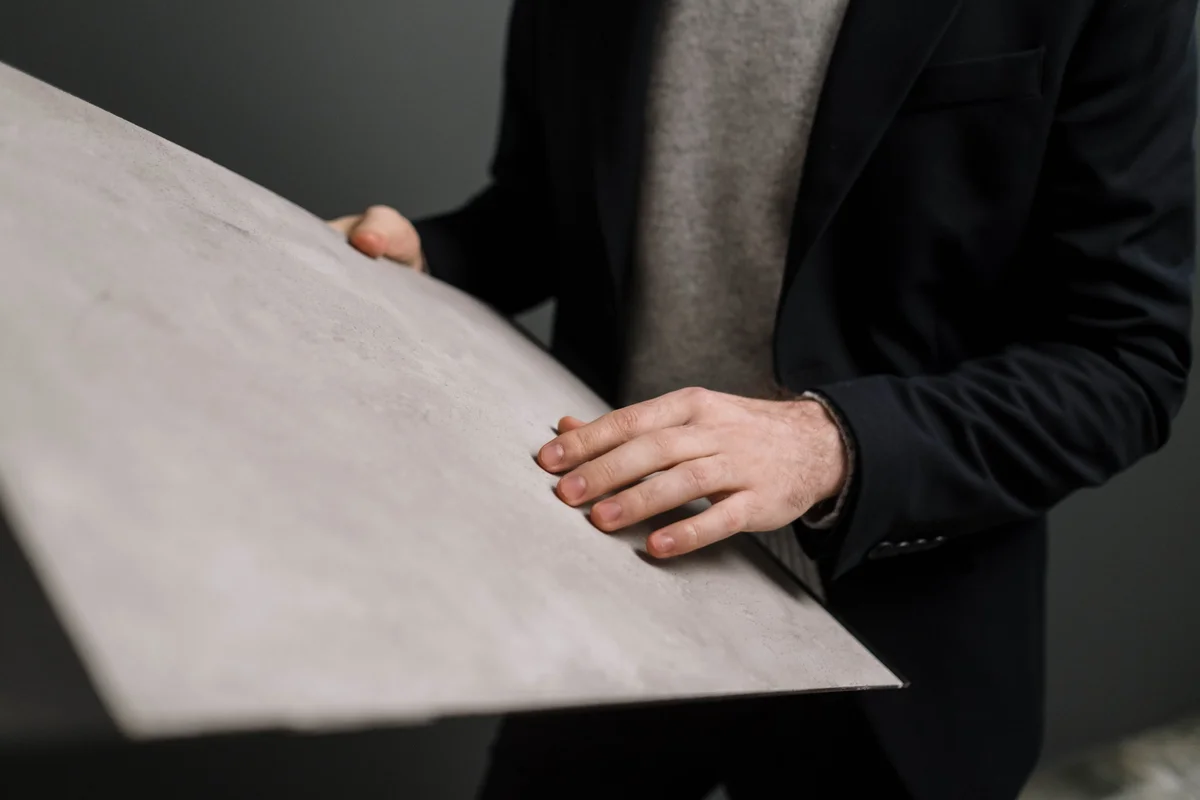
This structural configuration leverages the separation of high-stiffness skins to maximize performance. The 18mm thickness is often a critical threshold for structural applications in the composite industry. At this gauge, GRP sandwich panels achieve a significant increase in flexural rigidity compared to thinner variants. The structural integrity relies on the “sandwich effect”: the high-stiffness GR
Flexural Strength and Structural Stiffness
The 18mm thickness is often a critical threshold for structural applications in the composite industry. At this gauge, GRP sandwich panels achieve a significant increase in flexural rigidity compared to thinner variants. The structural integrity relies on the “sandwich effect”: the high-stiffness GRP skins (often separated by a lightweight foam or honeycomb core) resist bending moments, while the core maintains the distance between them. This configuration allows an 18mm panel to withstand substantial distributed loads without excessive deflection, making it a viable candidate for flooring in transportation or mezzanine applications where weight savings are paramount.
Compressive Strength and Load Distribution
While flexural strength handles bending, compressive strength is critical for vertical loads and point loads. The 18mm profile offers enhanced resistance to crushing forces, particularly when utilizing high-density core materials like XPS, PET, or PP Honeycomb. These cores prevent the skins from buckling inward under pressure. In practical scenarios, such as vehicle flooring or industrial walkways, this ensures that the panel does not fail under concentrated weights, such as heavy machinery or high-traffic footfall, provided the load is evenly distributed across the surface area.
Relevant ISO and ASTM Testing Standards
To validate the load-bearing claims of 18mm GRP panels, strict adherence to international testing standards is non-negotiable. These standards provide the data benchmarks necessary for engineering safety margins. When evaluating panels for structural use, buyers should demand certification against the following protocols:
- ASTM C393 / C393M: The standard test method for Core Shear Properties of Sandwich Constructions. This is essential for determining how the core material resists sliding forces between the skins under load.
- ASTM D7250 / D7250M: A standard practice for determining sandwich beam flexural and shear stiffness. This helps engineers calculate the deflection of the 18mm panel under expected loads.
- ISO 14125: The standard for fibre-reinforced plastic composites—determination of flexural properties. This applies specifically to the GRP skins to ensure they meet tensile and compressive strength requirements.
- ASTM C365 / C365M: The standard test method for Flatwise Compressive Properties of Sandwich Cores. This verifies the core’s ability to resist crushing loads perpendicular to the panel plane.
Never assume that all 18mm panels perform identically. A panel with a low-density PU core will have significantly lower compressive strength than an 18mm panel with a PET or Honeycomb core, despite having the same thickness. Always verify the specific core density and test results for the exact configuration you are procuring.
18mm GRP vs. Steel, Aluminum, and Plywood
18mm GRP sandwich panels deliver a compelling middle ground: significantly lighter than steel and aluminum, more durable than plywood, and structurally competitive across demanding transport and construction applications.
The Core Decision: What Are You Actually Trading?
When procurement teams evaluate 18mm GRP against steel, aluminum, or plywood, the conversation rarely stays on paper specs. The real tension is between upfront material cost, total lifecycle expense, and the hidden costs of fabrication and logistics. Steel wins on raw strength per millimeter but carries a massive weight penalty. Aluminum sheds that weight but introduces galvanic corrosion risk and a premium price tag. Plywood is cheap and familiar, yet its moisture sensitivity makes it a liability in anything beyond dry environments.
18mm GRP sandwich panels sit in a different category entirely. They are not simply “lighter steel” or “stronger plywood.” They are engineered composite systems where the fiberglass-reinforced skins and chosen core material work together to deliver stiffness, insulation, and water resistance in a single monolithic panel. That integration is what drives their adoption in applications where every kilogram and every maintenance cycle counts.
Weight Savings That Move the Needle on Operations
The most immediate and measurable advantage of 18mm GRP over traditional metals is weight. Industry data indicates that GRP-coated plywood sandwich panels can reduce weight by more than 40% compared to traditional steel panels, and by over 30% compared to aluminum alloy alternatives. For fleet operators and vehicle manufacturers, these percentages translate directly into payload capacity, fuel economy, and compliance with weight regulations.
Consider a refrigerated truck body. Replacing steel or aluminum cladding with 18mm GRP panels means more cargo space for the same gross vehicle weight limit. It also means less energy required for heating or cooling, since GRP panels provide inherent thermal insulation that metal panels lack entirely. Aluminum requires additional insulation layers to approach similar thermal performance, which adds cost and complexity back into the build.
Installation and Fabrication Realities
Steel demands welding, cutting with specialized equipment, and surface treatment to prevent rust. Aluminum requires careful handling to avoid contamination that leads to galvanic corrosion, especially when fastened to steel structures. Plywood requires sealing, painting, and regular re-treatment to maintain integrity in humid conditions.
18mm GRP panels simplify this landscape. They can be cut with standard woodworking tools, drilled, and fastened using conventional methods. The gelcoat surface on GRP panels provides a finished, waterproof exterior that requires no additional painting or coating. For manufacturers producing high volumes of panels for RV walls, truck bodies, or mobile structures, this reduces fabrication time, tooling costs, and the skill level required on the shop floor.
Lifecycle Cost and Maintenance Trade-offs
Steel panels in humid or marine environments require repainting or recoating on a recurring schedule. Aluminum panels may develop surface oxidation that affects appearance and, in severe cases, structural integrity at fastener points. Plywood panels demand frequent sealing and are vulnerable to rot, delamination, and mold if moisture penetrates the core.
18mm GRP panels are inherently waterproof and rust-proof. Their composite construction means there is no layered material to delaminate under normal conditions, and the gelcoat surface resists UV degradation and chemical exposure. Industry estimates suggest service lives extending up to 40 years for properly specified GRP sandwich panels, compared to significantly shorter intervals for steel and plywood in equivalent environments. The maintenance cost difference over a 10-year horizon is substantial and often offsets the higher initial material price of GRP.
Structural Context: Where GRP Competes and Where It Doesn’t
Distinguishing the functional boundaries of 18mm GRP panels is critical for accurate specification. They are not a drop-in structural substitute for steel in load-bearing framing applications where tensile strength is the primary requirement. However, for cladding, wall panels, roofing, flooring, and bodywork — applications where stiffness, weight, and environmental resistance are the governing factors — 18mm GRP panels outperform both steel and aluminum on a weight-normalized basis.
The monolithic composite construction of GRP panels also provides superior impact resistance compared to plywood. A plywood core panel may resist bending well in dry conditions but loses structural integrity rapidly if water infiltrates the core. GRP panels with foam or balsa cores maintain their mechanical properties even when exposed to moisture, making them suitable for applications where water exposure is inevitable rather than hypothetical.
- Steel: Best for high-load structural frames; impractical for weight-sensitive cladding and body applications due to density and corrosion requirements.
- Aluminum: Lightweight and corrosion-resistant compared to steel, but expensive, requires additional insulation, and is vulnerable to galvanic corrosion when coupled with dissimilar metals.
- Plywood: Low material cost and easy to work, but highly susceptible to moisture damage, rot, and dimensional instability; requires intensive surface treatment and maintenance.
- 18mm GRP Sandwich Panels: Lightweight, waterproof, thermally insulating, and maintenance-resistant; ideal for cladding, bodywork, and interior panels where lifecycle cost and operational efficiency matter more than raw tensile strength.
| Comparison Metric | 18mm GRP Panel | Steel | Aluminum | Plywood |
|---|---|---|---|---|
| Weight Efficiency | Ultra-lightweight; reduces weight by over 30% compared to metals | Very heavy; increases fuel/operational costs | Lighter than steel but significantly heavier than composite cores | Moderate weight; susceptible to density increase from moisture absorption |
| Structural Strength | High flexural strength up to 120 MPa; ASTM C365/C273 compliant | High tensile strength but prone to deformation under impact | Moderate strength; lower stiffness than GRP sandwich structures | Good initial strength; rapidly loses integrity if rot or delamination occurs |
| Corrosion & Durability | Waterproof, rust-proof, and chemical resistant; Class 0 fire rating available | Highly susceptible to rust, oxidation, and chemical corrosion | Vulnerable to galvanic corrosion and pitting in harsh environments | Prone to rotting, warping, and mold growth without intensive maintenance |
| Thermal Insulation | Superior insulation; customizable cores (XPS, PU, PET, Balsa) for R-value optimization | Poor thermal performance; acts as a thermal bridge transferring heat/cold | High thermal conductivity; requires additional insulation layers | Moderate insulation; lacks the thermal break of foam core composites |
| Service Life & Maintenance | Long service life; low maintenance due to high material durability | Shorter lifespan in humid/marine environments; requires regular repainting | Long lifespan but may require cosmetic repairs for oxidation | Variable lifespan; demands frequent sealing and treatment against weather |
Where 18mm GRP Panels Perform Best
18mm GRP sandwich panels are optimized for semi-structural applications where high stiffness-to-weight ratios are critical, specifically serving as the primary skin for RV sidewalls, refrigerated truck linings, and modular clean room partitions. This gauge delivers sufficient rigidity to span structural ribs without the weight penalty of thicker composite sections.
Transportation: RV and Truck Body Solutions
In the transportation sector, 18mm GRP panels have become the industry standard for applications requiring a balance of thermal insulation and structural integrity. For recreational vehicles (RVs) and mobile homes, this thickness is frequently specified for sidewalls, roofing, and flooring substrates. The panel provides excellent dimensional stability, preventing the warping or swelling often associated with traditional timber in varying climate conditions. When specified with a Polyethylene Terephthalate (PET) foam core, the 18mm panel offers superior acoustic dampening for road noise while maintaining the necessary flexural strength to support mounted cabinetry and fixtures without deformation.
In commercial logistics, 18mm panels are extensively utilized in refrigerated truck bodies and dry freight liners. For refrigerated transport, the panel thickness allows for the integration of high-density insulation cores like Polyurethane (PU) or Extruded Polystyrene (XPS), achieving low thermal conductivity (k-values) essential for maintaining the cold chain. Unlike thinner gauge sheets which may buckle under stack pressure, the 18mm cross-section effectively resists the point-loads imposed by palletized goods and distributes the stress of tie-down restraints across the surface area, ensuring the wall maintains its flatness over the service life of the vehicle.
Marine and High-Humidity Environments
Marine environments demand materials that can withstand constant exposure to moisture, salt spray, and humid air without degrading. An 18mm GRP sandwich panel excels in vessel interiors, bulkheads, and wet room areas where water resistance is non-negotiable. The closed-cell nature of cores such as PVC or Balsa wood prevents water ingress, a critical failure point in organic core materials. Unlike plywood or aluminum which may suffer from rot or corrosion respectively, the GRP facings—especially when finished with a high-quality gelcoat—provide a waterproof, impermeable barrier. In these settings, the 18mm thickness provides the required screw retention force for hardware installation, ensuring that hinges and handrails remain secure even under constant vibration and impact.
Industrial Modular Construction and Clean Rooms
For industrial applications, specifically in modular clean rooms and equipment housings, the 18mm GRP panel performs best as a wall partition that requires a smooth, non-porous surface. The smooth gelcoat finish facilitates easy cleaning and decontamination, meeting the stringent hygiene standards required in pharmaceutical or food processing environments. The panel’s inherent fire-retardant properties, depending on the resin and core selection (such as PIR or Rockwool cores where specified), comply with rigorous building codes for non-combustibility and smoke emission. In these installations, the 18mm gauge offers sufficient impact resistance to withstand accidental collisions with trolleys or equipment, maintaining the seal integrity of the controlled environment.
Load Performance in Structural Contexts
While 18mm panels are rarely used as primary load-bearing floors in heavy industrial settings, they perform exceptionally well in “stressed skin” applications. When bonded to a structural frame, the 18mm skin acts as a girder, significantly increasing the rigidity of the entire assembly. Proven installations demonstrate that an 18mm panel with a high-density honeycomb or foam core can span distances of up to 1.2 meters (depending on frame spacing and load) without visible deflection. This makes it ideal for lightweight shelter systems and portable cabins where the roof and wall panels must contribute to the overall structural rigidity of the unit.
- RV Sidewalls: Supports distributed loads from interior fixtures and resists flexing during transit.
- Reefer Linings: Withstands internal vacuum pressure cycles and cargo impact.
- Modular Partitions: Provides superior screw-holding power compared to 12mm or thinner alternatives.
Design Limits and Fixing Tips for 18mm Panels
Understanding Span and Deflection Constraints
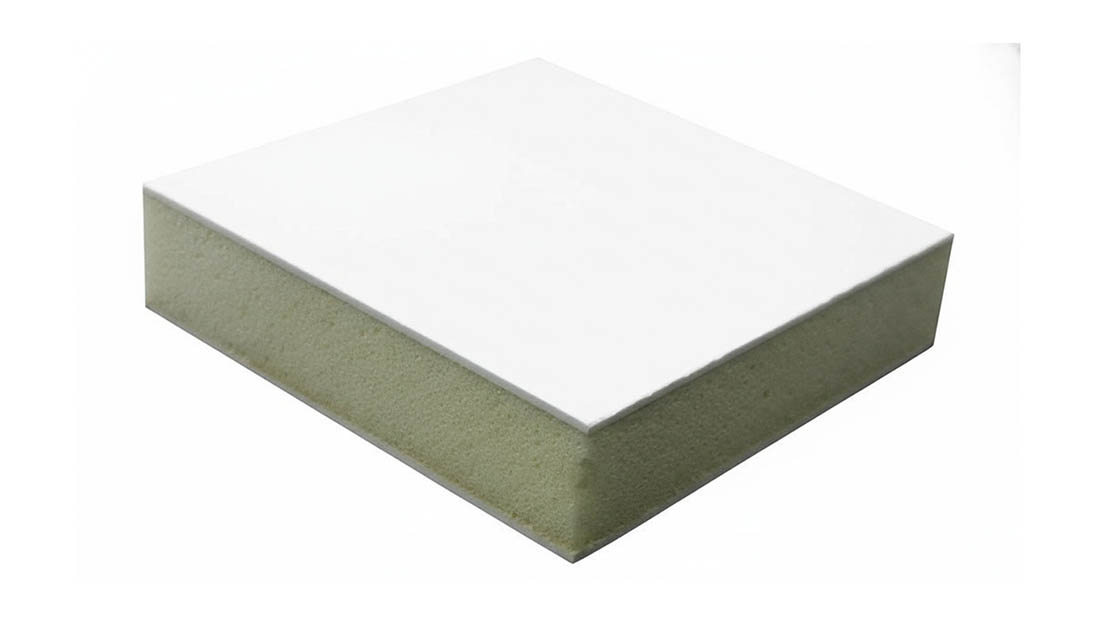
Designing with 18mm GRP sandwich panels requires a fundamental shift in thinking from traditional timber or metal. While the flexural stiffness is high, the “Design Limits” are primarily dictated by the core material’s compressive strength and the potential for face sheet buckling. An 18mm panel is not a substitute for a structural beam; it is a cladding or semi-structural element that requires consistent backing.
For applications like truck bodies or RV walls, the unsupported span distance is the critical variable. Generally, 18mm panels with high-density foam cores (such as PET or PU) should not exceed 600mm to 800mm of unsupported span under significant wind load or dynamic vibration. Softer cores, like lower-density XPS or PVC, require even closer framing—potentially as tight as 400mm centers—to prevent visual deflection or “oil-canning” (ripples in the surface). Exceeding these limits does not always cause immediate breakage but leads to permanent core deformation, which compromises the panel’s thermal and structural integrity.
Fixing Methods: Preventing Core Crush
The most common failure mode in GRP installation is not the panel snapping, but the fastener pulling through due to insufficient compressive strength of the core.
Attaching fittings to an 18mm sandwich panel demands attention to the “clamping force.” Standard wood screws often strip out or crush the foam core before achieving adequate torque. To secure heavy loads (such as air conditioning units, cabinets, or heavy-duty hinges), mechanical fasteners must always be used in conjunction with load-spreading hardware.
- Large Diameter Washers: Always use a backing washer or a large surface-area washer under the head of the screw or bolt. This distributes the clamping load over a larger area of the GRP skin, preventing local crushing of the foam core.
- Backing Plates: For point loads exceeding 50kg (110 lbs), solid aluminum or steel backing plates are mandatory inside the panel structure. This bypasses the core’s weakness entirely and transfers the load directly to the fastener in shear or tension.
- Blind Rivets vs. Screws: Pop rivets are acceptable for non-structural trims and lightweight fixtures. However, use “monel” or high-strength aluminum rivets with mandrels designed for thin-grip materials to avoid dimpling the GRP surface.
Thermal Expansion and Edge Sealing
Thermal expansion characteristics must be accommodated during the installation of long panel runs. Although GRP typically expands less than aluminum and is comparable to steel, temperature fluctuations still induce enough movement to warrant care. When fixing long runs of 18mm paneling (e.g., on a 10-meter trailer side), do not constrain the panel rigidly at every point.
Slotted Holes: Use slotted holes or oversized clearance holes for intermediate fasteners. This allows the panel to “float” longitudinally without building up internal stress that could cause buckling or debonding. Furthermore, any cut edges or drilled holes must be immediately sealed. The core materials (XPS, PU, PET) can act as a wick for moisture if exposed, leading to delamination and freeze-thaw damage. A high-quality polyurethane sealant or gelcoat touch-up is required on every penetrations.
Stick with 18mm or Upgrade to a Heavier Gauge?
Choose 18mm for medium-duty applications with spans under 600mm. Upgrade to 20mm, 25mm, or 30mm when load demands exceed 250kg/m², spans exceed 800mm, or environmental stresses require enhanced rigidity.
An 18mm GRP configuration represents a pivotal threshold for medium-duty structural load-bearing requirements. It delivers a high stiffness-to-weight ratio suitable for spans under 600mm, but certain load conditions, span requirements, or environmental stresses demand a step up to thicker configurations. Getting this decision right prevents both over-engineering and under-performance.
Load-Based Decision Thresholds
The primary determinant for upgrading beyond 18mm is the expected load. Below are the practical thresholds that guide specification decisions.
- Up to 150kg/m² (Dead Load): 18mm is sufficient for most RV wall and roof panels, interior partitions, and light-duty truck linings.
- 150kg/m² to 250kg/m²: Consider 20mm or 25mm, especially for truck body floors, vehicle flooring, or panels with point loads from equipment mounting.
- Above 250kg/m²: Move to 25mm or 30mm configurations. These are typical for heavy-duty truck bodies, marine deck panels, or industrial flooring applications.
Span and Support Spacing
Span length is equally critical. The 18mm panel performs reliably with support spacing up to 600mm center-to-center. Beyond that distance, deflection increases disproportionately, and the panel may sag or deform under sustained load.
- Span up to 600mm: 18mm panel is appropriate across most RV, truck, and marine wall applications.
- Span 600mm to 800mm: Upgrade to 20mm or 25mm to maintain deflection limits within acceptable thresholds.
- Span above 800mm: 25mm or 30mm is recommended. For spans exceeding 1000mm, structural reinforcement or a honeycomb core configuration becomes necessary.
Core Material Influence on Thickness Choice
The core material significantly affects whether 18mm is adequate or an upgrade is required. Different cores offer distinct strength-to-weight characteristics that interact with panel thickness.
- XPS Foam Core (35-50kg/m³): Cost-effective and moisture-resistant. 18mm XPS-core panels are suitable for dry interior applications and light exterior cladding where water exposure is minimal.
- PET Foam Core (80-120kg/m³): Higher stiffness than XPS. An 18mm PET-core panel outperforms a 20mm XPS-core panel in flexural strength, making it a compelling upgrade path without increasing thickness.
- PVC Foam Core (60-200kg/m³): Excellent balance of strength and weight. 18mm PVC-core panels with higher density (150kg/m³+) can handle moderate structural loads, reducing the need to step up to 25mm.
- Balsa Wood Core: Superior compressive strength and fatigue resistance. An 18mm balsa-core GRP panel can match the load capacity of a 25mm foam-core panel in certain configurations, making it a smart choice for heavy-duty marine and truck applications.
- Honeycomb Core (PP or Fiberglass): Maximum stiffness at minimum weight. 18mm honeycomb-core panels are among the strongest options available and often eliminate the need for thicker gauges entirely in structural applications.
Application-Specific Guidance
Different end-use applications impose unique demands that should guide your thickness selection. Here is how industry practice breaks down across key sectors.
- Refrigerated Truck Bodies: Wall panels at 18mm are standard for dry freight applications. For refrigerated bodies requiring higher impact resistance and thermal performance, 25mm with PVC or PU foam core is the preferred specification.
- RV Walls and Roofing: 18mm remains the industry standard for RV side walls and interior panels. Roof panels, which bear greater live loads from maintenance personnel and snow, often specify 20mm or 25mm depending on span and regional climate.
- Marine Deck and Bulkhead Panels: Marine environments demand higher structural integrity. 18mm panels are used for vertical bulkheads, while deck panels typically require 25mm or 30mm with balsa or honeycomb cores to resist point loads from equipment and foot traffic.
- Industrial Equipment Enclosures: Machine guards and equipment housings often specify 18mm for lightweight protection. When the enclosure must resist impact or support mounted components, 20mm or 25mm provides the necessary rigidity without excessive weight.
Cost vs. Performance Trade-Off Analysis
Upgrading from 18mm to a heavier gauge increases material cost but can reduce long-term expenses by preventing failures, warranty claims, and redesigns. The cost differential between 18mm and 25mm GRP sandwich panels typically ranges from 30% to 50%, depending on core material and facing selection.
- Over-specifying thickness adds unnecessary weight and cost, which directly impacts fuel efficiency in vehicle applications and increases shipping costs globally.
- Under-specifying thickness risks panel deflection, core shear failure, and premature fatigue, especially in applications subject to cyclic loading and temperature fluctuations.
📋 Decision Checklist: 18mm or Heavier?
- Step 1: Calculate the maximum expected load (dead + live + dynamic) in kg/m².
- Step 2: Measure the support span between mounting points in millimeters.
- Step 3: Identify the core material best suited to your environmental conditions (moisture, temperature, chemical exposure).
- Step 4: Cross-reference load and span against the decision thresholds above. If either exceeds the 18mm limit, select the next available gauge.
- Step 5: Validate your specification with a flexural strength calculation or third-party test data before finalizing the order.
The choice between 18mm and a heavier gauge is not arbitrary. It is driven by quantifiable load, span, and core-performance parameters. By applying these thresholds systematically, procurement and engineering teams can specify the correct panel configuration on the first attempt, avoiding costly redesigns and ensuring long-term structural integrity across RV, truck, marine, and industrial applications.
Final Checks Before Specifying 18mm GRP
Before locking in an 18mm GRP sandwich panel specification, three validation checkpoints — surface finish integrity, documented fire compliance, and independent test data verification — separate field-ready panels from costly callbacks.
Surface Finish and Gelcoat Requirements
For exterior applications like RV sidewalls or truck bodies, the surface finish is not merely cosmetic; it is the primary barrier against UV degradation and water ingress. When specifying 18mm GRP panels, you must look beyond the sample color and demand technical specifications for the gelcoat layer. A standard industry finish often utilizes a 300–500 micron layer, but for high-UV environments or coastal applications, we strictly adhere to a heavier gelcoat application of 600+ microns to ensure long-term gloss retention and prevent fiber blooming.
- Gelcoat Type: Verify if the finish is Isophthalic or Neopentyl Glycol (NPG). NPG offers superior chemical and blister resistance, critical for refrigerated truck bodies where cleaning agents are frequently used.
- Surface Texture Consistency: For anti-slip flooring or deck applications, check the depth uniformity of the texture. Inconsistent patterns can lead to premature wear in high-traffic zones.
- Backward Skin Quality: Do not ignore the interior skin. For internal panels, ensure the reverse side features a smooth, peel-ply or tissue layer that facilitates easy bonding of insulation or interior linings without requiring extensive mechanical sanding.
Fire Safety and Compliance Standards
Fire compliance protocols rely heavily on the specific composition of the panel core. When reviewing GRP panels, understand that fire resistance is driven by the core material as much as the fiberglass skins. While the fiberglass skins are inherently non-combustible, the core dictates the burn rate, smoke density, and toxicity. You must verify that the specific core configuration quoted—whether XPS, PET, or PU—matches the certification documents required for your target region (e.g., EN 13501-1 for Europe or ASTM E84 for North America).
Do not assume a “fire-retardant” label covers all standards. A panel might pass a surface flammability test but fail a toxicity smoke test required for enclosed spaces like underground rail cars or marine vessels. Always demand the specific smoke density and toxic fume index (e.g., NBS Smoke Density) alongside the fire rating.
- Core Selection Impact: PET and PIR cores generally offer superior fire performance compared to standard PU or XPS foams. If the project requires strict low-smoke, zero-halogen (LSZH) compliance, specify the core material explicitly to avoid substitution with cheaper, less fire-resistant foams.
- Documentation Validity: Ensure the fire certificates are current and valid for the specific panel thickness. A fire rating obtained on a 50mm panel does not legally apply to an 18mm profile due to differences in thermal mass and fuel load.
Experimental Testing Data Verification
Trust is built on data, not brochures. Before finalizing a bulk order for 18mm GRP panels, request the experimental raw data sheets that validate the mechanical properties. It is insufficient to rely on generic data tables; you need verification that the specific density and skin thickness configuration you ordered has been physically tested. Our engineers conduct rigorous experimental testing to meet specific data standards, and we encourage partners to review these results.
Focus your verification on two critical standards: ASTM C365 and ASTM C273. ASTM C365 measures the flatwise compressive strength, indicating how much load the panel core can withstand before crushing. ASTM C273 measures the shear strength, verifying the bond integrity between the GRP skins and the core material. A failure in the ASTM C273 test typically indicates poor adhesion during the lamination process, which can lead to delamination in the field.
📋 Actionable Steps for Data Verification
- Step 1: Cross-Reference Density: Verify that the test report core density matches your purchase order (e.g., 80 kg/m³ vs 100 kg/m³). A lower density core significantly reduces flexural strength.
- Step 2: Check Flexural Modulus: Look for flexural strength data up to 120 MPa as claimed in the product bible. Ask to see the load-deflection curve to ensure the panel performs within the elastic range for your specific application.
- Step 3: Validate Batch Consistency: Ask if the supplier provides a Certificate of Analysis (CoA) for every production batch, confirming that the raw resin and core materials meet the same baseline as the original experimental test.
Conclusion
18mm GRP panels hit the sweet spot for medium-duty truck bodies and RV wall partitions. The flexural strength holds up against dynamic road loads, but you must respect the core density limits. Balsa cores outperform XPS foam under heavy point loads, though foam offers better thermal insulation for cold storage. This material beats steel and plywood on stiffness-to-weight ratio, provided you account for thermal expansion during installation.
Run a third-party flexural test before you finalize specs. Our engineering team can review your load calculations to ensure the panel geometry matches your application requirements. We have extensive data on gelcoat adhesion and fire compliance standards. Let us verify your mounting strategy so you avoid field failures or thermal delamination issues on your next fleet order.
Frequently Asked Questions
How do I choose between PET, PU, and XPS cores?
PET foam offers the best combination of high compressive strength, moisture resistance, and recyclability, making it ideal for structural and marine applications. PU foam provides excellent thermal insulation at a lower cost, suited for refrigerated truck bodies and cold storage. XPS is the most economical option with good moisture resistance but lower compressive strength than PET. Your choice depends on whether structural performance, insulation, or budget is the priority.
Which core material suits humid or marine environments?
PET foam and PVC foam cores are the best choices for humid or marine environments due to their closed-cell structure and near-zero water absorption. Unlike XPS or PU, these cores resist moisture ingress over time, preventing delamination and core degradation. RaxPanel offers PET and PVC core options specifically engineered for high-moisture applications, ensuring long-term structural integrity in marine and coastal settings.
What is the thermal conductivity of 18mm GRP panels?
Thermal conductivity varies by core material. PET foam cores typically achieve values around 0.034–0.038 W/m·K, while PU foam cores range from 0.022–0.028 W/m·K. XPS cores fall between 0.028–0.035 W/m·K. These low conductivity values make 18mm GRP sandwich panels effective thermal insulators, particularly valuable in refrigerated transport and energy-efficient building applications.
What compressive strength can I expect from 18mm panels?
Compressive strength depends primarily on the core material and density. PET foam cores at higher densities can deliver compressive strengths exceeding 1.5 MPa, while PVC foam cores typically range from 0.5 to 1.2 MPa. XPS cores offer moderate compressive performance around 0.3 to 0.8 MPa. RaxPanel provides experimental testing data for each core configuration to help you select the right panel for your load requirements.
Are 18mm GRP panels suitable for flooring applications?
Yes, 18mm GRP sandwich panels are commonly used for RV flooring, truck flooring, and mobile home subfloors when paired with an appropriate core. Higher-density PET or PVC foam cores provide the compressive strength needed for foot traffic and loaded flooring. For heavy-duty industrial flooring, engineers may specify thicker panels or reinforce with additional support framing to distribute point loads effectively.
What fastener spacing and edge support do 18mm panels need?
For optimal load distribution, fasteners should be placed no more than 150mm from panel edges and spaced at 300mm intervals along support frames. Edge support must be continuous along all perimeter beams to prevent core crushing and facer deformation. RaxPanel provides detailed installation guides specifying recommended support spacing, fastener types, and sealant application to ensure the panel performs within its designed load capacity.
Can 18mm GRP panels be cut and fabricated on-site?
Yes, 18mm GRP sandwich panels can be cut using standard woodworking tools such as circular saws, jigsaws, and CNC routers. Use fine-tooth blades to prevent facer chipping and wear appropriate respiratory protection. Edges should be sealed with gelcoat or epoxy to protect the core from moisture ingress. RaxPanel supplies technical documentation and cutting recommendations to help your team fabricate panels efficiently on-site.