
Sourcing for specialized vehicles requires more than checking a price list. Too many procurement engineers overlook how aluminum honeycomb structures create thermal bridges at cell walls, leading to localized heat loss that kills fuel efficiency targets. When an insulated metal panel manufacturer prioritizes bulk speed over adhesive bonding protocols, you end up with delamination failures before the vehicle even leaves the assembly line.
Engineering trade-offs in cell sizing are critical to understand; honeycomb cell size typically ranges from 3mm to 25mm, where smaller cells increase compression strength but reduce thermal insulation capacity. This analysis walks you through the essential quality certifications and production capacity benchmarks that separate reliable suppliers from high-risk vendors. You will leave with a clear framework for enforcing performance standards that prevent moisture transport and core corrosion risks in your supply chain.
What to Look for in an IMP Manufacturer
A reliable IMP manufacturer isn’t defined by the lowest price—it’s defined by consistent material selection, certified quality systems, and the engineering depth to recommend the right core and facing for your specific application.
Core Material Options and Thermal Performance Ratings
The core material is the single most important decision in an IMP specification. It determines the panel’s thermal performance, moisture resistance, fire behavior, and long-term structural stability. While many buyers focus solely on R-value numbers, experienced engineers know that the core’s compatibility with your application environment is equally critical.
XPS (extruded polystyrene) cores remain the industry standard for refrigerated transport and cold storage applications due to their superior moisture resistance and stable thermal performance over time. PET cores offer a strong eco-friendly alternative with comparable insulation properties and improved fire resistance. PUR and PIR cores deliver the highest thermal efficiency per inch of thickness, making them ideal where space constraints are a priority. PMI foam represents the premium tier, used in applications requiring the highest dimensional stability and compression resistance.
Key distinction for buyers: Not all thermal ratings are created equal. R-value testing standards vary between regions and applications. A panel rated for wall installation may not perform identically when used in roofing or flooring applications. Always verify that the thermal rating you’re comparing applies to your specific use case and installation orientation.
At Rax Panel, we evaluate core selection based on a combination of thermal needs, moisture exposure, and structural load requirements—not just R-value alone. Our engineers routinely recommend XPS for refrigerated truck bodies where moisture resistance is paramount, while PIR cores are preferred for RV walls where maximum insulation in minimal thickness is critical.
Metal Facing Types and Gauge Specifications
The metal facing provides structural integrity, weather protection, and aesthetic finish to the panel. Galvanized steel remains the most common facing material due to its balance of strength, cost, and corrosion resistance. Aluminum facings offer superior weight savings and natural corrosion resistance, making them the preferred choice for marine environments and mobile applications where every kilogram matters.
Gauge selection is where many procurement decisions go wrong. Thinner gauges reduce weight and material cost but compromise on impact resistance and long-term durability. The facing gauge must be matched to your structural frame spacing and expected load conditions. A manufacturer who can explain the trade-offs between different gauge options for your specific application is demonstrating the engineering expertise you need.
Coating quality and surface treatment are equally important considerations. Powder-coated, paint-coated, and laminated facings each offer different levels of durability and weather resistance. For coastal or high-humidity environments, the coating system becomes as critical as the metal substrate itself. Ask your manufacturer about coating thickness, adhesion testing standards, and salt spray resistance data before making a selection.
Do not accept “standard gauge” without verification. Some manufacturers quote lightweight panels that meet minimum structural requirements but fail under real-world impact conditions. Always request the specific gauge, alloy grade, and coating specification for your application.
Production Capacity and Lead Time Benchmarks
Production capacity and lead time reliability are often the difference between a smooth project and a costly delay. While daily output figures are commonly advertised, the real measure of manufacturing capability lies in consistent quality at volume and the ability to scale during peak demand periods.
A manufacturer with over 1,500 square meters of daily production capacity demonstrates established infrastructure and process maturity. This scale indicates that quality control protocols, material handling systems, and skilled labor are already in place—not theoretical capabilities that may falter under pressure. For large-scale procurement, this consistency translates directly into predictable delivery schedules and uniform panel quality across your entire order.
Lead time transparency is equally important. Reputable manufacturers provide realistic lead time estimates based on current order queues and material availability, not optimistic projections designed to win business. When evaluating suppliers, ask about their typical lead time from order confirmation to shipment, how they handle rush orders, and what their on-time delivery track record looks like. A manufacturer who confidently shares this data is demonstrating operational confidence and transparency.
At Rax Panel, our production line delivers over 1,700 square meters daily with strict thickness tolerance control, ensuring that bulk orders maintain consistent quality from the first panel to the last. We understand that project timelines are non-negotiable, which is why we maintain transparent communication on production schedules and proactively flag any potential delays before they impact your supply chain.
Quality Certifications and Testing Standards
Quality certifications serve as a baseline indicator of manufacturing discipline, but they represent only part of the quality picture. ISO certification confirms that a manufacturer has established quality management systems in place, while industry-specific testing standards validate that panels meet the performance requirements for their intended applications.
For building and construction applications, fire safety certifications are paramount. Panels intended for exterior wall cladding, roofing, or interior partition walls must comply with recognized fire testing standards that evaluate flame spread, smoke development, and fire resistance. Different applications may require different fire rating classifications, so verifying that your manufacturer’s certifications cover your specific application is essential.
Marine and transportation applications often require additional certification from classification societies. DNV, ABS, Lloyd’s Register, and other maritime classification societies maintain their own material and testing standards that go beyond general ISO certification. If your project involves marine vessels, refrigerated transport, or railway applications, confirm that your manufacturer holds the specific certifications required by your regional regulatory framework.
Beyond certifications, request access to independent test reports for the specific panels you’re considering. A manufacturer that can provide recent test data for thermal performance, compressive strength, fire resistance, and weathering durability is demonstrating confidence in their product quality. At Rax Panel, our 15+ years of ISO-certified production experience means every panel batch is backed by documented test results and consistent quality records that you can verify before placing an order.
Don’t just collect certifications—understand what each one validates. ISO 9001 confirms quality management systems. Fire ratings like Class A or EN 13501-1 classifications confirm fire performance. Marine certifications like DNV or ABS confirm suitability for maritime environments. Knowing the distinction helps you evaluate whether a manufacturer’s credentials actually match your project requirements.
| Evaluation Factor | Critical Requirement | Project Impact | Industry Benchmark |
|---|---|---|---|
| Fire & Safety Compliance | Adherence to rigorous international standards (e.g., FM 4880, ASTM, EN) | Eliminates insurance risks and ensures safety in critical infrastructure | ASTM E84 Class A, EN 13501-1, UL 723 compliance |
| Thermal & Mechanical Performance | Optimized balance of R-value, compressive strength, and weight | Prevents over-engineering costs while meeting strict thermal specs | R-values 5-8 per inch; 10 MPa compression; 60-80% lighter |
| Manufacturing Precision | High-capacity lines with strict tolerance control | Ensures seamless installation and structural integrity | ±0.5mm thickness tolerance; >1,700 m² daily output |
| Global Logistics & Packaging | Efficient high-density loading and protective packaging | Minimizes freight costs (4-12% of total) and transport damage | 800-1,200 m² per 40ft HC; Reinforced wooden crates |
| Technical Support & Service | 24/7 engineering assistance and customization expertise | Reduces lead times and resolves site-specific challenges | 24-hour 1-to-1 service; Multilingual engineering team |
Setting Clear Performance Standards
Differentiating Insulation Reality vs. Structural Strength
A critical failure in procurement occurs when buyers conflate structural stiffness with thermal resistance. In the field of composite panels, aluminum honeycomb cores are often erroneously selected for their insulation properties. However, engineering data confirms that foam cores—specifically PU, PET, or XPS—provide superior thermal efficiency due to minimized convection cells. While standard insulated metal panels (IMPs) utilizing foam cores can achieve R-values of approximately 7.2 per inch of thickness, aluminum honeycomb structures suffer from thermal bridging at the cell walls and skin interfaces.
This thermal bridging can lead to localized heat loss up to 30% higher than theoretical calculations. additionally, honeycomb structures exhibit orthotropic thermal properties, meaning thermal conductivity varies significantly between the in-plane (high) and through-thickness (low) directions. Relying on generic data sheets that ignore this anisotropy leads to flawed thermal modeling in HVAC load calculations. Buyers must explicitly demand separate thermal conductivity values for both axes when specifying panels for temperature-controlled environments like refrigerated truck bodies or RV walls.
When evaluating aluminum honeycomb for RV or marine applications, request the “effective” R-value rather than the core material’s nominal value. This accounts for the adhesive joint conductivity and skin bridging, providing a realistic figure for energy efficiency modeling.
Optimizing Cell Geometry and Core-to-Skin Ratios
Core-to-skin ratio and cell geometry together define the panel’s structural and thermal profile, and both require explicit specification. The core-to-skin ratio — the proportion of core material to the total panel cross-section — directly governs flatwise compression strength and shear modulus. At typical core densities of 48–96 kg/m³, aluminum honeycomb delivers flatwise compression values ranging from 2 to 10 MPa, significantly outperforming foam cores, which max out at 0.5–2 MPa. Shear modulus follows a similar density-dependent trajectory, meaning that selecting a higher-density core not only raises compressive load capacity but also enhances the panel’s resistance to in-plane shear forces. Because bending stiffness scales with the cube of core thickness, optimizing the core-to-skin ratio allows designers to achieve target rigidity without excessive weight, ensuring that the geometry chosen for compression and shear performance aligns with the stiffness demands outlined in the following section.
Additionally, the core-to-skin ratio dictates the panel’s bending stiffness. Because stiffness is proportional to the cube of the core thickness, minor increases in core depth yield exponentially higher rigidity. However, simply adding thickness to meet stiffness requirements without re-evaluating thermal needs leads to over-engineering. For instance, in mobile home flooring, a 12mm panel with optimized skin density may outperform a generic 20mm panel while reducing weight. Standards must define minimum shear strength values and specific density requirements (e.g., kg/m³) for the core, rather than accepting vague descriptions like “high-density.”
Avoid “one-size-fits-all” specifications. A panel optimized for the non-slip surface of marine deck flooring requires a vastly different cell configuration and resin formulation compared to an exterior wall cladding panel that prioritizes thermal bridging prevention.
Establishing Application-Specific Performance Metrics
To filter vendors effectively, buyers must enforce standards that align with the end-use environment rather than generic industry averages. In marine applications, corrosion resistance is paramount; standards should specify not just the alloy (e.g., 5052 vs 3003 aluminum), but also the salt-spray resistance duration (ASTM B117) for the core and the adhesive bond line. For refrigerated transport, the metric shifts to moisture barrier performance; the standard must require zero water absorption rates for the core material over a 24-hour immersion period, particularly if using PET or PU foams over weaker alternatives.
- RV Walls & Mobile Homes: Prioritize ” peel strength” adhesion tests (minimum 40 N/cm) to prevent delamination during vibration and thermal cycling. Demand thermal conductivity (k-value) reports validated at 24°C mean temperature.
- Marine Flooring & Decks: Mandate “impact resistance” metrics (Dart Drop test) and “anti-skid” surface friction coefficients. Core specifications must guarantee closed-cell structure to prevent water ingress that leads to rot.
- Industrial & Truck Bodies: Focus on “compressive strength” (kPa) at 10% deformation. For foam cores, require flame spread ratings (e.g., ASTM E84 Class 1) and smoke density indices suitable for enclosed spaces.
Vendor Filtering: The Non-Negotiable Data Table
Before issuing an RFQ, demand a Technical Data Sheet (TDS) that includes the following specific parameters. Any vendor unable to provide these precise figures should be disqualified immediately. This eliminates subjective marketing claims and focuses the conversation on verifiable engineering capabilities.
- Thermal Performance: Through-thickness thermal conductivity (W/m·K) and fire resistance rating (e.g., Euroclass B or ASTM E84).
- Structural Integrity: Flatwise tensile strength (kPa) of the core-to-skin bond and shear strength of the core material.
- Physical Durability: Water absorption percentage (by volume) and density tolerances (±5%).
The ultimate standard is not the price per square meter, but the total cost of ownership driven by performance longevity. Clear, data-driven specifications prevent the procurement of panels that look identical on the outside but fail structurally or thermally within the first two years of service.
Comparing Manufacturer Certifications and Capacity
Verification of fire ratings and classification society approvals is the single most effective method to mitigate long-term liability risks in high-stakes composite panel procurement.
A pervasive issue in the composite panel market is the deliberate obfuscation of fire safety classifications, particularly regarding the distinction between A1 and A2 ratings under standards such as EN 13501-1 and GB 8624. While both classes denote high performance, they represent fundamentally different levels of combustibility that directly impact insurance approval and regulatory compliance.
A1 Non-combustible materials typically involve entirely inorganic compositions, such as pure aluminum honeycomb cores combined with mineral fiber skins, which contribute zero fuel to a fire. In contrast, A2 Limited-combustibility materials may contain organic components or thermoplastic cores (like specific formulations of PU or PET) that have been treated with fire retardants to meet rigorous heat release thresholds. The risk arises when suppliers market A2-rated aluminum composite panels (ACM) or foam-filled structures as A1 to undercut competitors on material costs. To verify compliance, procurement teams must scrutinize the test report details rather than the summary certificate, specifically checking the “Classified as” section against the exact core and skin thickness specified in the project order.
Validating Industry-Specific Certifications
For marine, aerospace, and mass transit applications, generic ISO 9001 certification is insufficient. These sectors require valid approvals from classification societies such as DNV, ABS, or Lloyd’s Register. A common failure point in supply chain vetting is accepting a “Type Approval” certificate that applies to a specific prototype thickness or density, which is then applied to a mass-produced order with different specifications.
Furthermore, the origin of the certification body matters. Certificates issued by local, non-accredited laboratories often lack the rigor required for international liability. Prioritize manufacturers holding certifications from recognized international notified bodies to ensure traceability and legal standing in the event of a structural failure or fire incident.
Assessing Financial Stability and Production Consistency
Evaluating a manufacturer’s capacity requires looking beyond square footage production figures to assess the financial stability that underpins supply chain consistency. A manufacturer operating with razor-thin margins is more likely to substitute core materials—for example, switching from a specified PMI foam to a lower-density Polyethylene (PE) foam—to offset raw material price fluctuations. This substitution often bypasses the buyer’s quality control but compromises the structural integrity and thermal insulation values of the final panel.
- Raw Material Inventory: A reliable vendor maintains significant stock of high-value skins (such as prepreg fiberglass or aluminum alloys) and core materials. Manufacturers operating “Just-in-Time” (JIT) inventory systems are at higher risk of shutdowns during global logistics disruptions.
- Automation Level: Facilities utilizing continuous composite production lines, as opposed to manual lay-up or batch processing, generally offer superior dimensional consistency and lower defect rates. Continuous lines typically require higher upfront capital investment, indicating a financially stable operation committed to long-term market presence.
- R&D Integration: Manufacturers with in-house R&D capabilities and testing labs are better equipped to handle customized specifications, such as the integration of CFRT (Continuous Fiber Reinforced Thermoplastic) skins or complex honeycomb geometries, without relying on third-party subcontractors that can erode quality control.
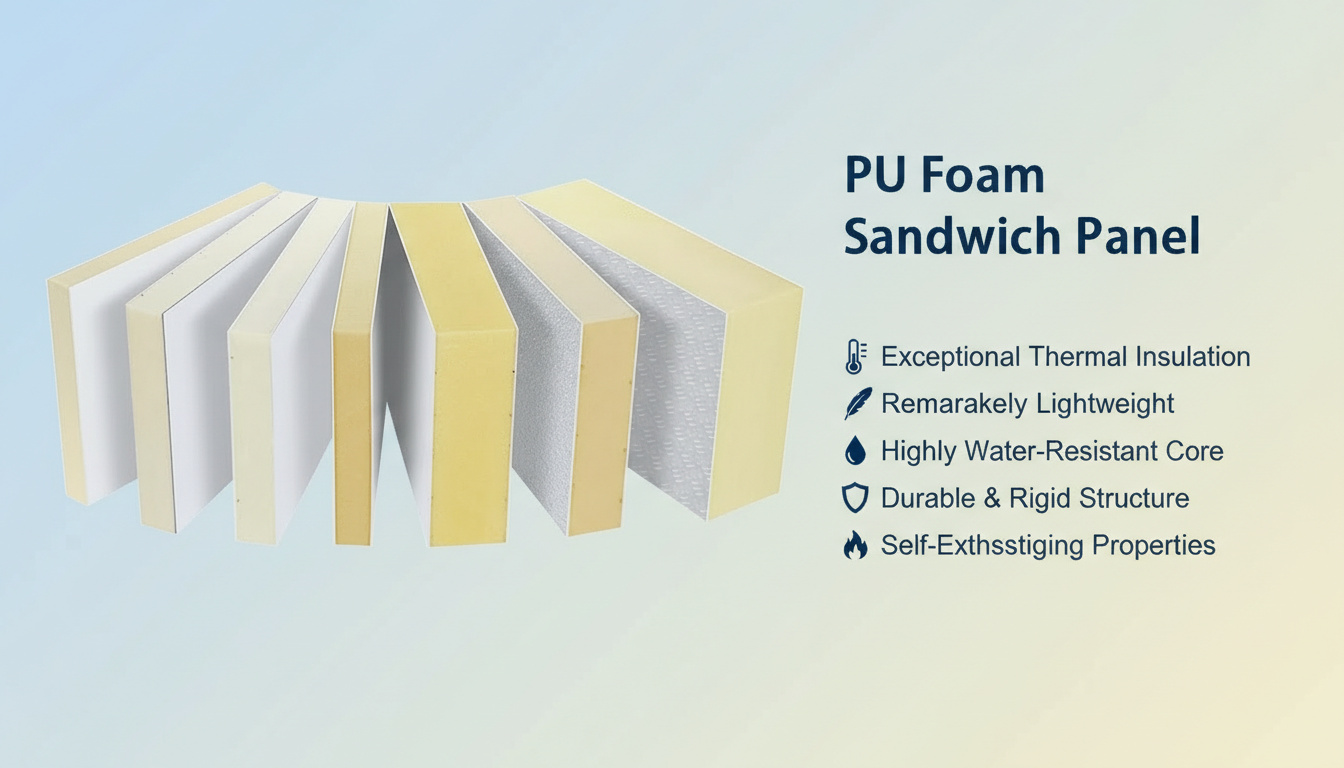
Checking Testing Benchmarks and Quality Standards
Third-party testing compliance and rigorous internal QC are the two pillars that separate field-proven IMPs from panels that fail under thermal cycling. Buyers must verify both ASTM/EN certifications and supplier batch consistency before committing to a project.
Core Third-Party Testing Standards for IMPs
Insulated metal panels and aluminum honeycomb sandwich panels are subject to a suite of standardized test methods that define their structural, thermal, and fire performance. The most widely referenced benchmarks come from ASTM International and the European standards system (EN/ISO). For thermal performance, ASTM C1290 and EN 14509 are the primary methods used to measure U-values, thermal resistance, and the impact of thermal bridging through the panel assembly. These tests are conducted on full-scale panels under steady-state conditions, and the results are what suppliers cite when declaring R-values or U-values on product data sheets.
For structural performance of honeycomb cores, ASTM C393 (three-point bending), ASTM C297 (flatwise tension), and ASTM C273 (core shear) are the standard methods. These tests reveal the core’s ability to transfer loads between the metal skins and resist core collapse under compression or shear. A panel that passes these tests at the laboratory level still must demonstrate consistent performance across production batches, which brings the conversation to quality control protocols.
Fire performance is evaluated under ASTM E84 (Surface Burning Characteristics, yielding Flame Spread and Smoke Developed indices) and EN 13501-1 (European fire classification system). For marine and transport applications, fire classification is often a contractual requirement, and buyers should confirm which standard the supplier’s testing aligns with, since the two systems are not directly interchangeable.
Delamination Testing and Thermal Cycling Protocols
Delamination is one of the most consequential failure modes in sandwich panel construction, particularly for panels with aluminum skins and thermoplastic or thermoset cores. The repeated expansion and contraction caused by temperature swings generate shear stress at the skin-to-core adhesive interface. Panels that lack sufficient bond strength or adequate surface preparation will gradually separate, leading to loss of structural rigidity and thermal degradation.
ASTM C297 and ASTM D905 (for adhesive bond strength) are the most relevant standards for assessing delamination resistance. However, the industry is increasingly requiring thermal cycling tests that subject panels to repeated exposure between negative and positive temperature extremes before peel or shear testing is performed. These accelerated aging protocols simulate years of service in a fraction of the time and are a stronger predictor of field performance than single-point mechanical tests alone.
When evaluating a supplier’s claims, buyers should request documentation that includes not just the initial test results but also post-cycling performance data. A panel that meets ASTM C393 flatwise strength at room temperature but fails after 50 thermal cycles between -40°C and +80°C is a significant red flag for applications in cold-chain logistics or desert environments.
Internal Quality Control Protocols for Material Consistency
Third-party certifications are only as valuable as the consistency behind them. A supplier may hold valid ASTM or EN test reports for a specific panel configuration, but if the manufacturing process lacks rigorous in-process controls, individual production batches can vary significantly in core density, adhesive coverage, skin flatness, and cell uniformity.
For aluminum honeycomb panels specifically, key internal QC checkpoints include:
- Core cell uniformity: Honeycomb cell size, wall thickness, and expansion ratio must fall within tight tolerances. Inconsistent cell geometry directly affects compressive strength and shear modulus.
- Adhesive application consistency: The volume and distribution of structural adhesive between skin and core determine bond strength. Under-adhesion leads to delamination; over-adhesion adds unnecessary weight and cost.
- Skin flatness and gauge verification: Aluminum skin thickness (commonly 0.5mm to 1.2mm for structural panels) must be verified per batch using ultrasonic or magnetic gauging. Variations in gauge affect both structural performance and appearance.
- Cure cycle monitoring: For bonded panels, the pressure, temperature, and duration of the curing process must be documented for each production lot to ensure repeatable bond quality.
- Batch-to-batch sampling: Reputable manufacturers perform destructive and non-destructive testing on random samples from each production batch, not just on initial prototypes.
Verifying Supplier Testing Documentation
A practical step for buyers is to audit the supplier’s testing documentation before placing an order. The following checklist helps distinguish between superficial compliance and genuine quality assurance:
- Test reports from accredited laboratories: Verify that the testing laboratory holds ISO/IEC 17025 accreditation. Reports from unaccredited in-house labs carry less weight for compliance purposes.
- Test date and panel configuration: Ensure the test report matches the exact panel construction (skin material, gauge, core type, core density, adhesive type) being procured. A report on a 50mm PU-core panel does not validate a 100mm aluminum honeycomb panel.
- Batch traceability: Ask whether the supplier can trace the tested panel configuration back to specific production batches and whether routine batch testing is performed.
- Third-party certification scope: Certifications such as ISO 9001 (quality management) and ISO 14001 (environmental management) indicate systematic processes, but they do not replace product-specific test data. Both are relevant for B2B procurement.
- Fire rating documentation: For applications requiring fire compliance, request the full test report under ASTM E84 or EN 13501-1, including the classification result and any limitations noted by the testing body.
Common Pitfalls in Testing Benchmark Interpretation
A supplier may quote a single thermal conductivity (k-value) for a core material without specifying the test temperature. Foam cores such as XPS, PET, and PU show measurable changes in thermal resistance across temperature ranges. A k-value measured at 24°C may not represent performance at -20°C, which is critical for refrigerated transport applications.
Another frequent issue is the conflation of core material properties with completed panel performance. The thermal conductivity of raw XPS foam is not the same as the U-value of a finished IMP, which is affected by skin material, panel thickness, joint design, and fastener thermal bridging. Buyers should evaluate the tested performance of the complete panel assembly, not just the core material datasheet.
For aluminum honeycomb panels used in RV walls, truck bodies, and marine applications, buyers should also verify that the supplier conducts humidity and salt-spray resistance testing when the panel is specified for marine or high-humidity environments. Aluminum skins can suffer from galvanic corrosion at the skin-to-core interface if the adhesive system or core material is not compatible with the operating environment.
Practical Evaluation Framework for B2B Buyers
Request a side-by-side comparison of test results between the supplier’s standard panel and an independent laboratory’s verification test on a sample from your order batch. This eliminates the risk of relying solely on the supplier’s own test reports and provides an objective baseline for acceptance.
The most effective approach for B2B buyers is to build the testing and quality requirements directly into the purchase specification. This includes specifying the exact test standards (ASTM or EN), the required performance thresholds, the acceptance criteria for batch sampling, and the consequences for non-conforming deliveries. When the specification is clear, the supplier cannot substitute a lower-tier product without explicit acknowledgment.
For projects involving aluminum honeycomb sandwich panels in transport, marine, or construction applications, the cost of a delamination failure or a non-compliant fire rating far exceeds the upfront savings from selecting a supplier with weak quality controls. Testing benchmarks and QC protocols are not administrative hurdles—they are the primary mechanism for ensuring that the panel performs as engineered throughout its service life.
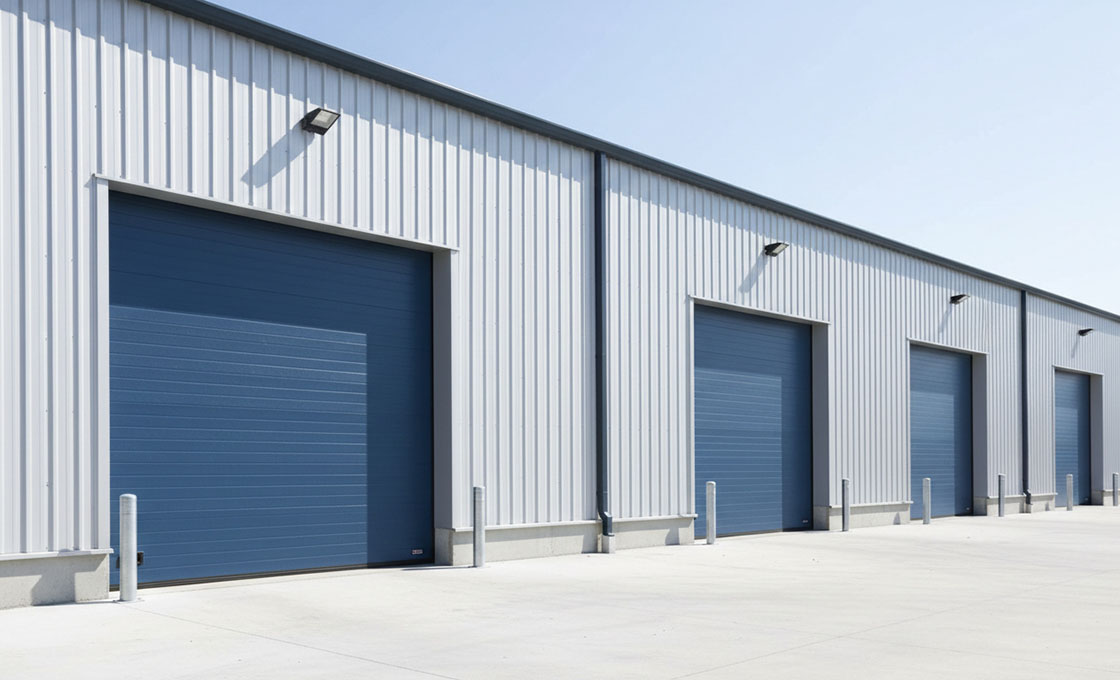
Can They Deliver on Time and Scale?
Supply chain resilience is non-negotiable in B2B manufacturing. A partner’s ability to scale production without sacrificing precision often depends more on raw material inventory control and automated line continuity than on total factory floor space.
Assessing Production Line Automation and Consistency
For large-scale applications such as RV walls or refrigerated truck bodies, consistency is as critical as volume. Buyers should investigate whether the manufacturer utilizes continuous, automated production lines or relies on batch processing. Automated lines allow for the continuous lamination of skins—such as fiberglass, aluminum, or steel—with different core materials (PU, XPS, PET, or honeycomb). This continuity ensures uniform adhesive distribution and thermal bonding, which is vital for maintaining the structural integrity of aluminum honeycomb panels used in mobile home flooring.
When evaluating capacity, look beyond daily square meterage. A facility producing over 1,500 m² daily using an ISO-certified continuous line can typically maintain tighter thickness tolerances (±0.5mm) compared to facilities relying on manual lamination. This precision is essential when running high-volume orders for marine-grade panels, where even minor dimensional deviations can derail installation schedules on-site.
Engineering Agility and Rapid Prototyping
Scalability is not just about volume; it is about the speed of engineering adaptation. When a project requires specific thermal conductivity values for RV walls or unique corrosion-resistant specifications for marine environments, the R&D response time becomes a critical path item. Leading manufacturers maintain in-house experimental testing labs capable of validating new composite structures within days, not weeks.
Buyers should ask about the manufacturer’s protocol for custom profiles. For example, switching a panel specification from a standard PU foam core to a lightweight PP honeycomb core to reduce weight requires precise recalibration of press pressure and curing temperatures. A supplier with deep technical expertise in composite material science will provide engineering calculations and simulation data upfront, preventing costly production rework and delays.
Logistics Optimization and Container Loading Efficiency
Delivery capability extends past the factory gate. High-value composite panels are sensitive to moisture and impact during transit. For international buyers, particularly those sourcing from regions like East Asia, the supplier’s packing density directly impacts landed costs and project cash flow. Efficient logistics planning allows manufacturers to load between 800 to 1,200 square meters of material into a single 40ft High Cube container using reinforced wooden crates.
This high-density loading minimizes the risk of damage by reducing panel movement, a common failure point in foam core sandwich panels that can suffer edge crushing. additionally, suppliers with established global fulfillment networks can coordinate split shipments or phased deliveries, aligning container arrivals with actual site installation progress. This mitigates the need for on-site storage space and protects against project delays caused by logistical bottlenecks.
Supply Chain Redundancy and Raw Material Control
Finally, vet the manufacturer’s relationship with upstream suppliers. Volatility in the cost and availability of raw materials—such as aluminum coils, glass fiber rovings, or petrochemical-based foams (XPS, PU)—is the primary cause of delivery delays in the composite panel industry. Manufacturers who diversify their sourcing across multiple regions and maintain strategic safety stock levels of critical facings and cores are better positioned to absorb market shocks.
For projects with strict deadlines, such as public transit fleet renovations or modular housing developments, a vendor with integrated supply chain management can lock in pricing and material allocation months in advance. This stability ensures that production lines keep running regardless of external market fluctuations, safeguarding the buyer’s delivery timeline.
| Metric | Value | Proof Point |
|---|---|---|
| Daily Production Capacity | 1,700+ m²/day | ISO-certified advanced production line with 15+ years of operational history |
| Container Loading Capacity | 800–1,200 m² per 40ft HC | High-density container loading with reinforced wooden crate packaging for global shipment |
| Panel Thickness Tolerance | ±0.5mm | Strict quality control ensures every panel meets precise dimensional specifications |
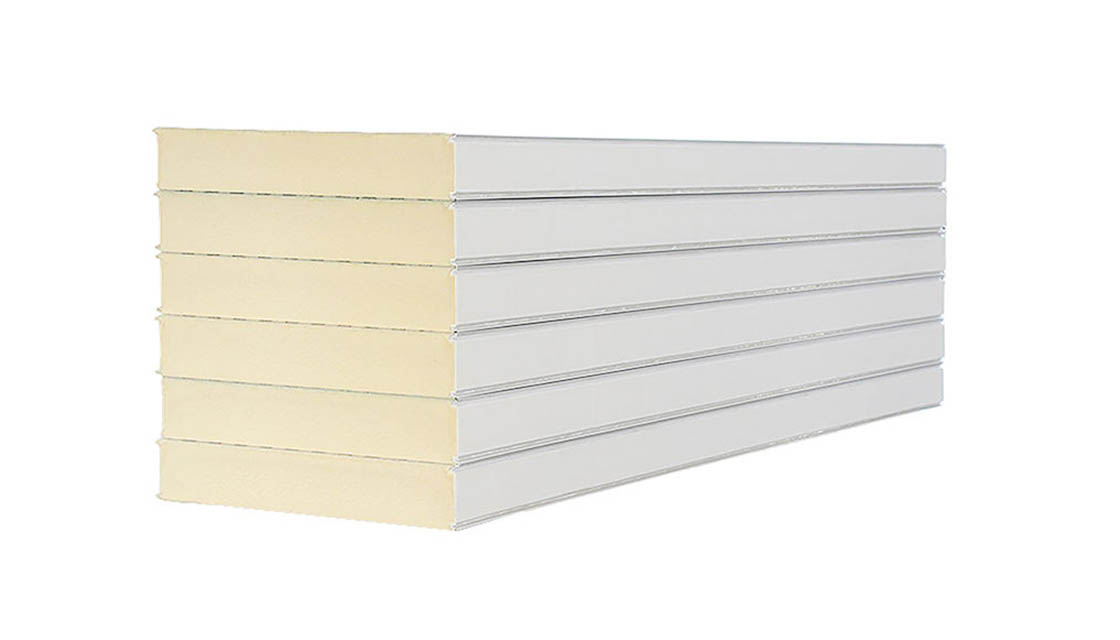
Weighing Costs Against Long-Term Value
“The cheapest panel per square meter often carries the highest lifetime cost once failure modes are factored in. Aluminum honeycomb cores, despite delivering a 60–80% weight reduction and superior strength-to-weight ratios, introduce latent risks that foam cores largely avoid: moisture ingress into the honeycomb cells and subsequent core corrosion. These failure modes can compromise structural integrity and thermal performance over time, turning an upfront cost advantage into a long-term liability. A total cost of ownership framework forces the question not just what the panel costs today, but what it costs to maintain, repair, or replace when those hidden vulnerabilities surface.”
The Hidden Lifecycle Costs of Core Selection
When procuring composite panels for applications like RV walls or refrigerated truck bodies, the immediate tendency is to compare unit costs per square meter. However, this approach often ignores the specific failure modes of different core materials. Aluminum honeycomb panels, while offering an exceptional strength-to-weight ratio, carry specific latent risks that foam cores like XPS, PU, or PET do not. Specifically, the risk of moisture transport leading to core corrosion can turn a low upfront cost into a massive liability within just a few years of service.
Buyers must analyze the “break-even point” where a higher initial investment in a corrosion-resistant or self-extinguishing core (such as PET or PP honeycomb) pays for itself by avoiding premature replacement. In high-humidity or marine environments, the lifecycle cost of a poorly sealed aluminum honeycomb panel can be double that of a foam alternative due to maintenance and structural degradation.
Moisture Ingress and the Corrosion Trap
A critical vulnerability in aluminum honeycomb panels is the potential for condensation or water ingress to become trapped within the closed cells. Unlike foam cores which are largely isotropic and impermeable to water flow, a small breach in the facing of an aluminum honeycomb panel allows water to travel horizontally throughout the core. This creates an electrolytic environment that rapidly corrodes the aluminum core from the inside out. This phenomenon is particularly aggressive in refrigerated transport and marine applications where thermal cycling drives condensation.
This internal corrosion is rarely visible until catastrophic failure occurs, manifesting as delamination, skin buckling, or a total loss of shear strength. To mitigate this, manufacturers often require rigorous sealing protocols that add to labor costs. Conversely, PP (Polypropylene) honeycomb or foam cores provide inherent resistance to water and corrosion, significantly reducing the risk of environmental degradation without requiring extreme sealing measures.
Impact Damage and Repair Economics
The repairability of the panel is a major variable in Total Cost of Ownership (TCO) that is frequently underestimated. Foam core sandwich panels generally exhibit “ductile” failure modes; they can absorb significant impact energy through local crushing or cracking of the foam, often leaving the surrounding area structurally sound. These damages are typically straightforward to repair using standard fillers and patching techniques.
Aluminum honeycomb panels, however, behave differently. They suffer from “brittle” core failure. An impact often causes localized cell collapse that can propagate stress cracks to the surrounding skins. Because the core relies on geometric structural integrity rather than material mass, a crushed honeycomb section cannot simply be filled; it must be cut out and replaced with a plug or the entire sheet swapped. Industry data suggests that professional repairs for honeycomb damage can often exceed 50% of the replacement cost of the panel itself, prompting many contractors to over-specify thickness merely as insurance against damage they cannot economically fix.
Total Cost of Ownership (TCO) Analysis
Accurate budgeting requires aggregating installation efficiency, thermal performance, and maintenance reserves. While honeycomb panels reduce structural weight—which can lower fuel consumption in fleet applications—they often necessitate more complex installation procedures involving specialized adhesives and continuous sealing to prevent the moisture issues mentioned above. This specialized installation can add 15-30% to initial labor costs compared to standard foam core applications.
Furthermore, long-term energy efficiency must be factored in. While aluminum honeycomb has low thermal conductivity, the gaps and joining methods in the field can compromise the air-tightness of the envelope. Foam cores, particularly PU or PIR, typically offer better thermal bridging resistance at joints due to their ability to be foamed-in-place or tightly taped. When evaluating bids, B2B buyers should request a detailed breakdown of “installation plus 5-year maintenance” rather than just “material per square meter.”
| Cost Factor | Aluminum Honeycomb | Foam / PP Honeycomb |
|---|---|---|
| Initial Unit Cost | High (Premium material) | Moderate to Low |
| Repair Complexity | High (Requires core plug replacement) | Low (Surface patching often sufficient) |
| Moisture Tolerance | Low (High corrosion risk if ingress occurs) | High (Closed-cell/Plastic core resists rot) |
| Installation Precision | Critical (100% sealing mandatory) | Standard (Tape/Sealant application) |
When specifying aluminum honeycomb for mobile home flooring or RV walls, mandate a “drainage core” or specific perforation specifications in your contract if water exposure is possible. This single specification can prevent the costly “sponge effect” where water remains trapped in the cells, accelerating freeze-thaw damage in cold climates.
Checking References and Past Projects
Verified past project performance in similar applications is the single most reliable predictor of how a honeycomb sandwich panel system will integrate into your existing structural framework. References reveal real-world behavior, not just laboratory ratings.
Aluminum honeycomb sandwich panels behave fundamentally differently under load compared to solid materials or foam-core alternatives. This difference is not theoretical. It manifests in the field during integration with conventional framing, fastening patterns, and support systems. A manufacturer’s reference portfolio is where you see how those differences were actually resolved on real projects, not how they were calculated on paper.
The integration challenges specific to honeycomb-core panels include differential thermal expansion between the aluminum facings and adjacent structural members, point load sensitivity at fastener locations, and edge support requirements that standard construction details often overlook. These are the exact issues that separate a panel that performs for decades from one that delaminates, dents, or leaks within a few thermal cycles.
Evaluating Past Project Relevance
When reviewing a manufacturer’s project history, relevance matters more than volume. A portfolio with fifty warehouse roof installations tells you very little about how their aluminum honeycomb panels will perform on an RV wall assembly or a refrigerated truck body. The core mechanics of load distribution, thermal movement, and moisture management differ significantly across these applications.
Prioritize projects that share at least three of the following characteristics with your own: the same core material type and density range, similar facing gauge and coating system, comparable panel thickness and span configuration, installation in a similar climate zone with equivalent thermal cycling, and use within the same end-use industry sector. The more overlap, the more predictive value the reference holds.
- Application similarity: Look for projects using aluminum honeycomb cores in structural wall, roof deck, or flooring applications within vehicles, mobile structures, or marine environments.
- Environmental exposure: Projects completed in climates with wide temperature swings (−30°C to +50°C ranges) demonstrate how well the manufacturer accounts for differential thermal expansion between honeycomb cores and metal facings.
- Structural integration: References should show how panels were fastened to framing, how edge supports were detailed, and how point loads were managed at connection points.
- Longevity data: Projects completed more than five years ago with documented performance history provide the strongest signal. A three-year track record is acceptable for newer product lines, but it carries less predictive weight.
Verifying Reference Claims
Manufacturers curate their project portfolios. What appears on a website is a selected subset, not an exhaustive record. Independent verification through direct client contact is non-negotiable for any project exceeding a meaningful budget threshold. A reference check should go beyond a generic satisfaction question and probe the specific integration challenges that matter for your application.
When contacting past clients, ask about the actual fastening patterns used, whether any field modifications were required to the panel edges or faces, how thermal movement was accommodated at joints and penetrations, and whether any warranty claims or corrective repairs were filed after installation. The answers to these questions reveal whether the manufacturer’s design solutions were theoretically sound or practically validated.
Request project documentation that includes as-built drawings, fastener schedules, and joint detail drawings. A manufacturer that can provide these documents for completed reference projects demonstrates engineering transparency. Refusal to share installation details, or provision of only marketing photographs, is a warning signal that the project may not have been as straightforward as presented.
Red Flags in Reference Evaluation
Certain patterns in a manufacturer’s reference history should trigger deeper investigation before proceeding. A portfolio that consists exclusively of small-scale or prototype projects, with no volume production installations, suggests the manufacturer has not stress-tested their panels at production tolerances. Similarly, references limited to indoor, climate-controlled environments provide no evidence that the panels can handle the moisture ingress, UV exposure, and thermal cycling that exterior or mobile applications demand.
Be alert to references that use visually similar but technically different panel constructions. A manufacturer may list an aluminum honeycomb project alongside projects using PP honeycomb or foam-core panels. These materials have vastly different stiffness-to-weight ratios, thermal expansion coefficients, and moisture resistance profiles. Confirming the exact core material and facing specification for each referenced project prevents misattribution of performance data.
Structured Reference Due Diligence Process
A systematic approach to reference verification reduces the risk of overlooking critical integration details. Begin by identifying three to five projects from the manufacturer’s portfolio that most closely match your application parameters. Contact the original specifier or contracting engineer, not just the procurement contact, as they will have deeper technical knowledge of how the panels performed during and after installation.
Prepare a standardized set of questions covering panel specification, installation method, fastener type and spacing, joint detailing, observed thermal movement, any field adjustments made, and long-term performance observations. Document the responses and compare them against the manufacturer’s published claims. Discrepancies between stated performance and observed field behavior are the most informative data points you will encounter.
📋 Actionable Steps
- Step 1: Identify 3–5 reference projects with matching core material, facing type, panel thickness range (±10mm), and end-use industry.
- Step 2: Request as-built installation documentation including fastener schedules, edge support details, and joint treatment specifications.
- Step 3: Contact the original specifying engineer or project contractor directly. Ask about thermal movement, fastener pull-through risk, and any field modifications required.
- Step 4: Cross-reference claimed performance data against observed field results. Note any discrepancies in delamination, warping, or joint failure.
- Step 5: Compile a reference evaluation matrix comparing each project’s application parameters, installation complexity, and post-installation performance against your own requirements.
The effort invested in reference verification pays exponential returns during procurement and installation. Honeycomb sandwich panels that integrate seamlessly into a well-matched project can fail catastrophically in a poorly matched one. The difference is rarely the panel itself. It is the manufacturer’s demonstrated ability to solve the integration challenges that arise when a lightweight, high-stiffness honeycomb core meets the demanding realities of real-world construction and mobile applications.

Closing the Deal: Final Contract Steps
Closing a B2B deal on composite panels isn’t just about price; it is about locking down quality assurance and risk allocation. Ensure your contract explicitly outlines third-party testing protocols, defines Incoterms for liability transfer, and ties milestone payments to objective quality checkpoints rather than subjective completion dates.
Sample Evaluation and Physical Testing Protocols
Never accept a showroom sample as proof of production quality. In the composite industry, the “golden sample” phenomenon—where the initial sample is perfect but bulk production varies—is a persistent issue. Your contract must mandate that the final shipment quality matches the verified sample within specific, measurable tolerances. We recommend requiring a “Pre-Production Sample” (PPS) signed off before the line runs, rather than relying solely on generic material sheets sent months in advance.
When reviewing testing protocols, verify that the cited standards match the specific material composition. For instance, ASTM E84 Class A and EN 13501-1 are critical for fire safety, but they are meaningless if tested on a panel configuration different from your order. While many competitors accept a 1.0mm variance in thickness, we strictly adhere to a ±0.5mm standard on our production line; your contract should enforce this level of precision to ensure fitment during final assembly.
Contract Terms and Liability Clause Review
In international trade, the moment liability transfers is often the biggest point of contention. Your contract must unambiguously state the Incoterms (e.g., FOB, CIF, DDP). Do not rely on verbal assurances about “safe delivery.” If you are purchasing CIF or CFR, ensure the supplier’s liability covers not just the freight, but the condition of the cargo upon arrival at the destination port.
Scrutinize the “Force Majeure” clause. Vague wording here allows unscrupulous manufacturers to delay shipments for weeks due to minor “raw material shortages” or “power restrictions.” Specifically, define what constitutes a valid delay. Furthermore, packaging specifications should be a contractual deliverable, not an afterthought. We utilize reinforced wooden crate packaging capable of protecting high-density loads (often 800-1,200 m² per 40ft HC container) against rough handling. If your supplier uses standard pallet wrap instead of reinforced crating, they are shifting the risk of transport damage directly to you.
Payment Structure and Delivery Schedule Alignment
Avoid open-ended payment terms. For large-scale orders of lightweight panels, structure your payments around verifiable production milestones rather than calendar dates. A standard 30% deposit / 40% production completion / 30% against BL copy is safer than a 50/50 split. The “production completion” payment should be contingent on receiving photo or video evidence of the finished goods, specifically highlighting the thickness tolerances and surface finish.
Align your delivery schedule with the manufacturer’s actual capacity, not their theoretical maximum. If a factory claims a 10-day lead time but lacks raw material inventory, you will face delays. With a daily output exceeding 1,700 square meters, our schedules are predictable, but we still buffer our contracts by 3-5 days for curing and adhesive settling times. Ensure your contract includes a “liquidated damages” clause for late delivery, but make sure it is reasonable—0.5% to 1% per week is standard; anything higher suggests the supplier lacks confidence in their own logistics.
Post-Shipment Support and Warranty Coverage
A “1-year warranty” is useless if it doesn’t define “failure.” Vague warranties that promise “satisfactory quality” are unenforceable. You need a technical warranty that specifies acceptable limits for deflection, water absorption, and thermal bridging over time. For refrigerated truck bodies and marine vessels, the warranty must explicitly cover core integrity and bond failure under thermal cycling conditions.
Finally, secure a Service Level Agreement (SLA) for technical support. When a problem arises on an assembly line in Europe or North America, waiting 48 hours for a response due to time zone differences is unacceptable. Our contract guarantees 24-hour one-to-one service with multilingual support because we know that installation issues cost more than the panels themselves. Ensure your contract stipulates a maximum response time for technical inquiries and provision of replacement materials in the event of verified manufacturing defects.
Conclusion
Aluminum honeycomb sandwich panels deliver the strength-to-weight ratio refrigerated transport builders need. Core density, metal facing gauge, and adhesive selection dictate whether your panels survive 15 years or delaminate after three. We’ve seen projects fail on all three counts — usually because the manufacturer skipped thermal cycling tests.
Before committing to a supplier, verify their testing protocols and request physical samples. Our engineering team can walk you through thermal conductivity benchmarks, load-bearing specs, and corrosion resistance data for marine or mobile applications. No commitment required.
- Request thermal cycling test results for your target climate
- Confirm core density matches your structural load needs
- Review third-party certification records before signing
Frequently Asked Questions
Are A1 and A2 fire ratings different for honeycomb?
Yes, and suppliers sometimes conflate them. Pure aluminum honeycomb without combustible components can achieve A1 non-combustible classification. However, aluminum composite honeycomb panels with polymer cores typically carry A2 limited-combustibility ratings. Always verify certification documentation for regulated industries such as marine, aerospace, and transportation.
Do honeycomb panels suffer from thermal bridging?
Yes, aluminum honeycomb structures create thermal bridges at cell walls and skin-core interfaces. This can reduce overall insulation efficiency compared to solid foam cores. Engineers should account for this when specifying panels for energy-sensitive applications. Foam core panels minimize thermal bridging and are preferred where U-value optimization is critical.
Should I over-specify honeycomb panel thickness?
Buyers frequently select panel thickness based on intuition rather than engineering calculations. The core-to-skin ratio dramatically affects bending stiffness, which relates to core thickness cubed. Over-specifying increases cost and weight unnecessarily. Work with your manufacturer’s engineering team to determine the minimum thickness that meets your structural and thermal requirements.
Can honeycomb panels corrode from moisture ingress?
Long-term moisture ingress into honeycomb cells can cause aluminum corrosion, reducing structural integrity over time. This is a known risk in marine and high-humidity environments. Selecting properly sealed honeycomb panels with protected cell edges and considering foam core alternatives for wet-exposure applications can mitigate this risk.
Why do honeycomb panels delaminate during temperature cycling?
Repeated thermal expansion and contraction cycles create shear stress at the adhesive interface between aluminum skins and the honeycomb core. Over time, this can lead to delamination failures. Quality manufacturers use adhesives engineered for thermal compatibility and conduct cycling tests to validate bond durability under real-world conditions.
How do you repair impact-damaged honeycomb panels?
Honeycomb panels suffer localized cell collapse upon impact, unlike foam cores that absorb energy without catastrophic failure. Repair typically requires cutting out the damaged section and bonding in a replacement honeycomb insert. This process demands specialized tools and skills. In many cases, full panel replacement is more cost-effective than field repair.
Is installer training available for composite panels?
RaxPanel provides installation guides and technical support for their composite panel systems. Proper installation is critical to maintaining thermal performance and structural integrity, especially for honeycomb variants. Buyers should request detailed installation documentation and confirm whether on-site technical guidance is available as part of their procurement package.