

The global container home market is projected to exceed $87 billion by 2029, but that growth rate hides the single biggest reason projects fail: steel conducts heat and cold like nothing else. At RaxPanel, we see this disconnect constantly. Buyers treat the shipping container like a wall, forgetting that without serious thermal intervention, the structure becomes an oven in summer and an icebox in winter.
Standard insulation methods often ignore the physics of corrugated steel. Our technical analysis shows that thermal bridging through the container’s corrugations can reduce effective R-value by up to 40% compared to the insulation material’s rated performance. This isn’t a theoretical concern—it’s the primary cause of the condensation and rust issues that plague long-term durability.
This guide cuts through the marketing to focus on what actually keeps your facility habitable and compliant. We break down the specific installation methods that address thermal bridging and moisture control, from spray foam sealing to rigid board placement. You’ll learn how to target the right R-value for your climate zone while avoiding the corrosion risks that come from trapped moisture between vapor barriers and steel skins.
Why Steel Conductivity Breaks Standard Insulation
Thermal Bridging Through Steel Corrugations
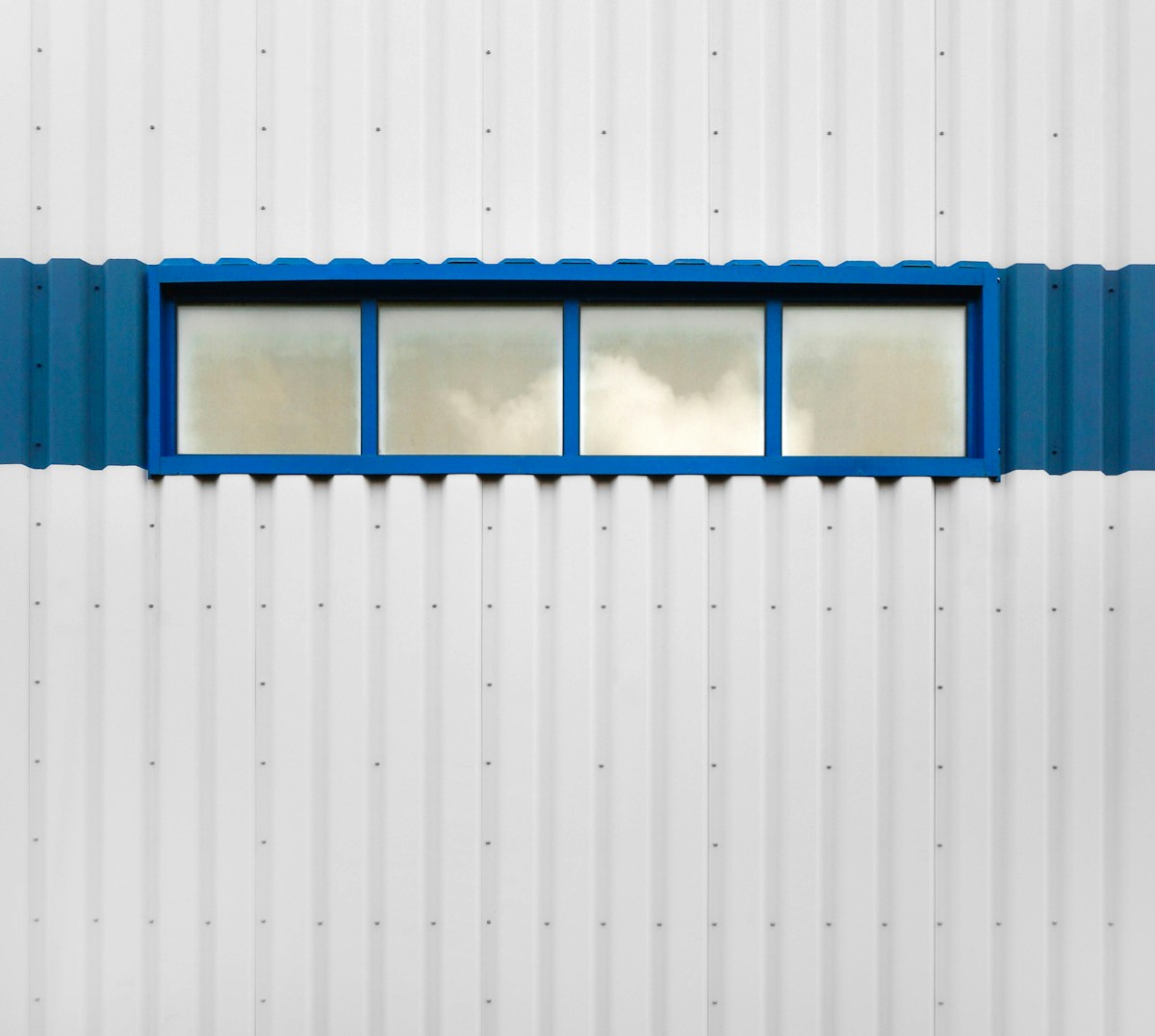
A standard shipping container is not a flat, uniform shell. It is constructed from corrugated steel panels to provide structural rigidity for stacking and transport. From a thermal physics perspective, this corrugation creates a direct, high-efficiency path for heat transfer. Steel has a thermal conductivity of approximately 50 W/(m·K), which is roughly 10,000 times higher than common insulating materials like polyurethane foam. This means the steel acts as a “thermal superhighway,” allowing heat to bypass any insulation layers installed on the interior or exterior surfaces.
When you install rigid insulation boards or spray foam against a corrugated wall, you are effectively creating a bridge at every peak and valley of the steel. In our engineering assessments, we often see contractors placing insulation directly against the steel without accounting for this geometric reality. The result is that the insulation is only effective in the “valleys” between the corrugations, while the steel “peaks” act as radiators, constantly moving thermal energy from the hot exterior to the cold interior (or vice versa). This is not a minor efficiency loss; it is a systemic failure of the thermal envelope.