
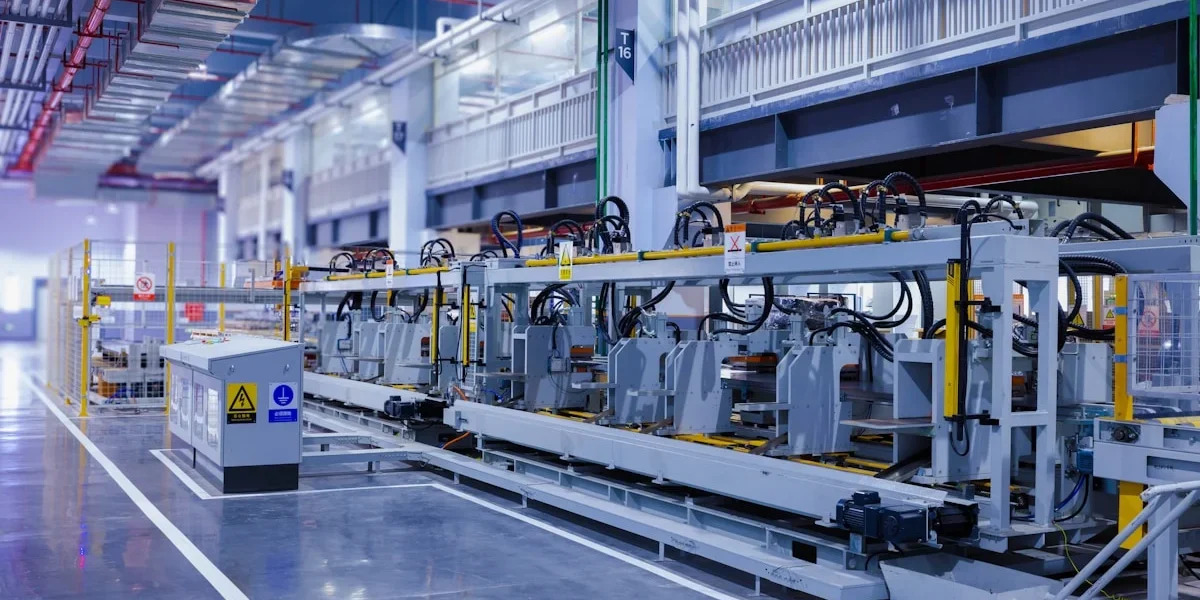
Every procurement team that’s specified insulated metal panels has faced the same moment — staring at a stack of certification documents and wondering which ones actually matter when the AHJ shows up for inspection. The problem isn’t a lack of information. It’s that most manufacturer spec sheets are written to win bids, not to survive code review. When you’re evaluating an Insulated Metal Panel Manufacturer, the difference between a panel that passes and one that doesn’t often comes down to details buried in third-party test reports that nobody reads until it’s too late.
We’ve reviewed fire test documentation for a cold storage project where the panels carried individual core material certifications but failed NFPA 285 compliance at the assembly level — the metal facings had already masked the combustible polyurethane core during initial inspection. The concealed fire spread risk behind those facings is exactly the kind of gap that turns a smooth project into a costly redesign. That’s the gap we’re addressing here.
At RaxPanel, we’ve spent years building the kind of manufacturer that doesn’t leave specifiers guessing. This guide walks through the practical framework we use when evaluating our own supply chain and what we look for in partnership — from verifying ISO 9001 quality systems and factory audit protocols to understanding how PIR and PUR core fire resistance certifications hold up under real test conditions. We’ll also cover how to calculate true landed cost beyond the unit price quote, what production capacity and lead time guarantees look like in practice, and the vendor selection checklist that has protected us from bad supplier relationships on multiple projects. The single most valuable thing you’ll walk away with is a clear, objective framework for evaluating any IMP manufacturer — so you can walk into those procurement conversations with confidence instead of hoping the paperwork checks out.
What Quality Certifications Should You Look For?
Verify that your IMP supplier holds ISO 9001 certification, conducts documented factory audits, maintains raw material traceability, and provides third‑party test reports for every product batch.
When procuring insulated metal panels for commercial, cold‑storage, or transportation projects, quality‑certification verification is the single most effective filter against supplier risk. A manufacturer’s certifications prove that its quality‑management systems, production processes, and testing protocols meet internationally recognized standards. Without that proof, buyers are forced to rely on price alone—a decision that often leads to non‑conforming panels, delayed installations, and costly rework.
ISO 9001 Quality Management System Requirements
ISO 9001 is the global baseline for quality‑management systems. It requires a documented process for design control, production monitoring, corrective actions, and continuous improvement. For IMP manufacturers, ISO 9001 certification signals that every panel produced follows a controlled, repeatable process—not an ad‑hoc workshop operation.
When evaluating a supplier, ask for a current ISO 9001 certificate issued by an accredited body (e.g., BSI, SGS, TÜV). Verify that the certificate covers the exact product lines you intend to order. Some manufacturers hold ISO 9001 for one factory but not for another; ensure your order will come from a certified facility.
Factory Audit and Production Line Verification
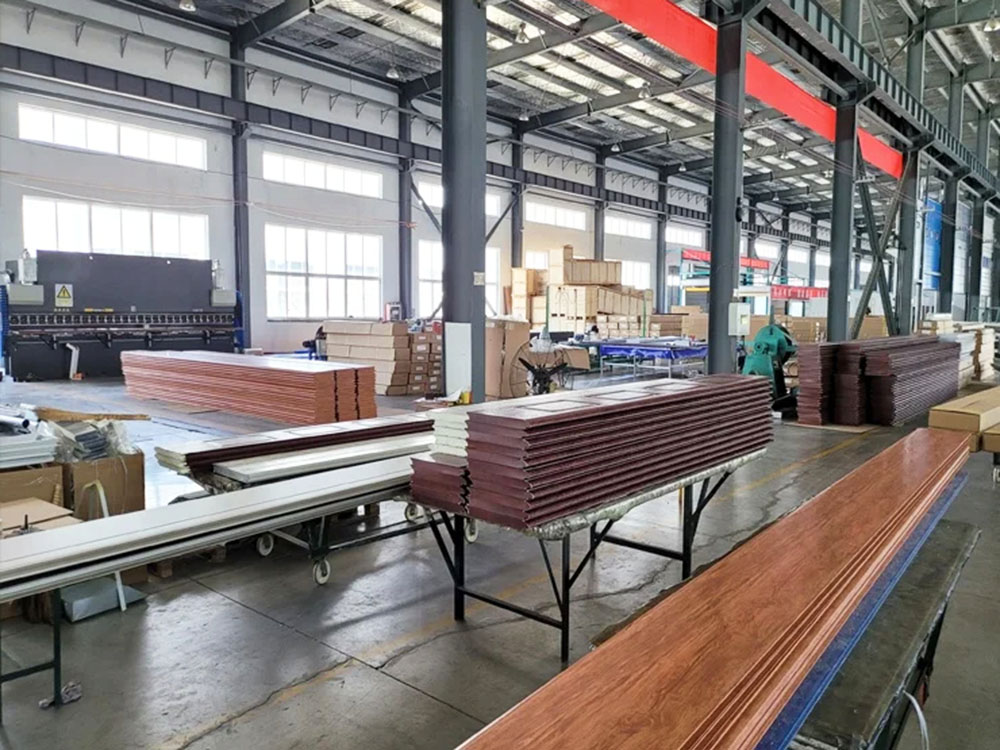
A certificate on paper does not guarantee consistent output. The real test is a physical factory audit. Buyers should verify that the manufacturer owns its production lines, operates advanced composite‑panel equipment, and maintains a clean, organized shop floor. Look for indicators such as automated foam‑injection systems, computerized laminating presses, and in‑line quality‑inspection stations.
Production capacity is another critical audit item. A facility that can produce more than 1,700 square meters of composite panels per day—like our own advanced production line—demonstrates the scale and stability needed for large‑volume orders. Ask for photos or video walkthroughs of the factory if an on‑site visit is not immediately possible.
Raw Material Traceability and Incoming Inspection Protocols
The performance of an insulated metal panel is only as strong as its core and facing materials. A robust raw‑material traceability system ensures that every batch of foam core, fiberglass sheet, aluminum coil, or steel panel can be linked back to its supplier, batch number, and test report.
Look for a documented incoming‑inspection protocol that checks material certificates, performs visual and dimensional inspections, and verifies key properties such as density, compressive strength, and moisture content. Our engineering team requires every core‑material shipment to be accompanied by a mill test report before it enters our production line. If a supplier cannot provide this level of documentation, the risk of hidden defects increases significantly.
- Core Material Traceability: Each batch of XPS, PET, PU, PVC, or PMI foam must have a supplier certificate and an internal incoming‑inspection log.
- Facing‑Material Verification: Aluminum, steel, GRP, and CFRT facings should be inspected for gauge, coating integrity, and surface flatness before lamination.
- Batch‑Level Records: Every finished panel should carry a unique production‑batch number that links back to the raw‑material certificates and in‑process quality checks.
Third‑Party Testing and Product Certification Standards
Independent third‑party testing provides objective proof that a panel meets the performance claims made by the manufacturer. Buyers should request test reports from accredited laboratories (e.g., UL, Intertek, TÜV, or equivalent national bodies) for fire‑resistance, thermal‑insulation, structural‑load, and weathering performance.
For insulated metal panels, common certification standards include ASTM E84 (surface‑burning characteristics), EN 13501‑1 (fire classification), and ISO 12574 (thermal resistance). While specific fire‑rating and thermal‑performance details are covered in other sections of this guide, the key takeaway is that any reputable supplier will have these reports available for review upon request.
At Rax Panel, we submit our composite panels to third‑party laboratories for every new product development and at regular intervals for ongoing production. Our international sales team can provide summarized test reports and, when required, arrange for full‑copy documentation to support your project’s compliance submission. This level of transparency reduces specification risk and accelerates the approval process for architects and contractors.
Fire and Thermal Compliance Standards to Verify
Fire and thermal compliance for sandwich panels requires verifying core combustibility ratings, U-value testing documentation, and regional code alignment before procurement. Always request assembly-level test reports, not just component data.
Fire Rating Classifications for Sandwich Panel Cores
The core material in a sandwich panel is where most fire safety decisions are made. The visible metal or composite facings can create a false sense of security, as they often resist ignition themselves but offer little protection to the insulation behind them. Once a fire breaches the facing, the core becomes the primary fuel source, and the rate of spread depends entirely on its combustibility classification.
Fire rating classifications for sandwich panel cores typically fall into three categories: non-combustible, limited-combustibility, and combustible. Non-combustible cores, such as mineral wool or rockwool, are the gold standard for high-risk applications including cold storage, data centers, and high-rise construction. These materials will not contribute fuel to a fire and maintain structural integrity at extreme temperatures. Limited-combustibility cores, such as certain phenolic or PIR variants, offer a middle ground with controlled burn rates and low smoke production. Combustible cores, including standard PU and XPS foams, carry higher fire loads and require additional protective measures such as fire barriers or intumescent coatings.
Many specifiers request fire ratings based solely on component testing. A core material may carry a non-combustible rating in isolation, but the assembled panel with adhesives, facings, and joints can behave differently under fire conditions. Always demand assembly-level test reports that reflect the complete panel system as it will be installed on site.
Thermal Insulation Performance Documentation and U-Value Testing
Thermal performance documentation is not optional for energy-compliant construction. U-value testing provides the quantitative basis for verifying that a sandwich panel meets continuous insulation requirements under ASHRAE 90.1 and equivalent international energy codes. The U-value represents the rate of heat transfer through the panel assembly, and lower values indicate better insulation performance.
When reviewing thermal documentation, verify that U-values are calculated for the complete panel assembly, including facings, core thickness, and any thermal bridging effects at joints and fasteners. Component-level R-values for the core material alone are insufficient, as they do not account for thermal bridging through metal facings or installation gaps. Reputable manufacturers provide U-value reports from nationally recognized testing laboratories, along with detailed construction specifications that match the reported values.
For cold storage and refrigerated applications, thermal documentation becomes even more critical. Temperature differentials between interior and exterior environments can reach 80°C or more, placing extreme demand on insulation performance. Panels that appear adequate on paper may develop condensation, ice formation, or thermal bypass paths if the U-value calculations do not reflect real-world installation conditions. We ensure that every thermal report we provide is validated against the actual panel configuration, including joint details and mounting hardware, so your specifications match what arrives on site.
Regional Fire Safety Compliance and Building Code Requirements
Fire safety compliance for sandwich panels varies significantly by region, and a panel approved in one jurisdiction may not meet the requirements in another. Building codes in North America, Europe, and Asia each reference different test standards and classification systems. Understanding these differences is essential for global procurement and multi-jurisdictional projects.
In North America, NFPA 285 is the primary test standard for exterior wall assemblies containing combustible insulation. This test evaluates both vertical and lateral fire spread through a full-scale wall assembly, making it one of the most rigorous requirements for IMPs used in commercial and high-rise construction. Panels that pass NFPA 285 testing typically use non-combustible or limited-combustibility cores and are required for buildings above certain height or occupancy thresholds.
European compliance is governed by the Euroclass system, which classifies construction products based on their contribution to fire from A1 (non-combustible) to F (unclassified). A1 and A2 classifications are required for most public and high-rise buildings, while B and C classifications may be permitted for low-risk industrial applications. The distinction matters because A1 materials, such as mineral wool, provide the highest level of fire safety assurance and are often mandated by insurance providers in addition to code officials.
In Asia-Pacific markets, including Japan, South Korea, and Southeast Asia, local building codes often reference ISO or EN standards with region-specific amendments. China’s GB standards, for example, have their own fire classification system that differs from both Euroclass and American UL classifications. For exporters and international contractors, this means verifying that the panel certifications you receive are recognized by the local authority having jurisdiction, not just compliant with your home market’s standards.
PIR and PUR Core Fire Resistance Certification Standards
PIR and PUR cores are among the most commonly specified insulation materials for sandwich panels, and their fire resistance certification standards require careful evaluation. Both materials offer excellent thermal performance per inch of thickness, but their combustibility profiles differ substantially from each other and from non-combustible alternatives.
PUR, or polyurethane foam, is a combustible insulation material that can achieve Class A or Class B fire ratings depending on formulation and thickness. Standard PUR cores emit significant smoke and toxic gases when exposed to flame, which is why smoke density and toxicity testing under ASTM E84 is a critical verification step. PUR panels intended for occupied buildings should always be paired with facings that provide adequate fire resistance and smoke control.
PIR, or polyisocyanurate foam, is a modified variant of PUR with improved fire resistance. The isocyanurate ring structure in the polymer chain provides greater thermal stability and charring behavior that limits flame spread. PIR cores typically achieve better fire ratings than standard PUR at equivalent thicknesses, making them a preferred choice for applications requiring a balance between thermal performance and fire safety. However, PIR is still a combustible material and does not meet non-combustible classification requirements under Euroclass A1 or equivalent standards.
When specifying PIR or PUR cores, verify that the manufacturer provides certification from a nationally recognized testing agency, such as UL, FM Approvals, or BRE Global. These certifications confirm that the panel has been tested as a complete assembly and meets the fire performance claims made in the product literature. We work closely with our engineering team to select core materials that align with your project’s fire safety requirements, and we provide experimental testing support when standard certifications do not cover your specific application parameters.
Smoke and Toxicity Performance in Fire Scenarios
Smoke production and toxicity are often the most overlooked aspects of sandwich panel fire safety. In occupied buildings, smoke inhalation causes more fatalities than direct flame exposure, making smoke density and toxicity ratings essential considerations for interior applications. Panels with combustible cores can generate dense, toxic smoke even when flame spread is controlled, which is why smoke testing under ASTM E84 is a mandatory verification step for most commercial and institutional projects.
The smoke density index and toxicity ratings reported in test documents reflect the panel’s behavior under standardized fire conditions, but real-world performance can vary based on installation quality, joint sealing, and proximity to ignition sources. Panels with gelcoat facings or specialized fire-retardant surface treatments often exhibit lower smoke production, as the facing acts as a barrier that delays core exposure to flame. For cold storage and food processing facilities, where hygiene and cleanability are priorities, gelcoat-faced panels provide both fire safety and surface performance benefits.
Assembly-Level Fire Testing vs Component Testing
Validating fire safety requires looking beyond the core material to the complete installed assembly, as integrated components can fundamentally alter fire propagation dynamics. Although a core may carry a non-combustible rating in isolation, the use of organic adhesives, combustible joint sealants, and thermoplastic penetration facings can create continuous flammable pathways. These vulnerable interfaces often bridge the fire-resistant core, allowing flames to bypass the non-combustible elements and spread rapidly through joints and gaps. Consequently, the presence of a non-combustible core does not guarantee a non-combustible wall assembly, as the systemic fire behavior is ultimately dictated by the weakest link in the construction chain.
When reviewing supplier documentation, distinguish clearly between component test reports and assembly test reports. Component reports describe the fire performance of individual materials in isolation. Assembly reports describe the fire performance of the complete panel system as it will be installed. For high-rise, occupancy-heavy, or code-sensitive applications, assembly-level certification is non-negotiable. We provide both types of documentation for every project and clearly label which reports apply to individual materials and which apply to the complete panel assembly, so your team can verify compliance with confidence.
Thermal Bridging and Continuous Insulation Verification
Continuous insulation compliance requires more than selecting a panel with a high R-value. Thermal bridging through metal facings, fasteners, and panel joints can significantly reduce the effective thermal performance of the building envelope, creating cold spots that lead to condensation, mold growth, and energy loss. ASHRAE 90.1 and International Energy Conservation Code (IECC) require that continuous insulation be installed without significant thermal bypasses, and sandwich panels must be evaluated for their performance as a complete assembly, not just the core material.
CFRT sandwich panels and panels with thermally broken designs offer superior continuous insulation performance compared to standard metal-faced IMPs. The CFRT facing material has lower thermal conductivity than aluminum or steel, reducing heat transfer through the facing itself. When combined with high-performance foam cores such as PET or PIR, these panels can meet strict continuous insulation requirements without the need for additional external insulation layers. We conduct thermal bridging analysis for custom projects to ensure that the selected panel configuration delivers the U-values claimed in the energy compliance documentation.
Verifying Manufacturer Testing Capabilities and Quality Control
The reliability of fire and thermal compliance documentation depends directly on the manufacturer’s testing capabilities and quality control processes. Manufacturers with in-house laboratories and 15 or more years of production experience can validate their product claims through repeated testing and process control. They also have the capacity to conduct custom experimental testing when project requirements exceed standard certification parameters.
When evaluating potential suppliers, request evidence of their testing infrastructure, including accredited laboratory partnerships, in-house testing equipment, and quality control procedures for production consistency. A manufacturer that can demonstrate daily output of 1,700 square meters or more typically has robust quality systems in place, as consistent production requires tight control over core density, facing adhesion, and panel dimensions. These same controls directly affect fire and thermal performance, making production consistency a proxy for compliance reliability.
For projects with unique fire or thermal requirements, ask whether the manufacturer can support custom engineering and experimental testing. Many standard certifications cover common applications, but specialized uses such as data centers, pharmaceutical facilities, or marine vessels may require performance validation beyond existing test protocols. Manufacturers with experienced engineering teams can develop custom solutions and provide the testing documentation needed to satisfy authority having jurisdiction requirements.
Insurance and Risk Management Implications
Fire safety compliance is not only a building code requirement but also an insurance and risk management consideration. Insurance providers increasingly require documented fire performance evidence before issuing coverage for buildings with sandwich panel envelopes, particularly for cold storage, manufacturing, and high-occupancy facilities. Panels that lack proper fire certifications may result in higher premiums, coverage exclusions, or denial of claims in the event of a fire loss.
The cost of non-compliant panels extends beyond insurance. Projects that fail fire safety inspections during construction can face costly redesigns, material replacements, and schedule delays. In some jurisdictions, authorities having jurisdiction will reject panel submittals that do not include complete assembly-level test reports, regardless of the core material’s individual fire rating. Early verification of compliance documentation during the procurement phase prevents these downstream risks and ensures that your project proceeds without regulatory obstacles.
| Compliance_Area | Standard_Risk_Factor | Rax_Material_Solutions | Verification_Requirement | Manufacturing_Advantage |
|---|---|---|---|---|
| Assembly Fire Safety | NFPA 285 (Vertical & Lateral Spread) | Mineral Wool, PIR, PU, PET Foam Cores with Steel/Al/GRP Facings | Validated assembly test reports (system, not just component) | 15+ years manufacturing experience; Custom experimental testing to meet project data standards. |
| Core Combustibility | Non-combustible vs. Combustible Ratings | Rockwool (Non-combustible), Polyiso/Phenolic (Least combustible), XPS/PU (Variable) | Nationally recognized testing agency listings/certifications | Full spectrum of core options; Engineer-led selection to mitigate hidden fire hazards. |
| Thermal Performance | ASHRAE 90.1 / Continuous Insulation (CI) Compliance | PU, PET, XPS Foam Cores; CFRT Sandwich Panels | R-values per inch and thermal bridging performance verification | Customized cost-effective solutions; Own factory ensures consistent insulation quality. |
| Smoke & Toxicity | ASTM E84 / Smoke Density & Toxicity Levels | Mineral Wool cores, Fire-retardant GRP/FRP, Gelcoat Facings | ASTM E84 smoke density index and toxicity ratings | High-quality raw material sourcing; Specialized facings for insulating protection. |
| Structural Integrity | Fire Resistance Ratings & Delamination Risks | Aluminum, Steel, Stainless Steel Facings; Honeycomb Cores | Fire resistance ratings (hourly) per intended application | 1700+ m² daily capacity; Experienced technicians ensuring durable composite bonds. |
Can the Manufacturer Handle Custom Engineering?
Custom engineering is the primary differentiator between a commodity supplier and a strategic partner. It requires deep R&D capabilities and precise material science, not merely the ability to cut standard panels to non-standard lengths.
For complex projects ranging from data centers to specialized refrigerated transport, standard off-the-shelf Insulated Metal Panels (IMPs) rarely suffice. When a buyer asks “Can the manufacturer handle custom engineering?”, they are essentially asking if the supplier possesses the technical depth to deviate from standard catalogs without introducing performance risks or supply chain delays. A true engineering partner integrates research and development directly into the production workflow, allowing for the creation of composite solutions that are lighter, stronger, and more environmentally friendly than standard offerings.
Beyond Standard Dimensions: Material Science Flexibility
Custom engineering extends far beyond modifying width or length. It involves the ability to combine dissimilar facings and core materials to achieve specific structural, thermal, or weight-saving targets. A manufacturer with strong engineering capabilities will not be limited to basic metal skins and polyiso cores. Instead, they should offer a diverse matrix of composite panels, including advanced options like CFRT (Continuous Fiber Reinforced Thermoplastic) and GRP/FRP (Glass Reinforced Plastic) sandwich panels.
When evaluating a supplier’s capacity for customization, investigate their ability to work with specialized core materials. Standard manufacturers may offer limited options, but an expert engineering partner can provide panels utilizing cores such as PET, PU, PVC, PMI, EPP, and MPP foams, as well as structural honeycomb cores like PP honeycomb or aramid honeycomb. The capability to bond these specific cores with varied facings—ranging from aluminum and steel to stainless steel, plywood, or fiberglass—is the litmus test for genuine engineering prowess.
R&D Integration and Production Capacity
Engineering custom solutions is futile if the manufacturer cannot produce them at scale. High-capacity production lines are critical; for instance, a daily production area exceeding 1,700 square meters is often required to ensure that custom-engineered panels do not create bottlenecks in large-scale projects. additionally, the manufacturer must demonstrate a history of production experience—typically 15 years or more—to prove that their custom solutions have been validated in the field over time.
The engineering process must be data-driven. Reputable manufacturers employ teams of engineers who conduct experimental testing to verify that custom composites meet rigorous data standards. This is particularly vital for demanding applications such as marine vessels or industrial equipment, where the panels must perform under stringent environmental conditions. If a supplier cannot provide test data validating the performance of their custom configurations, they are merely guessing, not engineering.
Application-Specific Engineering Solutions
True custom engineering is demonstrated by the ability to tailor products for distinct, high-performance industries rather than forcing a generic building panel into every use case. Buyers should look for a track record of providing specialized solutions for sectors such as:
- RV and Mobile Housing: Engineering panels for walls, roofing, and flooring that prioritize significant weight reduction without compromising structural integrity or insulation.
- Transportation and Logistics: Providing custom designs for refrigerated truck bodies and dry freight vans, including Completely Knocked Down (CKD) solutions that optimize shipping efficiency.
- Specialized Industrial Applications: Developing materials for new energy vehicles, public transit, and medical facilities where specific hygiene, thermal, or strength properties are mandated.
Avoid suppliers that treat “custom” as a synonym for “expensive modification.” A competent manufacturer uses a rich variety of core materials and skins to engineer cost-effective solutions, not merely to upcharge for deviations from their standard stock keeping units (SKUs).
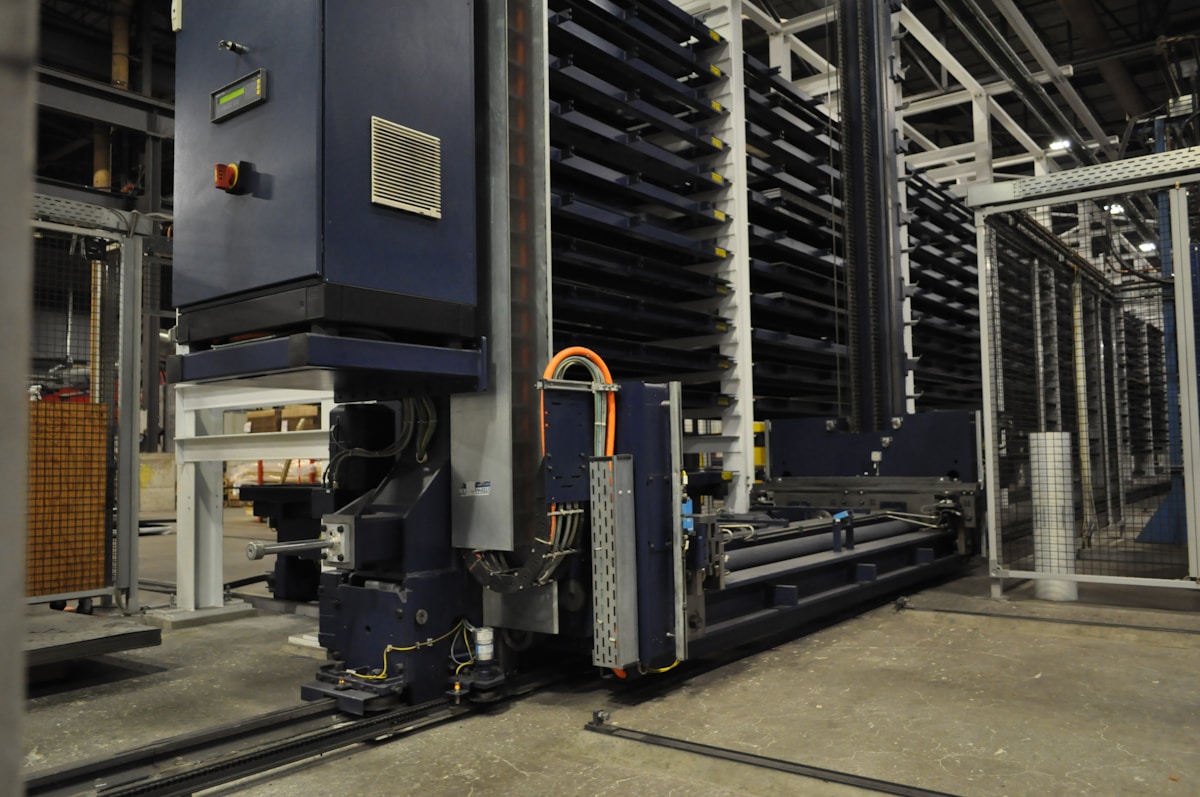
Production Capacity and Lead Time: What to Check
A manufacturer’s daily output capacity and realistic lead time window are the two most critical operational indicators for ensuring project schedules are met. Buyers should verify these numbers directly, not rely on sales estimates alone.
For B2B procurement of insulated metal panels, production capacity and lead time reliability often determine whether a project stays on schedule or faces costly delays. Buyers need to move beyond generic promises and request specific, verifiable data from the manufacturer before committing to an order.
Verifying Daily Production Output
The first step is to understand the manufacturer’s actual daily production area. Reputable manufacturers operate advanced composite panel production lines capable of exceeding 1,700 square meters per day. This figure should be confirmed with supporting documentation, such as production line specifications or recent factory audit reports.
When evaluating output capacity, consider the following metrics:
- Daily panel output (square meters): Request the verified daily production area for the specific panel type and core material required for the project.
- Number of production lines: Manufacturers with multiple dedicated lines can scale output more effectively during peak demand periods.
- Line speed and cycle time: Faster curing cycles for foam cores (PU, PIR, XPS) directly translate to higher daily throughput.
- Shift operations: Factories running two or three shifts can significantly increase weekly output capacity compared to single-shift operations.
Lead Time Realities and Scheduling
Lead time is not a single number — it is a composite of raw material sourcing, production scheduling, quality control hold points, and logistics preparation. A manufacturer claiming a 7-day lead time may not be accounting for incoming material inspection or foam curing requirements.
Typical lead time ranges for insulated metal panels vary by configuration:
- Standard PIR/PUR IMP panels: 15 to 30 days from order confirmation, depending on volume and core thickness.
- Custom-engineered panels: 30 to 45 days, with additional time required for engineering validation and prototype approval.
- High-volume projects (5,000+ square meters): 25 to 45 days, as larger orders require extended production scheduling and may be phased across multiple batches.
- Specialty core materials (PMI, honeycomb): 30 to 60 days, due to longer procurement cycles for specialized core materials.
Red Flags in Lead Time Claims
Certain lead time claims should prompt immediate scrutiny. Unrealistically short timelines often indicate that the manufacturer is either overcommitting capacity or cutting corners on quality control procedures.
- Guaranteed sub-10-day lead times: For standard IMP panels, this is rarely achievable without sacrificing incoming inspection or curing time.
- Vague scheduling language: Phrases like “fast turnaround” or “express delivery” without specific day counts are evasive and unhelpful for project planning.
- No buffer for quality holds: A credible lead time estimate includes time for third-party testing, fire rating certification verification, and dimensional tolerance checks.
- Inability to provide a reference project: If the manufacturer cannot share a recent project with similar volume and timeline requirements, the lead time claim is unverified.
Production Capacity Verification Checklist
Before finalizing a supplier selection, buyers should obtain and verify the following production capacity documentation:
📋 Actionable Steps
- Step 1: Request the manufacturer’s certified daily production area (square meters per day) for the specific panel configuration required.
- Step 2: Ask for a written lead time commitment broken down by production phase — raw material receipt, lamination, curing, QC hold, and packaging.
- Step 3: Verify production line capacity against order volume. For a 3,000-square-meter order, confirm the manufacturer can deliver within the stated lead time without displacing other commitments.
- Step 4: Request references from recent projects with comparable scale and timeline requirements. Contact the reference buyer directly to confirm on-time delivery performance.
- Step 5: Confirm the manufacturer’s policy for delay communication. A professional supplier will proactively notify buyers of any schedule changes within 48 hours, not after the shipment date has passed.
Global Supply Chain and Delivery Reliability
For international buyers, production capacity must be evaluated alongside logistics capability. A manufacturer with strong daily output is of limited value if it cannot reliably manage export documentation, container loading optimization, and freight coordination.
Key indicators of logistics reliability include:
- Export experience by destination region: Manufacturers serving Europe, North America, Southeast Asia, and the Middle East demonstrate familiarity with diverse regulatory and documentation requirements.
- Container loading efficiency: Proper panel stacking and securing procedures maximize container utilization and reduce per-unit freight cost.
- On-time shipment record: A track record of shipping within the committed window across multiple continents indicates mature logistics operations.
- Dedicated international sales support: Manufacturers with multilingual sales and logistics teams reduce communication errors that can delay shipment documentation.
Production capacity and lead time are not sales talking points — they are operational commitments. Verify them with documented evidence, reference project data, and direct manufacturer confirmation before awarding any purchase order.

Supply Chain and Logistics: What Matters Most
The most critical supply chain factor for IMP procurement is not speed alone — it’s predictability. Buyers who lock in delivery timelines with verified shipping infrastructure save 10–15% on total project costs compared to those who treat logistics as an afterthought.
The Real Cost of Supply Chain Friction
Insulated metal panels are heavy, bulky, and time-sensitive. A single delayed shipment can cascade into site idle time, subcontractor rebooking costs, and penalty clauses. For cold storage projects in the USA, where installation windows are often dictated by permit timelines and seasonal labor availability, a 2–3 week delay is not an inconvenience — it is a project-threatening event.
The core question buyers must answer is not “Can the supplier deliver?” but “Can the supplier deliver on time, every time, across multiple shipments, under varying global conditions?” This distinction separates transactional purchasing from strategic procurement.
Logistical Infrastructure: What Separates Reliable Suppliers from Risky Ones
A supplier’s logistical capability is defined by three interconnected pillars: shipping route maturity, container loading optimization, and real-time shipment tracking. Each pillar directly impacts landed cost, delivery certainty, and risk exposure.
- Shipping Route Maturity: Suppliers with established container routes to your target region — whether that is the US West Coast, Gulf Coast, or European ports — have negotiated freight rates, predictable transit times, and contingency alternatives when primary routes are disrupted. A supplier that has shipped to your region for over 50 countries demonstrates route familiarity that directly translates into fewer delays.
- Container Loading Optimization: IMPs are dimensionally large but relatively lightweight. Suppliers that engineer container load plans — maximizing cubic utilization while protecting panel edges and surfaces — can reduce per-unit freight cost by 15–25% compared to suppliers that treat loading as an afterthought. This is where experienced technical teams add measurable value.
- Real-Time Shipment Tracking: Buyers should demand visibility into shipment status from factory gate to port of destination. Suppliers that provide weekly progress updates, bill of lading copies, and container tracking numbers eliminate the uncertainty that drives costly expedited shipping requests and site management stress.
International Shipping Experience: Why It Matters for Data Center and Cold Storage Projects
Data center construction and cold storage facilities share a common logistical demand: large panel volumes delivered in phased shipments that align with structural framing progress. A supplier experienced in international shipping understands that phased delivery is not a luxury — it is a requirement for projects where on-site storage is limited and installation sequencing is critical.
Suppliers serving Europe, North America, Southeast Asia, and the Middle East simultaneously develop a breadth of logistics knowledge that smaller or regionally focused competitors lack. This includes familiarity with import documentation requirements, customs clearance procedures, and regional port congestion patterns — all of which affect lead time accuracy.
For US-based buyers evaluating cold storage IMP suppliers, the ability to navigate US customs documentation (including CBP filing requirements and any applicable Section 232 tariffs on steel products) is a non-negotiable competency. Suppliers without this experience will either absorb the cost internally — potentially compromising on material quality — or pass unexpected charges to the buyer mid-project.
Contingency Planning: The Hidden Differentiator in Supplier Selection
The global supply chain has proven that disruption is the norm, not the exception. Container shortages, port strikes, canal blockages, and raw material shortages can all delay an IMP order. The suppliers who mitigate these risks are the ones that build contingency into their operations before a crisis occurs.
- Dual Sourcing of Core Materials: Reputable manufacturers maintain relationships with multiple foam core suppliers (polyiso, mineral wool, PIR) to ensure production continuity if one material source is disrupted.
- Buffer Inventory for Standard Panels: Suppliers that keep safety stock of commonly specified panel thicknesses and facing combinations can fulfill urgent replacements or change orders without waiting for a new production run.
- Alternative Routing Protocols: Experienced logistics teams pre-plan alternative port assignments and carrier options, reducing response time when primary routes are compromised.
- Multilingual Coordination Teams: Suppliers with professional sales and logistics teams fluent in English, French, Russian, Japanese, and Korean can resolve documentation issues, customs queries, and carrier communications faster than suppliers relying on translation or fragmented communication.
When evaluating a supplier’s logistical capability, request their on-time delivery rate for the past 12 months and ask for references from buyers in your region. A supplier claiming “fast delivery” without verifiable performance data is making an empty promise. The best suppliers track and publish this metric transparently.
Delivery Risk Mitigation: A Buyer’s Checklist
📋 Actionable Steps
- Step 1: Verify the supplier’s international shipping history — how many countries, how many years of experience, and whether they have shipped to your specific region before.
- Step 2: Request a detailed logistics plan for your order, including estimated container load configuration, shipping route, transit time, and port of discharge.
- Step 3: Confirm the supplier’s contingency protocols — what happens if a container is delayed, a port is congested, or customs holds the shipment?
- Step 4: Establish clear communication cadence in the contract — weekly progress reports, tracking updates, and a designated point of contact available during your business hours.
- Step 5: Factor logistics risk into your total landed cost calculation. A supplier with lower unit pricing but poor logistics performance will almost always cost more in the end.
The Connection Between Supply Chain Reliability and Total Cost of Ownership
Buyers who evaluate suppliers solely on unit price frequently underestimate the total cost impact of supply chain weakness. A $2–$5 per square foot difference in panel pricing is negligible compared to the $15,000–$50,000+ cost of a delayed shipment that stalls a cold storage build or a data center interior fit-out.
Supply chain reliability is therefore not a soft or secondary consideration — it is a direct financial variable. Suppliers with 15+ years of production experience, advanced production lines capable of exceeding 1,700 square meters of daily output, and proven global delivery track records offer a level of predictability that protects the buyer’s project timeline and budget. This predictability is what separates a reliable supply chain partner from a commodity vendor.
Do not accept a supplier’s verbal assurance about delivery timelines without written confirmation in the purchase contract. Specify delivery windows, delay penalties, and communication protocols in writing. A supplier confident in their logistics will have no problem committing to these terms on paper.
Warranty and After-Sales Support: What to Expect
Defining Warranty Scope and Duration Standards
In the Insulated Metal Panel (IMP) industry, the warranty serves as the primary financial instrument protecting long-term asset value, particularly for capital-intensive projects like cold storage facilities and data centers. Buyers must distinguish between the aesthetic coating warranty and the structural/thermal performance warranty, as these are often decoupled. Leading manufacturers typically offer a warranty range of 20 to 25 years on the metal facings, specifically covering the integrity of the coating system against chalking, fading, and adhesion loss. However, the core insulation material—whether Polyisocyanurate (PIR), Polyurethane (PUR), or Mineral Wool—may carry a different warranty duration, often ranging from 5 to 20 years depending on the foam chemistry and predicted R-value retention rates. A Strong warranty should explicitly guarantee the thermal performance (R-value) over time, not just the physical integrity of the panel.
The “Fine Print”: Critical Exclusions and Triggers
For B2B buyers, the specific exclusions are often more critical than the coverage. Many warranty claims are denied due to installation errors rather than manufacturing defects. A standard warranty will strictly require that installation be performed by certified or approved applicators. If the general contractor uses an unqualified crew to save on labor costs, the thermal and moisture warranties may be voided immediately. Buyers must scrutinize clauses related to delamination, a failure mode where the skins separate from the core. While structural delamination is typically covered, exclusions often apply to panels damaged by impact, abrasion, or chemical exposure during construction. additionally, warranties generally exclude “Acts of God” but should cover specific failure modes like blistering or core shrinkage that occur under normal operational conditions.
- Installation Compliance: Warranty validity is contingent on adherence to the manufacturer’s detailed installation guide, including fastener spacing and sealant application.
- Water Ingress Exclusions: Failures caused by roof leaks or improper flashing integration not supplied by the panel manufacturer are rarely covered.
- Surface Finish Limitations: Coating warranties often exclude specific color palettes (e.g., bright reds or yellows) that are chemically prone to faster chalking due to UV instability.
Post-Installation Technical Support and Response
For critical infrastructure, the speed and depth of after-sales support are as vital as the panel itself. When a breach occurs in a cold storage facility, every hour of downtime results in significant inventory loss. Buyers should evaluate the manufacturer’s service level agreements (SLAs) regarding technical support. Top-tier manufacturers maintain field-technical networks capable of on-site diagnostics within 24 to 48 hours to assess failures or installation disputes. This support should extend beyond the sales team to include engineers and R&D specialists who can analyze core samples and thermal imaging data to determine the root cause of performance issues. Suppliers serving global markets should offer multilingual support and 24-hour coverage to resolve logistical or technical emergencies across different time zones, ensuring that supply chain interruptions do not become project stoppers.
Assessing Manufacturer Solvency and Longevity
A warranty is effectively a promise of future performance, and its value is directly tied to the issuer’s financial stability over the warranty period. In a market with many composite panel suppliers, a 25-year warranty from a manufacturer with less than a decade of operational history carries inherent risk. B2B procurement teams must verify the manufacturer’s track record, ideally looking for entities with over 15 years of production experience and a established global footprint. A manufacturer exporting to over 50 countries demonstrates diversified revenue streams and supply chain resilience, suggesting a higher probability of honoring warranty obligations decades into the future compared to a localized startup. Always request proof of insurance backing the warranty and check for third-party certifications that validate the manufacturer’s quality management systems, such as ISO 9001, as an indicator of organizational longevity.
How to Calculate Landed Cost for Procurement
Landed cost is the true price of insulated metal panels at your job site — unit price, freight, duties, installation, and compliance bundled into one actionable number. Procurement decisions based on unit price alone routinely underwrite projects at a loss.
Insulated metal panels (IMPs) are heavy, bulky, and typically sourced internationally. The unit price on a quotation is rarely the final number that determines project feasibility. A complete landed-cost model accounts for every cost layer between the factory floor and a weathertight building envelope. Below is the framework that procurement teams and general contractors use to move beyond sticker price and build an underwritable budget.
Freight and Logistics Cost Breakdown by Shipping Method
Shipping method is one of the largest variable cost drivers after the panel material itself. IMPs are low-density, high-volume cargo — a standard 40-foot high-cube container typically holds between 800 and 1,400 square meters depending on panel thickness, core type, and packing configuration. This density profile makes freight cost per square meter a meaningful line item that can shift landed cost by 10 to 25 percent depending on origin and destination.
Full Container Load (FCL) shipping is the standard for most IMP procurements. When a project requires 5,000 square meters or more, consolidating into multiple FCL shipments is almost always more economical than partial container loads. The per-square-meter freight rate drops significantly because the shipper pays for the entire container regardless of whether it is 60 percent or 100 percent full. For smaller projects under 2,000 square meters, Less than Container Load (LCL) shipping becomes an option, but the cost per cubic meter rises sharply due to handling, consolidation, and deconsolidation fees at both origin and destination ports.
- Ocean freight (FCL): Most cost-effective for projects over 3,000 square meters. Rates fluctuate with global container availability, fuel surcharges, and route congestion.
- Ocean freight (LCL): Viable for smaller orders but carries a premium per cubic meter and longer transit variability due to consolidation scheduling.
- Rail or domestic trucking: Applies when panels are sourced from a domestic or regional manufacturer, eliminating ocean freight entirely and reducing transit time to days rather than weeks.
- Extreme shipping costs typically render air freight uneconomical for insulated metal panels, restricting its use to prototype deliveries or urgent restocking needs. Expedited air freight: Rarely economical for IMPs due to extreme cost per kilogram; only considered for emergency restocking or prototype orders.
Incoterms directly determine where freight cost responsibility shifts from seller to buyer. FOB (Free on Board) places ocean freight, marine insurance, and destination-port charges on the buyer. EXW (Ex Works) places virtually all logistics cost on the buyer from the factory gate onward. CIF (Cost, Insurance, and Freight) includes ocean freight and insurance to the destination port but still leaves import clearance and inland delivery to the buyer. Procurement teams should compare quotes on the same Incoterm basis to avoid apples-to-oranges comparisons.
Customs Duties and Import Tariff Impact on Panel Pricing
Import duties and tariffs can add a significant and unpredictable cost layer, particularly for insulated metal panels sourced from manufacturing regions subject to trade remedies. Many jurisdictions impose anti-dumping duties, countervailing duties, or Section 232-type tariffs on steel and aluminum products, which directly affect the metal facing components of IMPs. These duties are assessed on the customs value of the shipment and can range from zero to 25 percent or more depending on the country of origin and the specific HS classification applied.
The Harmonized System (HS) code assigned to insulated metal panels determines the base tariff rate. Panels are typically classified under HS 7308 (structures and parts of structures of iron or steel) or HS 6810 (articles of stone or ceramic), though the exact classification can vary by jurisdiction and core material. Misclassification is a common risk — importing under an incorrect HS code to reduce duty exposure can trigger audits, penalties, and shipment holds at customs. Engaging a licensed customs broker during the procurement phase is essential for accurate classification and duty optimization.
- Base import duty: Applied to the customs value; rate varies by HS code and trade agreements in effect between exporting and importing countries.
- Anti-dumping duties: Additional tariffs imposed on specific countries or manufacturers found to be selling below fair market value; can add substantial cost on steel-faced panels.
- Countervailing duties: Applied to offset government subsidies provided to foreign manufacturers; frequently paired with anti-dumping duties on steel products.
- Merchandise processing fees: Small percentage-based fees charged by customs authorities for handling and processing imports; typically 0.1 to 0.5 percent of customs value.
- VAT or GST: Value-added tax applied at import; recoverable in many jurisdictions for commercial purchases but still impacts cash flow timing.
Free trade agreements (FTAs) and preferential trade programs can materially reduce or eliminate duty exposure. For example, panels manufactured in a country with a FTA partnership with the importing nation may qualify for reduced tariff rates when proper origin documentation is provided. Procurement teams should verify FTA eligibility before placing orders, as the paperwork requirements — such as supplier declarations or certificates of origin — must be satisfied at the time of import to claim the preferential rate.
A seemingly attractive unit price from a low-cost manufacturing region can evaporate once anti-dumping duties, freight surcharges, and customs brokerage fees are applied. Always calculate landed cost before selecting a supplier — never let unit price drive the decision alone.
Volume Discount Structures and Tiered Pricing Models
Insulated metal panel pricing is rarely linear. Manufacturers and distributors typically structure volume discounts to reward larger orders, but the discount curves vary significantly across suppliers and product lines. Understanding these structures is critical for budget optimization — a 5 to 8 percent volume discount on a $200,000 panel order is a materially different financial outcome than the same percentage on a $2,000,000 order.
The most common volume discount model is tiered pricing based on total square meterage or total order value. A typical structure might offer no discount below 2,000 square meters, a 3 to 5 percent discount between 2,000 and 5,000 square meters, a 6 to 10 percent discount between 5,000 and 15,000 square meters, and customized pricing above 15,000 square meters. However, these thresholds are illustrative — they vary by manufacturer, core material, and market conditions. Always request the manufacturer’s current volume pricing schedule and confirm whether discounts apply to the base panel only or include accessories and custom finishes.
- Quantity tiers: Discount brackets based on total ordered area; larger orders receive proportionally lower per-unit costs.
- Repeat-order discounts: Some manufacturers offer pricing incentives for buyers who place multiple orders within a defined period, rewarding supply chain consistency.
- Material-specific pricing: PIR and PUR cores may have different discount curves than EPS due to varying raw material costs and manufacturing complexity.
- Custom vs. standard: Custom colors, profiles, and thicknesses often carry a premium that reduces or eliminates the volume discount applicable to standard products.
- Accessory bundling: Some suppliers include trim, flashings, and sealants at reduced or zero marginal cost when ordered alongside the primary panel quantity.
For multi-phase projects or developers with a pipeline of similar buildings, negotiating a blanket purchase agreement (BPA) can lock in pricing and volume discounts across multiple orders over a 12 to 24-month period. BPAs provide budget certainty, protect against raw material price volatility, and often include priority production scheduling. The trade-off is a commitment to minimum purchase quantities; buyers should model their projected demand conservatively to avoid penalty clauses for falling short of agreed volumes.
Total Cost of Ownership Beyond Unit Price Calculation
The most expensive IMP is not the one with the highest unit price — it is the one that generates the largest total cost of ownership (TCO). Unit price is a snapshot; TCO is the full financial narrative across the project lifecycle. Procurement teams that evaluate only the quoted panel price routinely overlook cost drivers that dwarf the material line item, particularly installation labor, compliance risk, and lifecycle performance.
Installation labor is the single largest post-material cost component in most IMP projects. Industry data consistently shows that installation labor accounts for approximately 40 to 60 percent of the total supply-and-install budget. This ratio is driven by the skill level required for proper panel alignment, seam sealing, and weathertight detailing — work that cannot be rushed without compromising building envelope performance. Projects with complex architectural detailing, significant penetration density (dock doors, louvers, windows, equipment openings), or challenging access conditions (tall buildings, constrained sites) will see labor costs at the upper end of this range.
The cost-safety trade-off is a recurring dilemma in IMP procurement. Budget constraints often push specifiers toward lower-cost panels with combustible cores, creating a false economy. While the upfront material savings may be 10 to 20 percent, the downstream costs are substantial: higher fire insurance premiums, potential non-compliance with local building codes, mandatory additional fire-stopping measures, and increased liability exposure. In cold storage and data center applications — where fire risk from electrical systems and thermal management equipment is elevated — this trade-off carries especially high stakes. The long-term cost of a fire incident, including business interruption, replacement, and regulatory penalties, far exceeds any upfront material savings.
- Installation labor: Typically 40 to 60 percent of total supply-and-install cost; varies by region, building height, penetration complexity, and panel orientation.
- Compliance and certification: Fire rating documentation, U-value testing reports, and third-party certifications may require additional testing fees or modified panel specifications to meet local code requirements.
- Insurance and risk: Combustible core panels may carry higher insurance premiums; non-compliant installations can result in failed inspections, rework, and coverage denial.
- Energy performance: Panel R-value and U-value directly affect HVAC sizing and operating costs over the building lifecycle; under-specifying insulation increases long-term energy expenditure.
- Warranty and lifespan: Higher-quality panels with robust coating systems and validated core performance typically deliver longer service lives and stronger warranty coverage, reducing replacement and repair costs.
- Maintenance and repair: Panel systems that resist thermal bridging, moisture ingress, and coating degradation require fewer repairs and maintain performance longer.
A disciplined TCO analysis requires a side-by-side comparison of at least three qualified proposals, each evaluated on the same cost framework. The comparison should include landed material cost, estimated installation cost based on project-specific conditions, compliance-related expenses, and projected lifecycle energy and maintenance costs. This approach shifts the procurement conversation from “which panel is cheapest” to “which panel delivers the lowest total cost over the building’s operational life.”
Request a complete landed-cost breakdown from each supplier before evaluating proposals. A quote that appears 15 percent cheaper on unit price may be 5 percent more expensive on a landed-cost basis once freight, duties, and compliance costs are included. Always compare on a like-for-like Incoterm and specification basis.
Practical Framework for Landed-Cost Estimation
Building a reliable landed-cost model requires gathering specific project parameters before soliciting quotes. The estimation process begins with the building envelope area, panel specifications (thickness, core type, facing gauge, color), and delivery location. From there, each cost component is layered systematically to produce a total project cost that can be underwritten with confidence.
📋 Actionable Steps
- Step 1: Define panel specifications — thickness, core type (PIR, PUR, or EPS), facing material and gauge, color, and profile — based on thermal, fire, and aesthetic requirements.
- Step 2: Obtain material quotes from at least three manufacturers on the same Incoterm basis (preferably FOB or CIF) with identical specifications to ensure comparability.
- Step 3: Calculate freight costs based on estimated container requirements, shipping route, and current freight rates; include marine insurance if not covered by the seller.
- Step 4: Determine applicable duties, tariffs, and customs fees using the correct HS classification and current trade policy; engage a customs broker for accuracy.
- Step 5: Estimate installation costs based on project-specific factors — building height, penetration density, regional labor rates, and panel orientation — using historical data or subcontractor quotes.
- Step 6: Factor in compliance costs — third-party testing, certification, and any specification modifications required to meet local building codes.
- Step 7: Compare total landed cost and TCO across all proposals; select the option that delivers the best value, not the lowest unit price.
The disciplined application of this framework separates informed procurement from reactive purchasing. In a market where material costs fluctuate with steel and petroleum prices, freight rates shift with global supply chain conditions, and trade policy changes with geopolitical events, the only reliable defense is a complete and transparent landed-cost model. Procurement teams that invest the time to build and maintain this model consistently achieve better project outcomes — on budget, on schedule, and in compliance.
| Cost Component | Critical Variables | Estimation Formula | Rax Commercial Advantage |
|---|---|---|---|
| Base Material Pricing | Panel thickness (2″-6″+), Core type (PIR/PUR/EPS), Facing gauge | Unit Price ($/sqm) × Total Area (Adjusted for R-value requirements) | 15+ years manufacturing expertise; 1,700+ sqm daily output ensuring high-volume availability for EPS, PUR, and PIR cores. |
| Fabrication & Finishes | Color coatings (Standard vs. Custom), Profile depth, Special metal requirements | Base Material Cost + Custom Finish Premium + Tooling Charges | Flexible customization for 50+ countries; ability to deliver diverse aesthetic and thermal specifications tailored to project needs. |
| Logistics & Duties | Shipping distance (China to Destination), Volume (CBM), Incoterms (FOB/EXW) | Manufacturing Cost + Ocean Freight + Marine Insurance + Local Tariffs/Duties | Established global supply chain; efficient export handling to Europe, North America, Southeast Asia, and the Middle East. |
| Installation & Labor | Building height, Access conditions, Regional labor rates (Union/Open Shop) | Labor Rate ($/hr) × Total Hours (Typically 40-60% of total budget) | Prefabricated precision reduces on-site fabrication; ready-to-install panels accelerate dry-in schedules and lower labor dependency. |
| Accessories & Contingency | Trim, Flashings, Sealants, Fasteners, Cutting waste (End laps) | (Material + Accessory Cost) + 5-10% Waste Allowance Factor | Detailed engineering takeoffs minimize material surplus; precise panel dimensions reduce waste and accessory requirements. |
A Practical Vendor Selection Checklist
Transforming subjective price comparisons into objective capability assessments is the only way to mitigate risk in large-scale procurement.
Production Capacity and Daily Output Verification
Procurement teams must demand proof of production capacity rather than accepting theoretical maximums. A vendor’s ability to deliver 50,000 square feet of panels per week is irrelevant if their current utilization rate is at 98% with other backlog. Buyers should request current production schedules and line allocation data to ensure their project timeline aligns with actual manufacturing availability.
- 🏷️ Category: Operational Capability
- 🎯 Core Outcome: Schedule Certainty
Analysis:
✅ Advantages
- Ensures material availability for fast-track projects requiring just-in-time delivery.
- Provides support for volume discounts if the buyer can fill unused production slots.
- Reduces dependency on third-party brokers by establishing direct line access.
⚠️ Considerations
- High-capacity factories may prioritize larger national accounts over regional projects.
- Verified capacity does not always equate to consistent quality control across all shifts.
Custom Engineering and Material Selection Capabilities
Standard panels rarely satisfy the specific demands of complex projects like data centers or cold storage facilities. A qualified vendor must demonstrate the ability to engineer custom solutions, whether that involves modifying the foam core chemistry for lower Global Warming Potential (GWP) or adjusting steel thicknesses for specific wind load requirements. Evaluation should focus on the vendor’s engineering team depth and their proficiency with both Polyisocyanurate (Polyiso) and Mineral Wool cores to meet varying fire safety codes.
- 🏷️ Category: Technical Flexibility
- 🎯 Core Outcome: Specification Compliance
Analysis:
✅ Advantages
- Enables precise matching of R-values and U-factors to local energy codes.
- Solves unique architectural geometry challenges without resorting to expensive field modifications.
- Facilitates the selection of fire-rated cores for high-occupancy or hazardous storage environments.
⚠️ Considerations
- Custom engineering often requires longer lead times for design approval and tooling setup.
- Niche specifications may carry premium pricing compared to commodity panel stocks.
Global Delivery Track Record and Supply Chain Reliability
For international procurement, the manufacturer’s ability to deliver intact panels is just as important as the product quality. Insulated panels are susceptible to damage from moisture and impact if not packaged and loaded correctly. Buyers should verify the vendor’s experience with Incoterms, their standard packing protocols (such as steel crate usage vs. cardboard), and their history of clearing customs in the destination country without regulatory holds.
- 🏷️ Category: Logistics Management
- 🎯 Core Outcome: Damage-Free Arrival
Analysis:
✅ Advantages
- Streamlined customs documentation reduces the risk of port demurrage charges.
- Specialized export packaging minimizes job-site waste from damaged goods.
- Established freight forwarding partnerships can lead to lower shipping rates per container.
⚠️ Considerations
- Overseas shipments extend the total project lead time, requiring advanced procurement planning.
- Addressing warranty claims for damaged goods is more complex across borders and time zones.
After-Sales Support and Technical Assistance Availability
The relationship with the vendor does not end at the loading dock. Installation errors, particularly regarding joint sealing and thermal bridging, are the primary cause of envelope failures. Manufacturers that provide detailed installation manuals, submittal drawings, and access to technical support staff help ensure the field crew executes the design correctly. Since proper installation can reduce construction times by about 50% compared to multi-material systems, vendor support directly impacts the general contractor’s bottom line.
- 🏷️ Category: Project Success
- 🎯 Core Outcome: Installation Integrity
Analysis:
✅ Advantages
- Immediate access to engineers resolves on-site ambiguities without stalling the crew.
- Validated installation methods protect the long-term warranty validity of the panel system.
- Training resources and certification programs improve the skill level of the installation crew.
⚠️ Considerations
- Language barriers can impede effective communication of technical details in real-time.
- Highly responsive support may be a premium service tier not included in the base panel price.
Conclusion
The right insulated metal panel manufacturer gives you verified certifications, transparent landed costs, and engineering support that doesn’t disappear after the sale. ISO 9001 documentation, third-party fire and thermal test reports, and raw material traceability are non-negotiable.
Our engineering team regularly supports buyers during the specification phase. Questions about polyiso versus mineral wool cores or total cost of ownership? We’re happy to provide technical guidance. Here’s what to verify before committing:
- Request ISO 9001 certificates and third-party fire and thermal test reports
- Confirm custom engineering capabilities and ask for similar project examples
- Ask for a full landed-cost breakdown including freight and volume discounts
- Verify warranty terms and after-sales technical support availability
Frequently Asked Questions
How do IMPs compare to traditional stick-built systems?
IMPs combine structural cladding and insulation into a single installed component, significantly reducing construction time compared to traditional multi-layer stick-built walls and roofs. They deliver superior airtightness and eliminate thermal bridging that commonly occurs with separate insulation and cladding assemblies. This integrated approach also reduces on-site labor costs and improves overall building envelope consistency.
How do I choose the right core material for my project?
Core selection depends on your priorities: PIR offers the best fire resistance and thermal performance, PU provides a cost-effective balance, and XPS delivers strong moisture resistance for ground-contact applications. Honeycomb cores excel where structural rigidity and minimal weight are critical, such as in transportation and marine use. Match the core to your fire code requirements, thermal targets, and environmental exposure conditions.
Can combustible IMP cores pose a concealed fire risk?
Yes, foam-core IMPs such as PU and XPS can allow fire to spread horizontally behind metal facings if the core lacks adequate fire-rated certification. This concealed spread risk is why PIR-core panels with verified fire resistance ratings are preferred for high-risk and high-rise applications. Always verify that the core material carries independent fire testing certification before specification.
Are IMPs suitable for cold storage and refrigeration?
Yes, IMPs with closed-cell foam cores such as PIR and PU are widely used in cold storage and refrigerated environments due to their excellent thermal insulation and moisture resistance. These panels maintain consistent internal temperatures while resisting condensation and thermal degradation. RaxPanel produces specialized panels for refrigerated truck bodies and cold chain applications, ensuring performance under demanding thermal conditions.
What long-term performance issues should I plan for?
IMPs can experience facings degradation, sealant failure, and core moisture ingress over decades if not properly specified and installed. Select panels with UV-resistant gelcoat or coating systems and verify long-term thermal performance data from the manufacturer. A comprehensive warranty covering both material defects and performance degradation provides the strongest protection for building owners over the panel lifespan.
How can I verify a manufacturer’s project track record?
Request specific project references from clients in your region and ask for contact details to confirm delivery quality and after-sales responsiveness. Review exported project documentation, including shipping records and installation photos, to validate international experience. A manufacturer with 15+ years of production experience and supply relationships across 50+ countries demonstrates proven global delivery capability.