
Specifying an insulated metal panel manufacturer requires looking past the marketing gloss at the raw engineering data. High-rise projects in exposed zones face wind loads exceeding 3.0 kN/m², a figure that separates cladding that protects from cladding that fails. RaxPanel builds with that specific load reality in mind, focusing on the core material science that secures a building envelope against pressure and thermal loss.
We analyze how core materials like PIR and PET differ in fire resistance and compressive strength, helping you align specifications with strict building codes. The guide includes a project selection checklist to identify potential supply chain and certification gaps before procurement begins. You will finish with a clear framework to vet suppliers, ensuring your project meets its timeline without risking safety compliance.
How Core Materials Affect Performance
The core material is the single most decisive factor in panel performance—dictating thermal resistance, fire behavior, and structural capacity. Selecting the wrong core compromises the entire assembly, regardless of facing quality.
Thermal Efficiency of PU, PIR, and PET Cores
Thermal performance in sandwich panels is fundamentally governed by the insulating properties of the core material and its cellular structure. Polyurethane, polyisocyanurate, and polyethylene terephthalate foams all deliver closed-cell architectures that resist conductive heat transfer, but their efficiency profiles differ meaningfully across temperature ranges and service lifespans.
PU foam remains the baseline standard for general-purpose insulation. Its thermal resistance is reliable and well-documented, making it the default choice for dry freight applications where extreme temperature retention is not critical. The blowing agents trapped within the closed cells provide steady R-values that hold relatively stable over the panel’s service life under normal conditions.
PIR represents a chemical upgrade over standard PU. The isocyanurate ring structure formed during polymerization creates a more thermally stable matrix that resists thermal degradation better than pure polyurethane. This translates to higher initial R-values and slower performance decay over decades of service. For cold storage and refrigerated transport where thermal efficiency directly impacts operating costs, PIR is the engineered choice.
PET foam occupies a different position in the thermal performance spectrum. While its absolute R-value per inch may not surpass PIR in laboratory conditions, PET delivers consistent thermal performance with the added advantage of being fully recyclable and environmentally compliant. For specifiers working under ESG mandates or green building certification programs, PET’s thermal credentials paired with its sustainability profile make it increasingly attractive for architectural and mobile applications.
Our engineering team evaluates thermal efficiency not just on paper specifications but through real-world testing across temperature cycles. We found that panels specified for refrigerated truck bodies require cores that maintain insulation performance under repeated thermal shock—something PET and PIR both demonstrate, while standard PU can show gradual decline in extreme cold-chain environments.
Fire Resistance Ratings for PIR vs. Polyurethane
Fire performance is where core material selection becomes a compliance and safety imperative, not merely a technical preference. The distinction between PIR and PU under fire conditions is significant and directly affects building code approval, insurance requirements, and liability exposure.
PIR’s isocyanurate-rich molecular structure gives it inherently superior fire resistance compared to conventional polyurethane. When exposed to flame, PIR tends to char and form a protective carbonaceous layer that slows further degradation, rather than melting and dripping like standard PU. This self-limiting combustion behavior is what enables PIR cores to achieve higher classifications under EN 13501-1 and ASTM E84 testing protocols.
PU foam, while still combustible, typically achieves lower fire ratings than PIR variants. In high-rise facade applications or structures with strict fire compartmentation requirements, specifying PU where PIR is required can create compliance failures that are costly to rectify after construction begins. The fire rating gap between these two materials is not marginal—it is a fundamental performance difference rooted in chemistry.
For industrial buildings, safety-critical structures, and any application governed by stringent international fire codes, PIR is the defensible specification. Our quality assurance protocols include batch-level fire testing to verify that every production run meets the declared classification. We have encountered projects where incorrect core specification led to rejected inspections—avoiding that risk starts with getting the material right at the source.
It is also worth noting that PIR and PU are not the only fire-responsible options. Mineral wool cores deliver non-combustible performance at the A1/A2 level and are the appropriate choice when fire safety supersedes thermal weight considerations. The selection depends on the application’s priority hierarchy: thermal efficiency, fire rating, or structural weight.
Compressive Strength in Honeycomb vs. Foam Structures
Structural performance under compression and bending loads is determined by the core’s geometric architecture as much as its material composition. Honeycomb and foam cores operate on fundamentally different mechanical principles, and understanding this distinction is essential for correct application matching.
Honeycomb cores derive their strength from geometric efficiency rather than bulk material density. The hexagonal cellular structure distributes compressive and shear loads across the entire panel face, creating an exceptional strength-to-weight ratio. This is why honeycomb panels are the default choice for high-rise facades, marine vessels, and structural applications where every kilogram of weight savings translates into meaningful performance or cost advantages.
Foam cores, by contrast, provide uniform compressive resistance throughout their volume. While they may not match the specific strength of honeycomb structures, they offer consistent load distribution across the entire panel surface without stress concentration points. This makes foam-core panels highly effective for flat-sheet applications, flooring substrates, and situations where point-load resistance and impact tolerance are prioritized over maximum stiffness.
The hybrid approach—combining honeycomb cores with foam layers—represents one of the most sophisticated solutions in composite panel engineering. In our facility, we engineer hybrid cores that place structural honeycomb where load-bearing capacity is critical while integrating insulated foam zones for thermal performance. This approach delivers both stiffness and insulation without forcing a compromise between the two.
When evaluating compressive strength claims from manufacturers, always verify the testing standard and the core thickness. A 25mm honeycomb panel and a 50mm panel will show dramatically different performance curves, and specifications should be compared at equivalent thicknesses. Our technical team provides load-deflection data for every core configuration we produce, ensuring that your structural calculations are based on actual tested performance rather than generic manufacturer claims.
| Core Material | Performance Traits | Technical Specs | Application Focus | Rax Advantage |
|---|---|---|---|---|
| Aluminum Honeycomb | Non-combustible, High Stiffness | Fire Rating A1/A2, Superior Wind Load Resistance | High-rise Facades, Architectural Cladding | Proprietary Closed-Edge Integration eliminates water ingress and corrosion risks. |
| Mineral Wool (Rockwool) | Fire Resistant, Acoustic Dampening | ASTM E84 Class A Fire Rating, High Temperature Tolerance | Industrial Buildings, Safety-Critical Structures | Guaranteed compliance with strict international fire safety codes. |
| PIR & PU Foam | High Thermal Efficiency, Airtight Seal | R-values up to R-8 per inch, 30–50 Year Lifespan | Cold Storage, Refrigerated Trucks, Data Centers | Hybrid Core solutions combine insulation with structural strength for cost optimization. |
| PP / Fiberglass Honeycomb | Lightweight, High Strength-to-Weight Ratio | >100 MPa Tensile Strength (GRP), 60% Weight Reduction | RV Solutions, Marine Vessels, Mobile Homes | Custom engineered for moisture resistance and durability in harsh environments. |
| XPS / PET Foam | Waterproof, Economical Insulation | Closed-Cell Structure, Daily Output >1,700 m² | Dry Freight Truck Bodies, General Industrial Panels | High-capacity production line enables fast turnaround and volume discounts. |
Define What Your Project Needs
Before soliciting bids, establish a “Project Performance Baseline.” Defining precise U-values, wind load capacities, and coating standards upfront eliminates ambiguity, prevents scope creep, and ensures suppliers quote apples-to-apples solutions.
Specifying Thermal Performance and U-Value Targets
Energy codes globally are tightening, making the specification of thermal transmittance (U-value) a critical starting point. Do not rely on generic terms like “high insulation”; you must define a numeric target, typically expressed in W/m²K, dictated by your local building code or green building standards (LEED, BREEAM).
For aluminum honeycomb panels, remember that the metal skin conducts heat (thermal bridging). To meet aggressive U-value targets (e.g., < 0.35 W/m²K), a pure honeycomb core may be insufficient. In our engineering experience, we frequently utilize Hybrid Core technologies, bonding structural honeycomb with insulating foam cores like XPS, PET, or PU. This approach maintains the panel’s rigidity while significantly boosting thermal resistance. When drafting your spec, clearly state the required U-value and allowable thermal bridging factors to ensure the proposed core density and thickness are adequate.
Omitting the specific U-value often leads suppliers to quote standard stock panels which may fail compliance checks, resulting in expensive retrofitting or change orders later in the project lifecycle.
Determining Structural Load and Wind Resistance Needs
For high-rise buildings or exposed facades, wind load is the dominant structural factor. You must determine the design wind pressure (measured in kN/m² or psf) based on the building height, location, and terrain category. High-rise applications often require panels to withstand wind loads ranging from 1.0 kN/m² to over 3.0 kN/m².
Specify the maximum allowable deflection limit (commonly L/180 or L/240 of the span) to prevent visual distortion or glass breakage in curtain wall systems. A thinner panel might be cheaper, but if it deflects excessively under wind load, the flatness of the facade will be compromised. We address this by manufacturing panels with specific core densities and skin thicknesses tailored to the span. Additionally, to combat long-term geometric stability, we employ a proprietary Closed-Edge Honeycomb Integration process. This seals the panel edges, preventing moisture ingress and corrosion of the core—a common failure point that compromises structural integrity in coastal or high-humidity environments.
Selecting Metal Facings for Durability and Aesthetics
The skin selection dictates both the visual outcome and the lifecycle cost. Simply specifying “Aluminum” is insufficient. You must define the alloy grade (typically AA3003 or AA5005 for architectural applications) and the coating system. For exterior facades, PVDF (Polyvinylidene Fluoride) coatings with a minimum resin content of 70% are the industry standard for color retention and chalk resistance. Specify the coating thickness (minimum 25-30 microns for primers + topcoats) to ensure warranty validity.
- Alloy Selection: AA3003 offers excellent formability, while AA5005 provides higher strength for anodized applications.
- Coating Performance: Specify PVDF for harsh UV environments; Polyester (PE) may be acceptable for interior or sheltered applications but carries higher maintenance risks.
- Surface Finish: Decide between standard solid colors, metallics, or specialty finishes like stone or timber patterns. Note that metallic finishes may require specific coating thicknesses to avoid “mottling” or uneven appearance.
By defining these parameters upfront, you enable the manufacturer to optimize the panel structure—adjusting core thickness and skin gauge—rather than over-engineering with unnecessary material weight, which directly impacts your project budget and structural support requirements.

What to Look for in IMP Manufacturers
Sourcing insulated metal panels (IMP) requires looking past the price tag to verify the manufacturer’s ability to deliver consistent, high-quality composite solutions at scale. You need a partner that integrates R&D, design, and production under one roof to mitigate supply chain risks.
Manufacturing Depth and Production Consistency
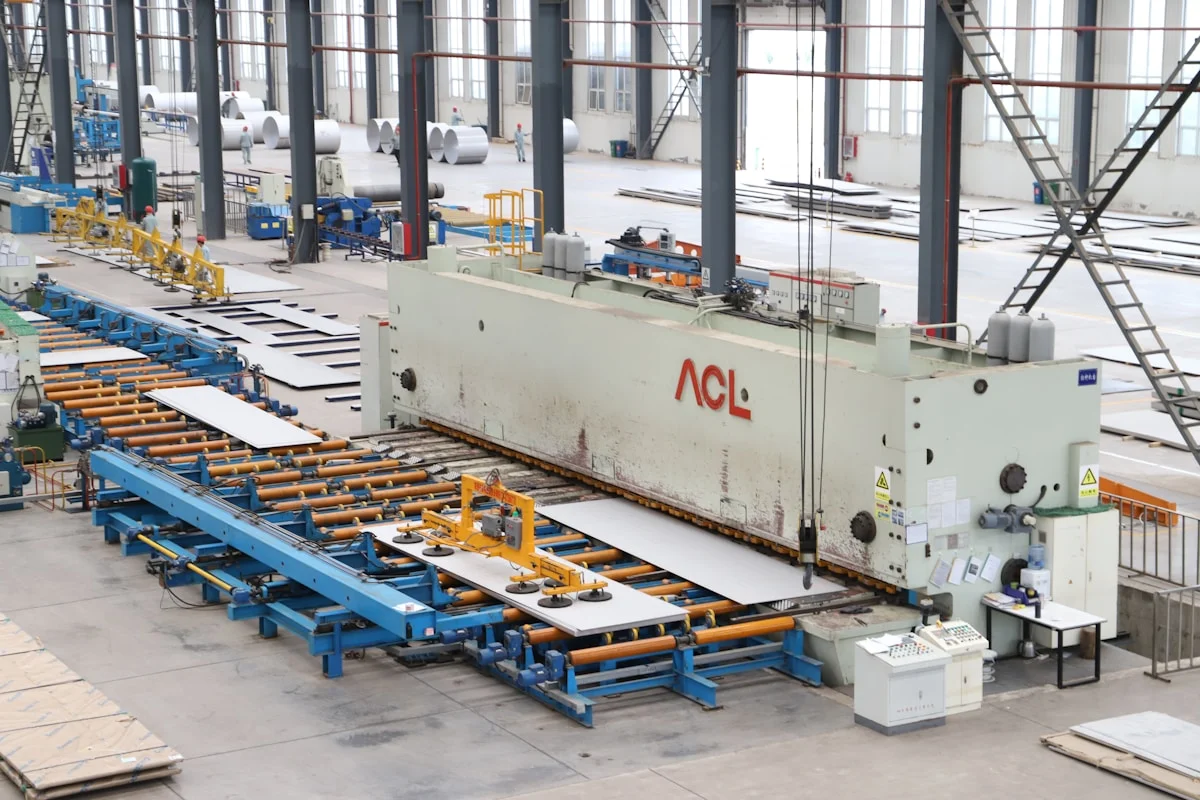
Production capability serves as the primary filter for vetting potential manufacturers. A reliable supplier is not merely an assembler; they are a vertically integrated manufacturer with control over their entire output. In this industry, experience matters significantly. Manufacturers with over 15 years of production experience have typically navigated the complexities of composite bonding and thermal lamination, ensuring they can handle the specific tolerances required for high-performance applications.
You should demand transparency regarding production capacity. A facility with an advanced composite panel production line capable of exceeding 1,700 square meters of daily output demonstrates the ability to handle large-scale commercial projects without bottlenecking. High-volume consistency is critical; variations in panel thickness or lamination quality can derail installation schedules and compromise structural integrity.
Verify if the manufacturer owns their factory. Third-party traders often lack visibility into the actual production process and quality control measures, leading to inconsistencies in the final product delivered to your site.
Technical R&D and Customization Capabilities
Standard off-the-shelf solutions rarely meet the specific demands of modern industrial or architectural projects. The ideal manufacturer operates as a technology company, integrating research and development directly into their offering. Look for a supplier that employs a professional design team and experienced technicians who can perform experimental testing to meet stringent data standards.
This is particularly crucial when specifying advanced materials. A top-tier manufacturer should offer a diverse portfolio, such as CFRT (Continuous Fiber Reinforced Thermoplastic) Sandwich Panels and GRP/FRP Sandwich Panels, with multiple core options including XPS, PET, PU, and PVC. The ability to customize cost-effective composite materials by mixing and matching specific skins and cores—like fiberglass plywood panels or non-slip honeycomb panels—indicates a deep technical understanding of material science rather than simple fabrication.
- Material Mastery: Ensure the supplier provides high-quality raw materials and can engineer solutions for demanding conditions, such as marine-grade vessel solutions or refrigerated truck bodies.
- Design Support: The best manufacturers provide installation guides and design solutions, ensuring the panels are engineered for the specific load and thermal requirements of your project.
Global Supply Chain and Service Standards
For B2B procurement, the manufacturer’s logistics footprint is as important as their product quality. A supplier serving a global network—spanning Europe, North America, Southeast Asia, and the Middle East—demonstrates that they have navigated international compliance and shipping complexities. This global presence often correlates with a resilient supply chain that can buffer against raw material shortages.
Assess their service infrastructure. A professional international sales service team that offers 24-hour one-to-one support in multiple languages (including English, French, and Russian) is a strong indicator of a mature export-oriented manufacturer. This level of service is essential for managing production progress updates, cost reduction strategies, and eliminating transportation risks across different time zones.
Be wary of quotes that lack transparency on final pricing and certification documentation. Suppliers who cannot readily provide third-party test data or detailed specs for core density and adhesive quality are high-risk partners for large-scale contracts.
Compare IMP Quality and Standards
Comparing IMP quality requires a structured evaluation of core material integrity, verified certification portfolios, and manufacturing transparency — not just price per square meter.
Understanding the Comparison Framework
A meaningful comparison of insulated metal panels begins with recognizing that two panels with identical exterior dimensions can perform radically differently under real-world conditions. The critical variables are core chemistry, facing material gauge, joint system engineering, and the depth of third-party testing behind each product. Buyers who skip these layers often find performance gaps only after panels arrive on site and fail inspection.
The comparison framework rests on three pillars: material authenticity, certification depth, and production consistency. Material authenticity means confirming that the core density, cell structure, and adhesive systems match what the supplier claims. Certification depth means moving beyond a single fire rating label to verify that every tested value — from compressive strength to thermal resistance — was measured by an accredited laboratory. Production consistency means understanding whether the manufacturer controls its own production line or sources from fragmented subcontractors, which directly affects lot-to-lot variability.
Evaluating Core Material Integrity
The most common misconception in this market is that all composite sandwich panels perform alike. This assumption overlooks a fundamental engineering difference: honeycomb cores and foam cores operate on entirely different structural principles. A properly engineered aluminum honeycomb core distributes load across a three-dimensional cellular lattice, delivering high stiffness at minimal weight. A polyethylene or standard foam core relies on bulk material density, which increases weight without proportionally increasing rigidity. Specifiers who treat these as interchangeable often end up with panels that meet cost targets but fail structural or fire performance requirements.
Verifying core integrity requires more than reading a product data sheet. Independent buyers should request core density values measured in kilograms per cubic meter, cell size specifications for honeycomb structures, and adhesive type documentation. These numbers reveal whether a supplier is using genuine engineering-grade materials or substituting lower-cost alternatives that degrade over time. Core delamination under thermal cycling is one of the most costly failure modes, and it almost always traces back to insufficient adhesive quality or improper bonding pressure during manufacturing.
Verifying Certification Documentation
Certification is not a single document but a portfolio of test results that must align with the project’s jurisdictional requirements. ASTM E84 covers surface burning characteristics and is the standard reference for U.S. building codes. EN 13501-1 provides the European fire classification system, which uses a different rating structure and must be referenced for projects in Europe or those specifying Euroclass compliance. FM Approvals and UL listings address property insurance and loss prevention standards that many large commercial owners require independently of building code minimums.
NFPA 285 fire propagation testing is particularly critical for exterior wall assemblies in mid-rise and high-rise construction. Panels that pass individual component tests can still fail NFPA 285 if the full wall assembly — including insulation, flashing, and joint details — allows flame spread between stories. Buyers should confirm whether the certified panel rating applies to the panel alone or to a tested wall assembly configuration, because the distinction determines whether additional fire blocking is required on site.
Regulatory gaps frequently appear in two forms. First, some suppliers provide fire rating labels that are outdated or do not correspond to the exact panel configuration being delivered. Second, evolving code cycles mean a panel that was compliant under a previous edition of the International Building Code may not meet current requirements. Professional buyers cross-reference the certification date, the tested panel thickness, and the applicable code edition before committing to a purchase order.
Assessing Manufacturing Transparency
Sourcing genuine composite panels from international manufacturers introduces a transparency challenge. Preliminary quotes often omit critical cost components such as testing fees, certification documentation, customs compliance, and packaging specifications. A panel priced at approximately $700 per sheet may look competitive until the total landed cost is calculated, and even then, the absence of documented quality controls raises questions about what the buyer is actually receiving.
Manufacturing transparency can be evaluated through several observable indicators. A facility that produces panels on its own continuous production line can provide batch-level test reports, raw material traceability, and consistent dimensional tolerances. A sourcing agent or trading company cannot, because the actual production data resides with an unknown third party. Buyers should request photos or video walkthroughs of the production floor, ask about daily output capacity, and confirm whether quality inspections are performed at each production stage or only at final shipment.
- Raw material traceability: Verify that core and facing materials arrive with mill certificates and that the supplier retains lot numbers for the life of the project.
- In-process quality checks: Panels should undergo bond strength testing, thickness verification, and visual inspection before curing is complete, not only after packaging.
- Third-party audit access: Reputable manufacturers welcome facility audits from qualified buyers or their representatives, especially for orders exceeding standard thresholds.
- Documentation completeness: A complete shipment package should include test reports, installation guides, warranty certificates, and material safety data sheets in the project’s required language.
Price-Performance Trade-offs in International Sourcing
One variable that has reshaped the IMP market in recent years is the availability of FM-rated panels from international manufacturers at a price point significantly below domestic alternatives. This pricing difference is real and worth analyzing, but it should not be treated as a simple discount. The lower price reflects differences in labor costs, regulatory overhead, and supply chain structure — not necessarily inferior quality. However, it also introduces variables that domestic buyers must evaluate carefully, including shipping lead times, replacement part availability, and the enforceability of warranty claims across borders.
The smart comparison does not ask whether international panels are cheaper. It asks whether the total value — including certified performance, documentation reliability, and long-term supplier support — justifies the sourcing decision. Buyers who focus exclusively on unit price often encounter hidden costs in project delays, certification gaps, or field failures that far exceed the initial savings.
FAQ
What is the fastest way to verify whether an IMP supplier’s certifications are legitimate?
Request the certification number and cross-reference it directly on the issuing laboratory’s public verification portal. ASTM, UL, FM Approvals, and Euroclass certification bodies all maintain searchable databases. If a supplier provides a certificate number that does not appear in the official database, treat it as a red flag regardless of how professional the document looks.
How do honeycomb cores differ from foam cores in terms of structural performance?
“For high-rise facades, honeycomb structures are preferred for their ability to significantly reduce dead load while maintaining stiffness. According to the Golden Data, honeycomb cores can reduce facade weight by up to 60% compared to solid aluminum panels, making them a critical choice for structural efficiency. Foam cores, while simpler to manufacture, rely on bulk material density to achieve strength, which adds weight without proportional structural gain. When evaluating suppliers, always verify that the quoted core type matches the certified performance data and that the weight reduction claims are backed by laboratory testing.”
Why do some IMP quotes appear significantly lower than market averages?
Low quotes often reflect one or more of the following: omission of certification and testing costs, use of non-engineered core materials, thinner facing gauges than specified, or trading company markup layers that obscure the actual manufacturer. A detailed line-item comparison between quotes is essential before making a purchasing decision.
What certification should an exterior IMP panel hold for NFPA 285 compliance?
Validation of NFPA 285 compliance hinges on verifying that the certification encompasses the entire wall assembly. Buyers should confirm that the supplier’s certification covers the full configuration — including insulation type and joint details — and that the test was conducted by an NFPA-recognized laboratory.
How can a buyer verify core density and cell size before placing a large order?
Request the manufacturer’s core specification sheet, which should list density in kg/m³ and cell size in millimeters. For honeycomb cores, cell wall thickness and aperture dimensions are also critical indicators of engineering quality. If the supplier cannot provide these values or deflects the request, it suggests the product may not meet the specified performance tier.
| Quality Standard | Industry Baseline | Rax Specification | Strategic Advantage |
|---|---|---|---|
| Fire Rating & Core Safety | Standard PIR/PUR cores; frequent confusion between A1 and A2 fire classifications. | Mineral Wool (ASTM E84 Class A), PIR & PU, and Aluminum Honeycomb options. | Proprietary Closed-Edge Honeycomb eliminates water ingress; ensures strict code compliance. |
| Structural Strength | Standard steel skins prone to deformation under high wind loads (1.0–3.0 kN/m²). | GRP/FRP panels with >100 MPa tensile strength; biomimetic cellular core. | Superior coastal durability; withstands extreme wind pressure and humidity without warping. |
| Weight-to-Performance Ratio | Heavy traditional materials; standard R-values (approx. 5.5–8.0 per inch). | Up to 60% weight reduction; Hybrid Core (XPS, PET, PU) for superior insulation. | Reduces structural steel costs; optimizes budget with high cost-performance ratios. |
| Manufacturing Capacity | Fragmented supply chains; inconsistent quality control; variable lead times. | Vertically integrated facility; >1,700 sqm daily output; 15+ years experience. | Direct manufacturer pricing; cost optimization; reliable global logistics (50+ countries). |
| Technical Support | Limited after-sales support; generic installation guidance. | 24-hour multilingual support; experimental testing for precise ratings. | Custom engineering validation; end-to-end partnership for complex specifications. |
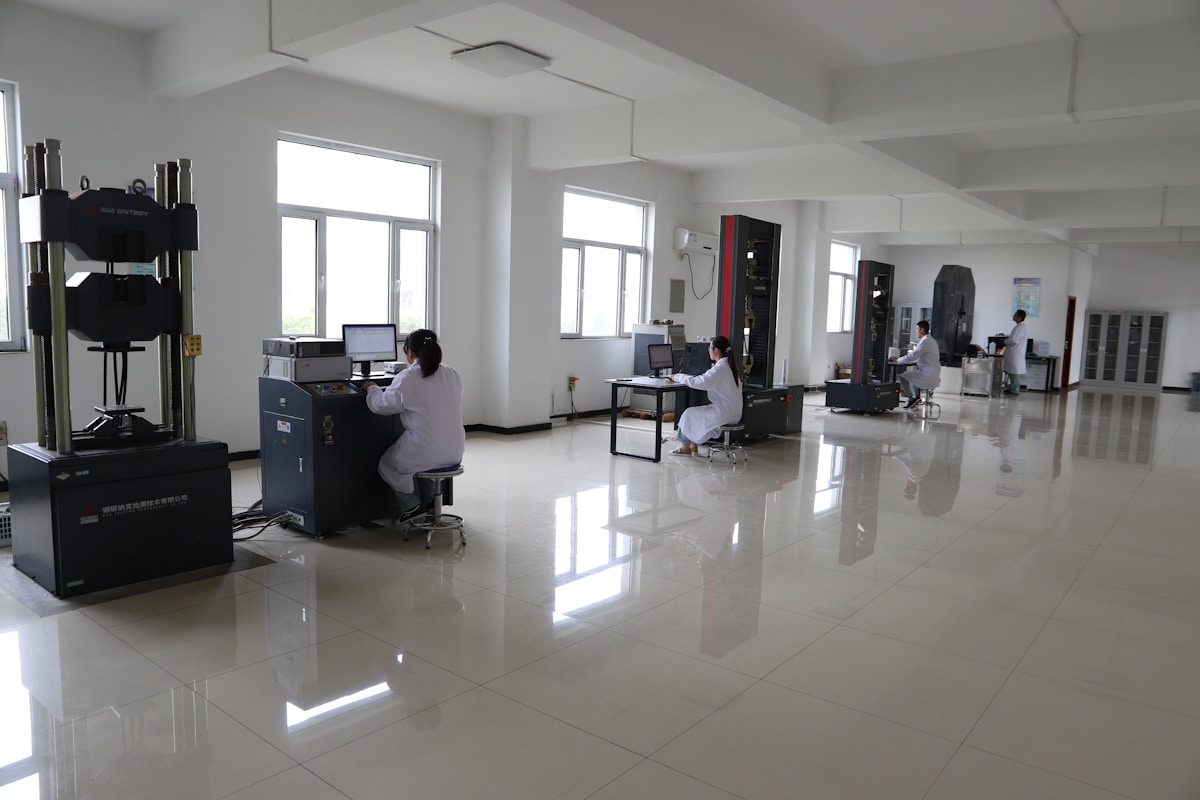
Check Fire Ratings and Structural Performance
Fire classification and structural validation are the two non-negotiable checkpoints before any insulated metal panel procurement. Misreading EN 13501-1 ratings or underestimating wind load demands leads to specification failures that are costly to fix after installation.
Decoding Fire Classifications: A1 vs. A2 vs. B
The EN 13501-1 standard governs fire classification across Europe and international markets, yet misinterpretation of its classes remains a leading cause of specification errors in facade and wall panel projects. The gap between A1 and A2 ratings is often blurred in procurement conversations, and the consequences of that confusion are not theoretical.
Class A1 designates a material as fully non-combustible. It contributes nothing to fire development and is the required standard for high-rise residential, healthcare, and egress-critical assemblies where building codes mandate zero fuel contribution. Class A2 indicates limited combustibility. The material may contain small organic fractions but must meet strict smoke and flaming droplet thresholds. Class B allows higher combustibility and is typically restricted to lower-risk or internal applications.
Many specifiers conflate fire-resistant ACP cores with truly non-combustible honeycomb or mineral cores. A panel marketed as “fire-resistant” may only carry a B or C rating. Always request the full EN 13501-1 test certificate and verify the classification level stated on the official report, not the marketing sheet.
The distinction matters most for exterior wall cladding and curtain wall systems. A2-s1, d0 and A1 classifications are frequently required by authorities having jurisdiction for buildings above a certain height. Specifying a panel with an A2 rating where A1 is mandated creates a compliance gap that can halt inspections and delay project handover.
Validating Wind Load and Structural Performance
For high-rise and exposed facade applications, wind load capacity is the structural parameter that separates a specification from a failure. Design wind pressures in coastal or elevated urban environments routinely reach 1.0 to 3.0 kN/m², with gust loads pushing beyond those values during extreme weather events. The panel must resist these forces without excessive deflection, core shear failure, or facing delamination.
Aluminum honeycomb and fiberglass honeycomb cores deliver high specific stiffness because the cellular geometry transfers shear loads efficiently across the panel span. The facing material and bond quality determine whether that theoretical stiffness translates into real-world performance. A panel with a weak adhesive interface may pass short-term load tests but degrade under cyclic wind pressure over time.
- Deflection limits: Most structural specifications require panel deflection to stay below L/150 under design wind load to prevent glazing interface failure and facade distortion.
- Core shear strength: Honeycomb cores typically provide shear strengths between 0.5 and 2.0 MPa depending on cell size and wall thickness, directly influencing span capacity.
- Temperature cycling: Panels installed in climates with wide thermal swings must maintain bond integrity across -40°C to +80°C ranges without core compression or facing buckling.
- Long-term creep: Foam cores such as XPS and PU can experience compressive creep under sustained load. Honeycomb and PMI foam cores demonstrate superior resistance to time-dependent deformation.
Structural validation should not rely on manufacturer claims alone. Request third-party test reports that document the specific panel configuration being supplied, including facing gauge, core type, core density, adhesive system, and overall thickness. A test report on a 25 mm panel does not automatically validate a 50 mm panel from the same product line, as span capacity and deflection behavior change with thickness and core density.
Matching Ratings to Project Requirements
The most reliable approach is to work backward from the building code and the structural engineer’s wind load analysis rather than selecting a panel and then checking whether it meets the requirements. Start with the occupancy type, building height, and facade location to determine the minimum fire classification. Then calculate or obtain the design wind pressure for the specific elevation and exposure category.
When comparing panels from different suppliers, request a side-by-side comparison table that includes EN 13501-1 fire class, core shear strength, compressive strength, deflection under design load, and thermal resistance. This eliminates ambiguity and gives your structural engineer the data needed for final approval.
For projects requiring A1-rated facades, mineral wool core panels or panels with non-combustible facing and core combinations are the standard choice. Where weight reduction is critical and A2 compliance is sufficient, aluminum honeycomb or GRP honeycomb panels with PIR or PET cores provide strong structural performance with significantly lower dead load than solid metal or mineral alternatives. The trade-off between fire classification and structural efficiency should be evaluated against the specific code requirements for each building elevation.
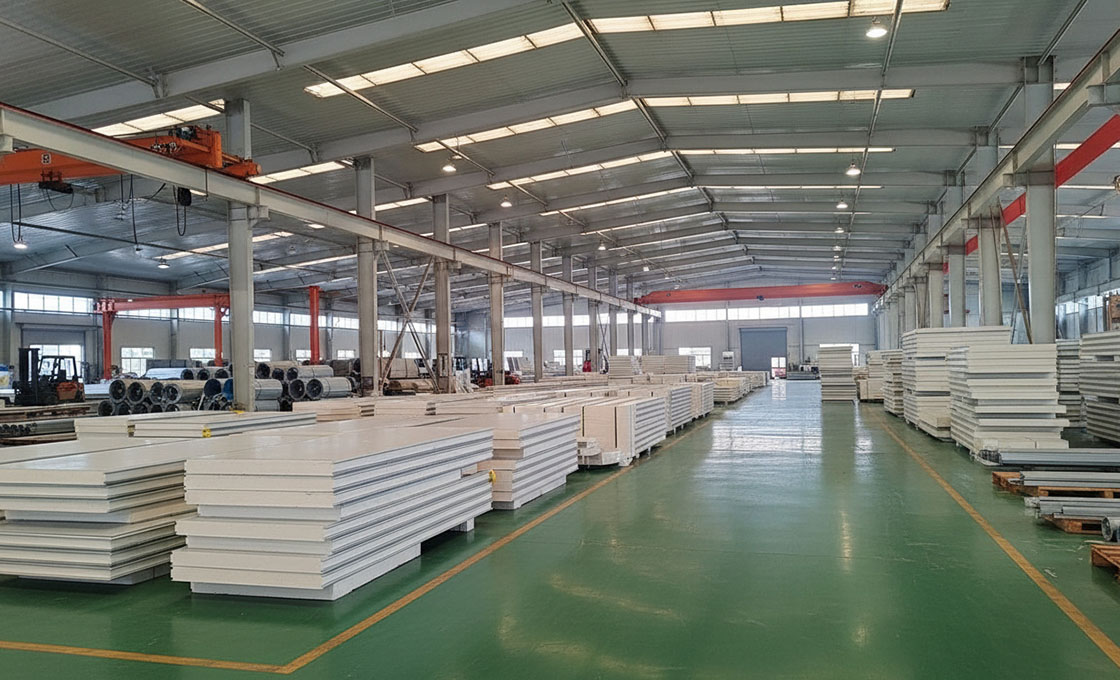
Use This Project Selection Checklist
A project selection checklist serves as the primary firewall against specification creep and non-compliance in facade engineering. It forces a shift from aesthetic preferences to performance-based procurement, ensuring that every panel proposed by a supplier physically withstands the specific environmental loads of the build site. This matrix is essential for high-stakes environments where the penalty for failure—be it fire safety breaches or structural deformation under wind load—far outweighs the initial material cost, making it a non-negotiable tool for serious B2B buyers.
Technically, the checklist must demand validation data for the “Big Three” performance vectors: fire reaction, structural rigidity, and thermal efficiency. For high-rise applications, the checklist must require the specific EN 13501-1 classification (A1, A2, or B) based on building height codes, explicitly rejecting generic “fire-resistant” claims that lack certification. It should also mandate wind load calculations matching local standards—typically requiring panels to withstand pressures ranging from 1.0 to 3.0 kN/m²—accompanied by deflection limit data (usually L/180 or L/240) to ensure geometric stability is maintained. Furthermore, thermal verification must cross-reference declared U-values with insulation thickness and core conductivity, ensuring the proposed system meets energy codes without relying on optimistic theoretical gaps.
Key Takeaways
- Eliminates Compliance Risk: Ensures all materials meet specific local fire and structural codes before procurement begins.
- Validates Structural Integrity: Forces suppliers to provide proof of performance against high wind loads (1.0–3.0 kN/m²) and deflection limits.
- Clarifies Cost vs. Value: Highlights why premium materials (like A1-rated cores) are necessary for specific high-risk applications.
- Data Intensive: Requires buyers to review and interpret technical test reports and engineering calculations.
- Upfront Time Cost: Extends the pre-qualification phase but significantly reduces downstream change orders.
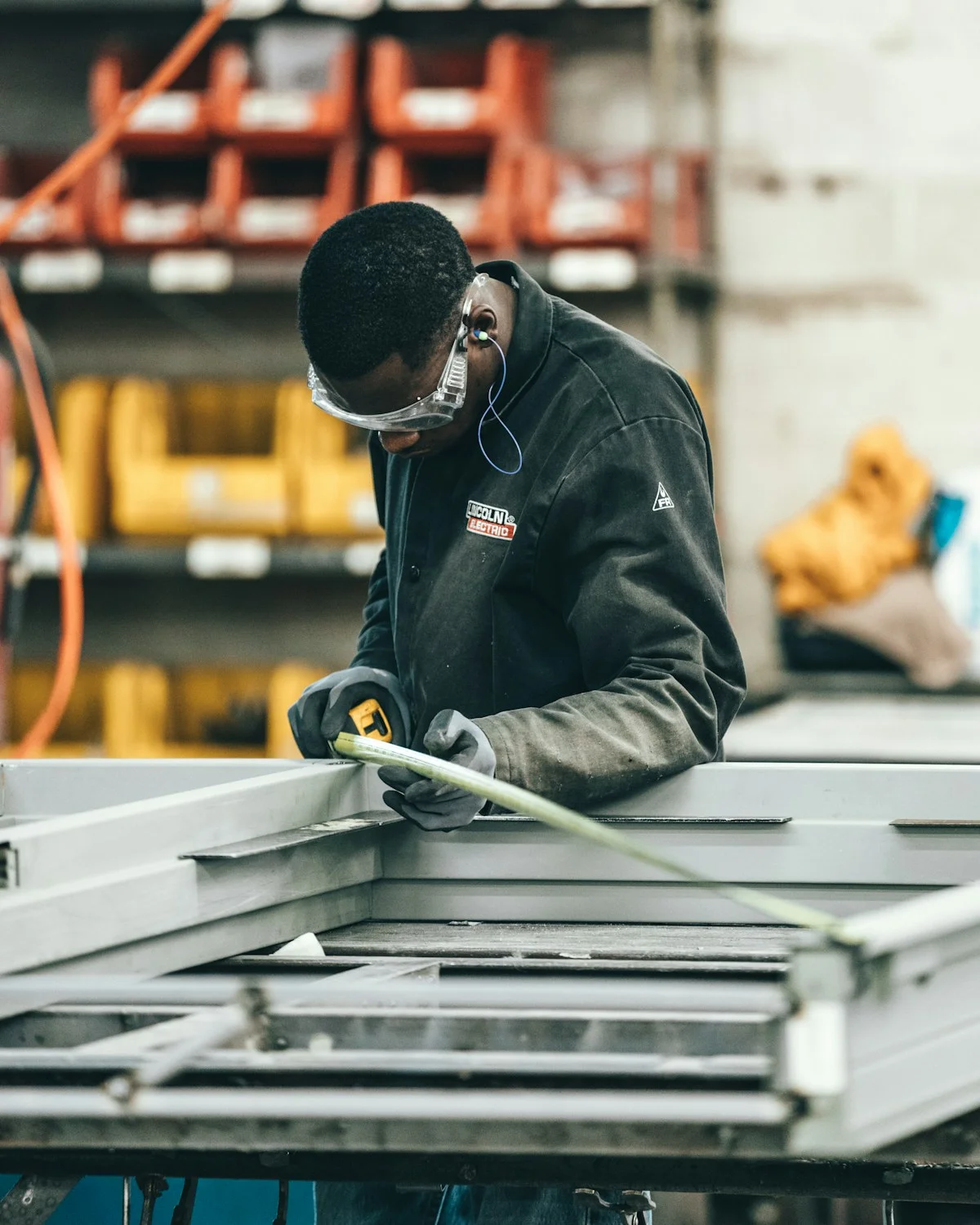
Spotting Red Flags with IMP Manufacturers
Inconsistent Quality Control and Traceability Protocols
The first major red flag in the insulated metal panel (IMP) supply chain is the inability to demonstrate a rigorous Quality Control (QC) process. For B2B buyers, especially those procuring lightweight composite wall panels for high-rise structures, the stakes are structural integrity and safety. A reliable manufacturer must not only claim to adhere to standards but must prove it through traceable batch numbers and documented raw material inspections. If a supplier cannot provide a clear paper trail verifying the origin of their skins and cores, this indicates a high risk of material substitution. For example, leading manufacturers typically utilize advanced continuous production lines and monitor every square meter for flatness and lamination integrity. Be skeptical of operations that lack ISO certification or cannot provide detailed factory audit reports showing their daily production capabilities and consistency measures.
Ambiguous Technical Specifications and Core Material Definitions
A critical warning sign is the use of vague terminology when describing product composition. The market misconception that “all composite panels are equal” often stems from suppliers obscuring the specific nature of the core and facing materials. When sourcing custom aluminum honeycomb panel specifications, a red flag is the failure to specify exact cell size, core density, and adhesive type. For instance, a supplier offering merely “honeycomb panels” without distinguishing between PP honeycomb, aluminum honeycomb, or fiberglass-reinforced cores is likely cutting corners on performance specs. Similarly, in facade applications, vague fire safety ratings are a dealbreaker. If a provider cannot differentiate between the thermal conductivity and fire resistance of PIR vs. PU cores with precise R-value data or EN 13501-1 classification documentation, they are attempting to pass off lower-grade materials as architectural-grade solutions.
Lack of Third-Party Verification and Testing Data
In the IMP industry, internal “trust us” data is insufficient. A significant red flag is the absence of third-party test reports validating structural and thermal claims. High-performance projects require verification of compressive strength, specifically in honeycomb vs. foam structures, to ensure the panels can withstand wind loads and physical impact. Reputable manufacturers readily share lab results detailing peel strength, water absorption rates, and thermal bridging coefficients. If a supplier hesitates to provide independent test data or relies on generic datasheets that do not match the specific configuration you are ordering (e.g., providing data for a 50mm core when you are buying a 100mm core), it suggests they have not validated their product’s performance under stringent conditions.
Opaque Pricing Structures and Quoting Practices
Financial transparency is a strong indicator of a manufacturer’s reliability. A common red flag is receiving a preliminary quote, often attractive at first glance, that lacks detail on final pricing, shipping logistics, and certification documentation costs. For wholesale composite sandwich panels, the difference between a delivered price and an Ex-Works (EXW) price can be substantial. Suppliers who obscure Incoterms or refuse to itemize costs for custom engineering, packaging, or freight are signaling potential budget overruns later. Furthermore, be wary of pricing that seems too good to be true for high-spec materials like CFRT or specialized foam cores (PMI, PET); this often indicates the use of recycled or substandard raw materials that compromise the panel’s longevity and weather resistance.
- Documentation Void: Inability to produce Mill Test Certificates (MTC) for metal facings or raw material data sheets for core foams.
- Vague Certifications: Claiming “fireproof” status without specifying the exact standard (e.g., ASTM E84 vs. EN 13501-1) or the specific rating (Class A vs. Class B).
- One-Size-Fits-All: Offering identical panel specifications for vastly different climates or load requirements, rather than engineering solutions based on project-specific data.
- Communication Gaps: Delayed responses to technical inquiries or inability to connect the buyer with an engineer to discuss structural load and wind resistance needs.
Expert Insight: A manufacturer with high-capacity advanced lines (exceeding 1,700 square meters daily) and deep R&D integration will proactively offer detailed technical dossiers. If you have to drag technical compliance data out of them, you are likely dealing with a trader, not a producer.
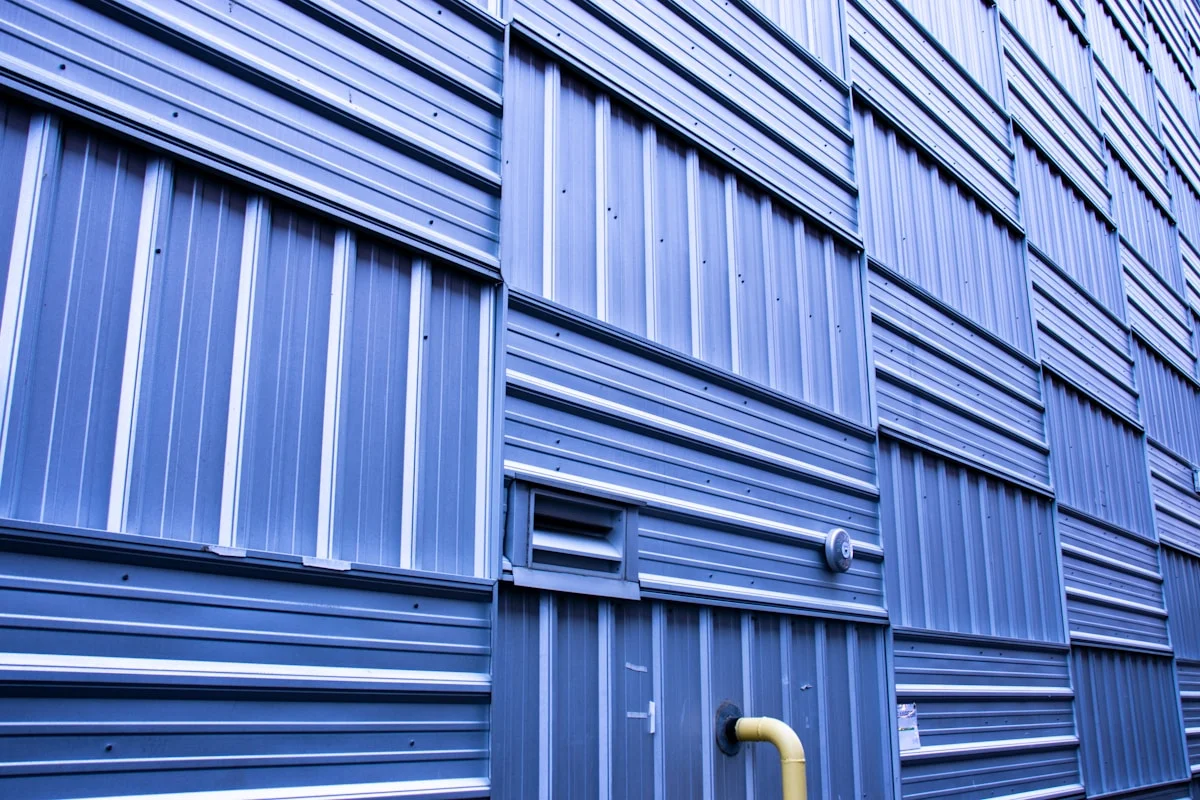
Essential Questions to Ask Your Supplier
1. Can you provide third-party test reports for core density, cell size, and adhesive quality?
Significant price disparities in aluminum honeycomb panels often mask inconsistencies in core density and structural integrity. A sheet quoted at approximately $700 may sound competitive, but without transparency on core density (typically 35–200 kg/m³), cell size (1–10 mm), and adhesive bond strength, this price point becomes a dangerous red flag. Buyers cannot verify whether the panel will meet structural requirements based on cost alone. Reputable manufacturers such as Rax Panel provide documented test data from accredited laboratories, offering proof of quality rather than just marketing claims.
Secure the following test certificates from the supplier prior to finalizing any agreement:
- Core Density Report: Verified density in kg/m³, measured per ISO 845 standards.
- Cell Size Microscopy: Photographic evidence or measured cell wall thickness and hexagonal geometry.
- Adhesive Shear Strength: Bond strength values in MPa, tested per ASTM D1002 or equivalent.
- Face Sheet Thickness Tolerance: Confirmation that aluminum or steel facings match specified gauges within ±0.05 mm.
Aluminum composite panels (ACP) and aluminum honeycomb sandwich panels serve different performance tiers. ACP panels use a solid polyethylene core between two thin aluminum sheets, while honeycomb panels feature an engineered cellular core that delivers far superior stiffness-to-weight ratios. The price difference reflects fundamental material and manufacturing costs.
A typical ACP panel may cost $40–$80 per square meter, whereas an aluminum honeycomb panel with similar facing thickness can range from $120–$300+ per square meter depending on core density, cell size, and facing material. The premium is justified by:
- Structural Performance: Honeycomb cores provide 3–5× higher bending stiffness than solid-core ACP at equivalent weight.
- Flatness Retention: The biomimetic cellular structure resists core-sinking and oil-canning over decades.
- Fire Safety: Honeycomb cores can achieve A1 or A2-s1-d0 fire classifications when filled with non-combustible materials like PIR or mineral wool, unlike standard PE-core ACP which is typically rated B-s2-d0 or lower.
- Weight Savings: At 3–8 kg/m², honeycomb panels reduce structural support requirements compared to ACP systems.
3. What fire classification does your panel hold under EN 13501-1, and can you distinguish A1 from A2?
Misclassifying fire ratings under EN 13501-1 poses severe safety risks and potential legal liabilities for facade projects. When A1 and A2 ratings are confused, specifiers may inadvertently select materials that fail to meet building code requirements, leading to rejected inspections, costly rework, and non-compliant installations. Buyers must verify the exact classification on product documentation rather than relying on generic “fire-resistant” marketing claims.
Many suppliers incorrectly label aluminum honeycomb panels with PIR or mineral wool cores as “fire-resistant” without specifying the exact EN 13501-1 classification. Buyers must demand the following:
- Official Test Report: A certificate from an EN 13501-1 accredited laboratory (e.g., BRE, Warringtonfire, UL). Do not accept self-declared ratings.
- Full Classification String: The complete rating must include A1, A2-s1-d0, B-s1-d0, etc. A rating of “A2” is not equivalent to “A1.”
- Core Material Disclosure: PIR cores typically achieve A2-s1-d0; mineral wool or inorganic cores can achieve A1. Ensure the core material matches the claimed rating.
- System vs. Component Rating: Verify whether the fire rating applies to the panel alone or the complete facade system including fixings and cavities.
4. What wind load capacity does your panel design support, and how is it validated?
For high-rise buildings, wind loads can reach 1.0–3.0 kN/m² or higher depending on location, building height, and exposure. Aluminum honeycomb panels are frequently specified for tall structures because their cellular core delivers exceptional bending stiffness at low weight. However, stiffness claims must be backed by engineering calculations and physical testing.
Substantiate any structural claims by demanding the following documentation from the supplier: Wind Load Test Reports: Physical test data confirming the panel’s ability to withstand wind pressures in the 1.0–3.0 kN/m² range, particularly relevant for high-rise applications. Bending Stiffness Certifications: Engineering data validating the cellular core’s stiffness-to-weight performance under specified load conditions. Finite Element Analysis (FEA) Results: Simulated deflection and stress values under specified wind pressures.
- Finite Element Analysis (FEA) Results: Simulated deflection and stress values under specified wind pressures.
- Physical Load Testing: Test reports from accredited labs showing deflection at 1.5× and 2.0× design wind load per EN 13986 or ASTM E330.
- Span-to-Thickness Ratios: Confirmation that the panel can bridge required support spacings (typically 400–800 mm) without exceeding deflection limits (L/200 or L/300).
- Thermal Movement Calculation: Evidence that the panel accounts for thermal expansion and contraction across the expected temperature range (–40°C to +80°C).
5. How do your panels perform under extreme temperature cycles, UV exposure, and high humidity over 25+ years?
Long-term durability in extreme climates is a primary concern for facade specifiers. Aluminum honeycomb panels must maintain structural integrity, surface finish, and fire rating performance throughout the building’s lifecycle. The three degradation mechanisms to question are:
- UV Degradation of Coatings: PVDF (Kynar 500®) coatings typically retain color and gloss for 20–30 years. Ask for QUV accelerated weathering test results showing ΔE color change and gloss retention after 6,000+ hours.
- Temperature Cycling: Panels undergo repeated expansion and contraction between –40°C and +80°C. Request thermal cycling test data confirming no delamination, core collapse, or facing warpage.
- Humidity and Moisture Resistance: Foam cores such as XPS, PET, and PIR are inherently moisture-resistant, but honeycomb cores with paper or phenolic bases can absorb moisture if the cell walls are compromised. Ask whether the core is sealed and how moisture ingress is prevented.
Rax Panel’s composite materials are designed to perform under stringent and demanding conditions, with engineering teams conducting experimental testing to meet various data standards. Their production lines monitor market trends to continuously develop materials for extreme environments.
6. What certifications and compliance documentation do you provide, and are they verifiable?
Architects and specifiers face mounting pressure to ensure every facade component meets local and international building codes. Gaps in certification documentation, unclear fire classification labels, and evolving regulatory requirements create compliance risk. A reliable supplier must provide a complete compliance package before order confirmation.
The following documents are non-negotiable for any international facade project:
- EN 13501-1 Fire Classification Certificate: From an accredited third-party laboratory, not a self-issued declaration.
- CE Marking Documentation: Including the Declaration of Performance (DoP) and relevant harmonized standards (EN 14509, EN 13986).
- ISO 9001 Quality Management Certification: Proof that the manufacturing facility operates under a documented quality management system.
- Product Test Reports: Covering compressive strength, shear strength, flexural performance, and weathering resistance.
- Country-Specific Compliance: For projects in the EU, US, Middle East, or Asia, confirm the supplier can provide locally recognized certifications (e.g., UL, BBA, SCS).
7. Can you customize panel dimensions, core materials, and facing options to match my project specifications?
Standard off-the-shelf panels rarely meet the precise requirements of complex architectural projects. Customization capability is a key differentiator among manufacturers. Buyers should evaluate whether the supplier can adapt core material (XPS, PET, PU, PIR, PMI, PVC, EPP, MPP), facing material (GRP/FRP, CFRT, aluminum, steel, ACP, stainless steel, aluzinc, plywood), and panel geometry to project-specific demands.
When assessing customization capability, ask about the following:
- Engineering Support: Does the supplier have an in-house design team that conducts experimental testing to develop products meeting specific data standards?
- Production Flexibility: Can the factory produce non-standard sizes, thicknesses, and core materials without excessive lead times or MOQ penalties?
- Cost-Effective Solutions: Does the supplier offer a range of core and facing combinations to fit different budget tiers while maintaining performance targets?
- Application Expertise: Can the supplier demonstrate experience with your specific application—RV walls, truck bodies, marine vessels, mobile homes, or building facades?
8. What is your production capacity, quality control process, and after-sales support?
Supplier reliability extends beyond product specifications. Production capacity, quality assurance protocols, and post-sale support directly impact project timelines and risk management. Buyers should verify the supplier’s ability to deliver consistent quality at scale.
- Daily Production Area: Leading manufacturers operate production lines exceeding 1,700 square meters per day, ensuring timely delivery for large-scale projects.
- Quality Control checkpoints: In-process inspection at every stage—from raw material incoming inspection to finished panel dimensional verification and surface quality checks.
- Experienced Technicians: A team with 15+ years of production experience reduces the risk of manufacturing defects and ensures consistent output.
- International Sales Support: Multilingual sales teams (English, French, Russian, Japanese, Korean) with 24-hour response times for design consultation, production progress tracking, and logistics coordination.
- Global Track Record: Long-term supply chain cooperation with over 50 countries and regions demonstrates reliability across diverse regulatory and climate environments.
Conclusion
Chasing the lowest price on generic panels usually ends in disaster for developers. Cheap PIR cores often fail fire safety tests, and weak honeycomb structures simply cannot handle high-rise wind loads. High-rise projects demand precise U-values and certified ratings. If you ignore verification now, you will face massive retrofit costs later. Structural integrity is not an area to compromise.
Our engineers design custom aluminum honeycomb panel solutions that meet strict EN 13501-1 standards every time. We specialize in high-performance architectural cladding manufacturing. Request physical material samples and a custom quote from our facility today to see the quality difference for yourself.
Frequently Asked Questions
How complex is IMP installation?
Installation complexity varies by panel type and project scale. Honeycomb facade panels require careful handling due to their large format and weight distribution, while foam-core IMPs are generally more straightforward. Proper planning, experienced contractors, and manufacturer-supplied installation guides significantly reduce labor concerns and ensure long-term performance.
Are IMPs suitable for cold storage?
Absolutely. IMPs with PU, PIR, or XPS cores are widely used in refrigerated and cold-storage applications due to their excellent thermal insulation and moisture resistance. These panels maintain consistent internal temperatures while resisting condensation and thermal bridging.
What panel thicknesses are commonly available?
Standard IMP thicknesses typically range from 30mm to 200mm, depending on the core material and intended application. Thinner panels suit interior partitions and light cladding, while thicker panels are specified for exterior walls and roofs requiring higher thermal and structural performance.
How do IMPs perform in extreme climates?
High-quality IMPs are engineered to withstand extreme temperature fluctuations, high winds, and corrosive environments. Aluminum honeycomb and GRP-faced panels, for example, resist UV degradation and moisture, making them suitable for both arctic and tropical climates when properly specified.
Do IMPs help meet energy code requirements?
Yes. IMPs with high R-value cores such as PIR and PET can help buildings exceed current energy code thresholds. Specifiers should confirm U-value performance with the manufacturer to ensure compliance with local and international building regulations.
How do IMPs compare to other metal roofing systems on cost?
IMPs typically carry a higher upfront cost than single-skin metal roofing but deliver significant long-term savings through integrated insulation, reduced labor, and lower energy bills. The total cost of ownership often favors IMPs, especially for projects prioritizing energy efficiency and durability.