
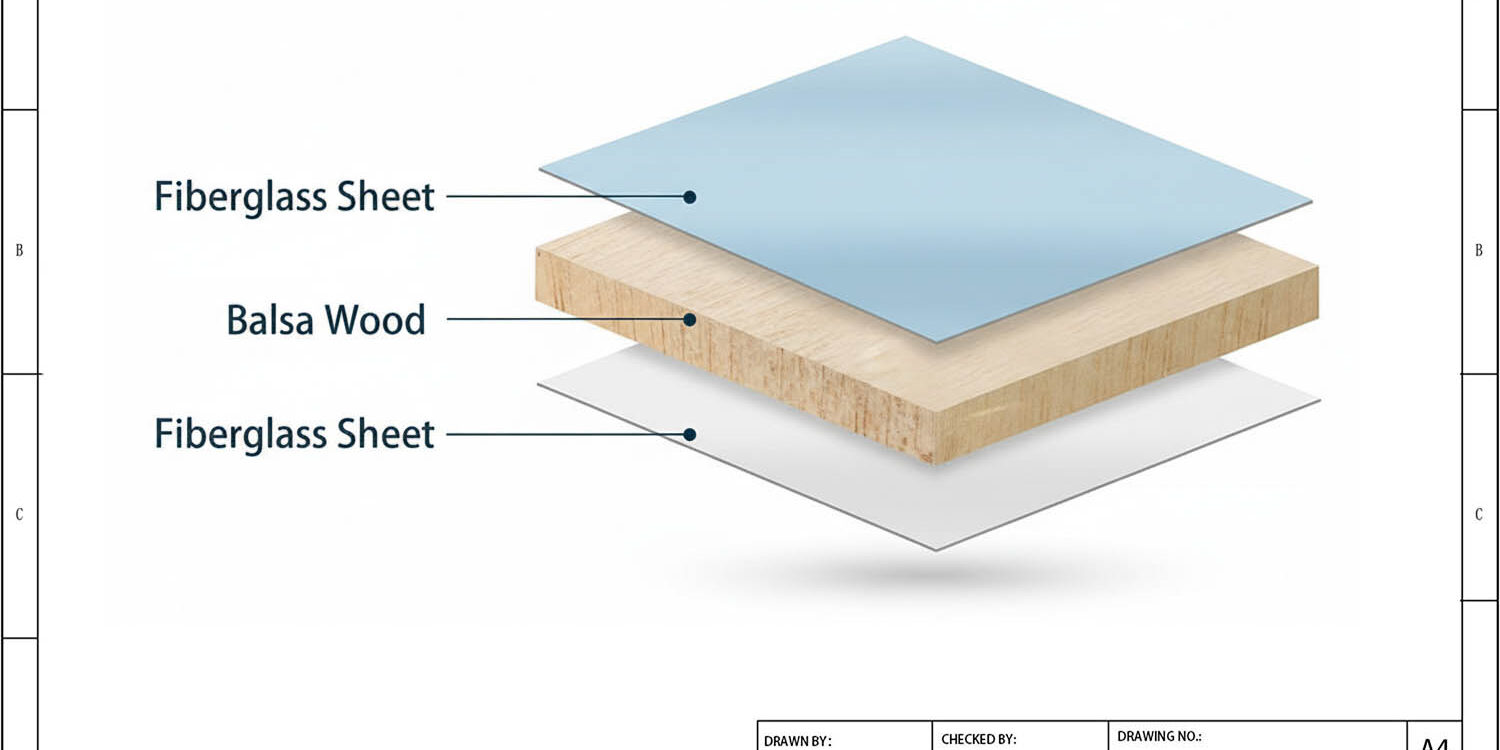
Most specifiers accept a false trade-off between thermal efficiency and fire safety in their envelope design. That misconception drives up insurance premiums and complicates compliance. At RaxPanel, our standard PIR sandwich panel assemblies achieve a Reaction to Fire classification of B-s1,d0, ensuring structural integrity during a fire event without compromising insulation performance.
Understanding the difference between Euroclass reaction to fire and fire resistance is critical for cold storage design. We explain why PIR cores consistently outperform EPS and mineral wool in thermal resistance per millimeter. This approach helps you select a system that meets strict code requirements while reducing your total operational energy cost.
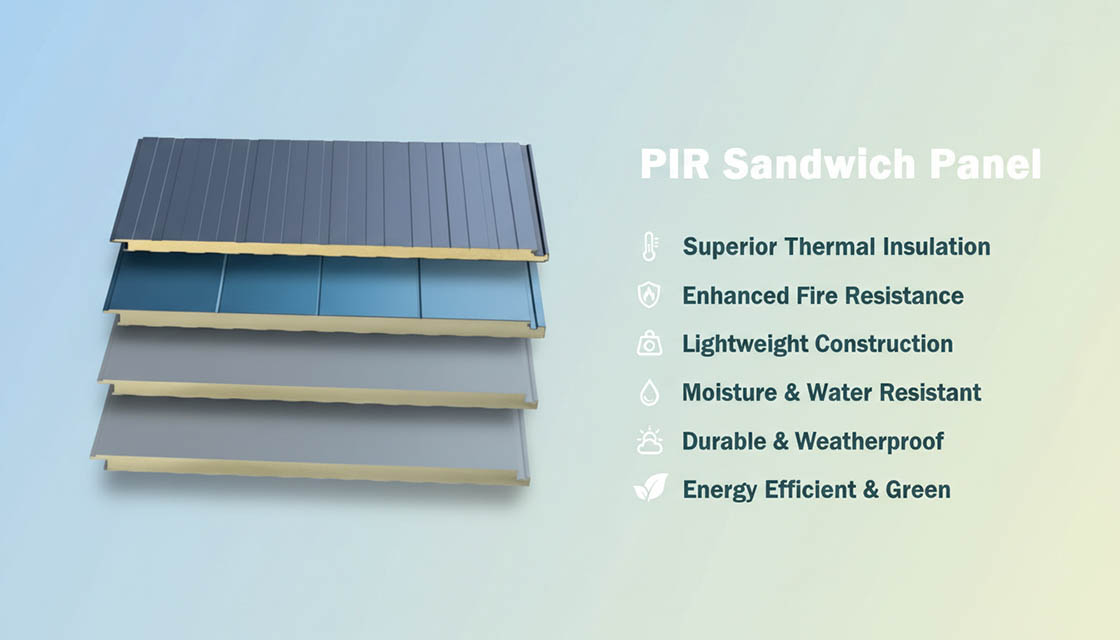
What Fire Ratings and Classifications Mean for PIR Panels
Interpreting Reaction to Fire versus Fire Resistance
In the B2B procurement of insulated panels, the most common and costly mistake we encounter is the conflation of “Reaction to Fire” with “Fire Resistance.” These are fundamentally different metrics that measure completely opposite behaviors, and confusing them can lead to failed inspections and insurance voidance. Reaction to Fire refers to how a material contributes to a fire—specifically its combustibility, flame spread, and heat release. It answers the question: “If this panel catches fire, will it fuel the flames or extinguish itself?” Conversely, Fire Resistance measures how a building element (like a wall or roof assembly) performs under fire exposure, focusing on structural integrity, insulation, and stability for a set duration.
Understanding this distinction is critical because it determines which panels are suited for which applications — and which mistakes can prove fatal on a project. This is where the chemistry of the core material becomes the decisive factor.
For PIR sandwich panels, the core chemistry is thermoset, meaning it is engineered specifically for superior Reaction to Fire. When exposed to flame, PIR forms a protective carbonaceous char layer that self-extinguishes once the ignition source is removed. This is distinct from thermoplastic materials (like some polyethylene cores) which may melt, drip, and spread the fire. However, achieving a specific Fire Resistance rating (e.g., 60 minutes integrity) relies heavily on the complete assembly—including the thickness of the PIR core and the type of metal facing used—rather than just the core material itself. We frequently advise clients that while we can guarantee the core chemistry (Reaction), the Fire Resistance rating must always be validated for the specific joint and assembly configuration being installed on-site.
Understanding how this performance mechanism is quantified for safety compliance requires a closer look at the standard classification systems used to evaluate combustion properties.
Decoding Euroclass Ratings for Building Envelopes
For projects falling under European regulations or those adopting international best practices, the Euroclass system (EN 13501-1) is the standard hierarchy for classifying the combustion performance of construction products. This system moves beyond vague descriptions to provide a codified framework from Class A1 (non-combustible) down to Class F (easily flammable). In the context of PIR sandwich panels, you will typically encounter Class B or Class C ratings, which indicate “limited combustibility” or “limited contribution to fire.”
However, merely looking at the letter (B or C) is insufficient for a professional specifier. The true engineering data lies in the supplemental classification codes that follow the letter: s for smoke and d for flaming droplets. For instance, a rating of B-s1, d0 represents the highest tier of performance for combustible materials. The s1 designation indicates very low smoke production, while d0 signifies no flaming droplets or particles. Our engineering team emphasizes that for applications like public transit infrastructure or high-occupancy buildings, specifying s1 and d0 is non-negotiable to ensure safe evacuation routes. Droplets (d2 or d1) can bypass fire barriers and ignite lower floors, turning a localized fire into a multi-story catastrophe.
- Classes A1 & A2: Non-combustible or very limited combustibility (typically mineral wool or stone wool).
- Classes B & C: The standard tier for high-quality PIR panels, offering limited combustibility with self-extinguishing properties.
- Classes D, E, F: Generally unacceptable for modern commercial or industrial envelope applications due to high flammability.
Assessing Smoke Density and Toxicity Emissions
While flame spread is visually dramatic, smoke inhalation is statistically the primary cause of fatalities in industrial fires. When evaluating PIR panels, you must rigorously assess smoke density and toxicity emissions, often overlooked in favor of thermal performance. The inherent advantage of PIR chemistry is its high Limiting Oxygen Index (LOI), typically above 30%, meaning it requires a highly oxygen-rich environment to sustain combustion. More importantly, when it chars, it significantly reduces the release of flammable gases compared to hydrocarbon-based alternatives.
In our laboratory testing of various composite cores, we have observed that PIR maintains structural cohesion longer than PUR or polystyrene under extreme heat, which limits the rapid release of dense smoke. This performance is critical in confined spaces like refrigerated trucks or cold storage warehouses where visibility loss can trap personnel. When reviewing technical data sheets, look for specific NBS smoke density indices referenced in standards like ASTM E662. Lower smoke density values correlate directly to safer evacuation windows and reduced damage to sensitive inventory from soot contamination. Remember, a panel that burns slowly but produces opaque, toxic smoke creates a lethal environment just as quickly as a rapid-burning material.
| Classification | Technical Definition | Mechanism | Compliance Benefit | Rax Panel Relevance |
|---|---|---|---|---|
| FM Approval (FM 4880/4471) | Global standard for loss prevention requiring rigorous testing of wall and roof assemblies for fire resistance and structural integrity. | Validated systems designed to withstand fire exposure and maintain structural stability under high heat and impact. | Essential for insurance eligibility; prevents coverage rejection and high premiums for cold storage facilities. | Provided for commercial cold room and heavy industrial panel projects requiring certified safety compliance. |
| Reaction to Fire (Class 0/Class 1) | Measurement of surface spread of flame, heat release, and smoke production when the material is exposed to fire. | PIR core chemistry ensures the material self-extinguishes immediately upon removal of the ignition source. | Meets strict building codes for transportation (RVs, Trucks) and public infrastructure to ensure passenger safety. | Standard specification for RV walls, dry freight truck bodies, and mobile home solutions. |
| Fire Resistance (Integrity & Insulation) | Rating indicating the duration (minutes or hours) a panel can act as a barrier against fire penetration and heat transfer. | Closed-cell foam structure combined with non-combustible facings (GRP/Metal) to delay thermal transmission. | Protects facility assets and inventory by preventing fire spread to adjacent zones for critical time periods. | Customizable core thickness and density engineered to meet specific project fire rating requirements. |
| Char Formation Performance | The material’s ability to form a protective carbonaceous layer when exposed to extreme temperatures. | The PIR surface chars to create an insulating barrier that protects the inner core and limits fuel supply to the fire. | Reduces the total fire load and mitigates the risk of rapid fire escalation, aligning with safety engineering goals. | Inherent property of the high-quality PIR foam cores used in our specialized sandwich panels. |
Why PIR Cores Outperform Other Insulation Materials
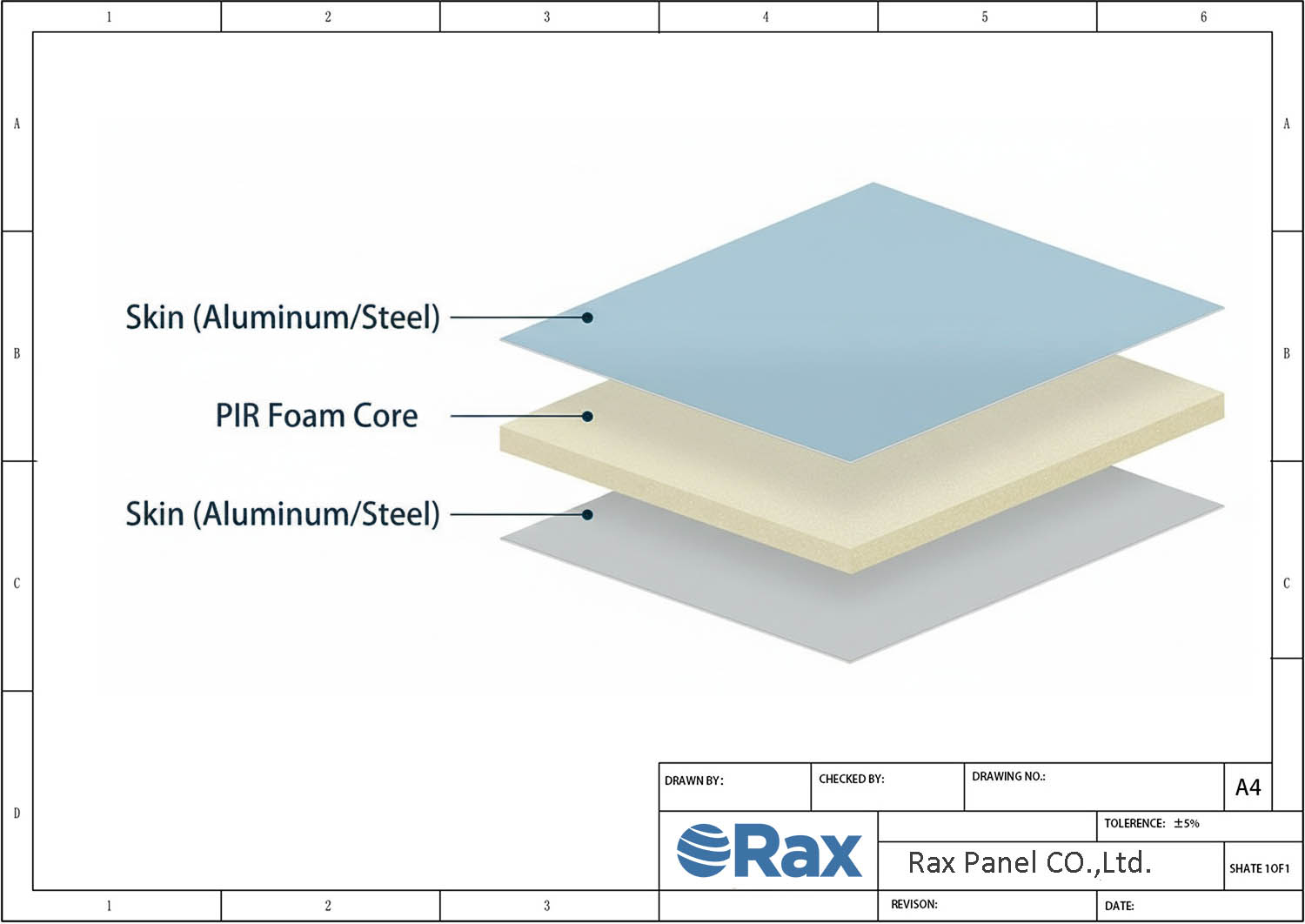
Beyond these crucial safety attributes, PIR cores also deliver exceptional thermal performance. This comprehensive advantage becomes clear when evaluating the material against alternative insulation options.
Lambda values are the single metric that separates long-term operational savings from recurring energy waste in sandwich panel procurement. While initial costs often drive procurement decisions, the physics of thermal conductivity dictates long-term operational expenditure. Polyisocyanurate (PIR) has emerged as the industry standard for high-performance insulation, not just because of its fire-resistant properties, but because its closed-cell structure fundamentally outperforms open-cell or fibrous alternatives like Mineral Wool and EPS in minimizing heat transfer. This performance is confirmed by a lambda value of 0.022 W/mK, which offers superior efficiency compared to competing materials.
Analyzing Lambda Values and Thermal Conductivity
Thermal conductivity (lambda or λ-value) represents the rate at which heat passes through a material. In the context of sandwich panels, a lower number indicates better insulation performance. PIR typically achieves lambda values between 0.021 and 0.023 W/m·K, significantly lower than Mineral Wool (0.034–0.040 W/m·K) or EPS (0.032–0.038 W/m·K). This efficiency stems from the proprietary blend of blowing agents trapped within the closed-cell foam structure during the manufacturing process.
The advantage of a lower lambda value is twofold: it reduces the thermal load on refrigeration equipment, lowering energy consumption, and it maximizes the usable internal volume of a structure. In our R&D lab, we consistently test our PIR formulations to ensure they maintain these low conductivity values across varying densities, ensuring that the theoretical performance matches real-world application.
Long-Term Thermal Resistance (LTTR) Stability
A common pitfall in specification is relying solely on initial R-values without accounting for aging. All foam insulation undergoes “thermal drift,” where the blowing agents slowly diffuse out of the cells and are replaced by air, reducing thermal resistance over time. PIR excels in Long-Term Thermal Resistance (LTTR) because its chemical structure creates a more stable matrix that retains the low-conductivity gases longer than standard PUR or EPS.
Furthermore, PIR is a closed-cell material. Unlike fibrous insulation such as rock wool or glass wool, which relies on trapping air between loose fibers, the closed cells of PIR are physically isolated. This structure acts as a barrier against moisture ingress. In high-humidity environments like cold storage or marine applications, materials that absorb water see a precipitous drop in insulation performance. PIR absorbs negligible amounts of water, ensuring the Lambda value remains stable for the lifespan of the building.
When reviewing technical datasheets, verify if the R-value is declared as “Initial” or “LTTR” (aged over 15 or 25 years). Trustworthy suppliers will provide the aged LTTR value calculated according to EN 13164 or ASTM C1303 standards. This is the number that determines your actual energy bill in five years.
Achieving High Insulation Values with Thinner Profiles
Space is a premium asset in logistics and construction. For refrigerated trucks, RVs, and modular buildings, every millimeter of wall thickness impacts the internal cargo capacity or living space. Because PIR offers higher thermal resistance per unit of thickness, architects and engineers can achieve the required U-values (or R-values) with significantly thinner panels compared to mineral wool or EPS.
This reduction in profile thickness without sacrificing thermal performance is a critical value driver. It allows for lightweight structural designs and maximizes the rentable or usable area of a project. For instance, to achieve a specific insulation target, a client might need a 100mm PIR panel whereas a rock wool solution might require 150mm or more. At Rax Panel, we frequently optimize panel configurations for RV and truck solutions where this ratio of insulation-to-thickness is the defining factor in the vehicle’s efficiency and payload capacity.
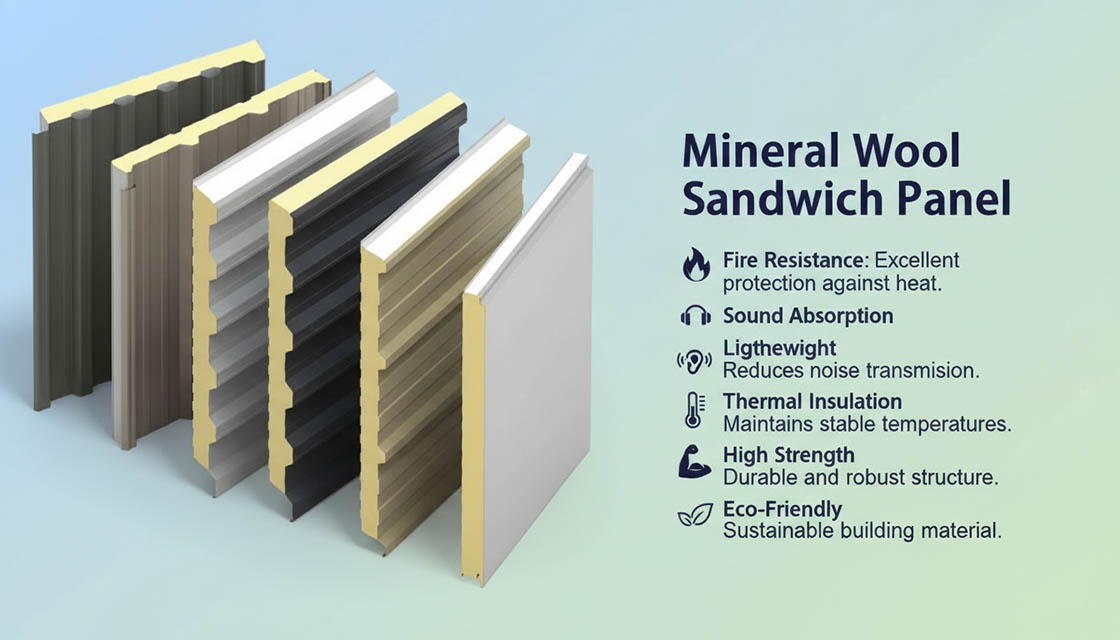
PIR vs. EPS, Mineral Wool, and PU: Which Wins?
For cold storage and temperature-controlled facilities, PIR sandwich panels deliver the best combination of thermal efficiency, fire safety, and moisture resistance. Mineral wool leads in non-combustible performance, while EPS remains a budget option for moderate environments. The right choice depends on your project’s thermal, fire, and moisture requirements.
Thermal Performance: Why PIR Leads in Insulation Efficiency
While mineral wool excels in fire safety, PIR’s superior thermal performance is what ultimately sets it apart for cold storage applications.
The practical implication is clear: achieving the same thermal resistance with EPS requires substantially more thickness compared to PIR. For cold storage applications below 5 °C, this difference translates directly into usable floor space and installation costs. A 75 mm PIR panel can match the insulating performance of a 100–120 mm EPS panel, making PIR the preferred choice for space-constrained facilities.
Mineral wool occupies a middle ground thermally but excels in other areas, while PU panels offer performance close to PIR but with slightly lower efficiency at equivalent thicknesses. When thermal performance is the primary concern, PIR remains the benchmark for closed-cell foam cores.
Fire Behavior: How PIR Differs From Other Core Materials
Not all foam cores behave the same way when exposed to flame, and confusing their fire performance can lead to compliance failures and insurance gaps. PIR, EPS, and PU each exhibit distinctly different fire performance characteristics that directly impact building compliance and insurance outcomes. PIR forms a protective carbonaceous char when exposed to high heat. This char layer acts as a thermal barrier, slowing further degradation and causing the material to self-extinguish once the flame source is removed. EPS, by contrast, melts and drips under flame conditions, which can spread fire and compromise structural integrity. PU occupies an intermediate position, offering moderate fire resistance but falling short of PIR’s performance. Under BS EN 13501-1, PIR typically achieves Class B-s1,d0, while PUR is rated Class E — a significant difference that can affect both regulatory approval and insurance terms.
PIR forms a protective carbonaceous char when exposed to high heat. This char layer acts as a thermal barrier, slowing further degradation and causing the material to self-extinguish once the flame source is removed. EPS, by contrast, melts and drips under flame conditions, which can spread fire and compromise structural integrity. PU falls between these two extremes, offering better fire resistance than EPS but inferior char formation compared to PIR.
Mineral wool stands apart entirely as a non-combustible material, achieving the highest fire classification without relying on chemical additives. For facilities requiring A1 compliance—such as pharmaceutical cleanrooms and high-risk industrial plants—mineral wool remains the default choice. However, for cold storage and general industrial applications where PIR achieves Class B to A ratings with self-extinguishing properties, it provides an effective balance of fire safety and thermal performance.
Moisture Resistance: The Cold Storage Imperative
In refrigerated and frozen food storage, the ability of a core material to resist moisture absorption determines whether insulation performance degrades over decades of operation. PIR panels feature a fully closed-cell structure that actively prevents moisture ingress, maintaining their insulating performance throughout decades of operation in high-humidity or condensation-prone conditions. EPS panels, with their open-cell architecture, are more susceptible to water absorption over time. Even with fire-retardant additives, moisture penetration can degrade thermal efficiency and compromise the panel’s structural integrity. Mineral wool, while inherently water-resistant, can retain moist
EPS panels, with their open-cell architecture, are more susceptible to water absorption over time. Even with fire-retardant additives, moisture penetration can degrade thermal efficiency and compromise the panel’s structural integrity. Mineral wool, while inherently water-resistant, can retain moisture within its fibrous matrix, potentially reducing insulating performance and requiring additional vapor barriers in cold storage installations.
For ISO-classified cleanrooms and temperature-controlled facilities, this moisture management capability is essential. PIR’s closed-cell construction ensures that thermal performance remains stable even when exposed to repeated condensation cycles, making it the preferred core for applications where long-term moisture resistance directly impacts operational efficiency and compliance.
Lifecycle Durability and Total Cost of Ownership
Beyond moisture resistance, the long-term performance of PIR panels directly influences operational costs and risk mitigation over the building’s lifespan.
FM Approved PIR panel assemblies can also yield insurance premium reductions, particularly for cold storage and industrial facilities where fire risk is a primary concern. These financial benefits, combined with PIR’s long-term thermal stability and moisture resistance, often result in a lower lifecycle cost compared to lower-priced alternatives that require thicker installations or more frequent maintenance.
Beyond these financial advantages, understanding the material properties behind PIR insulation is essential to appreciating its long-term value.
These financial advantages are driven by the core material’s distinct chemical composition.
These financial benefits, combined with the material’s long service life, contribute to a significantly lower total cost of ownership.
These cost advantages are made possible by the inherent properties of the insulation material itself.
| Core Material | Thermal Performance | Fire Rating & Behavior | Structural & Cost | Best Application |
|---|---|---|---|---|
| λ = 0.022 W/mK · R-5.5 per inch · Closed-cell with trapped blowing agent | Class B to A · Self-extinguishing · Forms protective carbonaceous char · FM Approved assemblies available | Shear strength >0.15 MPa · Cost: $35–50/m² (75 mm) · Best insulation per unit thickness | Cold storage (<5 °C), freezer rooms, FM-insured facilities, food processing, high-risk industrial buildings | |
| EPS (Expanded Polystyrene) | λ = 0.033–0.038 W/mK · R-3.8 to R-4.2 per inch · 98% air by volume | Class B2 (DIN 4102) / Class B (ASTM E84) · Requires fire-retardant additives · Melts and drips under flame | Shear strength >0.10 MPa (density dependent) · Cost: $18–25/m² (75 mm) · Lowest upfront cost of all cores | Moderate climate control, ISO 7–8 cleanrooms (20–22 °C), low-budget warehouse walls, non-refrigerated storage |
| Mineral Wool (Rock Wool) | λ = 0.035–0.042 W/mK · R-3.5 to R-4.0 per inch · Fibrous matrix structure | Class A / A1 — Non-combustible · No flame spread · No toxic smoke · Required for pharma & high-risk facilities | Shear strength ~0.08 MPa · Cost: $32–45/m² (75 mm) · Excellent acoustic dampening | Pharmaceutical cleanrooms, semiconductor fabs, high-fire-risk plants, acoustic-critical environments, A1 compliance mandates |
| λ = 0.024–0.026 W/mK · R-4.5 to R-5.0 per inch · Closed-cell structure | Class B to A depending on formulation · Better than EPS but inferior char formation vs. PIR · Self-extinguishing in optimized grades | Shear strength >0.15 MPa · Cost: $35–50/m² (75 mm) · Slightly lower thermal performance than PIR at equivalent thickness | General industrial cold storage, wall & roof panels where PIR is unavailable, moderate thermal & fire requirements |
True fire safety compliance extends far beyond a datasheet rating. It requires specifying independently tested and listed assemblies, maintaining panel integrity throughout the asset lifecycle, and understanding how regional codes and insurance requirements intersect — especially for cold storage and pharmaceutical facilities.
FM Approved Versus FM Compatible: Understanding the Critical Distinction
The distinction between FM Approved, FM Compatible, and FM-grade core labels is the single most consequential procurement error in insulated panel specification. These terms carry radically different implications for insurance eligibility and regulatory compliance, yet they are frequently used interchangeably in commercial conversations.
FM Approved denotes an assembly that has undergone independent testing and listing by FM Approvals, the global technical safety science company. The approval covers the complete panel assembly — core material, facings, joint details, and installation configuration — as a tested system. Property insurers in the United States increasingly refuse to write or heavily surcharge coverage on refrigerated and food-processing buildings constructed with panels that lack FM Approved status. The underwriting risk is real: a facility without approved assemblies may face denied claims or uninsurable conditions after a fire event.
FM Compatible and FM-grade core refer to materials that share similar chemical composition or performance characteristics with FM Approved products but have not undergone the full assembly-level testing and certification process. A PIR core may be FM-grade in composition, but without the independently verified assembly listing, it does not satisfy insurer requirements. This gap between material-level claims and assembly-level certification is where buyers routinely encounter coverage gaps.
Regional Building Code Requirements and Their Impact on Panel Selection
Regional building codes create a fragmented compliance landscape for PIR sandwich panels, with each jurisdiction defining reaction-to-fire and fire-resistance requirements differently. In the European market, the Euroclass system (EN 13501-1) defines reaction-to-fire performance. PIR cores typically achieve Class B-s1 d0 or Class C-s1 d0, where “s1” indicates low smoke production and “d0” indicates no flaming droplets. These ratings feed directly into national building regulations such as the UK’s Approved Document B, Germany’s Muster-VBO, and France’s DTU standards. Understanding these variations is essential for projects operating across jurisdictions or targeting export markets.
In the European market, the Euroclass system (EN 13501-1) defines reaction-to-fire performance. PIR cores typically achieve Class B-s1 d0 or Class C-s1 d0, where “s1” indicates low smoke production and “d0” indicates no flaming droplets. These ratings feed directly into national building regulations — the UK’s Approved Document B, Germany’s Muster-VBO, and France’s DTU standards all reference Euroclass classifications with varying height and use-based thresholds.
In the United States, the International Building Code (IBC) and International Fire Code (IFC) govern panel acceptance. The IBC requires insulated metal panels used on exterior walls to comply with ASTM E2873 (standard for fire testing of exterior non-load-bearing wall assemblies) and ASTM E2412 (standard specification for facing materials). For interior applications, ASTM E84 surface burning characteristics and UL 1709 fast-fire rate testing may apply depending on occupancy type and building height.
High-rise buildings introduce additional compliance layers. When a structure qualifies as a High-Rise Building under local code — typically defined as occupied height exceeding 75 feet in the IBC — the approval risk identified for insulated panel assemblies can cascade across an entire development. This means a single building’s panel specification may trigger heightened scrutiny for all adjacent structures, regardless of their individual height classification. Engaging a professionally qualified fire engineer during the specification and submission phase is strongly recommended for any project involving high-rise or mixed-use developments.
- Australia and New Zealand: AS/NZS 1530.2 and 1530.4 fire tests with Green Star and NCC Volume 1 classifications driving specification.
- Middle East and Southeast Asia: Local civil defense codes often reference BS 476 or ASTM standards, with FM Approved listings increasingly required for industrial and cold-chain projects.
Beyond U.S. codes, international markets impose their own distinct fire performance and classification frameworks that directly influence panel specification choices.
While the IBC governs U.S. high-rise requirements, similar performance-driven frameworks exist internationally, particularly in the Asia-Pacific region.
Industry-Specific Compliance for Cold Storage and Pharmaceutical Facilities
Cold storage and pharmaceutical facilities demand fire safety performance that exceeds baseline building codes, driven by high fuel loads, low-temperature operations, and high-value inventory. Consequently, the consequences of panel failure in these environments are disproportionately severe, highlighting the critical importance of solid detailing, correct installation, fire-stopping at penetrations and joints, and hot-work management procedures.
The true risk in cold storage fire safety extends well beyond the fire rating printed on a datasheet. Real-world performance depends on solid detailing, correct installation, disciplined maintenance, and appropriate active fire protection systems throughout the asset’s lifecycle. This includes using tested and approved PIR assemblies, keeping panel skins intact during and after installation, rigorously treating all penetrations and joints with non-combustible fire-stopping materials, and enforcing disciplined hot-work and impairment management procedures.
For tall cold storage facilities, detection and suppression systems must be engineered specifically for the operating environment. Aspirating smoke detection systems are often required because standard photoelectric or ionization detectors perform poorly in low-temperature, low-humidity conditions. Suppression systems must align with NFPA 13 and FM Global Data Sheets — typically requiring storage sprinklers or pre-action systems rather than standard wet pipe designs. These facilities should be treated as high-consequence industrial plants, not simple enclosed storage spaces.
The April 2026 cold storage fire in Wando County, South Jeolla Province, Korea, serves as a sobering reference point for the industry. Investigations into such incidents consistently highlight gaps in panel assembly approval, inadequate joint fire-stopping, and insufficient detection system design for low-temperature environments as recurring contributing factors.
Pharmaceutical and food-processing facilities carry additional compliance layers beyond fire safety. Good Manufacturing Practice (GMP) standards, FDA 21 CFR Part 11 requirements, and WHO technical regulations impose constraints on panel surface materials, cleanability, and off-gassing behavior. Stainless steel-faced PIR sandwich panels are commonly specified in these environments to meet both hygienic surface requirements and fire safety expectations. The panel assembly must simultaneously satisfy ISO 14644 cleanroom classification standards and the relevant fire code for the building occupancy type.
Adhering to these complex industry standards is essential for initial certification, yet maintaining safety extends far beyond the installation phase.
While adhering to these specialized operational standards is crucial, the foundational fire safety measures remain a non-negotiable priority. Ensuring these measures persist requires a shift in focus toward the long-term durability of the building envelope.
While these sector-specific regulations govern operational and quality standards, they do not supersede the foundational role of fire safety in facility design and maintenance. Understanding how fire protection intersects with these compliance requirements is essential for ensuring long-term structural and regulatory integrity.
While these additional regulatory requirements are critical, they do not replace the foundational role of fire safety compliance, which demands equal rigor across the facility’s lifespan.
Assembly Integrity and Lifecycle Compliance Maintenance
Fire safety compliance is not a one-time specification event. It is an ongoing obligation that spans the entire lifecycle of the building envelope. Panel assemblies that meet code at installation can fail to perform as intended if detailing is compromised, skins are damaged during subsequent trades, or penetrations are improperly sealed during retrofit and maintenance activities.
The most common compliance failures observed in field investigations involve unprotected penetrations for utility lines, damaged panel skins from mechanical impact, and joint sealant degradation that allows flame and smoke migration between compartments. Each of these failure modes can invalidate an otherwise code-compliant assembly, regardless of the core material’s inherent fire performance.
Establishing a documented maintenance protocol for panel fire-stopping integrity, joint sealant condition, and skin continuity should be treated as a mandatory component of facility risk management. This is particularly critical for cold storage facilities, where thermal cycling and condensation management place additional stress on panel joints and sealant systems over time.
Can You Have Both Fire Safety and Energy Efficiency?
Resolving the Historical Trade-off
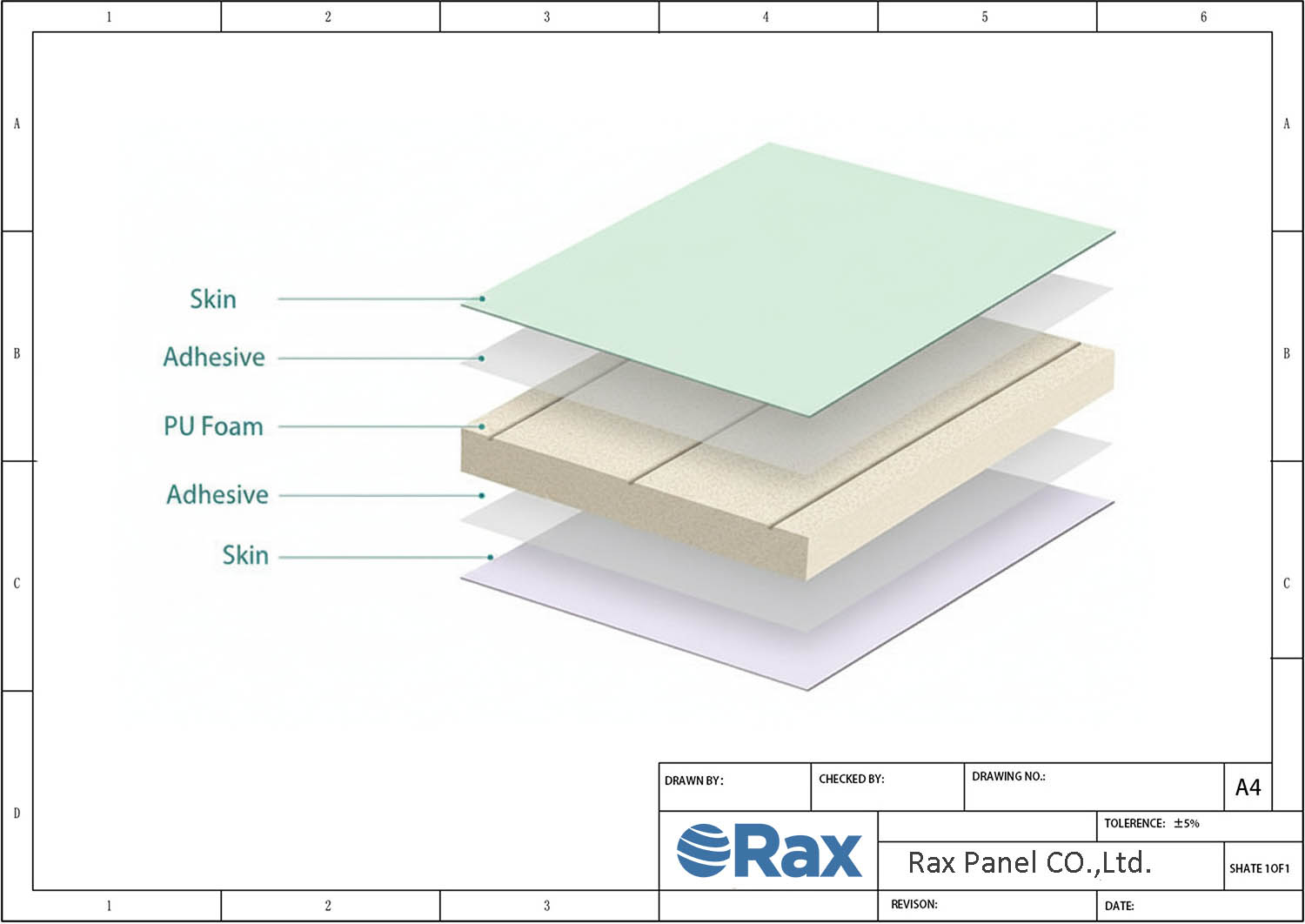
The historical trade-off between thermal efficiency and fire safety has been resolved through PIR polymer chemistry, eliminating the need to choose between insulation performance and flame resistance. Through advanced polymer chemistry, specifically the modification of the isocyanurate trimer structure, PIR achieves a distinct balance. It maintains the high-performance closed-cell structure required for thermal insulation while altering the material’s reaction to fire. With a thermal conductivity (Lambda value) typically reaching 0.022 W/mK, PIR offers superior insulation compared to traditional materials, enabling thinner wall and roof profiles without compromising thermal performance. Unlike standard thermoplastics that melt and drip, feeding a fire, PIR undergoes a chemical transformation known as char formation. When exposed to intense heat, the material creates a protective carbonaceous char layer that insulates the underlying core and deprives the flame of fuel, effectively self-extinguishing once the ignition source is removed.
Quantifying the Thermal Advantage
The efficacy of PIR lies in its cellular structure and the use of low-conductivity blowing agents trapped within these cells. With a thermal conductivity (Lambda value) typically reaching 0.022 W/mK, PIR offers superior insulation compared to traditional materials. This high thermal resistance allows specifiers to achieve required energy efficiency targets with significantly thinner wall and roof profiles.
- Thermal Resistance: A 100mm thick PIR panel with a Lambda of 0.022 W/mK achieves a thermal resistance of approximately 4.55 m²K/W. To match this performance, alternative materials like mineral wool—which typically have a Lambda value of 0.034 to 0.040 W/mK—would require a thickness exceeding 150mm.
- Operational Efficiency: The reduction in thermal bridging and high R-value directly impacts operational costs. Industry data indicates that optimizing building envelopes with PIR insulation can improve overall energy efficiency by up to 30% in commercial and industrial facilities, translating to substantial reductions in utility expenditure.
Economic Implications of Dual Performance
PIR panel selection delivers measurable financial returns through both reduced capital expenditure on building footprint and lower operational energy costs over the asset lifecycle. The ability to utilize thinner panels for the same thermal performance increases the internal cubic volume of a cold storage facility or industrial building without increasing the building footprint. This “space gain” allows for more pallet positions or machinery layout, directly improving revenue potential. Furthermore, the limited-combustibility nature of PIR materials can translate into insurance premium advantages, while reduced smoke density supports business continuity by minimizing operational disruption in the event of a fire incident.
additionally, the fire-resistance properties of PIR significantly mitigate risk. Insurance underwriters often view facilities constructed with limited-combustibility materials more favorably than those utilizing standard polyurethane or expanded polystyrene (EPS). By minimizing the potential for rapid fire spread and reducing smoke density, PIR panels contribute to business continuity strategies, protecting both the physical asset and the inventory within.
What Specifiers Should Consider When Choosing PIR Panels
Specifiers must prioritize verified fire certifications, match panel assemblies to industry-specific regulatory and insurance requirements, and evaluate total lifecycle cost rather than upfront material price alone.
Verifying Fire Certification and Independence of Testing
Unverified fire performance claims represent the highest procurement risk in PIR panel specification, as generic core certifications do not guarantee assembly-level compliance. Many suppliers cite compliance with Euroclass B‑s1, d0 or FM Approvals without providing independent, assembly‑level test reports. Specifiers must demand documented evidence from accredited third‑party laboratories (e.g., FM Global, BRE, INTPEC) that covers the complete panel assembly—including core, facings, and joint profiles—rather than generic core‑material certifications. A valid certification verifies the exact thickness, facing material, and profile geometry you are purchasing. Generic test data often overstates performance when applied to different assemblies. Always request the test report number and cross‑check it against the certifying body’s online registry.
A valid certification verifies the exact thickness, facing material, and profile geometry you are purchasing. Generic test data often overstates performance when applied to different assemblies. Always request the test report number and cross‑check it against the certifying body’s online registry. This practice eliminates the risk of relying on manufacturer self‑certification, which lacks legal standing in high‑stakes industrial and cold‑storage projects.
Ensuring Industry‑Specific Compliance
Different sectors impose distinct regulatory and insurance mandates that directly dictate panel selection. Pharmaceutical and food‑processing facilities require surfaces that resist microbial growth and meet strict hygiene standards; stainless‑steel facings with appropriate passivation are standard. Cannabis and high‑value storage often demand FM‑approved assemblies to satisfy property‑casualty insurer requirements and secure premium discounts.
Cold‑storage operators must verify that the panel’s thermal conductivity (lambda value) and long‑term thermal resistance (LTTR) are certified under the relevant moisture‑accumulation conditions. For cleanroom applications, PIR panels with smooth, non‑porous facings can achieve ISO 14644‑1 compliance when properly sealed. Always map the panel’s certified properties against the specific code (e.g., USDA, FDA, EHEDG, local building regulations) that governs your facility’s occupancy and insurance profile.
Calculating Total Cost of Ownership vs. Upfront Price
Evaluating PIR panels on upfront price per square meter alone obscures the total cost of ownership, where superior thermal performance generates significant operational savings. While PIR cores typically carry a higher initial cost than PUR or EPS alternatives, their high thermal efficiency (lambda values as low as 0.022–0.024 W/m·K) reduces refrigeration and HVAC energy consumption by an estimated 15–20% annually in cold‑storage and climate‑controlled buildings. Furthermore, the total cost of ownership is positively influenced by insurance premium reductions, lower maintenance costs, and minimized thermal bridging impact.
A comprehensive lifecycle cost analysis must include three additional factors: (1) insurance premium reductions for FM‑approved or high‑fire‑rated assemblies, which can offset the material price differential within 2–3 years; (2) lower maintenance and replacement costs due to PIR’s dimensional stability and resistance to moisture ingress; and (3) the financial impact of thermal bridging at panel joints, which can increase energy loss by up to 30% if not properly detailed. The total cost of ownership for a certified PIR panel system often yields a positive ROI within five years, whereas lower‑cost, non‑certified panels may incur significantly higher operating expenses and insurance premiums over the facility’s lifespan.
When evaluating quotes, require suppliers to provide a side‑by‑side breakdown of upfront cost, certified lambda value, fire‑rating documentation, and estimated annual energy savings. This transparency allows you to model the true lifecycle cost and avoid selecting panels that appear cheap initially but carry hidden compliance and operational risks.
How Installation Quality Affects Long-Term PIR Panel Performance
However, even the most meticulously evaluated specifications can fall short if the installation process is overlooked.
Even a factory-tested PIR panel with a Lambda value of 0.022 W/mK cannot deliver specified performance if installation quality compromises the building envelope integrity. The building envelope is a holistic system; a single poorly executed joint can degrade the overall thermal performance by significant margins and void critical fire ratings. For specifiers and contractors, the focus must shift from merely purchasing “high-performance” materials to enforcing rigorous installation standards that protect the material’s engineered properties.
Eliminating Thermal Bridging at Panel Junctions
Thermal bridging occurs when a conductive material allows heat to bypass the insulation core. In PIR sandwich panels, the most vulnerable points are the side joints where the steel facings of adjacent panels meet. If these joints are not tightly engaged or if the tongue-and-groove mechanism is misaligned, the thermal resistance of the assembly drops drastically. This is not merely an energy loss issue; localized heat loss creates cold spots that lead to condensation, which risks rotting the internal structure and compromising hygiene in controlled environments like cold storage or cleanrooms.
panels meet, creating a path for heat transfer that must be minimized. However, the design of these junctions is critical not just for thermal efficiency, but also for preventing the spread of fire.
panels meet creates a discontinuity that impacts both energy efficiency and fire safety. Beyond preventing thermal loss, the proper detailing of these junctions is essential for maintaining fire resistance.
Beyond thermal performance, these same panel joints represent a critical vulnerability when exposed to fire, making the integrity of sealant applications equally essential to overall system safety.
Ensuring Sealant Integrity for Fire Containment
The fire safety of a PIR panel system relies heavily on the sealant application. While the PIR core is engineered for combustibility ratings (such as Euroclass B-s1,d0), the joints between panels are potential pathways for smoke and fire propagation. An inconsistent sealant bead that is too thin or applied in low temperatures can result in adhesion failure. In the event of a fire, this failure allows the fire to penetrate the joint, attacking the core directly and bypassing the protective facings. For insurance compliance and safety, the sealant is as critical as the panel itself.
Do not allow installation in temperatures below the manufacturer’s recommended minimum for sealant curing. Applying sealant to frozen or damp steel creates a weak bond that will likely crack when the building envelope expands or contracts, rendering the fire-stopping capability void.
Optimizing Fastener Spacing and Structural Integrity
Fasteners penetrate the insulation and steel facings, creating permanent thermal bridges and potential leakage points. However, under-spacing fasteners is a common mistake that compromises structural integrity and creates unnecessary thermal breaks. Conversely, over-spacing fasteners to save time or cost can lead to catastrophic roof failure under wind uplift loads, especially in large-span industrial buildings. The correct spacing is a calculation derived from wind load maps, building height, and exposure categories—not a guessing game.
Contractors must strictly adhere to the engineering specifications for washer compression. A fastener that is over-tightened can crush the PIR core locally, reducing its thickness and insulation value at that specific point. A loose fastener allows water ingress, which degrades the thermal performance of the PIR core over time and can cause corrosion of the internal steel facing from the inside out.
📋 Field Verification Checklist
Proper installation practices like correct washer compression are essential to realizing these long-term savings, as any compromise to the panel’s insulating performance can erode the very benefits that make PIR panels cost-effective over their lifecycle.
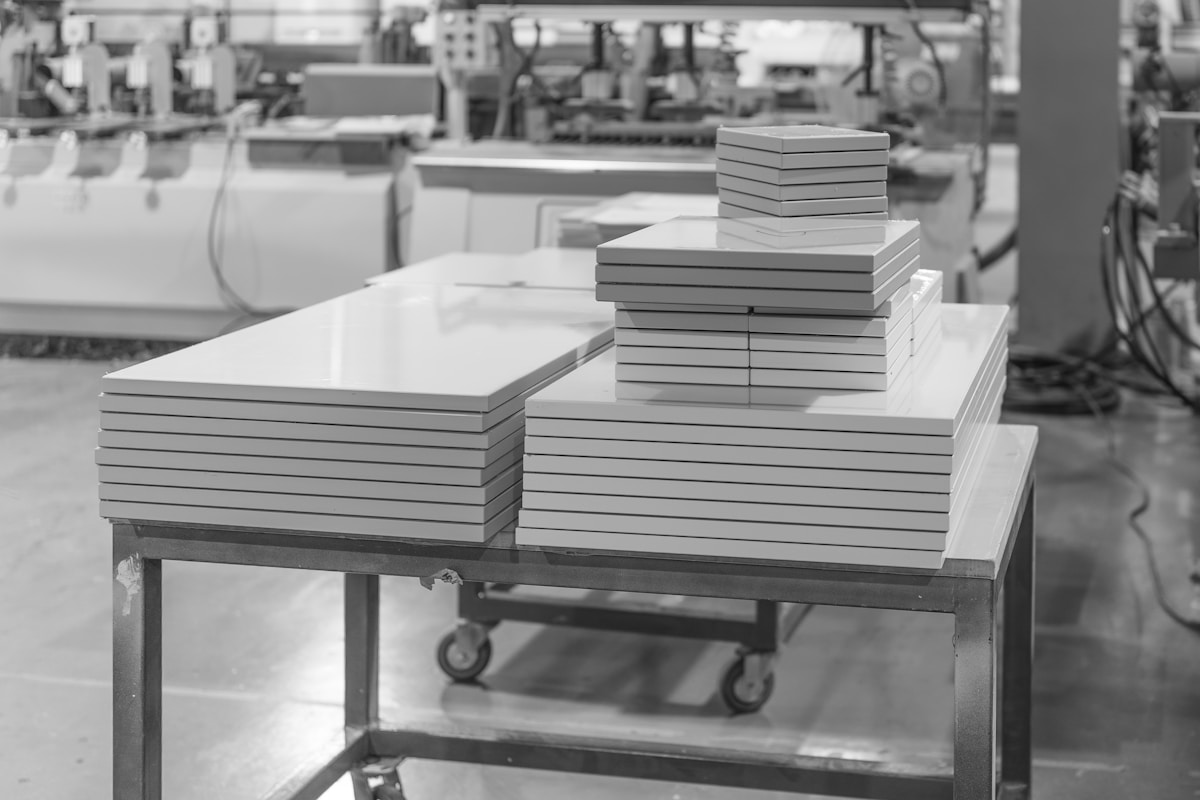
Understanding the True Lifecycle Cost of PIR Panels
PIR sandwich panels deliver lifecycle cost advantages that extend far beyond the initial purchase price. The true financial picture encompasses operational energy savings, insurance premium differentials, and reduced maintenance requirements over the panel’s service life.
Calculating ROI Through Operational Energy Savings
The operational energy savings generated by PIR sandwich panels represent the most substantial component of their lifecycle cost advantage. Facilities with refrigerated or temperature-controlled environments experience continuous energy consumption driven by the thermal performance of their building envelope. The superior thermal insulation properties of rigid polyisocyanurate foam cores directly reduce the heating and cooling loads that mechanical systems must manage throughout the facility’s operational lifetime.
One critical advantage of PIR panels lies in their ability to achieve high insulation values with thinner profiles. A panel constructed with PIR core can deliver equivalent thermal resistance to a thicker panel using alternative insulation materials. This reduced thickness requirement transfers directly into lower transportation costs per unit of thermal performance and more efficient use of interior building volume—a meaningful factor in cold storage facilities where every cubic meter of usable space carries financial value.
When evaluating return on investment, buyers should model energy consumption over the expected service life of the panels, typically 25 to 40 years for well-maintained sandwich panel installations. The compounding effect of even modest annual energy savings across decades of operation can significantly offset the initial premium that high-performance PIR panels may carry compared to lower-grade alternatives.
- Annual energy cost differential: Facilities using PIR panels with superior thermal resistance typically demonstrate lower annual refrigeration energy costs compared to buildings insulated with less thermally efficient materials, with savings compounding each operating year.
- Thickness-to-performance ratio: PIR’s high thermal resistance per millimeter allows thinner panel constructions to meet the same U-value requirements, reducing material transport weight and preserving more interior cubic capacity.
- Long-term operational predictability: The closed-cell structure of PIR core maintains stable thermal resistance over time, meaning energy performance projections made at specification remain reliable throughout the panel’s service life.
Insurance Premium Advantages of High Fire Ratings
Insurance considerations represent one of the most overlooked financial factors in PIR panel procurement decisions. Property insurers in the United States and other regulated markets increasingly tie coverage terms and premium calculations to the fire performance characteristics of building envelope components, particularly in cold storage and food warehousing applications.
FM Approved insulated metal panels with PIR cores carry particular significance in this context. Many property insurers reference FM Approvals certification as a benchmark for evaluating fire risk in refrigerated facilities. Buildings constructed with non-FM-approved panels may face coverage restrictions, premium surcharges, or in some cases, difficulty obtaining property insurance at all. The difference in annual insurance premiums between FM-approved and non-approved construction can be substantial, particularly for large cold storage facilities where the insured value is high.
The self-extinguishing nature of PIR core material and its reaction-to-fire classification also influence broader insurance risk assessments. Panels that achieve Euroclass B-s1 d0 ratings demonstrate limited smoke development and no significant flame spread, characteristics that insurers evaluate when underwriting property risk. These fire performance attributes, combined with FM Approval where applicable, provide a defensible basis for negotiating favorable insurance terms.
When projecting lifecycle costs, the insurance premium differential should be modeled as a recurring annual expense that persists for the duration of the policy period. For a high-value cold storage facility, even a modest percentage difference in premium rates between compliant and non-compliant construction translates to meaningful cumulative savings over the building’s operational lifetime.
Projecting Maintenance Costs over Panel Lifespan
Maintenance cost projection requires understanding how PIR sandwich panel construction performs under long-term operational conditions. The closed-cell structure of polyisocyanurate foam provides inherent resistance to moisture absorption, a critical characteristic for facilities operating in high-humidity or temperature-fluctuation environments. Moisture ingress into insulation cores can degrade thermal performance over time and create conditions conducive to corrosion of the metal facings.
Properly installed PIR panels with appropriate stainless steel or coated metal facings require minimal routine maintenance beyond standard building envelope inspections. The primary maintenance considerations involve verifying sealant integrity at panel junctions and fastener penetrations, particularly in facilities subject to thermal cycling between interior refrigerated conditions and exterior temperature variations.
- Thermal performance retention: PIR cores maintain their rated thermal resistance over the panel’s service life when installed and sealed correctly, meaning the energy savings projected at specification remain achievable without corrective maintenance interventions.
- Sealant and joint inspection: Annual inspection of sealant conditions at panel connections and penetrations is the primary maintenance activity, with sealant replacement representing a minor recurring cost compared to the expense of thermal performance degradation from compromised joints.
- Corrosion resistance of facings: Stainless steel-faced PIR panels, commonly specified for cleanroom and food processing environments, offer exceptional corrosion resistance that eliminates the repaint or facing replacement cycles associated with lower-grade metal facings.
- Structural integrity over time: The rigid foam core maintains dimensional stability under sustained load, reducing the risk of panel deflection or core compression that could compromise joint integrity and require costly remediation.
The most accurate lifecycle cost projection combines three data streams: modeled annual energy savings derived from the panel’s thermal resistance, projected insurance premium differentials based on fire rating and certification status, and estimated maintenance expenditures over the expected service life. When these components are aggregated, the total cost of ownership for high-performance PIR panels often demonstrates a clear economic advantage over lower-cost alternatives that lack equivalent thermal, fire, and durability specifications.
Buyers who evaluate PIR sandwich panels exclusively on price per square foot risk selecting products that generate higher cumulative costs through increased energy consumption, elevated insurance premiums, and greater maintenance requirements. The lifecycle cost perspective shifts the decision framework from initial expenditure to total cost of ownership, where the superior thermal insulation properties, fire performance, and durability of PIR core panels consistently favor the higher-specification option over the facility’s operational lifetime.
Conclusion
You now understand that PIR sandwich panels deliver fire safety and thermal efficiency without compromise. Class B-s1 d0 ratings keep smoke density low and flame spread controlled. Thinner profiles with superior lambda values mean less thermal bridging, fewer condensation risks, and lower long-term energy costs. FM Approvals certification can reduce insurance premiums. Proper installation seals every joint and maintains both fire containment and insulation performance over decades.
Before finalizing specifications for your next cold storage or cleanroom project, verify LTTR stability and confirm sealant compatibility at panel junctions. Our engineering team handles technical questions on Euroclass ratings, thermal bridging calculations, and ISO compliance requirements at no cost. Reach out with your project parameters and we will provide guidance tailored to your specific application.
Understanding how PIR performs under extreme conditions, including fire exposure, is equally critical when specifying panels for these environments.
Our engineering team handles technical questions regarding these specifications and safety requirements. Beyond thermal efficiency, a critical aspect of material selection involves fire performance.
Frequently Asked Questions
How does PIR behave differently in a fire than other foam cores?
Unlike some other foam cores that can melt and drip, contributing to fire spread, PIR forms a stable char layer when exposed to flame. This char acts as a protective barrier that slows further degradation of the core material. However, at extreme temperatures PIR can still decompose and release smoke, which is why smoke density and toxicity ratings are critical factors in panel selection.
How does PIR closed-cell structure improve moisture resistance?
PIR’s closed-cell structure traps gas within individual cells, creating a barrier that significantly limits water vapor transmission and liquid water absorption. This makes PIR far more resistant to moisture degradation compared to open-cell insulations. In humid or cold-storage environments, this property helps maintain thermal performance over the panel’s lifespan without swelling or losing structural integrity.
What is the difference between FM Approved and FM Compatible?
FM Approved means the panel assembly has been independently tested and certified by FM Approvals to meet their rigorous fire and safety standards. FM Compatible is a manufacturer’s claim that the panel may meet similar criteria, but it has not undergone independent third-party certification. Buyers should always request the actual FM Approval certificate for the specific panel assembly, as only FM Approved products provide verified insurance and compliance benefits.
Can PIR panels be used in cold storage applications?
Yes, PIR panels are widely used in cold storage and refrigeration facilities due to their closed-cell structure, which provides excellent moisture resistance and prevents water vapor ingress. This makes them ideal for maintaining consistent internal temperatures in refrigerated warehouses and cold chain environments. Their low thermal conductivity also reduces the energy load on refrigeration systems, lowering operational costs over time.
Are PIR panels suitable for exterior wall cladding systems?
Yes, PIR sandwich panels are commonly used in exterior wall cladding for industrial, commercial, and cold-storage buildings. When specified with appropriate facings and fire ratings, they provide both thermal insulation and weather-resistant envelope performance. Ensure the panel system is tested and rated for exterior application, including wind load resistance and weathering durability.