
Here’s the open secret in panel manufacturing: ACM is not a fire rating. It’s a material category — aluminum composite material — and it covers everything from the cheapest polyethylene-core sheet to panels that pass the strictest Euroclass tests. Post-Grenfell, buyers started treating “ACM” as shorthand for fire-safe, and plenty of suppliers were happy to let that assumption stand. So an ACP with a combustible PE core and a genuinely fire-rated panel can arrive on the same delivery, both stamped 4mm, and only the spec sheet tells them apart.
One comparison makes the stakes clear. Under EN 13501-1, a standard PE core tops out at Class C — combustible — while a mineral-filled core reaches A2-s1,d0, the class high-rise codes actually demand. We manufacture both grades at RaxPanel, and the split comes down to core chemistry, not coatings. The paint has never saved a panel from a fire test.
What follows is the working knowledge we hand our own project managers: how PE and mineral-filled cores behave differently, how to read a Euroclass rating without an architect translating, and why two identical-looking 4mm quotes can sit a third apart in price. Get these distinctions straight before you sign, and you’ll never fund a re-cladding job that a spec sheet could have prevented.
What Is an Aluminum Composite Panel?
How ACP Is Built: The Sandwich Structure
An aluminum composite panel is a three-layer sandwich panel: two thin coil-coated aluminum skins bonded to a thermoplastic core, produced by continuous lamination and supplied in 3mm, 4mm, or 6mm total thickness.
The aluminum skins are typically AA1xxx or AA3xxx alloy, with per-side thickness options of 0.21mm, 0.30mm, 0.40mm, or 0.50mm. The core sits between them and is what differentiates standard ACP from fire-rated variants. In our production lines, we run continuous lamination under controlled heat and pressure to ensure a consistent bond across every sheet. The result is a panel that is rigid, flat, and lightweight compared to solid aluminum of equivalent thickness.
One detail that matters on project spec sheets: the total thickness and the skin thickness are two different numbers. A 4mm ACP panel might have 0.30mm skins on each side with a 3.4mm core, or 0.50mm skins with a 3.0mm core. Both are called “4mm panels,” but their stiffness, weight, and price differ significantly. We always recommend specifying both values in your purchase order to avoid receiving thinner-skin panels that look identical but perform differently on the facade.
ACP vs ACM: Why the Confusion Exists
If you’ve ever seen “ACP” and “ACM” used interchangeably, you’re not imagining it. Aluminum Composite Material is the broader umbrella term that covers the entire product category. Aluminum Composite Panel is the more specific name for the finished sheet product. In practice, suppliers and distributors in different regions use either acronym, and both refer to the same three-layer construction described above.
This naming inconsistency causes real problems in procurement. A tender may call for “ACM panels” but the supplier delivers ACP — technically the same thing, but the documentation mismatch can trigger compliance questions on project files. Conversely, a spec calling for “ACP” might be fulfilled by a supplier who interprets the acronym differently. The safest approach is to spell out the construction details — skin alloy, skin thickness, core type, and total thickness — rather than relying on the acronym alone. Our engineering team includes this level of detail on every batch test report we issue, so there is no ambiguity between what was specified and what was shipped.
Typical Applications
ACP is most commonly specified for architectural and transportation applications where a flat, smooth surface and lightweight construction are priorities. The most frequent uses include:
- Shopfronts and signage: The flat surface and color consistency make ACP the default choice for retail facades, display panels, and branded signage.
- Interior walls: ACP is widely used for feature walls, ceiling panels, and partition systems in commercial interiors due to its ease of fabrication and clean finish.
- Low-rise cladding: For buildings under the combustible-cladding height thresholds, standard PE-core ACP remains a cost-effective exterior cladding solution.
- Vehicle body skins: We supply ACP specifically engineered for RV walls, truck bodies, and mobile home panels where weight savings translate directly into payload and fuel efficiency.
The application determines the core choice. Shopfronts and interior walls typically use standard PE-core ACP. Low-rise cladding may use either PE or fire-rated mineral-core panels depending on local building codes. Vehicle body applications often specify thinner-skin variants to minimize weight. Our engineers work with each customer to match the skin thickness, core type, and coating system to the actual service conditions of their project.
Making the right choice among these panel types first requires a clear understanding of what these materials actually are and how the terminology is used. Although the terms ACM and ACP are often used interchangeably in the industry, they carry distinct meanings worth clarifying.
What Is Aluminum Composite Material?
ACM (Aluminum Composite Material) is the umbrella term for the entire category of sandwich-structured panels, while ACP is the subset referring specifically to finished panel products. The distinction matters for specification accuracy, procurement clarity, and regulatory compliance.
ACM vs. ACP: Clearing the Terminology Confusion
Regional market practices and supplier marketing materials compound the ACM/ACP terminology confusion. A procurement officer in Europe may specify “ACM panels” while a supplier in Southeast Asia delivers “ACP sheets” — the product is the same, but the mismatched terminology on purchase orders and delivery documents can trigger disputes, compliance gaps, and specification errors in tenders. For precise contracts, always define the acronym in writing and align it to the exact product specification sheet.
The confusion deepens because regional markets and supplier marketing materials use these acronyms inconsistently. A procurement officer in Europe may specify “ACM panels” while a supplier in Southeast Asia delivers “ACP sheets” — the product is the same, but the mismatched terminology on purchase orders and delivery documents can trigger disputes, compliance gaps, and specification errors in tenders. For precise contracts, always define the acronym in writing and align it to the exact product specification sheet.
The Four Grades of ACM
ACM is not a single product. It spans four distinct grades, each engineered for different performance profiles and regulatory environments. Understanding these grades is essential for selecting the right material for a given project scope.
- Standard PE-Core ACM: Standard PE-core ACM remains the most widely specified grade for non-regulated applications. It features a polyethylene (PE) thermoplastic core bonded between aluminum skins, offering excellent formability, lightweight handling, and cost efficiency. Typical applications include signage, interior wall cladding, and low-rise facades. PE-core ACM is combustible and generally rated to Class C or lower under EN 13501-1, depending on coating and skin thickness.
- Fire-Resistant Mineral-Core ACM: The core in this grade contains over 80% inorganic mineral content (typically aluminum trihydrate or similar flame-retardant fillers). This composition significantly raises the ignition temperature, suppresses flame spread, and enables classification to A2-s1, d0 under EN 13501-1 — the highest fire rating achievable for composite panels. Mineral-core ACM is mandatory for high-rise buildings, schools, hospitals, and projects subject to strict fire codes such as the UK’s Building Regulations Approved Document B and Germany’s High-Rise Building Regulations (HHR).
- High-Performance ACM: This grade targets demanding architectural and industrial applications where superior stiffness, dimensional stability, and weather resistance are required. High-performance ACM may feature enhanced core formulations, thicker aluminum skins, advanced PVDF coating systems (70%+ Kynar 500/Hylar 5000), and tighter flatness tolerances. It is commonly specified for curtain wall systems, premium facades, and environments with extreme thermal cycling or high wind loads.
- Eco / Recycled ACM: The emerging sustainability segment focuses on reduced environmental impact through the use of recycled aluminum skins, lower-VOC coating systems, and cores designed for improved end-of-life recyclability. Some manufacturers offer panels with recycled content certifications and full material disclosure documentation to support green building rating systems such as LEED and BREEAM.
Market Dynamics: Growth and the Shift Toward Fire-Rated ACM
The global ACM market is projected to grow at approximately 7% annually between 2025 and 2030, driven by urbanization, infrastructure development, and facade renovation programs worldwide. However, this growth is not evenly distributed across grades. The most significant expansion is occurring in the fire-rated segment, where regulatory tightening is reshaping demand.
Following high-profile building fires and subsequent regulatory reforms — including the UK’s ban on combustible cladding above 18 meters and Germany’s A2 requirement above 22 meters for high-rise buildings — specifiers and building authorities are increasingly mandating fire-resistant ACM. This has accelerated the transition from standard PE-core panels to mineral-core alternatives in commercial and institutional construction. The fire-rated ACM segment is expected to outpace overall market growth, reflecting a structural shift rather than a temporary trend.
Core Materials: PE vs Mineral-Filled
The core material — not the coating — is the single most decisive factor in an ACP’s fire behavior, stiffness, and long-term bond integrity. Selecting the wrong core for a building’s height or occupancy is the primary cause of specification failures in cladding projects.
PE Core: The Budget-First Option
Polyethylene (PE) core panels represent the entry tier of aluminum composite construction. The material is inherently lightweight and cost-efficient, making it the default choice for low-risk applications where fire codes impose no restrictions. However, PE is a combustible thermoplastic. When exposed to flame, it softens, melts, and feeds the fire — a behavior that disqualifies it from mid-rise and high-rise facades in virtually every regulated market.
The visual signature of a PE core is distinctive: a bright black cross-section that is immediately recognizable during on-site inspection. This feature serves as a practical quality-control checkpoint, allowing specifiers and installers to verify core composition without laboratory analysis.
- Fire classification: PE cores achieve Class C or lower under EN 13501-1, meaning they contribute to fire spread and are subject to height-based bans in the UK, EU, and several other jurisdictions.
- Stiffness profile: PE offers moderate structural rigidity. For flatness-critical applications such as large-span facades, PE-core panels are more prone to oil-canning than mineral-filled alternatives.
- Cost positioning: PE-core panels sit at the bottom of the price ladder, with total panel cost driven primarily by skin thickness and coating grade rather than core chemistry.
Mineral-Filled Polypropylene Core: The Fire-Safe Standard
Mineral-filled cores replace the bulk of the organic polymer matrix with inorganic fillers — typically magnesium hydroxide or aluminum hydroxide — at concentrations exceeding 80%. This chemistry fundamentally alters the panel’s behavior under fire conditions. The inorganic minerals act as a heat sink and release bound water vapor when heated, which dilutes flammable gases and suppresses flame propagation. The result is a self-extinguishing core that meets A2-s1,d0 or Class B fire ratings depending on formulation and panel thickness.
The visual marker of a mineral-filled core is a light grey cross-section, providing instant on-site differentiation from PE. This color-coding system is widely adopted across manufacturers and has become an industry-standard verification method during delivery and installation.
- Stiffness advantage: The high mineral content increases core density and panel rigidity, reducing deflection under wind load and improving flatness retention on facades.
- Premium positioning: Mineral-filled cores command approximately a 10–15% price premium over PE cores, reflecting the higher raw-material cost and the specialized manufacturing process required to maintain bond integrity.
- Thermal and acoustic performance: The denser mineral matrix provides superior thermal insulation and enhanced acoustic dampening compared to PE, adding value in hospitality and institutional projects.
How Core Chemistry Drives Fire Class, Stiffness, and Peel Strength
The relationship between core composition and panel performance is direct and non-negotiable. Fire class is determined almost entirely by the inorganic-to-organic ratio in the core. A PE core, being nearly 100% organic polymer, will always combust. A mineral-filled core with over 80% inorganic content can achieve non-combustible or limited-combustibility classifications, depending on the exact filler chemistry and panel construction.
Stiffness follows from core density. The mineral fillers increase the panel’s modulus of elasticity, which reduces deflection under load and improves resistance to oil-canning — a common failure mode on facades with spans exceeding 1.2 meters. For projects where surface flatness is a aesthetic requirement, mineral-filled cores are the safer engineering choice even when fire codes do not mandate them.
Peel strength — the bond integrity between the aluminum skin and the core — is another critical parameter influenced by core chemistry. Mineral-filled cores require high-temperature-resistant adhesives to maintain bond strength during lamination. Panels with inadequate adhesive selection may delaminate over time, particularly in environments with extreme thermal cycling. Peel strength should be verified per ASTM D1781, and values below the manufacturer’s published threshold are a red flag for long-term durability.
Matching Core Type to Application Risk
The decision between PE and mineral-filled cores should follow a simple risk-based logic. For interior signage, furniture, and low-rise cladding where fire codes impose no restrictions, PE cores deliver the best value. For any facade application on buildings above the regulated height threshold — 18 meters in the UK, 22 meters in Germany for certain occupancy types — mineral-filled cores are mandatory, and PE cores are a compliance violation regardless of coating quality.
A common point of confusion is whether fire-rated panels compromise durability or formability. Mineral-filled cores are fully compatible with standard PVDF and FEVE coating systems, and they maintain the same flatness, cuttability, and foldability as PE-core panels when specified within the manufacturer’s recommended forming limits. The density difference is negligible for most fabrication operations, and peel-strength performance under environmental aging tests is equivalent across core types when quality adhesives are used.
- Interior signage and partitions: PE core is sufficient and cost-optimized.
- Low-rise facades (below regulated height thresholds): PE core is acceptable where local codes permit; mineral-filled is recommended for projects with heightened fire-safety requirements.
- High-rise facades, airports, hospitals, tunnels: Mineral-filled core is required; PE core is non-compliant in these applications under post-Grenfell regulations and equivalent international standards.
- Flatness-critical facades: Mineral-filled core provides superior stiffness and reduces oil-canning risk, regardless of fire-rating requirements.
| Feature | PE Core | Mineral-Filled (FR) Core | Key Advantage |
|---|---|---|---|
| Core Composition | Low-density polyethylene (LDPE) thermoplastic | >80% inorganic minerals (magnesium/aluminum hydroxide) in polypropylene matrix | Mineral core delivers non-combustible performance; PE core offers cost efficiency |
| Fire Rating (EN 13501-1) | Class C or lower (combustible) | A2-s1,d0 / Class B (fire-rated) | FR core meets stringent high-rise and public building codes; PE restricted in many markets |
| Visual Core Identification | Bright black | Light grey | Instant on-site visual verification; prevents specification mix-ups during installation |
| Thermal & Sound Insulation | Moderate thermal insulation; basic sound dampening | Superior thermal insulation; enhanced acoustic dampening | FR core delivers superior thermal and acoustic performance; PE core provides moderate insulation |
| Cost Profile | Budget-friendly; lower material cost | Premium pricing due to fire-safety performance | PE ideal for low-risk interiors; FR justifies cost in regulated high-rise and critical infrastructure |
| Panel Thickness & Skin Options | 3mm / 4mm / 6mm; Al skin 0.21 / 0.30 / 0.40 / 0.50mm per side (AA1xxx/AA3xxx) | 3mm / 4mm / 6mm; Al skin 0.21 / 0.30 / 0.40 / 0.50mm per side (AA1xxx/AA3xxx) | Identical dimensional range and aluminum alloy skins across both cores |
| Standard Panel Sizes | 1220×2440mm / 1220×3050mm / 1220×3660mm (custom lengths available) | 1220×2440mm / 1220×3050mm / 1220×3660mm (custom lengths available) | Both cores share standard sizes; Rax Panel supports custom widths (950mm, 1550mm) with engineered test reports |
| Recommended Applications | Signage, interior partitions, ceiling panels, furniture, low-rise facades | High-rise facades, airports, hospitals, tunnels, Grenfell-compliant cladding replacement | FR core is mandatory for buildings exceeding height thresholds under post-Grenfell regulations; PE suits low-risk interiors |
Fire Ratings: EN 13501-1 Classes
Understanding the EN 13501-1 Classification System
The EN 13501-1 standard classifies construction product fire performance into Euroclasses ranging from A1 (non-combustible) to F (no performance data). For aluminum composite panels, the critical distinction lies between the core material: standard PE (polyethylene) cores typically achieve Class C or lower, while mineral-filled FR cores reach Class A2-s1,d0 or Class B. The aluminum skins and surface coatings have negligible impact on the fire classification—what matters is the core composition.
PE Core vs. Mineral-Filled FR Core: The Performance Gap
Low-density polyethylene (LDPE) is a petroleum-derived hydrocarbon with a gross heat of combustion exceeding 43 MJ/kg. When exposed to temperatures above 350°C, standard PE cores melt into liquid fuel, drip down facades, and accelerate vertical fire spread. This is the fundamental reason post-Grenfell regulations have targeted combustible cores.
Mineral-filled fire-resistant cores replace combustible polymers with inorganic hydrates—primarily aluminum trihydroxide (ATH) or magnesium dihydroxide (MDH). These compounds release bound water vapor when heated, suppressing flame propagation. Panels with over 80% inorganic mineral content can achieve A2-s1,d0, the highest achievable rating for composite panels with any polymer binder.
- Class A2-s1,d0: Non-combustible limited contribution; minimal smoke; no flaming droplets. Required for most high-rise projects.
- Class B-s1,d0: Limited combustible contribution; minimal smoke; no flaming droplets. Acceptable for mid-rise in some jurisdictions.
- Class C or D: Standard PE-core panels. Combustible contribution; smoke and droplet ratings vary (s2, d1, or d2).
Height Thresholds Driving Regulatory Requirements
Building codes worldwide have introduced height-based restrictions on combustible cladding following high-rise facade fire disasters. The thresholds vary by market but follow the same principle: taller buildings require non-combustible or limited-combustibility cores.
- United Kingdom: combustible materials are banned on external walls above 18 meters in residential, care, and student accommodation buildings (Building Regulations Approved Document B, post-Grenfell amendment).
- Germany: the Muster-Hochhausrichtlinie (Model High-Rise Building Code) requires A2-s1,d0 or better for cladding above 22 meters.
- European markets: most EU member states align with EN 13501-1 and impose A2 or B requirements for buildings above 7–18 meters depending on use class.
For B2B specifiers managing international projects, mapping local code requirements to EN 13501-1 Euroclasses is essential. A panel certified A2-s1,d0 will satisfy the vast majority of global high-rise restrictions, but local authority acceptance must always be confirmed before procurement.
Smoke and Droplet Suffixes: What s1 and d0 Actually Mean
The fire class alone tells only part of the story. The full EN 13501-1 designation includes two critical suffixes that directly affect occupant safety during evacuation.
- s1 / s2 / s3 (smoke classification): s1 denotes low smoke emission, s2 moderate, s3 high. Toxic smoke inhalation is the leading cause of fire fatalities, making s1 the preferred and often required suffix for occupied buildings.
- d0 / d1 / d2 (droplet classification): d0 means no flaming droplets or particles are produced during testing. Flaming droplets from melting PE cores can ignite materials below the fire source and spread vertical flame spread rapidly.
A panel rated C-s2,d1 may technically “pass” a basic fire test but poses significant life-safety risks compared to A2-s1,d0. The s1,d0 suffix is non-negotiable for high-occupancy and high-rise applications.
The Coating Misconception
A widespread misconception in the market is that PVDF, FEVE, or polyester coatings influence the fire rating of aluminum composite panels. They do not. Surface coatings are applied atmicron-level thickness and contribute negligibly to fire behavior. The core material—PE vs. mineral-filled—is the sole determinant of the Euroclass rating. Specifiers who prioritize coating durability over core composition risk selecting combustible panels for applications that legally require A2 or B classification.
The EN 13501-1 fire class of an ACP is determined by the core, not the skin or coating. Verify the full designation—including s1,d0 suffixes—and demand batch-specific test certificates, not marketing labels.
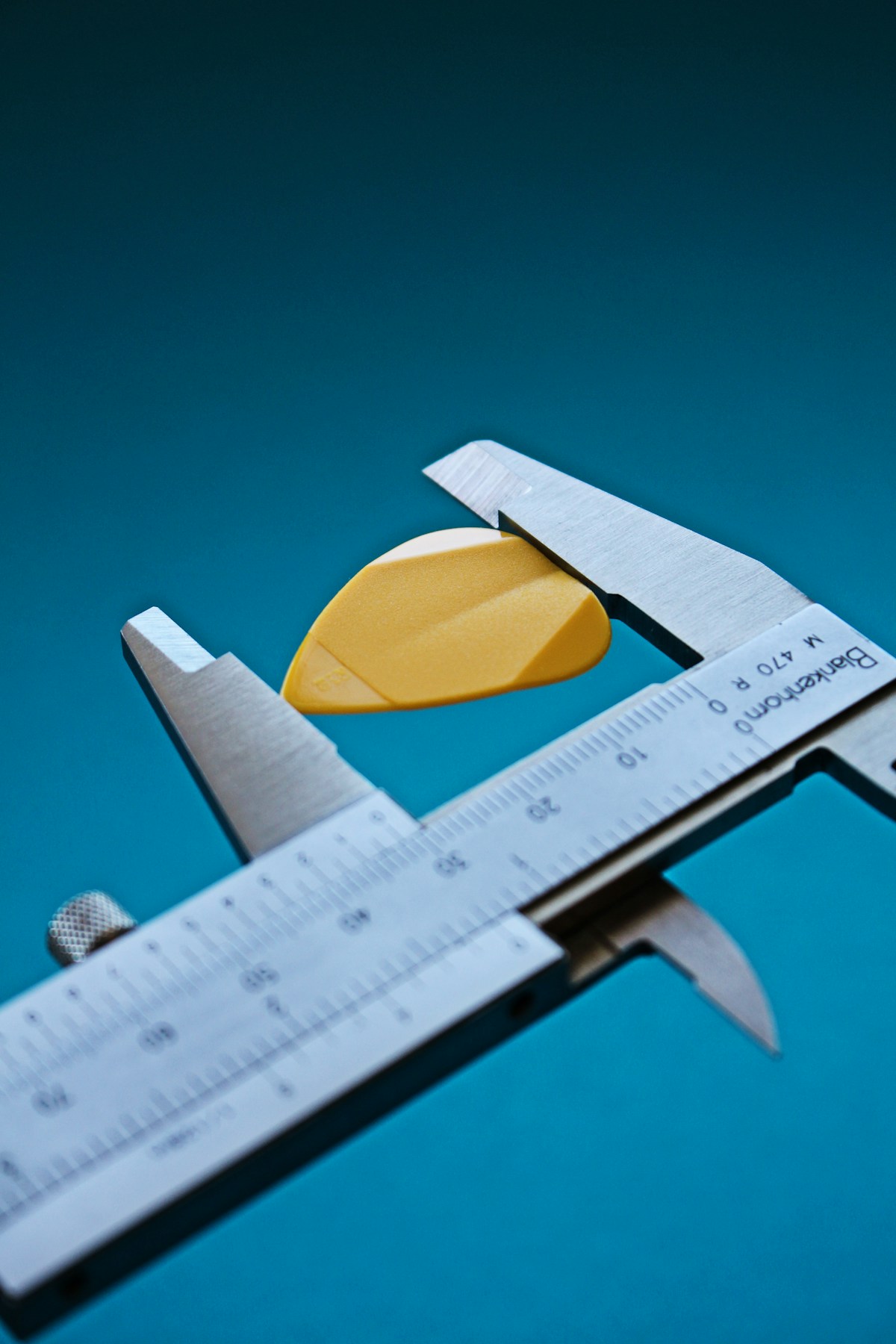
Weight and Skin Thickness Specs
<p style=”line-height: 1.8; marginSkin gauge — not the headline “4mm” — governs both weight and flatness. A 4mm panel with 0.50mm skins runs about 12 kg/m² (≈2.5 lb/ft²); dropping to 0.21mm skins saves roughly 1.5 kg/m² but strips out most of the panel’s oil-canning resistance.
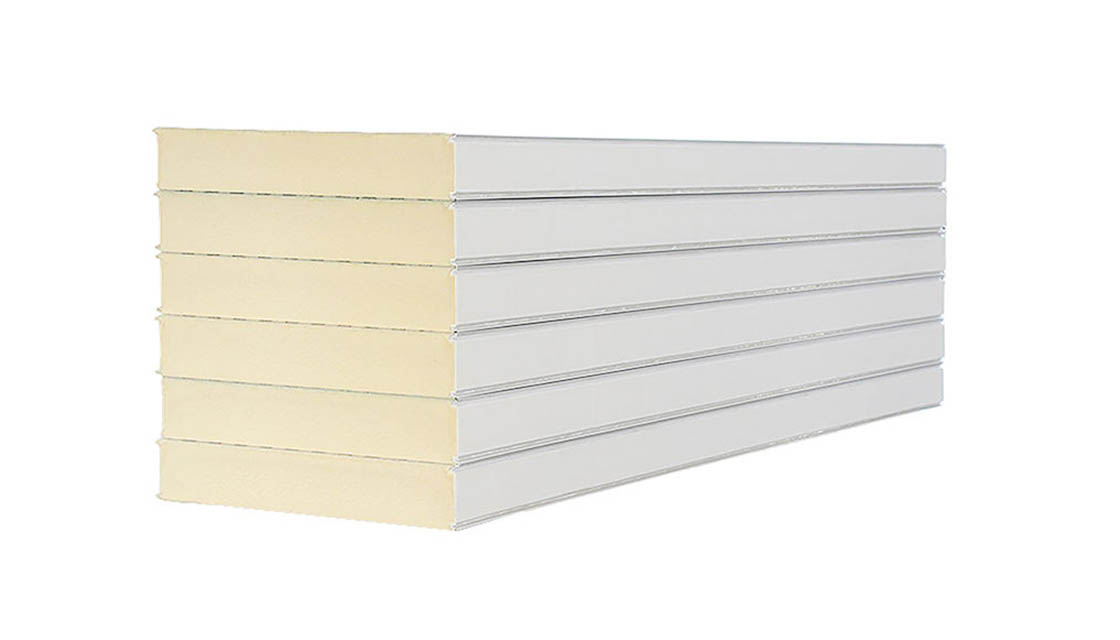
Price Drivers: What You Actually Pay For
Two 4mm ACP quotes can differ by a third despite identical external appearance. The divergence comes from skin thickness, coating chemistry, and core mineral content — the three hidden cost drivers that separate compliant panels from budget replacements.
Skin Thickness Drives a 20–30% Cost Swing
The aluminum skin is the single most impactful variable in ACP pricing, and its effect is rarely obvious at first glance. A 4mm panel specified with 0.50mm skins on each side contains roughly twice the aluminum volume of an identical-looking panel rated at 0.21mm per side. That difference alone accounts for a 20–30% swing in material cost, because aluminum coil pricing is weight-based and the skin represents the largest single material input.
The consequence extends beyond the unit price. Panels with 0.21mm skins are structurally insufficient for most facade spans and are highly susceptible to oil-canning — a visible rippling or flutter that becomes apparent on elevations exceeding 1.2m between fixings. This failure mode is the leading cause of post-installation complaints on low-cost ACP projects, and it directly triggers the kind of replacement levies that strain strata budgets.
A 0.50mm skin delivers the stiffness required for structural facade applications, maintains flatness across typical mullion spans, and retains peel strength well above the ASTM D1781 minimum. When evaluating quotes, the skin thickness specification should always be confirmed in writing, not inferred from panel thickness alone, because two panels both labeled “4mm” may have dramatically different skin gauges and vastly different lifecycle costs.
Coating System: PE Paint vs 70% PVDF
The coil coating applied to the aluminum skins determines weather resistance, color retention, and chalking performance over the panel’s service life. The two dominant systems are polyester (PE) paint and polyvinylidene fluoride (PVDF) with a minimum 70% PVDF resin content, and the price gap between them is significant — typically 15–25% for PVDF over PE at comparable volumes.
PE-coated panels perform acceptably for interior applications and sheltered low-rise facades where UV exposure is limited. However, under sustained solar irradiance, PE coatings begin to chalk and fade within 5–8 years, and color consistency across batches becomes increasingly difficult to maintain. For exterior cladding on mid- to high-rise buildings, PE coatings carry a meaningful risk of premature aesthetic degradation and premature replacement cycles.
PVDF coatings with 70% or higher resin content are the industry benchmark for exterior durability. They resist UV-induced chalking, maintain color integrity for 20–30 years, and meet the requirements of major architectural specifications and insurer guidelines. The higher upfront cost is offset by extended service life and reduced maintenance intervals, which is why fire-rated A2 panels for critical facades are almost exclusively supplied with PVDF finishes.
- PE (Polyester) coating: Lower upfront cost, suitable for interiors and sheltered applications, 5–8 year color retention under full UV exposure
- 70%+ PVDF coating: 15–25% premium over PE, 20–30 year exterior durability, required for most high-rise and school specifications
Core Mineral Content and Batch Test Reports
The core material is what separates a standard combustible ACP from a fire-rated ACM panel, and it is also the variable most prone to specification manipulation. Mineral-filled cores must contain more than 80% inorganic content by weight to achieve EN 13501-1 Class A2-s1,d0 classification. Panels marketed as “fire-resistant” but containing only 50–60% mineral filler may pass a basic flame test but will not meet A2 requirements under full-scale Euroclass conditions, and their peel strength degrades rapidly under heat exposure.
The inclusion of batch-specific test reports is not an administrative formality — it is a critical quality assurance measure. A generic datasheet fire rating does not guarantee that the panels delivered to site match the tested sample. Batch test reports issued by an accredited laboratory (such as a BSRIA or BRE-recognized facility) confirm that the specific production run being supplied has been independently verified against the declared EN 13501-1 classification. Without this documentation, there is no verifiable link between the rated performance and the installed product.
Mineral-filled cores also carry a stiffness and weight premium. A mineral-core 4mm panel typically weighs approximately 10–12 kg/m² depending on skin gauge, compared to a PE-core equivalent at roughly 8–9 kg/m². The added mass is a direct reflection of the inorganic filler loading, and it contributes to the panel’s structural rigidity and fire performance. This weight difference should be factored into subframe design and installation planning from the outset.
- Mineral core content: A2-rated panels require >80% inorganic filler by weight; lower percentages do not achieve Euroclass A2
- Batch test reports: Must reference the exact production batch and accredited laboratory, not a generic certificate
- Peel strength: Mineral-core panels must meet ASTM D1781 requirements; fire performance and peel strength are independent but equally mandatory
Why Identical-Looking 4mm Quotes Differ by a Third
A 4mm ACP panel from one supplier and a 4mm ACP panel from another may appear visually identical on a spec sheet, but the underlying material composition can differ substantially. The typical cost divergence of 25–35% between comparable quotes can be traced to three compounding variables: skin thickness, coating system, and core formulation.
Consider two 4mm panels both described as “white, PVDF-coated, A2-rated.” Panel A may use 0.50mm skins with 70% PVDF and an 85% mineral core with batch test reports. Panel B may use 0.30mm skins with a 50% PVDF blend and a 60% mineral core without independent batch verification. Both are 4mm thick and both may carry an A2 label, but their material costs, structural performance, and compliance certainty are fundamentally different.
For buyers managing cladding replacement budgets, the apparent savings from a lower quote can mask significant lifecycle risk. Non-compliant panels that fail to meet the declared fire rating or peel-strength threshold require full facade removal and replacement — a cost that can reach $150,000–$220,000 per unit in high-rise remediation scenarios. The price differential between a compliant and a non-compliant panel is therefore best understood as an insurance premium against catastrophic replacement liability, not merely a material cost comparison.
A quote that omits skin thickness, PVDF percentage, and batch-specific fire test references is incomplete by design. Always request these three parameters in writing before awarding a purchase order — they are the primary indicators of whether a panel is priced for compliance or priced for appearance.
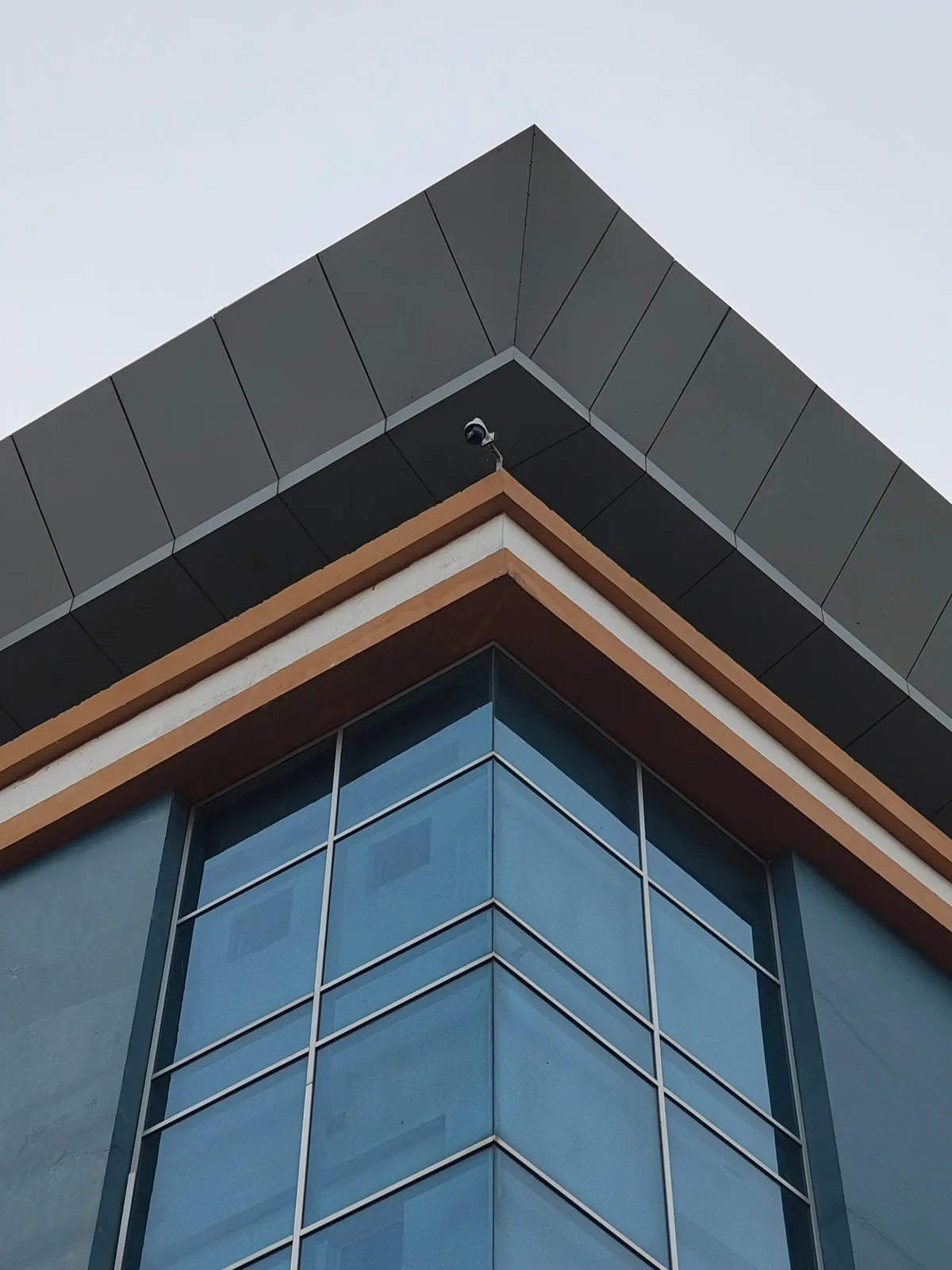
Applications: Where Each Panel Wins
No composite panel wins everywhere. Fire-rated ACM is non-negotiable territory for high-rise and educational buildings, standard PE-core ACP remains the economic choice for signage and interiors, aluminum-faced foam core solves weight-critical vehicle bodies, and aluminum honeycomb is reserved for facades where optical flatness justifies its premium.
The fastest way to misallocate budget on a cladding or fabrication project is to treat these panel architectures as interchangeable. Each one is engineered around a different dominant risk, and matching that risk to the application — not the other way around — is what separates a specification that passes approval from one that generates complaints, rework, or forced re-cladding.
- Life-safety compliance: the dominant risk on tall buildings and high-occupancy facilities like schools, where approving authorities review fire documentation before granting occupancy.
- Cost per fabricated part: dominant in signage, shopfronts, and interior fit-outs, where machining speed and fold quality determine the fabricator’s margin.
- Dead weight: dominant in RV and truck bodies, where every kilogram of skin is payload or range surrendered.
- Optical flatness: dominant on wide facade spans with reflective finishes, where any core ripple telegraphs as a visible wave.
High-Rise Facades and Schools: Why FR ACM Is Non-Negotiable
Since a series of high-profile facade fires reshaped building regulation, most major markets now restrict combustible core materials on buildings above defined height thresholds — and those thresholds sit lower than many buyers expect. Contractors who submitted PE-core panels on tall-building tenders have watched entire shipments rejected at the approval stage, a scenario that costs far more than the price difference between core types ever saved.
Schools deserve special mention because they trigger the same scrutiny even at modest heights. High occupancy, vulnerable users, and long daily operating hours place them in the same risk category as high-rises under most assessment frameworks, and insurers increasingly mirror the regulators’ position. Fire-rated mineral-core ACM is the specification that passes review — and because it routes, folds, and forms into cassettes on the same equipment as standard panel, upgrading rarely forces a redesign. The premium is modest against the total facade budget, and trivial against the cost of removing and replacing a non-compliant installation.
Signage, Interiors, and Low-Rise Work: Where Standard ACP Still Wins
Where fire codes permit, PE-core panel remains the rational specification — not as a compromise, but because it is the best-matched material for the job. Its soft core machines cleanly, which is why sign fabricators rely on it for routed letter faces, folded tray panels, and crisp return edges. Interior feature walls, column wraps, reception backdrops, and low-rise shopfront cladding rarely encounter the occupancy loads or heights that trigger FR mandates, so paying for a fire-rated core here buys nothing the application actually needs.
The failure mode in this category is not fire — it is stretching a standard panel beyond its comfortable span. Wide feature walls with generous support spacing develop visible waviness, particularly under dark or metallic finishes viewed at an angle. If the design demands a bigger module or a mirror-flat surface, the correct response is to change panel architecture, not to widen the rail spacing and hope for the best.
RV and Truck Bodies: Aluminum-Faced Foam Core for the Weight War
In vehicle construction, mass is currency. Every kilogram of body skin is a kilogram of payload or driving range surrendered, which is why RV and truck-body builders have moved away from heavier solid sheet toward aluminum-faced foam-core panels: a rigid, smooth, weather-sealed exterior at a fraction of the areal weight, with the flat sidewalls these vehicles depend on for graphics application.
The second advantage gets less attention: vibration. Road input fatigues stiff skins and works fasteners loose over thousands of kilometers, and an energy-absorbing foam core dampens that input instead of transmitting it. The practical result is less fatigue cracking, fewer popped rivets, and no drumming on large flat surfaces. The aluminum faces also accept paint, vinyl wraps, and printed graphics readily — which matters in a segment where the body often doubles as the advertisement. Honeycomb panels do appear in transport applications, typically for floors and structural sub-assemblies where maximum stiffness outranks surface area, but for large flat body skins the foam-core build is the established choice.
Flatness-Critical Facades: Where Aluminum Honeycomb Earns Its Premium
On signature facades with dark, metallic, or mirror-polished finishes, flatness is not an aesthetic nicety — it is the entire visual statement. Any core ripple telegraphs itself as a wave under raking sunlight, and no coating quality can hide it. Aluminum honeycomb’s bonded cell structure resists the elastic buckling that affects conventional composite cores on wide spans, which is why it permits larger panel formats, wider support spacing, and fewer joints — the clean, uninterrupted shadow lines architects specify for corporate headquarters and landmark buildings.
The trade-offs are real: a higher material cost, more specialized fabrication, and fixing systems that demand proper engineering input. That is precisely why honeycomb should be treated as a targeted upgrade rather than a default. Specifying it for a small interior feature or a narrow signage module is classic over-specification — an identical visual outcome is achievable with standard panel at a fraction of the cost. The disciplined approach is to define the span, fixing pattern, and finish reflectivity first, then let those three parameters dictate the panel architecture.
Before committing to either honeycomb or a standard build, fabricate a full-scale mock-up of the largest panel on the job, mount it at the actual support spacing, and inspect it under low-angle light in the early morning or late afternoon. Flatness problems that never appear on a datasheet reveal themselves within seconds — and changing a specification at mock-up stage costs a fraction of what it costs after the batch is delivered and installed.
| Application | Winning Panel | Recommended Build-Up | Fire Compliance | Why This Panel Wins (Rax Advantage) |
|---|---|---|---|---|
| High-Rise Facades & Rainscreens (>18 m Buildings) | Fire-Rated ACP (Mineral-Filled FR Core) | 4–6 mm panel; 0.40–0.50 mm AA3xxx skins; mineral-filled FR core (>80% inorganic); PVDF coating | EN 13501-1 A2-s1,d0 / Class B; ASTM E84 data for North America | Post-Grenfell codes demand non-combustible-class cladding; ISO-certified lines with batch test reports simplify approval |
| Commercial Curtain Walls & Long-Span Cladding | ACP Honeycomb Panel | 6 mm panel; 0.50 mm AA3xxx skins; aluminum honeycomb stiffening core; PVDF coating | EN 13501-1 A2-s1,d0 (FR core options certified) | Superior flatness and stiffness-to-weight for wide panel spans; custom engineering test support available |
| Interior Wall Cladding, Partitions & Signage | PE-Core ACP | 3 mm panel; 0.21–0.30 mm AA1xxx skins; PE core; PVDF finish (solid, metallic or glossy) | Class C or lower (PE core) — suitable where interior codes permit and for low-rise signage | Lowest cost per m² with easy cutting, routing and V-groove folding; flexible MOQ plus 24-hour multilingual service for fast turnaround |
| Transportation, Marine & Clean-Room Interiors | Aluminum Honeycomb Panel | 4–6 mm panel; 0.30–0.50 mm AA1xxx/AA3xxx skins; full-aluminum honeycomb core; corrosion-resistant coating | All-metal construction with no combustible core — supports the highest fire classifications | Highest stiffness-to-weight ratio for weight-sensitive structures; withstands humidity and harsh environments |
| Canopies, Ceilings & Impact-Prone Zones | Aluminum Foam Core Panel | 4–6 mm panel; 0.30–0.50 mm aluminum skins; aluminum foam core; customizable dimensions and colors | EN 13501-1 Class B or better (specify FR build-up per project) | Energy-absorbing core damps impact and vibration while keeping dead load low |
| Recladding & Fire-Safety Remediation Programs | A2 / FR-Core ACP | 4 mm panel; 0.40–0.50 mm AA3xxx skins; mineral-filled FR core; PVDF coating | EN 13501-1 A2-s1,d0 / Class B with traceable batch test reports; ASTM E84 data for North America | For replacing combustible PE cladding, engineering test support and certified documentation de-risk compliance |
| Custom OEM & Export Project Specifications | Full Panel Family (ACP, Honeycomb, Foam Core) | 3 / 4 / 6 mm panel; 0.21–0.50 mm AA1xxx/AA3xxx skins per side; PE or FR core; custom coatings | Class C up to EN 13501-1 A2-s1,d0 — matched to destination-market codes | 15+ years of expertise, 1,700+ m² daily output, 50+ export markets; customized lead times aligned to project schedules |

5 Specs to Verify Before Ordering
Before placing any ACP order, confirm five critical specs in writing: core composition, skin alloy and thickness, PVDF content and peel strength, EN 13501-1 batch-matched test reports, and total panel thickness. These are the parameters that separate compliant, durable cladding from panels that fail on-site.
Aluminum composite panels look identical off the shelf, but their performance under fire, wind, and weather loading depends entirely on what lies beneath the surface. Buyers who skip specification verification consistently encounter delamination, premature coating failure, or non-compliant fire ratings during installation. The five specs below are the minimum checklist that every procurement team should require before signing a purchase order.
1. Core Composition Percentage and Skin Alloy/Thickness — In Writing
The core material is the single most important determinant of an ACP’s fire classification, stiffness, and long-term dimensional stability. A standard polyethylene (PE) core contains near-zero inorganic filler and will achieve only Class B-s2, d0 or Class C under EN 13501-1. A fire-retardant (FR) mineral-filled core typically contains between 70% and 85% inorganic material by weight, which is what enables Class A2-s1, d0 certification. Without an explicit percentage stated on the purchase order, there is no contractual basis for enforcing the fire rating that the project specification requires.
Skin alloy and thickness operate on the same principle. The aluminum skin must be specified as a particular alloy — typically 3003 or 5005 — and the nominal thickness per side, such as 0.30 mm or 0.50 mm, must be recorded in writing. Thin skins below 0.25 mm on a 4 mm panel are a common source of oil-canning, especially on facade spans exceeding 1.2 meters. They also reduce peel strength and make the panel more susceptible to impact damage during transport and installation.
- Mineral-filled FR core: 70–85% inorganic content by weight; required for A2-s1, d0 classification.
- Standard PE core: 0% inorganic filler; limited to Class B or C fire ratings.
- Skin alloy: 3003-H19 or 5005-H19 are the industry-standard tempers for cladding applications.
- Skin thickness range: 0.21 mm to 0.50 mm per side; 0.50 mm is the minimum for high-rise and wind-loaded facades.
2. PVDF Content of Coating and Peel Strength Per ASTM D1781
The surface coating protects both the aluminum skin and the core from UV degradation, moisture ingress, and chemical attack. A 70% PVDF (polyvinylidene fluoride) coating, such as Kynar 500 or Hylar 5000, is the benchmark for exterior architectural cladding and delivers a service life of 25 to 40 years under normal exposure conditions. Lower-grade PE (polyester) coatings may be acceptable for interior applications or short-term signage, but they chalk and fade significantly faster when exposed to direct sunlight and weather cycling.
Peel strength is the mechanical bond between the aluminum skin and the core, measured according to ASTM D1781. This test pulls the skin away from the core at a defined angle and records the force required in newtons per centimeter (N/cm). A minimum peel strength of 30 N/cm is widely regarded as the threshold for structural integrity in exterior cladding. Panels that fall below this value are prone to delamination under thermal cycling and wind pressure, which is one of the leading causes of ACP facade failure in service.
- PVDF coating: 70% minimum fluoropolymer content for exterior architectural use; 25–40 year lifespan.
- PE polyester coating: Suitable for interiors and signage only; shorter UV resistance.
- ASTM D1781 peel strength: Minimum 30 N/cm for exterior cladding; lower values indicate delamination risk.
- Coating finish options: Gloss, matte, metallic, and textured finishes are available with PVDF systems.
3. EN 13501-1 Report Matching the Delivered Batch
This is where the most widespread gap exists between marketing claims and actual product performance. Many manufacturers publish EN 13501-1 test certificates that are generic, dated, or issued for a panel configuration that differs from what is being delivered. A certificate referencing a 4 mm panel with 0.50 mm skins and 80% mineral core is not valid proof that a 4 mm panel with 0.30 mm skins and 60% mineral core meets the same fire classification. The test report must match the exact specification — core composition, skin thickness, total thickness, and coating system — of the panels being supplied.
Buyers should request a copy of the full EN 13501-1 test report from an accredited third-party laboratory, not an in-house or self-declared certificate. The report should include the test laboratory name and accreditation number, the exact panel configuration tested, the date of testing, and the full classification result including the smoke and flaming droplet ratings (the s1 and d0 designations). If the report is older than five years, the buyer should request a recent re-test, as core formulations and manufacturing processes can change over time.
4. Fire-Rated Core Verification — A2 vs FR Marketing Labels
The market is saturated with panels labeled “fire-rated” or “A2 grade,” but these terms are not interchangeable. True A2-s1, d0 classification requires a mineral-filled core with a minimum inorganic content that typically exceeds 80% by weight. Panels marketed as “FR” (fire-resistant) often contain a lower mineral loading — sometimes between 50% and 70% — which may achieve Class B-s2, d0 or even Class C, but not A2. The distinction matters enormously for high-rise buildings, schools, and other occupied structures where building codes mandate A2-class materials above certain height thresholds.
UK regulations, for example, prohibit combustible cladding on residential buildings above 18 meters. German HHR (Height Reference Range) requirements mandate A2 classification for buildings above 22 meters. In these jurisdictions, a B-class FR panel is not a compliant substitute for an A2 panel, regardless of how convincingly it is marketed. Buyers should always cross-reference the fire rating on the test report against the specific regulatory requirement of the project location.
- A2-s1, d0: Non-combustible; requires ≥80% inorganic mineral core; mandatory for high-rise and regulated buildings.
- B-s2, d0 or B-s1, d0: Fire-retardant FR core; acceptable for low-rise and non-regulated applications.
- C-s2, d0 and lower: Standard PE-core panels; prohibited on most exterior facades above ground level in regulated markets.
- Smoke and droplet ratings: The s1 and d0 suffixes indicate low smoke development and no flaming droplets — both critical for occupant safety.
5. Total Panel Thickness and Tolerance Compliance
Total panel thickness is specified as 3 mm, 4 mm, or 6 mm, but the actual manufactured thickness must fall within an acceptable tolerance band. EN 1470-2 defines the dimensional tolerance for aluminum composite panels, and deviations beyond this band can cause installation failures, including misaligned joint gaps, inconsistent facade planes, and fastener pull-through. A panel marketed as 4 mm but manufactured at 3.6 mm will have proportionally thinner core material, which reduces stiffness and may compromise the peel bond under thermal stress.
Tolerance compliance should be verified through mill certificates or third-party inspection reports that confirm the manufactured thickness across multiple panels from the same production batch. Buyers working on flatness-critical facades should also request a flatness tolerance statement, as panels that exceed acceptable warp or crown limits will require additional subframe adjustment during installation, increasing labor cost and schedule risk.
- EN 1470-2 tolerance: Standard dimensional tolerance for ACP thickness; deviations must be confirmed before bulk order.
- Thickness options: 3 mm, 4 mm, and 6 mm are the most common; 6 mm provides higher stiffness for tall facade spans.
- Flatness tolerance: Critical for visually demanding facades; request warp and crown limits in the purchase specification.
- Batch consistency: Verify that thickness and flatness are consistent across the entire order quantity, not just a sample panel.
Conclusion
Here’s the thing most buyers get wrong: they compare the panels by appearance and stop there. The real divergence is in the core chemistry. A mineral-filled ACM panel with A2 fire ratings isn’t interchangeable with standard PE-core ACP, no matter how identical the coating looks on site. At our facility, we run both product lines and the quality control protocols around them are completely separate. If you’re sourcing for a project above 18 meters or a school building, specifying A2-rated ACM isn’t a preference — it’s the only compliant path. Get that call mixed up and you’re looking at a full facade replacement, not a minor warranty claim.
Our engineers can pull a spec sheet for your exact project height, coating, and core requirements and deliver it within 24 hours. We also send physical material samples — full-size panel sections with batch test reports attached — so your team can verify skin thickness, peel strength, and core composition before placing any order. Reach out to our technical team and tell them the building classification and total square meters. They’ll match you to the right panel grade and provide a firm quote with delivery timeline baked in.
Frequently Asked Questions
What do the s1 and d0 suffixes mean?
The suffixes refine the Euroclass: s1, s2, and s3 grade smoke production, with s1 the lowest, while d0, d1, and d2 grade flaming droplets, with d0 meaning none within the test period. Smoke inhalation causes most fire fatalities, so s1,d0 is the benchmark for occupied buildings. Compare the full classification, because a B-s2,d2 panel performs far worse than a B-s1,d0 despite sharing the same letter grade.
Does PVDF coating improve fire performance?
No. Fire classification is driven almost entirely by core chemistry and the aluminum skins; coatings are micron-thin layers with negligible fuel contribution. PVDF, FEVE, and polyester systems differ in weatherability, gloss retention, and UV resistance, not combustion behavior. Treat any supplier promoting a fire-rated coating as a substitute for a fire-rated core as a red flag.
How do I identify PE cores on site?
Start with procurement records: original datasheets or batch test reports should state the core composition. A cut-out sample reveals black polyethylene versus the white or grey appearance of mineral-filled cores, but visual checks alone are not conclusive. For definitive classification, submit a core sample to an accredited laboratory for composition or calorific-value testing. Base any remediation decision on documented results rather than assumptions.
Can ACP be bent, routed, or curved?
Yes. Standard fabrication includes V-groove routing for crisp folds, roll-bending for gentle curves, and CNC forming of cassettes and trays. Skin thickness governs the minimum bend radius, so 0.40–0.50mm skins tolerate tighter folds without cracking. Mineral-filled cores are more abrasive than PE and require carbide tooling with slower feed rates for clean edges.
Which fire standards apply outside Europe?
North American codes typically reference ASTM E84 surface-burning classes and NFPA 285 for multi-story exterior wall assemblies, while Australia and New Zealand use AS/NZS group-number testing. EN 13501-1 results do not automatically transfer between jurisdictions. Confirm the destination market’s required test regime before ordering so certification happens before production, not after.
How long does ACP cladding last outdoors?
Quality PVDF-coated ACP typically serves 20–30 years outdoors, with coating warranties of 10–20 years depending on climate severity. Coastal salt and intense UV accelerate coating wear, so specify higher PVDF content in those environments. Long-term performance depends as much on drainage, gaskets, and sub-frame integrity as on the panel itself.
What costs come after the panel price?
Budget for fabrication — routing, folding, and cassette forming — plus the aluminum sub-frame, installation labor, and long-term maintenance. International orders should also account for freight, duties, and transit-risk cover. The cheapest per-square-metre quote often proves the most expensive once rework, warranty claims, or compliance remediation enter the picture.