

Specifying an ACP foam core panel fire rating without authenticating the test report creates immediate code compliance risks. Most procurement teams focus on unit cost, yet a single non-compliant core material can trigger a total project halt. The difference between a B1 and an A2 classification is not just a label; it determines if the building remains occupied during a fire event. You need to distinguish between marketing claims and certified safety data.
While XPS and PET cores offer thermal insulation, a 50mm enhanced modified foamed cement insulation board core achieves A-grade fire resistance that standard polymer foams cannot match. We review the technical divergence between these core types and demonstrate how to cross-reference foam core material certifications against panel specs. You will leave with a clear method to identify fake certificates and installation detailing errors that compromise fire integrity.
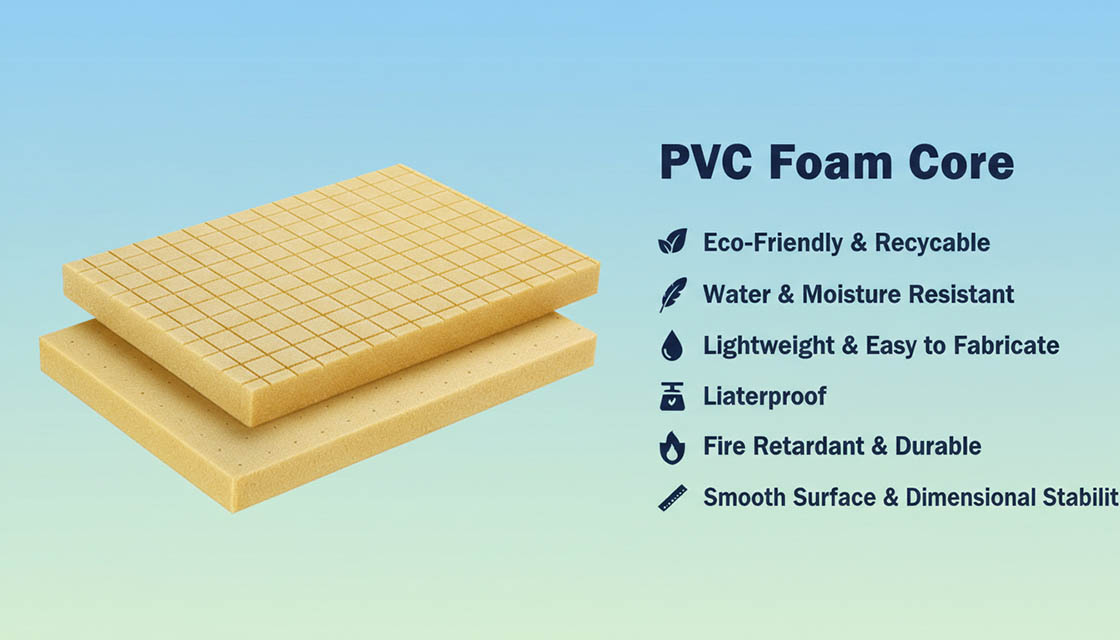
Check Documentation and Materials Before Technical Review
Authenticating fire documentation is your first line of defense against catastrophic liability. Never assume a provided PDF implies actual compliance; verify the report number directly with the issuing laboratory.
Verifying Third-Party Fire Test Report Authenticity
The market is flooded with sophisticated counterfeit certificates that mimic the layout of reputable labs like TÜV, SGS, or Intertek. As a buyer, you must distinguish between a “Test Report” (raw data) and a “Classification Report” (official status). A raw data sheet does not grant a fire rating; it only records what happened during a specific burn. To ensure compliance, you must cross-reference the certificate number on the official website of the testing body. If the document does not appear in their database, or if the issuance date differs from the PDF, the document is void.
Be wary of “valid for X years” claims on generic templates. Valid fire classifications (e.g., EN 13501-1) are only valid as long as the product formulation remains unchanged. If a supplier changes their core adhesive supplier, the fire certification is technically invalidated.
We maintain a rigorous documentation protocol for our international clients. For every batch of Aluminum Composite Panels (ACP) or Foam Core Sandwich Panels shipped, we provide the full, unredacted classification report alongside the test lab’s direct verification link. We encourage our B2B partners to audit these documents before the production line starts, ensuring that the “Fire Retardant” label on the purchase order matches the physical reality of the material.
📋 Actionable Steps: Certificate Verification
- Step 1: Locate the unique report number and the official stamp of the accredited laboratory (ISO 17025).
- Step 2: Visit the laboratory’s official online database. Do not use links provided in the supplier’s email; type the URL manually.
- Step 3: Confirm that the “Applicant” on the report matches the manufacturer’s legal name, not just a trading company.
Cross-Referencing Foam Core Certifications with Panel Specs
A common subterfuge in the industry involves certifying a specific panel configuration—such as a 4mm panel with a specific mineral-filled density—and then applying that certificate to a completely different production run. If the certificate specifies a 30kg/m³ core density, but the delivered panels use a 20kg/m³ core to save costs, the fire performance is compromised. You must meticulously verify that the technical specifications on the certificate (skin thickness, core material type, core density) exactly match the technical data sheet (TDS) provided for your order.
In our production facility, we align our manufacturing tolerances strictly with the certified “Type Approval” samples. For our Foam Core Sandwich Panels utilizing XPS, PET, or PU cores, we ensure that the density and thickness noted in the fire report are replicated in the mass production line. We do not stretch the certification of one material (e.g., a fire-retardant PET core) to cover a standard, non-retardant PE core. This level of granular control is necessary to maintain the integrity of the B1 or Class B ratings.
Understanding Fire Rating Standards for ACP Foam Core Panels
Confusion often arises from mixing regional standards. Under the European standard EN 13501-1, ratings range from A1 (non-combustible) to F (easily flammable). For foam core ACPs, achieving an A2 rating is extremely difficult without using a high percentage of mineral fillers (which essentially turns the foam into a stone-like composite). Most high-quality Polyethylene (PE) or PU foam cores achieve a Class B or C rating, provided they are heavily modified with fire-retardant additives. In contrast, the Chinese standard GB 8624 uses the B1 rating (limited combustibility) which roughly corresponds to European Class B.
- Class A (A1/A2): Typically requires non-combustible mineral cores (e.g., Magnesium Oxide). Standard organic foams (XPS, PU, PVC) generally cannot reach this level.
- Class B (B-s1, d0): The achievable standard for high-quality FR (Fire Retardant) foam cores. “s1” indicates low smoke production, and “d0” means no flaming droplets.
- Class C/D: Acceptable for low-rise applications or interior partitions but generally restricted for high-rise exteriors in most jurisdictions.
We design our Aluminum Foam Core Panels and ACP Foam Core Panels with a clear hierarchy of fire performance. We do not market our standard PU or XPS insulated panels as “A2 Class” because that contradicts the physical properties of organic insulation. Instead, we focus on optimizing our XPS and PET cores to achieve the highest possible Class B performance by utilizing advanced halogen-free fire retardants that minimize smoke and dripping.
Validating Core Material Composition Against Declared Fire Performance
The fire performance of a foam core panel is dictated by chemistry, not just thickness. A panel might pass a fire test due to a specific blend of fire-retardant additives (e.g., Aluminum Trihydrate or Magnesium Hydroxide). If the manufacturer reduces the percentage of these additives to lower costs or improve the foam’s adhesion properties during lamination, the panel will fail in a real fire scenario. Validating the composition requires checking if the supplier has a consistent quality control (QC) protocol for their raw material batches.
Request a “Declaration of Performance (DoP)” that lists the specific chemical formulation or the proprietary fire-retardant grade used. If a supplier cannot identify the specific grade of their XPS or PVC core, they lack control over their fire safety consistency.
At our factory, our engineers conduct experimental testing on every new batch of core materials before they enter the production line. We verify that the density and thermal stability match the data required for the fire certification. By sourcing our core materials from vetted chemical partners and testing them in-house, we ensure that the final composite panel—whether it faces GRP, Aluminum, or Steel—behaves exactly as predicted in the fire safety reports.
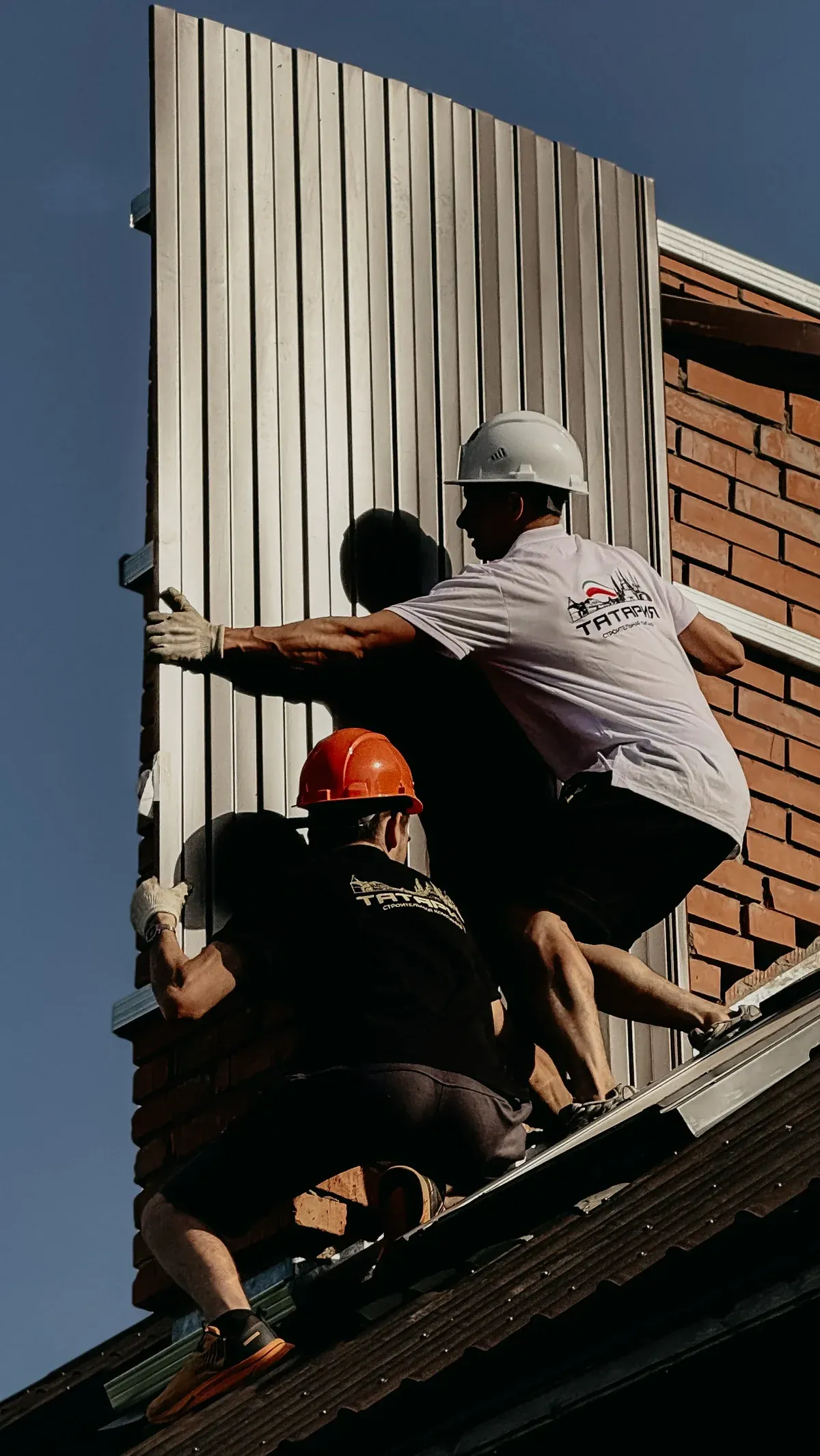
Fire Classification Standards and Test Data Explained
Fire classification for ACP foam core panels is governed by two primary testing regimes — ASTM E84 (North America) and EN 13501-1 (Europe) — each measuring flame spread, smoke development, and heat release through fundamentally different protocols.
ASTM E84: Tunnel Test Fundamentals and Threshold Values
The ASTM E84 standard, also known as the Steiner Tunnel Test, remains the dominant fire performance evaluation method for building interior finish materials in North American construction. The test subjects a 24-foot specimen to a controlled gas flame while measuring two critical parameters: the Flame Spread Index (FSI) and the Smoke Developed Index (SDI). These are dimensionless comparative values derived from the test apparatus’s optical density and pressure differential readings across the tunnel length.
For ACP foam core panels targeting commercial facade applications, the relevant FSI threshold is 25 or below for Class A designation, 26–75 for Class B, and 76–200 for Class C. The SDI must remain at or below 450 for all classification tiers, though many high-specification projects impose a tighter limit of SDI ≤ 200. These thresholds are measured under steady-state fire exposure conditions at 100 kW thermal output, and the resulting indices are calculated relative to reference materials — inorganic cement board (FSI = 0) and red oak flooring (FSI = 100).
A critical limitation of ASTM E84 that specifiers must understand is that it evaluates horizontal flame propagation across the underside of a ceiling-mounted specimen. This does not directly replicate the vertical flame spread behavior of exterior facade cladding systems, which is why European standards employ fundamentally different test geometries and exposure profiles.
EN 13501-1: European Classification System and Test Hierarchy
The EN 13501-1 standard establishes the European fire classification framework for construction products and elements, replacing national standards such as Germany’s DIN 4102 and the UK’s British Standards classifications. The system operates on a hierarchical testing approach where products are first screened through preliminary tests before progressing to full-scale classification testing. The classification ladder runs from A1 (non-combustible) through A2, B, C, D, E, to F (no performance determined).
For ACP foam core panels, the relevant classification tests include EN 13823 (single flame source) for outer cladding and EN ISO 11925-2 (ignitability) for core materials. The EN 13823 test exposes the panel surface to a calibrated gas burner flame at 20 kW for 60 seconds, measuring time-to-ignition, flame propagation height, mass loss rate, and heat release rate. The EN ISO 11925-2 ignitability test uses a 20 kW pilot flame for 15 seconds and determines whether the specimen sustains flaming for more than 30 seconds after flame removal.
Heat release rate is the single most discriminating parameter in EN 13501-1 classification. Panels achieving A2 classification typically demonstrate a peak heat release rate below 120 kW/m² during the cone calorimetry phase, while B-classified panels may reach 200–400 kW/m². The total heat released over the full test duration and the 60-second growth rate index (FIGRA) further differentiate performance tiers within each classification band.
Smoke Development and Toxicity Measurement Protocols
Smoke production during fire exposure is measured through optical density methodology in both ASTM E84 and EN 13501-1 frameworks. In the Steiner tunnel, an infrared light source passes through the smoke column, and a photodetector on the opposite end quantifies light attenuation, which correlates to smoke concentration. The resulting SDI value is a composite of peak smoke optical density and the total smoke volume generated over the test duration.
European standards add the s1, s2, and s3 smoke classification suffixes to the primary fire rating, where s1 denotes low smoke production (optical density ≤ 200 m²), s2 indicates moderate smoke, and s3 means excessive smoke production that fails to meet s2 thresholds. The smoke test protocol under EN 13501-1 incorporates both the single flame source test and cone calorimetry smoke production rate data, providing a more comprehensive assessment than the ASTM E84 SDI alone.
Toxic gas emission is not directly quantified within the EN 13501-1 classification itself but is addressed through supplementary testing under EN ISO 19700 for gas toxicity. For ACP panels with polymer foam cores, the primary toxicological concern centers on carbon monoxide yield and, in the case of halogenated flame retardants, hydrogen halide release. Mineral core panels inherently eliminate halogenated gas emissions, which is a significant advantage for occupied building environments where tenability during evacuation is the primary safety concern.
Heat Release Rate and Mass Loss Rate as Classification Determinants
The cone calorimeter test (EN ISO 5660) serves as the foundational laboratory method for determining heat release characteristics that feed into EN 13501-1 classification. Under this protocol, a 100 mm × 100 mm specimen is exposed to an external radiant heat flux, typically 25 kW/m² for classification purposes, and the thermal energy released during combustion is measured using an oxygen consumption calorimeter. The principle relies on the direct relationship between oxygen consumption and heat release: approximately 13.1 MJ of energy is released per kilogram of oxygen consumed during combustion.
The peak heat release rate (pHRR) measured in kW/m² is the primary determinant of whether a panel achieves A2, B, or C classification. The time to ignition (TTI) in seconds indicates how rapidly the material begins to decompose and release combustible volatiles. Mass loss rate curves, expressed in g/s, reveal the combustion kinetics of the foam core and provide insight into whether the material chars, melts, or drips during fire exposure — each behavior having distinct implications for fire spread across a facade system.
DIN 4102 B1 vs. EN 13501-1: Cross-Standard Classification Mapping
The transition from national standards to harmonized European classifications has created persistent confusion in specification documents, particularly where German engineering projects reference the older DIN 4102 system. DIN 4102 Class B1 designates “flame retardant” materials that self-extinguish when the ignition source is removed, while Class B2 covers “normally combustible” materials and Class B3 designates “easily combustible” materials with no fire performance requirements.
The approximate cross-reference between DIN 4102 and EN 13501-1 for ACP foam core panels is as follows: DIN B1 corresponds broadly to EN Class B or C depending on the core material and construction; DIN B2 has no direct equivalent in the European system as it represents a lower performance tier. Importantly, DIN A1 and A2 (non-combustible and limited combustibility) map directly to EN 13501-1 A1 and A2 classifications. This mapping is approximate and project-specific — a panel certified as B1 under DIN 4102 may not automatically satisfy EN Class B requirements without independent testing under the harmonized standard.
When specifying ACP foam core panels for European construction projects, the governing standard is unequivocally EN 13501-1. The use of DIN 4102 designations in current specification documents indicates either legacy documentation or insufficient familiarity with the harmonized system. Specifiers should request EN 13501-1 classification certificates and verify that the test report references the current standard version, as EN 13501-1:2018 superseded earlier editions and introduced additional test requirements for external facade applications.
Core Material Influence on Fire Classification Outcomes
The foam core material is the primary determinant of fire classification performance in ACP panels. XPS (extruded polystyrene) cores typically achieve EN Class E or D classification under standard conditions, with pHRR values in the range of 400–800 kW/m² depending on density and flame retardant additive levels. PET (polyethylene terephthalate) foam cores generally perform better, commonly reaching EN Class B or C, with pHRR values typically between 150–350 kW/m² and lower smoke production rates compared to XPS.
PU (polyurethane) foam cores exhibit highly variable fire performance depending on the formulation, with pHRR values that can range from 200 kW/m² for specially formulated fire-retardant grades to over 600 kW/m² for standard formulations. PVC (polyvinyl chloride) foam cores present a unique challenge: while they can achieve reasonable flame spread ratings, the chlorine content in the polymer matrix generates significant hydrogen chloride gas and dense dark smoke during combustion, which directly impacts the s1/s2/s3 smoke classification and toxicity assessment.
Mineral core constructions, utilizing inorganic materials such as expanded clay, glass granules, or mineral wool composites, are the only foam-panel-adjacent solutions capable of achieving A2-s1, d0 classification. These cores eliminate combustible fuel load from the panel assembly, resulting in negligible heat release and zero flaming droplet generation. The trade-off is increased areal density — mineral core panels typically weigh 2–3 times more than their PET or XPS counterparts — which has direct implications for structural loading, handling, and installation methodology on high-rise facade systems.
| Standard | Core Type | Test Metric | Application | Rax Solution |
|---|---|---|---|---|
| EN 13501-1 Class A2 | Inorganic Mineral Core | Limited combustibility; negligible heat release | High-rise facades, airports, hospitals | Direct lab verification to prevent fake certificates |
| EN 13501-1 Class B | Fire-Retardant (FR) Modified Core | Limited combustibility; self-extinguishing | Low-rise commercial, canopy cladding | Flexible MOQ & custom sizing options |
| EN 13501-1 Smoke & Droplet | Mineral-filled / Safety Additive | s1 (low smoke), d0 (no flaming droplets) | Public assembly zones, escape routes | Certified samples & technical data sheets |
How Foam Cores React to Fire
Thermoplastic Degradation vs. Mineral Core Stability
When exposed to direct flame or high radiant heat, the chemical composition of the core dictates the failure mode. Standard organic cores—such as Polyethylene (PE), Polyurethane (PU), or unmodified Polystyrene (XPS)—are thermoplastic. As temperature rises, these polymers do not merely char; they undergo a physical phase transition from solid to liquid. The aluminum skins typically delaminate once the core temperature exceeds the softening point (often between 100°C and 120°C for standard LDPE cores), exposing the molten polymer to oxygen. This molten material acts as a liquid fuel, flowing downward and accelerating fire spread through the “chimney effect” common in facade fires.
Conversely, inorganic mineral cores and advanced fire-retardant (FR) thermoset cores exhibit distinct thermomechanical behaviors. Materials like enhanced modified foamed cement or mineral-filled FR cores do not melt. Instead, they undergo endothermic decomposition, releasing water vapor (in hydrate-based cements) or inert gases that dilute the oxygen concentration at the flame front. This reaction absorbs significant heat energy, delaying the temperature rise of the unexposed side. While they may eventually spall or crack under extreme thermal shock, they retain structural integrity significantly longer than thermoplastic alternatives and do not contribute to the “fuel load” of the fire.
Melt-Drip Dynamics and Vertical Fire Spread
The most dangerous characteristic of low-grade ACP foam cores is the tendency to produce burning droplets, technically referred to as “melt-drip.” In a fire scenario involving cores like XPS or standard PU, the polymer viscosity drops rapidly, causing flaming droplets to fall. This is critical for facade engineering; these droplets can ignite lower floors or debris piles, bypassing fire breaks and creating multiple ignition points simultaneously.
Engineers often assume that the aluminum skins will contain the core indefinitely. In reality, once the skin integrity is breached—often by window framing or thermal expansion—the liquid core pours out. If the core is not certified as “non-combustible” or Class A (per EN 13501-1), melt-drip is a predictable physics failure, not a statistical anomaly.
Fire-retardant variants attempt to mitigate this through chemical additives. Halogenated or phosphorus-based flame retardants can promote cross-linking in the polymer structure, attempting to create a char “skin” over the molten core to reduce dripping. However, testing data indicates that under the high heat fluxes of a real fire (exceeding 50 kW/m²), these additives are often consumed rapidly, and the underlying thermoplastic nature reasserts itself, leading to eventual dripping and rapid flame spread.
Char Formation and Insulation Performance
High-performance fire-rated cores rely on charring as a primary defense mechanism. Unlike melting, charring is a thermochemical decomposition that converts the organic polymer into a carbonaceous residue. This char layer acts as a thermal barrier, insulating the underlying material from the heat source due to carbon’s low thermal conductivity.
- PET Cores: Polyethylene Terephthalate (PET) generally exhibits better charring tendencies than PE or PU. In fire scenarios, PET tends to form a thin, intumescent char that can temporarily slow heat transfer, though it is still classified as combustible unless heavily modified.
- Mineral Cores: Enhanced modified foamed cement cores do not produce organic char. Instead, they rely on their inherently low thermal conductivity (typically 0.05–0.07 W/m·K) and high specific heat capacity. They act as a heat sink, maintaining the “cold side” temperature significantly below the “hot side,” protecting the building structure for the duration of standard fire resistance ratings (e.g., 60 or 120 minutes).
Heat Release Rate (HRR) and Smoke Density
While melt-drip dictates the spread of fire, the Heat Release Rate (HRR) dictates the intensity. Thermoplastic foams (PE, PU, XPS) have a high calorific value, releasing intense energy rapidly when pyrolyzed. This rapid release creates a high-temperature environment that can lead to flashover in confined spaces much faster than mineral-based alternatives.
Furthermore, the optical density of smoke is a critical life-safety factor. Incomplete combustion of chlorinated or brominated flame retardants (found in older FR cores) can release dense, toxic black smoke containing hydrogen chloride or hydrogen cyanide. Modern mineral cores produce significantly less smoke and are generally non-toxic (primarily releasing carbon dioxide and water vapor), which is essential for maintaining evacuation visibility and reducing respiratory hazards for occupants and firefighters.
Expert Insight: For high-rise or high-occupancy structures, specifying a core that undergoes endothermic dehydration (mineral) rather than thermoplastic melting is non-negotiable. The physical property of “non-melt” is the single most reliable indicator of safety in facade engineering.
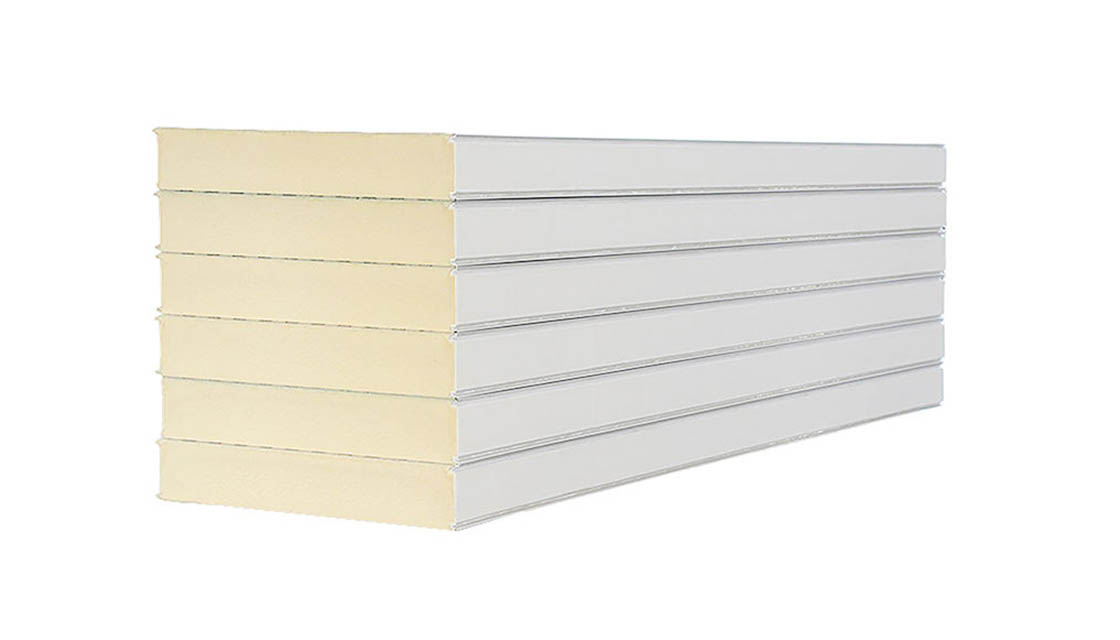
Regional Compliance: Where Foam Core Panels Can Be Used
Fire-rated ACP foam core panels are not universally permitted; their allowable use is strictly governed by jurisdiction-specific building codes, assembly testing, and core material classification.
The global market for aluminum composite panels with foam cores is constrained by a fragmented landscape of fire safety regulations. Specifiers cannot rely on a single fire rating label, as a panel certified to one standard may be non-compliant in another jurisdiction. The permissible application hinges on three interconnected variables: the local classification system, the building’s height and occupancy type, and the required fire performance of the entire wall assembly.
The most common source of specification error is the direct translation of fire ratings between standards. A panel marketed as “B1” in a market following the German DIN 4102 standard is not equivalent to a panel rated “B-s1,d0” under the European EN 13501-1 standard. DIN 4102 B1 denotes a flame-retardant material that self-extinguishes, while EN 13501-1 B-s1,d0 classifies a product with limited flame spread, no smoke production, and no flaming droplets. Using a DIN 4102 B1-rated panel in a project requiring EN 13501-1 compliance without proper third-party certification verification is a critical pathway to specification failure and failed fire safety inspections.
This classification ambiguity extends to the United States and Australia. In the US, the focus shifts from material classification to whole-assembly performance tested to standards like NFPA 285. A foam core panel’s individual fire rating is secondary to its performance as part of a tested wall system. Conversely, Australian standards (AS 1530.1/2/3/4) assess fire hazards through parameters like the Fire Growth Index (FGI), requiring explicit declaration of the foam core type (e.g., PE, XPS, or FR) to calculate compliance. Assuming equivalence between these systems without rigorous cross-referencing of test reports leads to non-compliant installations.
Core Material Dictates Maximum Building Height and Application
The fundamental chemical composition of the foam core is the primary determinant of where a panel can be legally installed. Polyethylene (PE) cores, while cost-effective, are highly combustible and face severe restrictions or outright bans on exterior facades in most developed markets due to their role in vertical fire spread. Modified cores, such as flame-retardant (FR) XPS or PET, offer improved performance but are typically limited to low-rise applications or specific interior uses.
For high-rise exterior cladding, the industry standard has shifted decisively toward non-combustible or mineral-filled cores. In the EU, exterior facades above a critical height threshold (often 18 meters) mandate A2-s1,d0 classification, effectively prohibiting traditional foam cores in favor of mineral wool or inorganic alternatives. In China, while foam cores are restricted for exterior use on low-rise buildings to a minimum B1 level, their use is entirely banned for high-rise exterior applications. This height-based restriction is a global trend, driven by post-Grenfell regulatory tightening that prioritizes passive fire safety in taller structures.
The most permissive environment for standard foam core panels remains interior applications. Interior signage, partition walls, and false ceilings in commercial and residential buildings frequently allow for B/C self-extinguishing foam cores, as the risk of external fire spread is negligible. This creates a clear bifurcation in the market: foam core ACPs are a viable, lightweight solution for interior fit-outs worldwide, but their use on exterior envelopes is a tightly controlled subset of the business governed by strict height and assembly testing.
The Non-Negotiable Role of Assembly Testing and Certification
Possessing a panel with a respectable individual fire rating does not guarantee compliance. In jurisdictions like the US (NFPA 285), Canada (CSA S126), and the UK (Approved Document B), the legal requirement is for the entire wall assembly—including insulation, barriers, joints, and cladding—to pass a large-scale fire test. A foam core panel that has not been tested and certified as part of a specific assembly configuration cannot be used in these markets, regardless of its standalone rating.
Therefore, due diligence must extend beyond the product data sheet. Buyers must verify that the supplier can provide a complete technical dossier that includes the assembly test report, engineering installation guidelines, and compatibility statements for all interfacing components. Relying on a panel’s isolated fire classification without this systemic documentation is a significant risk that can result in project delays, costly redesigns, and failed building permit approvals.
| Region | Building Type | Foam Core Usage | Compliance Standard | Rax Solution |
|---|---|---|---|---|
| EU & Middle East (EN 13501-1) | High-Rise Exterior (>18m) | Prohibited | Class A2 Non-Combustible | Immediate supply of A2 Mineral Core alternatives to prevent project delays |
| China Domestic (GB 8624) | Low-Rise Exterior | Restricted (Min. B1) | Class B1 Fire Retardant | Direct lab verification to eliminate counterfeit certificate risks |
| Americas (NFPA 285) | Commercial Facades | Assembly Dependent | NFPA 285 System Approved | Full technical dossier and engineering installation guides |
| Global Markets | Interior Signage & Partitions | Approved (Standard PE) | Class B/C Self-Extinguishing | Flexible MOQ and expedited lead times for branding projects |
Installation Mistakes That Undermine Fire Ratings
Sealant and Joint Detailing Compromising Fire Integrity
Certified fire ratings (Class B, A2) are contingent upon the system acting as a monolithic barrier. The most frequent installation failure we observe involves using non-compliant weather sealants in lieu of fire-rated joint compounds. Standard silicone or polyurethane sealants lack the intumescent properties required to maintain a seal when exposed to radiant heat exceeding 200°C. When these standard materials melt or shrink, they create a “chimney effect,” drawing oxygen into the cavity and allowing flames to bypass the panel’s fire-resistant core. For high-rise applications, joints must be detailed with fire-stop materials that expand to seal gaps, maintaining the compartmentalization essential for the ACP’s fire rating to hold true.
Thermal Barrier Installation Mistakes
While the ACP panel itself may have a fire-retardant mineral core, the cavity behind it often acts as a conduit for fire spread if the thermal barrier is compromised. A critical error is leaving discontinuities in the fire-resistant insulation or mineral wool barriers at floor slabs and parapets. In our factory audits, we find that contractors often stuff insulation loosely to save time, creating air pockets that accelerate convection. A certified fire rating assumes a continuous thermal barrier with no gaps; any void creates a pathway for hot gases to travel vertically, potentially igniting combustible materials on upper floors despite the cladding itself resisting ignition.
- Compression Set: Over-compressing mineral wool barriers to fit narrow cavities reduces their density and thermal resistance.
- Slab Edge Exposure: Failing to wrap the insulation around the slab edge leaves the concrete structure vulnerable to thermal spalling and heat transfer.
Incorrect Fastener Placement Creating Pathways
Fastener mechanics play a subtle but dangerous role in fire propagation. Using excessively long fasteners that penetrate through the designated fire-stop zones into the underlying cavity creates direct thermal bridges. Steel conducts heat approximately 30 times faster than the mineral cores used in our fire-rated panels. If a screw bridges the cavity from the exterior cladding directly to the interior structure, it can transmit sufficient heat to ignite interior materials long before the facade fails. Furthermore, incorrect placement can compromise the structural integrity of the panel during a fire; if fasteners are placed too close to the edge of the core material (especially XPS or PET foam variants in non-fire-rated zones), the heat-induced expansion of the core can cause “pull-through” failures, leading to large sections of the facade detaching and exposing the building interior.
Our engineering data specifies precise minimum edge distances for all fixing points based on the core density. Exceeding these tolerances during installation voids the structural warranty and significantly degrades the system’s fire performance.
Edge Sealing Failures Undermining Certified Performance
The “cut edge” of an Aluminum Composite Panel is its Achilles’ heel. During fabrication, the protective aluminum skins are severed, exposing the core material. If these edges are not properly sealed—either with rigid edge capping, compatible coating, or continuous sealant—the core is vulnerable to moisture ingress and direct flame impingement. In fire scenarios involving PE or standard FR cores, an unsealed edge allows the fire to “bite” into the core material directly, causing rapid delamination and dripping of burning molten polymer. Even with advanced mineral cores, failure to seal edges allows the heat to penetrate the lamella structure laterally, bypassing the protective skin and accelerating the panel’s failure point relative to its laboratory-tested certification.
Conclusion
The fire rating on your ACP panel specification sheet means nothing without verified test documentation. We see specifiers skip this step constantly — they accept a certificate at face value and move to procurement. The EN 13501-1 standard requires B-s1, d0 or better for most commercial facades, but the foam core material itself must match what the test report claims. XPS and PET cores behave differently under heat. Installation quality determines whether that rating survives in the real world.
- Our engineering team reviews documentation daily and spots inconsistencies before they reach your project. When you have early-stage questions about fire classification standards, foam core material selection, or regional compliance, we’re available as a technical resource with no obligation attached.
Frequently Asked Questions
Which foam core suits best for insulation?
While PE cores are common, PET and PU cores typically offer superior thermal insulation properties for demanding environments. Rax Panel offers a variety of core materials including XPS, PET, and PU to match your specific thermal and weight requirements. Selecting the correct core is crucial for energy efficiency alongside fire safety.
How are panel surfaces protected?
Our panels utilize high-quality coatings such as PVDF or PE which provide excellent resistance to weathering, UV radiation, and scratches. These finishes ensure the aesthetic appeal and structural integrity of the facade over decades. Proper coating selection prevents degradation and maintains fire performance integrity.
Do these panels offer sound insulation?
ACP foam core panels provide effective sound reduction properties due to the damping effect of the core material. The structure helps minimize noise transmission, making them suitable for both industrial and commercial building applications. Acoustic performance can be further optimized based on the core density selected.
What is the expected panel lifespan?
With proper installation and maintenance, high-quality ACP foam core panels can last over 20 to 30 years. Rax Panel uses durable raw materials and advanced production lines to ensure long-term weather resistance. Regular inspection of seals and coatings helps maximize this service life.
Are foam cores lighter than mineral cores?
Yes, foam core panels are significantly lighter than mineral-filled cores, reducing the structural load on buildings. Rax Panel specializes in lightweight materials that maintain high strength and rigidity for safety. This weight advantage facilitates easier transportation and faster installation on-site.
Can decorative finishes be customized?
We offer a wide range of surface finishes, including solid colors, metallic looks, and stone or wood patterns. Our design team assists clients in selecting the perfect aesthetic to match architectural requirements. Custom surface treatments do not compromise the underlying fire ratings or technical specifications.
Can you handle large-scale global projects?
Rax Panel has established supply chain cooperation with over 50 countries and regions, supporting major international projects. Our daily production area exceeds 1,700 square meters, ensuring we meet high-volume demands without compromising quality. We offer comprehensive international sales support to manage logistics efficiently.