Insulated Panels Home Insulated Panels: Essential Installation Guide

Home Insulated Panels: Essential Installation Guide

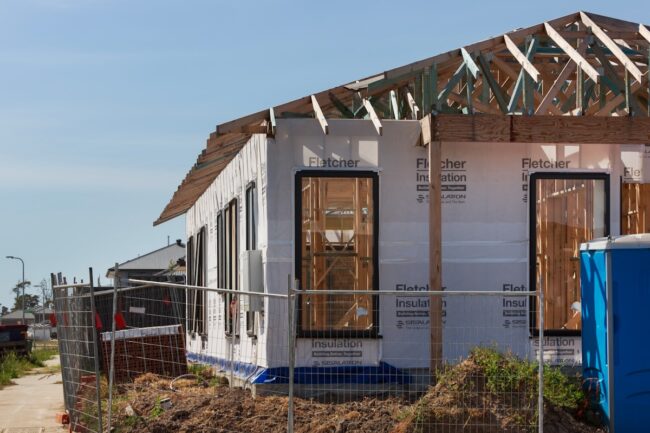
Ordering high-grade insulated panels doesn’t guarantee a high-performance building envelope. I’ve seen projects lose nearly 40% of their projected energy efficiency simply because the installation crew ignored the specifics of spline connections and joint sealing. If you want to avoid the nightmare of failed blower-door tests, you have to treat the panel as a system,…

Cold Room Panels 8 Industrial Applications for Cold Room Panels

8 Industrial Applications for Cold Room Panels

Standard Cold Room Panels are often treated as simple insulating bricks, but they are actually the primary defense against catastrophic energy loss and regulatory non-compliance in industrial facilities. A single poorly sealed thermal bridge in a deep freeze environment creates ice buildup that degrades structural integrity and forces HVAC systems to run at maximum capacity,…

Insulated Metal Panels Compare Insulated Metal Panels: A Guide

Compare Insulated Metal Panels: A Guide

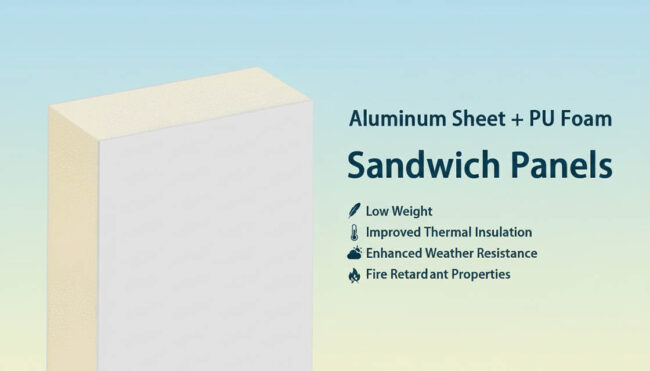
Insulated metal panels promise faster construction and tighter energy codes, but the market is flooded with thin-faced, poorly bonded cores that fail inspection. Most procurement teams assume all sandwich panels perform equally until a moisture trap ruins a cold storage wall or a fire rating falls short. We have spent over 15 years engineering these…

Aluminum Composite vs Phenolic Panels Aluminum Composite vs Phenolic Panels: Key Differences

Aluminum Composite vs Phenolic Panels: Key Differences

Procurement officers choosing between aluminum composite and phenolic panels face a binary decision: prioritize initial budget or lock in lifecycle compliance. The core difference isn’t just material weight. It is fire safety rating and structural resilience. I have spent over fifteen years watching projects stall because teams assumed standard aluminum composite met modern fire codes,…

Insulated Metal Panels (IMPs) Do Insulated Metal Panels (IMPs) Cost Less Than Lumber?

Do Insulated Metal Panels (IMPs) Cost Less Than Lumber?

Most procurement managers look at a lumber invoice and see a bargain until they tally the full build-out. Timber framing is just a raw component that demands studs, OSB, house wrap, and batt insulation to function. An insulated metal panel system eliminates those seven separate trades by delivering the structural skin, rigid foam core, and…

Insulated Metal Panels Insulated Metal Panels vs Lumber: Which Is Cheaper?

Insulated Metal Panels vs Lumber: Which Is Cheaper?

Most procurement managers compare the sticker price of Insulated Metal Panels against bare lumber studs and immediately write off the metal option. That shortcut destroys project margins. Wood framing consistently introduces double-digit budget variance during winter bids. At Rax Panel, we have manufactured custom envelope systems for over fifteen years, and the math stays the…

Aluminum Composite Panel Aluminum Composite Panel Facades Decoded

Aluminum Composite Panel Facades Decoded

Most procurement officers get burned on facade specs because they assume every Aluminum Composite Panel delivers the same fire rating and thermal performance. At Rax, our engineering team runs continuous quality checks on every roll stock, and we consistently pull over 1,700 square meters through our lamination lines each day. That volume forces us to…

Selecting Composite Core Foam: EPS vs XPS vs PIR

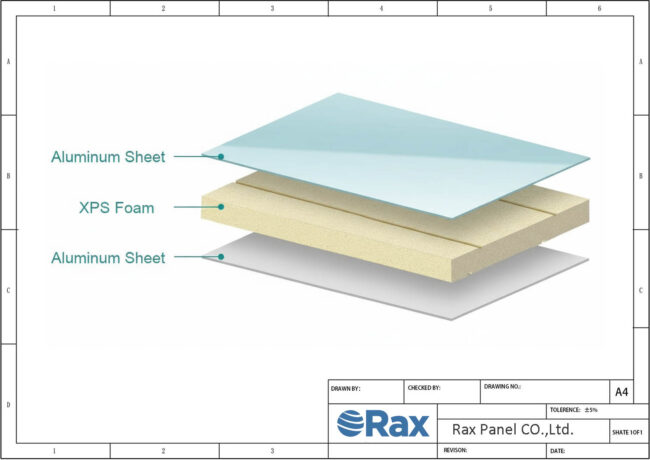
Most procurement officers pick insulation by chasing the lowest unit price until a building code audit catches up. That gap exists because spec sheets rarely show how inconsistent foam density kills thermal performance during real curing cycles. At Rax Panel, we track every manufacturing batch, and we know that properly controlled closed-cell engineering drops thermal…

Key FRP GRP Sandwich Panel Trends in Construction & Design

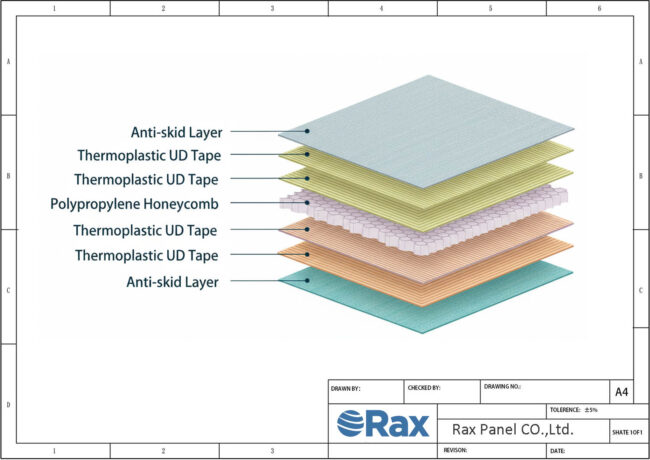
Most procurement managers still specify aluminum cladding because they fear FRP GRP Sandwich Panel systems will fail health and safety inspections. That hesitation is outdated. Modern continuous fiber thermoplastic layups routinely deliver tensile strength exceeding 100 MPa, which completely removes the need for heavy steel reinforcement in medium-span commercial walls. You do not sacrifice structural…